
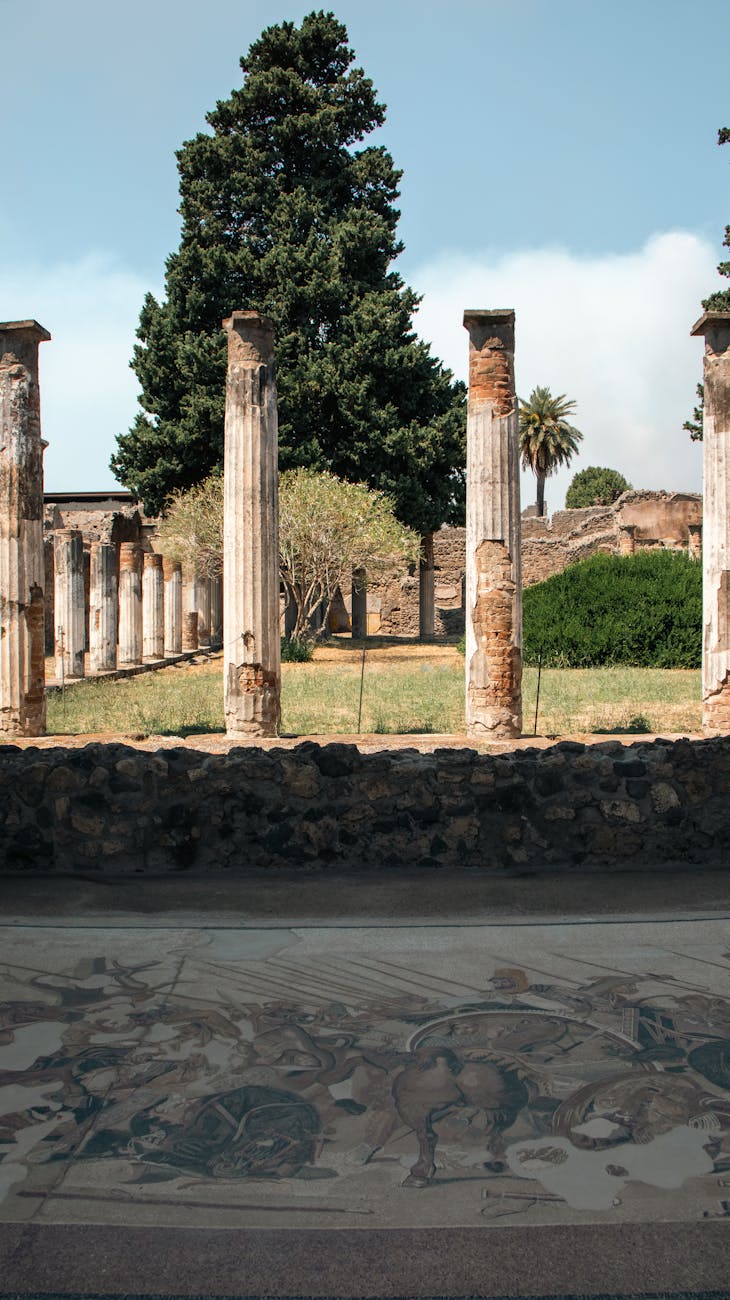
3 Days in Pompei: A Practical Itinerary
Spend 3 days exploring ancient ruins, hiking Vesuvius, and sampling Campanian food. Practical Pompei itinerary with transit tips, top sites, and local eats.
A focused 3-day plan to explore the archaeological park, climb Vesuvius, and take coastal day trips while enjoying local food and transport tips.
Pompei is a compact town anchored by one of the world’s most dramatic archaeological parks. It suits history lovers, day-trippers from the Amalfi coast, and anyone who wants a short, intense cultural break. Three days lets you see the main ruins without rushing, fit in a Vesuvius hike, and take a coastal or neighboring-city excursion.
Start early on site to avoid crowds and heat, use the Circumvesuviana for quick connections to Naples and Sorrento, and balance busy sightseeing with relaxed meals in the modern town. This plan emphasizes practical routes, local eats, and transit options so you spend time exploring rather than planning.
Why Visit
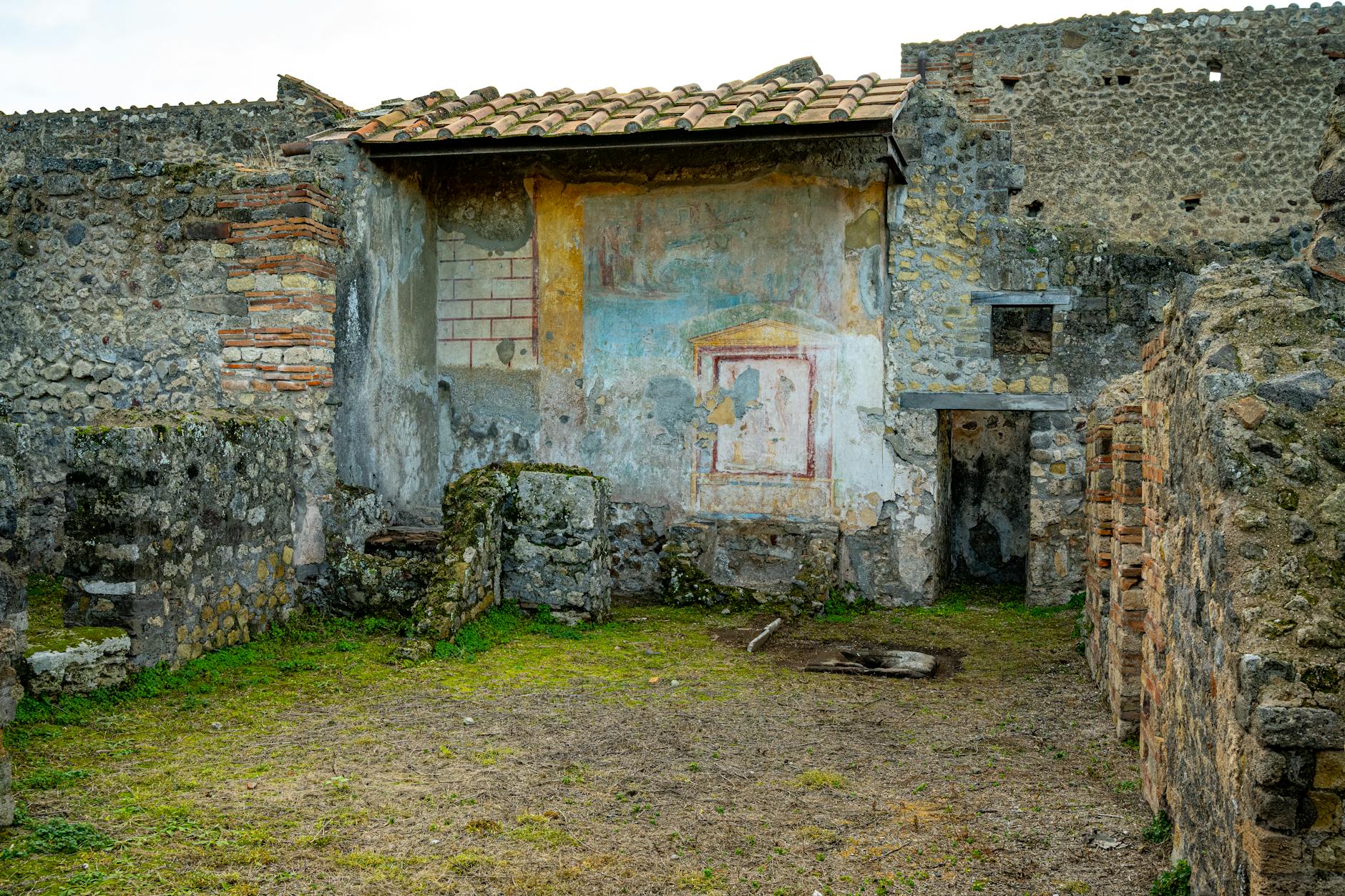
The ruins are an unparalleled snapshot of Roman urban life, preserved by ash in AD 79. Frescoes, storefronts, baths and an intact amphitheatre give a vivid sense of everyday life. Proximity to Mount Vesuvius and the Amalfi coast makes the town a convenient base for combining archaeology with coastal scenery.
Museums, lively cafés, and short regional train or ferry hops let you turn a cultural visit into a fuller southern Italy experience.
Quick Planning Tips
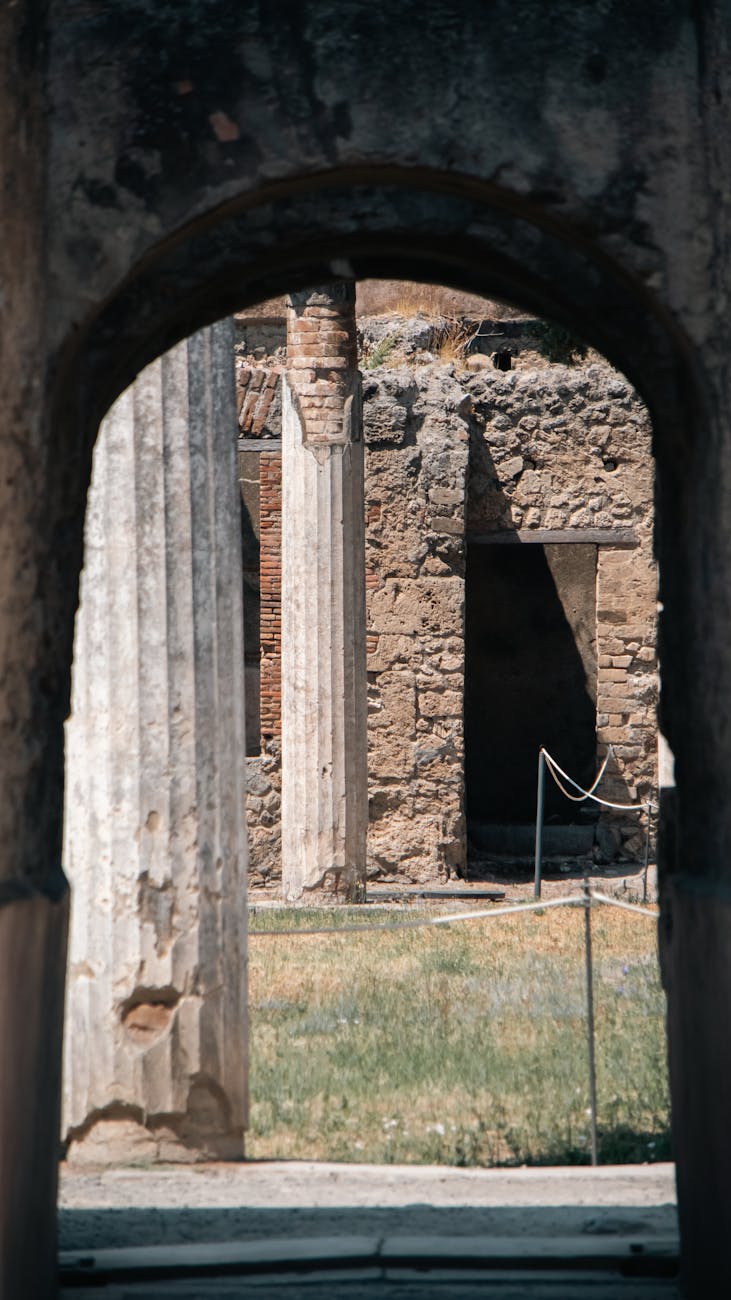
Buy timed-entry tickets to the archaeological park in advance on the official site to avoid long queues. Aim to start at opening or late afternoon for cooler light and fewer visitors. Use the Circumvesuviana train—Pompei Scavi station sits at Porta Marina entrance—or arrive by regional buses.
Wear sturdy shoes, bring a refillable water bottle and sun protection. Many sites have uneven stone and dust; strollers and wheelchairs have limited access. If you plan Vesuvius or island trips, book those transfers a day ahead.

Day 1
Dedicate your first day to the archaeological park. Enter at Porta Marina and follow a clockwise route: Forum, Basilica, the large theatre, House of the Faun with its famous mosaic, and the Lupanar. Pause at the Stabian Baths and finish at the Villa of the Mysteries for its striking frescoes.
Allow 3–5 hours for key highlights, more if you linger. Afternoon: visit the Antiquarium for finds and context, then stroll the modern town center along Via Roma for coffee and a light dinner of fresh seafood or pizza.
Day 2
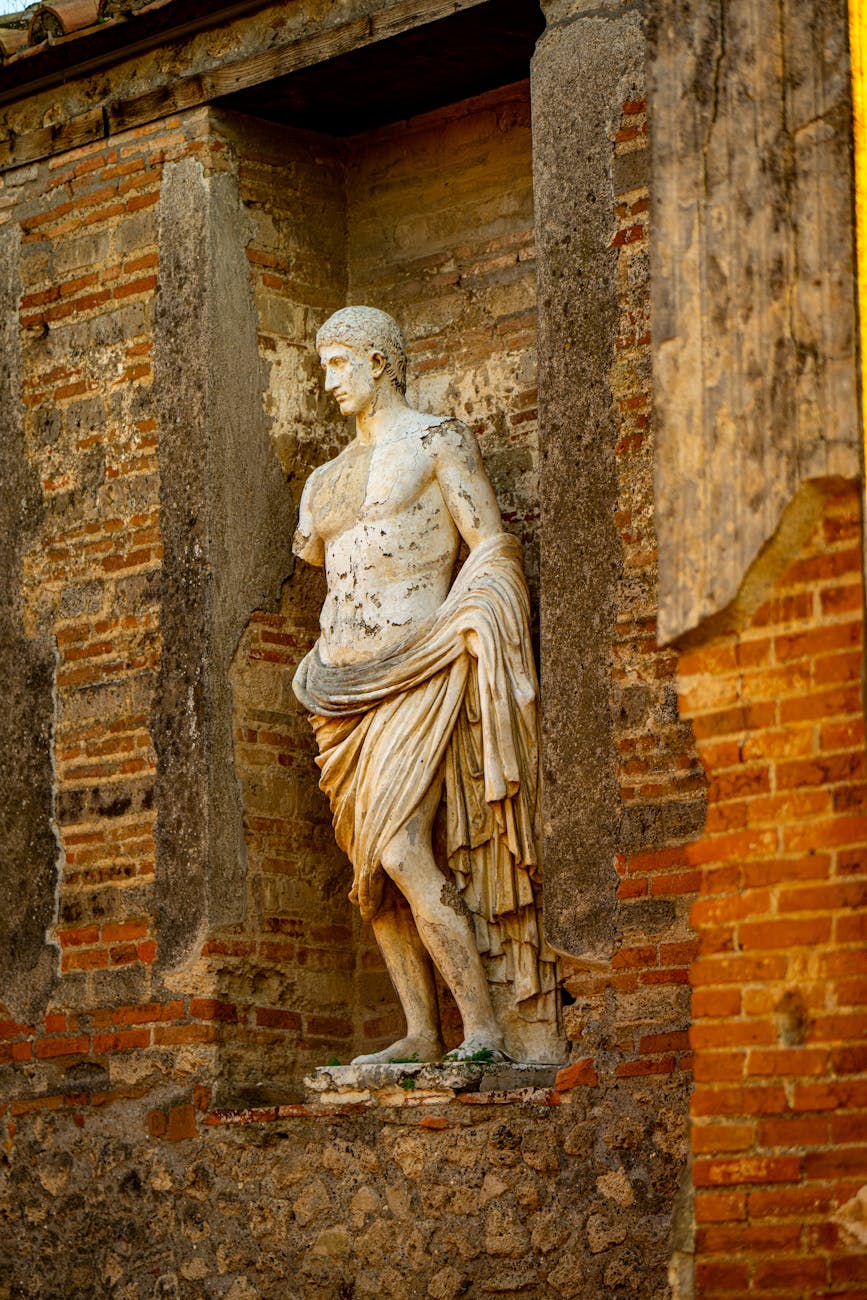
Morning: climb Mount Vesuvius. Take a bus or drive to the trailhead, then hike to the crater rim for panoramic views of the Bay of Naples. The trail is exposed—start early and bring water.
Afternoon options: visit Herculaneum (Ercolano) for better-preserved wooden structures and mosaics, or head to Sorrento for a seaside stroll and ferry connections. Return for dinner in town; try a trattoria serving bufala mozzarella and local wine.
Day 3
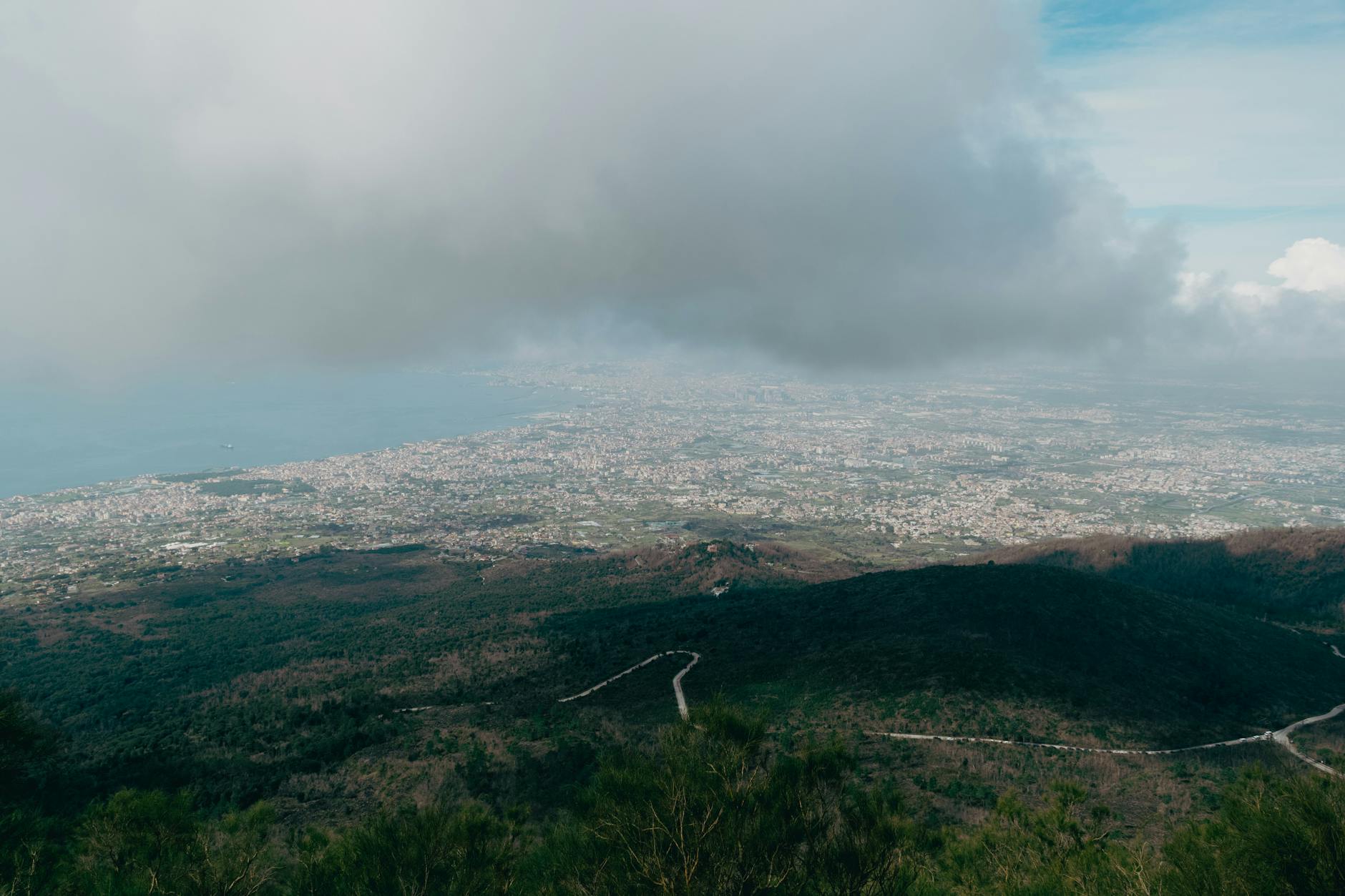
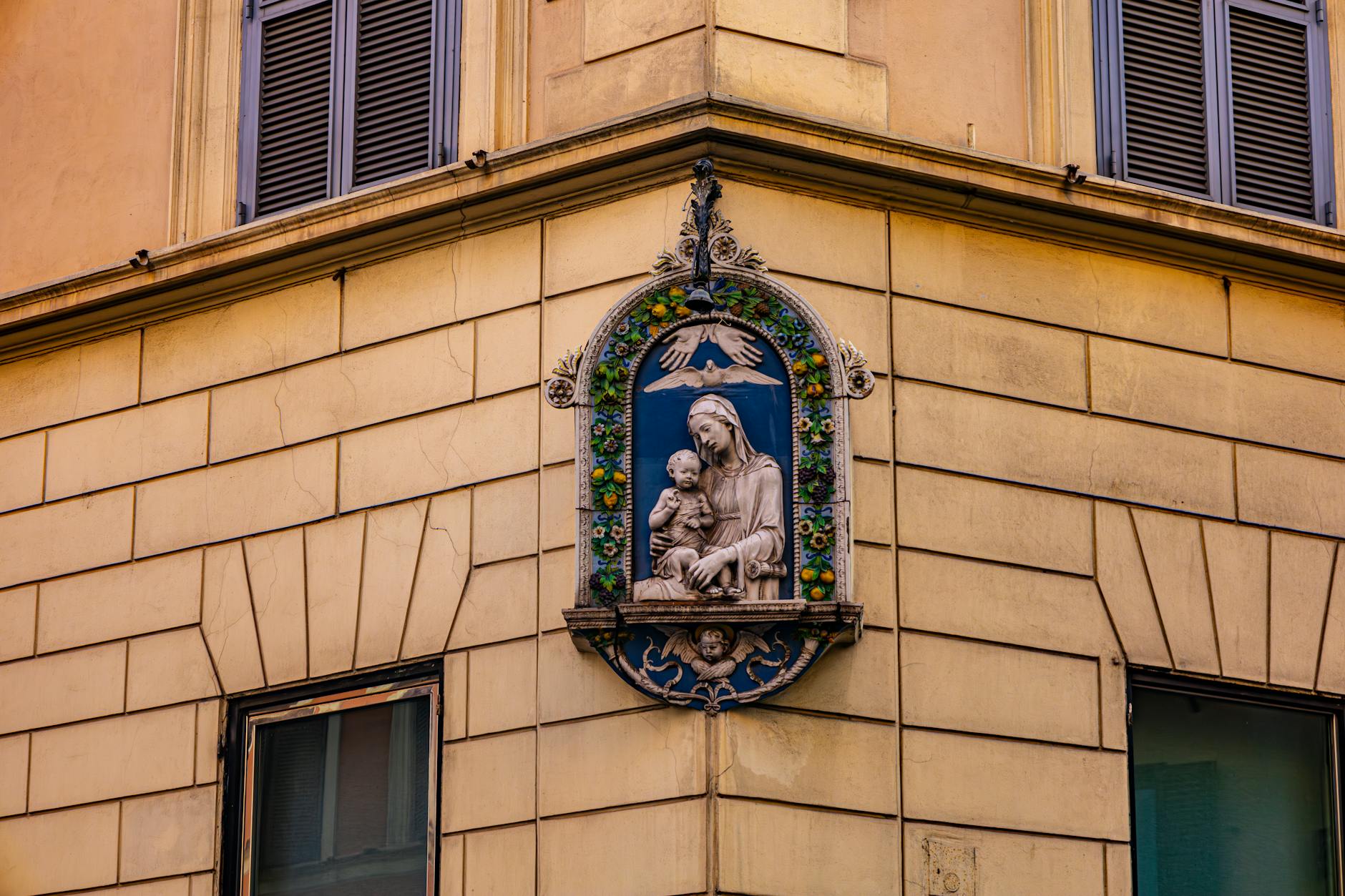
Spend a relaxed third day in the modern town and nearby short trips. Morning: visit the Santuario of the Blessed Virgin of the Rosary—an important local pilgrimage church—and pop into the local markets for pastries and artisan products. Midday: take a short ferry or train hop to Sorrento or Salerno for coastal scenery and lunch.
If you prefer slower pacing, use Day 3 to revisit a favorite excavation sector, explore lesser-known gardens and ruins, or enjoy a cooking class focused on Campanian cuisine.
Best Local Experiences
Watch sunrise light hit the ruins for a quieter, photogenic hour. Taste sfogliatella at a local pasticceria and try cuoppo (a paper cone of fried seafood) from a street vendor.
Take a limoncello tasting in Sorrento or a short boat trip along the Amalfi coast. For deeper context, hire an archaeologist-led tour of the park or a local guide for the museum shows and frescoes.
Where to Stay
Stay near Pompei Scavi station for earliest access to the park and easy train links. Options include boutique B&Bs in the historic center and midrange hotels on Via Roma within walking distance of restaurants. For coastal evenings and more nightlife, base in Sorrento and commute (20–30 minutes by train).
If renting a car, pick accommodations with parking; downtown streets can be narrow and busy.
Food and Drink
Campanian cuisine is a highlight: Neapolitan pizza, mozzarella di bufala, fresh seafood, and pastries like sfogliatella. Try local trattorie on Via Roma and family-run restaurants around Piazza Bartolo Longo.
Order espresso standing at the bar for the authentic experience, and finish meals with limoncello. Markets sell local olive oil, preserves, and ceramics—good for gifts.
Getting Around
Circumvesuviana regional trains connect to Naples, Sorrento and Ercolano; Pompei Scavi station puts you a short walk from the Porta Marina entrance. Local buses and shuttle services run to Vesuvius and coastal towns. Taxis are available but can be costly for long trips.
Walking is the best way to explore the modern town and the archaeological park, but expect uneven surfaces. If you hire a car for coastal drives, reserve parking in advance during high season.
Best Time to Visit
Spring (April–June) and early autumn (September–October) offer mild weather, blooming landscapes and fewer crowds. July and August are hot and busy; winters are quieter but some services reduce hours.
For photography and walking comfort choose shoulder seasons, and book popular tours and accommodations in advance if you travel in summer.
Budget and Practical Tips
Buy official archaeological park tickets online and consider a combined ticket if you plan Herculaneum. Bring cash for small cafés and market stalls, though cards are widely accepted. Expect basic entry fees and moderate local prices for food.
Pack comfortable shoes, sun protection and a refillable bottle. Many attractions are open year-round but check seasonal hours. If short on time, prioritize early-entry at the park and either Vesuvius or an island/coast day trip—not both in the same day.
FAQ
How long should I spend in the archaeological park?
Plan 3–5 hours to see the highlights at a comfortable pace; a full day lets you explore more thoroughly.
Is the park suitable for children?
Yes—kids often enjoy the open spaces and ruins, but bring sun protection and frequent water breaks; some areas are uneven.
Can I visit Vesuvius and the ruins in one day?
It’s possible but tight; better to split across two days to avoid rushing and to enjoy both experiences.
Do I need a guide for the ruins?
Not required, but a guided tour or audio guide greatly enhances understanding of the frescoes and urban layout.
What transport should I use to reach Sorrento or Naples?
Use the Circumvesuviana train for fast, inexpensive connections; ferries from Sorrento serve Capri and the Amalfi coast.
Are there toilets and food inside the archaeological park?
Yes, there are basic facilities and refreshment points, but options are limited—pack water and snacks for longer visits.
Conclusion
Three days around Pompei give you the arc: deep archaeological exploration, a memorable Vesuvius hike, and a taste of the Amalfi coast or nearby towns. Book key tickets ahead, start early at the park, and balance busy days with relaxed meals to absorb both history and modern Campanian life.
How this guide was prepared
This guide was prepared through a structured research that combines destination research, geographic context, itinerary planning logic, and content review.