
3 Days in Gaillimh: Practical Weekend Itinerary and Tips
A clear, no-nonsense 3-day guide to Gaillimh with transit tips, neighbourhood notes, costs and an achievable itinerary for first-time visitors.
An honest 72-hour plan for Gaillimh that balances the Latin Quarter, Salthill coast, and an optional Connemara or Aran Islands day trip with realistic costs and timings.
Gaillimh feels immediate: narrow streets, musician amps on doorways, and a mix of old stone and painted shopfronts. Expect loud evenings on Shop Street and Quays where street performers and pub music can run to midnight in summer. Foot traffic dominates the core; walking is the fastest way to move between main sights.
Many visitors arrive expecting quiet coastal scenery and instead find a working port and a university town with shifting crowds during race week and festivals. That blend suits people who like short walks, lively pubs, seafood at market stalls and easy access to island or Connemara day trips.
Accommodation ranges from budget hostels near Eyre Square to higher-end hotels along the River Corrib or in Salthill. Public transport inside the city is limited compared with larger Irish cities, so plan one packed day on foot and reserve one day for a single outward trip rather than trying to cram multiple long excursions.
Is 3 days in Gaillimh enough?
Yes: three days covers the Latin Quarter, Eyre Square, Salthill and one short day trip (Aran Islands or a half-day Connemara loop). Caveat: a full Connemara coast circuit or relaxed island exploration requires more time, so pick one major day trip and leave the rest of the region for another visit.
Who This Guide Is For
Best for travellers who like walking, street music, seafood and short coastal excursions. Less suitable for travellers seeking long wilderness hikes or an in-depth Connemara driving tour on a tight schedule.
Local Tips for Gaillimh
Practical details that most travel sites skip — specific to Gaillimh.
- Galway City Museum at Spanish Arch is free to enter but accepts donations and runs rotating local exhibitions — plan 45–90 minutes.
- Galway International Oyster & Seafood Festival runs in late September on Forster Street and the Docks; weekend accommodation prices can double for race or festival weeks.
- Local buses are run by Bus Éireann and Local Link; buy a TFI Leap Card at many newsagents or use the TFI app for cheaper fares across local routes.
- Aran Islands ferries depart from Rossaveal (Rós an Mhíl) and a Rossaveal crossing takes about 45 minutes; book ahead in summer and expect return fares around €25–€30.
- Salthill Promenade ends at the Blackrock diving platform where locals swim year-round; bring windproof layers — the Atlantic wind is stronger than the thermometer suggests.
How This Guide Was Prepared
Gaillimh is compact, noisy on summer evenings, and defined by street music, seafood and short day trips to Connemara or the Aran Islands. Many guides over-emphasise long drives out of the city and underplay how much can be seen on foot, evening pub sessions and the practical limits of public transport. This guide was prepared through a structured research that combines destination research, geographic context, itinerary planning logic, and content review.
Plan Your Stay in Gaillimh
Use this itinerary as your starting point, then compare areas to stay, transport options, seasonal timing, and realistic daily costs before booking.
Why Visit
Live music and culture are concentrated in the Latin Quarter, where pubs like Tig Cóilí and Monroe's host traditional sessions most nights. That makes Gaillimh a short trip for people who prioritise music over formal concert halls.
Seafood access is unusually direct: fishmongers on the docks and restaurants such as McDonagh's for fish and chips or Ard Bia at Nimmos by the Spanish Arch offer a clear seafood thread through meals. The oyster culture culminates each September at the Galway International Oyster & Seafood Festival.
Proximity to Connemara, Kylemore Abbey and the Aran Islands allows a substantial day trip without overnighting outside the city. For travellers who want one scenic getaway while still sleeping in a lively town, Gaillimh is a practical base.
Compactness is a practical advantage: major attractions from Galway Cathedral to Eyre Square and the Long Walk are within 20 minutes on foot of each other. That reduces intra-city transport time and makes a three-day plan realistic.

Quick Planning Tips
Best arrival options: from Shannon Airport use Citylink or Bus Éireann coaches to Eyre Square (about 1 hour 15 minutes). From Dublin, fast coaches by Citylink or Bus Éireann take about 2 hours 45–3 hours; trains to Galway Ceannt Station run less frequently and require a change after Dublin. A taxi from Shannon Airport to the city centre costs roughly €60–€80 depending on time and luggage.
Buy a TFI Leap Card for multiple bus journeys and regional coach reductions, or use the Transport for Ireland (TFI) Journey Planner app for real-time schedules. Most places accept card payments; have a few euros for market stalls and small cafés.
Avoid booking ferries or major tours on Galway Races week in July or during the Oyster Festival weekend; accommodation and transport fill fast and prices spike. Reserve ferry tickets to the Aran Islands or Connemara coach tours at least a week ahead in high season.
Day 1
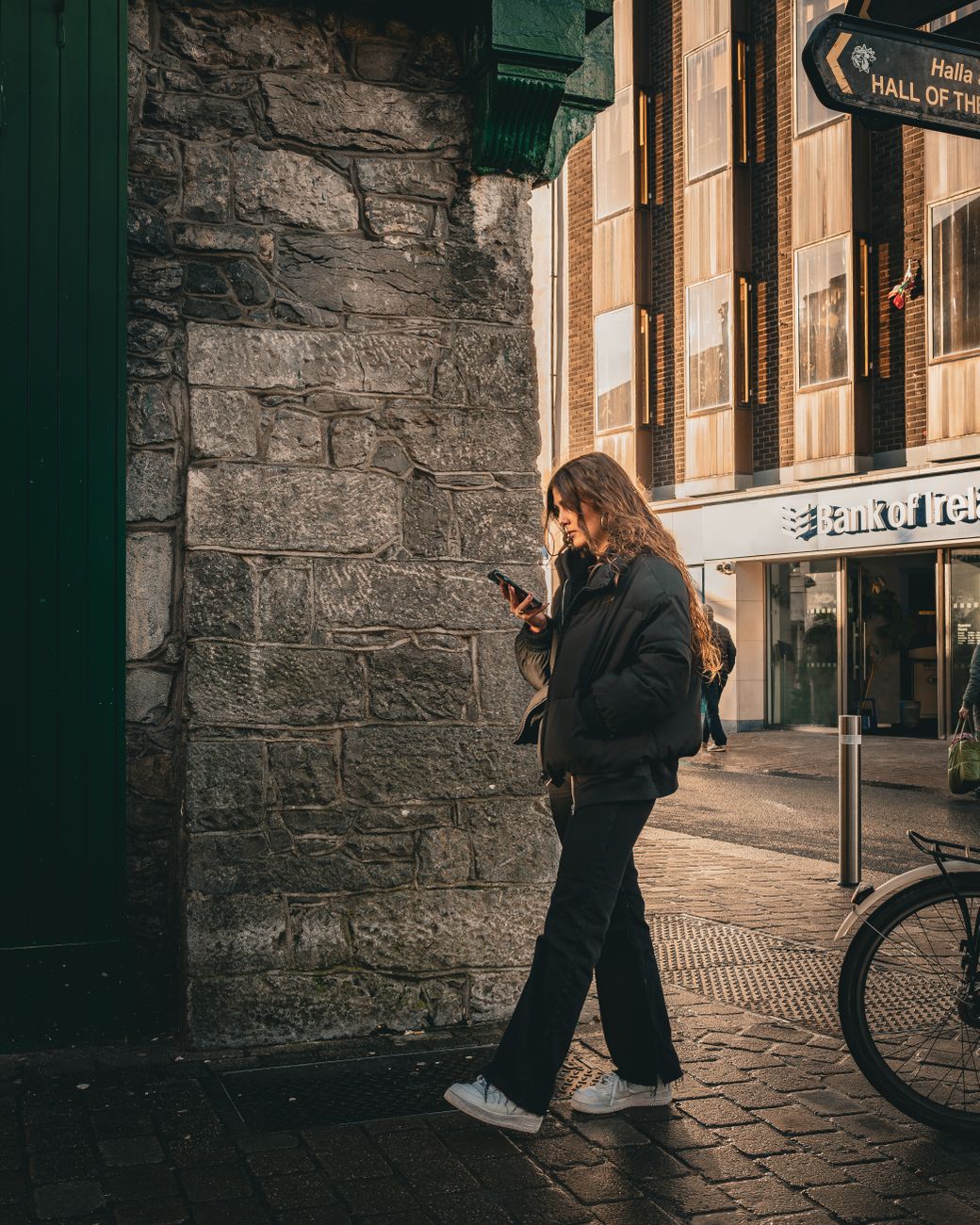
Morning: Start at Eyre Square for orientation and a coffee at Coffeewerk + Press on the square. Walk 5 minutes to Shop Street for shopping, street music, and Lynch's Castle; allow 1–2 hours for browsing and photos.
Late morning: Head to St. Nicholas' Collegiate Church (5 minutes from Shop Street) and then cross the bridge to the Spanish Arch and Galway City Museum; the museum visit takes 45–90 minutes. The route from Shop Street to Spanish Arch is an easy 10–12 minute stroll along Quay Street.
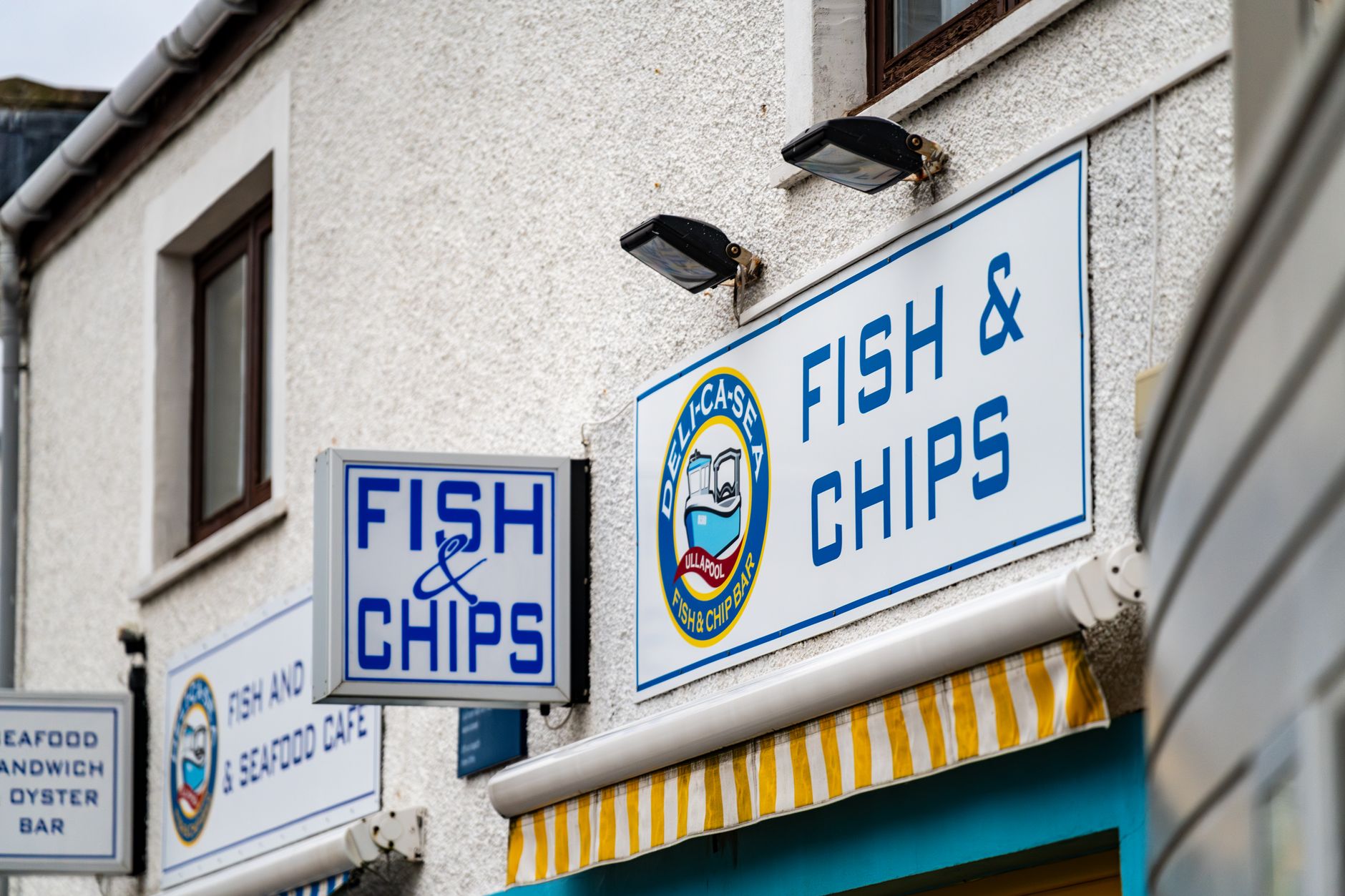
Lunch: Eat at McDonagh's on Quay Street for fried fish or seafood chowder (€8–€15). After lunch stroll the Long Walk and watch the river traffic; walking from Spanish Arch to the Long Walk is about 5–10 minutes.
Afternoon: Walk along the River Corrib toward Galway Cathedral (20–25 minutes from the Long Walk) and tour the cathedral interior for 20–30 minutes. If energy allows, cross to the NUIG campus area and the Memorial Park for river views.
Evening: Head back to the Latin Quarter for dinner at Ard Bia at Nimmos (reservations recommended, main courses €18–€30). Finish with a pub session on Quay Street or in a small traditional pub on Middle Street. Expect lively crowds; quiet bars are harder to find after 9pm.
Day 2
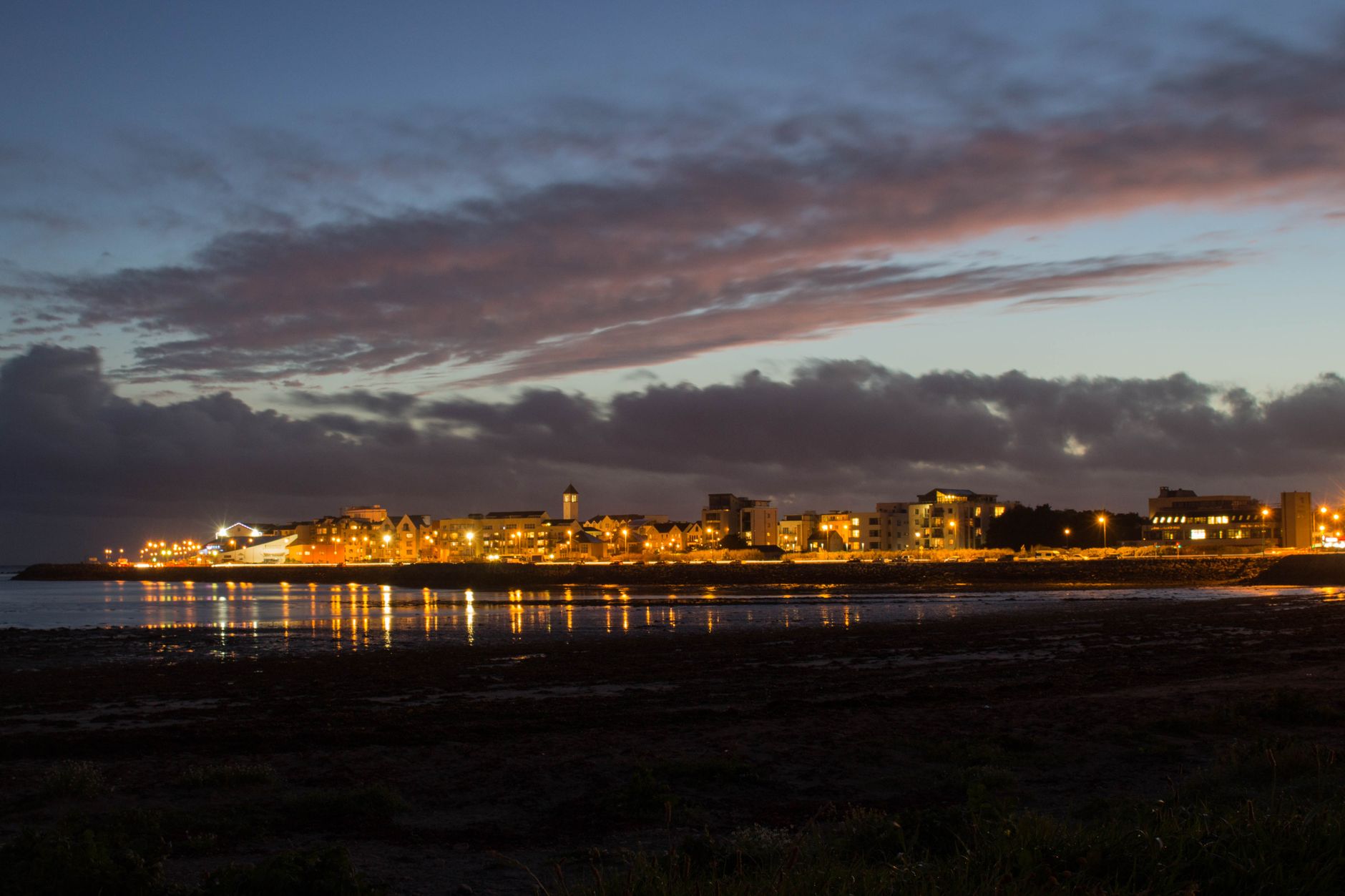
Morning: Take a short bus or a 25–35 minute walk to Salthill Promenade for a sea-air walk from the Blackrock diving area along the promenade. If visiting in summer, bring a towel; this is where locals swim and families picnic. From Eyre Square a local bus to Salthill takes 10–15 minutes depending on traffic.
Late morning: Visit Galway Atlantaquaria in Salthill (allow 60–90 minutes; tickets around €12–€15). Nearby cafes on Sea Road serve brunch; try a seafood chowder or a full Irish breakfast for roughly €10–€15.
Lunch: Sit down at An Púcán or The Chart House on Salthill Promenade for panoramic sea views and seafood plates (€15–€30). Return to the city by bus, which takes about 15 minutes.
Afternoon: Spend the afternoon exploring the Westend and Claddagh area, see the Claddagh ring motifs and walk the old town walls by the Spanish Arch again for different light. Alternatively, book an afternoon half-day Connemara minibus tour that departs from Eyre Square (3–5 hours) to see Killary Harbour or small villages.
Evening: Dinner in the Latin Quarter focused on seafood—many locals prefer early seating to avoid late crowds. For a quieter night try a small wine bar off Quay Street rather than the main pub thoroughfare.
Day 3
Morning: Reserve this day for the Aran Islands or a relaxed local morning followed by a departure plan. If choosing Aran Islands, take an early ferry from Rossaveal (allow 45 minutes) and plan at least 5–7 hours on Inis Mór to cycle or take a minibus tour; ferries return late afternoon. Booking a ferry from the city docks is possible in low season but Rossaveal departures are more frequent in summer.
Alternative morning: If not islanding, start with a market visit at St. Nicholas' Market or a walkthrough of the University Quadrangle and then a visit to the Galway City Museum if not seen earlier.
Lunch: On Inis Mór try oysters or simple seafood in a local cafe (expect €12–€20). In the city, try a fish pie or boxty at a riverside restaurant for around €14–€22.
Afternoon: If catching a late flight or train, return to the city and use remaining hours for quick shopping on Shop Street or a final riverside walk. Plan at least 60–90 minutes to collect luggage and reach Galway Ceannt Station or the bus stop; allow 90 minutes to Shannon Airport by coach, or 60 minutes by taxi depending on time of day.
Evening/Departure: For afternoon flights, keep the last morning light and avoid long outings. For departures after evening, a final pub meal near Eyre Square makes logistics simpler.
Best Local Experiences
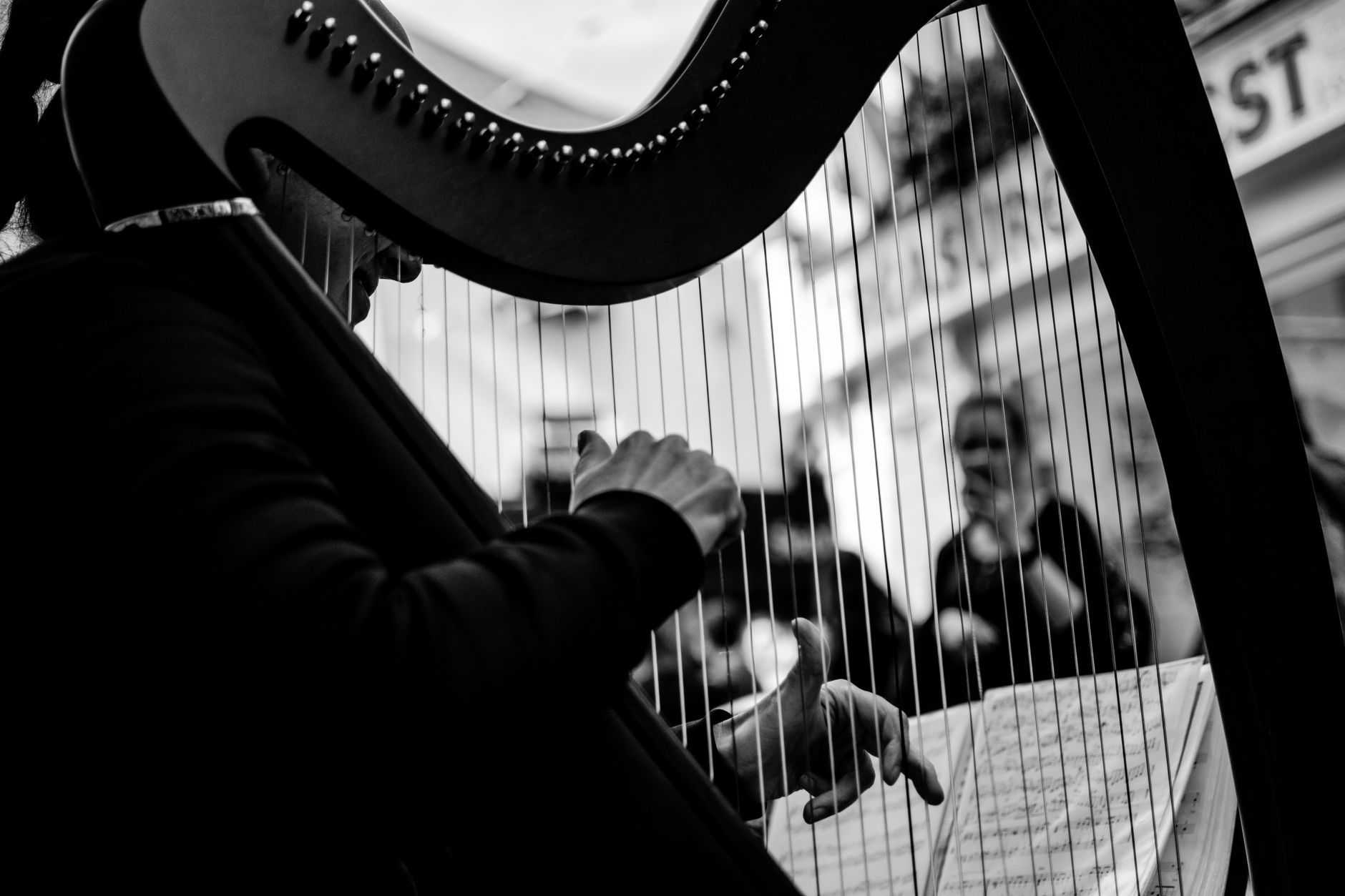
Attend a traditional music session in a small pub such as Tig Cóilí, Monroe's or Tigh Neachtain; check session times on pub windows or social media. Taste Galway oysters at the Galway Oyster Stall near the docks or during the Galway International Oyster & Seafood Festival in September.
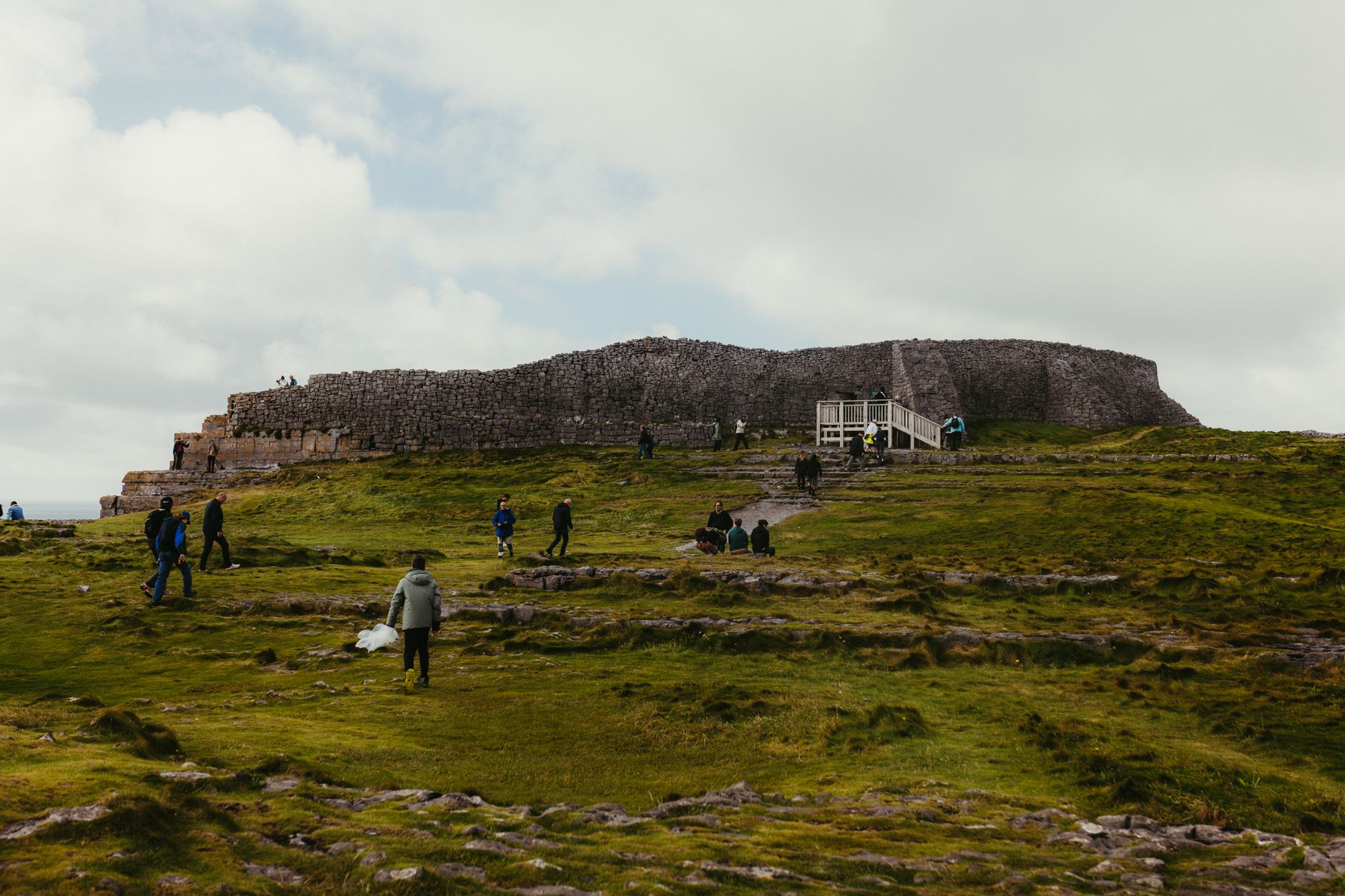
Swim or walk on Salthill Promenade and watch locals on the Blackrock platform; this experience contrasts with the city centre. Take a ferry to Inis Mór and cycle the island, stopping at Dún Aonghasa for cliff views; ferry operators include Aran Island Ferries from Rossaveal.
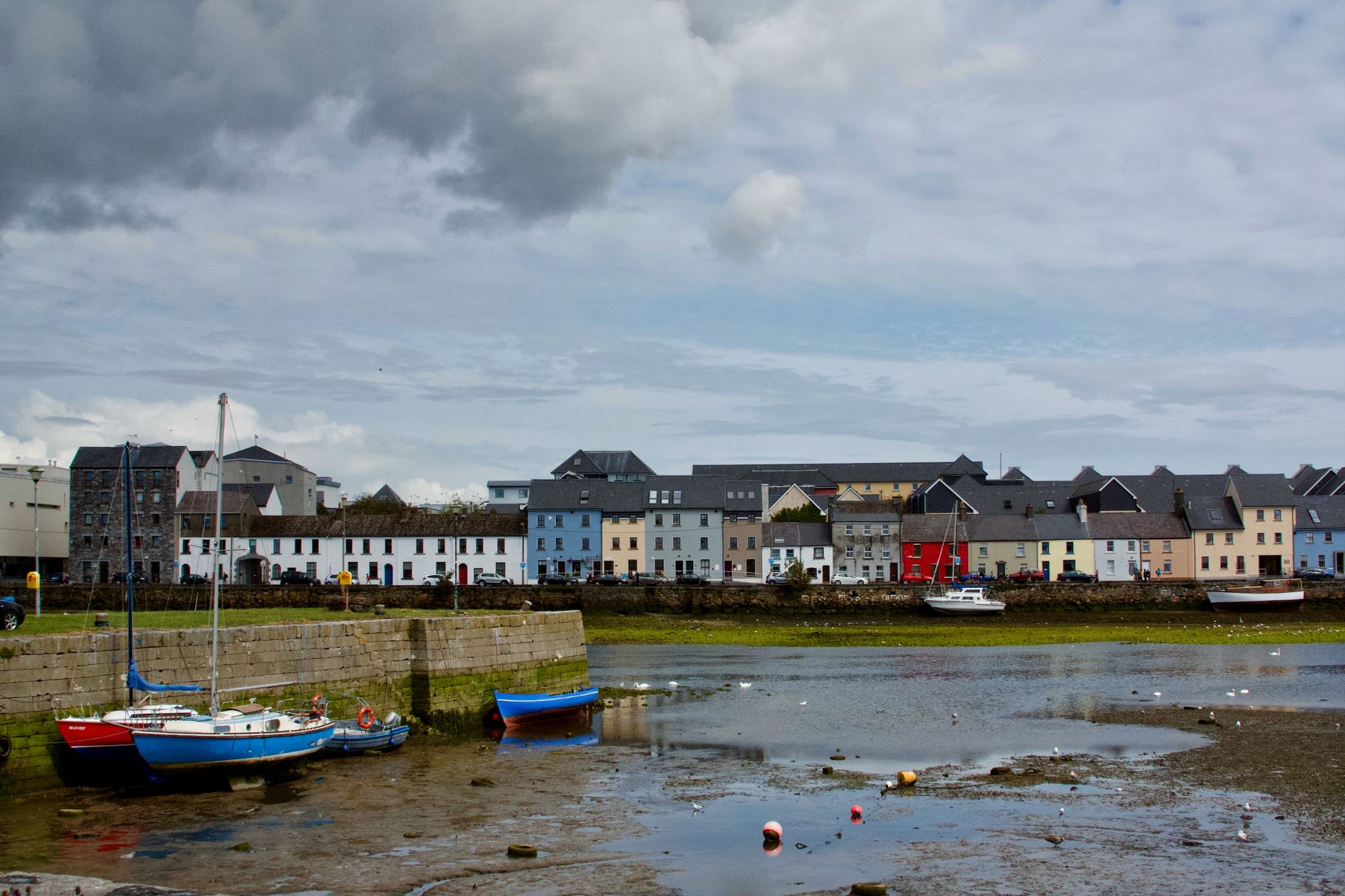
Visit the Galway City Museum for local maritime and urban history and walk the Long Walk to view colourful houses and river traffic. Attend a day at Galway Races at Ballybrit if visiting in July; race week dramatically changes hotel and transport availability.
Try a Connemara coach or small-group minibus to see Kylemore Abbey or Killary Harbour — these short tours offer alpine-like scenery within an hour or two drive.
Where to Stay
Eyre Square area: Suited to first-time visitors who want immediate access to bus and coach departures, Shop Street and restaurants. Nightly costs: budget hostels €25–€45, mid-range hotels €90–€150, higher-end options €160+.
Latin Quarter / Quay Street: Best for nightlife and music; near Spanish Arch and most pubs. Expect mid-range rooms €110–€180 per night in high season and smaller guesthouses €70–€100 off-season. This area is noisy late into the night.
Salthill: Suited to those who want coastal walks and quieter evenings; about 10–15 minutes by bus to the city centre. Nightly costs: B&Bs €70–€120, mid-range hotels €100–€180, seafront rooms can reach €200 in high season.
University (NUIG) and Westend: Good for budget travellers and students; cheaper private rooms and guesthouses with easy walking access to the Cathedral and Galway Bay. Nightly costs: €50–€110 depending on season.
Booking notes: During Galway Races (July) and Oyster Festival (September) expect prices to double and limited availability; reserve at least two months ahead for those weeks.
Food and Drink
Galway Oysters: Local oysters from Galway Bay, often eaten raw with lemon or mignonette. Best sampled at festival stalls in September or at seafood counters on the docks; prices vary from €2–€4 per oyster at markets to €3–€6 in restaurants.
Seafood Chowder: Creamy soup with chunks of fresh fish and shellfish. Common in cafés like The Quay Street fish shops and many riverside restaurants; expect €6–€10 for a bowl.
Boxty: A grated potato pancake, sometimes filled or served with bacon and eggs. Find boxty at Brasserie on Quay Street and some breakfast venues; prices around €8–€12.
Full Irish Breakfast: Fried eggs, sausage, rashers, black pudding and soda bread. Widely available in cafés and B&Bs; typical price €9–€14.
Galway Hooker Beer and Connemara Whiskey: Galway Hooker brews are common in pubs; a pint costs about €5–€6. Connemara Peated Whiskey is a regional spirit to try in bars or for purchase; expect €6–€10 for a measure.
Dinner recommendation: McDonagh's fish and chips for a quick budget meal, or Ard Bia at Nimmos for a higher-end local-ingredient plate. Expect mains €15–€30 depending on the restaurant.
Getting Around
Walking is the primary mode within the compact core; most main attractions lie within 20 minutes of each other. City buses are operated primarily by Bus Éireann and Local Link for regional services; intercity coaches to Dublin or Shannon are run by Citylink and Bus Éireann.
Use the Transport for Ireland (TFI) Journey Planner app for real-time local bus schedules and the Bus Éireann app for coach bookings. A TFI Leap Card is accepted on many Bus Éireann services and saves on multiple trips; purchase at local newsagents or larger stations.
Typical single city bus fares are around €2–€3; day passes or Leap fare caps reduce multiple journeys. Taxi from Shannon Airport into the city typically costs €60–€80; a city centre taxi short hop is about €6–€12 depending on distance and time of day. Apps such as Free Now operate nationally and can summon local taxis.
Best Time to Visit
Summer (June–August): Warmest weather with daytime highs typically 15–20°C and long daylight hours. Expect the largest crowds, higher prices and busy pubs. Book accommodation early if visiting in July for Galway Races.
Shoulder seasons (April–May, September–October): Cooler temperatures ranging from 8–15°C and fewer crowds. September includes the Oyster Festival which brings spikes in visitors for that weekend; other September weekends are quieter.
Winter (November–March): Cold and wet with temperatures often 2–8°C and frequent wind from the Atlantic. Many attractions stay open but daylight is short and some boat services run reduced schedules — best value but less suited to island day trips.
Best value months are late April to early June and late September to October when weather is tolerable and hotel rates are lower than peak summer.
Budget and Practical Tips
Sample daily budget (per person): Accommodation mid-range €90–€150 (EUR), Food €25–€50, Local transport €5–€12, Entry fees/tours €10–€40. In USD (approx): accommodation $100–$162, food $27–$54, transport $6–$13, entries $11–$43.
Budget options: hostels and B&Bs near Eyre Square can drop accommodation to €25–€60 per night. Mid-range travelers should plan €90–€150 per night for central hotels in summer.
Entry fees: Galway City Museum is free; Galway Atlantaquaria €12–€15; guided Aran Islands ferry return about €25–€30. Connemara attractions like Kylemore Abbey charge around €12–€15 for gardens and house entry.
Tipping: In restaurants, a tip of 10% is appreciated when service is not included; bar service is usually not tipped beyond rounding up. Taxi drivers expect small change or a euro or two extra for luggage handling.
FAQ
Is Gaillimh safe for solo travellers?
Yes; daytime safety is good across the centre. Use usual urban caution at night around late-night pubs and busy streets and keep valuables secure.
How do I get to the Aran Islands?
Ferries run from Rossaveal (Rós an Mhíl) and seasonally from Galway docks; book with Aran Island Ferries or other registered operators and allow 45 minutes crossing time from Rossaveal.
Is public transport reliable in the city?
Local buses run by Bus Éireann and Local Link are generally reliable but less frequent than in larger Irish cities; use the TFI Journey Planner app for timetables.
Should I buy a city card or tourist pass?
There is no single, widely used Gaillimh city card; buy a TFI Leap Card for bus savings and book tours or ferries individually — passes usually do not offer enough savings for a short stay.
Are there direct flights to Shannon or do I need to connect?
Shannon has direct flights from some UK and European cities; many international travellers transfer via Dublin or Shannon. Coach services to the city from Shannon are frequent.
Can I visit Connemara and the Aran Islands in one day?
No; both are full-day experiences on their own. Choose one to avoid a rushed trip.
Is cash or card preferred?
Card is widely accepted; keep small euro notes and coins for market stalls, small cafés and ferry kiosks.
Are restaurants expensive?
Mid-range mains commonly cost €12–€25; seafood and riverside restaurants can be €20–€35 per main, so budget accordingly.
Conclusion
Three days in Gaillimh delivers a concentrated experience of live music, seafood and a manageable coastal or island day trip. The most memorable elements are the evening pub sessions and a short walk along the Long Walk or Salthill Promenade at sunset.
If time runs short, prioritise a riverside walk, a visit to the Spanish Arch/Galway City Museum and one evening of traditional music with oysters or fish and chips. Those elements together capture what most visitors remember from a weekend here.
How this guide was prepared
This guide was prepared through a structured research that combines destination research, geographic context, itinerary planning logic, and content review.