
Napoli in 3 Days — Real Itinerary, Costs & Tips
A practical 3-day Napoli guide with neighbourhood plans, transit tips, realistic prices for food and tickets, and clear priorities for limited time.
A no-nonsense, walkable 72-hour plan for Napoli focusing on food, main sights, neighbourhood character and realistic transit and cost details.
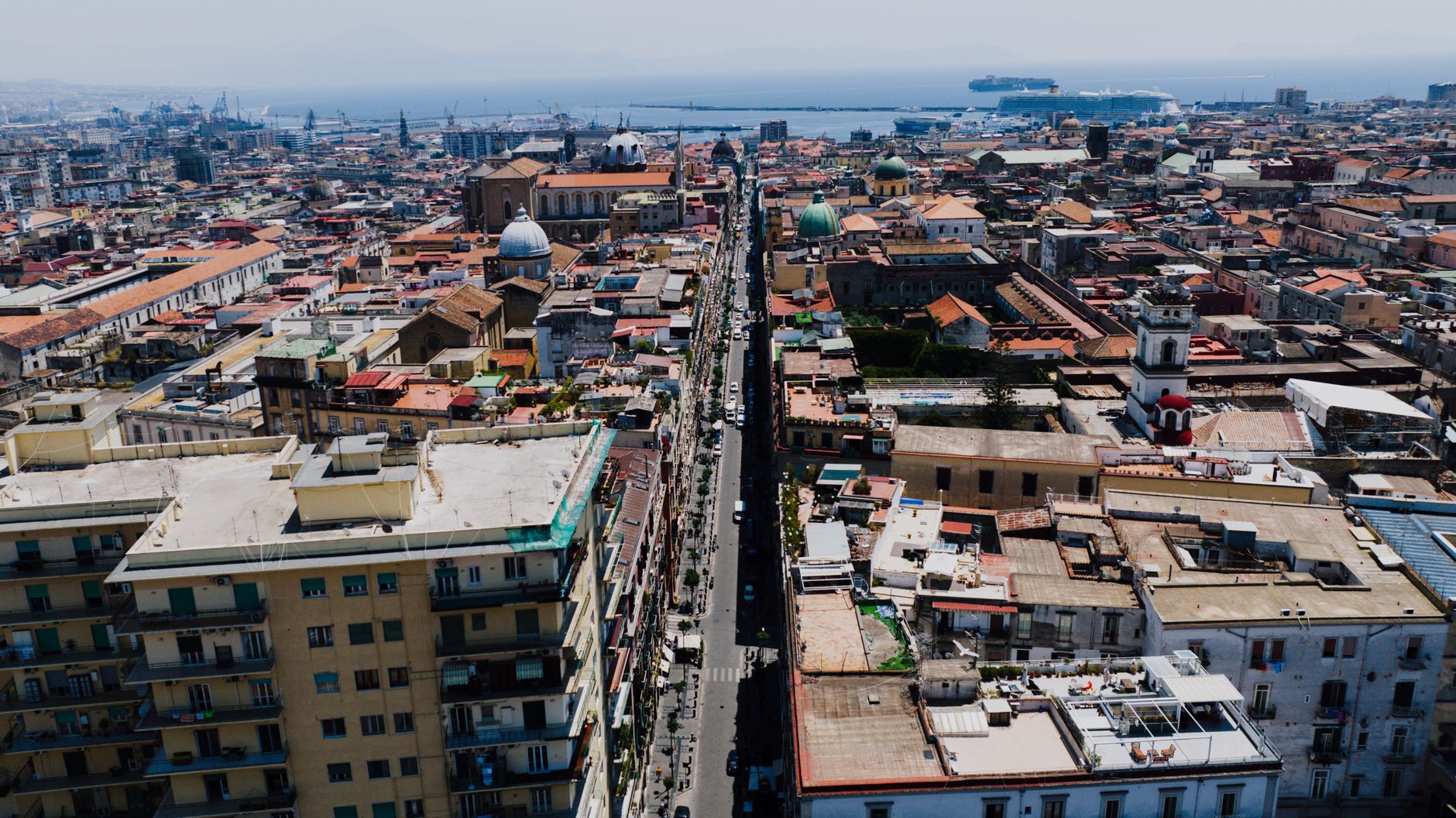
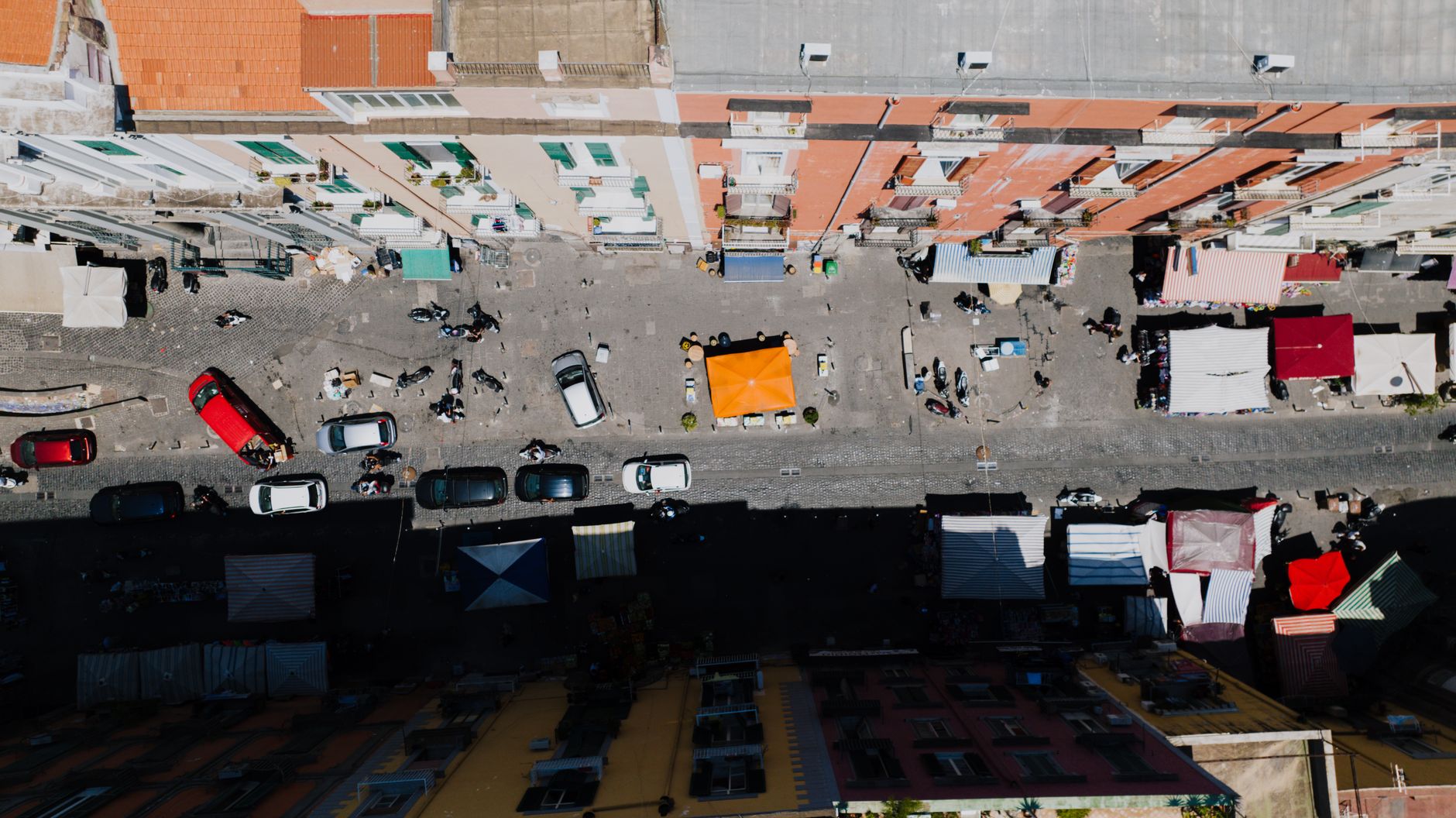
Expect a city where streets are living workplaces: shop fronts spill onto sidewalks, scooters thread narrow alleys and voices carry from balconies. First impressions often alternate between skilled local services and what looks like disorder; that apparent chaos is the operating system that keeps markets, bakeries and small manufacturers running. Noise levels and litter vary block to block; the central historic core near Spaccanapoli and Via dei Tribunali is dense and energetic, while Vomero on the hill feels calmer with formal streets and viewpoints.
This place suits travellers who enjoy close-up street life, short museum visits and lots of food stops. It is not a polished resort city and requires flexible timing: expect delays on buses and packed public transport at peak times. Basic Italian or a translation app helps with markets and small trattorie where English is minimal.
Is 3 days in Napoli enough?
Three days are enough to cover central highlights: Spaccanapoli, the Duomo, Teatro di San Carlo, MANN and a Vomero viewpoint, plus a coastal walk. One honest caveat: a full Amalfi Coast day trip or a slow, thorough visit to Pompeii will require extra time or a skipped museum.
Who This Guide Is For
Best for food-focused travellers, walkers who tolerate narrow streets and noise, and those prioritising city character over beach time. Poor fit for travellers wanting relaxed seaside resorts or a luxury, quiet stay.
Local Tips for Napoli
Practical details that most travel sites skip — specific to Napoli.
- Buy the Alibus at Capodichino airport for €5 one-way to Napoli Centrale or Molo Beverello; tickets sold at the airport desk, vending machines, and on board (card accepted on machines).
- Circumvesuviana regional trains run from Napoli Porta Nolana to Pompei Scavi for about €2.80 per single; trains are frequent but cramped—avoid rush-hour with large luggage.
- ANM single urban ticket (BIT) costs €1.10 and is valid 90 minutes for metro, funiculars and city buses; always validate in machines or on board and keep the validated stub.
- Toledo metro station (Linea 1) is a top photo spot but gets very crowded midday; visit right after opening or late afternoon for fewer people and better shots.
- Via San Gregorio Armeno’s nativity workshops stay open year-round but swell during December and Holy Week; many stalls expect cash for small purchases and bargaining is common.
How This Guide Was Prepared
This guide treats Napoli as a city of working streets, loud scooters and intense food culture rather than a polished museum. Many guides over-sanitize the city or reduce it to pizza and day trips; this itinerary shows how to move through the real urban fabric, manage crowds, and avoid common transport and cash pitfalls. This guide was prepared through a structured research that combines destination research, geographic context, itinerary planning logic, and content review.
Plan Your Stay in Napoli
Use this itinerary as your starting point, then compare areas to stay, transport options, seasonal timing, and realistic daily costs before booking.
Why Visit
The city puts important layers of art and archaeology within a compact area. Museo Archeologico Nazionale (MANN) holds one of the best Roman collections outside Rome, offering context for ruins at Pompei and Herculaneum. The historic centre from Spaccanapoli to Via dei Tribunali delivers continuous, working streets where bakeries and nativity-makers at Via San Gregorio Armeno operate side by side with churches.
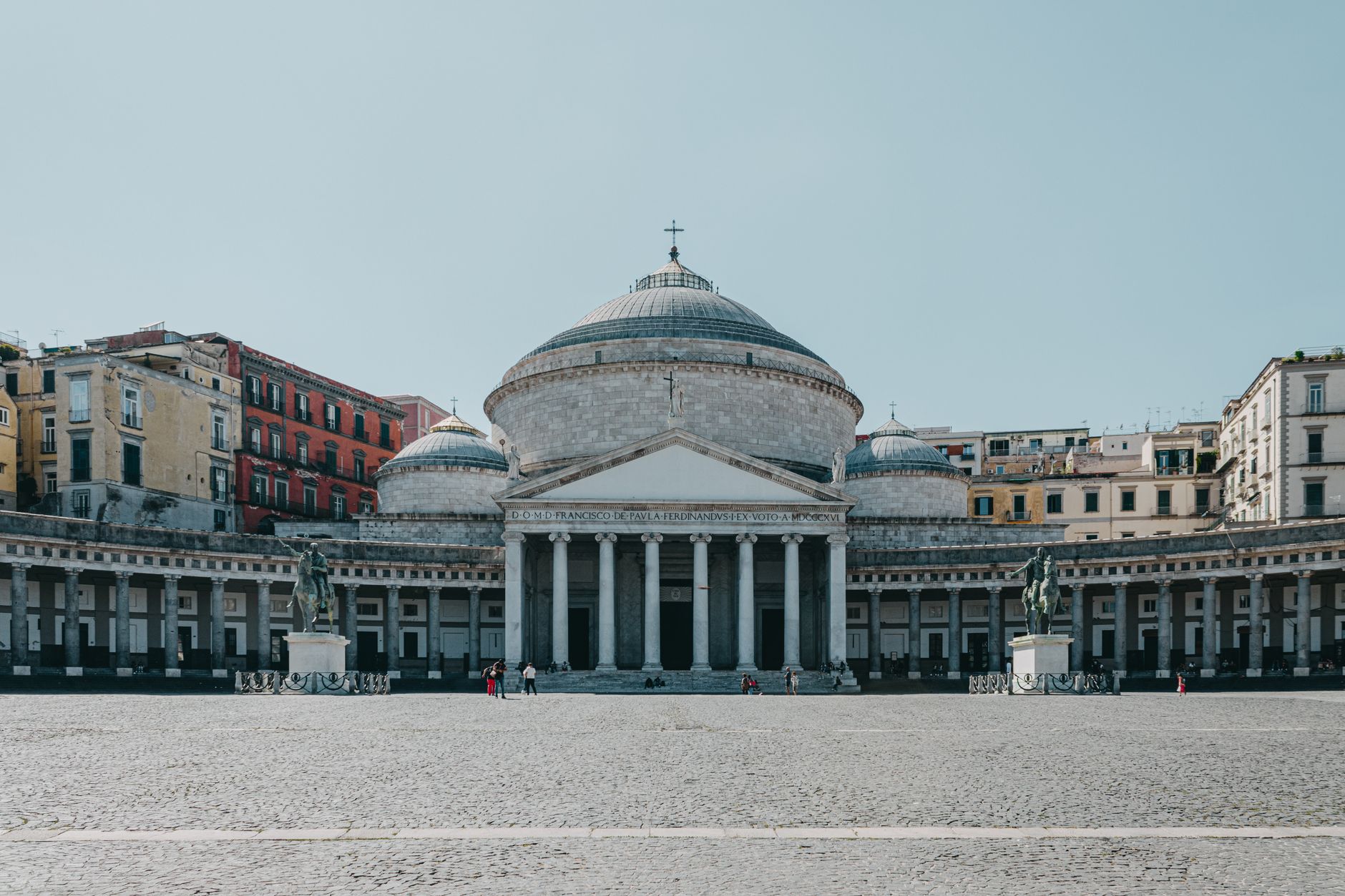
Music and theatre matter here: Teatro di San Carlo still stages opera and ballet in an 18th-century house, and catching a performance is a concrete way to feel local culture. The seafront — Lungomare Caracciolo and Castel dell'Ovo — gives a direct urban-coastal contrast within walking distance of central squares like Piazza del Plebiscito.
Finally, transport links to Pompei, Sorrento and the islands make the city a logistical hub for short regional trips while offering enough to keep three days full without a single outward day trip.
Quick Planning Tips
From Capodichino airport the Alibus shuttle is the clearest option: €5 to Napoli Centrale or Beverello port and runs every 20–30 minutes. Trains from Roma Termini to Napoli Centrale take about 1–1.5 hours on high-speed services; regional trains are slower but cheaper.
Carry small euro notes and coins for markets and small cafés—many bakeries and street vendors prefer cash. Avoid planning the busiest museum (MANN) and the main photo stops (Toledo metro, Piazza del Plebiscito) for the same morning; split them to reduce queueing. Book major attractions like Teatro di San Carlo tickets and any popular pizzerie reservations in advance if visiting Friday–Sunday.
Day 1
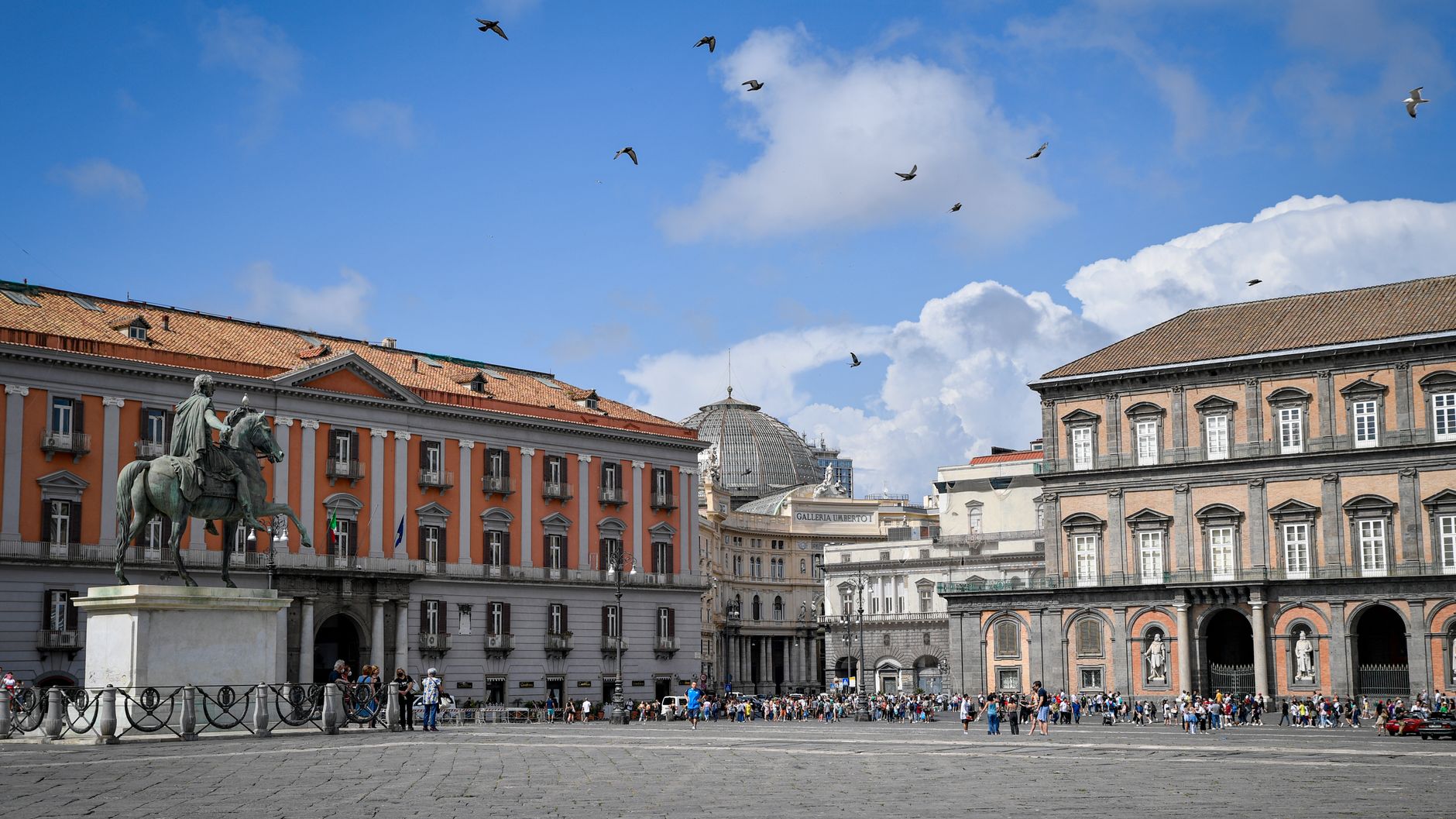
Morning: Start at Piazza del Plebiscito to orient. Spend 20–30 minutes at the square and then step into Galleria Umberto I (5 minutes' walk) for a quick look at the glass dome and nearby cafes. From Galleria the Teatro di San Carlo is a 3–5 minute walk; allow 45–60 minutes to tour the foyer and, if available, book a short guided visit.
Late morning: Walk (10–15 minutes) down Via Toledo to Toledo metro station to see the art station murals; photo time 20–30 minutes. Continue on foot along Spaccanapoli (15–20 minutes walk south) to encounter street altars, churches and the packed bakery windows on Via dei Tribunali.
Lunch: Eat at L’Antica Pizzeria Da Michele (Via Cesare Sersale) or Sorbillo (Via dei Tribunali) for classic margherita; expect a 20–60 minute queue depending on time, or reserve if possible. Prices: pizza €5–€10.
Afternoon: Visit Duomo di Napoli (10 minutes on foot from Via dei Tribunali) to see the Chapel of San Gennaro and then descend to Napoli Sotterranea (near Piazza San Gaetano); plan 1–1.5 hours for the underground tour and ticket lines. From the cathedral area to the underground site is a 5–10 minute walk.
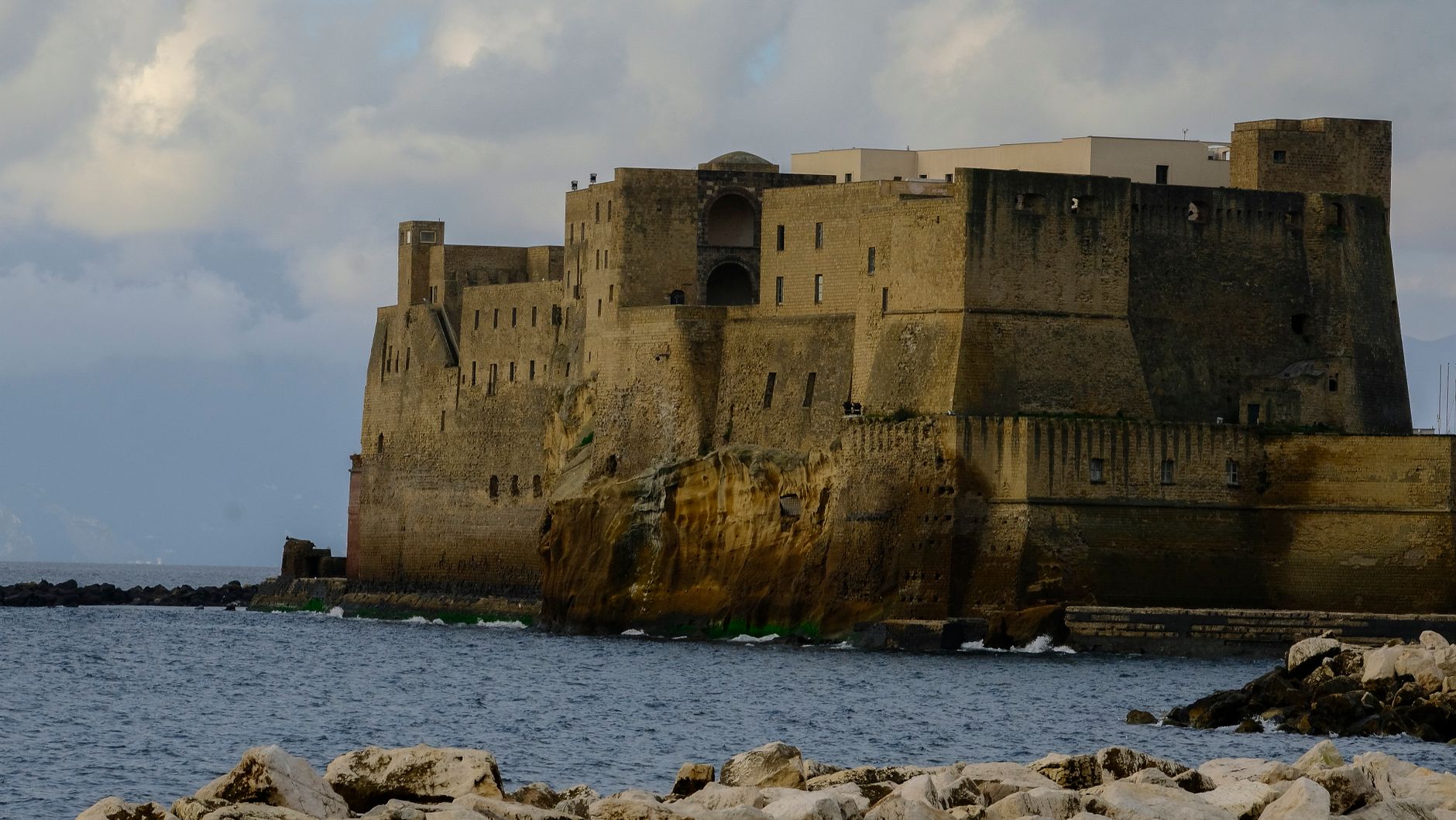
Evening: Walk the Lungomare Caracciolo at sunset from Castel dell'Ovo toward Mergellina for 30–45 minutes and dine along Via Partenope if seeking seafood. Nightcap option: a sit-down espresso or cocktail near Piazza Bellini where bars stay open late.
Day 2
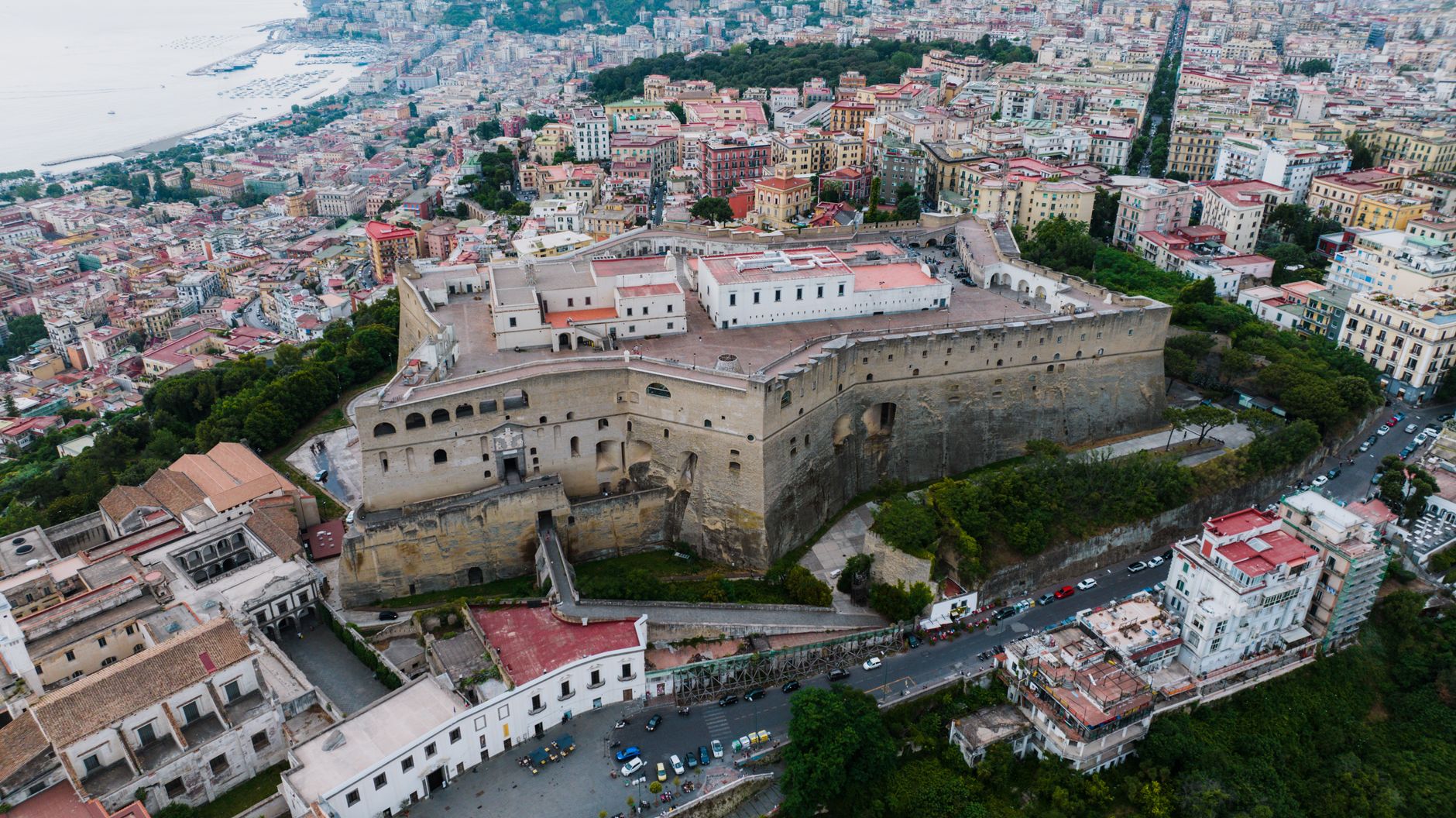
Morning: Take the funicolare from Montesanto or Centrale up to Vomero; journey time about 5–7 minutes plus short waits. Begin at Castel Sant'Elmo for broad city views and then walk to Certosa e Museo di San Martino (allow 1–1.5 hours combined). The museum has good Neapolitan art and city panoramas.
Late morning: Descend to Via Scarlatti and window-shop high-street stores or local bakeries. From Vomero down to the Spanish Quarters (Quartieri Spagnoli) plan 20–30 minutes by funicular or a 25–35 minute walk down the stair alleys if confident on steep streets.
Lunch: Try Trattoria Nennella in the Spanish Quarters for lively, inexpensive plates or a seafood trattoria on Via Toledo; expect €10–€18 per main.
Afternoon: Visit Museo Archeologico Nazionale (MANN) for 1.5–2 hours to see Roman sculpture and fresco panels; the museum sits roughly 10 minutes by taxi from Quartieri Spagnoli or 20–25 minutes on foot. After the museum, explore the Pignasecca market (Via Pignasecca) for street produce and fried snacks.
Evening: Head to Piazza San Domenico Maggiore or Piazza Bellini for dinner and live music. If interested in theatre, check Teatro di San Carlo listings to catch an evening performance; book ahead.
Day 3
Morning: Walk the seafront from Castel dell'Ovo toward Molo Beverello; this is a calm start and offers views of the islands. If planning a short island trip, check ferry timetables from Beverello first thing; Capri and Ischia ferries depart frequently in peak season but sell out on weekends.
Midday option A (regional excursion): Take Circumvesuviana from Porta Nolana to Pompei Scavi (about 30–40 minutes) for an archaeological half-day; buy tickets at the station and expect €2.80 single. Allow at least three hours at the site if entering the ruins.
Midday option B (local focus): Stay in town and visit Castel Nuovo (Maschio Angioino) and the adjacent Museo Civico or the contemporary spaces at Madre (museum of contemporary art). Castel Nuovo is a 15–20 minute walk from Piazza del Plebiscito and Madre sits in the Forcella/Carlo area.
Lunch: Choose a seafood restaurant on Via Partenope for fresh fish or try a panino from a local rosticceria; plan €10–€20.
Afternoon and departure note: If catching an afternoon flight, allow 45–60 minutes to reach Napoli Centrale from the seafront by taxi and then 15–20 minutes on Alibus to the airport, or take a direct taxi to Capodichino (roughly €25–€35 depending on time and luggage). Store luggage at Napoli Centrale left-luggage services if checking out late and exploring a few hours more.
Best Local Experiences
Pignasecca market (Via Pignasecca): morning fish and fried street snacks; the fish stalls and friggitorie show daily life. Via San Gregorio Armeno: nativity-makers’ workshops and small artisan shops that sell detailed presepe figures year-round. Napoli Sotterranea (underground Naples): tours depart from Piazza San Gaetano and explore Greek-Roman aqueducts and wartime shelters.
Teatro di San Carlo attendance: an opera or ballet performance gives context to local culture and the city’s musical history. A coffee bar stop at Gran Caffè Gambrinus or a fast espresso at a neighbourhood bar are both essential local rituals. Also include a sfogliatella hunt—Pasticceria Pintauro or Attanasio are historic references for this layered pastry.
Where to Stay
Centro Storico / Spaccanapoli: Suits walkers who want immediate access to churches, bakeries and historic streets. Close to Via dei Tribunali and many pizzerie. Typical nightly budget hotels and mid-range B&Bs run €70–€120 (≈ $76–$130).
Chiaia / Lungomare: Suits those wanting a quieter seafront and more polished restaurants; near Piazza dei Martiri and Castel dell'Ovo. Expect hotel prices €90–€180 per night (≈ $98–$200) for mid-range to upper-mid options.
Vomero: Suits travellers who prefer hilltop views, calmer streets and convenience to Certosa di San Martino and funiculars. Walking to the centre takes 20–30 minutes or a short funicular ride. Nightly rates commonly €80–€140 (≈ $87–$155).
Food and Drink
Pizza Margherita: Neapolitan style with a blistered, soft crust; find reliable examples at L’Antica Pizzeria Da Michele or Gino Sorbillo. Price range €5–€10. Pizza Fritta: folded fried pizza with ricotta, cicoli or provola—try Pizzeria Starita or a street fryer for €2–€6.
Sfogliatella (riccia or frolla): a layered pastry filled with ricotta and candied citrus; good versions at Pasticceria Pintauro for about €2–€3. Baba al rum: a small yeast cake soaked in rum syrup; many pasticcerie sell them for €2–€4. Pasta alla Genovese: a slow-cooked onion and beef ragù served with pasta; find it in traditional trattorie, priced €8–€14 for a plate.
Breakfast option: espresso and a cornetto at a standing bar (€1–€3). Street food option: fried pizza slices or cuoppo di fritto (cone of fried seafood/vegetables) from markets for €4–€10. Dinner recommendation: a mid-range trattoria in Chiaia or near Piazza Bellini for fresh fish or classic ragù dishes at €18–€30 per person including wine.
Getting Around
Metro: Linea 1 (art stations like Toledo, Università) and Linea 2 (regional metro services) cover central routes. Funiculars: Montesanto, Chiaia, Centrale and Mergellina link the hill district Vomero to the centre. Circumvesuviana trains depart from Porta Nolana to Pompei and Sorrento.
Ticketing and fares: single ANM ticket (BIT) €1.10 valid 90 minutes across metro, funiculars and buses; a 24-hour pass is about €4.50. The Alibus from Capodichino airport costs €5. Taxis from the historical centre to Capodichino typically run €25–€35 depending on luggage and time. Useful apps and cards: ANM Napoli app for timetables and Trenitalia/Italo apps for regional and high-speed trains; purchase Circumvesuviana and regional tickets at station machines or kiosks.
Best Time to Visit
Spring (April–June) offers mild temperatures around 15–25°C and fewer tourists than high summer; good for walking and day trips. Summer (July–August) brings hot days frequently 28–33°C, crowded streets and busy ferries to the islands; expect higher accommodation prices and fuller pizzerie at peak hours.
September–October can be the best blend of warm weather (18–27°C) and lower crowds, with continued ferry services. Winter (November–March) is mild compared with northern Italy—temperatures often 8–15°C—but wetter and some services run reduced schedules. Easter and the week around Ferragosto (mid-August) are the busiest periods and prices spike.
Budget and Practical Tips
Daily budget (per person, approximate): Budget traveller €60–€90: hostel or budget B&B €25–€45, food €20–€30, transport €5–€10, entries €10–€15. Mid-range €120–€220: hotel €80–€140, meals €30–€60, transport €10–€20, entries/tours €15–€40. Prices in USD convert roughly at €1 ≈ $1.09 (fluctuates).
Entry fees to main sights: Museo Archeologico Nazionale around €12–€15, Certosa di San Martino €6–€8, Napoli Sotterranea €10–€15 depending on the tour. Tipping norms: many restaurants add a servizio or coperto fee; tipping is not mandatory but rounding up or leaving 5–10% for table service is common. For bar service (standing coffee) no tip expected, but a small coin for table service is appreciated.
FAQ
Is Napoli safe for tourists?
Most visits are safe if common-sense precautions are followed: watch valuables in crowded spots like Toledo station and markets, and avoid poorly lit empty side streets at night.
How do I travel from the airport to the city centre?
Use the Alibus shuttle (€5) to Napoli Centrale or Beverello port, a taxi for door-to-door service (€25–€35), or pre-book a transfer.
Is a city pass or the Campania ArteCard worth it?
Campania ArteCard can pay off if visiting multiple paid sites like MANN, Pompei and Herculaneum within a multi-day window; for only city museums it is often not cost-effective.
Can one day include Amalfi Coast and Pompei?
Combining both is impractical; choose one. Pompei via Circumvesuviana is doable as a half-day, Amalfi requires a full day and early starts plus ferry or bus logistics.
Are pizzerie open late?
Many pizzerie and friggitorie stay open until 23:00 or later on weekends, but small family-run places may close by 21:00.
Which train for Capri or Ischia?
Ferries to Capri and Ischia depart from Molo Beverello or Calata Porta di Massa; check company timetables and book in summer for best availability.
Is English widely spoken?
Basic English is common in tourist spots and major museums, but small shops and markets often function in Italian only—learn basic phrases or use a translation app.
Conclusion
A 72-hour visit will leave a clear memory of strong street life, layered food stops and a few striking views from hill and seafront. Prioritise walking the historic centre, eating at an established pizzeria, and taking one elevated viewpoint at Vomero or Castel Sant'Elmo if time is tight. Those who rush to fit multiple long day trips into the schedule will lose the city's everyday character; focusing on central neighbourhoods yields a fuller, more usable experience in three days.
How this guide was prepared
This guide was prepared through a structured research that combines destination research, geographic context, itinerary planning logic, and content review.