
La Spezia in 3 Days: Complete Practical Itinerary & Tips
A practical 3-day La Spezia guide with transit advice, Cinque Terre logistics, neighbourhood walking times, museum costs and honest local tips.
A straight-talking, timed 3-day plan for La Spezia that balances harbour sights, day trips to the Cinque Terre, markets, and realistic transit and budget advice.
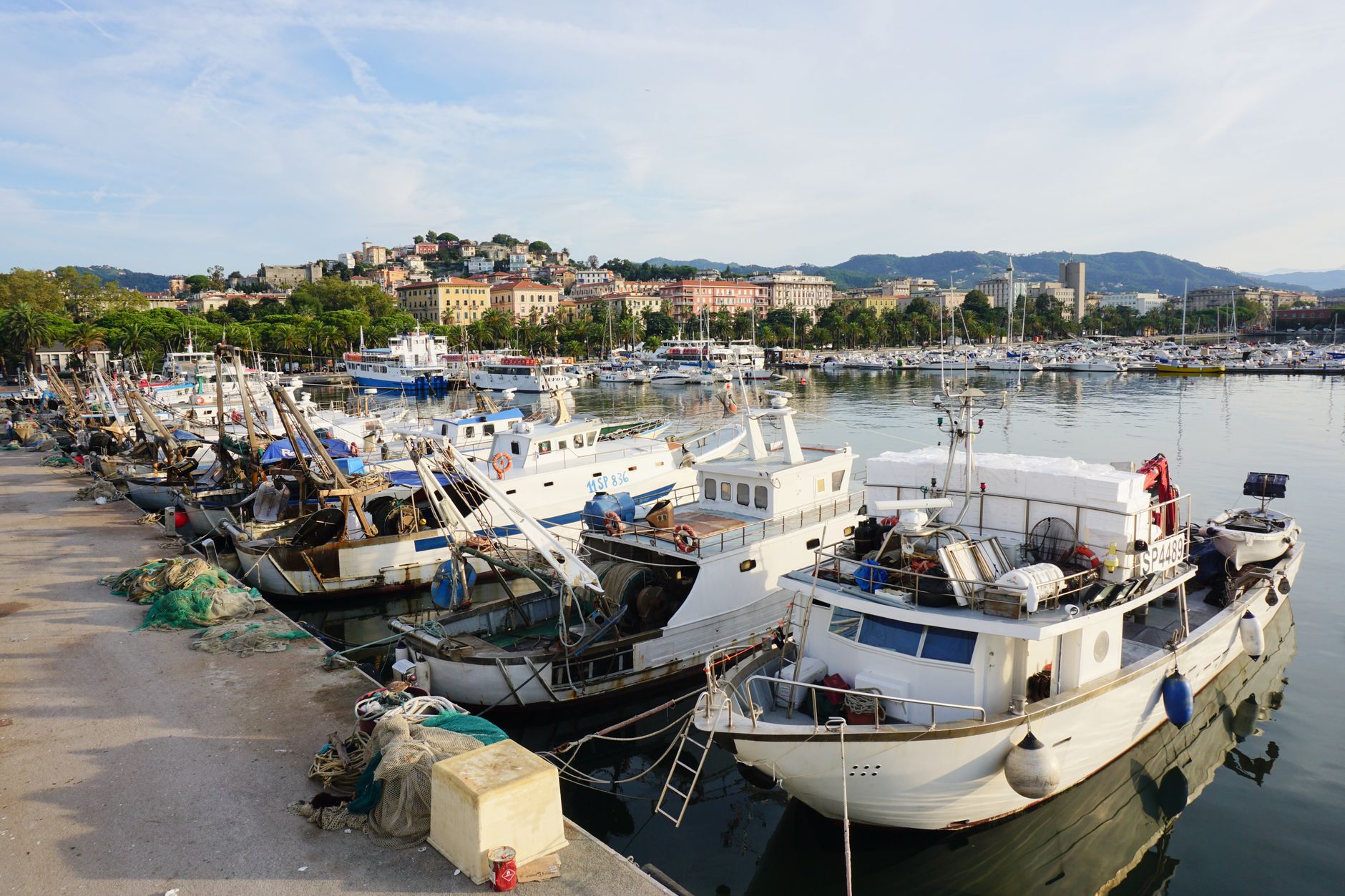
A first impression arriving at La Spezia Centrale is industrial harbour mixed with compact old town streets and a working navy presence. The waterfront has a long promenade, container cranes and pleasure berths at Porto Mirabello side by side; that contrast is part of the town’s character and can surprise travellers expecting only pretty seaside postcards.
The centro is walkable and feels practical rather than theatrical; streets like Via del Prione lead directly from the station to the harbour and to small market halls. Visitors who assume the place exists only to catch a train to the Cinque Terre miss the museums, naval history and local markets that reward a slower pace.
Is 3 days in La Spezia enough?
Yes — three days are enough to see La Spezia’s main museums, walk the harbourfront, and take a day trip to the Cinque Terre or Portovenere. Expect to skip in-depth exploration of all five Cinque Terre villages and some inland hikes.
Who This Guide Is For
Best for travellers who prefer short walks, easy train and ferry connections, and seafood or market-based meals; less ideal for people who want long-distance hiking or a slow luxury beach holiday.
Local Tips for La Spezia
Practical details that most travel sites skip — specific to La Spezia.
- La Spezia Centrale is the primary rail gateway for the Cinque Terre; buy regional Trenitalia tickets in advance for peak season trains to avoid long lines.
- Ferries leave from Porto Mirabello to Lerici and Portovenere; in high season expect departures roughly every 30–90 minutes and single fares around €7–€12.
- Buy a Cinque Terre Card (Parco Nazionale) at La Spezia Centrale or online: trail-only cards run about €7.50 and the card with the train option is about €16 in high season.
- Via del Prione pedestrian street runs from Piazza Verdi toward the station and is where many small shops and cafés close early on Sundays.
- Museo Tecnico Navale (Navy Technical Museum) near the Arsenal requires a small donation or ticket (around €4–€6) and has restricted access days—check opening times before heading over.
How This Guide Was Prepared
La Spezia works as a base and a short-break destination in its own right: working harbour, navy presence, and a compact centro that most guides underplay. Many guides treat it only as a gateway to the Cinque Terre and skip the naval museums, industrial docks, local market life and the useful ferry links that make three days practical. This guide was prepared through a structured research that combines destination research, geographic context, itinerary planning logic, and content review.
Plan Your Stay in La Spezia
Use this itinerary as your starting point, then compare areas to stay, transport options, seasonal timing, and realistic daily costs before booking.
Why Visit
Local naval history and shipbuilding leave visible traces: the Museo Tecnico Navale and the Arsenal area give context that other coastal towns rarely show. The central market and fish stalls on Via Chiodo and nearby streets offer fresh, inexpensive seafood and a look at daily life.
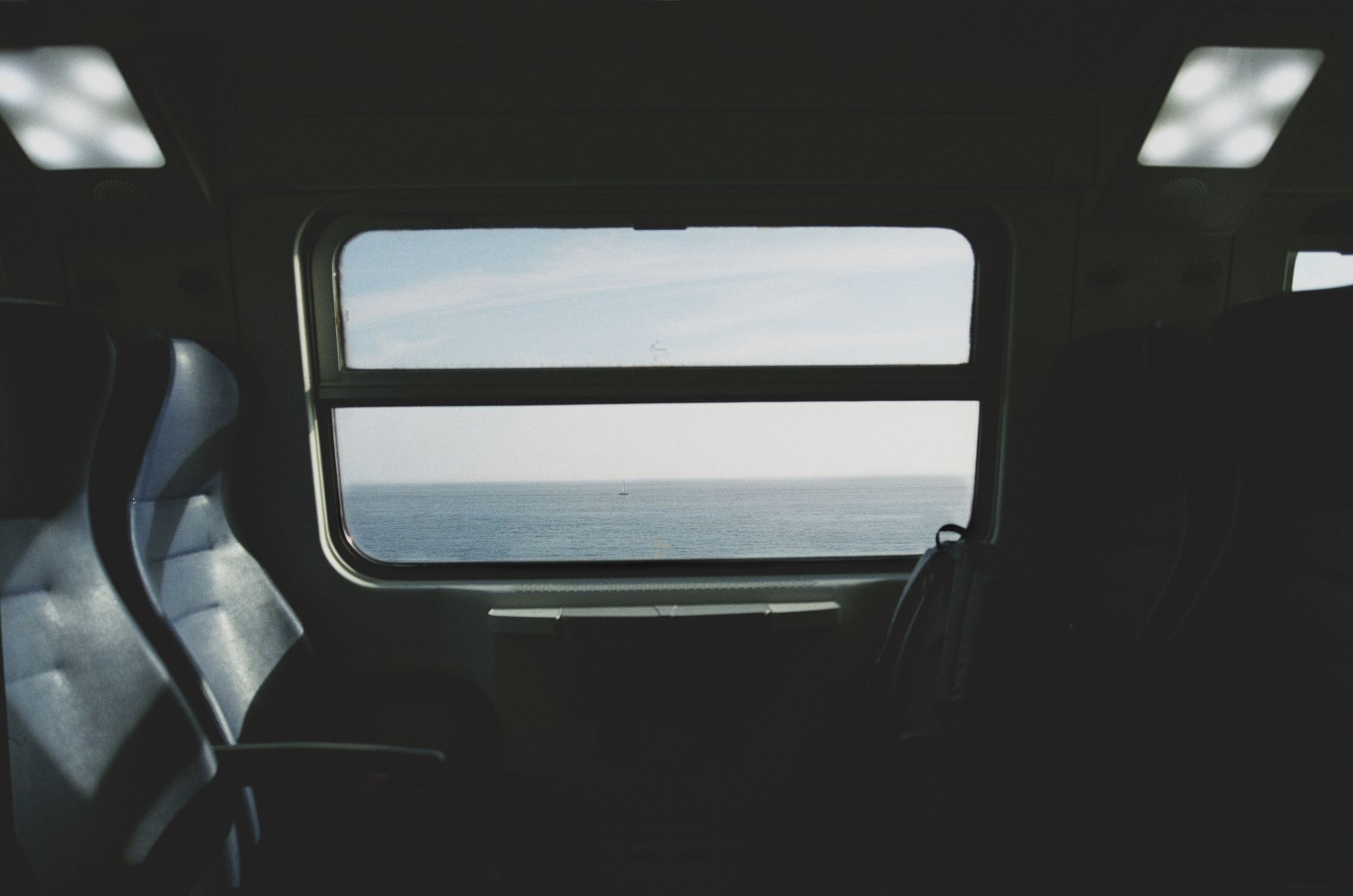
Transport links make short departures simple: frequent regional trains from La Spezia Centrale put the Cinque Terre villages within 10–30 minutes and Pisa is about 1h20 by regional service. The harbour ferry network (Porto Mirabello) connects to Portovenere and Lerici, offering a different coastal perspective than trains.
Quick Planning Tips
From the nearest major airport at Pisa, use the PisaMover shuttle (€5.50) to Pisa Centrale then take a regional Trenitalia train to La Spezia Centrale (roughly 1h15–1h30). From Genoa Cristoforo Colombo Airport the cheapest route is shuttle or bus to Genova Piazza Principe then regional train (about 1h45–2h00).
Carry a small supply of cash for market stalls and small cafés; many places accept cards but bus drivers and tiny osterie often prefer cash. Avoid booking ferries last-minute in July–August; buy tickets or reserve online where possible or plan to use trains for reliability.
Day 1
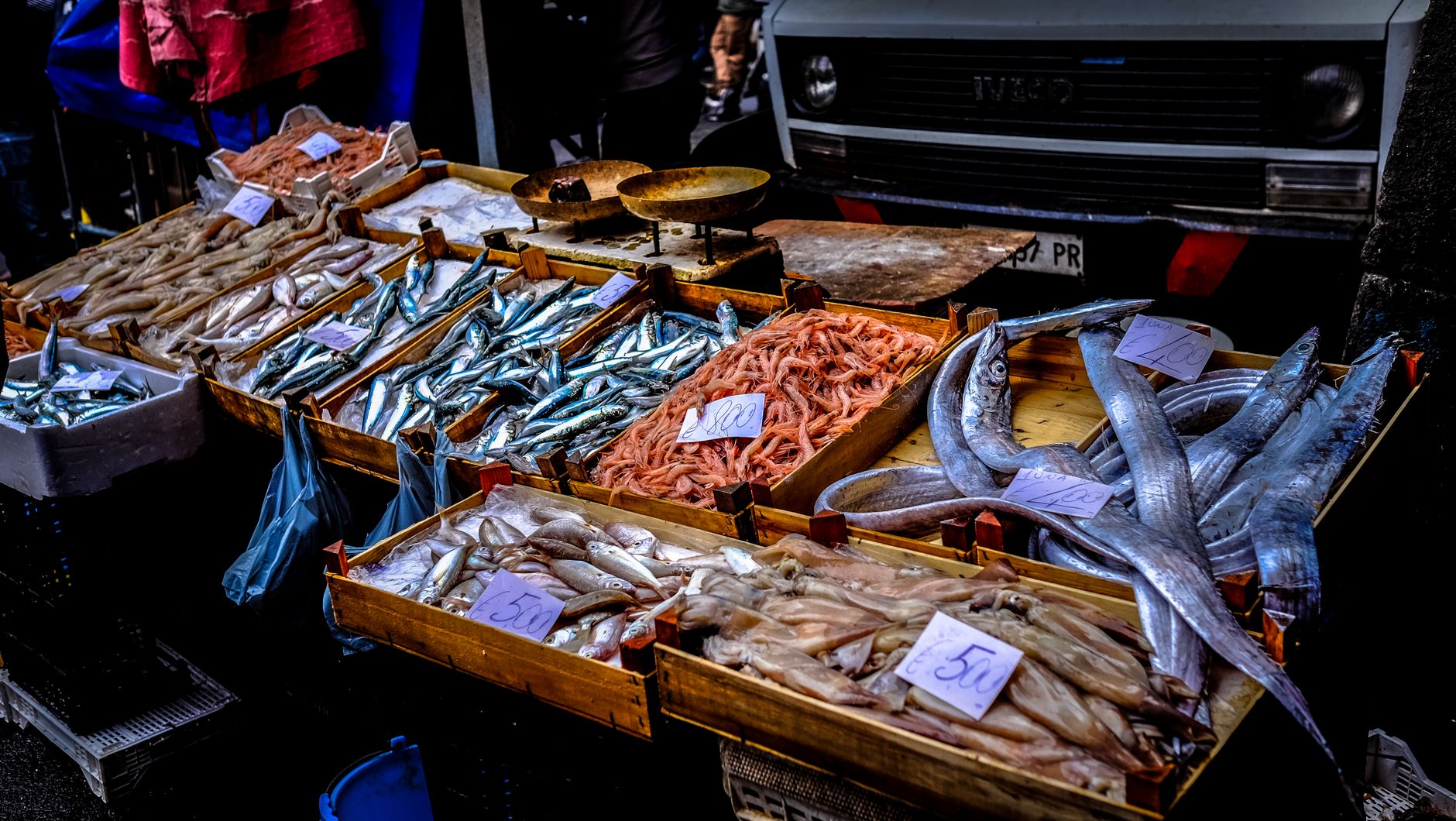
Morning: Start at La Spezia Centrale and walk 6–10 minutes along Via del Prione to Piazza Verdi and the covered market area on Via Chiodo. The market opens early; expect stalls selling fish, Ligurian vegetables and focaccia—allocate 45–75 minutes.
Late morning: Walk 10 minutes to Passeggiata Morin along the harbourfront for views of the Arsenal and ferries at Porto Mirabello. Allow 20–30 minutes for the promenade and photos.
Lunch: Eat at a market stall or a small trattoria near the harbour—look for fresh anchovies (acciughe) or a simple spaghetti alle vongole; prices typically €8–€15 for a pasta plate.
Afternoon: Visit Museo Amedeo Lia (about 10 minutes on foot from the promenade) and then head uphill to Castello San Giorgio for city views; the castle walk from Piazza Verdi takes 12–18 minutes uphill on stone steps. Museum entries together will take 2–3 hours including the climb and time for displays, budget around €5–€12 combined.
Evening: Return downhill to the Old Port area; dinner at a seafood-focused restaurant near Porto Mirabello. End the evening with a walk along the lit Passeggiata Morin—expect a lively but not noisy crowd, with bars open until around midnight.
Day 2
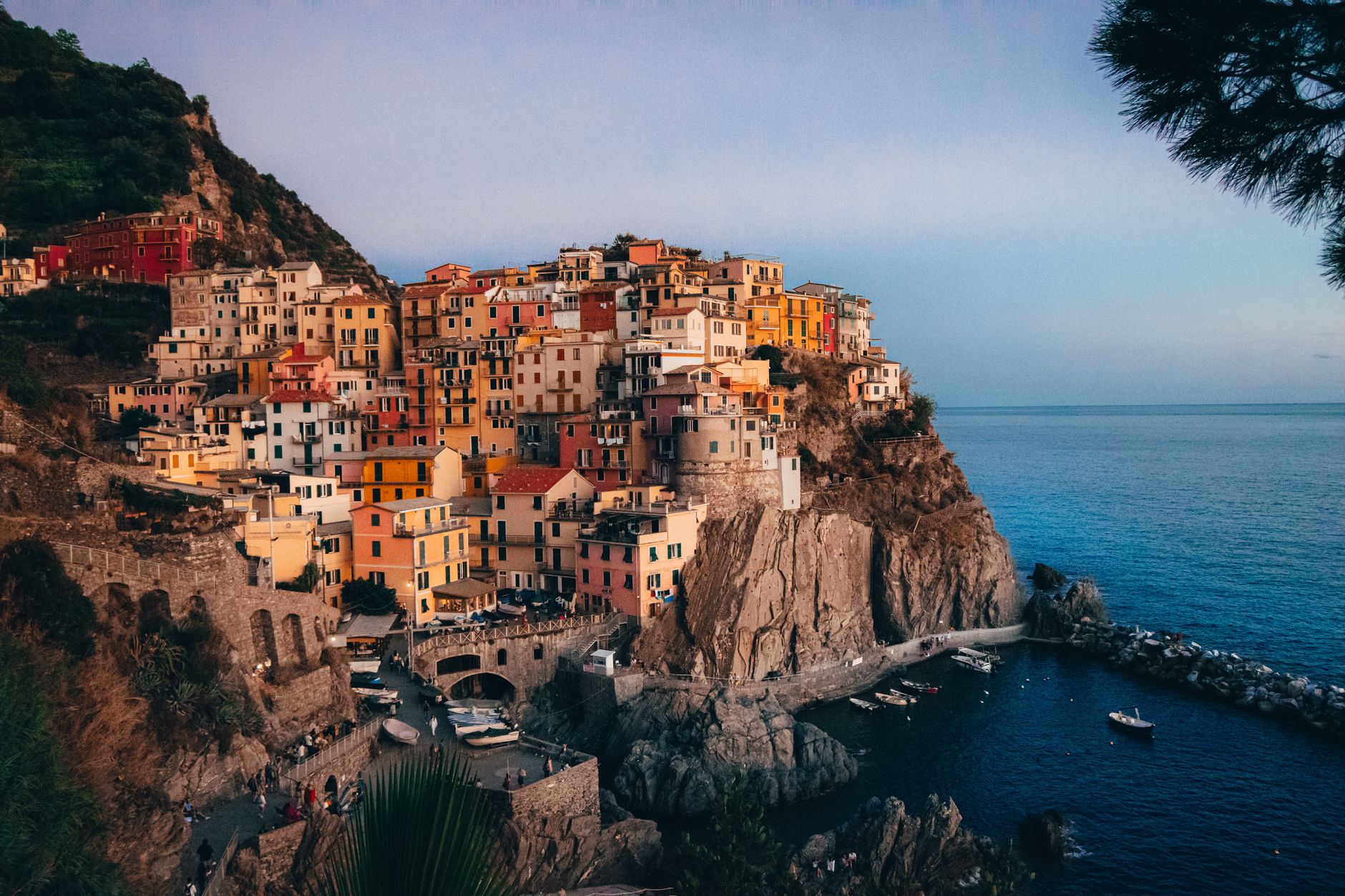
Morning: Use La Spezia Centrale for a quick train to Riomaggiore or Manarola (8–12 minutes); buy a Cinque Terre Card with train option at the station if planning multiple stops. Start in Riomaggiore for a short walk and coffee, then take the 2–3 minute train to Manarola—both villages reward a morning visit before crowds.
Late morning: Ride the short train hop to Corniglia or Vernazza depending on trail closures; Vernazza is compact with a harbour square and is well suited for a longer pause. Train segments between villages are typically 5–10 minutes but expect queues at ticket barriers in summer, so allow extra time.
Lunch: Have a seaside lunch in Vernazza or Manarola—try trofie al pesto inland or a small seafood platter; prices for lunch in the Cinque Terre villages range €12–€25 per person.
Afternoon: If energy allows, hike a segment of the Sentiero Azzurro (section times 30–90 minutes depending on the stretch) or take the train back to La Spezia and visit the Museo Tecnico Navale for naval exhibits (allocate 1–1.5 hours). Trains back from Monterosso to La Spezia take 20–30 minutes.
Evening: Back in the centro, pick a simple osteria near Via del Prione for dinner; late trains and buses run but confirm the last departure times if returning late from the Cinque Terre.
Day 3
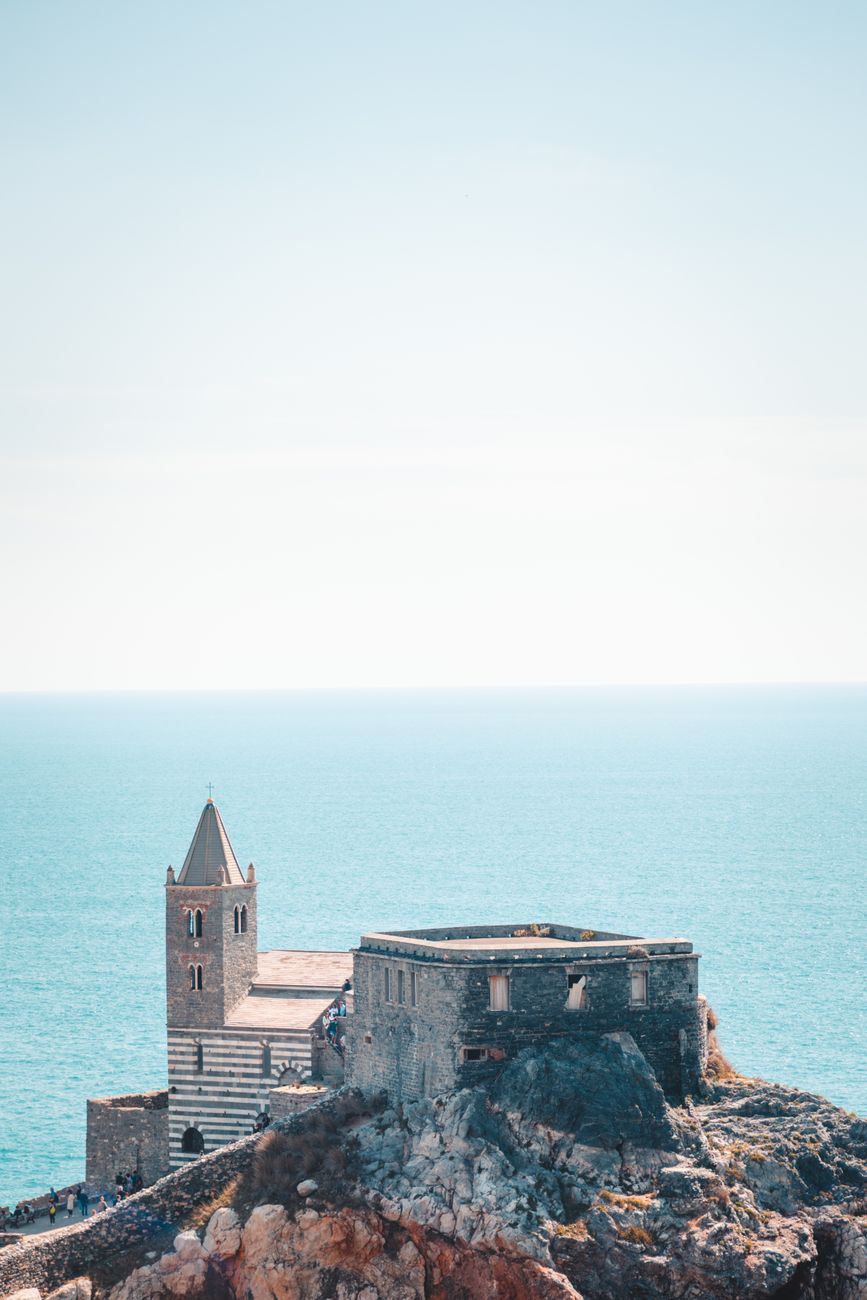
Morning: Take a short ferry from Porto Mirabello to Portovenere (about 20–30 minutes) for a coastal morning that feels different from train trips. Explore the waterfront, the narrow streets to the Church of San Pietro, and the base of the promontory; allow 2–3 hours for walks and a coffee.
Late morning: If not taking the ferry, use local buses toward Lerici and Cadimare to visit the eastern shore of the Gulf of Poets—bus journeys are typically 20–30 minutes from the centre to Lerici. Lerici has a castle museum and seaside promenade suitable for a relaxed stroll.
Lunch: Eat in Portovenere or Lerici; look for local pescato or a farinata-style snack. Expect lunchtime prices €12–€20 depending on venue and location.
Afternoon: Return to the central station area and use remaining time for shopping on Via del Prione or a final museum visit (Museo Amedeo Lia or a small gallery). For travellers catching an afternoon flight, plan at least 90–120 minutes to reach Pisa Airport from La Spezia Centrale including the PisaMover transfer.
Evening: If staying a final night, pick a harbourfront bar near Passeggiata Morin for a last aperitivo and a short evening walk by the marina.
Best Local Experiences
Walk the Passeggiata Morin early in the morning to see fishermen and working boats unloading; this is when the port feels like a real working place. Visit the Mercato Comunale on Via Chiodo for fresh fish and Ligurian produce; market stalls open early and close by early afternoon.
Take a ferry trip from Porto Mirabello to Portovenere for the coastline perspective and swimming spots off Palmaria island. Spend time in the Arsenal neighbourhood and, when available, book a guided visit to the Museo Tecnico Navale for naval exhibits not found in tourist brochures.
Buy a Cinque Terre Card if planning to hike the Sentiero Azzurro; the card supports trail maintenance and simplifies train segments between the villages. Explore Via del Prione and Piazza Verdi in the evening for late-night gelato or a simple piazza aperitivo.
Where to Stay
Centro (around Piazza Verdi / Via del Prione): Best for first-time visitors who want walkability to the station, markets and the harbour. Rooms range from budget B&Bs at €60–€110/night (≈US$65–US$120) to mid-range hotels €110–€160 (≈US$120–US$170).
Porto Mirabello / Old Port: Suited to those who prioritize views and evening promenade access; expect higher seasonal prices and quieter nights. Small hotels and apartments run €90–€180/night (≈US$100–US$195) depending on season.
Cadimare / Muggiano (residential east bay areas): Good for travellers looking for cheaper options and local beaches; buses connect to the centre in 15–25 minutes. Budget rooms and apartments commonly fall in the €50–€90/night range (≈US$55–US$100).
Food and Drink
Focaccia alla genovese: a salted, olive oil-rich flatbread; easiest to find at bakeries along Via del Prione and at the market—prices €1.50–€3 per slice. Pesto alla genovese with trofie or trenette: fresh basil sauce with local pasta; expect €8–€15 for a plate at a trattoria.
Farinata (ceci pancake): chickpea-based flatbread often sold by the slice at market stalls—price around €2–€4. Seafood fritto misto: mixed fried small fish and squid, commonly €12–€20 depending on portion. Anchovies marinate or ripieni (stuffed anchovies) are local and inexpensive tapas-style choices at fish bars.
Breakfast option: cappuccino and brioche at a local bar near Piazza Verdi for €3–€5. Street food: panini with local tuna or anchovy spreads from market vendors for €4–€8. Dinner recommendation: a seaside osteria near Porto Mirabello for fresh daily catch; mains €15–€30 depending on restaurant and season.
Getting Around
Trains: Trenitalia regional services from La Spezia Centrale are the fastest way to reach the Cinque Terre (Riomaggiore, Manarola, Vernazza, Corniglia, Monterosso) and Pisa. Buy regional tickets at the station or via the Trenitalia app; validate where required.
Buses: ATC La Spezia runs local buses to Lerici, Cadimare and suburban districts—single urban tickets are around €1.50 and day passes vary by route. Ferries: seasonal ferries operate from Porto Mirabello to Portovenere and Lerici; single fares are roughly €7–€12 depending on destination.
Taxis and airport transfer: taxi from La Spezia to Pisa Airport is expensive (roughly €120–€150); cheaper to take train plus the PisaMover shuttle (train about €15–€20 + shuttle €5.50). Useful apps and cards: Trenitalia app for regional trains, the Cinque Terre Card for trails/trains, and local ATC La Spezia information via the municipal transport website or station ticket office.
Best Time to Visit
May–June and September offer the best balance of weather and crowds: daytime temperatures 18–26°C and fewer tourists than July–August. July–August bring high season crowds, higher accommodation prices, and hotter days often 25–31°C.
April and October can be pleasant but expect more ferry reductions and some closed businesses; winter months (November–March) are quiet, temperatures 6–14°C, and many seasonal ferry and restaurant services reduce hours. For best value, target mid-May or late September for lower prices and reliable services.
Budget and Practical Tips
Typical daily budget (mid-range): accommodation €80–€140 (≈US$85–US$150), food €25–€45 (≈US$28–US$48), local transport €5–€12 (≈US$6–US$13), entry fees €6–€15 (≈US$7–US$16). Budget travellers can reduce costs with hostel or apartment stays €40–€70/night and market lunches for €8–€12.
Tipping: service is usually included on restaurant bills as a servizio or coperto; leaving small change (5–10%) for good table service is appreciated but not compulsory. Carry a lightweight rain layer in shoulder months—sudden showers are common on the Ligurian coast.
FAQ
Is La Spezia safe for solo travellers?
Yes; daytime and most evening areas around the station and harbour are safe, though standard vigilance for pickpockets in crowded trains and tourist spots is advised.
How do I get to the Cinque Terre from La Spezia?
Trains from La Spezia Centrale to Riomaggiore, Manarola and other villages run frequently; buying a Cinque Terre Card simplifies multiple stops and trail access.
Are ferries reliable year-round?
No; ferry frequency drops in low season (October–April). Rely on trains for consistent service outside summer.
Is a Cinque Terre Card worth it?
Yes for hikers who want trail access and to skip paying for separate trail permits; the train option is useful if making multiple village hops in one day.
Can credit cards be used everywhere?
Many restaurants and shops accept cards, but market stalls, some cafés and buses may prefer cash—carry small denominations.
What is the best way to reach Pisa Airport?
Train from La Spezia Centrale to Pisa Centrale (regional) then the PisaMover shuttle to the airport; total time around 1h40–2h depending on connections.
Are museums open every day?
No; smaller civic museums often close one weekday or have morning-only hours—check opening times in advance.
Conclusion
Three days allow a practical mix: a coastal day trip, a museum and harbour day, and at least a morning in the Cinque Terre or Portovenere. What will linger are harbour views, market mornings and the contrast between the naval arsenal and the tourist coast.
If short on time, prioritise an early visit to Porto Mirabello promenade and the Mercato Comunale for an immediate local impression—those two experiences give a sense of how the place functions beyond being a transit hub.
How this guide was prepared
This guide was prepared through a structured research that combines destination research, geographic context, itinerary planning logic, and content review.