

3-day city guide
A compact, curated guide for visitors who want sun-soaked beaches, well-preserved Roman and Renaissance sights, and lively coastal dining. Ideal for couples, families, and short-trip culture seekers.
Rimini, Southern Europe, Italy
- Best area to stay: historic centre or waterfront (Marina Centro) for easy access to sights and the beach.
- How to get there: direct trains from Bologna and Milan; Federico Fellini International Airport is a short taxi or bus ride.
- How to get around: most central sights are walkable; local buses and regional trains serve beaches and nearby towns.
Jump to
📍 Introduction
Three days in Rimini blends long sandy beaches with a compact historic centre built on Roman and Renaissance remains. The city suits travellers who want sun and sea without sacrificing museums, good dining, and easy day trips along the Adriatic.
This guide offers an efficient 72-hour plan: a shoreline day, a cultural walking loop, and a relaxed exploration of nearby towns and food markets, with practical tips on transit and the best areas to stay.
✨ Why Visit
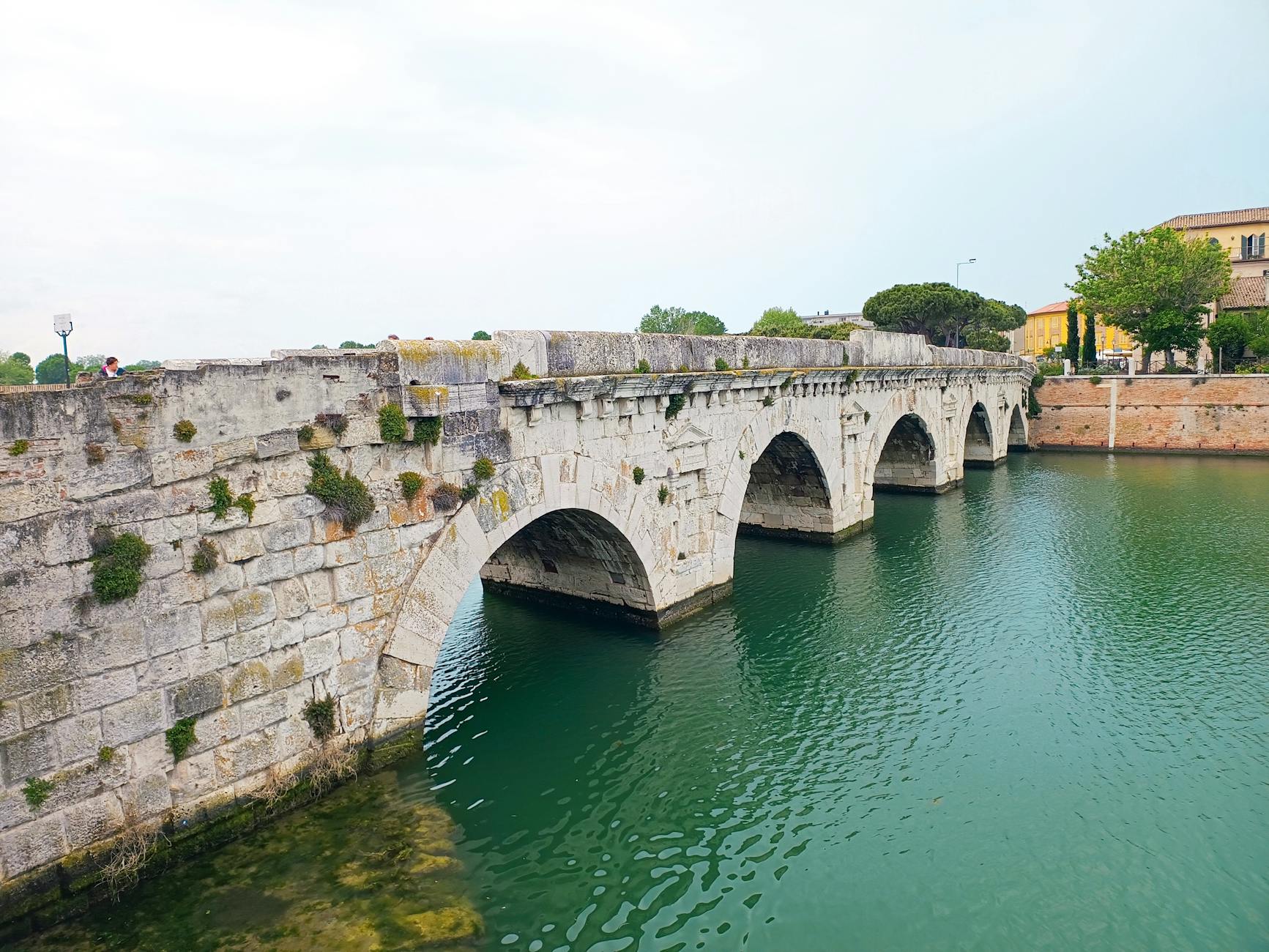
Rimini is one of Italy’s classic seaside cities where a 15-kilometre coastline meets layers of history: Roman arches, a Malatesta cathedral redesigned by Leon Battista Alberti, and the Fellini legacy in its colourful fishing quarter.
You can mix beach time with museums, lively seafood restaurants, and quick rail connections to Ravenna, Santarcangelo di Romagna, and the Riviera towns of Riccione and Cesenatico.

🧭 Quick Planning Tips
- Best area to stay: historic centre or waterfront (Marina Centro) for easy access to sights and the beach.
- How to get there: direct trains from Bologna and Milan; Federico Fellini International Airport is a short taxi or bus ride.
- How to get around: most central sights are walkable; local buses and regional trains serve beaches and nearby towns.
- Packing: bring sunscreen, a light scarf for church visits, and comfortable shoes for cobbled streets.

🗓️ Day 1
Morning: Start at the Arch of Augustus and stroll across the Roman Tiberius Bridge into the old town. Pause at Piazza Cavour for coffee and people-watching.
Afternoon: Visit the Tempio Malatestiano and Castel Sismondo. Time permitting, drop into the Fellini Museum to understand the city’s cinematic identity.
Evening: Walk to Borgo San Giuliano for colourful murals and a seafood dinner. Finish with a nightcap on the waterfront promenade in Marina Centro.

🗓️ Day 2
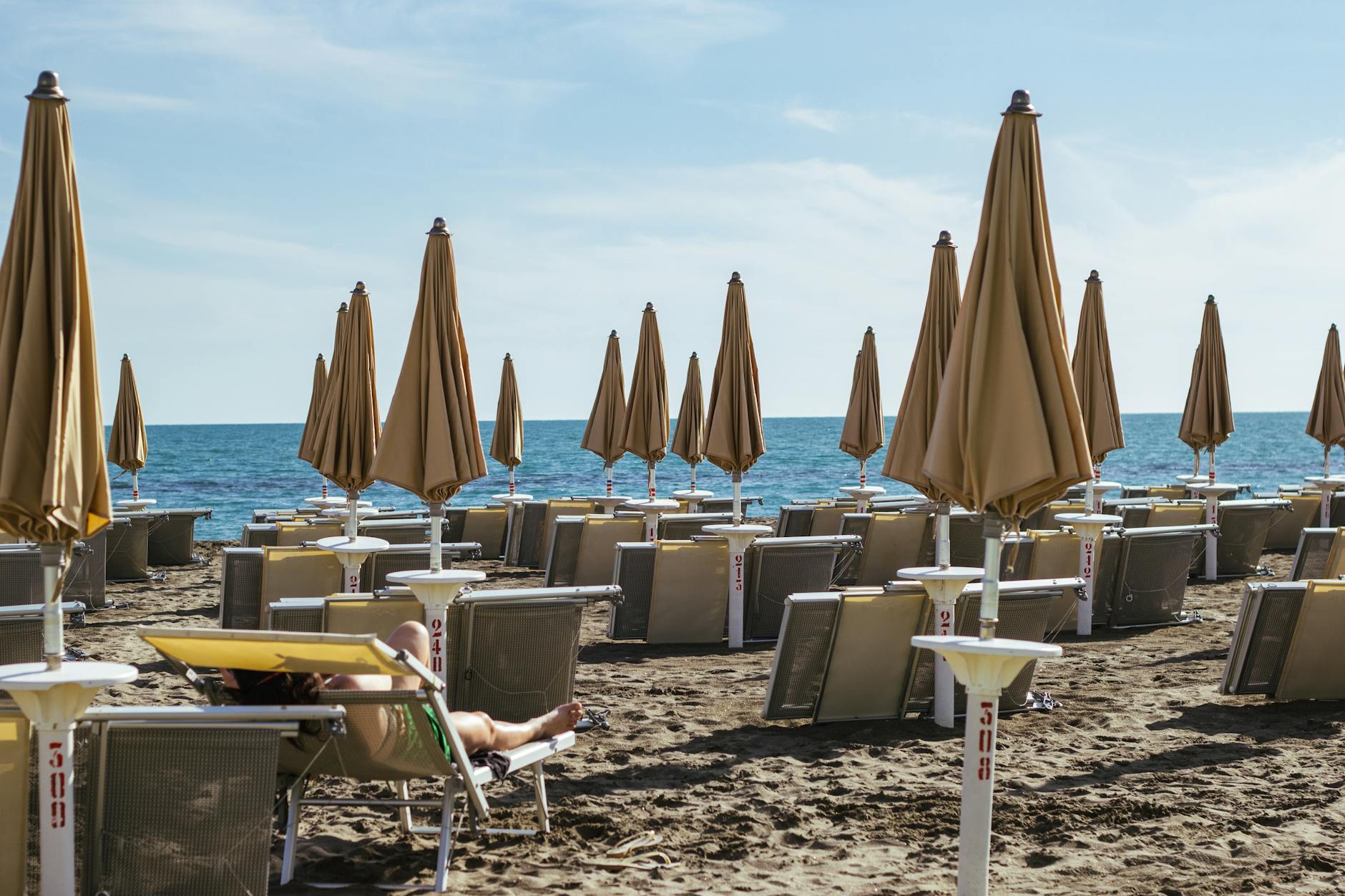
Morning: Dedicate the morning to the beach. Choose a private 'bagno' for chairs and umbrellas or head to a public stretch if you prefer free sand.
Afternoon: Return to town for a seafood lunch near the fish market area, then take a slow walk along Viale Vespucci to the lighthouse for coastal views.
Evening: Experience Rimini’s lively aperitivo scene on Corso d'Augusto or along the marina. Consider a sunset walk on the pier toward the new port area.
🗓️ Day 3
Morning: Take a short regional train to Ravenna to see mosaics (35–40 minutes) or visit Cesenatico for its historic canal and Maritime Museum.
Afternoon: Back in Rimini, explore the local market (Mercato Coperto) and pick up regional specialties like piadina and local olive oil. Spend any extra time visiting small galleries or a cycling ride along the seafront.
Evening: Finish with a relaxed dinner—try grilled catch of the day—and a final stroll along the illuminated Tiberius Bridge.

⭐ Best Local Experiences
Walk the Roman route: Arch of Augustus to Tiberius Bridge and the ancient cardo and decumanus lines.
Dine on local seafood: fritto misto and brodetto alla riminese in family-run trattorie.
Explore Borgo San Giuliano’s painted murals and Fellini references for intimate street-level culture.
Spend a late afternoon on the long sandy Lido: rent a bike along the promenade and stop at a waterfront bar for aperitivo.

🛏️ Where to Stay
Marina Centro: best for beach access, seafront hotels, and evening promenades.
Historic Centre: choose a B&B near Piazza Cavour or Corso d'Augusto for walking access to Roman sites and restaurants.
Budget option: guesthouses around Rimini Train Station offer quick transit links and lower rates.
Book early for July and August when the Riviera fills; consider shoulder months (May–June, September) for quieter rates.
🍽️ Food and Drink
Must-tries: piadina romagnola, brodetto alla riminese (fish stew), squid and shellfish, and amarcord-style gelato.
Where to eat: waterfront trattorie in Marina Centro for fish, family-run osterie in the historic centre for regional dishes, and bakeries for morning pastries.
Nightlife: bars and clubs cluster near the promenade and Riccione is a short trip for a livelier late-night scene.
🚇 Getting Around
The city center is compact—plan to walk between major monuments. Buses cover routes to outlying beaches and suburbs.
Regional trains run frequently to Ravenna, Cesena, and Bologna; buy tickets at machines or via apps. Taxis and bike rentals are plentiful near the waterfront.
For short hops along the coast (Riccione, Cattolica, Cesenatico), the regional train or frequent buses are the simplest options.
☀️ Best Time to Visit
High season: July–August for beach life and events, but expect crowds and higher prices.
Shoulder seasons: May–June and September–early October balance warm weather, quieter beaches, and better hotel rates. April can be good for culture visits but cooler water.
Winter: the town is calm, many beachfront businesses close, but museums and restaurants in the centre remain open.
💸 Budget and Practical Tips
- Save on meals by choosing osterie and trattorie away from the main promenade; try lunch menus for value.
- Use regional trains for day trips—tickets are inexpensive when bought in advance or at the station.
- Expect private 'bagni' on the beach to charge for loungers; public stretches are free but less equipped.
- Currency: euros. Credit cards widely accepted but carry cash for markets and small bars.
- Safety: Rimini is generally safe; keep an eye on belongings during busy beach days and train travel.
❓ FAQ
Is Rimini worth three days?
Yes. Three days lets you combine beach time, a thorough walk through the Roman and Malatesta sites, and a day trip to Ravenna or nearby coastal towns.
What is the best area to stay for first-timers?
Marina Centro for beachfront access or the historic centre for immediate proximity to monuments and restaurants.
How do I reach Rimini from Bologna or the airport?
Frequent regional trains connect Bologna Centrale to Rimini in roughly 1–1.5 hours; Federico Fellini Airport (RMI) is a short bus or taxi ride from the city.
Are the beaches public or paid?
Both. Public stretches are free, while private 'bagni' charge for loungers, umbrellas and facilities—expect to pay in high season.
Can I visit Ravenna or Cesenatico as day trips?
Absolutely. Ravenna’s mosaics are 35–40 minutes by train; Cesenatico’s canal and maritime museum are also easily reachable by regional train or bus.
Is Rimini family-friendly?
Very. Wide sandy beaches, shallow water near the shore, and family-run restaurants make it a good choice for children.
✅ Conclusion
Rimini rewards three days with a balanced mix of sun, history, and seafood—an accessible base for exploring the Adriatic coast. Follow this plan to enjoy morning architecture, afternoon beaches, and evenings sampling Romagna cuisine, then use quick regional connections for nearby towns.
Pack light, book summer stays early, and leave room for unplanned gelato stops and seaside sunsets.
More City Guides Near Rimini
If you are planning a longer regional trip, these nearby destinations also work well for a short city break.