
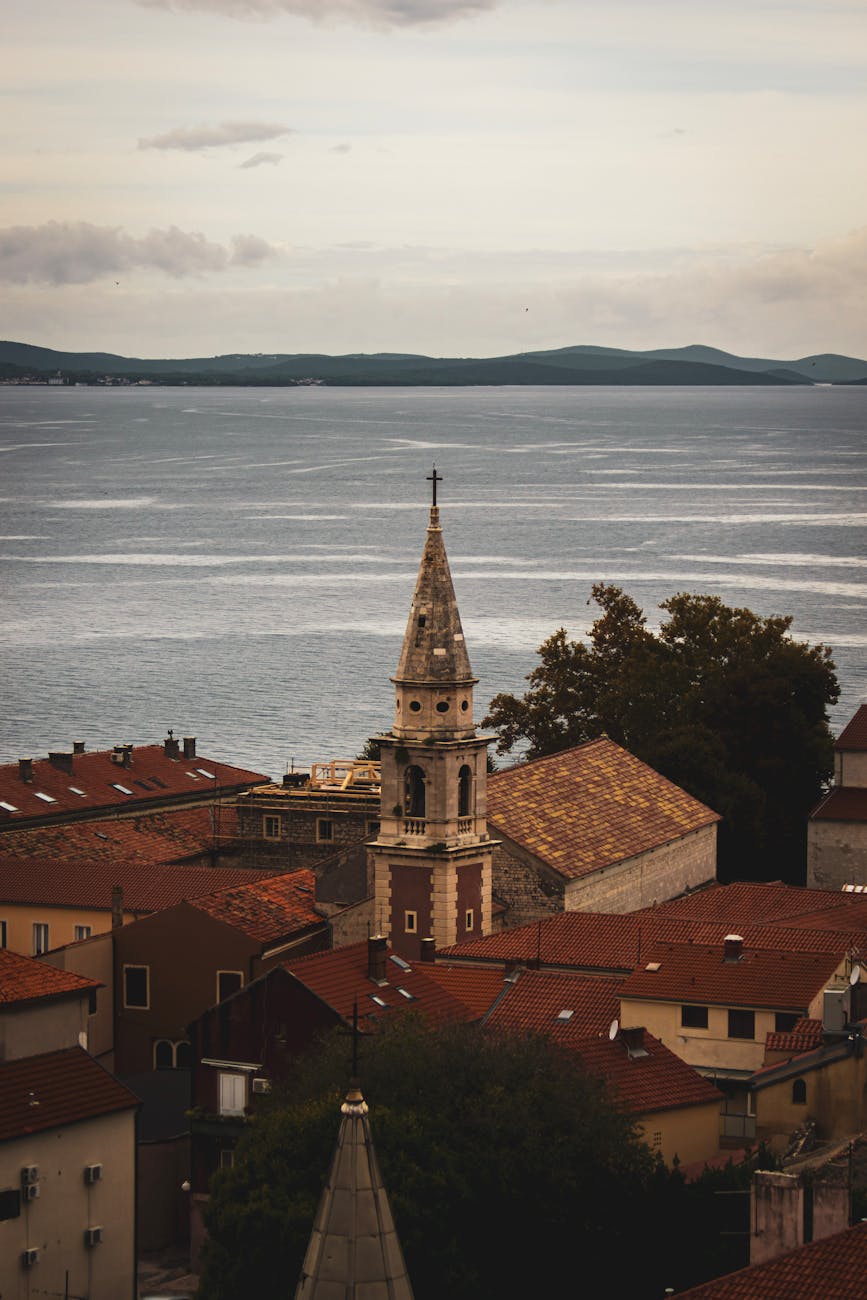
3 Days in Zadar: A Practical Dalmatian Itinerary
Spend 3 days in Zadar: hear the Sea Organ, explore the Roman Forum, savor Dalmatian seafood and take a Kornati or Split day trip. Compact, walkable, coastal.
A concise, walkable 3-day plan for Zadar that mixes seaside sunsets, Roman ruins, local markets and one memorable island or national-park day trip.
Zadar is a compact, historic seaside city on Croatia’s Dalmatian coast with Roman ruins, Venetian lanes and a modern waterfront that makes sunsets legendary. It suits travelers who want a blend of low-key cultural discovery, beach time and seafood without the crowds of larger Adriatic cities. Three days is ideal because the old town and waterfront are walkable, most museums and highlights can be visited in two half-days, and you still have time for one memorable day trip—to Kornati islands, Paklenica or nearby Split and Trogir. This guide gives a tight, practical itinerary with neighborhood tips, transit notes and food suggestions for a relaxed long weekend.
Why Visit
The city pairs ancient ruins and medieval churches with inventive public art: a musical Sea Organ and the solar Greeting to the Sun are modern icons. The old town sits on a small peninsula so most highlights are a short walk apart. Local markets and a lively waterfront scene mean it's easy to combine history, espresso culture and fresh seafood. It’s less frenetic than Split and closer to national-park favorites than Dubrovnik—ideal for travelers who want a coastal base with fast access to islands and hiking.

Quick Planning Tips
Fly into Zadar Airport (ZAD) or arrive by bus/ferry; frequent buses link to Split and Zagreb. Book summer ferries and Kornati trips in advance. Carry a copy of reservations for popular excursions and check museum opening hours (many close for a few hours midday). Pack comfortable shoes for cobbled streets and light layers—the sea breeze cools evenings. Currency is the euro; English is widely spoken in tourist areas. For a quieter visit choose May–June or September.

Day 1
Morning: Start in the Old Town at the Roman Forum and immediately-visible St. Donatus Church—two compact sites that orient you to the peninsula. Climb the Cathedral bell tower for a panorama.
Lunch: Eat at a konoba or waterfront bistro near Foša Harbour—grilled fish or black risotto are local favorites.
Afternoon: Visit the Museum of Ancient Glass and stroll Five Wells Square and the narrow streets of the old Venetian quarter.
Evening: Walk the Riva at sunset, listen to the Sea Organ, then watch the Greeting to the Sun light show. Dinner in the Old Town or along the Riva.

Day 2
Morning: Take a half- or full-day boat trip: Kornati National Park for dramatic islands and snorkeling, or a shorter hop to Ugljan/Pašman islands for laid-back beaches.
Lunch: Onboard or at a seaside konoba—try buzara (shellfish stew).
Afternoon: Return and relax on Kolovare Beach or explore the Green Market to sample local olives, cheese and produce.
Evening: Try craft beer or maraschino liqueur in the pedestrian streets. If you still have energy, a sunset climb to the city walls gives a different angle on the Riva.

Day 3
Morning: Day-trip options—drive or take a bus to Split (1–1.5 hours) to see Diocletian’s Palace and Riva, or visit Trogir for its compact Unesco centre. Alternatively, head inland to Paklenica National Park for hiking.
Lunch: Try a town square restaurant in Trogir or Split’s old town. For Paklenica pick a mountain hut or village konoba.
Afternoon: Return to Zadar for a relaxed museum visit (National Museum or Maritime Museum) or a final beach hour.
Evening: Have a farewell dinner of peka or grilled fish and toast the sunset one last time.

Best Local Experiences
Listen to the Sea Organ at sunset—the sound comes from waves played through submerged pipes. Watch the Greeting to the Sun’s light display after dark. Stroll early to the Green Market for morning bargains and fresh figs, cheeses and olive oil. Book a small-boat Kornati tour for clear water, deserted coves and snorkeling. Join a food-focused walk to learn about Dalmatian spices, maraschino and local wines. Rent a bike for the seaside paths north of the city or take a short ferry to Ugljan for authentic village konobas.

Where to Stay
Old Town: Best for first-timers—everything is walkable and you’re close to museums, restaurants and the waterfront.
Borik and Arbanasi: Good for families and beach access; more modern hotels and apartments near Kolovare.
Puntamika and Diklo: Quieter residential beaches a short bus or bike ride north.
Budget to mid-range: guesthouses and apartments in the Old Town or nearby streets. Mid-range to upscale: seafront hotels on the Riva and boutique stays in converted historic buildings. Book early for July–August.
Food and Drink
Start mornings with a coffee and pastry at a café near the Forum. Local specialities include black risotto (crni rižot), peka (meat or octopus slow-cooked under a bell), buzara shellfish and grilled Adriatic fish. Try fritule for dessert. Seek konobas for authentic, relaxed dining—Foša Harbour has several recommended seafood spots. Local wines from Dalmatia and maraschino liqueur (a Zadar specialty) make good after-dinner choices. For budget meals, look for burek shops and fast-friendly pizzerias used by locals.
Getting Around
The old town is best explored on foot; cobbles and narrow streets make walking the easiest option. Zadar has local buses that connect the center with Borik, the airport and surrounding neighborhoods—buy tickets from kiosks or apps. Ferries and catamarans operate from the main port to islands and coastal towns; reserve seats in high season. Taxis and ride-hailing are available but can be pricey for day trips—consider renting a car for trips to Paklenica or remote beaches. Bike rentals are common for short coastal rides.
Best Time to Visit
May–June and September offer the best balance of warm sea temperatures, sunny days and fewer crowds. July–August is lively but hot and busy; book ferries and accommodation well ahead. April and October are quieter with cool evenings and occasional rain—good for lower prices and hiking. Winter is off-season: many coastal businesses scale back but the city is peaceful and cheaper if you don’t need tourist services.
Budget and Practical Tips
Currency: euro. Expect mid-range dinner prices for two around €30–€60 depending on restaurant; local konobas are budget-friendly. Museums charge modest fees—buy combined tickets where offered. Tipping is appreciated but not mandatory: round up or leave 5–10% in restaurants. Pack reef-safe sunscreen for rocky beaches. Summer parking in the Old Town is limited; use public parking lots outside the peninsula. Keep a printed or offline map for island boat schedules that can change with weather.
FAQ
Is 3 days enough to see the highlights?
Yes. Three days covers the Old Town, waterfront icons and one full day for an island or national-park trip.
How do I get from Split to Zadar?
Regular buses run between Split and Zadar in about 1–1.5 hours; you can also take a car or book a catamaran on select days.
Are there beaches near the city?
Yes—Kolovare Beach and nearby Borik beaches are within a short walk or bus ride; island beaches are reachable by ferry.
Can I visit Kornati National Park in a day?
Yes. Many operators run full-day Kornati tours from Zadar; book ahead in summer and expect early departures.
Is English widely spoken?
Yes, especially in tourist areas, hotels and restaurants, though learn a few Croatian greetings to be polite.
Should I rent a car?
Not necessary for the city itself but useful for flexible day trips to Paklenica, inland sights or remote beaches.
Conclusion
Three days in this compact Dalmatian city deliver history, seaside ambiance and easy access to islands or national parks. Use mornings for museums, afternoons for swimming or boat trips, and evenings to savor sunsets and seafood. With this itinerary you’ll leave having heard the Sea Organ, walked Roman streets and tasted authentic Dalmatian cuisine—plenty to inspire a return visit.
How this guide was prepared
This guide was prepared through a structured research that combines destination research, geographic context, itinerary planning logic, and content review.