
Vina del Mar: Practical 3-Day City Guide and Itinerary
A practical 3-day guide to Vina del Mar with neighbourhood plans, transport tips, realistic budgets, and local food picks to help plan a no-surprise weekend.
A no-nonsense three-day plan for Vina del Mar with transit advice, eating recommendations, realistic costs and a sequence of sights that fits a long weekend.
First impressions are coastal wind, long low-rise hotels, and a coastline designed around promenades and beaches rather than dense historical centres. The mood is more holidaytown-than-capital: daytime is built around sun and short museum visits, evenings around seafood and the casino. Visitors often underestimate practical details — afternoon fog (camanchaca) can cut sun by half in autumn and winter, and many businesses close early outside summer.
Is 3 days in Vina del Mar enough?
Three days are enough to cover downtown sights, two beaches, a museum or two, and a half-day trip to Casablanca for wine tasting. The honest caveat: a slower, relaxed pace or multiple winery visits require extra days.
Who This Guide Is For
Best for travelers who want beaches, straightforward museums, and short winery side-trips; less suitable for nightclubs-focused partygoers or visitors expecting a dense urban museum scene.
Local Tips for Vina del Mar
Practical details that most travel sites skip — specific to Vina del Mar.
- Buy Merval tickets at station kiosks or vending machines; a single trip on the Metro Valparaíso (Merval) costs around CLP 700–900 depending on distance.
- Quinta Vergara park and the amphitheatre are free to enter for a daytime visit, but tickets for the Viña del Mar International Song Festival (late February) sell out months ahead.
- Museo Fonck displays a real Rapa Nui moai and has an entry fee around CLP 3,000–5,000; bring cash as smaller shops inside may not take cards.
- Taxis rarely accept cards; carry CLP for short rides — a 10–15 minute taxi within central zones is typically CLP 3,000–6,000.
- Bus schedules along Avenida Libertad and Avenida San Martín are irregular on Sundays; expect reduced frequency and plan extra time to reach Reñaca.
How This Guide Was Prepared
This guide treats Vina del Mar as a working coastal city with beach culture, festival infrastructure and day-trip potential rather than a postcard. Many guides over-focus on the flower clock and the February festival and miss how neighbourhoods like Reñaca, Quinta Vergara and Avenida Perú feel and move on an ordinary day. This guide was prepared through a structured research that combines destination research, geographic context, itinerary planning logic, and content review.
Plan Your Stay in Vina del Mar
Use this itinerary as your starting point, then compare areas to stay, transport options, seasonal timing, and realistic daily costs before booking.
Why Visit
Quinta Vergara combines public parkland, a small art museum (Museo de Bellas Artes de Viña del Mar) and the festival amphitheatre, so cultural life and open space are within one block. Nearby beaches such as Playa Acapulco and Reñaca offer different atmospheres: Acapulco is compact and walkable, Reñaca is more surf- and terrace-focused. Museo Fonck holds a genuine Rapa Nui moai and Chilean Pacific archaeology, offering an efficient single-stop anthropology visit. Casablanca Valley is a 30–50 minute drive and delivers convenient wine tastings of Sauvignon Blanc and Chardonnay without a long transfer from the coast.
Quick Planning Tips
From Santiago, regular intercity buses (Pullman, TurBus) run to Viña del Mar and Valparaíso from Terminal Alameda and Santiago airport; journey time is roughly 1 hour 45 minutes to 2 hours depending on traffic. From Valparaíso-Quintero stations use the Merval metro line for quick transfers across the conurbation; buy single Merval tickets at station kiosks and keep small CLP for short local buses.
Day 1
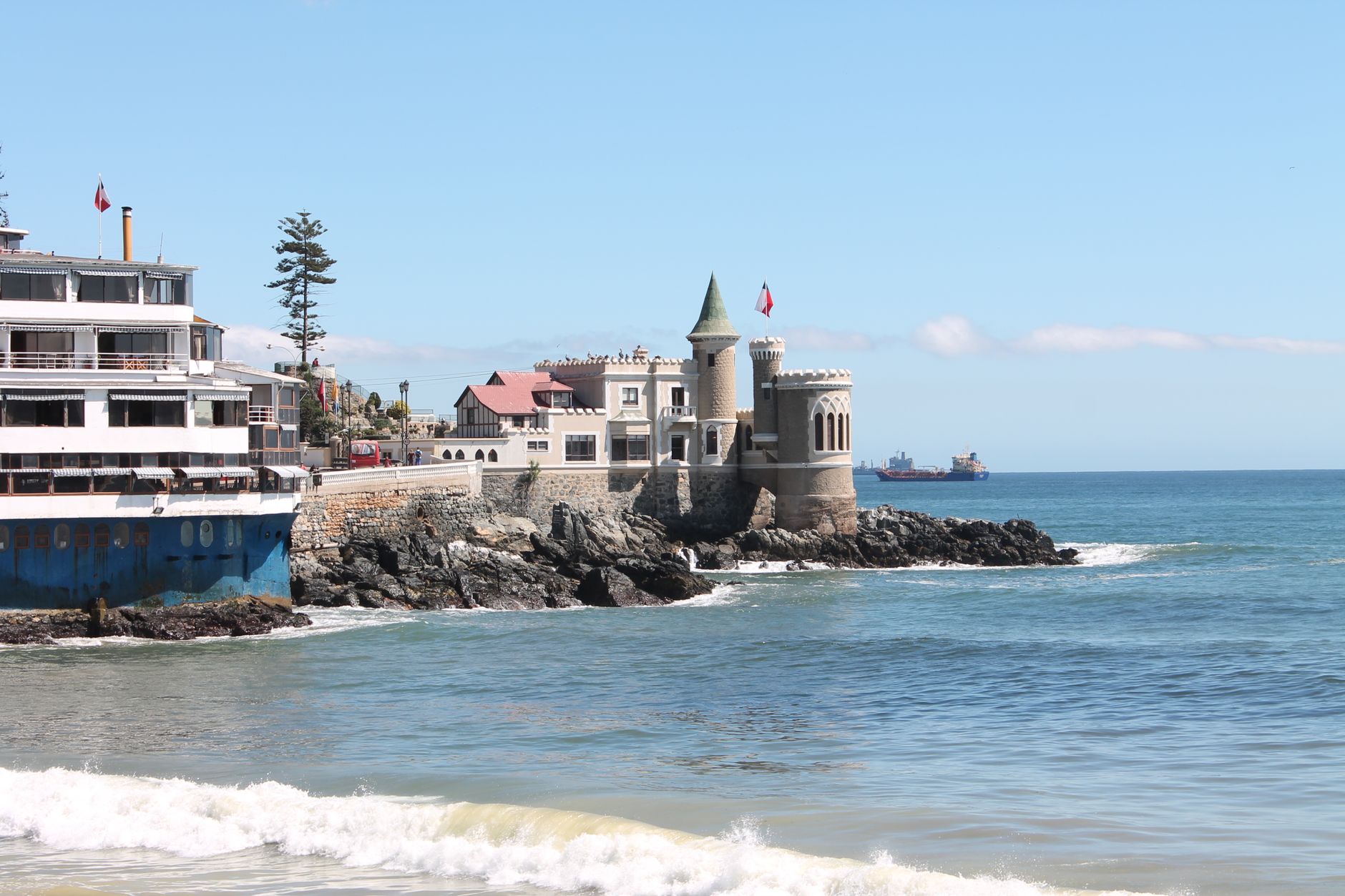
Start at the Reloj de Flores on Avenida Libertad for a quick photo and a sense of scale; this spot is a short walk from the main tram/bus stops and usually quiet early. Walk 5–10 minutes along Avenida San Martín to Castillo Wulff on the rocks; the castle exterior and viewpoint take 20–30 minutes. From there stroll 10–15 minutes inland to Palacio Rioja to see Belle Époque architecture and small galleries; allow 30–45 minutes inside. Reach Quinta Vergara park in a 15-minute walk east from Palacio Rioja; the park contains the amphitheatre and the Museo de Bellas Artes de Viña del Mar — plan 1–2 hours for the museum and grounds.
Day 2
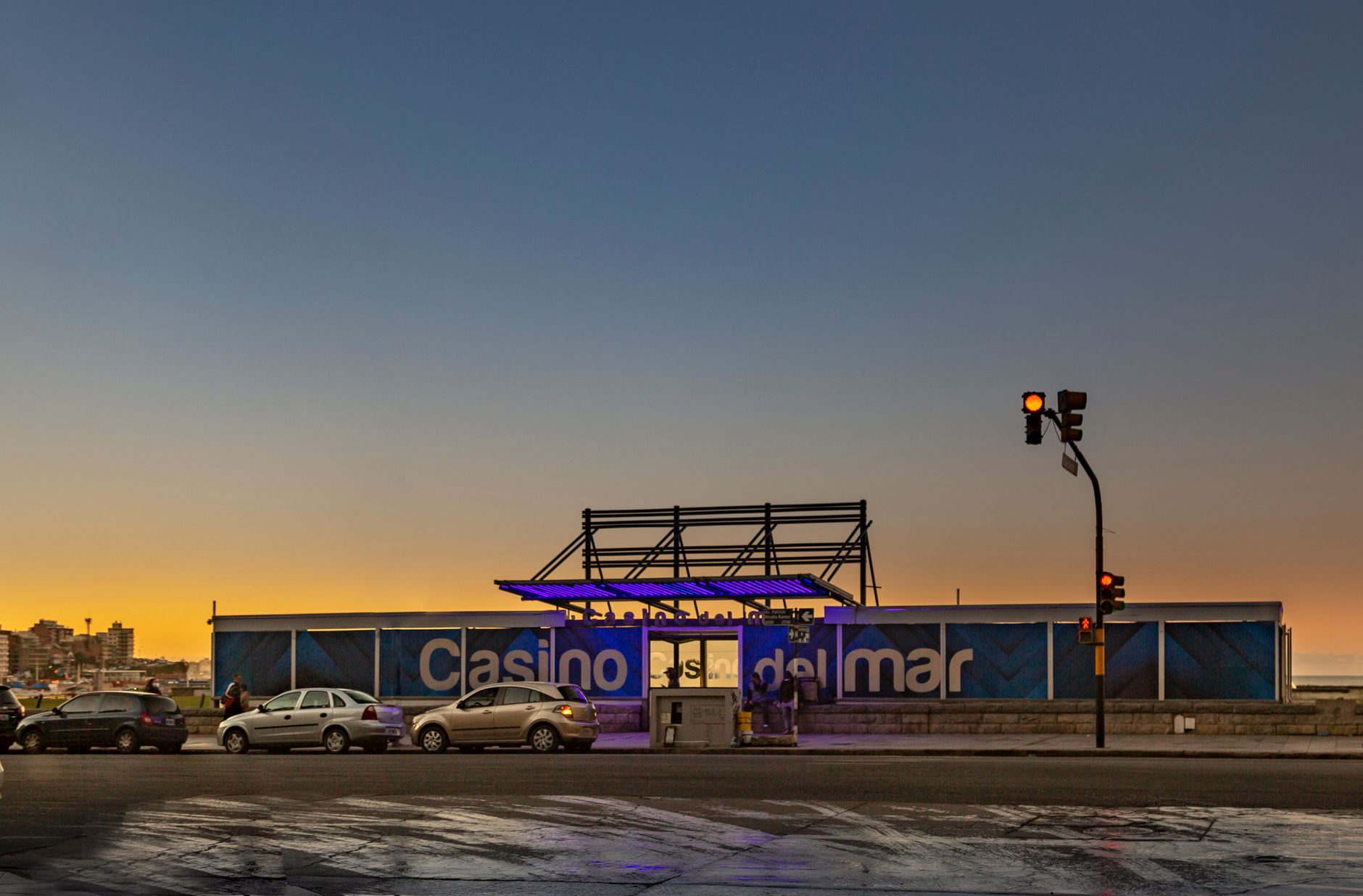
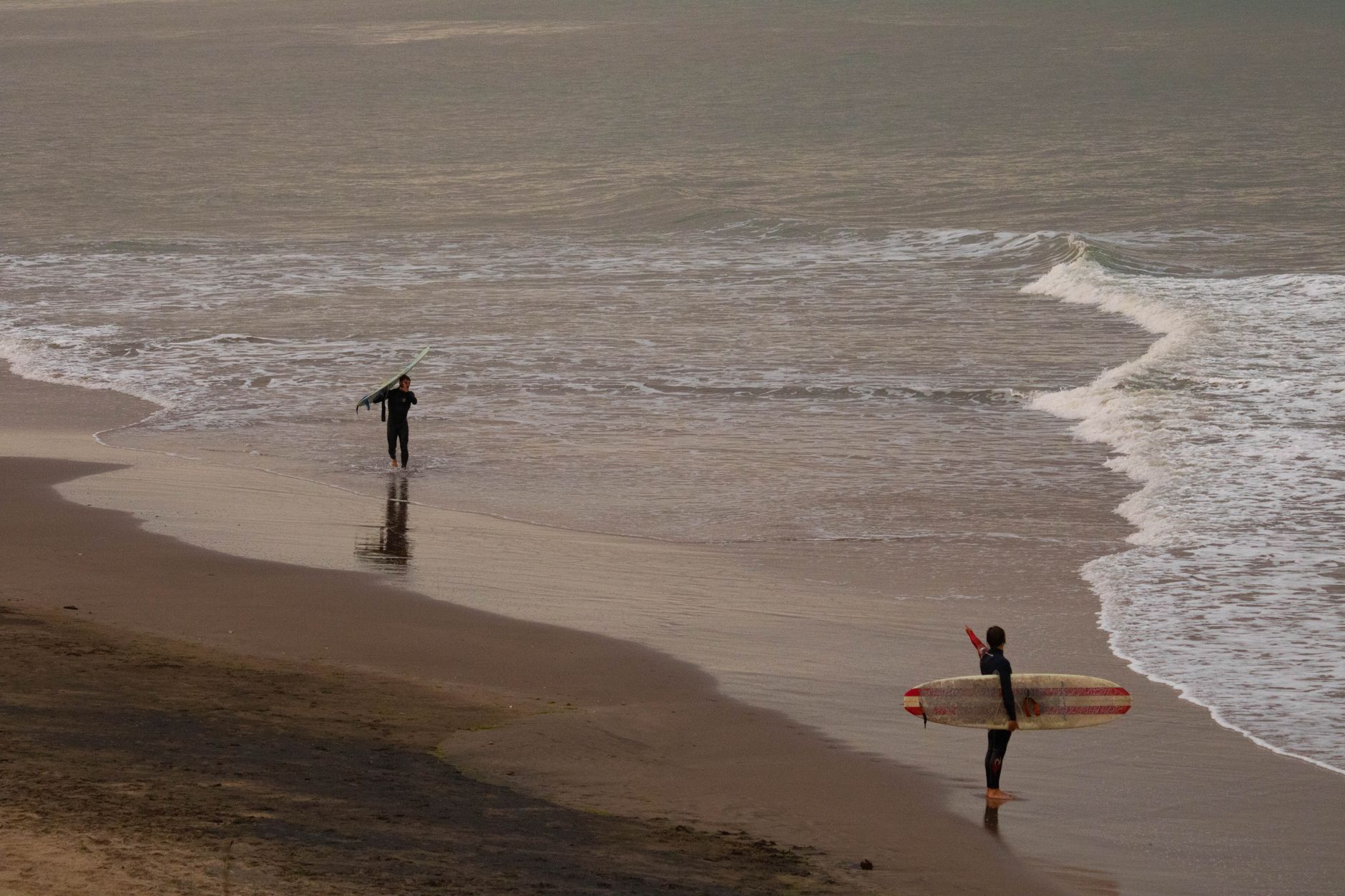
Head north to Reñaca for a full beach morning; take bus routes along Avenida Libertad or Avenida España — journey time from downtown is about 20–30 minutes by bus or 15–20 minutes by taxi. Walk the Reñaca boardwalk and, if surf conditions are right, rent a board from one of the surf schools near the central beach. For lunch choose ceviche or choritos a la chalaca at a beachside restaurant on Avenida Borgoño; expect CLP 6,000–12,000 for a main dish. In the afternoon return toward Playa Acapulco for a quieter stretch of sand and a coastal promenade walk of 30–40 minutes between beach points. Evening recommendation: try the Casino Municipal de Viña del Mar for late-night energy and restaurants nearby.
Day 3
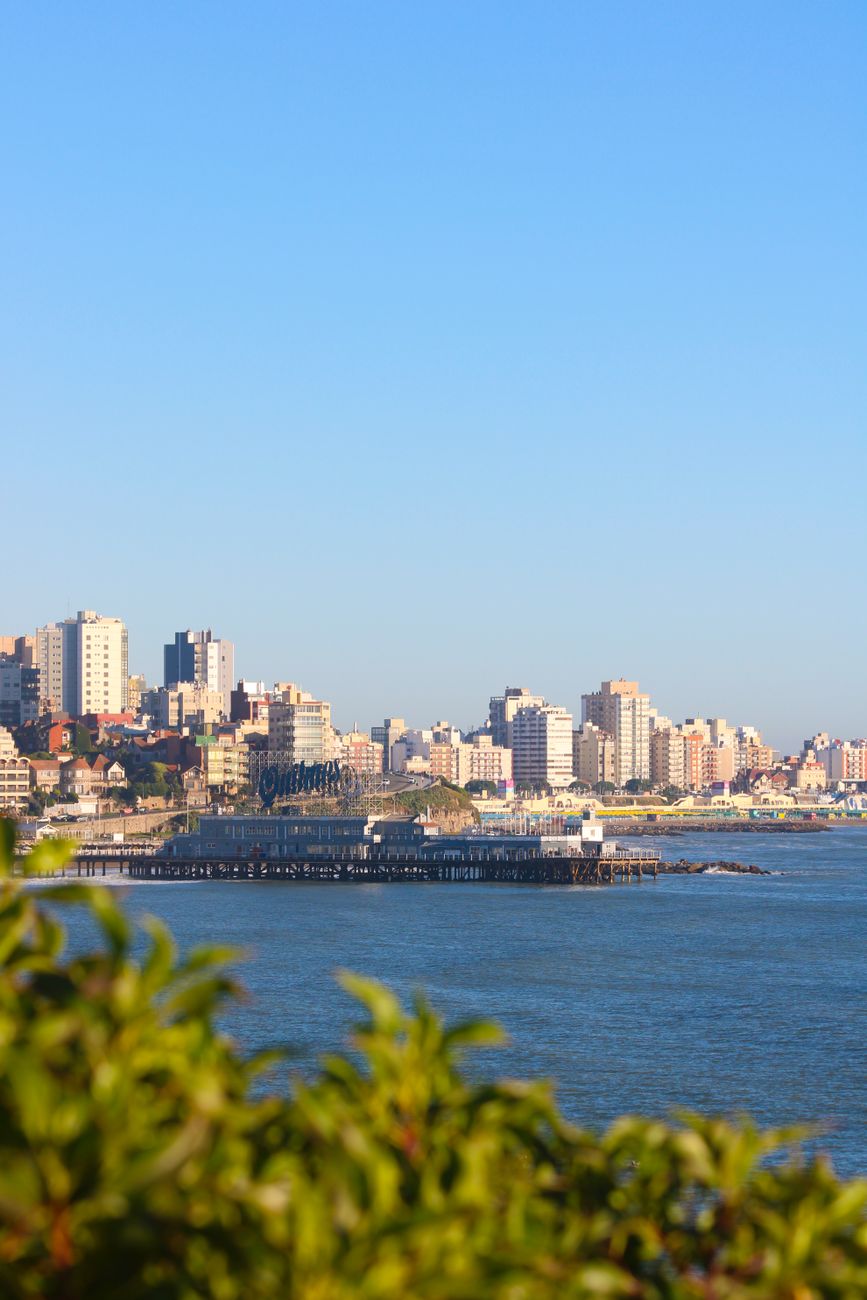
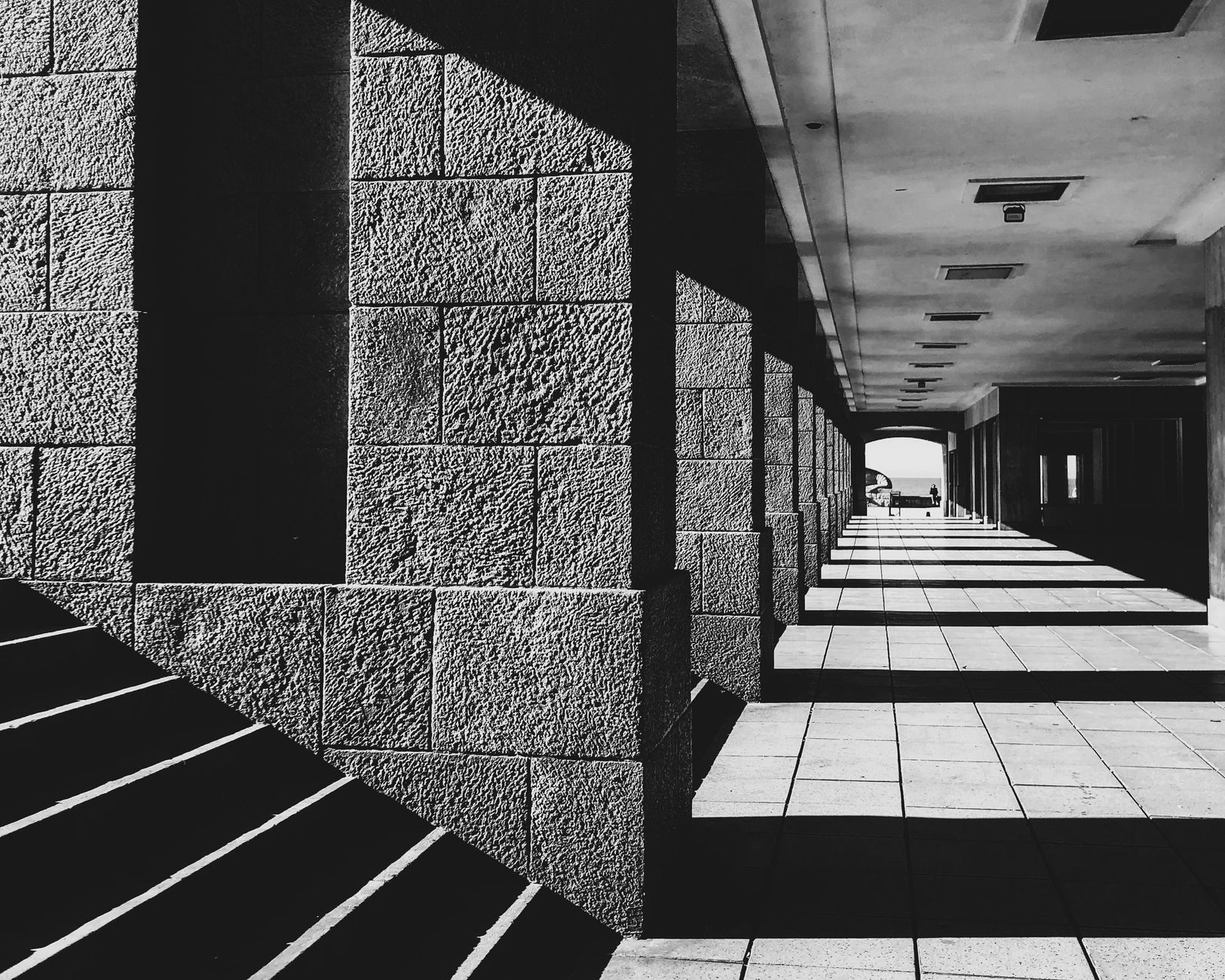
Reserve the morning for Museo Fonck to see its Rapa Nui collection and Pacific archaeology; allow 1–1.5 hours and bring CLP for the entry fee. From the museum, take a 10–15 minute taxi or the Merval to the Valparaíso edge for a short walk along Paseo 21 de Mayo if inclined, or head to Avenida Perú for a seaside lunch near small fish markets. If catching an afternoon flight, plan transit: buses to Santiago leave early and take 1 hour 45–120 minutes; taxis to Santiago airport are expensive and need time allowance for traffic. For a final evening, walk the Avenida España seafront near Caleta Abarca for sunset and a casual seafood dinner.
Best Local Experiences
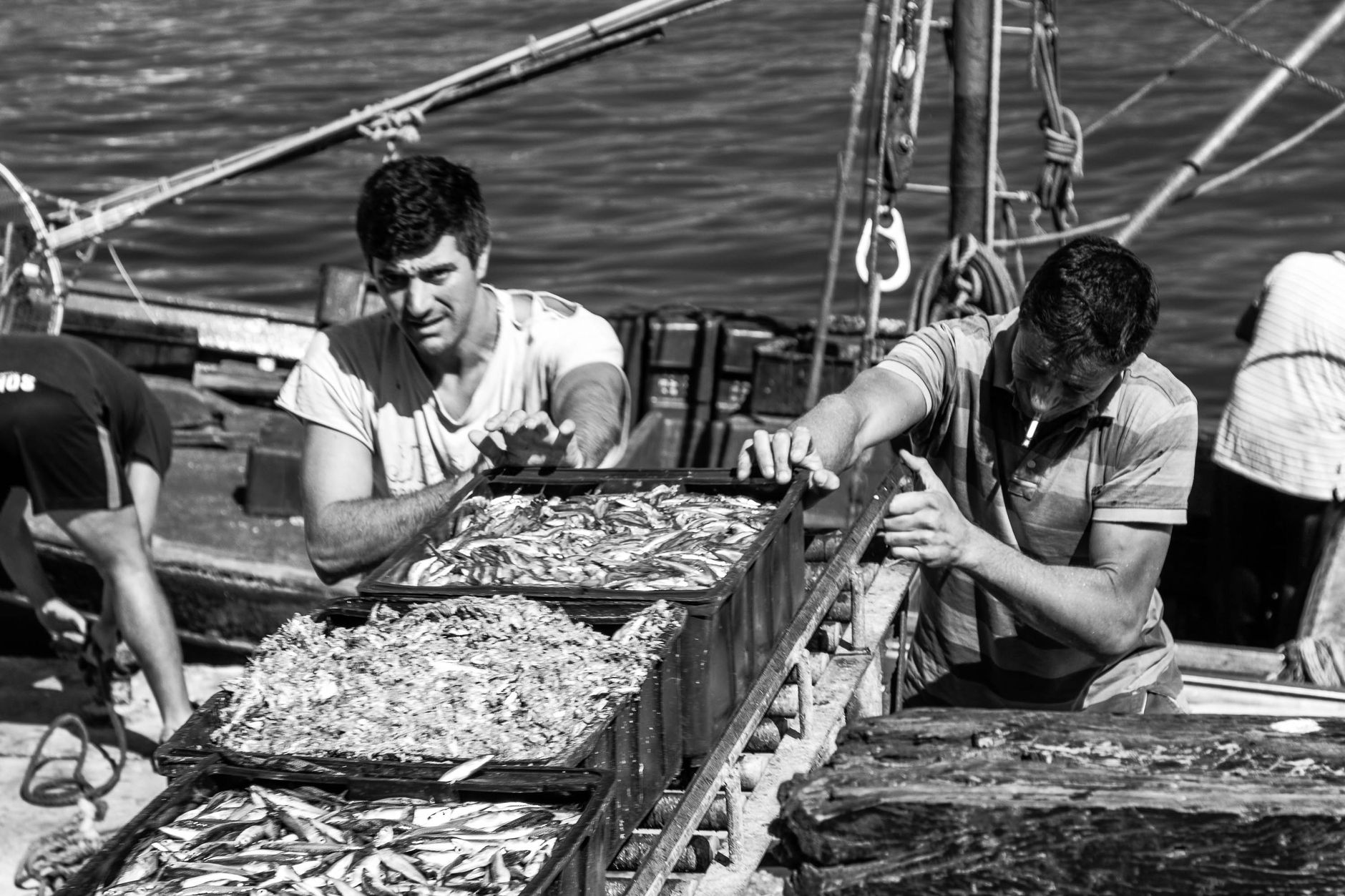
Attend a weekend market on calle Valparaíso near the train station for local fruit and empanadas. Time a visit to Quinta Vergara to see the park and public sculptures rather than the amphitheatre during an event. Try a shore-side mussel dish (choritos a la chalaca) at a Mercado Municipal seafood stall. Walk the Avenida Perú promenade early morning for fishermen bringing in small catches at Caleta Abarca. Take a half-day trip to Casablanca Valley for winery tastings at Casas del Bosque or Viña Undurraga; tastings typically run CLP 10,000–25,000 depending on cellar and tour. These experiences highlight coastal food culture, public parks and the short wine route that is logistically convenient.
Where to Stay
Quinta Vergara / Casino area: suits travellers who want proximity to the park, Museo de Bellas Artes and evening dining near the casino. Expect mid-range hotels around CLP 40,000–80,000/night (USD 50–100; EUR 45–90). Avenida Perú / Caleta Abarca: suits those wanting the oceanfront promenade and quick beach access; small guesthouses and mid-range hotels run CLP 30,000–70,000/night (USD 40–90; EUR 35–80). Reñaca: suits beach-focused travellers who prefer terraces, surf schools and nightlife; apartment rentals and beach hotels typically cost CLP 50,000–120,000/night (USD 60–150; EUR 55–135) in high season. Centro (near Reloj de Flores): suits budget travellers and those relying on buses and intercity links; expect guesthouse rates CLP 20,000–45,000/night (USD 25–55; EUR 22–50).
Food and Drink
Caldillo de congrio: a light fish stew made with congrio (conger eel); good versions at family seafood restaurants near Caleta Abarca for CLP 6,000–12,000. Choritos a la chalaca: steamed mussels topped with onion, tomato and cilantro — common at Mercado Municipal and seaside marisquerías for CLP 4,000–8,000. Empanada de pino: baked pastry filled with beef, onion, a slice of egg and olive; a standard snack from street stalls or bakeries for CLP 700–1,200. Terremoto: sweet pipeño wine with pineapple ice cream, sold at bars during festival season and downtown bars for CLP 2,500–5,000. Breakfast option: marraqueta bread with palta (avocado) and café at local panaderías — CLP 2,000–4,000. For dinner try pastel de jaiba (crab pie) at a mid-range seafood restaurant near Avenida Borgoño; expect CLP 8,000–16,000 for a sharing plate.
Getting Around
Public options include the Merval (Metro Valparaíso), local micros (city buses) and colectivos (shared taxis). Merval covers Valparaíso–Viña del Mar corridors with stations like Viña del Mar, El Salto and Limache; buy single tickets at stations for around CLP 700–900. Micros run frequent routes on Avenida Libertad and Avenida España; single rides are roughly CLP 400–700 and require exact change or small bills. Taxis are metered in the central area but often prefer cash; short trips inside town are usually CLP 3,000–8,000. Useful apps: Moovit for transit routing and local taxi apps for fares. Expect slower frequency on Sundays and public holidays.
Best Time to Visit
Summer (December–February) offers the warmest weather, daytime temperatures about 22–28°C, highest hotel rates and busiest beaches. Late February contains the Viña del Mar International Song Festival when rooms jump in price and crowds surge. Autumn (March–May) keeps mild days around 16–22°C with lower rates; expect more foggy mornings and cooler evenings. Winter (June–August) brings chillier temperatures 10–15°C and more camanchaca fog along the coast; attractions are quieter and bargains appear. Spring (September–November) shows improving sun and shoulder-season prices, with daytime highs 15–22°C and fewer tourists than summer.
Budget and Practical Tips
Typical daily budget for a mid-range traveler: accommodation CLP 40,000–80,000 (USD 50–100 / EUR 45–90), food CLP 10,000–20,000 (USD 12–25 / EUR 11–22), local transport CLP 1,500–3,500 (USD 2–5 / EUR 2–4), entry fees and extras CLP 3,000–10,000 (USD 4–12 / EUR 3–11). Budget travelers can aim for CLP 20,000–45,000/day including hostels, street food and micros. Expect tipping norms similar to most of Chile: small rounding up at cafes, 10% in sit-down restaurants if service is not included, and no compulsory tip for taxis. Carry CLP cash for small purchases and local market stalls; major restaurants and hotels accept cards.
FAQ
Is Vina del Mar safe to walk around at night?
Central areas around Avenida Libertad, Avenida Perú and the casino are generally okay after dark but standard urban precautions apply; avoid poorly lit side streets and watch belongings in crowded spots.
Is public transport easy to use for tourists?
Yes—Merval and micros cover main corridors; use Moovit for routing and carry small CLP for bus fares.
Is a city card or pass worth buying?
There is no single Viña del Mar tourist card that covers everything; pay per-visit for museums and use the Merval single tickets for metro trips.
How long is the bus from Santiago airport to Viña del Mar?
Direct intercity buses take roughly 1 hour 45 minutes to 2 hours depending on traffic; allow extra time for peak periods.
Can day trips to wineries be done without a car?
Yes—Casablanca Valley tours and transfer services run from the city, and several wineries offer tastings with short shuttle transfers or bookable tours.
Are beaches swimmable year-round?
Water is cooler outside summer and currents can be strong; swim where lifeguards are present and heed local flags.
Are credit cards widely accepted?
Cards work at hotels, larger restaurants and supermarkets but carry cash for market stalls, small cafés and taxis.
How crowded is the Viña del Mar festival and can tourists attend?
The festival in late February is very crowded, tickets must be bought well in advance and accommodation prices spike.
Conclusion
A three-day visit produces a clear sense of coastal life: beach mornings, seafood lunches, a compact museum run and a nearby wine valley if time allows. The most memorable elements are public parks like Quinta Vergara, the coastline along Avenida Perú and strong seafood culture. If time is tight, prioritise a morning at Museo Fonck plus an afternoon walk along Avenida Perú and one beach session; those give the best single-day snapshot.
How this guide was prepared
This guide was prepared through a structured research that combines destination research, geographic context, itinerary planning logic, and content review.