
Best Things to Do in Paphos: Practical, Local-First Guide
A practical guide to the best things to do in Paphos — archaeology, beaches, Akamas hikes, local tavernas, and sustainable tips to use with our 3 days in Paphos itinerary.
Essential, low-impact activities and sensible timing for Paphos: Kato Paphos mosaics, Tombs of the Kings, Aphrodite’s Rock, Akamas Peninsula, Coral Bay and local food experiences — ideal as support for a 3-day itinerary.
Quick Answer
Essential, low-impact activities and sensible timing for Paphos: Kato Paphos mosaics, Tombs of the Kings, Aphrodite’s Rock, Akamas Peninsula, Coral Bay and local food experiences — ideal as support for a 3-day itinerary.
Who This Page Is For
This page is for travelers planning a stay in Paphos who want clearer decisions about things to do, local logistics, timing, budgeting, and practical trip planning.
How This Page Was Prepared
This page was prepared through a structured editorial workflow that combines destination research, geographic context, and practical travel-planning review.
Plan the Rest of Your Trip
Use this page together with the full itinerary and the related planning pages below to make better booking, timing, transport, and budget decisions.
Top picks for a short visit:
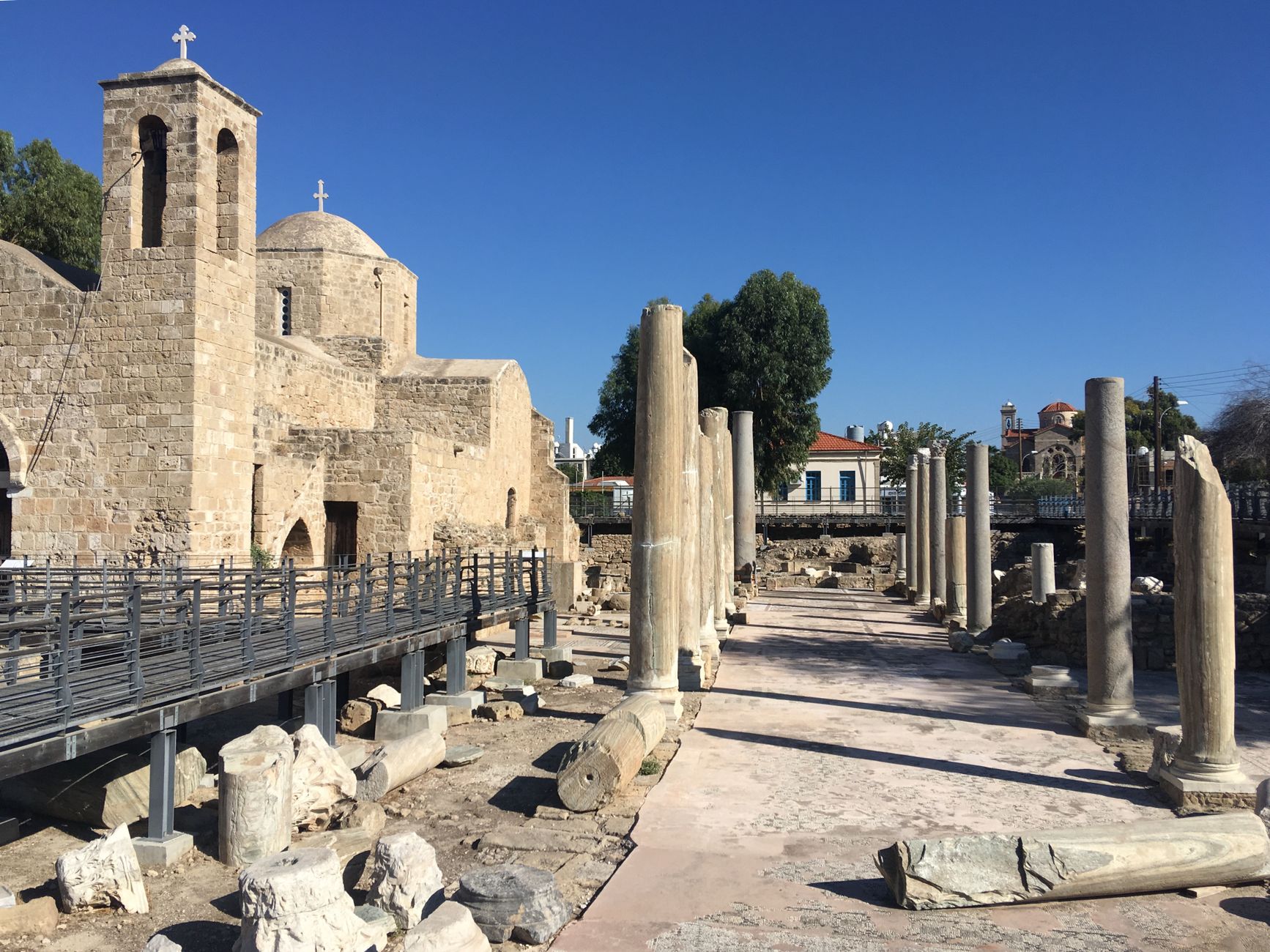
- Paphos Archaeological Park (mosaics) — arrive early to avoid crowds.
- Tombs of the Kings — dramatic burial chambers and a good short walk.
- Paphos Harbour and Castle — seaside strolls and fresh fish tavernas.
- Aphrodite’s Rock (Petra tou Romiou) — iconic viewpoint near Kouklia.
- Akamas Peninsula & Blue Lagoon — best with a small-group boat or guided hike.
- Coral Bay for swimming and snorkeling.
Use these as the backbone of a 3-day plan; see our 3 days in Paphos itinerary for a suggested order and timing.
Paphos is a compact coastal city where UNESCO-listed archaeology sits alongside working harbours, family-run tavernas and wild headlands. Its must-sees can be experienced without haste across a few days, making it a natural complement to our main 3 days in Paphos itinerary. This page focuses on practical choices, seasonal timing, and sustainable options so you get authentic experiences and direct benefit to the local economy.
What This Page Helps You Decide
This support page helps you choose which sights to prioritize, when to book activities, and how to travel between places without wasting time.
Use it to:
- Pick attractions that match your pace (cultural, beach, nature).
- Decide whether to rent a car for Akamas and coastal visits.
- Find low-impact operators for boat trips and snorkeling.
- Identify which activities slot into each day of a 3-day visit (see 3 days in Paphos for a full schedule).
Practical booking advice appears throughout — follow those notes when planning your days.
Top Recommendations
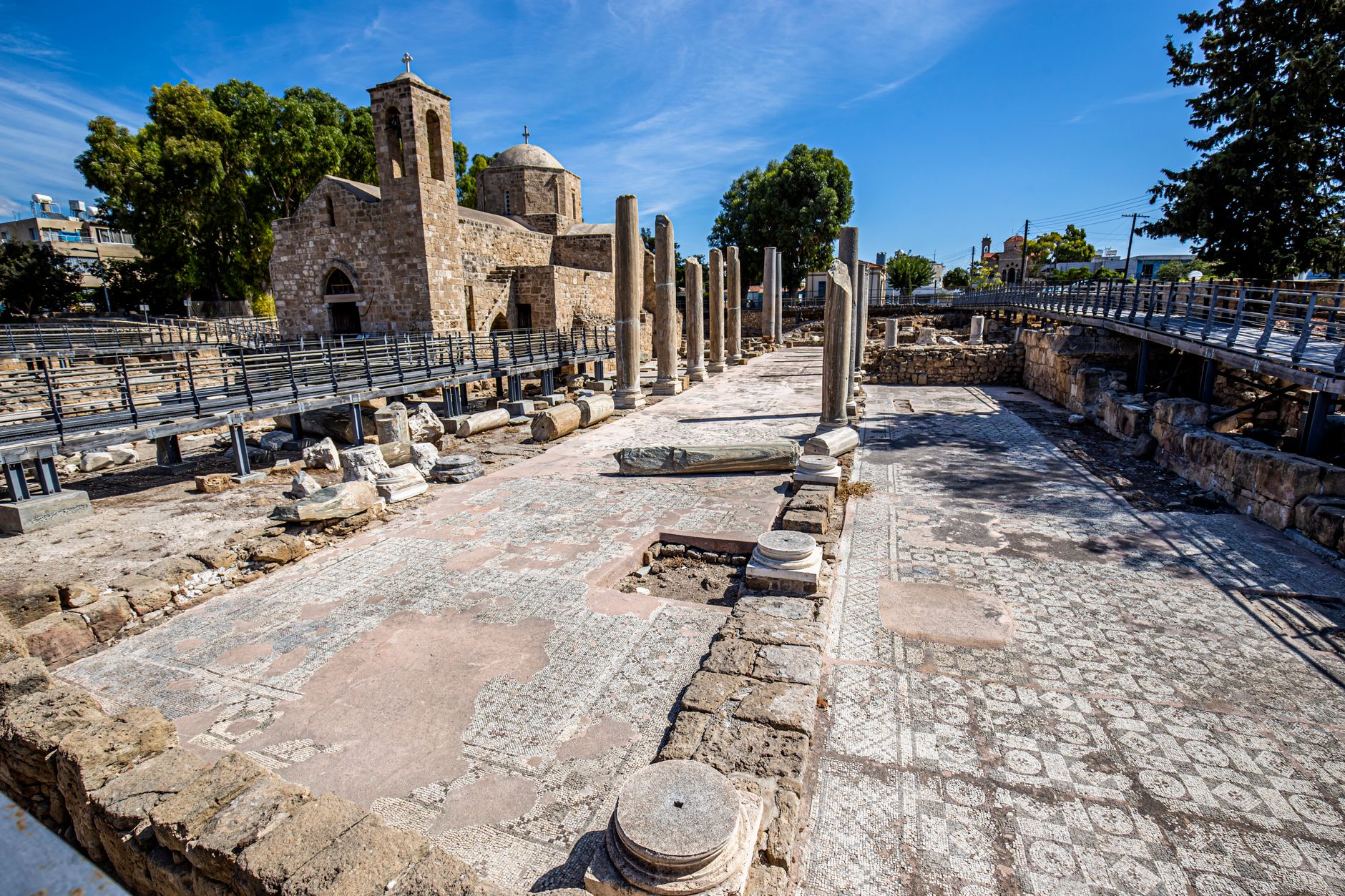
1) Paphos Archaeological Park (Kato Paphos mosaics)
– Why: World-class mosaics and coastal ruins.
– Practical: Arrive at opening to photograph mosaics in soft light; wear sun protection. Tickets sold on site — check for combined passes.
2) Tombs of the Kings (Kato Paphos)
– Why: Open-air necropolis with impressive carved tombs.
– Practical: Uneven surfaces — wear sturdy shoes and avoid midday heat.
3) Paphos Harbour & Castle
– Why: Evening promenade, seafood tavernas and local life.
– Practical: Try a small family-run taverna away from the main pier to support locals.
4) Aphrodite’s Rock and Kouklia
– Why: Mythic coastline viewpoint and nearby village ruins.
– Practical: Visit at sunrise or late afternoon to avoid peak sun and crowds.
5) Akamas Peninsula & Blue Lagoon
– Why: Rugged coastline, native flora and clear coves.
– Practical: Choose licensed small-group or guided hikes/boat trips to minimize impact; some trails are steep and remote.
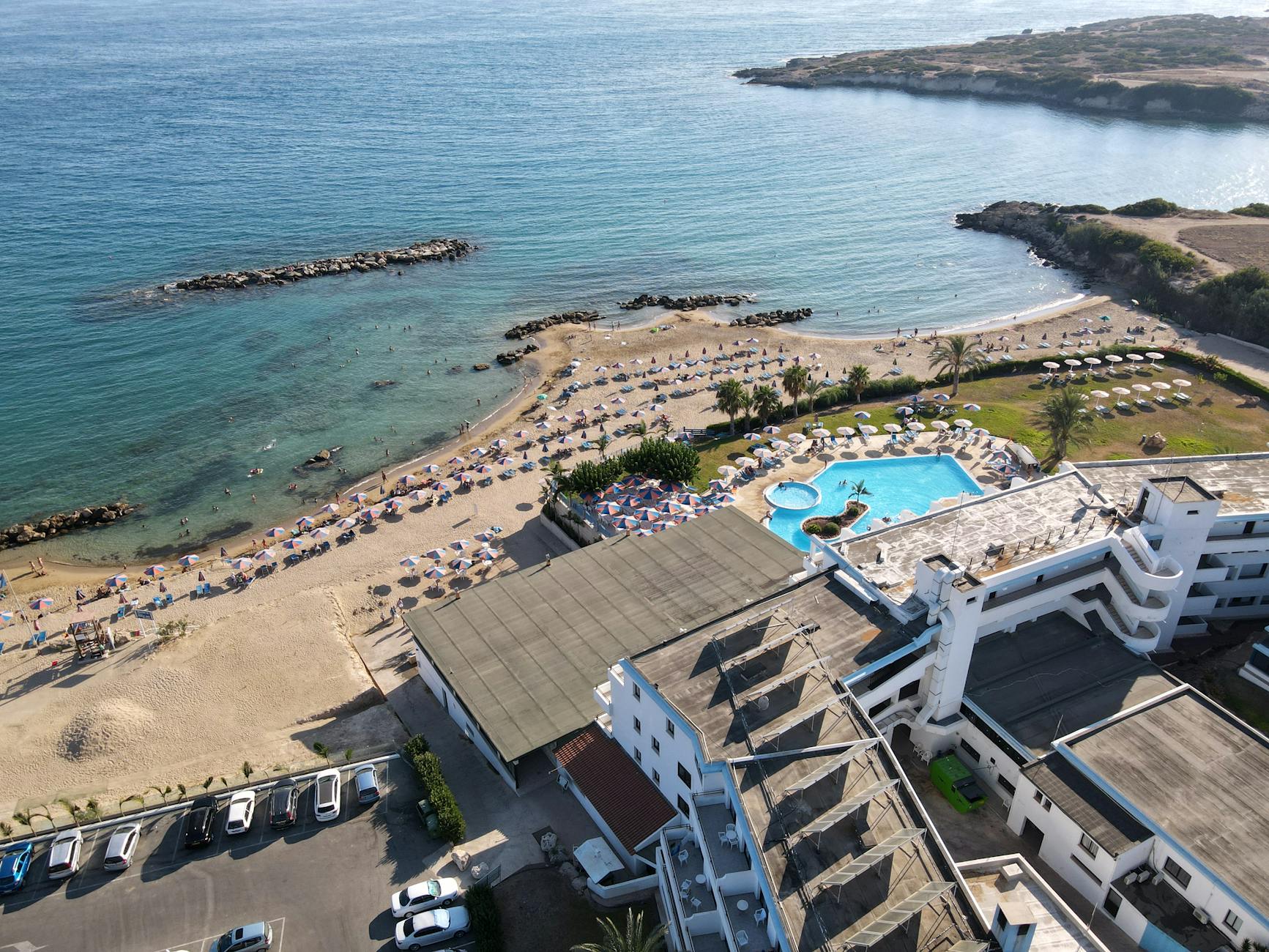
6) Coral Bay and Snorkeling
– Why: Sandy beaches and accessible snorkeling for families.
– Practical: Use licensed dive/snorkel operators and avoid anchoring on seagrass beds.
7) Paphos Old Town and Local Markets
– Why: Genuine shops, cafes, and evening life in Pano Paphos.
– Practical: Buy produce and crafts from market stalls to keep spending local.
Each pick can be slotted into the 3-day plan; book boat trips and winery visits in shoulder season (April–June, Sept–Oct) for better availability and lower impact.
Local Context
Neighborhoods and transport:
- Kato Paphos (harbour and archaeological park) is the most tourist-dense area. Pano Paphos (Old Town) offers quieter, local tavernas.
- Public buses link Paphos with Limassol, Larnaca and Nicosia, but schedules can be sparse for rural spots like Akamas. For maximum flexibility, consider a rental car for day trips; park responsibly and follow local signage.
Seasonal patterns:
- High season: July–August (crowds, strongest sun). Book restaurants and boat tours early.
- Best balance: April–June and September–October for pleasant temperatures, fewer visitors, and local festivals.
Local etiquette and practicalities:
- Dress modestly in churches; remove hats and speak quietly.
- Greet with “Yasou” or “Kalimera” — small Greek phrases are appreciated.
- Tipping: small service charges are common; round up or leave 5–10% in tavernas.
- Buy tickets and check opening times for archaeological sites before you go; many close one day a week or have seasonal hours.

How to Choose Well
Match activities to your interests and energy:
- Cultural focus (mosaics + Kouklia): Spend mornings at the Archaeological Park and Tombs of the Kings, afternoons in Pano Paphos museums and churches.
- Nature and beaches: Reserve a full day for Akamas (guided hike or boat) and another for Coral Bay or Aphrodite’s Rock.
- Family travel: Choose shallow beaches, short guided boat trips, and flexible afternoons for naps; Old Town has quiet evening options.
Sequencing and timing tips:
- Early mornings for archaeology and sunrise viewpoints to avoid heat.
- Late afternoons for harbour strolls and seafood dinners.
- Book high-demand activities (Blue Lagoon boats, certified dive trips, winery tours) a few days in advance — sooner in high season.
For a ready-made plan, use this page to select activities and then consult the 3 days in Paphos companion for a timed itinerary.
Responsible and Local-First Tips
Support local businesses and protect nature:
- Eat locally: pick family-run tavernas, bakeries, and the farmers’ market instead of international chains.
- Choose small-group, licensed guides for Akamas and boat excursions; avoid operators that anchor on seagrass or overcrowd coves.
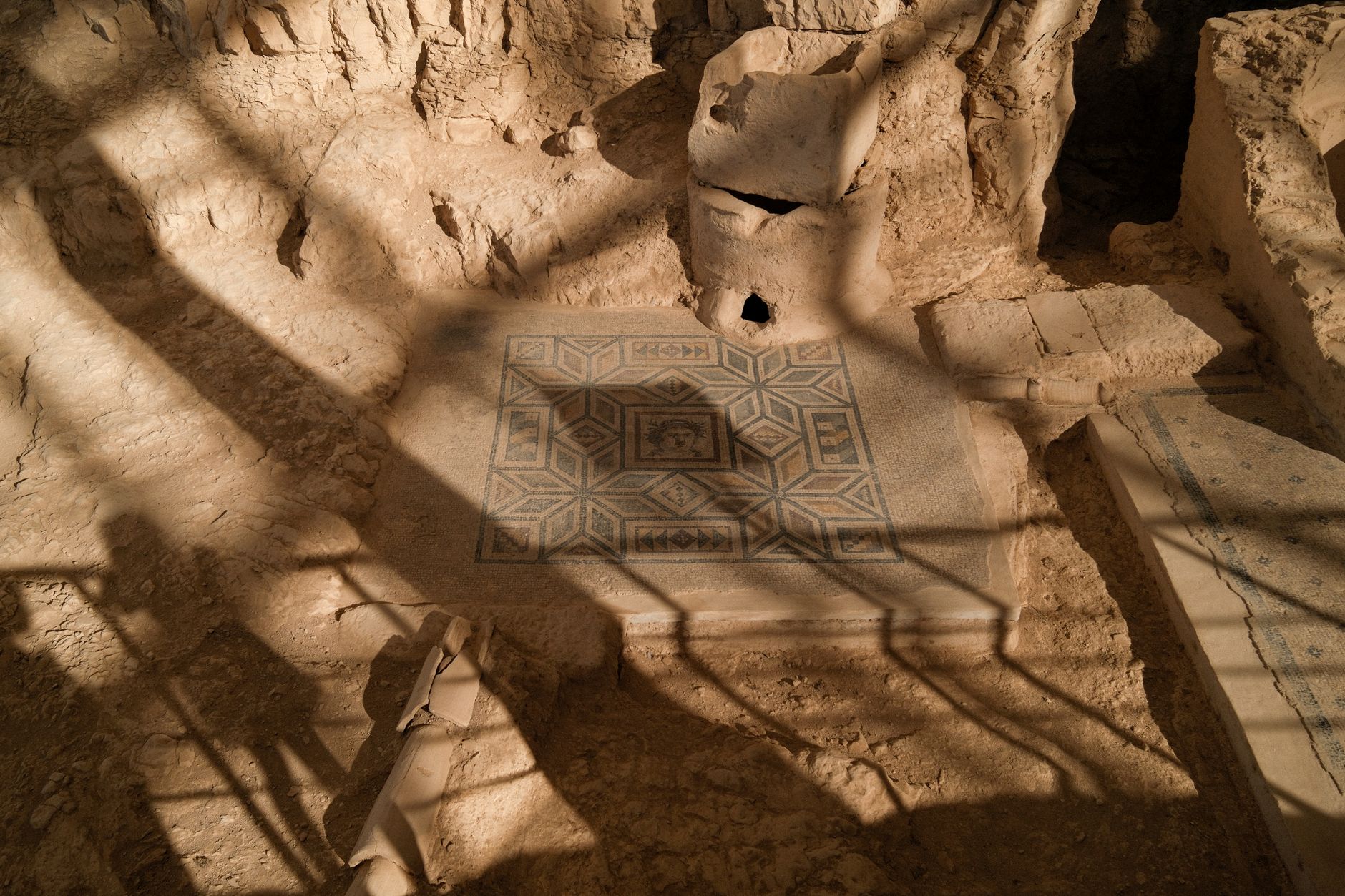
- Respect archaeological sites — do not step on mosaics or leave graffiti.
- Reduce plastic: bring a refillable water bottle and reusable bags for market shopping.
- Stay local: prefer guesthouses, family hotels, or small B&Bs to keep tourist spend in the community.
Sustainable booking advice:
- Travel in shoulder seasons where possible to reduce overcrowding.
- When booking tours, ask about group size, environmental practices, and whether fees contribute to local conservation.

Common Mistakes to Avoid
- Trying to visit every site in one long day — Paphos is best enjoyed at a relaxed pace.
- Driving off marked tracks in Akamas — fines and environmental damage can result.
- Assuming public transport runs frequently to remote spots; check timetables or book a tour.
- Ignoring opening hours for archaeological sites — some close mid-afternoon or have seasonal closures.
- Picking the busiest harbour restaurants without checking reviews — choose smaller, local tavernas for better value and authentic food.
FAQ
What is the best time of year to visit Paphos?
April–June and September–October are ideal for mild weather, fewer crowds and better local-service availability. July–August is hot and busy.
Do I need a car to see the highlights?
Not strictly — Kato Paphos, the Archaeological Park and Tombs of the Kings are walkable or short taxis away. For Akamas, Aphrodite’s Rock and inland villages, a car or guided tour makes access far easier.
Can I visit the Blue Lagoon without a boat tour?
The Blue Lagoon is best reached by boat. There are a few licensed small-boat operators; avoid large, overcrowded boats and check environmental practices.
Are archaeological sites accessible for people with limited mobility?
Some sites have uneven ground and steps. The harbour area and parts of Paphos Archaeological Park are more accessible, but check with site management for up-to-date accessibility info.
Is Paphos safe for solo travelers?
Paphos is generally safe. Standard precautions apply: keep valuables secure, be cautious after dark in quiet areas, and book licensed taxis or use arranged transfers for late-night trips.
Can I combine Paphos with day trips to Limassol or Nicosia?
Yes. Limassol is an easy drive or bus ride for a coastal day trip. Nicosia is doable by car or intercity bus for a cultural day, but plan for longer travel time. See nearby destinations like Limassol, Larnaca or Nicosia for onward ideas.
Conclusion
Paphos rewards slow, intentional travel: early starts at archaeological sites, late afternoons at the harbour, and a full day for Akamas. Use this page to choose the experiences that fit your pace, then consult the 3 days in Paphos itinerary for a practical schedule. Favor local guides and businesses, travel in shoulder seasons where possible, and leave sites as you found them so future visitors can enjoy the same authenticity.
How this guide was prepared
This guide was prepared through a structured research that combines destination research, geographic context, itinerary planning logic, and content review.