
Paphos Travel Budget — Practical Costs, Savings, and Local Tips
How much to budget for 3 days in Paphos: daily cost ranges, where to save without sacrificing authenticity, transport realities, seasonal tips, and sustainable local-first recommendations to support your main 3 days in Paphos itinerary.
Clear, practical budget guidance for Paphos that complements a 3-day itinerary. Learn realistic daily costs, best neighborhoods for value, smart transport choices, and sustainable tips to keep spending local and low-impact.
Quick Answer
Clear, practical budget guidance for Paphos that complements a 3-day itinerary. Learn realistic daily costs, best neighborhoods for value, smart transport choices, and sustainable tips to keep spending local and low-impact.
Who This Page Is For
This page is for travelers planning a stay in Paphos who want clearer decisions about travel budget, local logistics, timing, budgeting, and practical trip planning.
How This Page Was Prepared
This page was prepared through a structured editorial workflow that combines destination research, geographic context, and practical travel-planning review.
Plan the Rest of Your Trip
Use this page together with the full itinerary and the related planning pages below to make better booking, timing, transport, and budget decisions.
Typical daily budget ranges (per person):
- Shoestring: €35–€60 — dorm or basic guesthouse, mostly self-catered meals, local buses, free beaches and walking.
- Mid-range: €80–€150 — comfortable hotel or private guesthouse, mix of tavernas and one nicer meal, some tours or car hire split with others.
- Comfortable: €150–€300+ — boutique hotels, private transfers or car, guided excursions, wine tastings.
Shoulder seasons (April–May, September–October) usually deliver the best value: lower prices, pleasant weather, and active local businesses without midsummer crowds.
This page gives budget-focused, practical advice for visiting Paphos and is designed to support a main “3 days in Paphos” itinerary. It covers typical daily costs, where to spend and where to save, transport realities, neighborhood choices, and simple sustainable decisions that help the local economy.
Read this alongside your 3-day plan to align timing and bookings (accommodation, car hire, and key site tickets) so you avoid last-minute premium fees and make low-impact choices.
What This Page Helps You Decide
Use this page to choose:
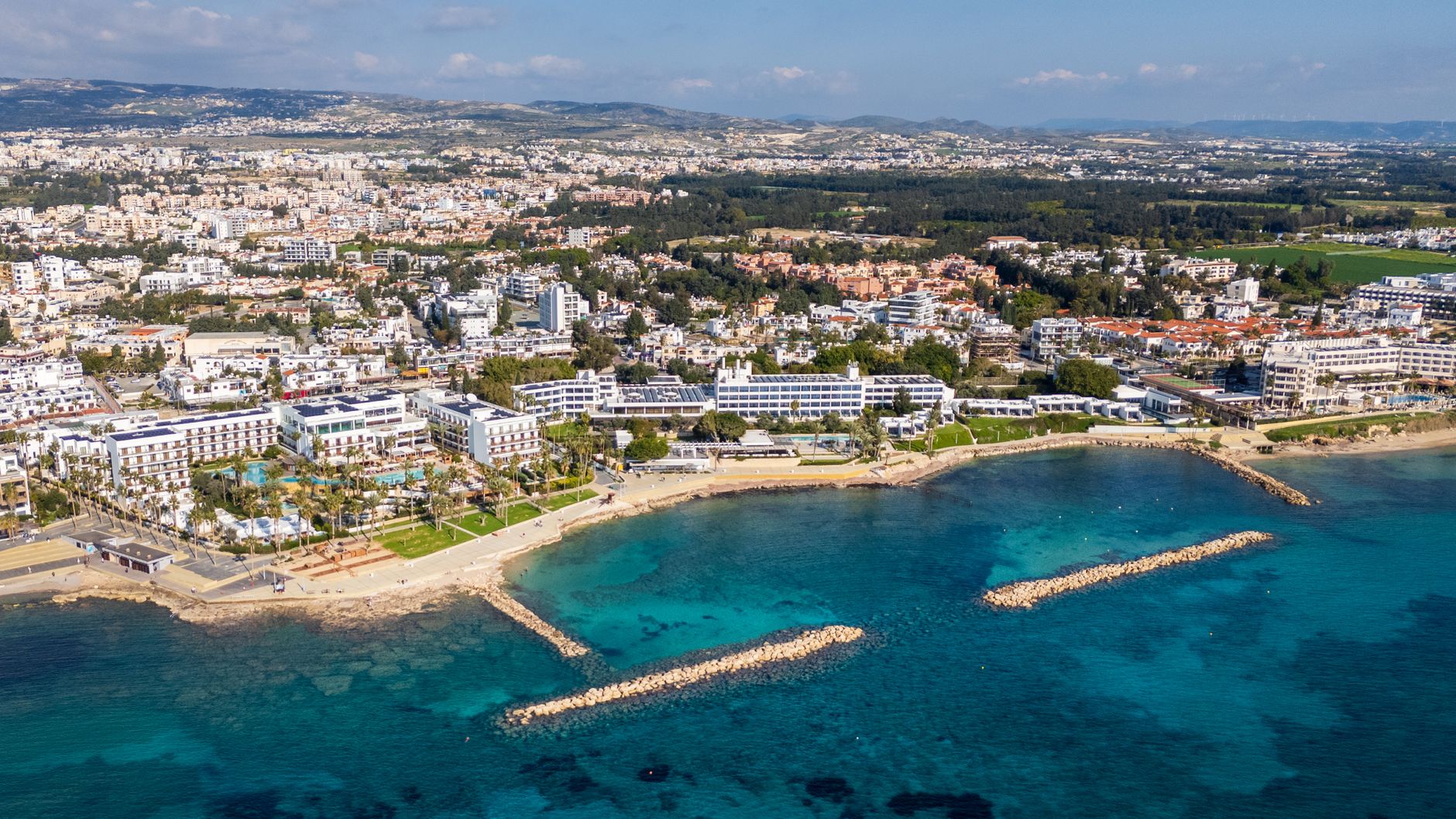
- Where to stay (Kato Paphos for convenience, Laiki Yitonia for authenticity, Coral Bay for beach value).
- Whether to rent a car or rely on public transport and tours.
- How much cash versus card to carry, and how to time bookings to lower cost.
- Which activities to prioritize in your 3-day itinerary and which to skip if you're saving money.
It also points to nearby day trips (Limassol, Nicosia, Larnaca) and how to budget for them safely within a short trip.
Top Recommendations
Prioritize these budget-smart choices:
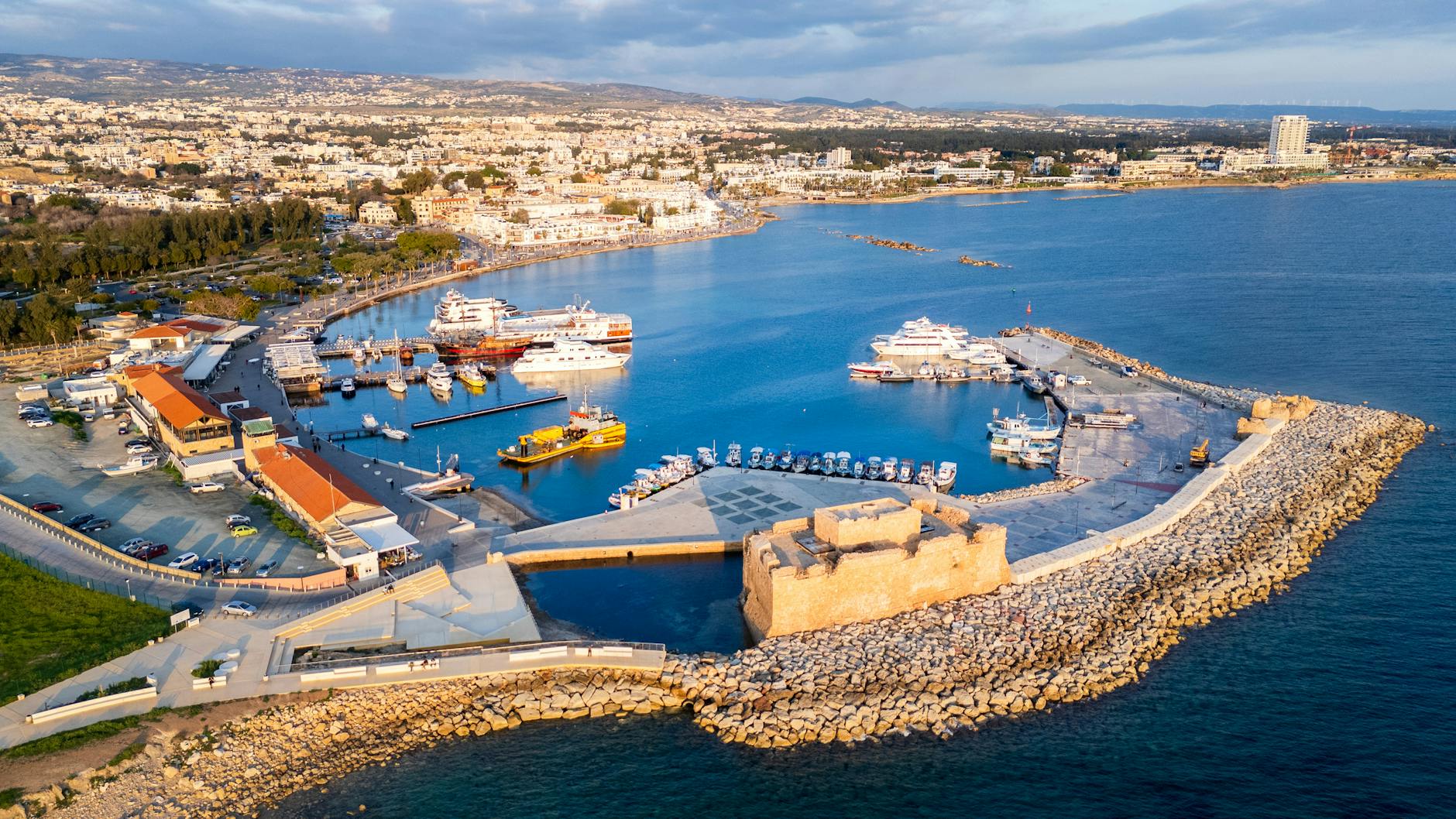
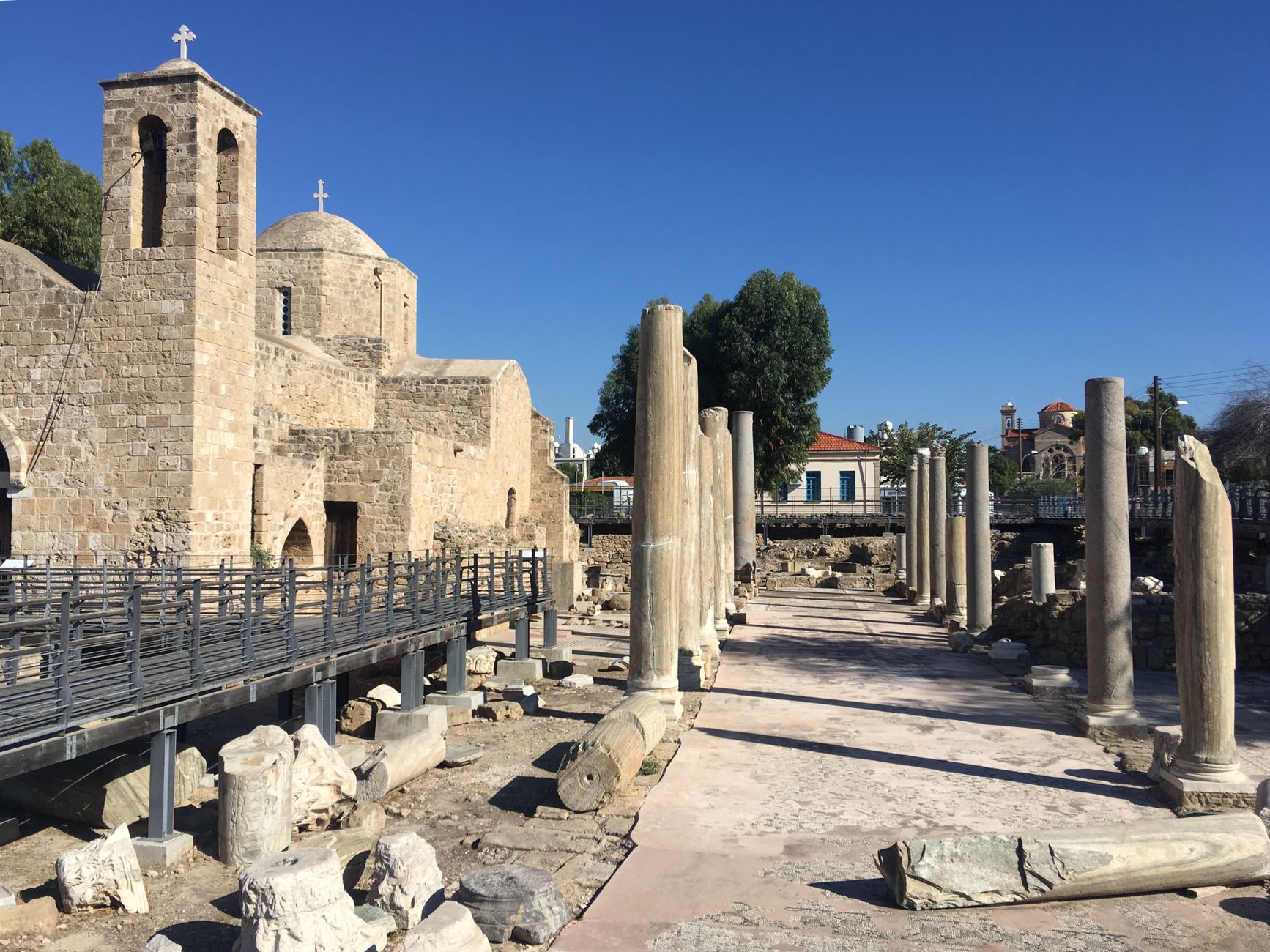
- Stay near Kato Paphos if you want walking access to the Archaeological Park, harbour, and buses. Save taxi costs and evening parking fees.
- Eat like a local: weekday lunchtime meze or set menus at family tavernas in Laiki Yitonia save money and keep spending local. Avoid tourist-harbour menus which are typically pricier.
- Book archaeological park tickets and guided walks online or at the site early in the day to avoid crowds and added guide fees later.
- For beaches and nature, plan a half-day to Akamas or Lara Bay through licensed small-group operators who support local guides and use low-impact boats.
- Wine tours: small family-run wineries on the foothills can be cheaper and more authentic than packaged bus tours; call ahead to confirm tasting fees.
If your main plan is the 3-day itinerary, slot one cheaper day (self-catered picnic and free walking tour) to balance splurges like a boat trip or paid guided archaeological tour.
Local Context
Paphos is compact but spread across distinct areas: Kato Paphos (harbour and archaeological sites), Ktima/Old Town (Laiki Yitonia), and coastal suburbs like Chloraka and Peyia (near Coral Bay).
Transport realities:
- Local buses are reliable between Kato Paphos, Coral Bay, and Paphos centre most of the year; services thin out late at night and in winter. Bring a small day buffer if relying only on buses.
- Renting a car gives flexibility for Akamas, mountain wineries, and remote beaches. Drive on the left, and book in advance in high season to get better rates and insurance options.
- Airport transfers: shared shuttles or pre-booked transfers are often cheaper than taxis from Paphos International Airport, particularly for solo travelers.
Seasonal patterns:
- High season: July–August — highest prices, busiest sites, crowded beaches.
- Shoulder season: April–May and September–October — best balance of price, weather, and active local businesses.
- Winter: November–March — lower prices but reduced services and some restaurants/attractions closed.

How to Choose Well
Match choices to your priorities:
Accommodation
– Budget: guesthouses in Ktima or hostels in Kato Paphos. Book refundable rates in shoulder season.
– Mid-range: family-run hotels near the harbour or in Chloraka for quieter nights.
– For authenticity: Laiki Yitonia apartments or small B&Bs close to Old Town tavernas.
Transport
– No car needed if you stay in Kato Paphos and limit excursions to Coral Bay & nearby sites.
– Rent a car if you plan independent trips to Akamas, mountain wineries, or multiple day trips to Limassol/Nicosia.
Activities and bookings
– Prebook high-demand experiences (boat trips to Akamas, licensed guided tours of archaeological sites) to lock in price and reduce last-minute markups.
– Use local operators and small-group tours for better value and lower environmental impact.
Sample daily breakdown (mid-range traveler):
– Lodging: €50–€90
– Meals and drinks: €25–€50
– Transport and activities: €20–€40
– Misc (entry fees, tips, small purchases): €10–€20

Responsible and Local-First Tips
Support the local economy and protect fragile environments:
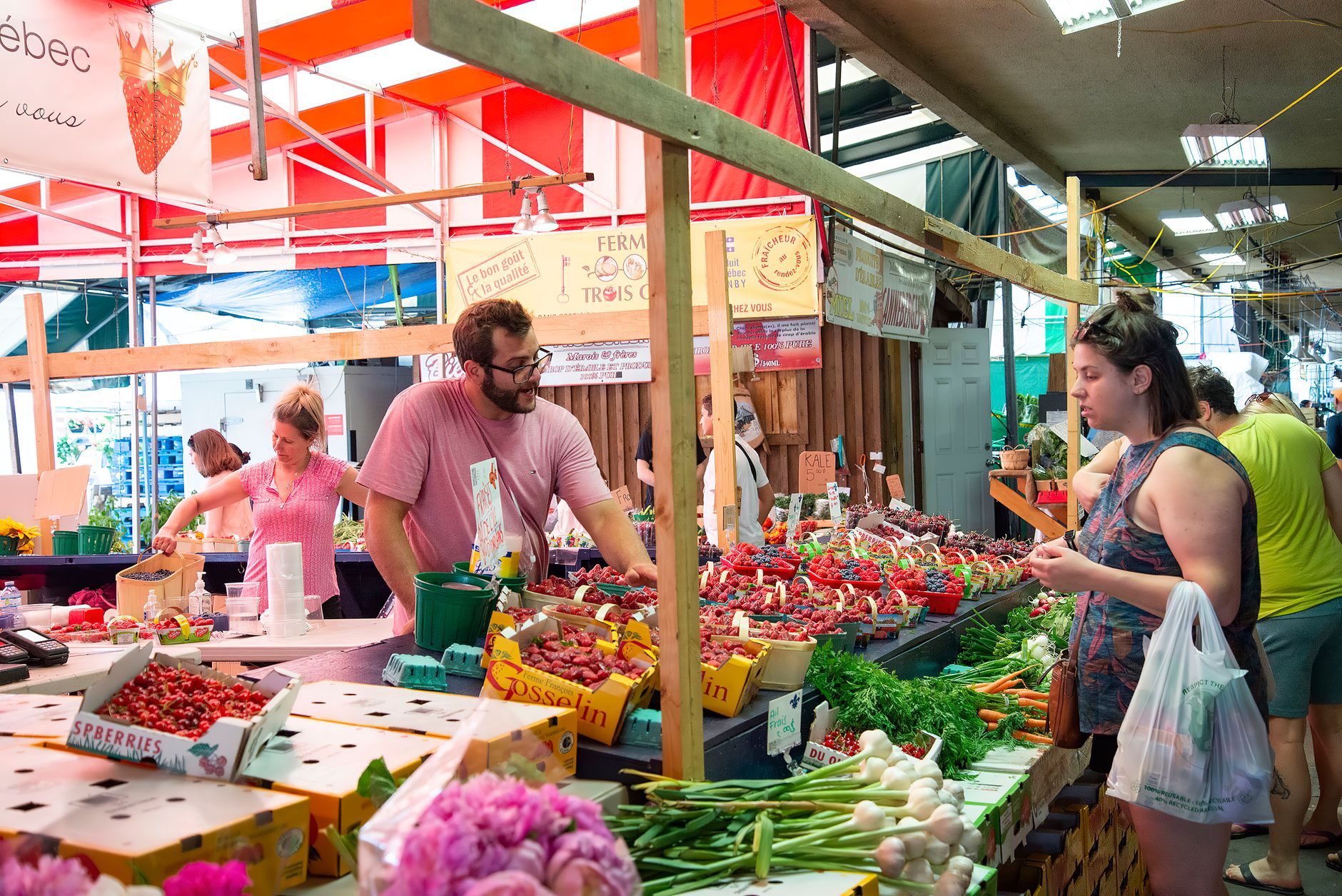
- Eat local: choose family tavernas, bakeries, and markets rather than international chains.
- Book licensed Akamas and turtle-watching tours that contribute to conservation; avoid unregulated boat operators.
- Carry a reusable water bottle and use refill stations where available; Cyprus has good tap water in many areas, but check with hosts.
- Use reef-safe sunscreen and avoid anchoring on seagrass beds when joining boat tours.
- Buy local produce, wine, and handmade crafts from small shops and farmers’ markets to keep money circulating locally.
These choices usually save money too: small-group tours are better priced per person than private charters, and local restaurants offer generous portions for less.
Common Mistakes to Avoid
Don't make these typical budget errors:
- Assuming you need a car for all of Paphos. If you focus on Kato Paphos and Coral Bay, buses and walking cover most needs.
- Booking last-minute in July–August and paying peak rates. Reserve accommodation and car hire in advance or choose shoulder season.
- Eating only on the harbour. Wander into Laiki Yitonia and side streets for better prices and authentic meals.
- Ignoring local opening hours — some tavernas close between lunch and dinner or are closed one weekday in low season.
- Underestimating travel time to other cities. Day trips to Limassol are short and practical; Nicosia and Larnaca take longer—budget 1.5–2+ hours each way and consider overnighting if you want relaxed visits.
Avoiding these traps keeps both your budget and the trip experience intact.
FAQ
How much should I budget for a 3-day trip to Paphos?
For three days, plan roughly: – Shoestring: €110–€180 total per person. – Mid-range: €240–€450 total per person. – Comfortable: €450+ per person. These ranges depend on travel style, season, and whether you share car costs.
Do I need a car in Paphos?
Not strictly. Paphos town, the archaeological sites, and Coral Bay are accessible by bus. Rent a car if you want flexibility for Akamas, mountain wineries, or multiple full-day regional trips.
Is Paphos expensive compared with other Cypriot destinations?
Paphos is mid-range. It can be very affordable in shoulder season and in local neighbourhoods; prices rise in peak summer around the harbour and tourist beaches.
How much cash should I carry?
Carry €30–€70 for small markets, tips, and local buses, but most places accept cards. Small family tavernas may prefer cash — ask first.
Can I visit Limassol, Nicosia, or Larnaca as day trips?
Limassol is the simplest day trip (about 40–60 minutes by car or intercity bus). Nicosia and Larnaca are doable but longer; budget extra travel time or consider staying overnight for a relaxed visit.
Any special etiquette I should know?
Greet with a nod or “Kalimera” (good morning). Dress modestly in religious sites. Tipping is appreciated but modest — 5–10% in tavernas is common if service is good.
Conclusion
Plan your budget around neighborhood choices and seasonal timing. For a well-balanced 3-day trip, combine one paid highlight (archaeological tour or boat to Akamas) with free or low-cost days (harbour walks, beaches, wineries). Book key items—accommodation, car hire, and popular tours—ahead in high season, and use buses or small-group local operators to reduce cost and impact.
For route-level detail and a ready schedule that fits these budgets, see the companion page “3 days in Paphos.” If you want day-trip cost breakdowns to Limassol, Nicosia, Larnaca, Protaras, or travel connections toward Alanya, check the linked city guides for comparative prices and travel times.
How this guide was prepared
This guide was prepared through a structured research that combines destination research, geographic context, itinerary planning logic, and content review.