
Three-Day Practical Guide to Gent: 72 Hours in Town
A practical 3-day plan for Gent with transit routes, museum timings, market tips and realistic budgets to fit into a weekend trip with no fluff.
A compact, honest 72-hour plan for Gent that balances the medieval centre, modern museums and local food scenes while avoiding tourist traps.
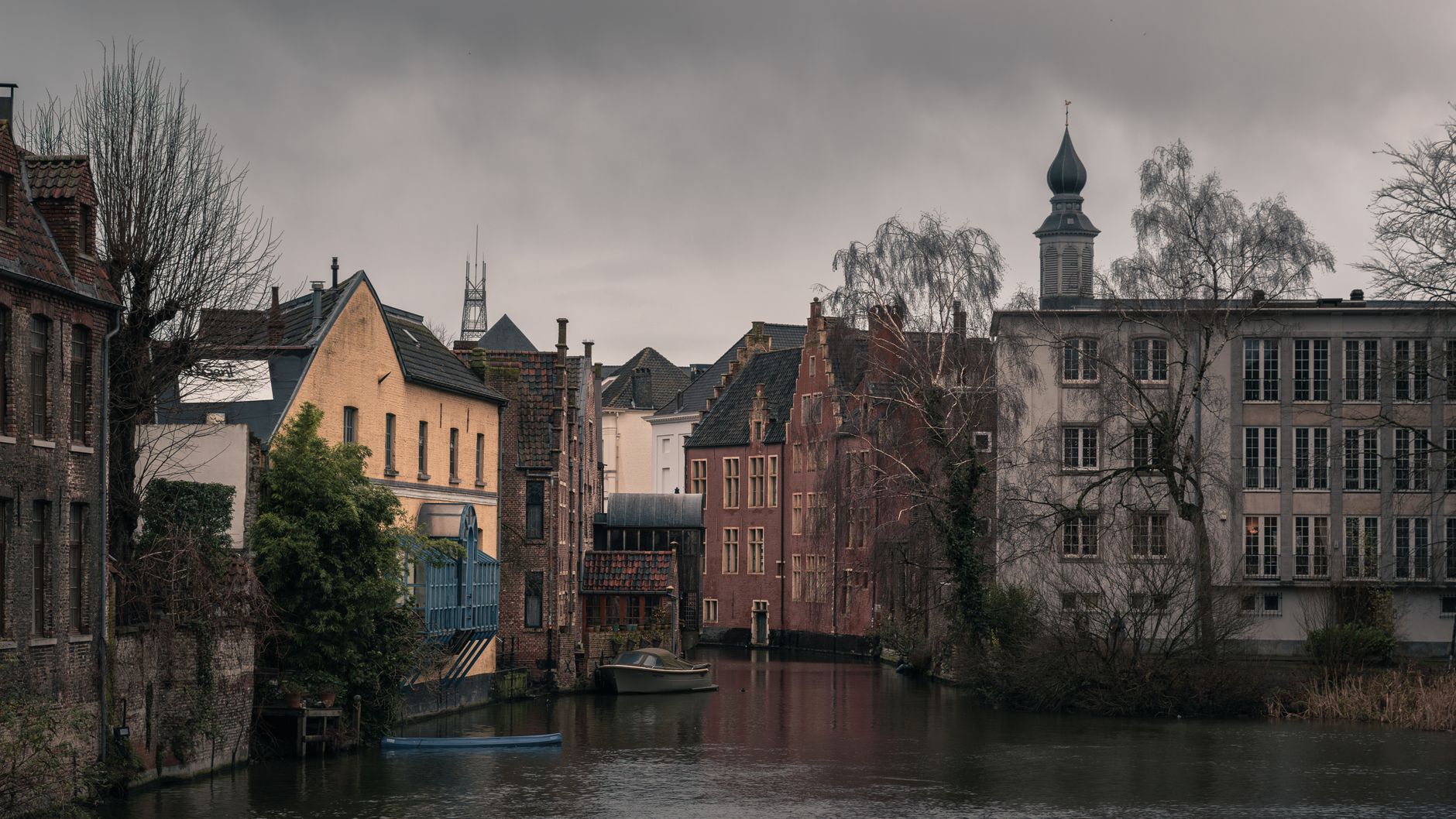
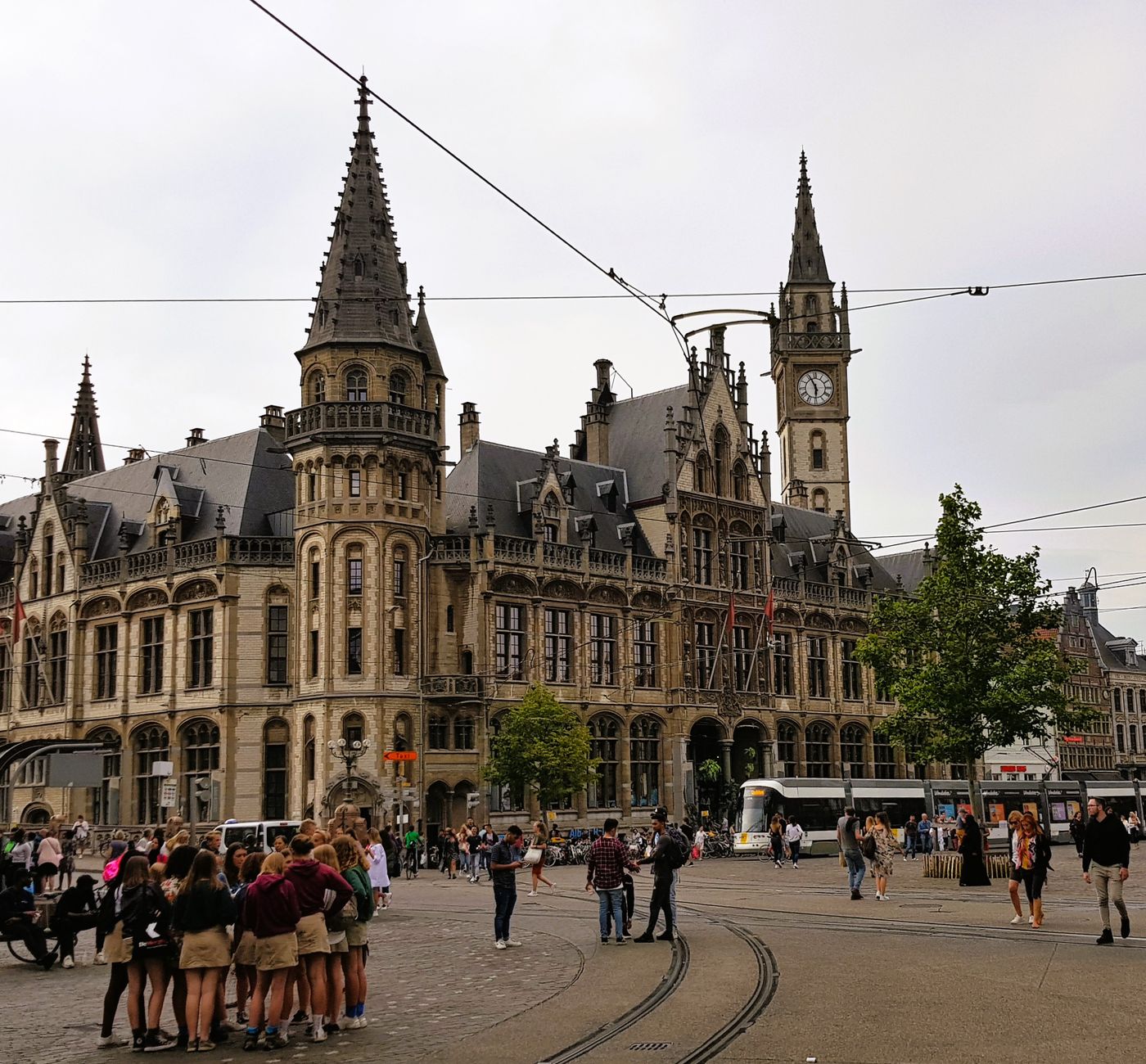
Expect compact streets, stone bridges over the Leie, and a centre where history and student life run close together. The earliest impression is often more urban and noisy than postcard photos suggest: bikes, trams and lunchtime terraces produce constant movement.
Many guidebooks dwell only on the medieval façades around Graslei and Korenmarkt; practical details like museum opening days, boat schedules and tram routes are often omitted. This guide focuses on what fits into 72 hours: a mix of the main sights, one or two museums, local markets and realistic meal and transit choices.
This city suits people who like walking between concentrated attractions, sampling beer and regional dishes, and who accept some crowds in summer. It does not suit someone looking for long quiet nature walks or a beach stay within the city limits.
Is 3 days in Gent enough?
Three days are enough to see the historic centre, visit one or two major museums, take a Leie boat tour and sample local beer and food. The honest caveat is there won't be time to fully explore every museum collection or nearby coastal towns without extending the trip.
Who This Guide Is For
Best for first-time visitors who like walkable cities, short museum visits, beer and culinary discovery; a poor fit for travelers wanting a slow rural stay, a beach holiday or a deep museum-by-museum immersion.
Local Tips for Gent
Practical details that most travel sites skip — specific to Gent.
- Buy a Gent CityCard at STAM or online for 48h/72h to cover STAM, MSK, the Belfry tower and a Leie boat tour — it typically pays off if planning two paid museums plus the boat.
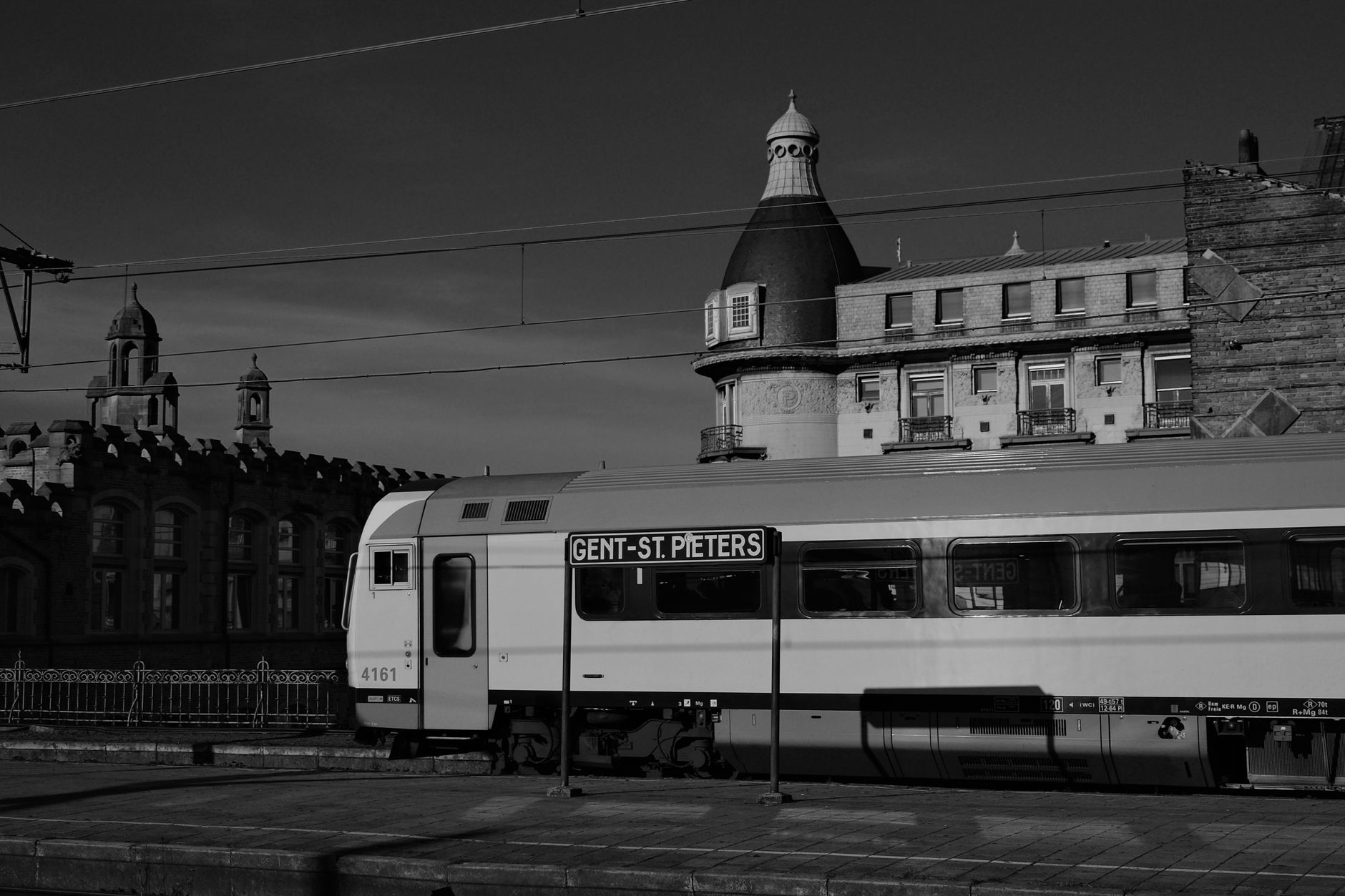
- Trains arrive at Gent-Sint-Pieters station; the walk to Korenmarkt is about 20–25 minutes or a short tram/bus ride with De Lijn; taxis from Sint-Pieters to the centre normally cost around €12–18 depending on traffic.
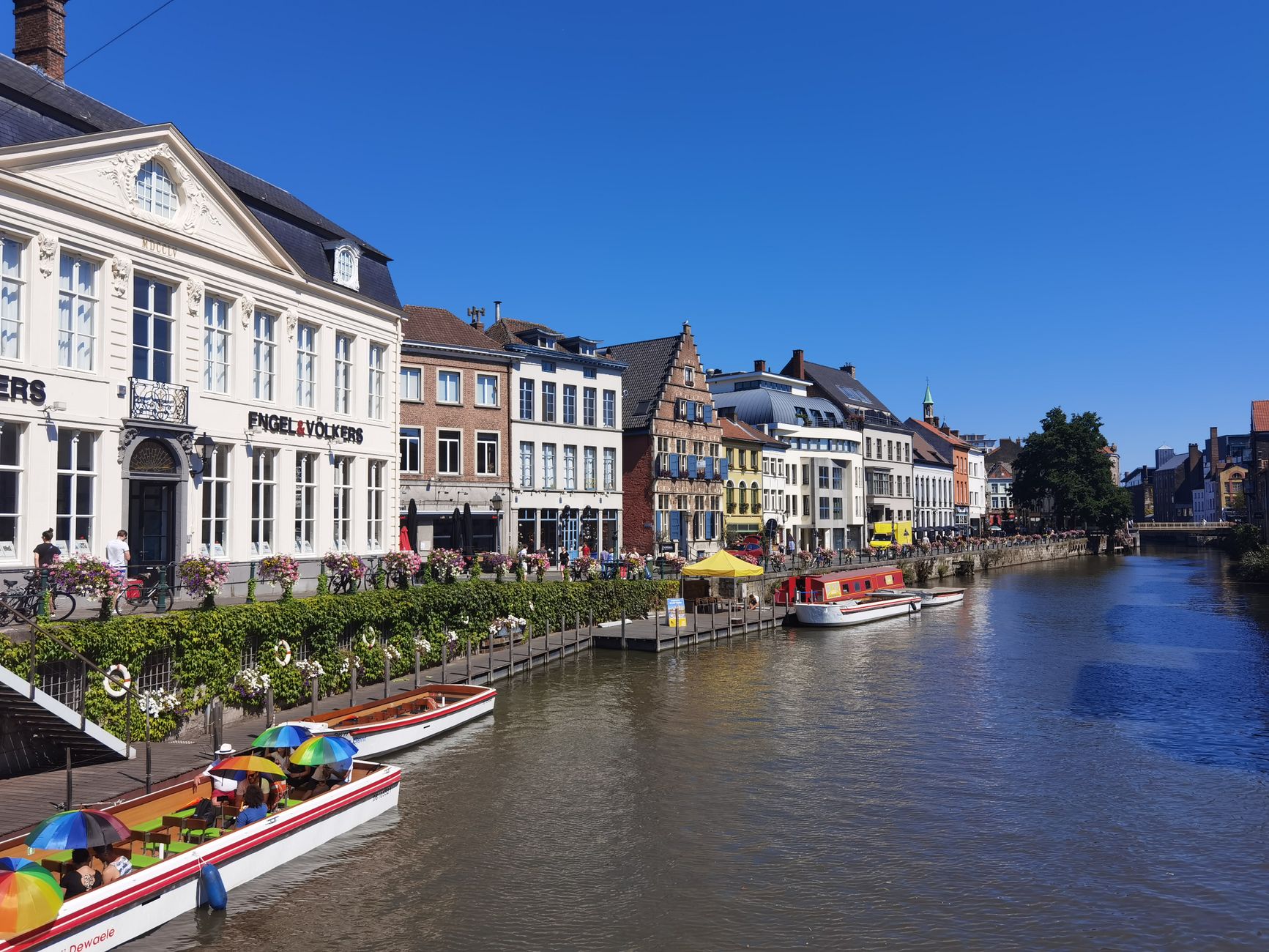
- Leie boat tours leave from Graslei near Korenmarkt; expect a 40–50 minute tour that runs roughly hourly during April–October and is useful for orientation and photos from the water.
- Use the De Lijn app to buy single tram and bus tickets and check timetables; many drivers no longer sell paper tickets, so purchase before boarding when possible.
- Vrijdagmarkt runs a morning market on Fridays for produce, second-hand stalls and antiques; many vendors pack up by mid-afternoon so go early for best selection.
How This Guide Was Prepared
Gent combines a dense medieval core, an active student population and a working river port; many guides over-focus on photo spots around the Graslei and ignore practical realities like opening hours and transit connections. This guide centers on doable daily schedules, transit options (De Lijn and NMBS), realistic meal picks and where time is best spent if energy runs short. This guide was prepared through a structured research that combines destination research, geographic context, itinerary planning logic, and content review.
Plan Your Stay in Gent
Use this itinerary as your starting point, then compare areas to stay, transport options, seasonal timing, and realistic daily costs before booking.
Why Visit
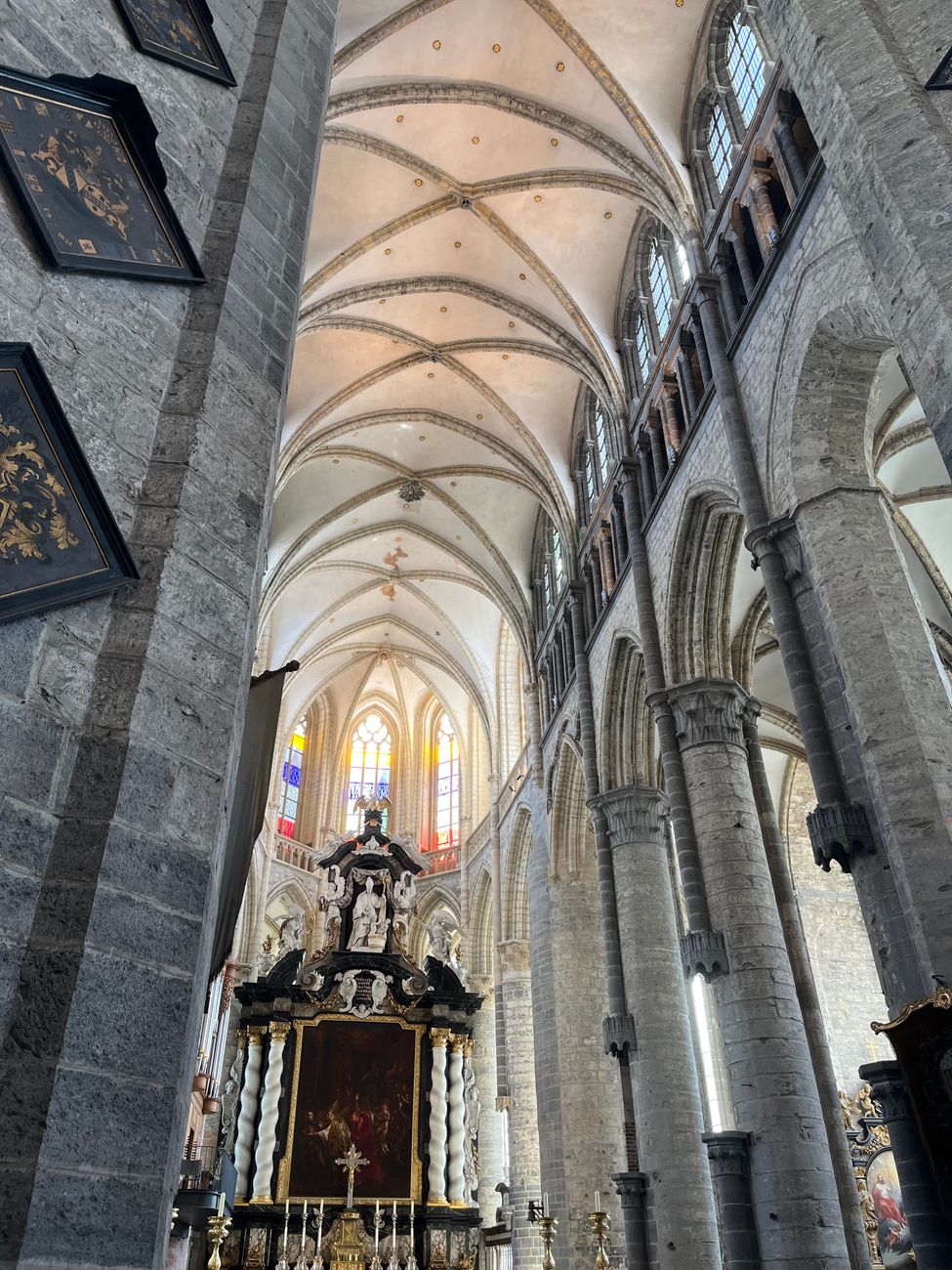
There is direct access to medieval architecture without long distances between sites: Sint-Baafs Cathedral, the Belfry and Gravensteen sit within a compact centre that walks easily over a day. The cathedral holds the Ghent Altarpiece (Adoration of the Mystic Lamb), which remains the single must-see artwork for many visitors.
Local culinary and brewing culture stands out; small breweries like Gruut and long-running cafe-pubs such as Het Waterhuis aan de Bierkant and De Dulle Griet make beer-centric evenings memorable. Markets such as Vrijdagmarkt and the fish stalls near Portus Ganda offer daily, local food experiences.
Modern museums are a practical draw: STAM (city museum) explains urban development and MSK houses Belgian and European painting collections. This mix of old centre and living city life explains why a short visit can feel complete without trying to see everything in one trip.
Quick Planning Tips
Arrive by train to Gent-Sint-Pieters when possible; it connects directly with Brussels and Brugge and avoids parking headaches. From Brussels Airport, use the train via Brussels-Midi to Gent-Sint-Pieters rather than taking a taxi for cost efficiency.
Bring an EMV contactless card and install the De Lijn app for trams and buses; many tram drivers no longer accept cash and ticket machines take cards. Purchase a Gent CityCard only if planning two or more paid museums plus a boat tour — otherwise buy individual tickets at museums and on the De Lijn app.
Avoid scheduling major museums on Mondays; STAM or MSK are often closed on that day. Plan one flexible afternoon in case rain closes outdoor options like the boat tour or market visits.
Day 1
Morning: Start at Korenmarkt and walk to Sint-Baafs Cathedral to see the Ghent Altarpiece; allow 60–90 minutes including the cathedral interior and its ticketing queue. From the cathedral walk 5 minutes to the Belfry and climb or take the lift for city views; plan 30–45 minutes here.
Midday: Walk 4–6 minutes along Graslei to a Leie boat tour departure point for a 40–50 minute orientation cruise; this gives a good layout of the riverfront. Lunch at a nearby brasserie or pick a sandwich at a bakery on Voldersstraat; expect €10–18 for a casual meal.
Afternoon: Cross to Graslei and walk to Gravensteen castle (approximately 8–10 minutes on foot); allow 60–90 minutes for the tower and exhibitions. From Gravensteen stroll 10 minutes to Patershol, an old quarter with narrow streets and small artisan shops.
Dinner and evening: Eat in Patershol — choose a traditional brasserie for Flemish dishes such as stoverij or waterzooi; expect main courses €16–28. Finish with beers at Het Waterhuis aan de Bierkant or De Dulle Griet on Vrijdagmarkt for local atmosphere and beer lists.
Day 2
Morning: Head to STAM (Ghent City Museum) to understand urban development and see the model of the city; allow 1.5–2 hours. From STAM walk 10 minutes to MSK (Museum voor Schone Kunsten) or take a short tram ride if energy is low.
Midday: Explore MSK's collections or the nearby Citadelpark for a picnic on warmer days; Citadelpark is a five-minute walk from MSK. Lunch in the Citadelpark area or try a casual cafe on Jan Breydelstraat; sandwiches and salads typically cost €8–15.
Afternoon: Take public transit (De Lijn tram or bus) to the Dok Noord/Voorhaven docklands area to see a more modern side of the city and street art; travel time from MSK is 15–20 minutes including walking. Visit a brewery taproom such as Gruut Brewery for a tasting and a short tour if available; tastings usually take 45–60 minutes.
Evening: Return to the historic centre for dinner near the Leie; consider a riverfront restaurant for convenience but check menus beforehand for tourist pricing. After dinner, walk along the illuminated Graslei bridges for an evening view of the stone façades.
Day 3
Morning: Visit Vrijdagmarkt for the market stalls if it is a Friday; otherwise use the morning to see smaller museums like Design Museum Gent or take a guided walking tour covering hidden historic corners. Allocate 60–90 minutes depending on the chosen small museum.
Midday: Walk through the University quarter and along Grasbrug to reach the docks and Portus Ganda for a final riverside lunch; allow 30 minutes transit between the centre and the docks on foot. Lunch options near Portus Ganda include fish stalls and casual bistros; expect €12–20 for a main dish.
Afternoon for departures: If catching an afternoon flight, return to Gent-Sint-Pieters by tram or taxi allowing at least 45–60 minutes for transit plus 30–60 minutes buffer for train departures. For an afternoon flight from Brussels Airport, plan an NMBS train from Sint-Pieters to Brussels-Airport via Brussels-Midi and leave extra time for luggage checks.
Evening option if staying: Enjoy a low-key final evening at a small pub in Patershol or around Jan van Eyckplein to sample any missed dishes and a final beer before departure.
Best Local Experiences
Boat tour on the Leie departing from Graslei — a 40–50 minute cruise that shows façades and bridges from the water and provides good photo angles. Market morning on Vrijdagmarkt for produce, antiques and local sellers; come before noon for best selection.
Beer tasting at Gruut Brewery or an evening at Het Waterhuis aan de Bierkant to sample local brews and learn about Ghent brewing traditions. Walk the Patershol quarter to see narrow streets, small restaurants and makers; it is best after lunch when shops open and before dinner crowds.
Visit STAM for the city model and urban story, and plan a slow hour in MSK for Flemish and Belgian painting; these two museums give complementary perspectives on art and urban life.
Where to Stay
Patershol: Suits travellers who want evenings in historic streets and many restaurant choices within a five- to ten-minute walk of Korenmarkt. Expect mid-range rooms €90–160 per night (roughly €95–170 / $100–180 USD) depending on season.
City Centre / Korenmarkt: Best for first-time visitors who want immediate access to major sights and boat tours; expect higher noise in evenings. Mid-range hotels and guesthouses typically cost €110–180 per night (about €115–195 / $120–210 USD).
Near Gent-Sint-Pieters: Suits rail travelers and those on day trips to Brugge or Brussels; quieter at night and usually more affordable. Expect €70–110 per night for standard hotels or guesthouses (about €75–115 / $80–125 USD).
Food and Drink
Waterzooi: A creamy chicken or fish stew originally from the region; find a solid version in a brasserie in Patershol or near Korenmarkt for €15–22. Stoverij (Flemish beef stew): A slow-cooked beer-braised beef served with fries or mashed potatoes; common in traditional brasseries for €14–22.
Gentse neuzen (cuberdons): Cone-shaped raspberry sweets sold at local candy shops and market stalls, typically €1–3 each depending on size. Belgian fries (friet): Buy from a well-reviewed frituur near Korenmarkt or Vrijdagmarkt; a cone with sauce costs around €3–4.
Local beer: Try Gruut beers at their taproom or order regional bottles at bars like Het Waterhuis aan de Bierkant and De Dulle Griet; single pours vary €3–6. Breakfast option: a bakery croissant and coffee from a local bakkerij near Korenmarkt, around €4–7. Street food: quick mussels in season or an open-faced sandwich from market stalls at Portus Ganda or Vrijdagmarkt, typically €6–12.
Dinner recommendation: Choose a mid-range brasserie in Patershol for slower-paced Flemish cooking and table service; mains €16–28 with a modest wine list.
Getting Around
Local transit is run by De Lijn (trams and buses) and national trains by NMBS; the main rail hub is Gent-Sint-Pieters. Use the De Lijn app to buy single tram and bus tickets and check departure times; Google Maps and the De Lijn app both provide reliable routing.
Single De Lijn tickets bought on the app typically cost a few euros per ride; consider short-ride purchases rather than paper tickets bought onboard. A day of short tram and bus use with De Lijn will usually be cheaper than multiple taxi trips; taxis from Sint-Pieters to the centre are commonly €12–18.
For regional travel, buy NMBS train tickets to Brussels or Brugge in advance for lower fares and check platform schedules at Gent-Sint-Pieters. If using contactless cards, carry a backup printed ticket or app confirmation in case of inspection.
Best Time to Visit
Spring (April–May): Temperatures average 8–18°C; streets green up and shoulder crowds make visits to museums and boat tours easier. Summer (June–August): Temperatures typically 15–25°C and the city is busiest, especially weekends and July–August; expect queues at Sint-Baafs and boat tours.
Autumn (September–October): Temperatures 8–16°C and good value for accommodation; fewer crowds than summer and markets continue through autumn weekends. Winter (November–February): Temperatures around 0–7°C with shorter daylight and some museums closed Mondays; December brings Christmas markets but expect wind and rain.
Best value months are April–May and September–October when weather is milder and hotel rates are lower than high summer.
Budget and Practical Tips
Daily budget estimate (per person): Accommodation mid-range €90–150, food €30–50, local transport €5–12, entry fees €10–25. Converted estimates: accommodation €95–160 / $100–170; food €32–55 / $35–60; transport €6–13 / $6.50–14; entry fees €11–27 / $12–30.
Museum entry fees vary: STAM and MSK have mid-range fees; Sint-Baafs Cathedral's altarpiece entry or chapel fee is often charged separately — plan €6–15 per paid museum visit. Tipping: Service charge is typically included on restaurant bills; rounding up small amounts or leaving 5–10% for exceptional service is common but not required.
Carry a contactless card and the De Lijn app. For longer day trips, book NMBS train tickets in advance to secure lower fares and seats.
FAQ
Is Gent safe for solo travellers?
Yes. Normal urban precautions apply; the centre is busy and well-patrolled but watch belongings in crowds and on busy trams.
How do I get from Brussels Airport to the city centre?
Take NMBS trains via Brussels-Midi to Gent-Sint-Pieters; total journey time around 1 to 1.5 hours depending on connections. Trains are faster and cheaper than a taxi.
Is the Gent CityCard worth buying?
The card is worth it if planning two paid museums plus the boat tour or Belfry climb within 48–72 hours; otherwise purchase individual entries. Do the math based on planned sites.
Are trams and buses frequent late at night?
Trams and buses reduce frequency after 20:00–22:00; night bus routes exist but taxis or rideshares are better late-night options. Check De Lijn schedules for exact times.
Can visitors use a single ticket across trams and trains?
No. De Lijn tickets cover local trams and buses; NMBS train tickets are separate. Buy De Lijn tickets in the app and NMBS tickets via the NMBS app or website.
Is English widely spoken?
Yes. Many shopkeepers, museum staff and younger people speak English; Dutch remains the local language so a few phrases are appreciated.
Conclusion
A three-day visit will leave a clear impression of the city's mix of stone bridges, lively pubs and compact museum offerings. Most visitors remember the boat perspective on Graslei, one standout museum or the Ghent Altarpiece, and a few memorable beers or regional dishes.
If running short on time, prioritise Sint-Baafs Cathedral plus a Leie boat tour and one museum (STAM or MSK) — these provide a balanced overview of art, urban history and the river that shapes the city. Plan transit and museum days around opening hours to avoid wasted time.
How this guide was prepared
This guide was prepared through a structured research that combines destination research, geographic context, itinerary planning logic, and content review.