
3-Day Rethymno Itinerary: Practical Weekend Travel Guide
Three-day practical guide to Rethymno with walking routes, transit tips, food picks, and day-trip options to Chania or Arkadi Monastery.
An honest, walkable 72-hour plan for Rethymno with transit, food, and beach time.
Expect tight, walkable streets, a small port, and a coastline that shapes daily life. First impressions are of low-rise stone buildings, narrow alleys that open into squares, and the shell of a Venetian fortress above the town. Noise levels rise on summer evenings along the waterfront and fall quickly once away from the harbour.
Is 3 days in Rethymno enough?
Three days provide enough time to cover the Old Town, Fortezza, the long sandy beach and one nearby attraction such as Arkadi Monastery or a south-coast visit. Expect to skip deeper inland exploration of the Psiloritis foothills or a full coastal road trip unless more time is added.
Who This Guide Is For
Best for walkers who like compact historic centres, coastal beach time, and tavernas; less suitable for travelers wanting a roadtrip-focused exploration of central Crete or nightlife-centric trips on a tight budget.
Local Tips for Rethymno
Practical details that most travel sites skip — specific to Rethymno.
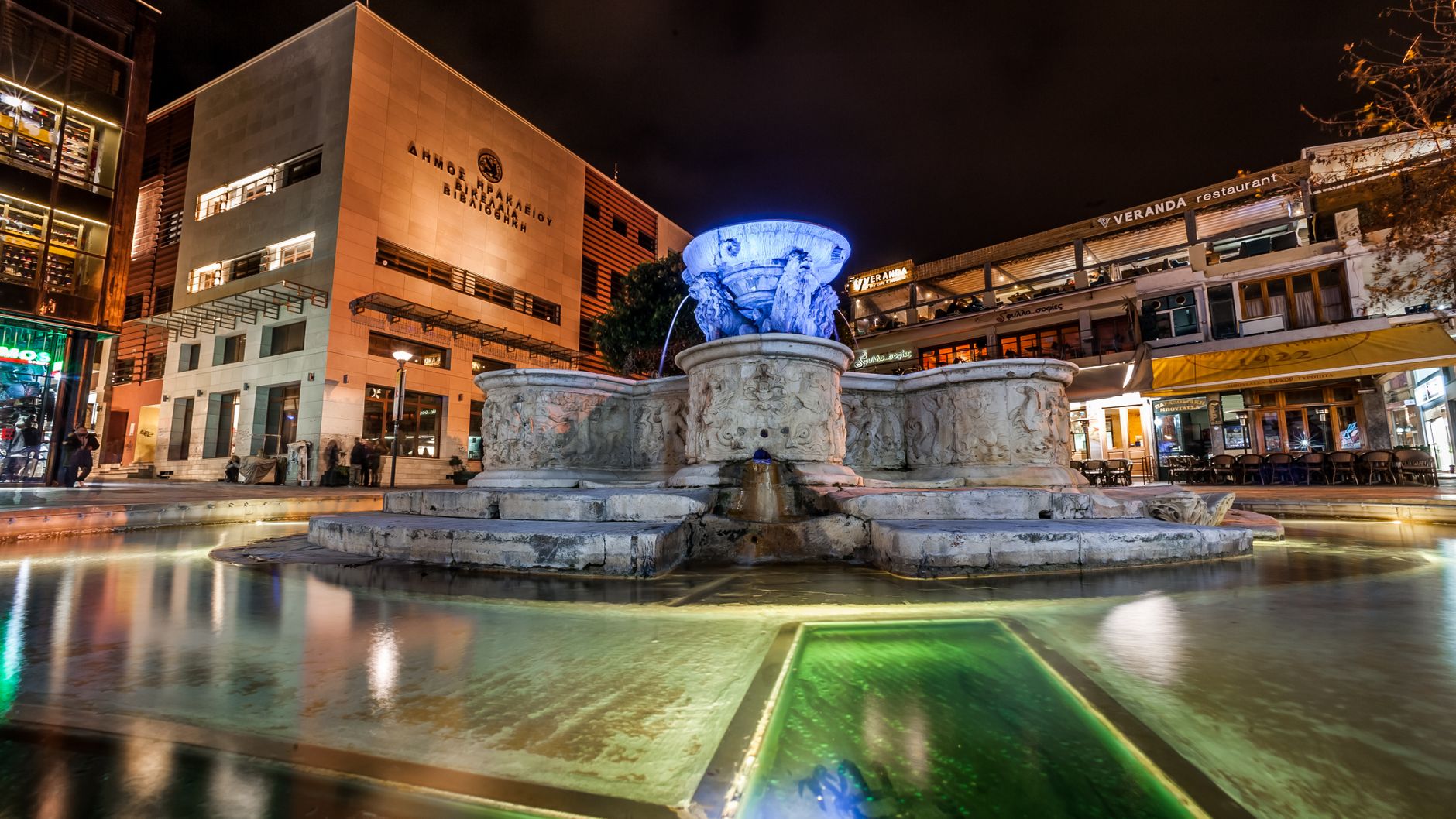
- Rimondi Fountain (Fontana Rimondi) sits on Liontaria/Eleftheriou Venizelou street and is a reliable meetup point; it often has more shade in the morning and can be hot at midday in summer.
- Buy intercity KTEL bus tickets at the Rethymno KTEL station on Arkadiou Street or online via ktelrethimnou.gr; Heraklion–Rethymno runs about €8–€12 one way and takes roughly 1–1.5 hours.
- Entrance to the Fortezza (Rethymno Fortress) usually costs around €3–€5; plan 45–90 minutes for the walk, including the ramparts and the small Byzantine chapel.
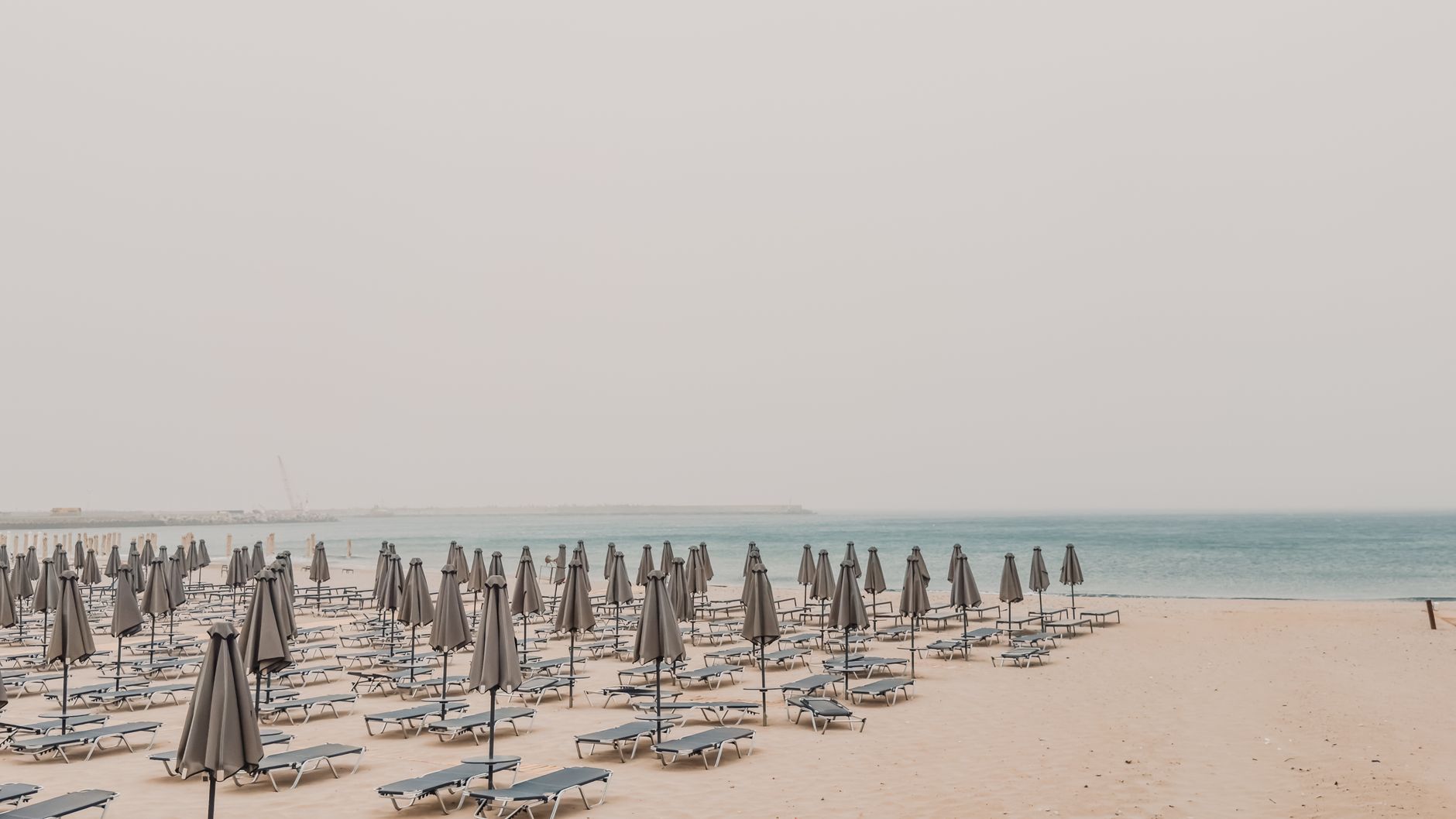
- Long Beach (Rethymno Beach) stretches east from the Old Harbour; organised sunbeds near Adelianos Kampos cost about €6–€12 per set in high season while the public sand remains free.
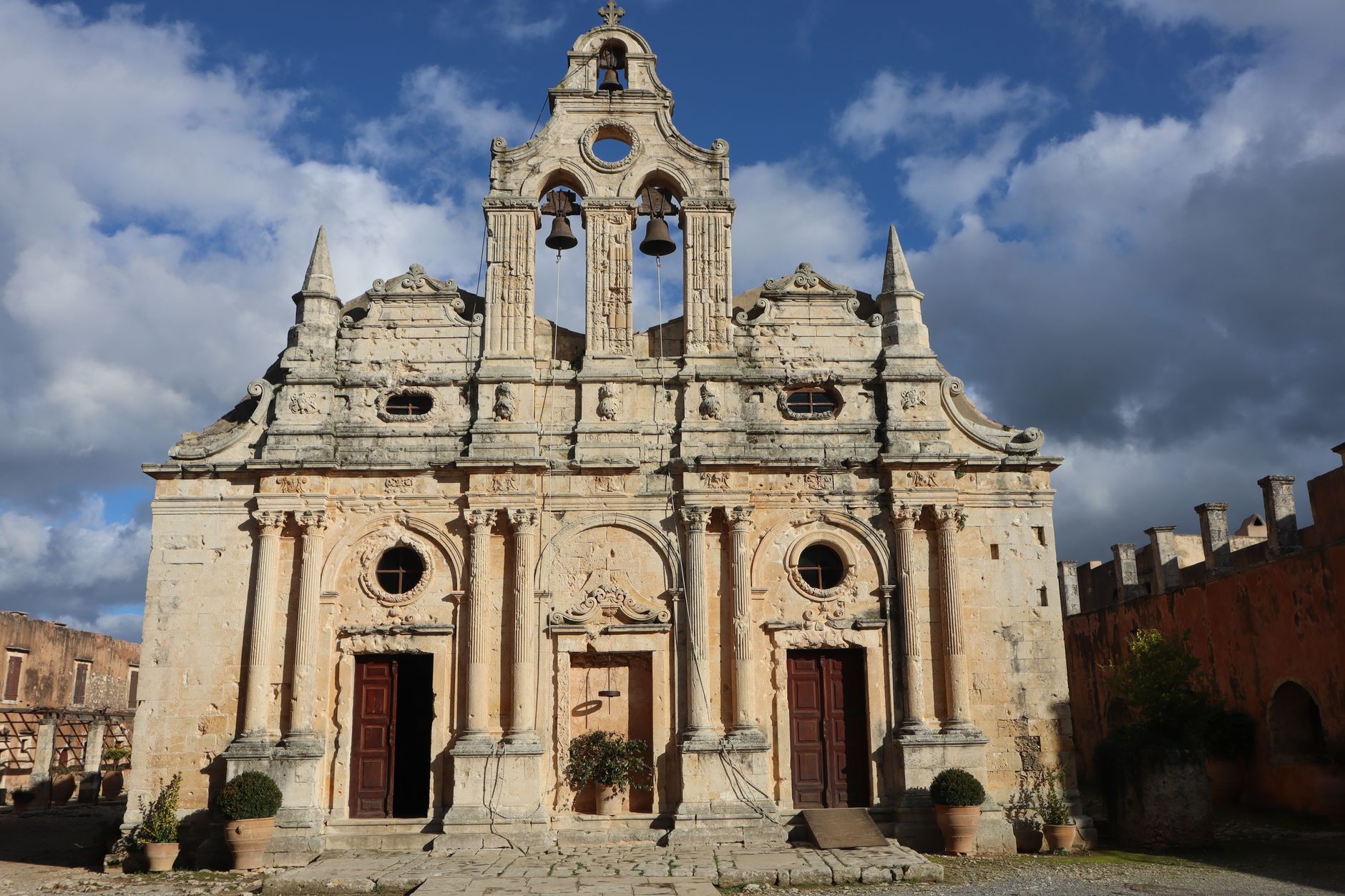
- Arkadi Monastery opens early (around 08:00) and closes by mid-afternoon in low season; a KTEL bus from the Rethymno station takes about 30–40 minutes and costs roughly €3–€5 one way.
How This Guide Was Prepared
This guide treats Rethymno as a small city best experienced on foot and by short bus rides, not as a base for long daily drives. Most guides flatten the place into 'Old Town plus beach' and skip details about ferry-style logistics, local market rhythms, and the limits of public transit on Crete. This guide was prepared through a structured research that combines destination research, geographic context, itinerary planning logic, and content review.
Plan Your Stay in Rethymno
Use these planning pages to compare areas to stay, expected costs, seasonal timing, and local transport before booking.
Why Visit
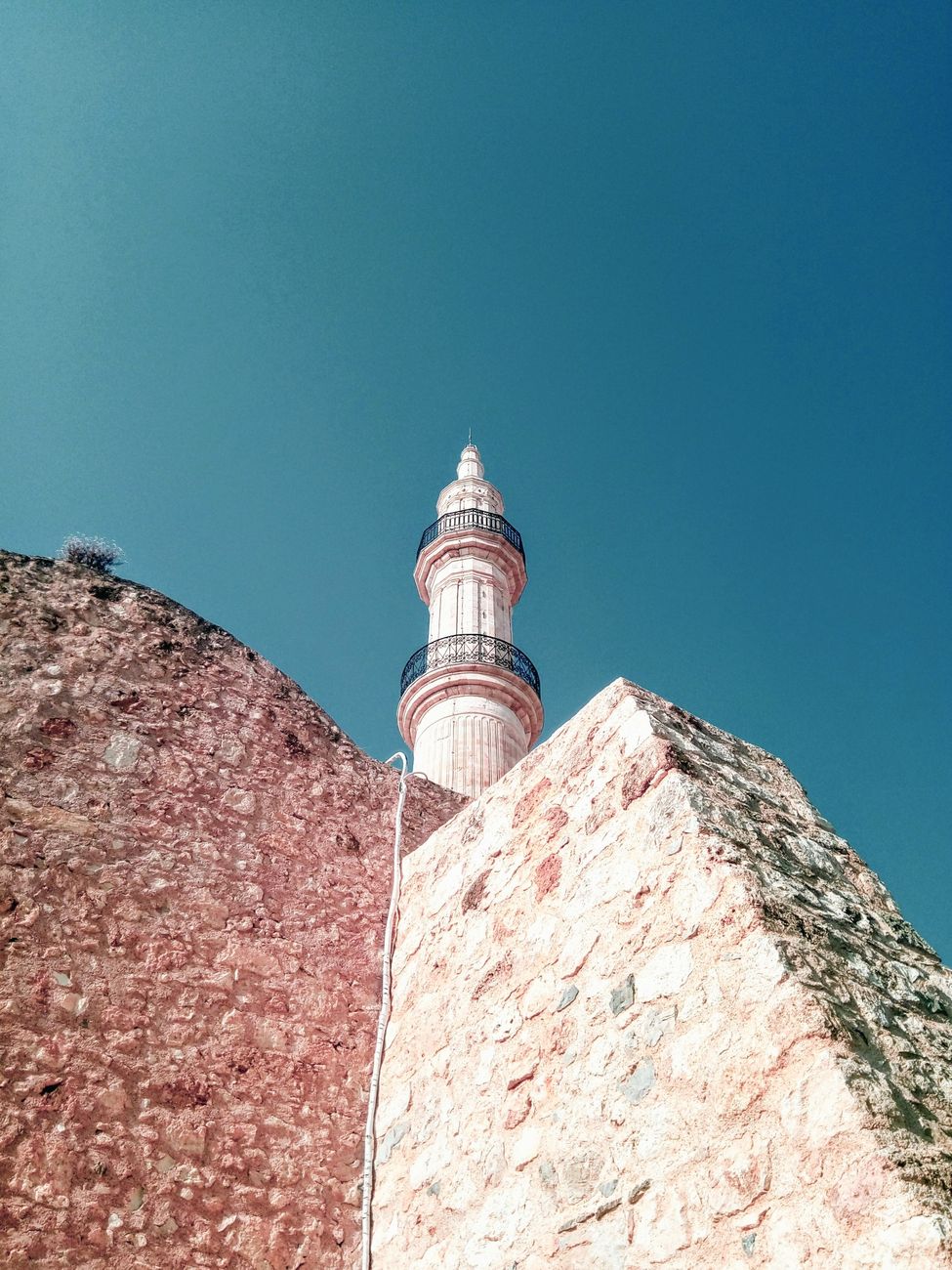
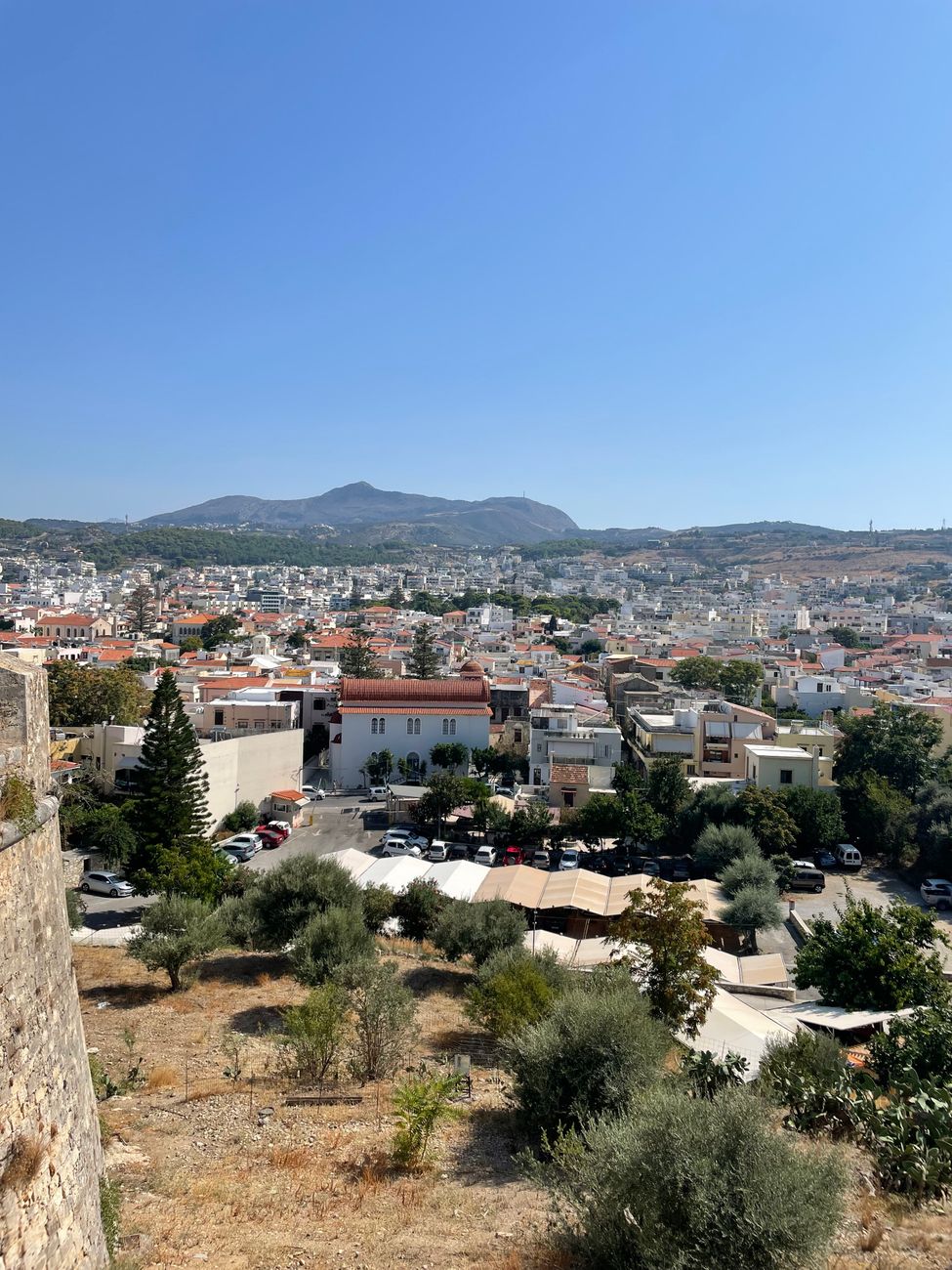
The Fortezza offers a short, rewarding climb with panoramic sea views and a readable slice of Venetian military architecture. The Old Town concentrates architectural layers: Venetian mansions, Ottoman mosques such as Neratze Mosque, and small Orthodox churches within a few streets. Long Beach is one of the town's practical assets — long, sandy, and walkable directly from the harbour, useful for combining sun time with sightseeing. Easy KTEL links to Chania and Heraklion make single-day hops realistic for those who want a base rather than constant transfers.
Quick Planning Tips
Fly into Heraklion (Nikos Kazantzakis) or Chania and take the KTEL bus to Rethymno — timetables are on ktelrethimnou.gr and tickets are cheapest bought at the station. Cash (euros) is still useful for small tavernas and buses; many places accept cards but smaller bakeries and beach vendors sometimes do not. Avoid assuming frequent local public buses within the town; plan walking routes and book any intercity KTEL tickets for holiday weekends in advance to avoid standing room only.
Day 1
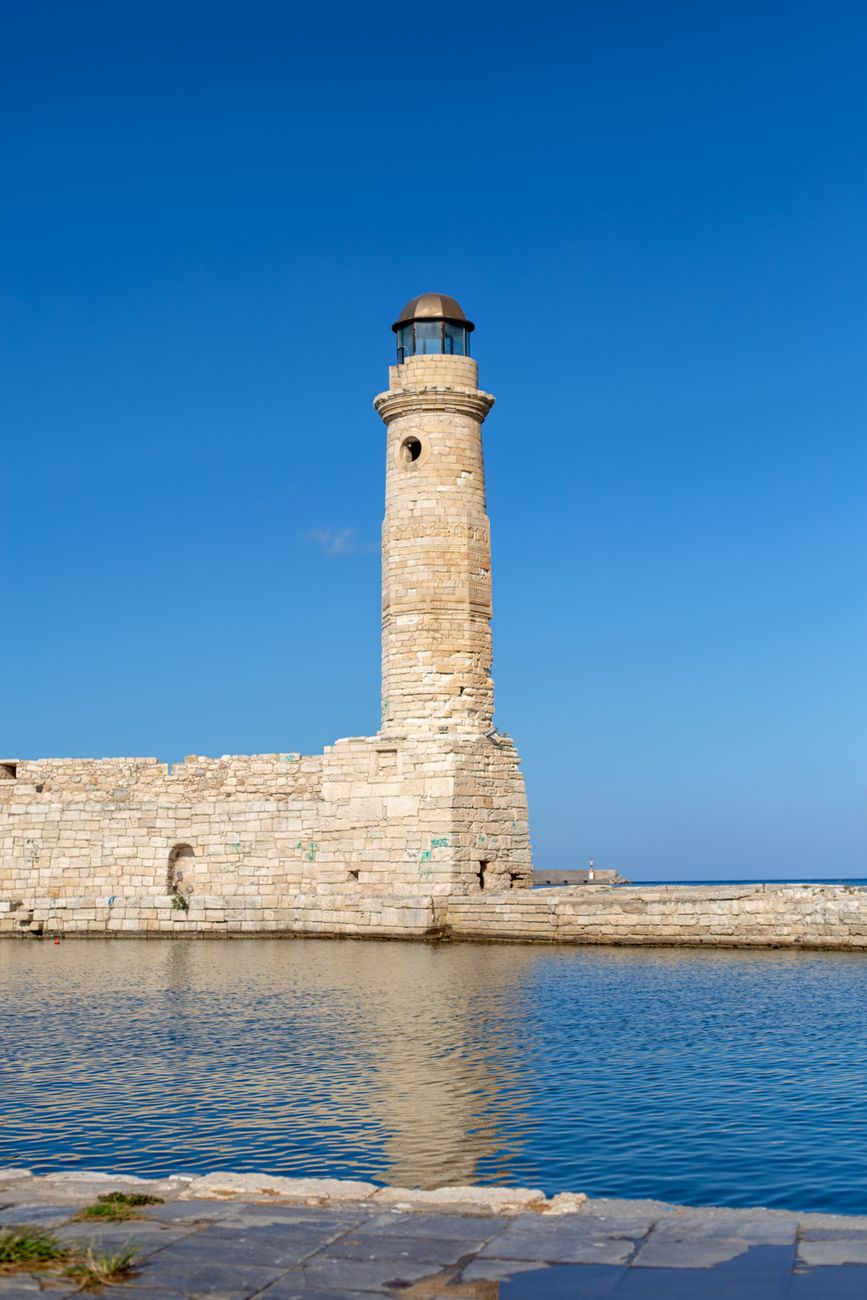
Morning: Start at the Old Harbour and walk east along the promenade to the Rimondi Fountain (Fontana Rimondi) on Eleftheriou Venizelou. The fountain and nearby cafes are a logical coffee stop. Walking time from the harbour to the fountain is about 5–8 minutes.
Day 2
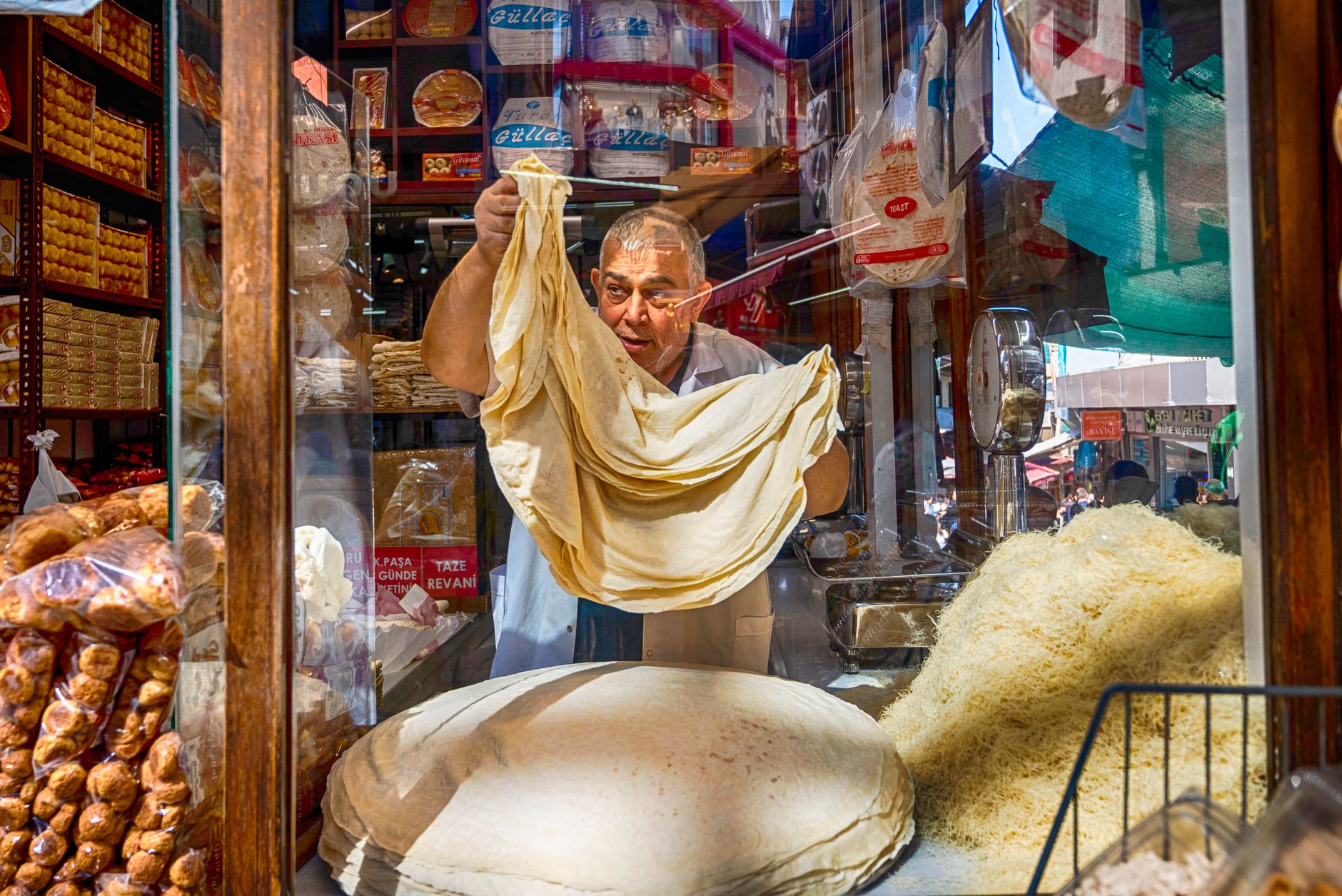
Morning: Start with the Municipal Market (open mornings) and a bakery for sfakianopita and coffee. Walk to the Neratze Mosque and the lane network around Voriou Ipeirou street. The market and mosque are within 10 minutes of the harbour. This part of town rewards slow movement and photo stops.
Day 3
Morning: Spend the first part of the day walking the length of Long Beach toward the eastern end, where the sand thins and views open away from the harbour. Allow 30–60 minutes for a relaxed walk; add time for a swim. Bring sunscreen and a hat as shade is limited on the shore.
Best Local Experiences
Visit the Fortezza at dawn or late afternoon for cooler light and far fewer people. Walk the full length of Long Beach from the Old Harbour to Adelianos Kampos for a sense of how the shoreline is used by locals. Spend a morning at the municipal market and a bakery for sfakianopita and koulouri. Attend a small village festival (panigiri) if the schedule overlaps; these are listed on local town noticeboards in summer and often include live music and communal plates. Take a KTEL hop to Arkadi Monastery and read the independence-era plaques to understand the site's role in Cretan memory. Try a boat trip from the Old Harbour that sails short coastal legs — these are seasonal and bookable at the harbour desk.
Where to Stay
Old Town: Suits travellers who want immediate access to cobbled lanes, restaurants, and the harbour; rooms range from budget guesthouses at €40–€70 per night to mid-range hotels at €80–€130 (approx. €45–€145 USD). This area is noisy on summer evenings and parking is distant.
Food and Drink
Sfakianopita: A thin cheese-filled pancake drizzled with honey, found at local bakeries and stalls near the Municipal Market; expect €1.20–€2.50 each. Dakos: Barley rusk topped with tomato and feta or mizithra, common at tavernas; a starter costs about €4–€7. Kalitsounia: Small sweet or savory pastries, often filled with cheese or greens; buy from bakeries for €1–€2.
Getting Around
No metro network exists; primary options are walking, KTEL intercity buses, limited intra-city buses, and taxis. The main KTEL Rethimnou intercity hub sits on Arkadiou Street and connects to Heraklion, Chania, and Arkadi Monastery. Single KTEL intercity fares are roughly €8–€12 depending on route and distance.
Best Time to Visit
May–June and September–October offer the best blend of warm weather (20–28°C) and fewer crowds; ferry and bus links run reliably and many businesses remain open. July–August are hottest (27–33°C), busiest, and most expensive — expect packed beaches and later service hours. November–April are quieter, many seasonal restaurants close and some attractions have reduced hours, but accommodation prices drop and the climate stays mild on sunny days (12–18°C).
Budget and Practical Tips
Typical daily budget for a mid-range traveler: accommodation €70–€120, food €25–€45, local transport and short taxis €8–€20, entry fees €5–€15; total roughly €110–€200 per day (approx. $120–$220 USD). Budget travelers can manage on €50–€80 per day by using bakeries, beaches, and shared buses. Tipping is modest: round up small bills, leave 5–10% in sit-down restaurants if service was good, and tip drivers a few euros for luggage assistance.
FAQ
How safe is Rethymno for solo travellers?
Generally safe by Greek standards; normal urban precautions apply, watch bags in crowded summer spaces and avoid poorly lit alleys late at night.
Is public transport good enough to skip renting a car?
For a three-day stay within the town and one short hop to Arkadi or Heraklion, yes — KTEL and taxis suffice; for exploring remote south-coast beaches a car is useful.
Is a city card worth buying?
There is no widely used Rethymno city card; most attractions have low single-entry fees, so a card would offer limited savings.
How to get from the airport to the Old Town?
From Heraklion airport, take a KTEL coach to Rethymno (1–1.5 hours, €8–€12) or book a taxi for €90–€120; from Chania prices and times differ similarly.
Are museums open year-round?
Museums have reduced hours in winter and some closed days; check opening times before arrival, especially from November–March.
Can street food replace restaurant meals?
Street bakeries and market stalls offer filling, inexpensive options like sfakianopita and koulouri, but a sit-down taverna experience provides more local dishes and portions for sharing.
Is the Old Town accessible with a suitcase?
Many lanes are cobbled and stepped; luggage with wheels can be awkward—pack light or use a hotel porter when possible.
Are beaches organised or free?
Both options exist — public sand is free, while organised sunbeds near Adelianos Kampos cost around €6–€12 in summer.
Conclusion
A three-day visit rewards those who mix relaxed beach time with concentrated Old Town exploration and one short excursion such as Arkadi Monastery. The strongest memories will often be the fortress views, the harbour dinners, and the bite of sfakianopita with strong coffee. If time runs short, prioritise the Fortezza and a seaside dinner — both capture the town's layered history and coastal setting in a single afternoon and evening.
How this guide was prepared
This guide was prepared through a structured research that combines destination research, geographic context, itinerary planning logic, and content review.