
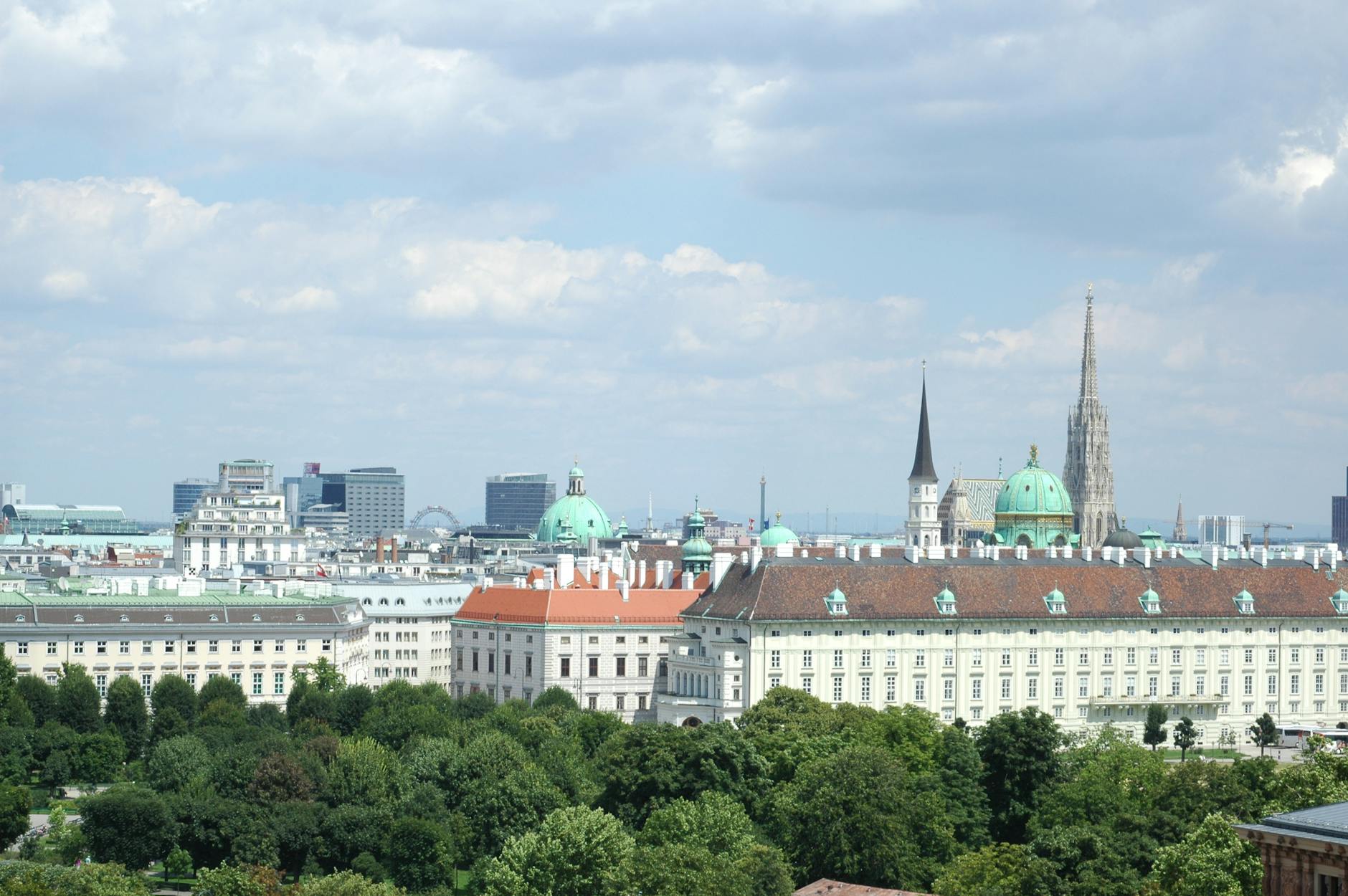
Best Time to Visit Vienna — When to Go for Weather, Crowds and Local Life
Practical guide to the best months to visit Vienna for culture, markets, concerts and low-impact travel. Shoulder-season and local-first tips that pair with our 3 days in Vienna itinerary and day trips to Bratislava, Graz, Salzburg and Budapest.
Best overall months: late April–May and September–early October. These shoulder periods balance mild weather, manageable crowds, open attractions and better local-season prices.
If you want Christmas markets and winter atmosphere: late November–December (arrive early in December to avoid the biggest crowds). For warm terraces and festivals: June–August, but expect heat spells and higher visitor numbers. For lowest prices and fewest tourists: January–March (note shorter daylight and some reduced hours).
This page helps you pick the best time to visit Vienna based on weather, crowds, events and responsible travel choices. It’s written to support a practical 3 days in Vienna itinerary: use that companion guide for day-by-day planning once you’ve chosen dates. We also note easy, low-impact day trips to nearby cities like Bratislava, Graz, Salzburg and Budapest so you can extend or vary your trip.
What This Page Helps You Decide
Use this page to pick dates that match how you want to experience Vienna.
You’ll get guidance on:
– Which months suit museums, concerts and indoor cultural life.
– When markets, open-air cafés and swimming at the Danube are best.
– How crowds and opening hours shift by season.
– Practical booking priorities (opera, Schönbrunn, Railjet seats).
Once you choose dates, consult our 3 days in Vienna itinerary to map neighborhoods and transport efficiently.
Top Recommendations
Match the month to your priorities:
- Culture and comfortable weather: late April–May and September–early October. Good daylight for walking, open beer gardens, and fewer long museum lines.
- Christmas markets and winter charm: late November–mid December for festive markets with fewer peak-weekend crowds; avoid the last two weeks before Christmas if you dislike intense lines.
- Festivals and terraces: June–August for outdoor concerts, sidewalk cafés and Danube swimming — arrive prepared for occasional heat waves and book major concerts ahead.
- Quiet, budget-friendly travel: January–March (excluding the Vienna Ball season and Carnival weekends) — lower prices but shorter museum hours on some days.
Essential bookings to secure in advance regardless of season:
– Vienna State Opera or concert tickets for popular halls.
– Schönbrunn Palace timed tickets and the Sisi Museum.
– Railjet or ÖBB seats if you plan to day-trip to Salzburg, Graz, Bratislava or Budapest during busy periods.

Local Context
Neighborhoods and transport realities that affect timing:
- Innere Stadt (Old Town): always busy mid-day. Early morning or late afternoon are best for photos and quieter walks.
- MuseumsQuartier and Neubau: lively all year; many independent cafés and galleries that close later than smaller attractions.
- Hietzing (Schönbrunn): allows mornings in the gardens with fewer crowds if you arrive at opening time.
- Leopoldstadt and the Danube Canal: peak outdoor life in late spring through early autumn; nightlife and bars extend later on summer evenings.
Transport and hours:
– Vienna’s public transport network (U-Bahn, trams, buses) is frequent and reliable year-round; rely on it instead of taxis to keep costs and impact low.
– Museums and palaces often have extended hours in summer; many smaller shops close on Sundays and public holidays.
– Seasonal events to plan around: Christmas markets (Nov–Dec), Life Ball-type events historically, and film/food festivals in summer.
Practical tip: pick a central neighborhood for a 3-day stay (Innere Stadt, Neubau, or Landstraße) to reduce transit time and support local businesses.
How to Choose Well
Decide by experience rather than just calendar:
- If you favor museums and concerts over outdoor terrace life, early winter and shoulder seasons are ideal.
- If outdoor cafés, markets and relaxed wandering are priorities, choose June–September but prepare for higher prices and book major sights in advance.
- For lower-impact travel: prefer April–May or September when smaller cafés and markets are fully active but the city is not at peak capacity.
Day-trip planning and transport:
– Bratislava: about 1 hour by regional train or boat — convenient for a half-day or full-day trip.
– Budapest: roughly 2.5–3 hours by Railjet — best as a full-day or overnight trip.
– Salzburg: around 2.5 hours by Railjet — good for an overnight or fast day trip if you start early.
– Graz: about 2.5 hours by train — combine with regional wine-country visits.
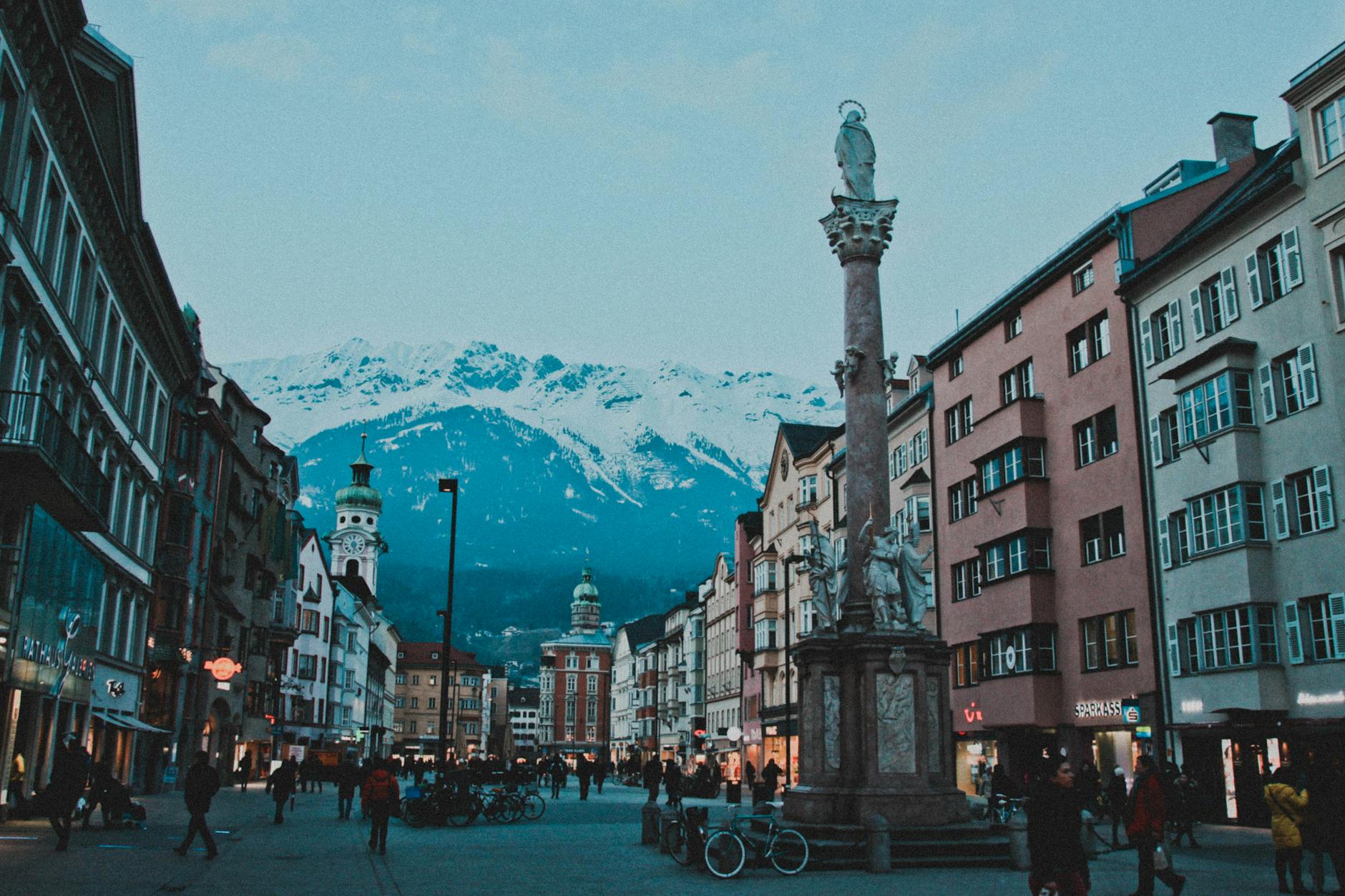
– Innsbruck: roughly 4–4.5 hours by train — better as an overnight extension.
Booking advice: reserve Railjet and long-distance seats in advance for travel during school holidays and summer weekends.
Responsible and Local-First Tips
Travel choices that support the local economy and reduce impact:
- Use trains (ÖBB Railjet) to arrive and for nearby trips instead of short regional flights. It’s faster door-to-door and supports regional mobility.
- Stay in locally run guesthouses, family-run pensions, or smaller hotels in neighborhoods such as Neubau or Josefstadt.
- Eat at neighborhood heuriger in Grinzing or Neustift am Walde for a local wine-house experience rather than large tourist restaurants in the Old Town.
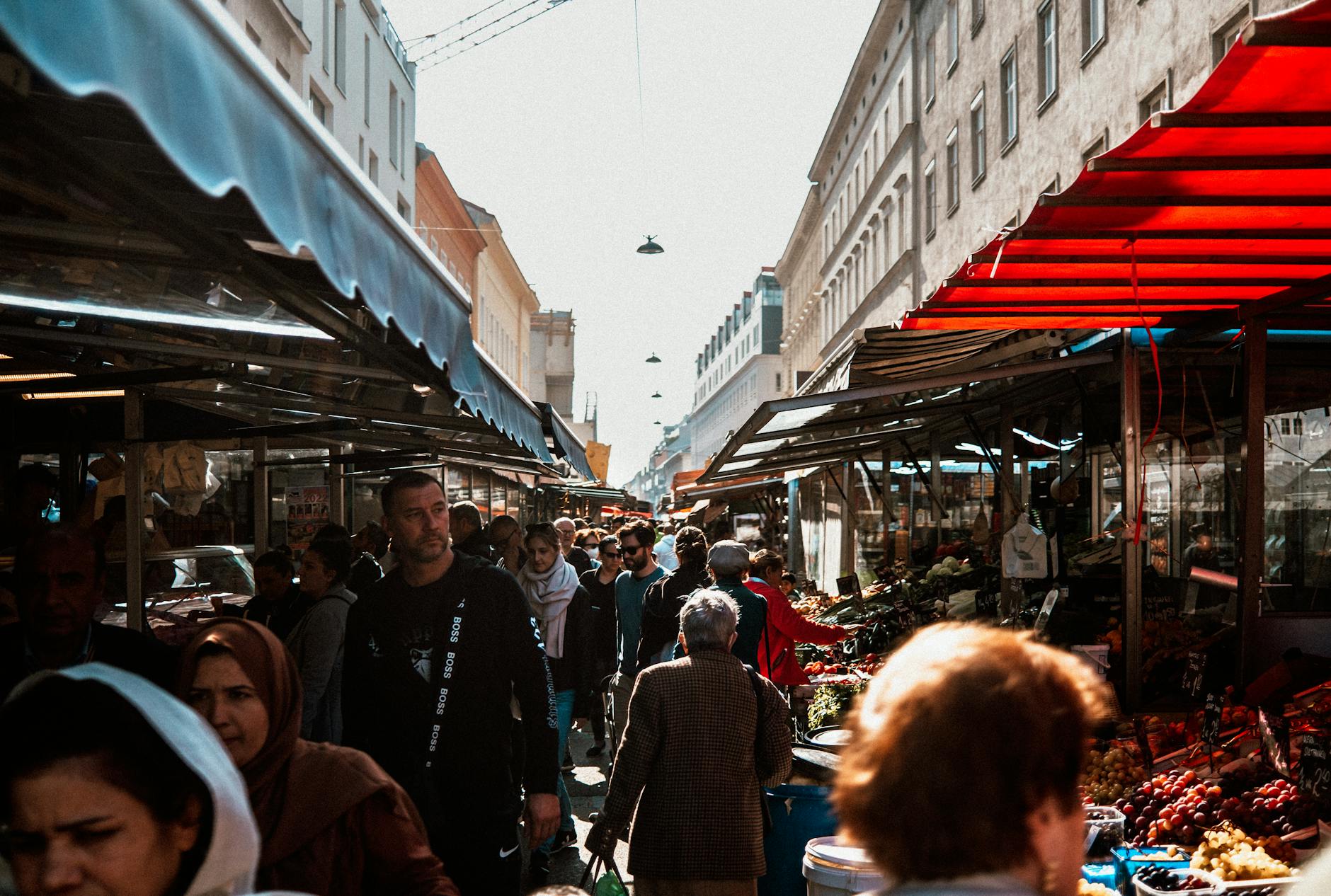
- Buy breakfast or picnic supplies at Naschmarkt or local bakeries to support small vendors.
- Walk and use trams/U-Bahn — Vienna’s city center is compact and friendly for pedestrians and cyclists.
- Book smaller guided walking tours led by local guides rather than large coach tours; that keeps spending local and reduces coach traffic downtown.
Sustainable packing and behavior:
– Bring a reusable bottle and bag, use public restrooms sparingly and support cafés where possible, and respect quiet hours in residential neighborhoods.
Common Mistakes to Avoid
Avoid these frequent errors:
- Overpacking your 3-day schedule. Vienna rewards slow exploration; pick neighborhoods instead of trying to see every museum in a single day.
- Leaving major bookings until arrival. Opera, Schönbrunn timed entries and popular concert nights sell out months ahead in high season.
- Relying on taxis when the U-Bahn and trams are faster and cheaper. Taxis add cost and congestion.
- Visiting Christmas markets during peak holiday weeks without reservations — hotels and restaurants can fill quickly.
- Assuming all attractions are open daily. Smaller museums, artisan shops and some cafés close on Mondays or Sundays.
Corrective tip: match a prioritized list of 3–5 must-sees to your 3 days and let the rest be flexible neighborhood time.
FAQ
What month has the best weather in Vienna?
Late May and September usually offer the most comfortable weather for walking — warm days without the hottest peak-summer temperatures.
Is Vienna worth visiting in winter?
Yes. Winter brings atmospheric Christmas markets and classical concerts. Expect colder weather, possible snow, and shorter daylight — but also fewer tourists outside the holiday weeks.
How busy is Vienna in July and August?
Summer is peak tourist season with higher prices, busier attractions and longer opening hours. Plan key bookings ahead and consider early mornings for major sights.
Can I do day trips to Bratislava or Budapest from Vienna?
Yes. Bratislava is about an hour away and works well as a half or full day. Budapest and Salzburg are about 2.5–3 hours by Railjet — manageable as day trips but better with an overnight for a relaxed experience.
Do I need to pre-book the Vienna State Opera or concert tickets?
For popular productions and concert halls, yes. Book through official box offices or reputable vendors months in advance for the best seats.
How do I make my visit more sustainable?
Prefer trains, public transport and walking; eat at local markets and family-run eateries; and book small local guides rather than large coach tours.
Conclusion
Choose dates that fit how you want to experience Vienna — shoulder seasons for quiet, summer for outdoor life, and winter for markets and concerts. Whatever you pick, pair your timing with the practical 3 days in Vienna itinerary to organize neighborhoods, bookings and sustainable transport. Prioritize local businesses and off-peak hours to keep your visit low-impact and rewarding.
Plan the Rest of Your Trip
This page works best alongside the main itinerary and the other planning pages for Vienna.