

3-Day Practical Guide to Haifa: Itinerary and Tips
A clear, no-nonsense 3-day itinerary for Haifa with transit tips, neighbourhood moves, costs and must-see visits to plan a weekend effectively.
A compact, realistic three-day plan that mixes the Bahá'í Gardens, Carmel hill walks, sea-facing promenades and local markets with concrete transit and budget details.
A coastal city built up the slopes of Mount Carmel, Haifa combines green hills, working port infrastructure and mixed secular and religious neighbourhoods. The arrival impression is often one of low-rise terraces, long sea views and more trees than expected for an Israeli coastal city. The mood changes quickly between the tidy, tourist-facing German Colony and the denser markets of Wadi Nisnas or Hadar.
Is 3 days in Haifa enough?
Three days are enough to see the Bahá'í Gardens, the German Colony, the Louis Promenade, a beach stretch and one or two museums without rushing. Expect to skip in-depth visits to Acre/Akka or a full Carmel National Park hike — both deserve extra time.
Who This Guide Is For
Best for weekenders who like mix of architecture, coastal walks and neighbourhood food; less suited to travelers seeking nightlife or long wilderness hiking. Budget travelers and families both can make this work with mid-price hotels.
Local Tips for Haifa
Practical details that most travel sites skip — specific to Haifa.
- Buy a Rav-Kav reusable card at Hof HaCarmel central bus station or vending machines and load credit — it works on Egged buses, Metronit BRT and the Carmelit.
- The Bahá'í Gardens upper-terrace guided tour must be booked in advance on bahai.org; the lower terraces and panoramic view from the Louis Promenade remain freely accessible.
- Use the Metronit BRT corridors (lines labeled M1, M2, M3 in Haifa) for fast cross-city trips; they skip local stops and shave travel time compared with regular buses.
- The Carmelit is a one-line funicular metro between the lower city and Merkaz HaCarmel; it runs roughly every 10–12 minutes during the day and is useful to avoid steep climbs.
- Wadi Nisnas market is busiest on Friday mornings and is the best time to taste local Arab-Christian street food stalls and buy silan, za'atar and fresh pastries.
How This Guide Was Prepared
This guide treats Haifa as a layered city: coastal port, Israeli tech hub and Arab-Christian neighbourhoods on the lower slopes of Mount Carmel. Many guides flatten those layers into a single sightseeing loop; this guide separates them into realistic walking and transit blocks and flags timing, crowd and entry realities other writers skip. This guide was prepared through a structured research that combines destination research, geographic context, itinerary planning logic, and content review.
Plan Your Stay in Haifa
Use this itinerary as your starting point, then compare areas to stay, transport options, seasonal timing, and realistic daily costs before booking.
Why Visit
The Bahá'í Gardens and panoramic viewpoints offer a disciplined, accessible set of terraces and a city-to-sea profile that is visually distinct from Tel Aviv’s flat coastline. The German Colony and Ben Gurion Street provide close-up examples of late-Ottoman and British Mandate architecture refurbished into cafés and shops, so historical observation and casual dining work well within one block. Wadi Nisnas and Hadar offer authentic market life and Arab-Christian bakeries for street food research, plus the Tikotin Museum of Japanese Art is a small but focused cultural stop uncommon in other Israeli cities.

Quick Planning Tips
The simplest airport transfer is train from Tel Aviv’s HaHagana or Savidor Center to Haifa Hof HaCarmel; direct trains take about 50–75 minutes depending on service. Bring a Rav-Kav or use a contactless bank card for public transport; single short trips without a card cost more and machines occasionally reject foreign notes. Avoid planning the Bahá'í Gardens upper-terrace visit for the same morning as an early train arrival — guided slots are time-specific and tight connections cause missed tours.

Day 1
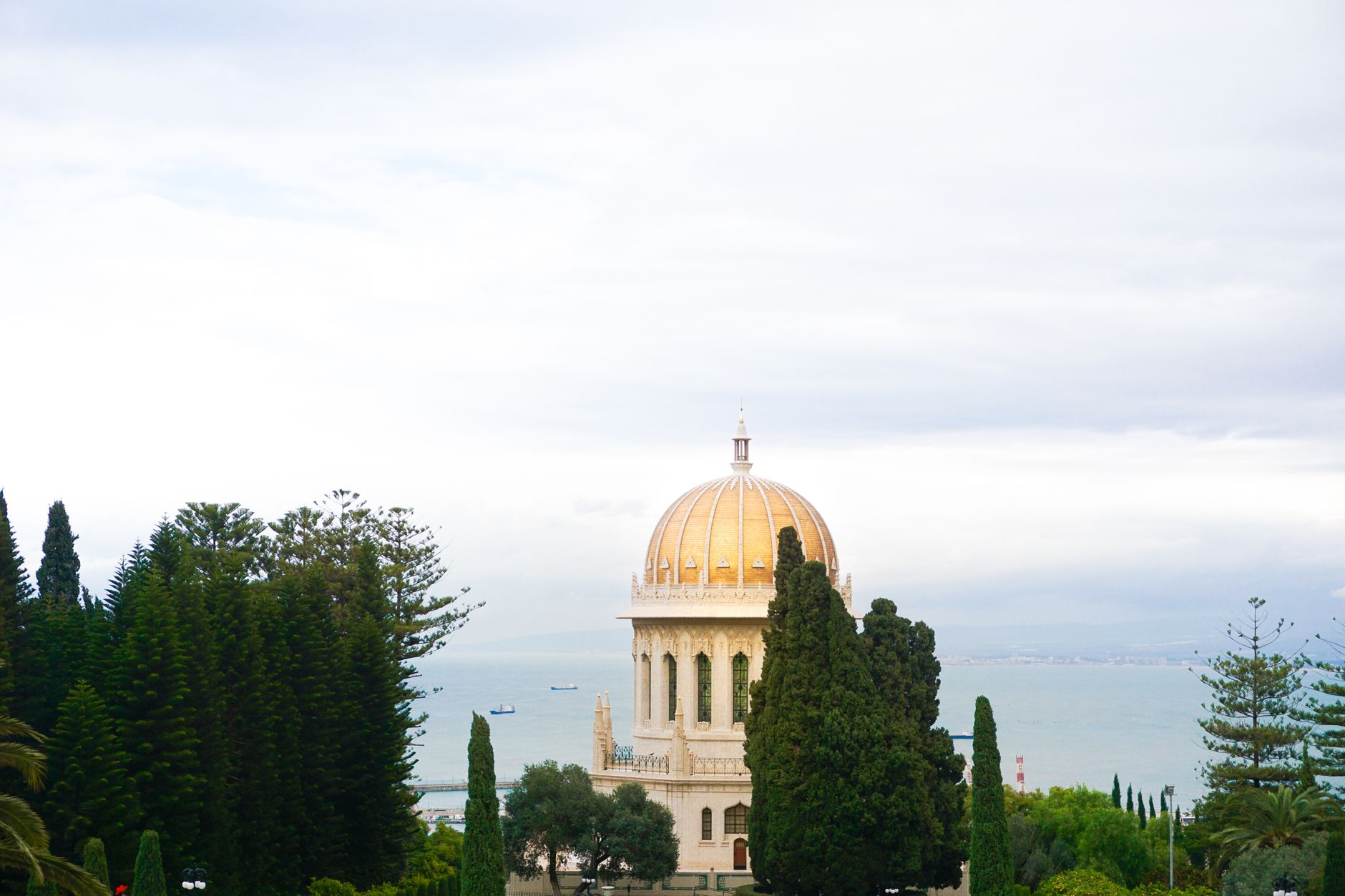
Start at the Bahá'í Gardens and the Shrine of the Báb on Ben Gurion Street; allow 1.5–2 hours if on a guided upper-terrace tour, less for a walk on the lower terraces and viewpoints. Walk down Ben Gurion Street into the German Colony for lunch at a café such as 'Café Louise' or a local hummus spot — expect NIS 40–80 for a midday meal. After lunch, cross to the Haifa Museum of Art (or Tikotin Museum if preferring Japanese art) for 1–1.5 hours; both are a 10–15 minute walk from the German Colony. End the afternoon with the Louis Promenade viewpoint for sunset; the promenade is a 7–12 minute walk from the museum and gives a clear view of the bay.

Day 2
Spend the morning around Merkaz HaCarmel and the Technion neighbourhood; use the Carmelit from Paris Square to avoid steep walking and explore alleys and cafés near the university. Take a short Metronit or bus ride to Dado Beach and Bat Galim for a coastal walk and seafood lunch at a promenade restaurant — allowing 1–2 hours on the sand and an hour for food. In the afternoon, head to Wadi Nisnas for market browsing, Arab bakeries and street food; plan 1.5–2 hours and sample local pastries and schug. Finish with a short taxi or bus up to Stella Maris Monastery on the western slope for late-afternoon views and the nearby Elijah’s Cave.

Day 3
Dedicate the morning to Madatech, the Israel National Museum of Science, which is family-friendly and takes roughly 2–3 hours to explore properly. From Madatech, descend to the port area and walk the Haifa Port front toward the Arab market stalls near the central station; allow 1–1.5 hours including short stops. If time allows, take a 40–60 minute train trip to Acre/Akka for a quick medieval port-city visit; trains leave regularly from Haifa’s main stations. For travelers checking out midday or catching an afternoon flight, plan transport time: train to Tel Aviv’s central stations and onward to Ben Gurion Airport takes about 90–120 minutes total including connections.
Best Local Experiences
Walk the terraces of the Bahá'í Gardens early for light and fewer visitors, but book the upper-terrace tour first. Spend a market morning in Wadi Nisnas tasting kanafeh or manakish from small bakeries and buy jars of local silan (date syrup) from stall vendors. Eat hummus at a long-standing local place in Haifa’s Hadar neighbourhood and compare it with coastal seafood in Bat Galim. Visit the Tikotin Museum of Japanese Art for a compact, well-curated collection that often hosts temporary exhibitions and workshops. Hike a short section of Carmel National Park from the Carmel Center bus stops for pine shade and local plant life without committing to full-day treks.

Where to Stay
German Colony / Downtown: Suited to first-time visitors who want to be within walking distance of the Bahá'í Gardens, Ben Gurion Street and restaurants; expect mid-range hotels and guesthouses around NIS 450–850 per night (≈ €110–210/$120–230). Merkaz HaCarmel / Carmel Center: Good for quieter evenings, easy access to the Technion and Carmelit, and short bus rides to beaches; typical nightly cost NIS 350–650 (≈ €85–160/$95–175). Hadar and Central Station area: Budget and business options, closer to bus terminals and cheaper cafés; rooms and guesthouses commonly NIS 220–420 (≈ €55–105/$60–115) per night.
Food and Drink
Hummus: Thick, olive-oil-rich hummus at a local Hadar shop — a classic portion costs NIS 20–40 and is often served with fresh pita. Shakshuka: Fried eggs in tomato sauce, commonly found in breakfast cafés around Carmel Center for NIS 30–55. Kanafeh: A sweet cheese-and-phyllo dessert sold in Wadi Nisnas bakeries for NIS 15–30 per serving. Grilled fish or seafood: Best at Bat Galim promenade restaurants; expect NIS 90–170 for a main fish plate. Coffee and Arabic tea: Strong Turkish-style coffee or mint tea in neighbourhood cafés for NIS 12–25; order ‘gahweh’ or ‘shai’ depending on stall.
Getting Around
Public options are Rav-Kav loaded buses, Metronit BRT (lines labeled M1, M2, M3), the Carmelit funicular and Israel Railways regional trains. Single-ride local bus or Metronit fares are around NIS 5–8 when paid with Rav-Kav; expect slightly higher cash fares. Day and multi-day travel are cheaper with a Rav-Kav cap; buy the card at Hof HaCarmel station machines and top up via the Moovit app or Rav-Kav kiosks. Taxis and ride-hailing apps such as Gett operate across the city; a taxi from Ben Gurion Airport to central Haifa costs roughly NIS 350–450 (€85–110/$95–125) depending on time and traffic.
Best Time to Visit
Spring (March–May) brings pleasant temperatures of about 15–24°C and lower humidity, ideal for terrace walks and short hikes; this period offers the best balance of weather and value. Summer (June–August) is hot and humid with temperatures often 28–32°C and crowded beaches; expect higher accommodation prices and busy promenades. Autumn (September–November) mirrors spring with slightly warmer sea temperatures and fewer tourists in October and November. Winter (December–February) can be rainy and cool, 8–16°C, but hotel rates dip and museums are quieter.
Budget and Practical Tips
Daily budget for a mid-range traveler: accommodation NIS 450–750 (€110–180/$120–200), food NIS 120–200 (€30–50/$35–60), transport NIS 25–60 (€6–15/$7–17), entry fees and extras NIS 40–150 (€10–40/$11–45). Lower-budget travelers can find shared rooms or guesthouses for NIS 220–350 (€55–85/$60–95) per night. Museum entry ranges: Tikotin and Haifa Museum typically NIS 25–40, Madatech around NIS 40–60; the Bahá'í Gardens lower terraces are free while upper-terrace guided tours are free but require booking. Tipping: round up small bills in cafés, add 10–12% for table service if service is not included, and give NIS 5–10 for helpful porters or drivers.
FAQ
Is Haifa safe for independent travelers?
Yes; daytime areas frequented by tourists and main neighbourhoods are generally safe. Standard precautions for pickpocketing in crowded markets apply, and avoid poorly lit side streets late at night.
How do I get from Ben Gurion Airport to the city?
Take a direct Israel Railways train to Haifa’s Savidor or Hof HaCarmel stations where available, or ride to Tel Aviv and change; total travel time is about 75–120 minutes depending on connections. If carrying heavy luggage, a taxi is faster but costs NIS 350–450.
Is a city card or pass worth it?
There is no single Haifa city card covering all attractions; use separate museum passes or combination tickets where offered. For frequent short trips, a loaded Rav-Kav with a daily cap is more practical than single fares.
Can the Bahá'í Gardens be visited without booking?
The lower terraces and viewpoints are open without booking, but the guided upper-terrace tour requires an advance reservation for a specific time slot. Plan this before arrival.
Are English tours and signage available?
Major museums and tourist sites generally offer English information and guided tours; staff at museums usually speak English.
Are trains convenient for day trips to Tel Aviv or Acre?
Yes; Israel Railways connects to Tel Aviv in about 50–75 minutes and to Acre/Akka in roughly 30–40 minutes, making both viable day trips from the city.
Conclusion
Three days in Haifa allow a clear sense of the city’s slope-to-sea layout, contrasting neighbourhood life and a sample of museums without a rushed schedule. The most memorable component for most travelers is the sequence from the terraces down through the German Colony to the sea — prioritise a Bahá'í Gardens slot plus an evening on the Louis Promenade if time is tight. Leaving space for one market visit and a short coastal walk will keep the trip grounded and practical rather than checklist-driven.
How this guide was prepared
This guide was prepared through a structured research that combines destination research, geographic context, itinerary planning logic, and content review.