
Best Things to Do in Budapest: Practical, Local-First Guide
A concise, practical guide to the best things to do in Budapest—thermal baths, Castle District views, Jewish Quarter life, markets, transport tips, and sustainable, low-impact choices to pair with a 3-day Budapest itinerary.
If you only have time for the essentials, prioritize these experiences:
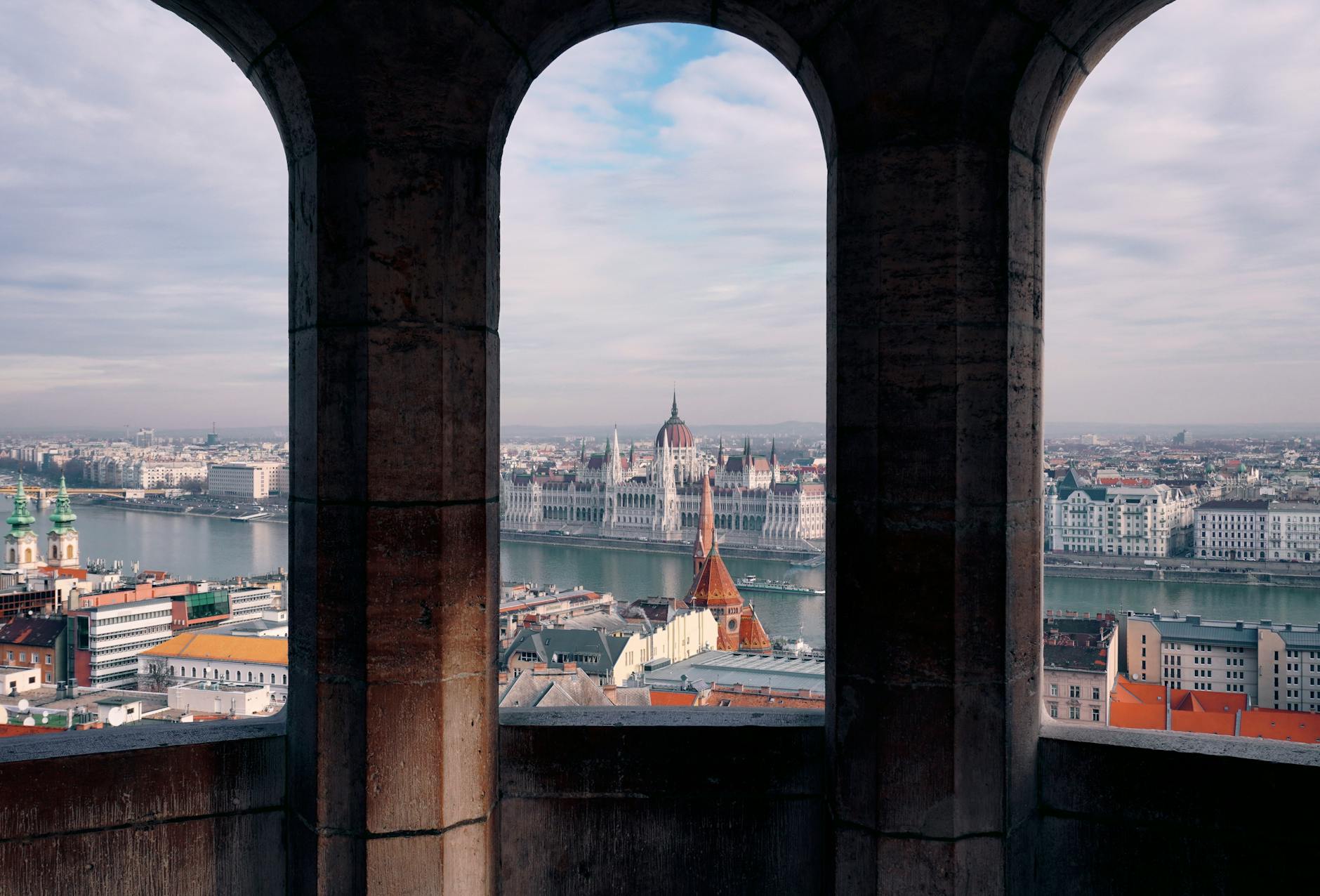
- Walk the Danube riverside for Parliament views and the Shoes on the Danube memorial (Pest riverside).
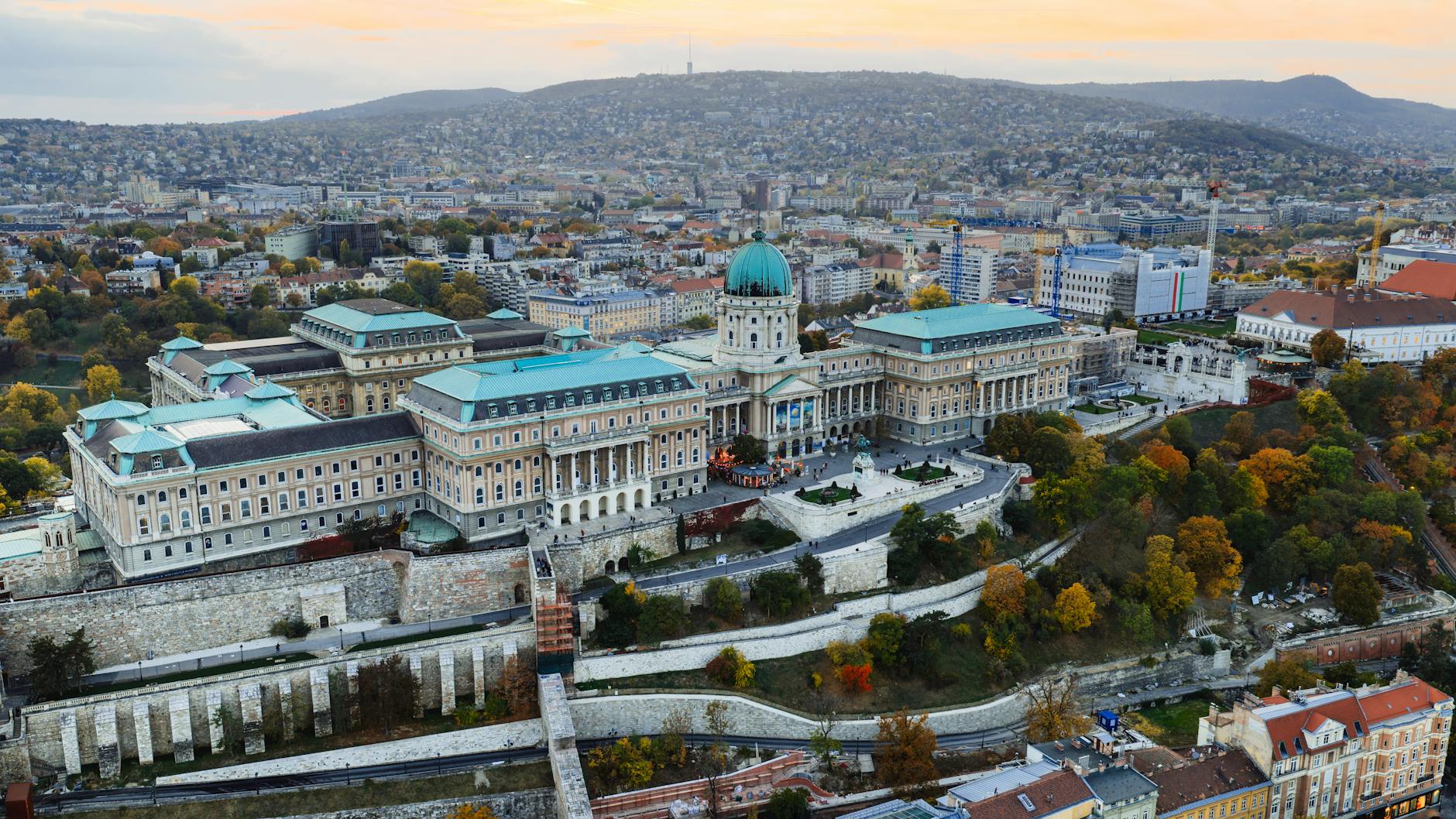
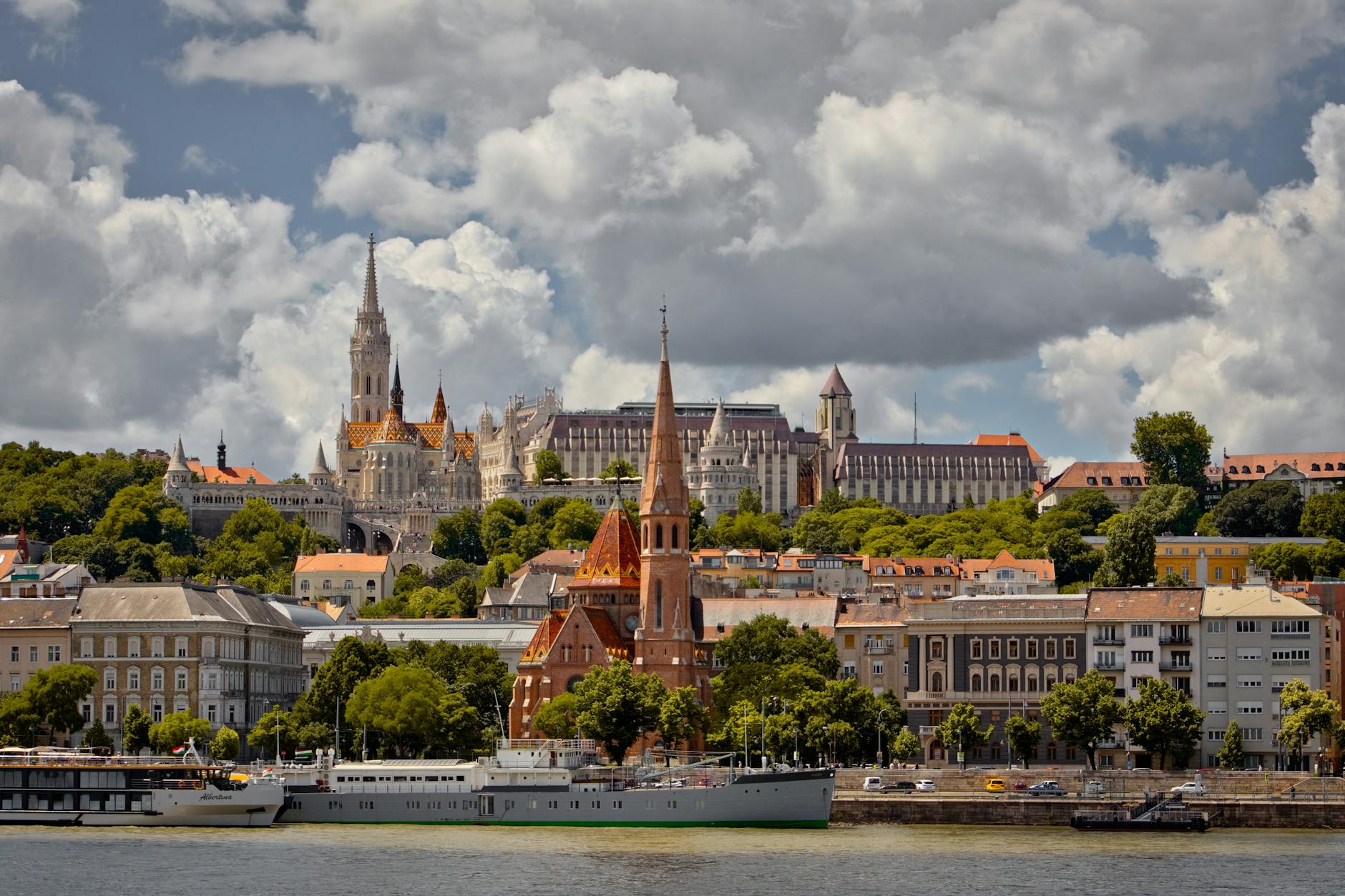
- Spend morning or late afternoon in the Castle District for panoramic views, Matthias Church, and Fisherman's Bastion (Buda I. district).
- Visit a thermal bath—Széchenyi (City Park) or Gellért (Gellért Hill)—book lockers or a private cabin in high season.
- Explore the Jewish Quarter (District VII) for markets, street food, and ruin bars—support small bars and cafés.
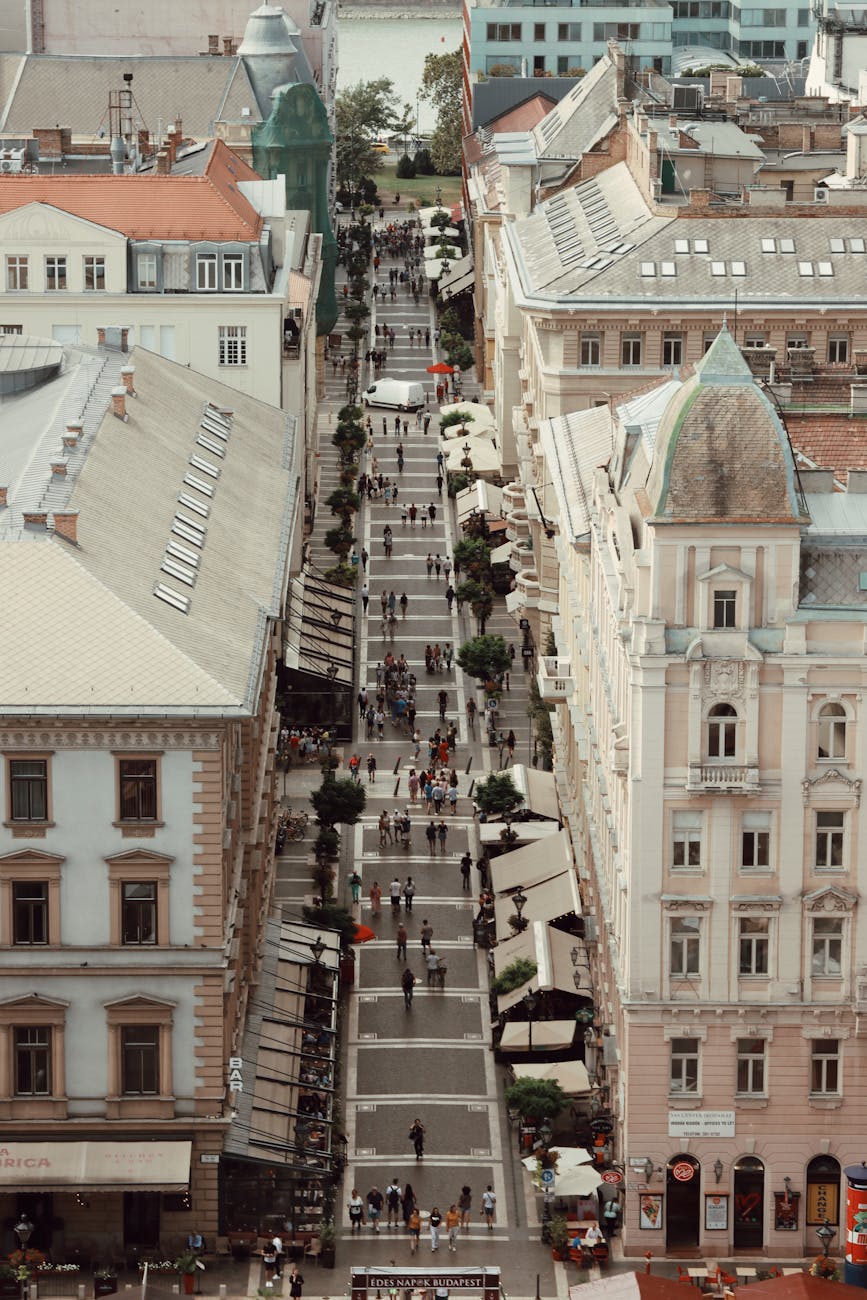
- Shop at Central Market Hall and eat neighborhood-run restaurants off Váci utca.
Season quick tip: aim for shoulder seasons (April–May, Sept–Oct) to reduce crowds and enjoy milder weather.
This page lists the best things to do in Budapest with practical tips for booking, getting around, and making low-impact, local-first choices. It’s designed to support the main 3 days in Budapest itinerary: use this as a quick reference for sights, neighborhoods, and how to layer experiences so you spend your time and money where it helps the local economy.
Contents emphasize walkable neighborhoods, seasonal patterns, and transport realities to help you plan realistic days rather than checking off attractions at random.
What This Page Helps You Decide
Use this page to decide:
- Which neighborhoods to prioritize on your short visit (Buda Castle vs. Pest inner districts).
- When to prebook attractions: Parliament tours, baths, and popular museums.
- How to spend limited time in the city while supporting small businesses and reducing environmental impact.
It also points to feasible day trips from Budapest—short trains or buses to Szentendre, Szeged, Pécs, Debrecen, Bratislava, and Vienna—and when to fold those into a longer trip.
Top Recommendations
Practical, neighborhood-based highlights with booking and timing advice:
- Parliament (District V): Book an official guided tour online in advance; you need ID and slots fill early in summer and on weekends.
- Castle District & Fisherman's Bastion (Buda I): Morning light and fewer crowds before cruise arrivals; wear comfortable shoes for cobbled streets and steep stairs.
- Széchenyi Thermal Bath (City Park) and Gellért Baths (Gellért Hill): Reserve lockers or private cabins on busy days. Evenings are atmospheric; winter is especially pleasant with steam over warm pools.
- Jewish Quarter & ruin bars (District VII): Explore during the day for heritage sites (Dohány Synagogue) and return after dark for social life. Prefer small, locally run bars and eateries.
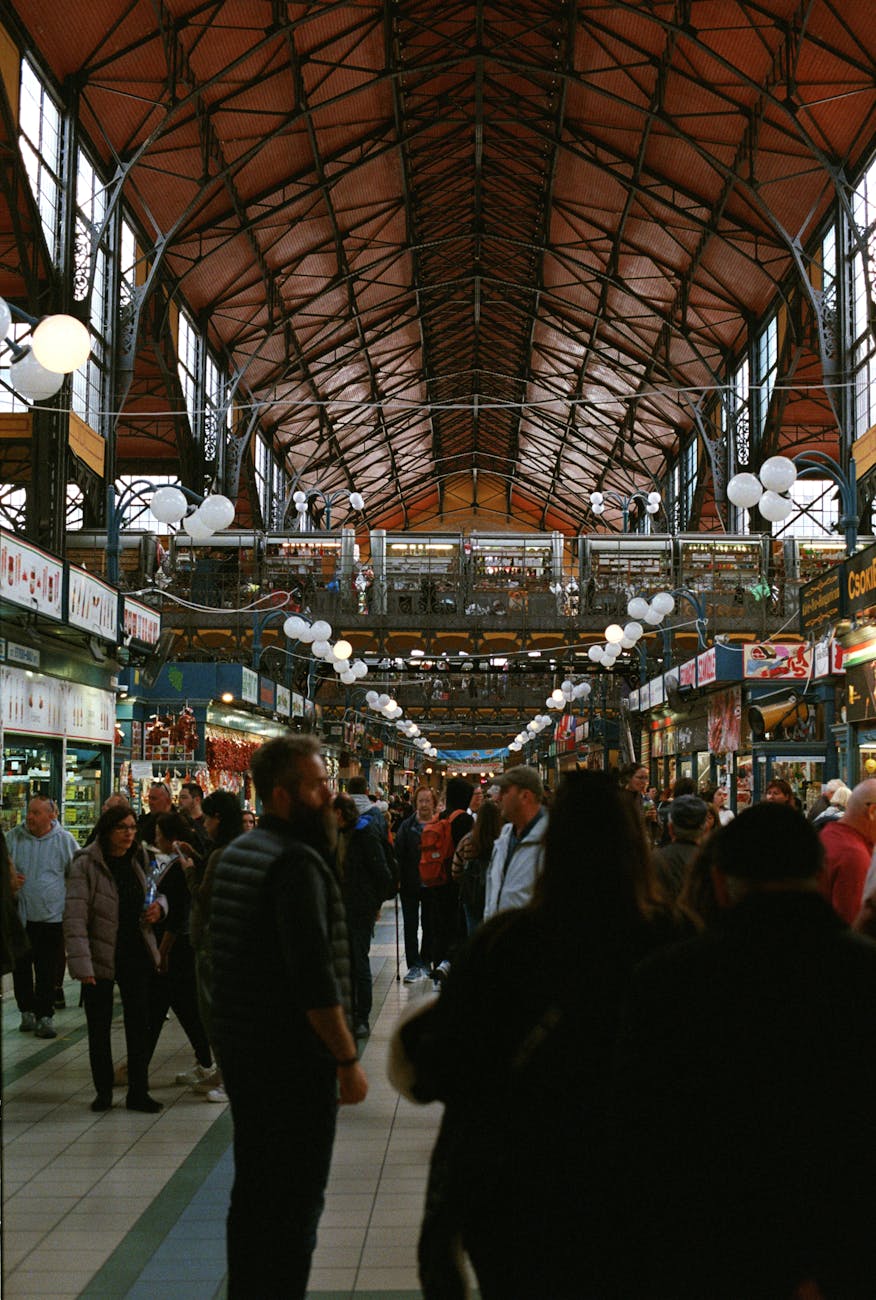
- Central Market Hall (Fővám tér): Come mid-morning for local produce and crafts. Buy paprika or pálinka from trusted vendors; support artisans on the upper floor.
- Tram 2 riverside ride and Danube promenade (Pest side): Cheap, scenic public transport—take local trams rather than tourist boats for short, low-impact views.
- Margaret Island: Relax, rent a bike, and see seasonal flower displays; quieter in shoulder seasons.
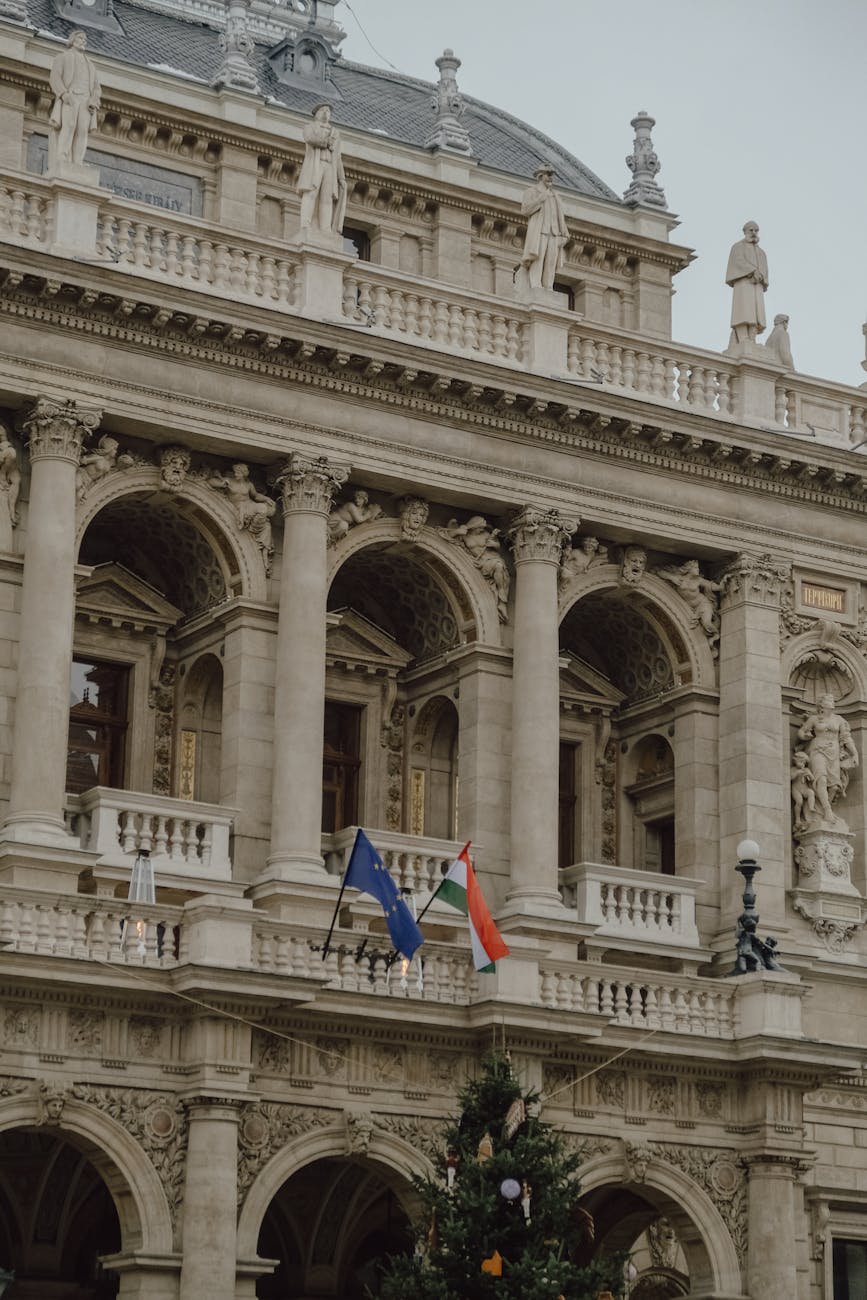
- Heroes' Square and Andrássy Avenue: Combine with the State Opera House and a walk through leafy boulevards—good for culture-minded days.
Time tips: plan 2–4 hours per major site; combine nearby spots (e.g., Parliament + Shoes on the Danube + St. Stephen’s) into a half-day on the Pest riverside.
Local Context
Neighborhoods and transport realities you should know:
- Where to stay: District V (Belváros) for central walking access, District VII (Jewish Quarter) for nightlife and cafés, Buda (District I/II) for quieter, scenic stays.
- Getting around: Budapest is compact and walkable. Metro lines M1 (historic), M2, M3, and M4 plus trams and buses cover the city. Tram 2 offers a scenic riverside route. Validate tickets—inspectors fine travellers.
- Seasonal realities: Summer is hot and crowded, with many festivals. Winter is cold but thermal baths are more atmospheric. Shoulder seasons give lower prices and better walking weather.
- Safety and etiquette: Budapest is generally safe in central areas; watch pickpockets in crowded trams and markets. When visiting synagogues or churches, dress respectfully and keep noise down at memorial sites such as Shoes on the Danube.
- Money and payments: Hungary’s currency is the forint (HUF). Cards are widely accepted but carry some cash for small vendors and markets.
How to Choose Well
Match activities to your priorities and time:
- First-time visitors (one to three days): prioritize Danube views, a thermal bath, the Castle District, and at least one neighborhood food experience. Use our main 3 days in Budapest guide to structure mornings and evenings.
- Culture and history lovers: allocate museum time (Hungarian National Gallery, House of Terror) and book guided walks in the Jewish Quarter.
- Slow, local-first travelers: choose fewer attractions and more market mornings, café time, and neighborhood walks in Újlipótváros or the Palace District.
Booking practicalities:
– Reserve Parliament tours, Opera tickets, and popular bath options several days to weeks in advance during high season.
– For ruin bars and restaurants, consider making dinner reservations for groups and peak weekend evenings.
Transport choices:
– Use a day travelcard for unlimited public transport if you plan multiple tram/metro trips.
– Walk or cycle short distances to support low-impact travel and discover local businesses.
Responsible and Local-First Tips
Ways to keep your visit sustainable and to benefit local people:
- Spend locally: choose family-run restaurants, buy food and crafts at Central Market Hall and small artisan stalls, and join neighborhood tours run by independent guides.
- Low-impact transport: prefer trams, walking, or shared bikes (MOL Bubi). For river views, take a short electric boat or the tram 2 rather than large tourist cruises when possible.
- Respectful sightseeing: treat memorials (Shoes on the Danube, Holocaust sites) with quiet and no climbing on monuments.
- Seasonal & crowd-smart choices: visit baths or attractions in shoulder season or late afternoons to reduce peak-day pressure; avoid contributing to overtourism in tiny residential areas.
- Tips and wages: tipping around 10% is common; paying small amounts by card helps local businesses, but small cash purchases at markets support stall vendors.
Small choices add up—choosing a locally run walking tour or eating at a neighborhood restaurant channels spending to residents and keeps tourism distributed.
Common Mistakes to Avoid
Practical pitfalls many travelers make and how to avoid them:
- Overpacking: Don’t try to do every attraction in one day; cluster sights by neighborhood and allow time to enjoy meals and tram rides.
- Not validating transport tickets: Inspectors fine non-validated tickets—validate every single ride.
- Skipping Buda: Many visitors stay only in Pest and miss the Castle District views and quieter neighborhoods on the west bank.
- Leaving baths to chance: Popular thermal baths can be full—book lockers or private options in high season.
- Relying only on cash or only on cards: Bring a small amount of forints and use cards for mid- to high-value purchases.
- Ignoring opening patterns: Museums often close on Mondays; check hours and any holiday closures before planning.
FAQ
What should I see on a first visit to Budapest?
Focus on the Danube panorama (Parliament and Shoes on the Danube), a thermal bath (Széchenyi or Gellért), the Castle District for views, and an evening in the Jewish Quarter. Use the main 3 days in Budapest guide to allocate these across realistic days.
Do I need to prebook the thermal baths or Parliament?
Yes. Parliament tours require online booking and ID. Baths like Széchenyi are open-walk-in in low season but offer timed tickets and locker reservations in summer—prebook if visiting on weekends or during festivals.
Is Budapest expensive?
Budapest is generally cheaper than many Western European capitals, but prices rise in tourist hotspots. Eat in neighborhood restaurants, shop at local markets, and use public transport to keep costs down while supporting local vendors.
Can I use the euro in Budapest?
The local currency is the Hungarian forint (HUF). Some tourist businesses accept euros, but exchange rates and acceptance vary—carry forints for small purchases and markets.
Are there good day trips from Budapest?
Yes—Szentendre for riverside galleries, Eger for wine and history, Szeged and Pécs for regional culture, and international options include Bratislava and Vienna (train or bus). See the main 3 days in Budapest itinerary for suggestions on integrating short day trips.
How should I tip?
Around 10% at restaurants is customary when service is not included. Small tips for taxi drivers and guides are appreciated. For markets and small vendors, pay the exact price or round up.
Conclusion
Budapest rewards slower, neighborhood-based exploration: mix must-see landmarks with market mornings, thermal baths, and time in the Jewish Quarter to support local businesses. For a ready plan, use this page together with the main 3 days in Budapest guide to create a sustainable, low-impact itinerary. Consider shoulder-season travel, prebook key sites, and favor public transport and local services for the best experience and most positive local impact.
If you’re planning day trips, Bratislava and Vienna are easy additions by train, while Szeged, Pécs, and Debrecen offer regional variety—choose based on mood, season, and how much walking you want to do.
Plan the Rest of Your Trip
This page works best alongside the main itinerary and the other planning pages for Budapest.