

Where to Stay in Budapest: Neighborhoods, Practical Tips, and Local-First Choices
Clear, practical guidance on choosing the best neighborhood in Budapest for your 3-day itinerary. Sustainable, local-focused options for first-timers, budget travelers, families, and quiet stays.
First-time visitors: stay in Belváros–Lipótváros (Inner City) or nearby Erzsébetváros (District VII) for walkability, access to major sites, and easy transit. If you prefer quieter, greener streets and castle views, choose Várkerület/Castle District on the Buda side. Families and longer stays often do well in Újlipótváros or the neighborhoods near Margaret Island for relaxed, local life.
For the 3-day itinerary, aim for a base with a good tram or metro connection (M1, M2, M3, M4) to avoid wasting time on transfers.
This page helps you choose where to stay in Budapest with practical trade-offs: proximity to attractions, nightlife noise, public transport, and sustainable, local-first options. Use these notes alongside the main 3 days in Budapest itinerary to align lodging with your daily plans and day-trip ambitions to nearby cities like Vienna, Bratislava, Pécs, Szeged, or Debrecen.
What This Page Helps You Decide
It helps you pick a neighborhood that matches how you want to spend your days: sightseeing intensity, nightlife tolerance, family needs, or a calm local feel. Use it to decide:
– Which side of the Danube to prioritize (Buda for quiet and green spaces, Pest for nightlife and museums).
– Whether to choose a short apartment stay to shop and cook locally or a hotel near public transport.
– How to factor in arrival and departure logistics, including trains and buses to Vienna and Bratislava or the airport shuttle.
This guidance is intentionally compact so you can match lodging to the 3 days in Budapest plan and book deliberately for shoulder seasons to reduce crowds and costs.

Top Recommendations
Best overall for first-timers: Belváros–Lipótváros (Inner City)
– Walk to St. Stephen's Basilica, chain-bridge crossings, and major trams. Good restaurants, short walks to the river.
Best for nightlife and ruin bars: Erzsébetváros (District VII)
– Close to ruin bars and street food; lively after dark—expect noise. Choose mid-block guesthouses or apartments with good windows if noise is a concern.
Best for quiet, views, and castle walks: Várkerület (Castle District)
– Narrow streets, cobbled squares, museums and scenic overlooks. Fewer 24/7 services; walking up hills means less nightlife but excellent daytime atmosphere.
Best for families and longer stays: Újlipótváros / Margaret Island area
– Apartment rentals, parks, cafes, easy public transport and bike access. Good for slower mornings and markets.
Best budget pick with good transit: Józsefváros (near Rákóczi út and Museum Quarter)
– Cheaper options near the Keleti/Blaha area; some blocks modernizing fast—check reviews for noise and cleanliness.
Practical booking notes:
– Prefer places near metro lines (M1 for Andrássy/Opera, M2 for central east-west, M3 north-south, M4 new connections) or along frequent tram lines.
– For short stays complement your choice with the 3 days in Budapest itinerary to minimize cross-town daily travel.

Local Context
Neighborhood character
– Pest (flat, busy): cultural institutions, restaurants, nightlife, large markets. Best for sightseeing and evening life.
– Buda (hilly, green): parks, castle district, quieter residential streets and scenic viewpoints.
Seasonal patterns
– Summer (June–August): busiest and hottest; book early and expect crowds at baths and major sites.
– Shoulder seasons (April–May, September–October): best balance of weather, fewer crowds, and lower rates.
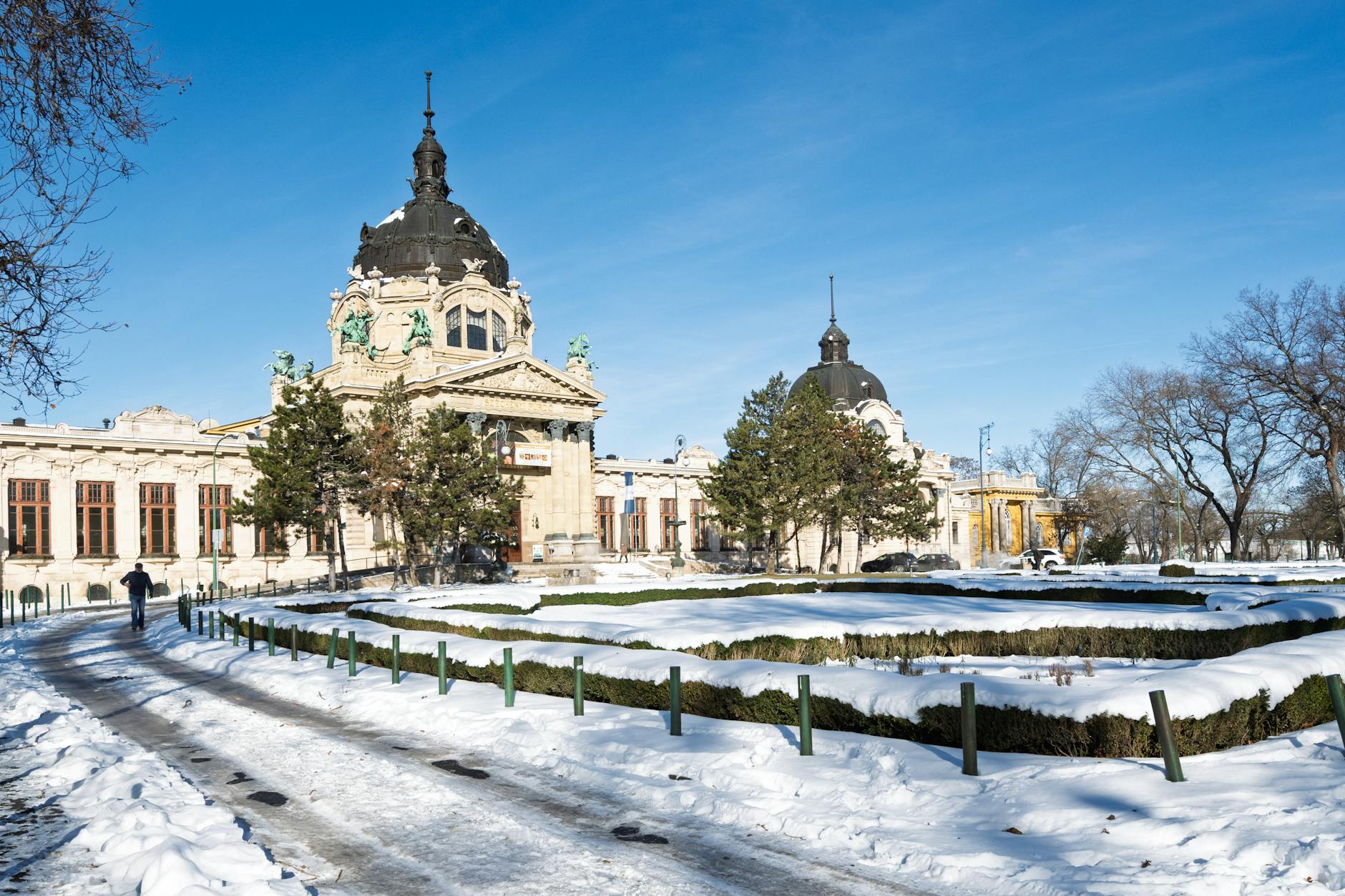
– Winter: fewer tourists, atmospheric thermal baths; short daylight and chilly winds off the Danube.
Transport realities
– Airport: direct 100E bus from Liszt Ferenc Airport to Deák Ferenc tér; taxis and ride apps (Bolt, Főtaxi) are widely used.
– Trains to Vienna/Bratislava: Nyugati and Keleti stations have good regional services—pick accommodation with easy tram/metro access to your departure station.
– Public transit: integrated system of metro, trams, buses and suburban HÉV lines; buy single tickets, 24/72-hour passes or Budapest Card depending on itinerary.
Local etiquette and practicalities
– Tipping: around 10% in restaurants; round up for small purchases and cafés.
– Language: basic Hungarian greetings are appreciated; English widely spoken in tourist areas.
– Payment: cards are accepted widely, but carry some for markets and small vendors.
How to Choose Well
Match neighborhood to the way you travel:
– Short intensive sightseeing (3 days): pick a central Pest base near Deák Ferenc tér, Váci utca, or near the Parlament so walking and quick transit connections save time.
– Food and nightlife focus: Erzsébetváros (District VII) but pick inner courtyards or upper floors to reduce noise.
– Scenic and calm: Castle District or Buda Riverside; factor in hills and limited late-night dining.
– Budget-conscious: Józsefváros and parts of the 9th district offer lower prices with tram/metro links.
Booking checklist:
– Confirm exact address and nearest metro/tram stop.
– Check recent guest reviews for noise, Wi‑Fi, and water pressure—these vary by building age.
– Prefer flexible cancellation for unpredictable travel and book early for shoulder and summer seasons.
– For longer stays, prioritize local-run apartments with kitchens to support neighborhood grocers and markets.

Responsible and Local-First Tips
Choose small guesthouses, family-run pensions, or local apartments over large international chains when possible to support neighborhood economies. Practical local-first actions:
– Buy food from Great Market Hall, neighborhood bakers, and farmers' stalls rather than multinational supermarkets when feasible.
– Use public transit, e-scooters sparingly, and MOL Bubi bikes for short rides to lower your footprint.
– Avoid participating in exploitative 'party' tourism patterns that displace residents; book experiences led by licensed local guides.
– Pack reusable items (bottle, straw, tote) — many cafés are happy to refill water and markets welcome reusable bags.
– For thermal baths, prefer weekday mornings or shoulder seasons to reduce peak crowd impact.
If you plan day trips to Vienna, Bratislava, Pécs, Szeged, or Debrecen, consider train options to reduce carbon footprint and support regional rail services.

Common Mistakes to Avoid
- Choosing an apartment solely by price without checking transit times—Budapest is bigger by foot than many expect.
- Staying in ground-floor rooms on busy streets in District VII without checking noise reviews.
- Booking a hotel far from a metro or tram line thinking taxis will save time; traffic can add hours.
- Overlooking local check-in hours and apartment entrance logistics—many historic buildings have narrow stairways.
- Assuming thermal baths are private: they are popular and busiest mid-afternoon—reserve any paid services in advance and go early.
- Ignoring sustainability: prefer local businesses and avoid booking multiple daily tours that duplicate transit emissions.
A little planning on these points saves time and prevents surprises during your 3-day Budapest itinerary.
FAQ
Which neighborhood is best for a 3-day first visit?
Pick central Pest—Belváros–Lipótváros or near Deák Ferenc tér—to minimize travel time between major sites noted in the 3 days in Budapest itinerary.
Is it better to stay in Buda or Pest?
Pest is more convenient for museums, restaurants, and nightlife; Buda offers quieter streets and views. For short visits choose Pest; if you want calm evenings and scenic walks, choose Buda.
Are the ruin bars noisy for nearby hotels?
Yes, the Kazinczy-Szorak area in District VII can be loud late into the night. Look for accommodations with inner-courtyard rooms, double-glazed windows, or on quieter side streets.
How do I get from the airport to the city center?
Use the 100E airport bus to Deák Ferenc tér, a taxi (Bolt or Főtaxi are common), or book a private transfer. Allow 30–60 minutes depending on traffic.
Any tips for sustainable stays in Budapest?
Choose locally owned lodging, use public transit or shared bikes, eat at neighborhood markets and small restaurants, and avoid single-use plastics.
Should I book in advance in summer?
Yes—June–August fills quickly. Shoulder seasons (April–May, Sept–Oct) let you book later with lower rates and fewer crowds.
Conclusion
Choose your Budapest base by matching neighborhood strengths to your 3-day plan: central Pest for efficiency, Buda for tranquility, and Újlipótváros for family stays. Prioritize good transit links, support local accommodation hosts and businesses, and aim for shoulder-season travel when possible to reduce crowding. Use this guidance with the main 3 days in Budapest itinerary and consider rail day trips to nearby cities for low-impact exploration.
Plan the Rest of Your Trip
This page works best alongside the main itinerary and the other planning pages for Budapest.