
Budapest Travel Budget — Practical Costs & Money-Smart Tips for 3 Days
Realistic, local-first budgeting for Budapest. Daily cost ranges, neighborhood tips, transport realities, sustainable choices, and practical booking advice to support a 3-day itinerary and nearby day trips to Vienna, Bratislava, Szeged, Pécs, and Debrecen.
Basic daily budget ranges (per person, excluding flights):
- Backpacker / frugal: 35–55 EUR (≈13,000–20,000 HUF)
- Budget traveler (private room, some paid attractions): 70–110 EUR (≈26,000–41,000 HUF)
- Comfortable traveler: 150–250 EUR (≈55,000–93,000 HUF)
Three-day totals typically fall inside these multiples. Accommodation is the biggest variable; save by staying in District VII (Erzsébetváros) or IX (Ferencváros) and prioritize walking, trams, and one or two paid attractions from the 3-day itinerary.
This page gives practical, realistic cost guidance for a short stay in Budapest and supports the main 3 days in Budapest itinerary. It focuses on neighborhood-aware choices, transport realities, and low-impact options so you can plan a budget that matches real experiences rather than optimistic guesswork.
What This Page Helps You Decide
Use this guide to:
- Choose a daily budget that matches your travel style and the planned 3-day route.
- Pick neighborhoods that balance cost, safety, and easy access to sights on the main 3-day guide.
- Decide when to book tickets for Parliament tours, baths, and trains to Vienna/Bratislava.
- Find sustainable, local-first options for food, transport, and day trips.
If you’re following the 3-day Budapest itinerary, use the budget ranges and booking tips here to tweak which paid sights to include or skip.
Top Recommendations
Practical, high-impact choices that save money and improve experience:
- Buy a 24/72-hour BKK travelcard if you’ll ride public transit several times per day. Validate paper tickets or use contactless correctly.
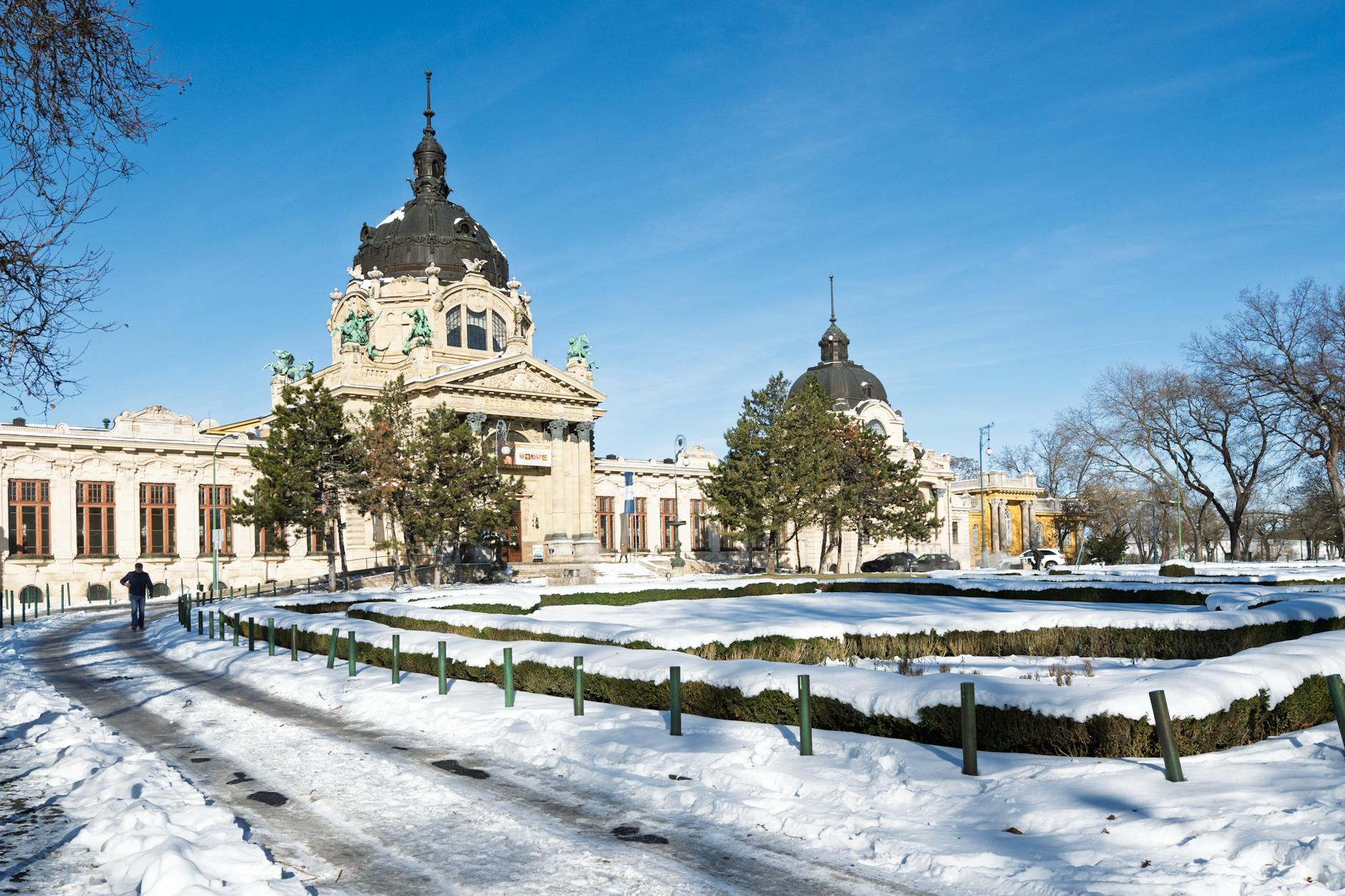
- Prebook Parliament tours, House of Terror, and bath entries for peak times. Széchenyi fills fast on sunny weekends.
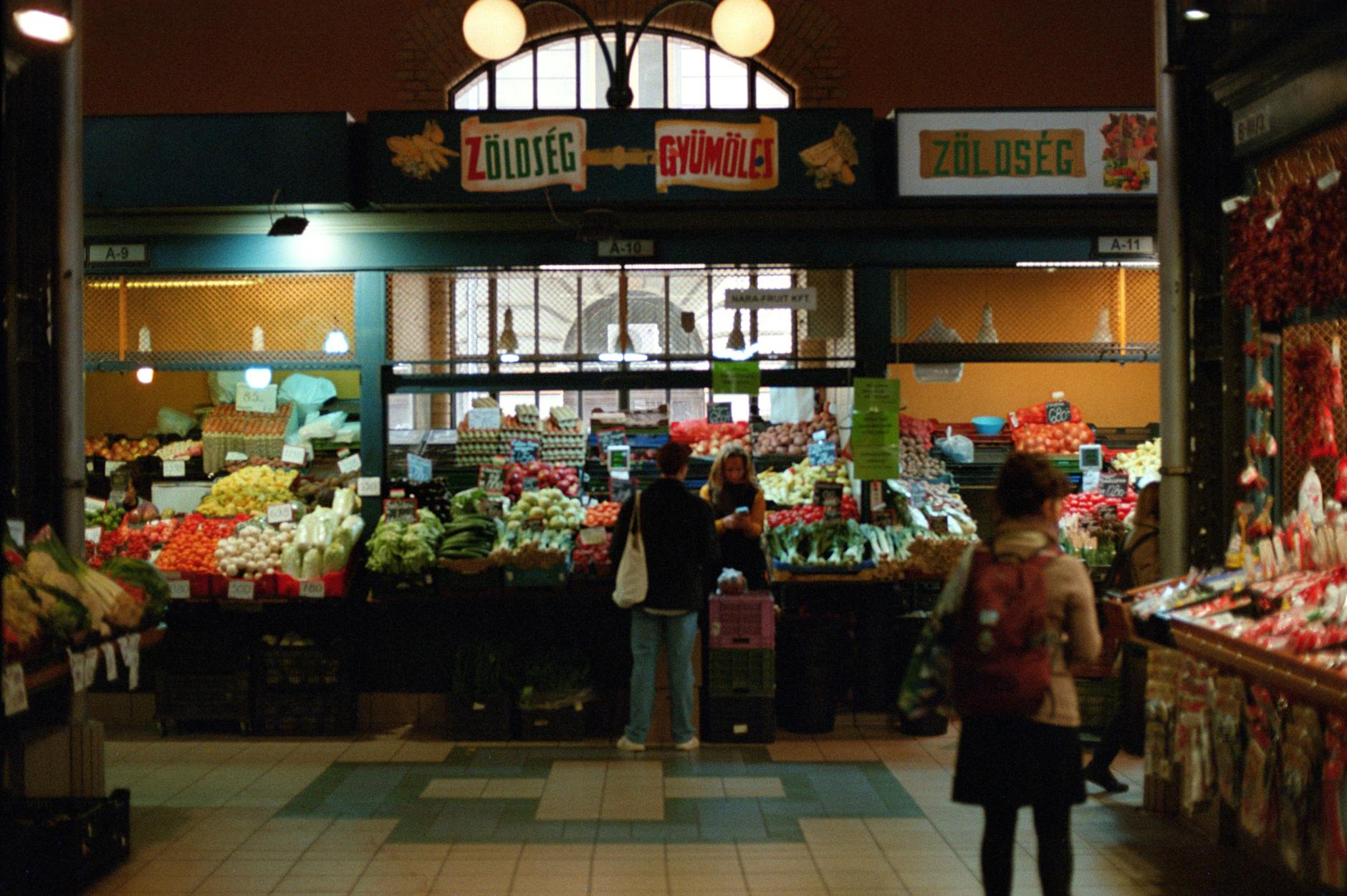
- Eat local: market stalls in the Great Market Hall, neighborhood bistros on Ráday Street, and lunchtime set menus (menü) for value.
- Book one guided walking tour (preferably local guide) early in your stay to learn transit lines and neighborhood context.
- Reserve rail or FlixBus seats for day trips to Vienna, Bratislava, Szeged, Pécs, or Debrecen—tickets are cheaper booked in advance.
Local Context
Neighborhood and seasonal realities:
- District V (Belváros-Lipótváros) is central and walkable but pricier; District VII (Erzsébetváros) is lively and budget-friendly, with noise at night.
- Buda (District I and II) feels quieter and greener; good for families and views, but a little farther from the main Pest nightlife.
- Peak tourist season: June–August and Christmas market weekends. Shoulder seasons (April–May, September–October) give lower prices and milder crowds.
- Currency: Hungary uses the forint (HUF). Some places accept euro but expect poorer exchange rates—use local ATMs and avoid airport exchanges where possible.
Transport realities:
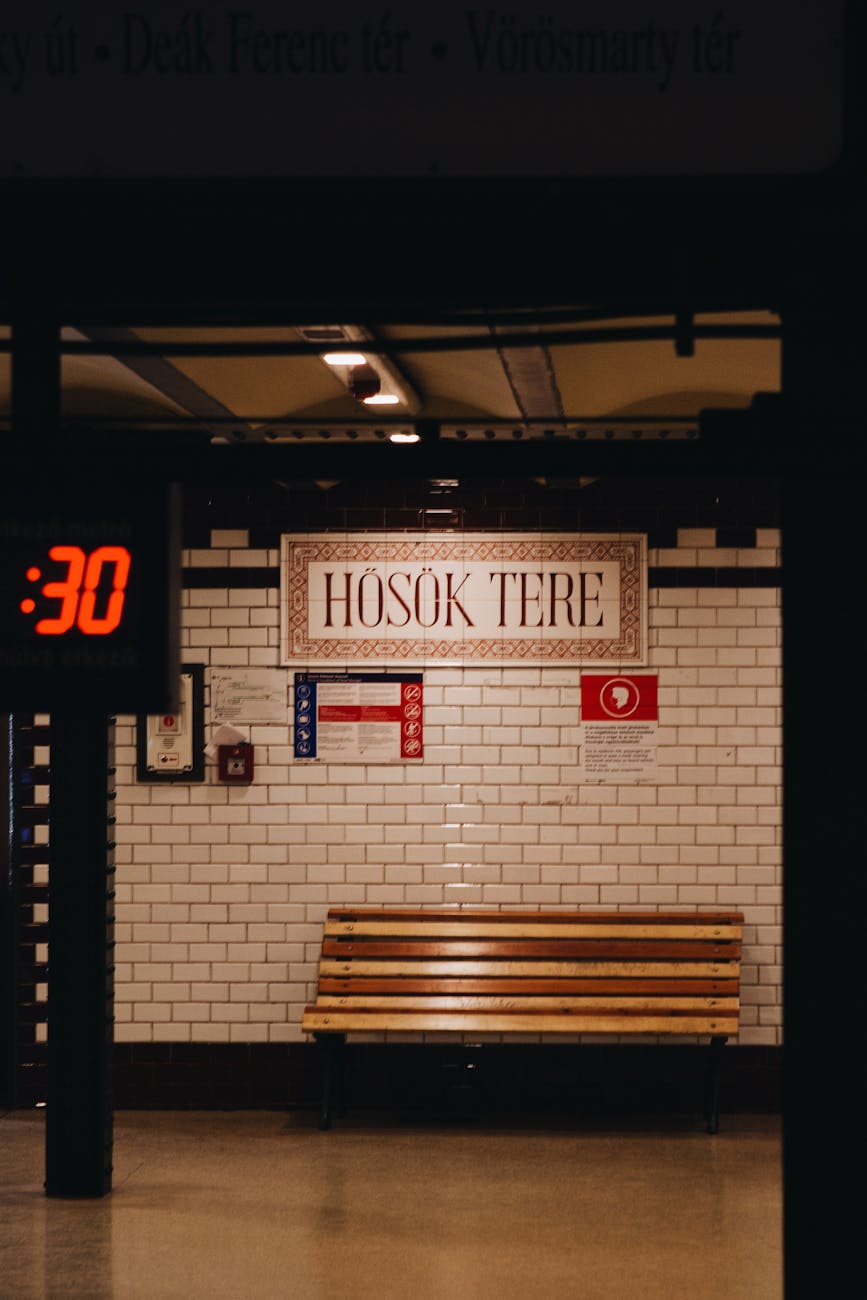
- Budapest public transport (BKK) runs metro lines M1–M4, tram network (tram 2 is scenic), buses and suburban HÉV lines. Validate tickets when using paper forms.
- Rideshares: Bolt and official Főtaxi are reliable; avoid unmarked cars. Night services are available but slower than daytime trams.
How to Choose Well
Match your budget to your priorities:
- If your top priority is museum visits and thermal baths: budget for online tickets and fewer restaurant splurges.
- If nightlife and guided food tours matter: choose a central district and expect slightly higher lodging costs.
- For day trips: factor in rail/bus fares and arrival times. Vienna and Bratislava are best as full-day trips with early departures; Szeged, Pécs and Debrecen are manageable by regional train in roughly 2–3 hours.
Booking tips:
- Book accommodation with free cancellation and check noise reviews for District VII.
- Compare a 72-hour travelcard with single tickets if your schedule uses only a few rides per day.
- Use MÁV-Start or Railjet for comfortable intercity trains; FlixBus often has cheaper fares but check total travel time.
Responsible and Local-First Tips
Small choices that keep money local and lower your impact:
- Eat where locals eat: midday set menus, family-run bistros, market stalls at the Great Market Hall, and bakery cafés selling fresh pastries.
- Use MOL Bubi bikes for short hops and trams/walking for central sightseeing rather than river cruises with high emissions.
- Book local guides and small-group walking tours instead of large coach tours; seek community-run experiences if available.
- Reduce waste: pack a reusable water bottle (tap water is drinkable in Budapest) and bring a small tote for market purchases.
- Tip modestly: 5–10% in restaurants is normal; round up taxi fares. Tipping supports local incomes more than cutting service costs.
Common Mistakes to Avoid
Practical pitfalls travelers often make:
- Assuming euro is accepted everywhere. Carry HUF for small purchases and markets.
- Forgetting to validate single paper tickets on public transit or misreading the travelcard rules.
- Overbooking paid attractions into one day—you’ll waste time in lines. Space Parliament or bath visits across the 3-day plan.
- Staying in noisy party blocks of District VII without checking reviews—book a quieter street or a higher floor.
- Buying river cruise tickets as the only way to see the city—many prime views are free from bridges, Gellért Hill, or Fisherman’s Bastion.
FAQ
How much cash should I carry in Budapest?
Carry enough HUF for small purchases and markets—roughly 5,000–15,000 HUF (15–40 EUR) for a couple of days. Use cards for larger payments and withdraw from ATMs as needed.
Is public transit cheaper than taxis?
Yes. A 24-hour BKK travelcard is usually cheaper than multiple taxi rides. Taxis are useful late at night or with heavy luggage—prefer Bolt or Főtaxi and confirm the meter.
Are thermal baths expensive?
Entry ranges widely. Széchenyi and Gellért are mid-priced and popular; expect higher weekend prices. Booking online often guarantees a time slot and can be cheaper.
What's a reasonable three-day total?
Expect 3-day running costs (no flights) roughly: – Backpacker: 105–165 EUR (≈39,000–61,000 HUF) – Budget traveler: 210–330 EUR (≈78,000–122,000 HUF) – Comfortable traveler: 450–750 EUR (≈166,000–278,000 HUF)
Can I visit Vienna or Bratislava on a day trip without overspending?
Yes. Book early morning rail or FlixBus tickets in advance for best prices. Factor in 2–3 hours travel each way and add transfer costs into your budget.
Conclusion
Budapest is a city where choices matter more than sticker shock: where you stay, how you move, and which paid attractions you book shape the budget more than daily food costs. Use the ranges and neighborhood tips here to tune your spending for the 3-day itinerary. For day-trip planning, compare early train fares to Vienna, Bratislava, Szeged, Pécs, and Debrecen and favor local guides and markets to keep your trip sustainable and locally beneficial.
Plan the Rest of Your Trip
This page works best alongside the main itinerary and the other planning pages for Budapest.