
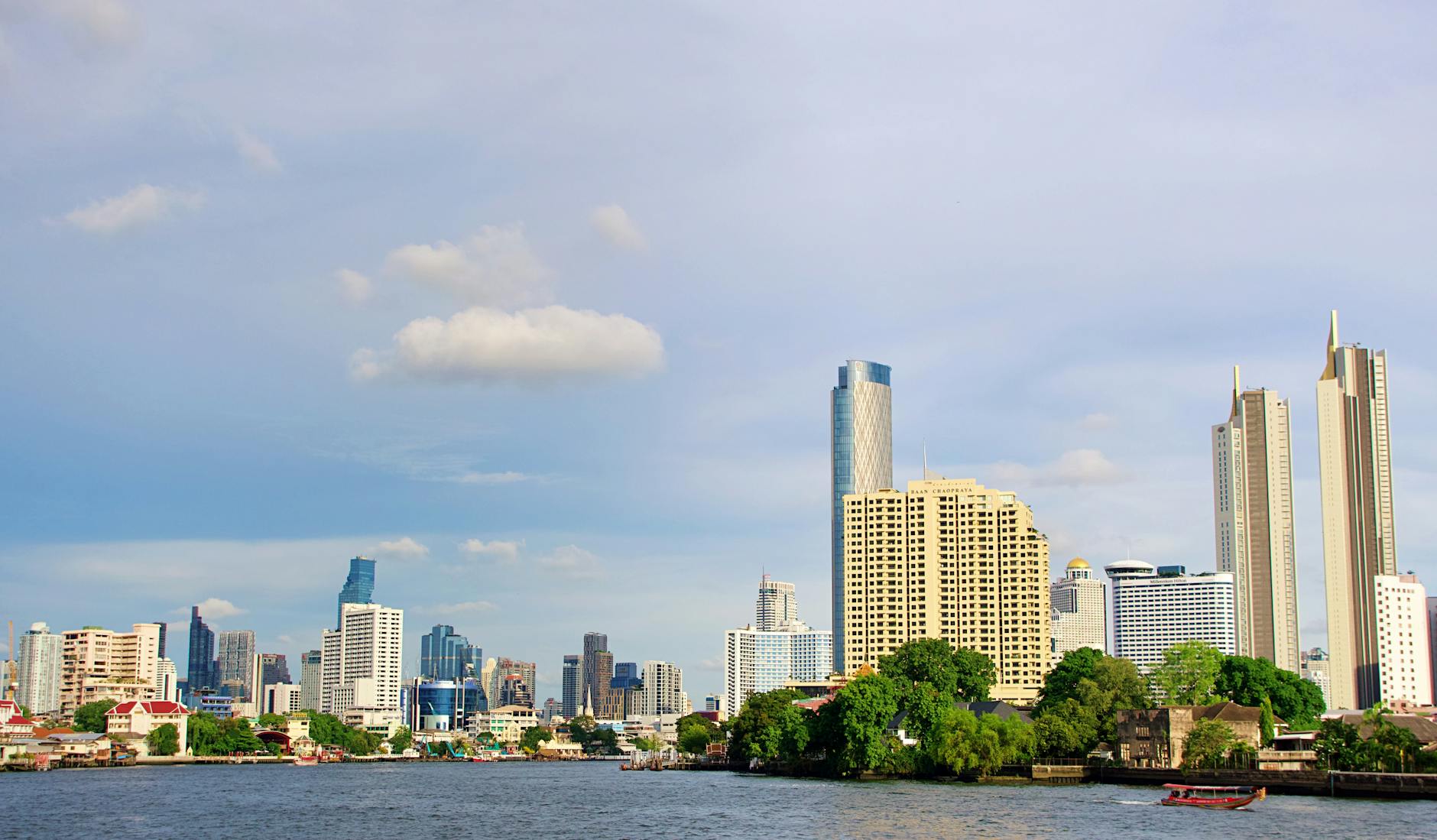
Bangkok Travel Budget: Practical Costs, Savings, and Local Tips
Clear, realistic daily budgets and booking tips for a 3-day Bangkok itinerary. Neighborhood choices, transport realities, seasonal savings, and sustainable local-first advice for cost-conscious travelers.
Simple, actionable budgeting for a 3-day Bangkok trip: what you'll pay for transport, food, accommodation, and must-see sites — plus neighborhood picks, seasonal advice, and low-impact choices that keep money in local hands.
Typical daily budgets (per person):
– Backpacker: 800–1,200 THB (~$23–35) — dorm/hostel, street food, public transit.
– Budget traveler: 1,500–3,000 THB (~$45–90) — private budget hotel, mix of BTS/MRT and taxis, some paid attractions.
– Comfortable/mid-range: 3,500–6,000+ THB (~$100–180+) — 3–4★ hotel, occasional taxis, guided tours.
Plan extra for palace and temple entrance fees (Grand Palace 500 THB, Wat Pho ~200 THB), domestic flights to Udon Thani or Hua Hin transfers, and weekend market shopping. Use BTS/MRT and river boats for reliability; avoid peak-hour road taxis where possible.
This page is a compact, practical budget guide to support a 3-day stay in Bangkok. It focuses on what you'll actually spend, where to cut costs without losing the experience, and how to make choices that benefit local vendors and reduce environmental impact. If you’re using our 3 days in Bangkok itinerary, these numbers and neighborhood notes will help you pick lodging, plan transport, and set expectations for day trips to nearby destinations like Pattaya, Hua Hin, or Si Racha.
What This Page Helps You Decide
Use this page to decide:
– A daily budget tier that matches your style and the 3-day itinerary’s attractions.
– Which neighborhood to book in (Banglamphu, Riverside, Sukhumvit, Silom, Siam) based on travel time and costs.
– When to buy transit cards, book tours, or prebook an airport transfer.
– Whether to add a day trip to Pattaya, Hua Hin, or an internal flight to Udon Thani.
It’s designed to complement the 3 days in Bangkok guide by turning itinerary choices into concrete costs and local tips.
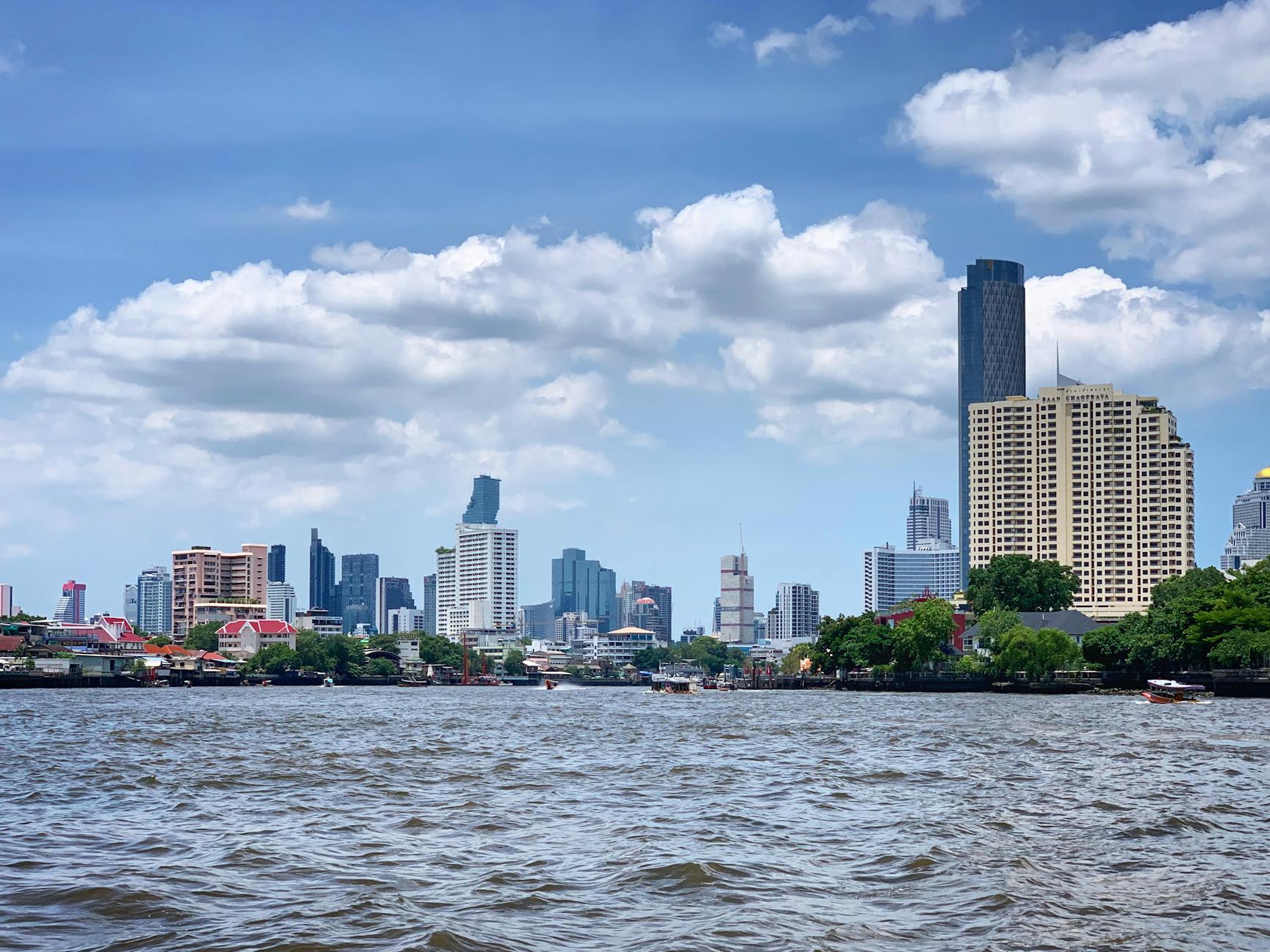
Top Recommendations
Quick, practical moves that save money and time:
– Stay near BTS/MRT or a major river pier to shave travel time and taxi costs.
– Buy a Rabbit card (BTS) or stored-value MRT card and top up small amounts to avoid single-trip fares.
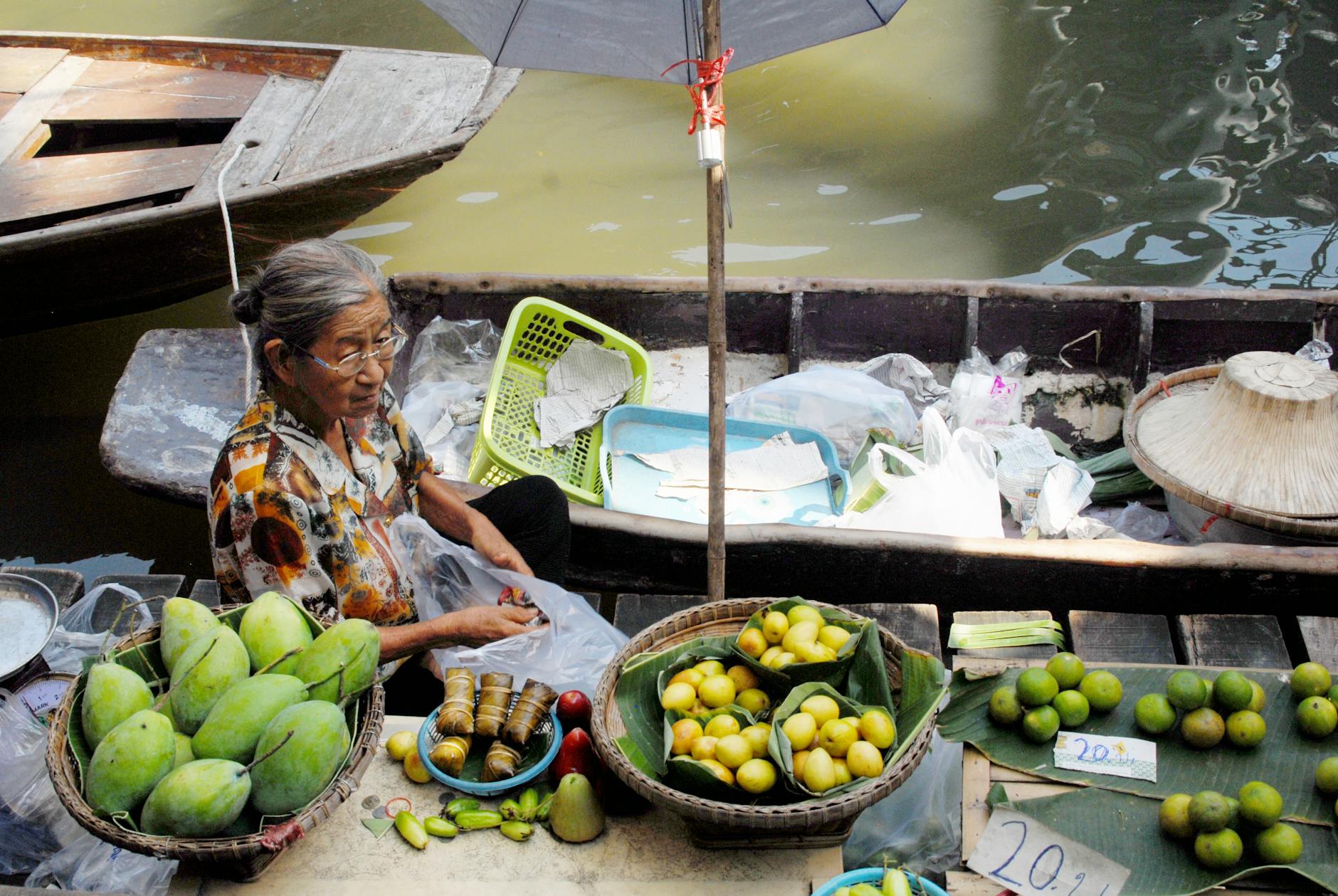
– Eat like a local: street meals 40–120 THB will cover most lunches and dinners; try market stalls in Chinatown and Talad Nam
– Book Grand Palace tickets and popular guided visits in advance for peak season; arrive early to avoid heat and crowds.
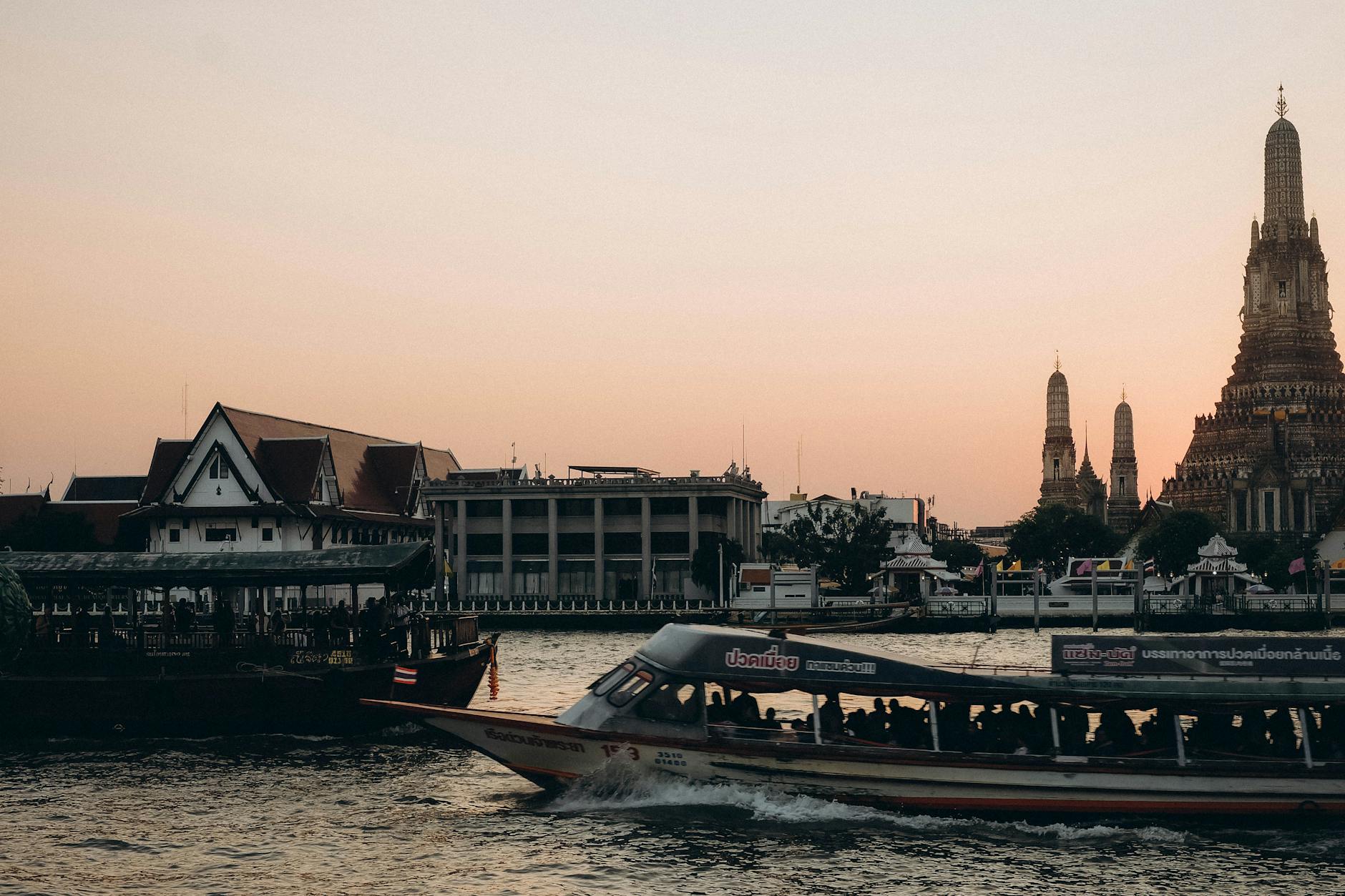
– Use the Chao Phraya Express boat for riverfront sites — cheap and scenic.
Sample per-item costs:
– Street meal: 40–120 THB
– Local bus: 8–20 THB; BTS single trip: 16–59 THB
– Metered taxi start: 35 THB + distance; typical inner-city short ride 60–200 THB
– Hostels: 200–800 THB; budget hotels: 600–1,500 THB; mid-range hotels: 1,800–4,000 THB
These choices keep spending local and reduce environmental impact compared with private tours or frequent taxi use.
Local Context
Seasonal patterns:
– Cool season (Nov–Feb): most comfortable but busiest and pricier.
– Hot season (Mar–May): higher temperatures, better off scheduling temple visits early morning or late afternoon.
– Monsoon (Jun–Oct): lower rates, fewer crowds; expect short rain showers and occasional flooding in low areas.
Transport realities:
– Bangkok traffic is heavy; BTS/MRT are fastest across central corridors. Allow extra time for road transfers, especially at rush hour.
– River taxis and ferries are often faster to reach riverside temples and markets than roads.
Neighborhood notes:
– Banglamphu/Banglamphu (Old City): best for budget travelers and quick access to Grand Palace and Khao San.
– Riverside (Thonburi/Phra Nakhon riverfront): calmer mornings, easy river access, slightly higher hotel rates.
– Siam/Sukhumvit/Silom: good for shopping, nightlife and transit connectivity; higher prices but efficient for a 3-day stay.
Local etiquette and safety:
– Dress respectfully at temples: shoulders and knees covered; remove shoes where required.
– Wai is common — a polite nod or wai is appreciated; tipping is modest and optional.
– Keep small notes and coins handy for markets and transport; many street vendors don’t accept cards.

How to Choose Well
Pick a neighborhood for how you’ll spend your 3 days:
– If the 3-day plan prioritizes Old City temples and Khao San, stay in Banglamphu or Phra Nakhon.
– If shopping and nightlife matter, choose Siam or Sukhumvit for direct BTS/MRT access.
– If you prefer quieter mornings and scenic stays, pick a riverside guesthouse near Tha Tien or Saphan Taksin.
Booking advice:
– Compare refundable rates vs non-refundable discounts; for shoulder or low season, flexible rates are cheaper.
– Book single attractions (Grand Palace, guided boat tours, weekend market timed tickets) at least a few days ahead during November–February.
– For day trips to Pattaya, Hua Hin or Cha-am, check public bus or train schedules for lower-cost options rather than private transfers. For Udon Thani, compare low-cost carriers versus an overnight bus depending on your time.
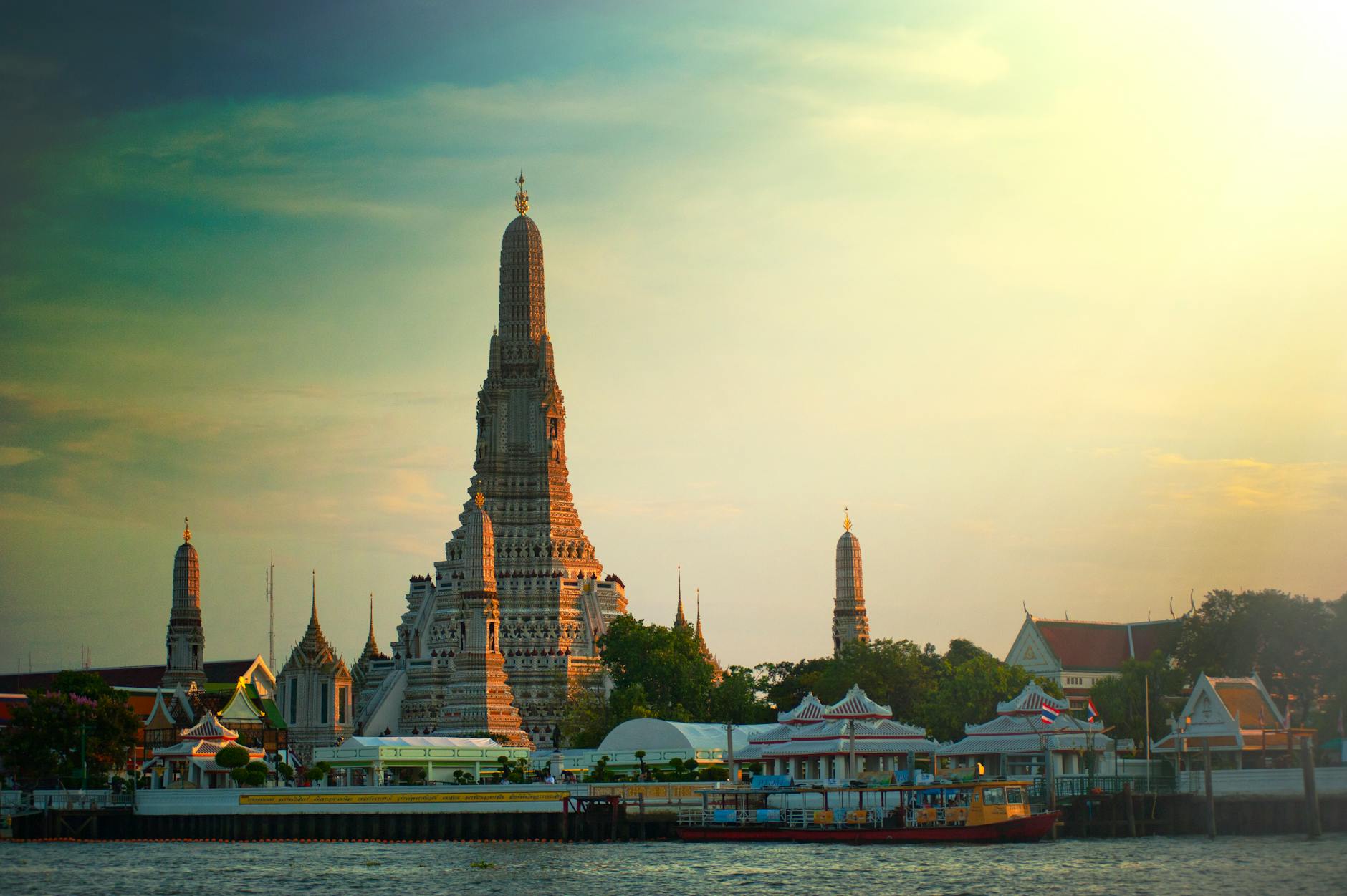
Responsible and Local-First Tips
Practical ways to keep your money local and reduce impact:
– Eat at local markets and family-run restaurants rather than international chains.
– Choose small guesthouses or family-run hotels; they often reinvest earnings in the neighborhood.
– Use public transit, river transport, walking, and shared rides instead of private cars when possible.
– Bring a reusable water bottle and shopping bag to reduce single-use plastic waste.
– Book community-led tours for canal neighborhoods (Thonburi) to support local guides and get authentic context.
– Avoid attractions that exploit animals; prioritize genuine cultural experiences and craft workshops that pay fair wages.
Common Mistakes to Avoid
Watch out for these common errors that waste time or money:
– Staying far from transit hubs thinking taxis will be cheap — traffic makes taxis costly and slow.
– Overplanning too many distant activities in a single day; Bangkok’s traffic and heat reduce what’s realistic.
– Hailing tuk-tuks for long trips without agreeing a reasonable price first — insist on the meter or negotiate a clear fare.
– Wearing inappropriate clothing at temples — you may be turned away and lose time.
– Ignoring weather forecasts during monsoon season; plan indoor backups like markets or malls.
– Booking the cheapest non-refundable flight or hotel during uncertain travel windows; a small upgrade in flexibility can save stress.
FAQ
How much should I budget for a 3-day trip to Bangkok if I follow the 3 days in Bangkok itinerary?
For the standard 3-day plan, budget roughly: 2,400–3,600 THB for a backpacker (800–1,200 THB/day), 4,500–9,000 THB for budget travelers (1,500–3,000 THB/day), or 10,500–18,000 THB for mid-range comfort. These include accommodation, local transport, meals, and typical attraction fees but not international flights.
Is it cheaper to stay near Khao San or Sukhumvit?
Khao San/Banglamphu is generally cheaper for accommodation and food but can be noisier and further from BTS lines. Sukhumvit costs more but saves time and taxi fares because of direct BTS access.
How can I save money on transport without losing time?
Use BTS/MRT for long central journeys, take Chao Phraya ferries for river sites, and plan attractions by corridor to avoid crossing the city by road during rush hour.
Are street food and market meals safe and budget-friendly?
Yes. Choose stalls with steady local crowds, hot food cooked to order, and visible turnover. Markets like Yaowarat and local sois are both economical and authentic.
Can I do day trips to Pattaya, Hua Hin or Udon Thani on a budget?
Pattaya and Hua Hin: use public buses or trains for lower cost; expect 2–4 hour journeys. Udon Thani is far northeast — budget travelers often prefer budget flights unless you have time for long-distance bus/overnight options.
When is the cheapest time to visit Bangkok?
Monsoon months (Jun–Oct) typically offer lower prices and fewer tourists. Consider late shoulder months (May or Oct) for reduced rates but still manageable weather. Book accommodation with flexible cancellation if weather is a concern.
Conclusion
A clear budget makes your 3-day Bangkok trip less stressful and more rewarding. Choose neighborhoods that match your priorities, favor transit and riverside travel to save time and money, and support local businesses and guides wherever possible. For a ready-made plan tuned to these costs, see our 3 days in Bangkok itinerary and consider nearby day trips to Pattaya, Hua Hin, or Si Racha if your schedule allows.
How this guide was prepared
This guide was prepared through a structured research that combines destination research, geographic context, itinerary planning logic, and content review.