
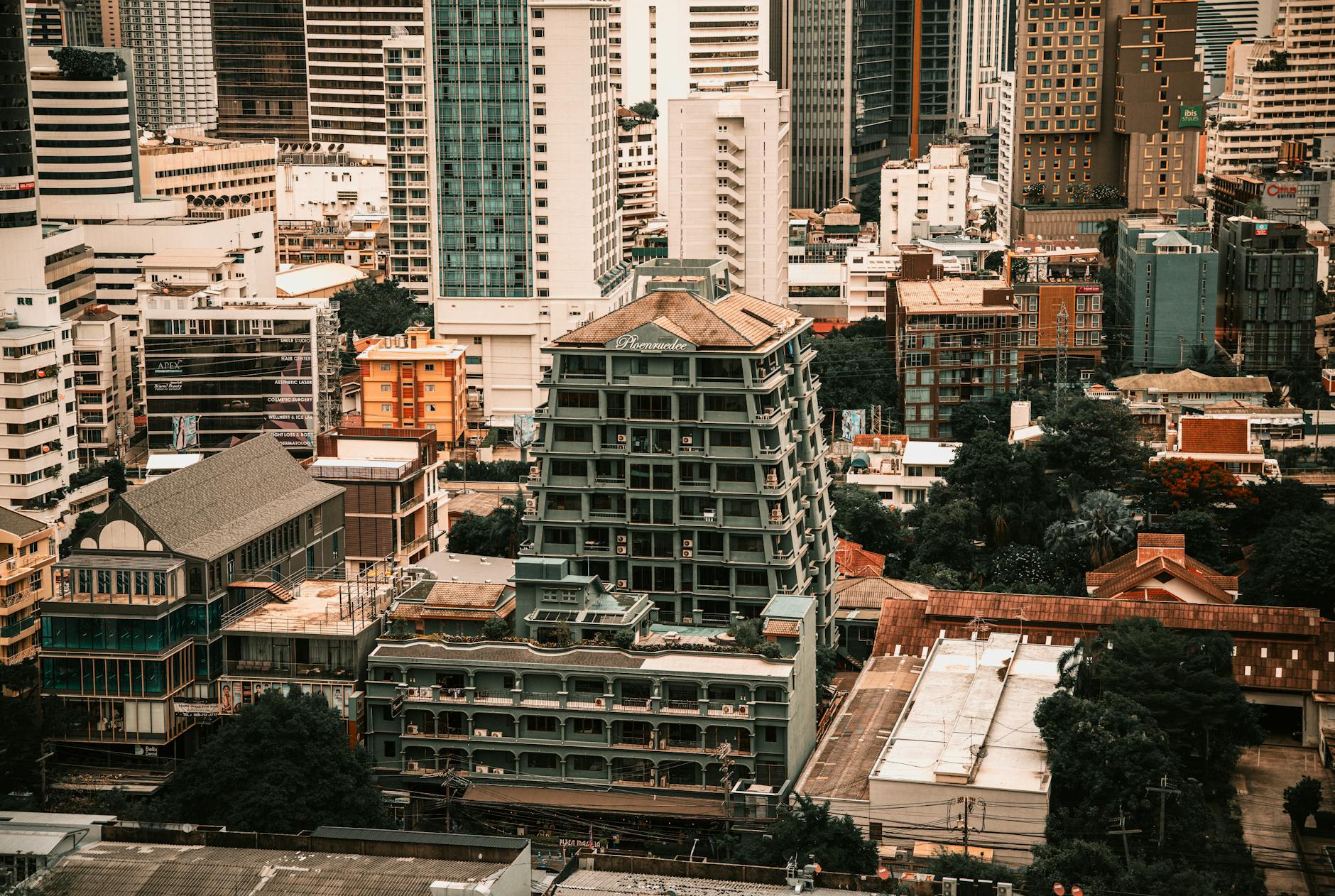
Responsible Travel in Bangkok — Practical Support for 3 Days in Bangkok
Practical, local-first advice for low-impact travel in Bangkok: where to stay, how to move, food and market guidance, etiquette, booking tips, and sustainable day-trip options to nearby towns like Hua Hin and Si Racha.
A concise, practical support page for travelers using our 3 days in Bangkok itinerary who want low-impact, local-first choices in neighborhoods, transport, food, and side trips.
Yes — Bangkok can be traveled responsibly with simple, practical choices.
Key quick points:
– Best months for lower crowds and cooler weather: November to February. Shoulder seasons (September–October) can mean fewer tourists but more rain.
– Favor riverboats, BTS/MRT, walking in compact neighborhoods, and cycle paths in green areas like Bang Krachao.
– Stay in locally owned guesthouses or small hotels in Phra Nakhon, Bangrak or Chinatown for walkability and direct local benefit.
– Choose small-group community tours for day trips and skip animal attractions that exploit wildlife.
– Carry a refillable bottle, use cash for markets, and tip modestly when service is personal.
This page supports our main 3 days in Bangkok itinerary with focused, practical guidance for travelers who want to minimize impact, support local businesses, and experience authentic urban life. It helps you pick neighborhoods, low-carbon transport, responsible food choices, and sustainable day trips to nearby destinations such as Hua Hin, Si Racha, Pattaya, Cha-am and Udon Thani. Use it alongside the 3-day guide for bookings and to layer in local-first options.
What This Page Helps You Decide
Use this page to finalize choices a few days before travel, or to adjust plans during your stay.
It helps you decide:
– Where to base yourself for a compact, low-transport 3-day plan (suggestions tied to the 3 days in Bangkok itinerary).
– Which transport mix to use on each day: riverboat + BTS for temples and markets; walking and short tuk-tuk hops for alleys and food stalls.
– How to choose markets and vendors that return income to families rather than large tourist traps.
– Which nearby towns make good responsible day trips, and how to book trains or small-group transfers.
Booking tip: align accommodation check-in times with your arrival and prebook long-distance trains or popular small-group tours during high season.
Top Recommendations
Prioritized actions to make your 3-day Bangkok trip more responsible:
1) Base yourself in walkable neighborhoods: Phra Nakhon (Old City), Bangrak (riverfront), or Chinatown (Yaowarat). These reduce travel time and spread spending to small businesses.
2) Use public transport and river taxis for major sights. Reserve taxis for late nights or heavy luggage.
3) Eat locally: pick family-run stalls and markets (Khlong Toei for produce, Yaowarat for Chinese-Thai snacks, smaller sois for neighborhood restaurants).
4) Book community-run or certified small-group tours for half-day excursions. For beaches or industrial towns like Si Racha or Pattaya, prefer guided activities that employ locals and limit environmental impact.
5) Time your days to avoid midday heat for outdoor temple visits; schedule indoor museums, massages or a river cruise at noon instead.
6) Respect dress codes at temples: shoulders and knees covered; remove shoes; avoid loud behavior in religious spaces.
7) Prebook intercity trains and popular river cruises if traveling during December–February or around national holidays.
Practical booking note: where possible, contact family-run guesthouses directly to confirm sustainability practices and flexibility for late arrivals.
Local Context
Neighborhoods and how they behave:
– Phra Nakhon and Banglamphu (Old City/Khao San): dense with temples and museums; very walkable but busy mid-morning to late afternoon.
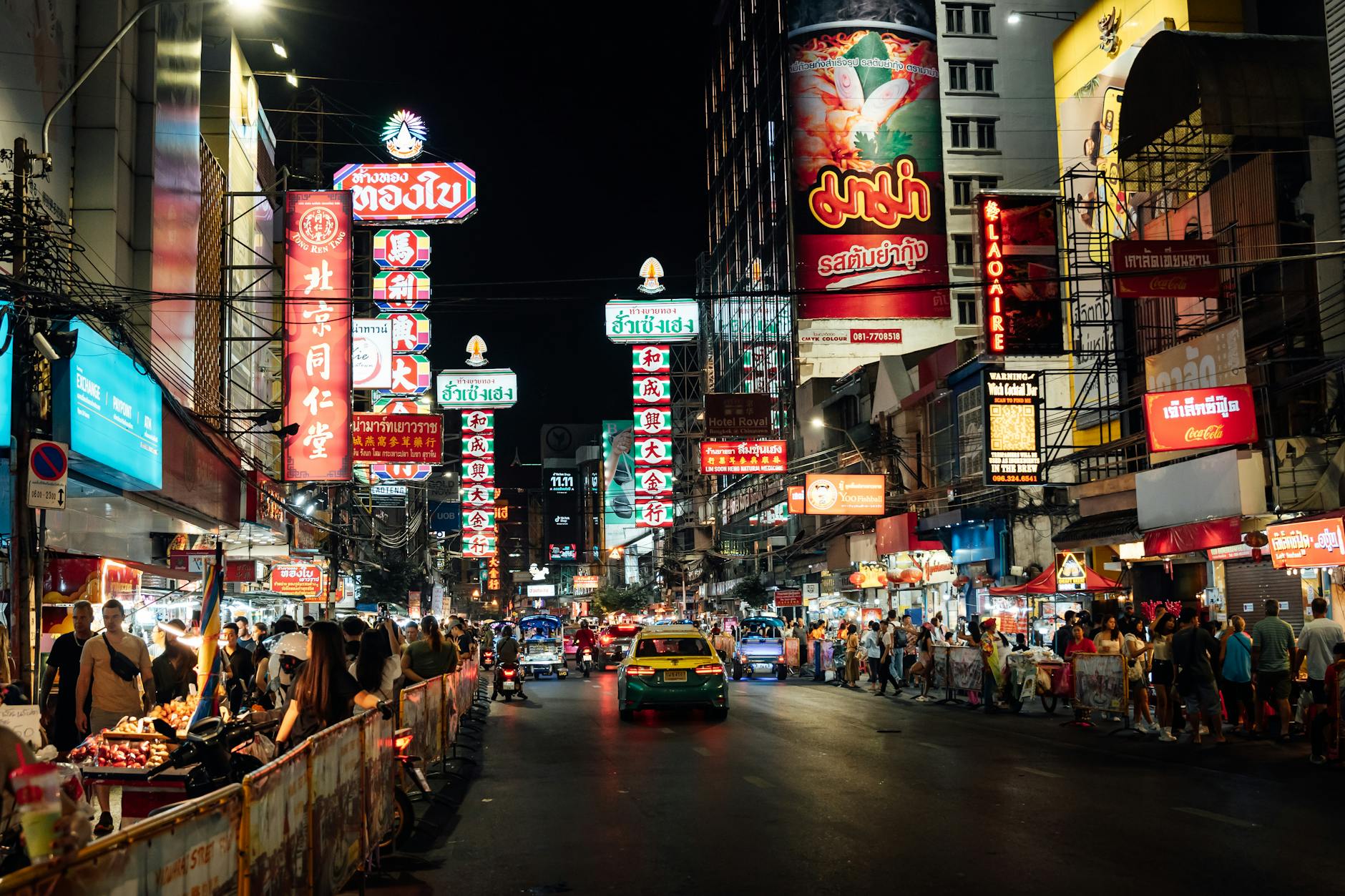
– Chinatown (Yaowarat): lively evening food scene and inexpensive shops; noisy at night but a compact area worth walking.
– Bangrak and Sathorn: mix of riverfront local commerce and business district; good for combining markets and BTS access.
– Sukhumvit: modern, well-served by BTS, but more commercial and often benefits larger hotel chains.
– Thonburi and Bang Krachao: greener, quieter, best for low-impact cycling and community visits.
Seasonal patterns:
– Hot season (Mar–May): aim for morning or late-afternoon outdoor plans.
– Rainy season (Jun–Oct): carry a light rain jacket; some boat services reduce frequency during heavy storms.
– Cool season (Nov–Feb): busiest time — book transport and accommodation in advance.
Transport realities:
– BTS and MRT cover much of central Bangkok but not every old-town street; riverboats fill key corridors.
– Traffic is heavy on major roads; journeys by road can double in peak hours.
– Taxis and motorbike taxis are cheap but negotiate or insist on the meter for road taxis.
Local etiquette and practicalities:
– Dress modestly for temples and formal sites; remove shoes when asked.
– Bargain politely in markets; use fixed prices at community stalls where posted.
– Carry small-denomination cash for stalls and informal services.
How to Choose Well
Accommodation
– Prefer small hotels, guesthouses, or family-run homestays in Phra Nakhon, Bangrak or Chinatown for authentic contact and local spending.
– Check reviews for safety, noise, and sustainability practices; ask about waste and towel reuse policies.
Tours and day trips
– Choose small-group operators who share profits with communities and avoid exploitative animal attractions.
– For trips to Hua Hin, Cha-am, Pattaya or Si Racha, compare train vs private transfer: trains are lower-impact and often comfortable if you book a proper seat in advance.
Eating and shopping
– Eat where locals eat: small stalls, neighborhood restaurants, and markets rather than only tourist menus.
– Buy crafts directly from makers or reputable cooperative stalls; avoid mass-produced souvenirs marketed as “traditional.”
Transport
– Prioritize river taxis, BTS/MRT, and cycle rentals in green areas. Keep one ride-hailing app for convenience but prefer public transport during peak hours.
Booking advice
– Reserve trains and popular river cruises in high season and check cancellation policies for last-minute changes.
– For the 3 days in Bangkok itinerary, align museum and temple bookings with opening times to avoid midday crowds.

Responsible and Local-First Tips
Practical ways to leave positive impact:
– Spend locally: eat at family stalls, buy from street artisans, and use neighborhood laundry and repair services.
– Reduce single-use plastics: bring a refillable bottle, carry reusable cutlery, and decline plastic bags.
– Choose walking, riverboat and rail for short-to-medium distances; these modes cut emissions and support public systems.
– Pick community-based experiences: cooking classes run by local families, neighborhood history walks, or guided cycling in Bang Krachao.
– Avoid animal encounters that involve riding, shows, or close-contact photos unless the operator can demonstrate clear welfare standards and local-community benefit.
– Volunteer thoughtfully: if you seek volunteer opportunities, use established organizations and short-term placements that do not disrupt local labor markets.
A final tip: traveling in shoulder seasons spreads visitor pressure and can increase your positive economic impact on local providers.
Common Mistakes to Avoid
Frequent errors and how to avoid them:
– Staying only on Sukhumvit and missing older neighborhoods. Solution: split nights or plan evenings in Chinatown or Phra Nakhon.
– Trying to visit too many temples in peak heat. Solution: plan two temple mornings and indoor or river activities at midday.
– Assuming all tuk-tuks and taxis run meters. Solution: insist on the meter or agree a clear fare before starting.
– Booking large, anonymous tours that send money offshore. Solution: prefer small local operators with clear community ties.
– Relying only on cards. Solution: carry small cash for market purchases and transport that prefers cash.
– Leaving footwear or valuables on riverboat docks. Solution: keep valuables secured and use common-sense situational awareness.
FAQ
Is Bangkok safe for solo travelers who want to travel responsibly?
Yes. Use common-sense precautions: keep valuables secure, prefer well-lit streets at night, use licensed taxis or ride-hailing apps after dark, and let someone know your rough plan. Neighborhoods like Phra Nakhon and Bangrak are generally safe but always stay aware in crowded markets.
How much should I tip in restaurants and for guides?
Tipping is appreciated but not mandatory. Small tips (20–50 THB) at street stalls or 5–10% in sit-down restaurants for good service are common. For private local guides, a modest tip based on satisfaction is appropriate.
Can I follow the 3 days in Bangkok itinerary using only public transport?
Largely yes. The 3 days in Bangkok guide is designed around riverboats, BTS/MRT and walking. Use a few short taxis for late-night returns or sites not well served by rail. For day trips to Hua Hin or Udon Thani, trains are recommended when schedules match your time.
Is street food safe?
Street food is a core part of Bangkok life. Choose busy stalls with high turnover, look for freshly cooked items, and eat where locals queue. If you have a sensitive stomach, favor cooked-to-order dishes and peelable fruit.
How do I get to nearby towns like Hua Hin, Si Racha or Udon Thani responsibly?
Trains are a low-impact option when available and comfortable for medium-to-long routes (Hua Hin, Udon Thani). For Si Racha or Pattaya, consider shared minivan services or book a small local operator that supports community guides. Avoid ad-hoc operators with poor safety reviews.
What should I pack for respectful temple visits?
Pack a light scarf or cover-up to cover shoulders, and trousers or a longer skirt that cover knees. A small bag to store shoes and a photocopy of your passport for any formal checks is useful.
Do I need to worry about language?
English is widely understood in tourist areas; learning a few polite Thai phrases (hello, thank you) goes a long way and signals respect.
Conclusion
Use this page as your quick-reference companion to the 3 days in Bangkok itinerary. Prioritize walkable neighborhoods, river and rail transport, and family-run businesses to keep your visit low-impact and locally beneficial. If you have extra days, consider responsible short trips to Hua Hin, Si Racha, Cha-am or Udon Thani booked through small local operators. Thoughtful choices stretch your travel budget into meaningful local support and make for a more authentic Bangkok experience.
How this guide was prepared
This guide was prepared through a structured research that combines destination research, geographic context, itinerary planning logic, and content review.