Pompei in 3 Days: Practical Itinerary, Transport, Food
A practical 3-day guide to Pompei covering the archaeological park, Santuario, Circumvesuviana and SITA transport, local food, realistic budgets, and timing.
A clear, no-nonsense 72-hour plan for seeing Pompeii's ruins, the Santuario, nearby Sorrento links and where to eat and sleep without wasting time.
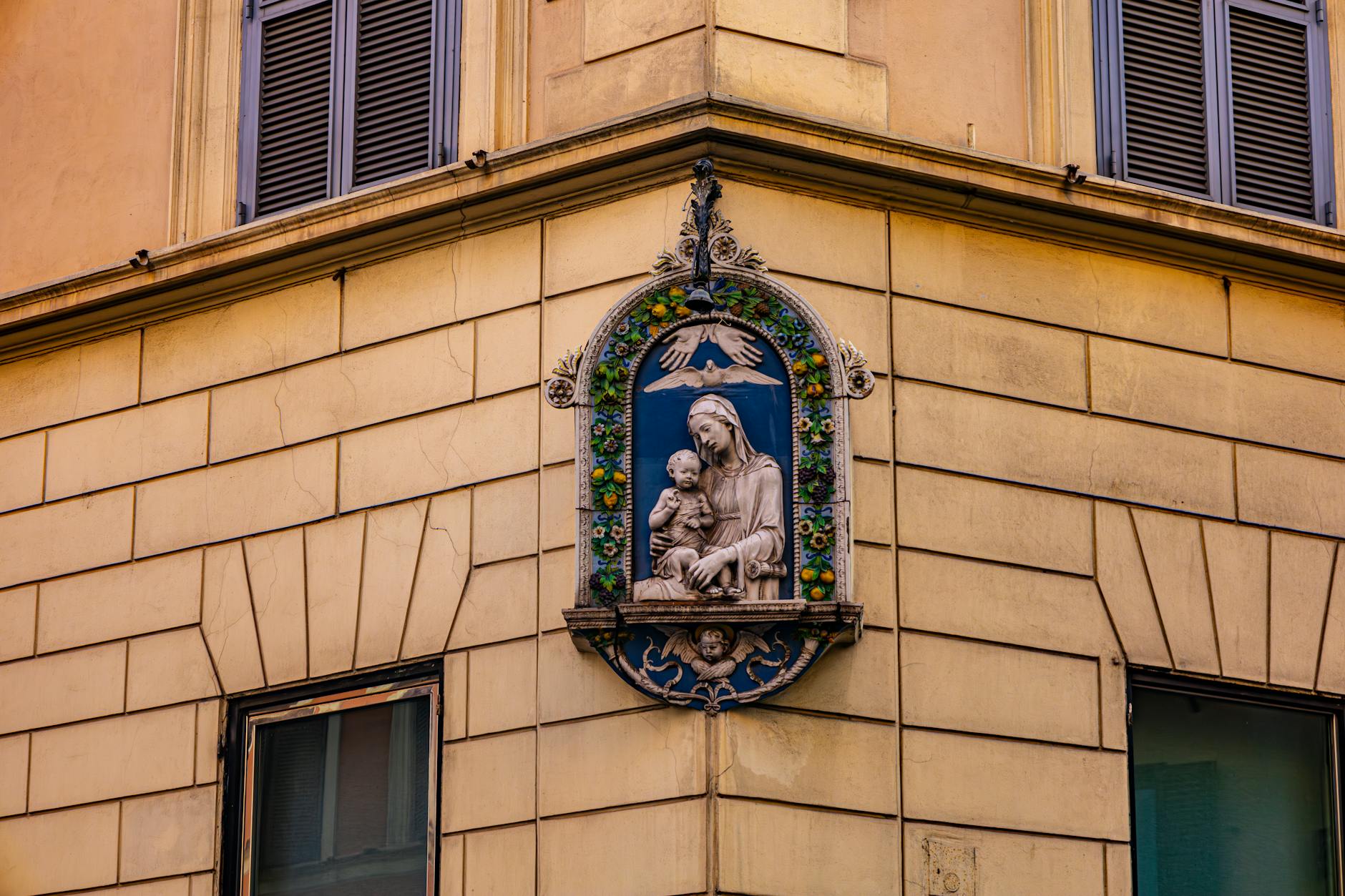
First impressions will likely be dominated by the ruins and the basilica near Piazza Bartolo Longo. The town itself is a working provincial centre with narrow streets, everyday shops and pilgrimage traffic that peaks around Sundays and feast days. Many visitors assume Pompei is only the archaeological site; the experience is split between the ruins, the Santuario (religious complex and its pilgrim infrastructure), and the ways people use the surrounding coast for day trips. Noise from buses and tourism is common in the centre during daytime; evenings quiet down and local life appears on Corso Umberto I and side streets.
Is 3 days in Pompei enough?
Three days in Pompei is enough to visit the archaeological park thoroughly, explore the Santuario area and take a half-day trip along the Sorrentine coast. Travelers should expect to skip more remote Vesuvio hikes or extended Amalfi Coast excursions unless extra time is added.
Who This Guide Is For
Best for history-minded travelers and those planning a weekend base for Sorrento or the Amalfi Coast; less suitable for travelers seeking nightlife or a long coastal holiday.
Local Tips for Pompei
Practical details that most travel sites skip — specific to Pompei.
- Buy Circumvesuviana single tickets at station machines or on the EAV app; the Naples–Pompei (Porta Nolana to Pompei Scavi) fare is about €3.90 one way and the ticket must be validated before boarding.
- Use Pompei Scavi–Villa dei Misteri station for direct access to the main archaeological entrances; the other Pompei Santuario station sits next to the Santuario di Pompei basilica and pilgrim facilities.
- Archaeological Park tickets are €18 full price when bought on the official website; timed entries can avoid queues, and lines are longest at Porta Marina and Piazza Esedra in high season.
- Local buses to the Amalfi Coast operate under SITA/Sitasud; the bus stop commonly used is at Via Sacra near Piazza Bartolo Longo and single tickets vary by route, often €2–€3 within the region.
- Many small bars and trattorie near Corso Umberto I and Via Roma still prefer cash; ATMs are available but can run low on change on busy days, so carry €20–€40 in small bills.
How This Guide Was Prepared
A short stay in Pompei is less about ticking one big attraction and more about combining the archaeological park with local pilgrimage culture and Amalfi-Coast transport logistics. Most guides treat Pompeii as a single-site day trip; this guide separates the ruins, the Santuario neighbourhood, and practical transit connections so a visitor can experience how locals live alongside the archaeological park. This guide was prepared through a structured research that combines destination research, geographic context, itinerary planning logic, and content review.
Plan Your Stay in Pompei
Use this itinerary as your starting point, then compare areas to stay, transport options, seasonal timing, and realistic daily costs before booking.
Why Visit
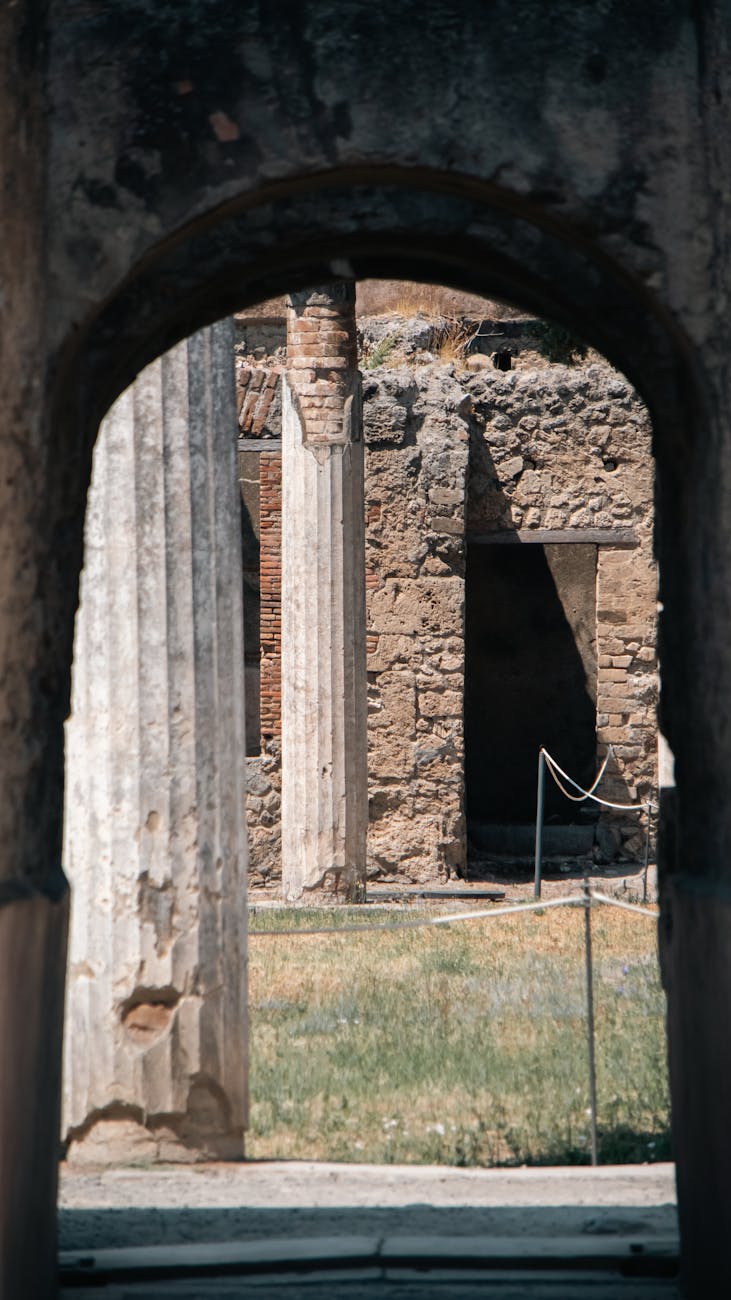
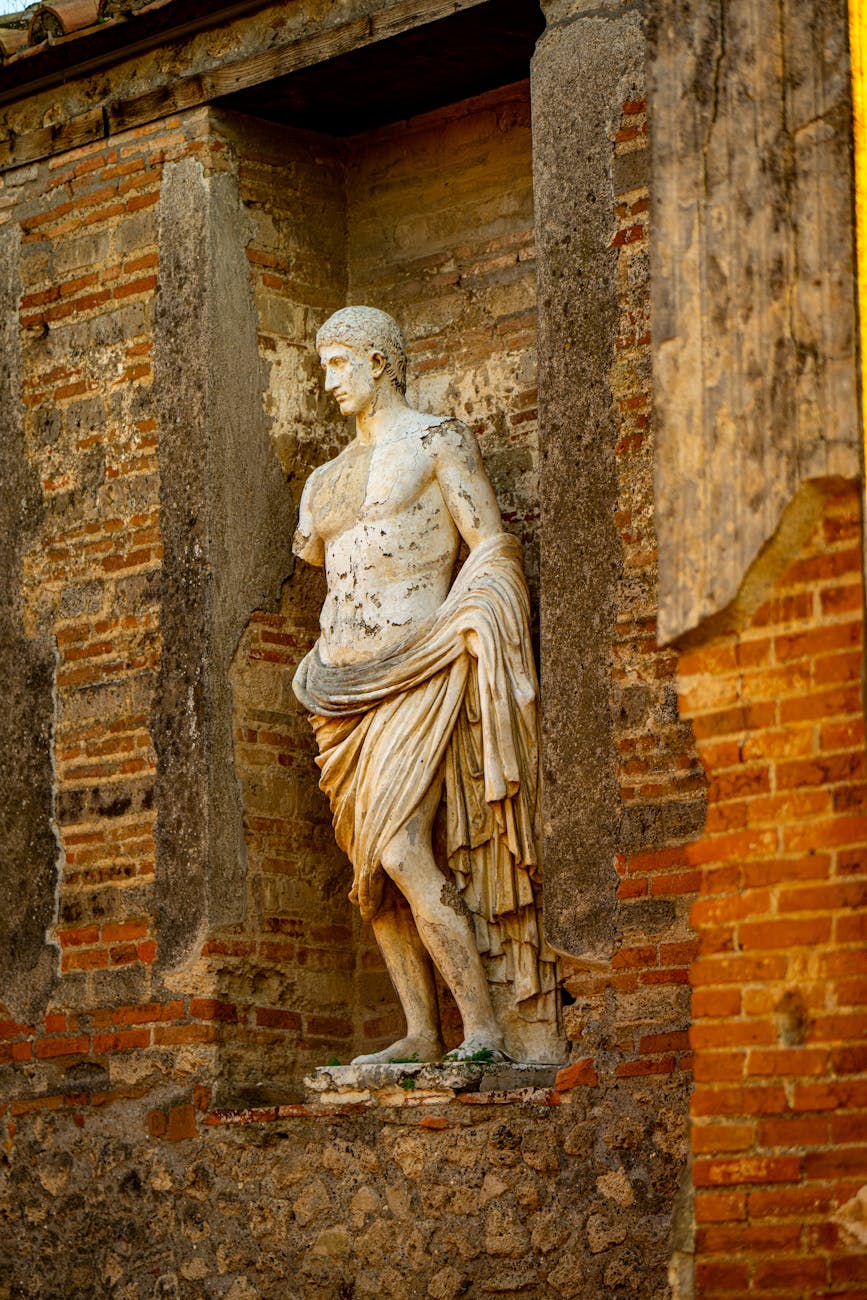
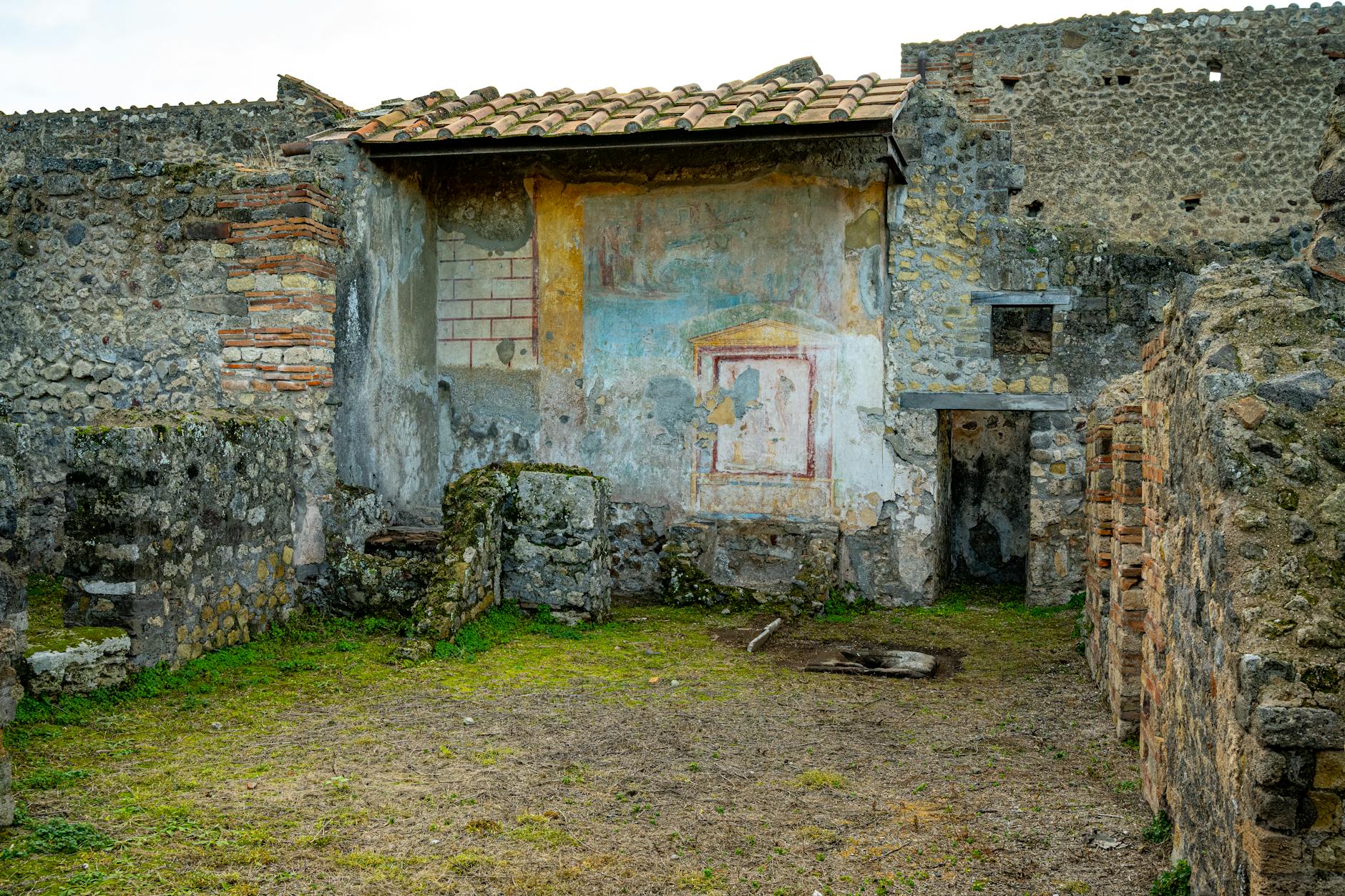
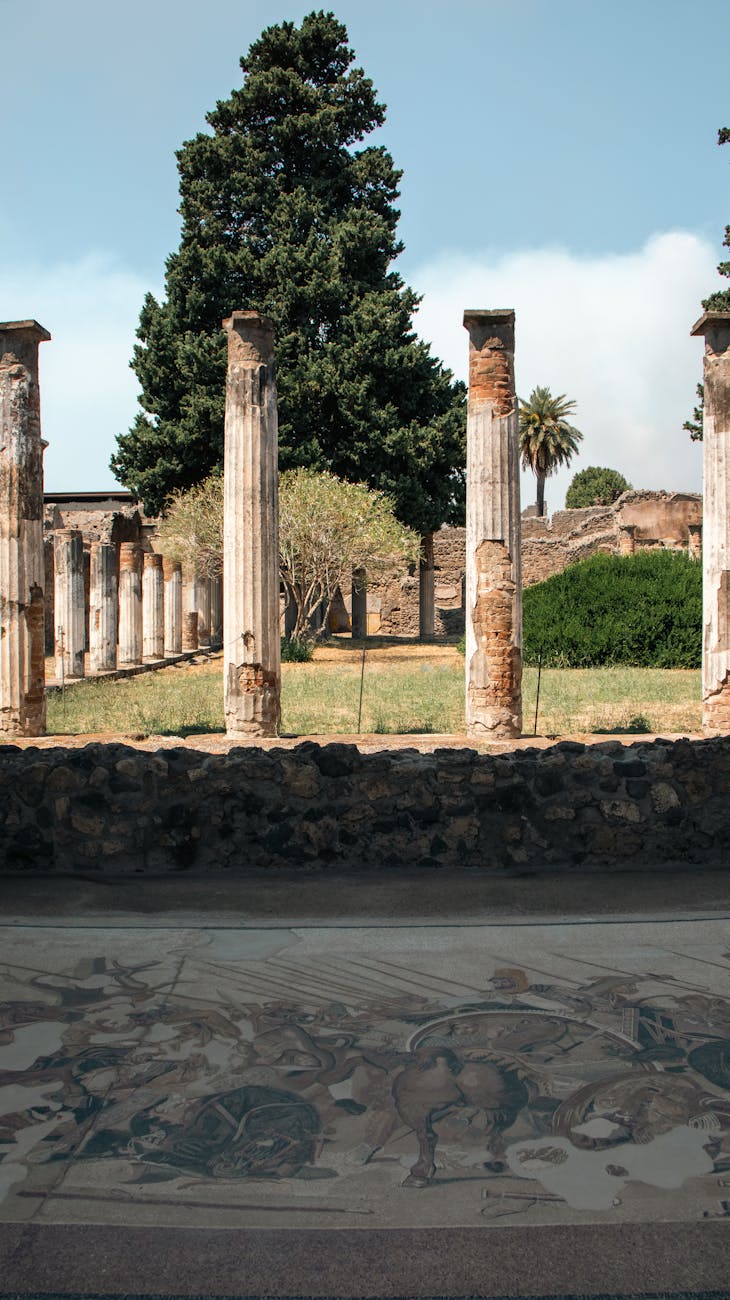
The archaeological park preserves streets, houses and frescoes that illustrate Roman daily life better than a single museum display. Villa dei Misteri offers some of the best-preserved frescoes and a compact route that can be seen in under an hour if pressed for time. The Santuario di Pompei is a living pilgrim site with a 19th-century basilica, votive ex-votos and a different local rhythm than the ruins; it explains why the town developed where it did. Finally, Pompei is a practical base for short trips: the Circumvesuviana rail connects directly to Napoli and Sorrento, and SITA buses run toward Amalfi and Salerno, so a short stay can combine archaeology with the coast.

Quick Planning Tips
Arrive by Circumvesuviana train from Napoli Porta Nolana or Napoli Garibaldi; alight at Pompei Scavi–Villa dei Misteri to be closest to the main archaeological entrances. From Napoli Capodichino airport, a common route is Alibus or taxi into Napoli Centrale, then Circumvesuviana; a direct private transfer costs substantially more. Bring a combination of cash and card—many cafés near the ruins accept cards but small stalls and local buses often prefer cash. One planning mistake to avoid is overloading day one: start with the main ruins and leave the museum areas and lesser houses for day two so the itinerary stays manageable in the heat.

Day 1
Morning: Enter the archaeological park via Porta Marina or Pompei Scavi and head first to the Forum, roughly a 10–15 minute walk from the Scavi station entrance. Allow 45–60 minutes to inspect the Forum, Basilica ruins and nearby markets; the area is flat but exposed to sun. Midday: Walk along Via dell'Abbondanza toward the House of the Faun and Casa del Fauno, about 10–20 minutes on foot from the Forum. These larger houses contain mosaics and open courtyards; budget another 45–60 minutes. Lunch: Eat at Caffè del Forum or Trattoria da Peppino on Corso Umberto I for pizza or pasta; expect €8–€15 for a lunch plate. Afternoon: Visit Villa dei Misteri at the western edge of the park, a 10–15 minute walk from Casa del Fauno; this is where the famous Dionysian frescoes are. Late afternoon: Take the short walk back toward the Antiquarium (Pompei's small museum) near Piazza Anfiteatro to see artifacts removed from the site; this adds context and is a good cool indoor stop. Evening: Have dinner near Corso Umberto I and then a short paseo along Via Roma; many shops close by 21:00 except for tourist eateries.

Day 2
Morning: Start at the Antiquarium and then walk to the Amphitheatre of Pompeii in about 10–15 minutes; the amphitheatre is one of the oldest surviving Roman venues and can be toured from the exterior with closer inspection inside. Midday: Walk toward the Garden of the Fugitives area and the plaster casts — this takes 15–20 minutes from the amphitheatre — to understand the human story of Vesuvius' eruption. Lunch: Try Trattoria Il Fienile or Pizzeria La Bettola, which are both within a 10-minute walk of the amphitheatre; expect mains €10–€18. Afternoon: Exit toward the Santuario district via a 20–25 minute walk or a short local bus; visit the Santuario di Pompei (Basilica of Our Lady of the Rosary) and the votive halls, where pilgrims leave offerings. Late afternoon: Walk along Corso Umberto I for local shops, or ride a 15–20 minute Circumvesuviana trip to Torre Annunziata for a coastal view if energy permits. Evening: Attend evening mass or candlelight at the Santuario if scheduled, then dinner near Piazza Bartolo Longo where pilgrim-oriented restaurants and cafés operate late.

Day 3
Morning: Take a short Circumvesuviana trip to Ercolano or Sorrento if a coastal half-day is preferred; trains to Sorrento from Pompei Scavi run about every 20–30 minutes and the ride is roughly 30–40 minutes. Alternatively, use this morning to revisit any sections of the archaeological park missed earlier, such as smaller houses on Via Stabiana; walking between sites within the park generally takes 10–25 minutes. Lunch: For a quicker option before departure, stop at Bar Flora near the Scavi entrance for coffee and a sfogliatella or a panino, price €3–€6. Afternoon (if checking out): If catching an afternoon flight from Napoli, allow two hours from Pompei Scavi to Napoli Centrale by Circumvesuviana plus airport transfer time; a taxi from Pompei to Napoli Capodichino typically costs €60–€80 depending on traffic. For slower departures, visit the Certosa di San Giacomo exhibits or the local craft shops on Via Roma before leaving. Evening: If staying the final night, pick a quieter restaurant off Corso Umberto I; avoid the busiest terraces near the main entrances which are pricier and louder.

Best Local Experiences
Mercato di Pompei (near Via Roma) sells local produce and offers a view into everyday town life; visit in the morning for fresh fruit. Attend a Sunday mass or votive procession at the Santuario di Pompei to see how pilgrimage shapes the town; major feast days draw large crowds. Walk early along Via dell'Abbondanza inside the archaeological park before tour groups arrive to enjoy quieter frescoed houses. Take the short Circumvesuviana hop to Ercolano for a comparison in preservation and fewer crowds. Join a specialist guided tour of the archaeological park focused on urban topography or wall paintings, often offered through licensed guides at the Scavi ticket offices.

Where to Stay
Historic centre (around Corso Umberto I and Via Roma): Suited for first-time visitors who want immediate access to cafés, restaurants and the Santuario; rooms typical range from €70–€120 per night (≈€76–€130 USD) for mid-range B&Bs. Near Pompei Scavi station: Suited for early access to the archaeological park and easy rail connections to Napoli and Sorrento; expect €60–€100 per night (≈€65–€110 USD) for practical hotels and guesthouses. Santuario district (around Piazza Bartolo Longo): Suited for travelers who wish to experience pilgrimage culture and quieter evenings; prices vary but small hotels and religious guesthouses can be €40–€80 per night (≈€43–€87 USD). Prices rise in July–August and around major religious feast days; booking ahead for weekends and summer is advisable.
Food and Drink
Pizza Margherita: Classic Neapolitan-style pizza with soft crust and charred spots; try at Pizzeria Gianni or Pizzeria La Bettola for €6–€12. Sfogliatella: Crisp, layered pastry filled with ricotta or cream, common at Bar Flora for €2–€4 as a breakfast choice. Pasta alla Genovese or ragù: Local weekday trattorie offer simple pasta dishes for €8–€15; Trattoria da Peppino serves perennial local plates. Street food—arancini or fried pizza slices: Sold at market stalls and takeaways for €2–€4, useful for a quick lunch between ruins visits. Dinner recommendation: Choose a trattoria off the main tourist terraces, such as those on Via Sacra side streets, where a three-course meal including wine runs €18–€30 per person. Coffee culture: Espresso is short and strong and costs about €1–€1.50 at a bar counter.
Getting Around
Primary local transport is the Circumvesuviana commuter rail (Napoli–Sorrento line) with stations at Pompei Scavi–Villa dei Misteri and Pompei Santuario. Local buses on regional routes are run by SITA/Sitasud toward Sorrento and Amalfi; stop locations are near the Santuario and Piazza Bartolo Longo. Single Circumvesuviana tickets are about €1.80–€3.90 depending on distance; a common Naples–Pompei fare is €3.90 one way. Day passes for regional transport are limited; check the EAV app for multi-day options and Trenitalia/EAV for intercity segments. Taxi fare from Pompei to Napoli Capodichino airport usually runs €60–€80; a taxi to Napoli Centrale might be €50–€70, depending on traffic. Useful apps and cards: EAV Trenitalia apps for timetables and ticket purchases, and SITA Sud timetables for buses; validate paper tickets on board or at station machines before travel.
Best Time to Visit
Spring (April–June) offers warm days around 18–26°C and manageable crowds before July; late May and early June balance weather and lower prices. High summer (July–August) is hot (25–33°C) and crowded; archaeological routes are exposed and midday heat can be oppressive, increasing water and sunscreen needs. Autumn (September–October) brings lower temperatures 18–26°C and fewer day-trippers from Naples, making it a strong value window. Winter (November–March) is quiet, cool (8–15°C) and cheaper, but some tourist services reduce hours and fewer guided tours run.
Budget and Practical Tips
Typical daily budget for a practical mid-range traveler: Accommodation €60–€100 (≈€65–€110 USD), food €25–€45 (breakfast €3–€6, lunch €8–€15, dinner €12–€25), transport €6–€12 (local trains and buses), entry fees €18 for the archaeological park plus optional site museums €3–€10. Budget travelers can aim for €30–€50 per day excluding accommodation by using market food and shared dorm or low-cost guesthouses. Mid-range totals per day including accommodation usually run €120–€180 (≈$130–$195 USD). Tipping norms: Service is often included as 'servizio' or a small cover charge; leaving small change or rounding up for table service is appreciated but not mandatory. Practical tip: wear sturdy shoes for the uneven ancient paving stones and carry water; shade is limited inside the ruins.
FAQ
How long should I spend at the archaeological park?
Plan three to four hours for the main circuit (Forum, Via dell'Abbondanza, Villa dei Misteri) and add time for the Antiquarium or extra houses if interested.
Is Pompei safe for solo travelers?
Pompei is generally safe during daytime in tourist areas; standard precautions apply after dark and in quieter streets—keep valuables secure and avoid walking alone far from main roads at night.
Can the archaeological park be visited with reduced mobility?
Parts of the park have uneven surfaces and limited ramps; check accessibility information at the main entrances and consider guided accessible tours or contacting the park for assistance.
Is a guided tour worth buying?
A licensed guide adds context to mosaics and house plans and can save time—book through the park's official list or at the ticket offices near Scavi entrances.
Should a Pompei card or city pass be purchased?
There is no single Pompei city pass that covers everything; buy an archaeological park ticket online for timed entry and check combined tickets if visiting Herculaneum or the Naples Archaeological Museum.
What are transport options to Sorrento or Naples?
Circumvesuviana trains run between Napoli and Sorrento stopping at Pompei Scavi; regional SITA buses connect to Sorrento, Amalfi and Salerno with variable schedules.
Are there luggage storage options for day trips?
Some hotels offer luggage holding for non-guests and there are lockers near Napoli Centrale; Pompei Scavi station has limited options so confirm in advance.
Do I need cash or cards in Pompei?
Cards work at larger restaurants and hotels, but small cafés, market stalls and some bus drivers prefer cash—keep small euro notes for purchases under €10.
Conclusion
A well-paced three-day stay allows a careful reading of the ruins, time with the Santuario and at least one short coastal hop. The lasting impression is likely to be the contrast between Roman streets frozen under ash and the living town that grew back around pilgrimage and tourism. If time becomes tight, prioritise the Forum-to-Villa dei Misteri route inside the archaeological park — it captures the architecture and the fresco work that most visitors come to see.
How this guide was prepared
This guide was prepared through a structured research that combines destination research, geographic context, itinerary planning logic, and content review.