
3 Days in Salerno: A Practical Itinerary
3 days in Salerno: a compact seaside city with a medieval center, Castello di Arechi and Giardino della Minerva. Ideal base for Pompeii and the Amalfi Coast.
Three days to explore Salerno’s cathedral, castle, seaside promenade and markets, with one day for Pompeii or the Amalfi Coast. Walkable, less crowded, delicious.
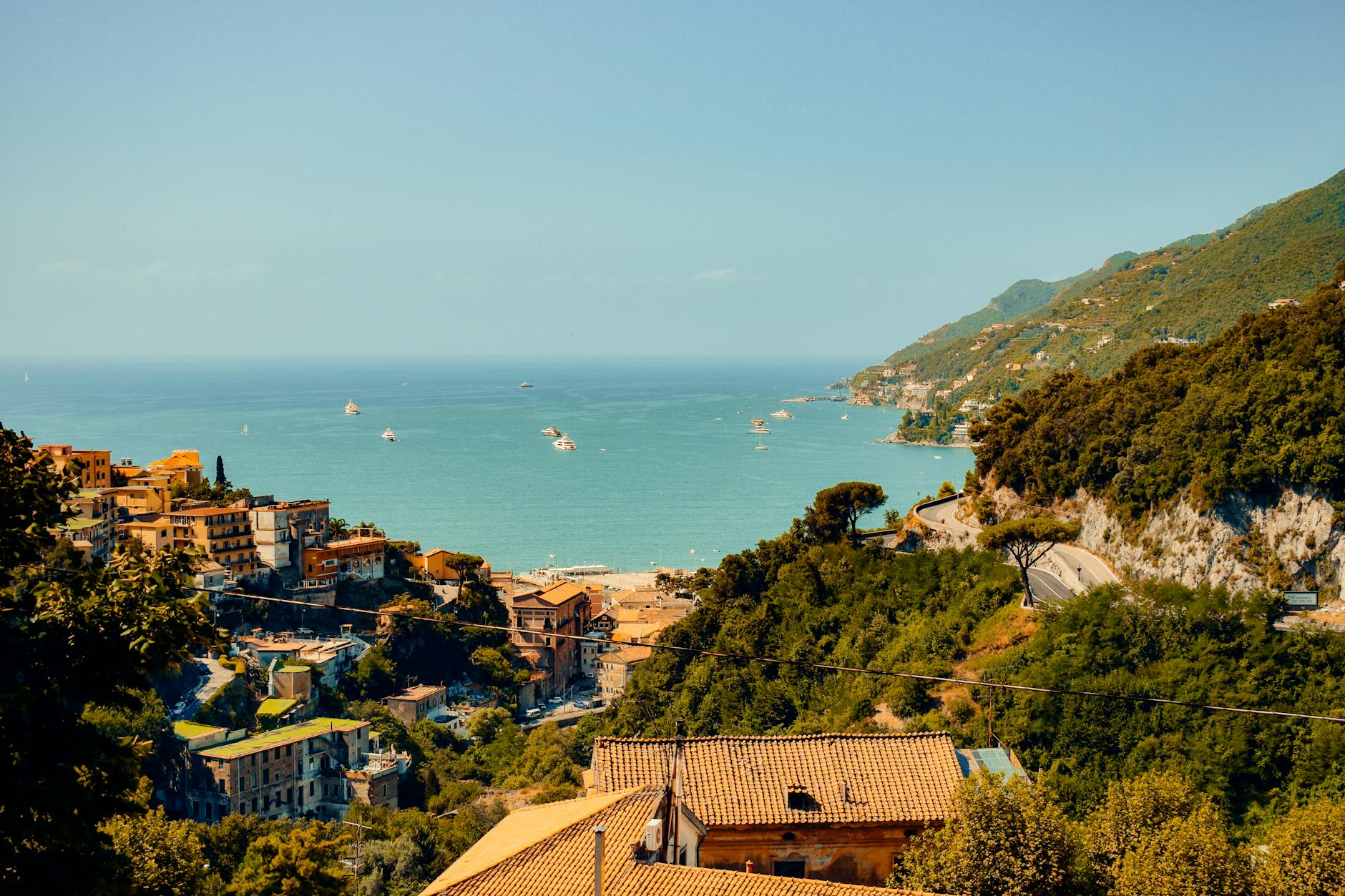
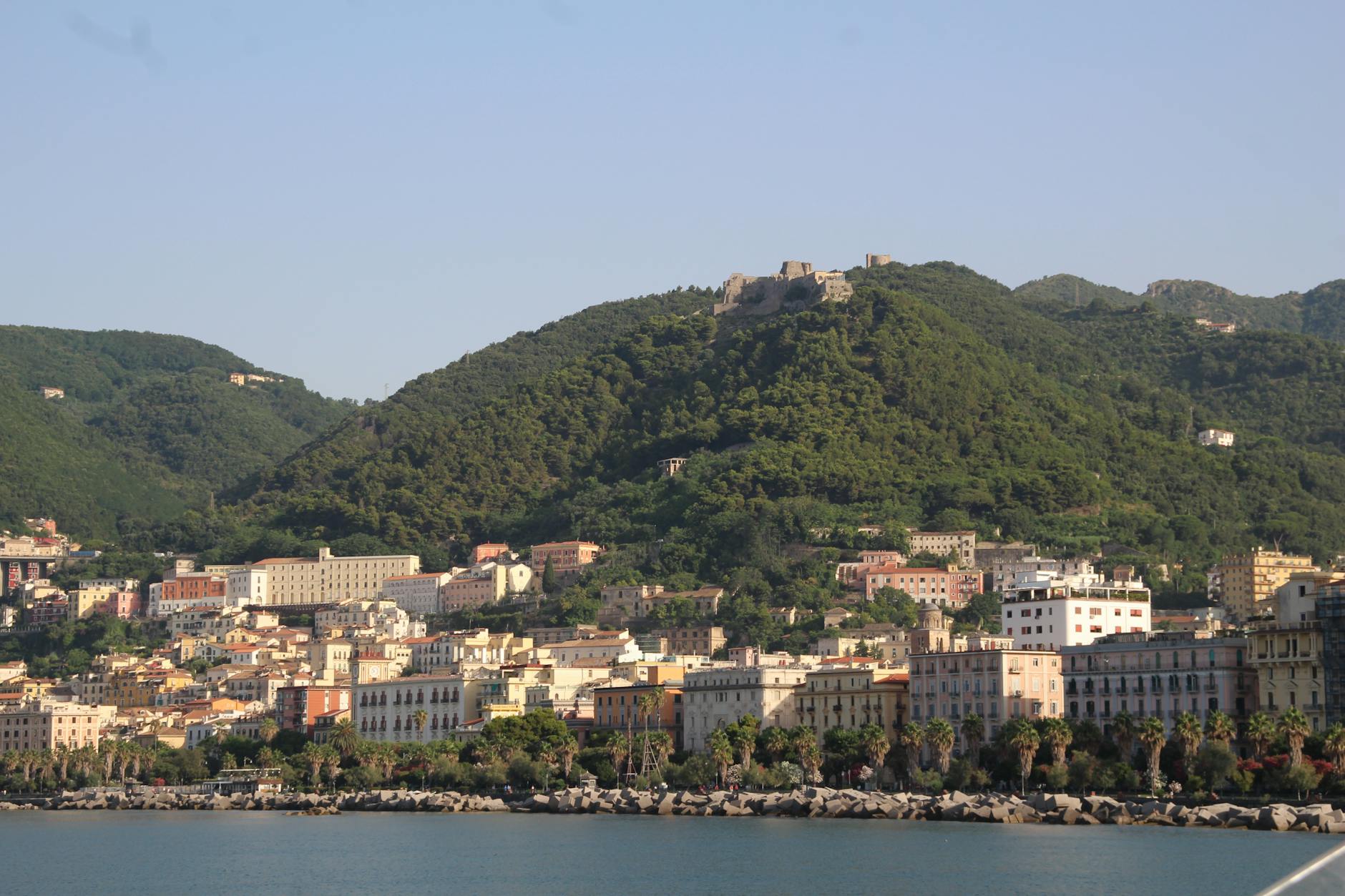
Salerno is a compact, seaside Italian city that blends a medieval core, a lively seafront promenade and approachable everyday life. It suits travelers who want authentic coastal Italian culture without the crowds and steep prices of Amalfi or Positano: history fans, food lovers and people using the town as a base for nearby sites like Pompeii, Sorrento and Naples. Three days works well because the main attractions—the cathedral, Castello di Arechi, Giardino della Minerva and the lungomare—are close together and can be enjoyed at an easy pace, leaving one day for a nearby day trip or a relaxed beach afternoon. The city is walkable, has good train and ferry links, and a lively market scene.
Why Visit
Discover a quieter Amalfi-Coast experience with strong local identity. The medieval center and narrow lanes feel lived-in rather than touristy. The Castello di Arechi gives sweeping views over the gulf, while the Giardino della Minerva is a rare, well-preserved medieval botanical garden. Salerno is also a practical hub: high-speed trains connect to Naples and Rome, ferries reach Amalfi and Capri, and Pompeii is a short ride away. Food is a draw—seafood, Campanian produce and small family-run restaurants replace the postcard prices of nearby resort towns.
Quick Planning Tips
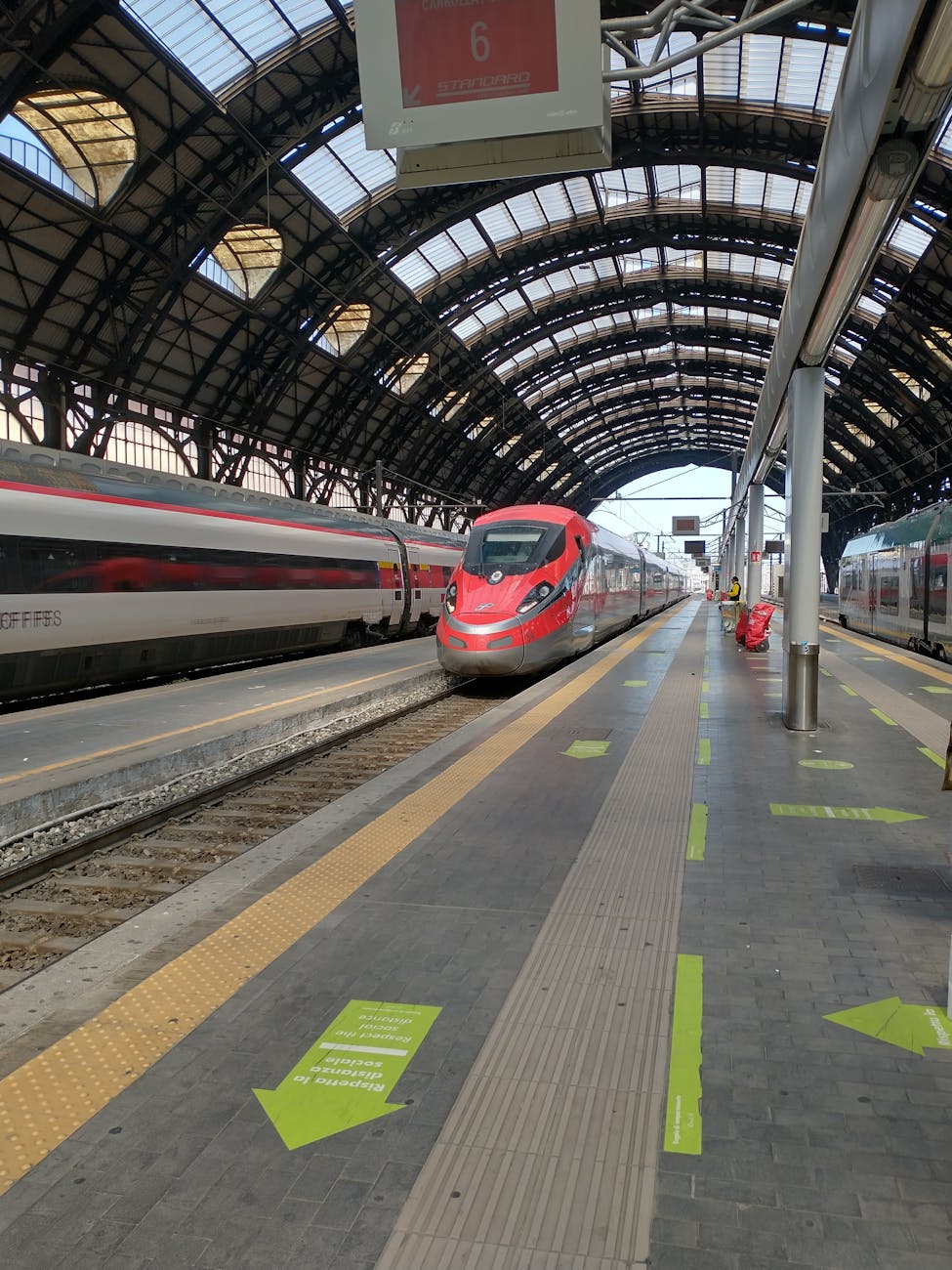
Arrive by train to Salerno Centrale for the most convenient access; Naples international flights are a short train ride away. Pack comfortable shoes for cobbled streets and steep lanes. Carry cash for small cafés and market stalls—cards are widely accepted but not everywhere. If you plan a day trip to Amalfi or Positano, check SITA bus and ferry schedules in advance; summer ferries fill up. Learn a few Italian phrases; English is common in tourist spots but less so in neighborhood trattorie. Expect warmer weather from late spring to early autumn and quieter streets in November–March.
Day 1
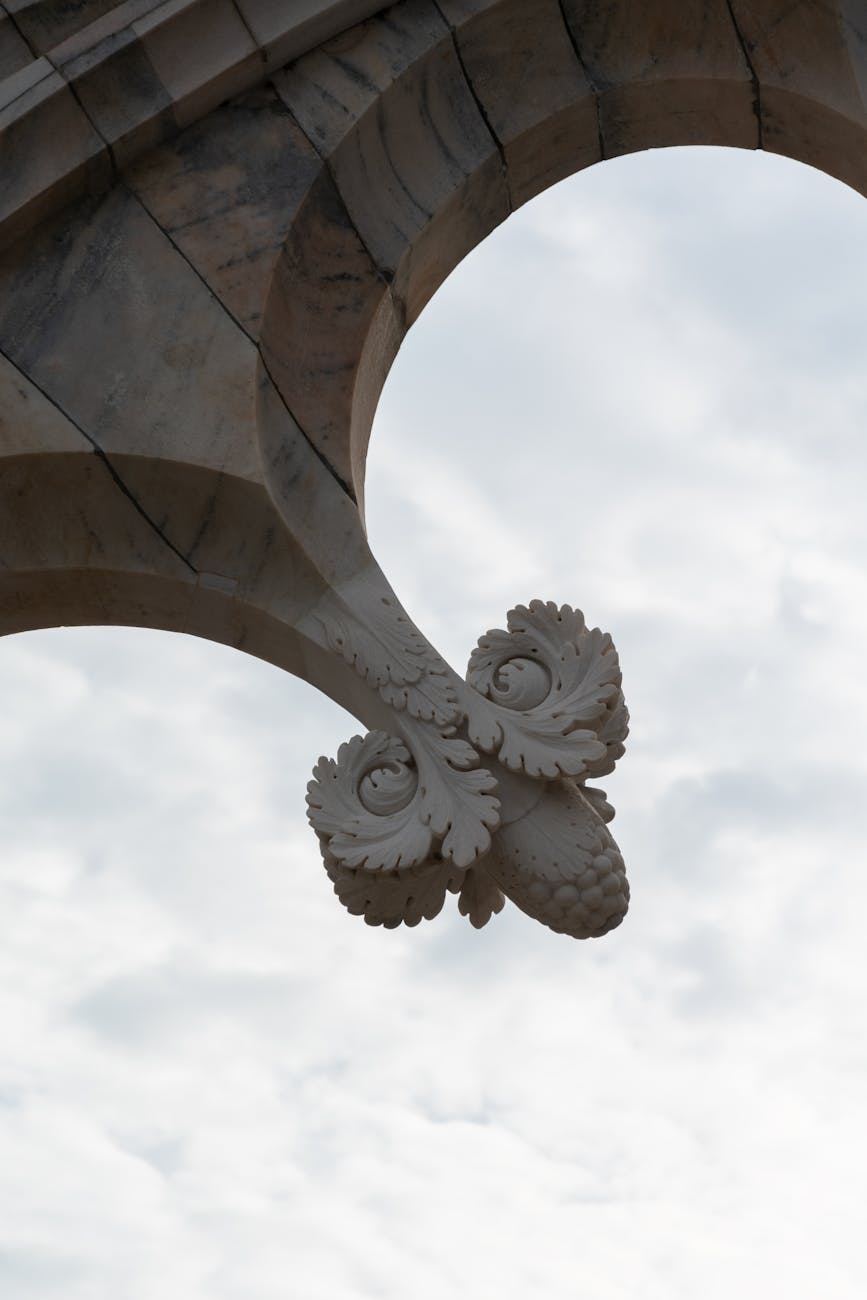
Morning: Start at the Duomo di Salerno (Cattedrale di San Matteo) to see the crypt and medieval portal. Wander Via Duomo and the narrow lanes of the historic center, stopping at coffee bars near Piazza Alfano.
Midday: Lunch around Via Mercanti or Largo Campo, try a seafood pasta or pizza made Neapolitan-style. Visit the Museo Archeologico Provinciale if you like archaeology.
Afternoon: Relax on Lungomare Trieste; walk the seafront toward Marina d'Arechi for views and photo spots. Evening: Dine in the waterfront district or choose a family-run osteria in the old town.
Day 2
Morning: Take the fun walk or a short bus ride up to Castello di Arechi. Spend time on the battlements and enjoy panoramic Gulf of Salerno views.
Midday: Descend to Giardino della Minerva. This restored medieval garden is compact but peaceful—ideal for lunch near the terraces and aromatic herbs.
Afternoon: Explore the Scuola Medica Salernitana sites and small museums around the old town. Stop at local pasticcerias for sfogliatelle or granita.
Evening: Theatre night at Teatro Verdi if performances coincide, otherwise enjoy an evening passeggiata and seafood dinner near the port.
Day 3
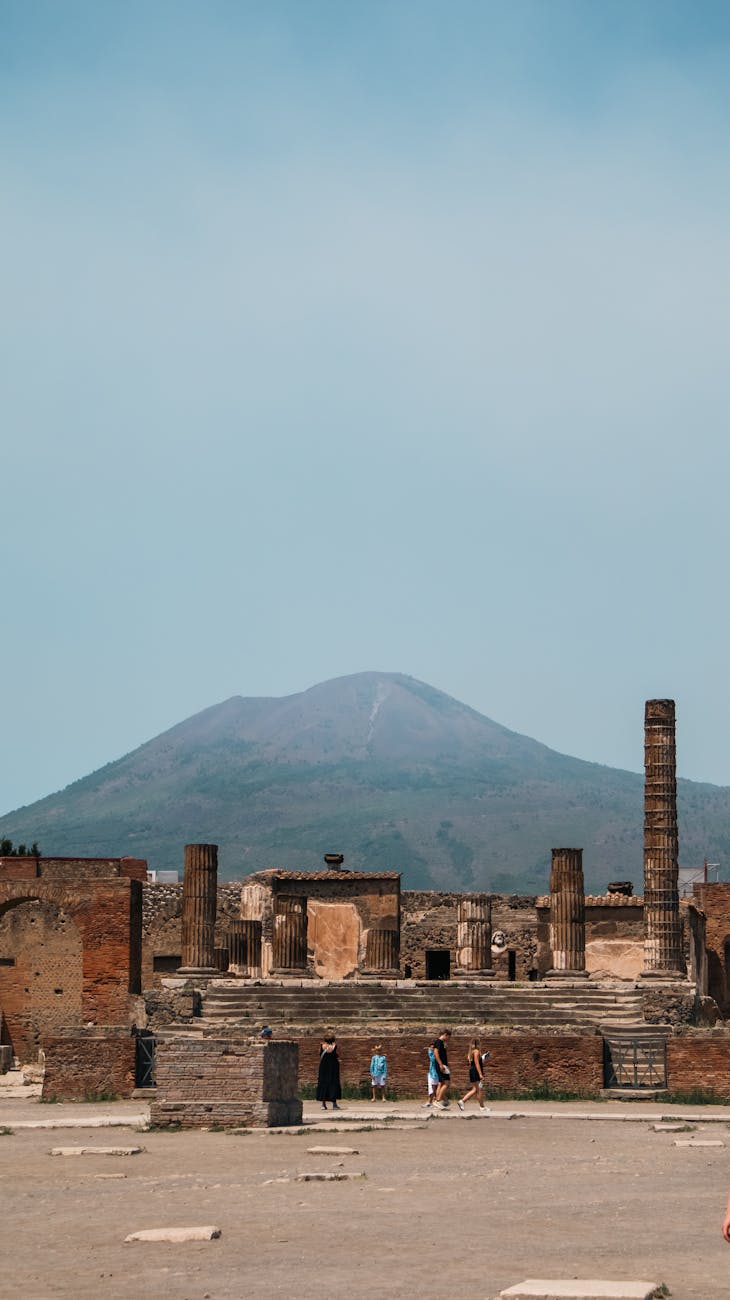
Option A – Pompeii day trip: Catch a morning Circumvesuviana or regional train to Pompei (about 30–40 minutes). Spend the day exploring the excavations and allow time for the museum. Return to Salerno for a late dinner.
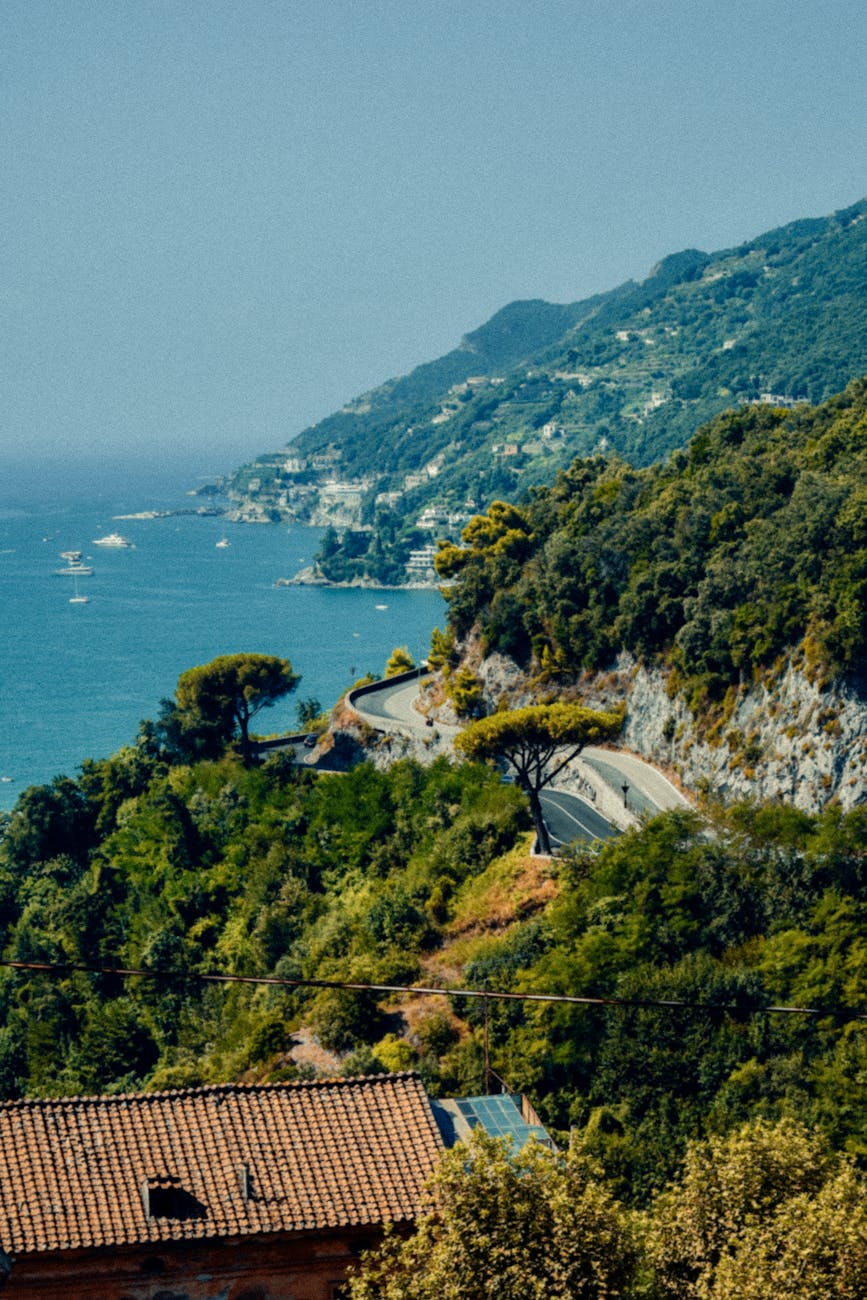
Option B – Amalfi Coast/Ferry day: Take a ferry from Salerno to Amalfi or Positano for cliffside views and a beach lunch. Ferries run seasonally so check schedules.
Option C – Slow day: Enjoy the local markets, a cooking class, or a beach at nearby Vietri sul Mare with its ceramics shops.
Best Local Experiences
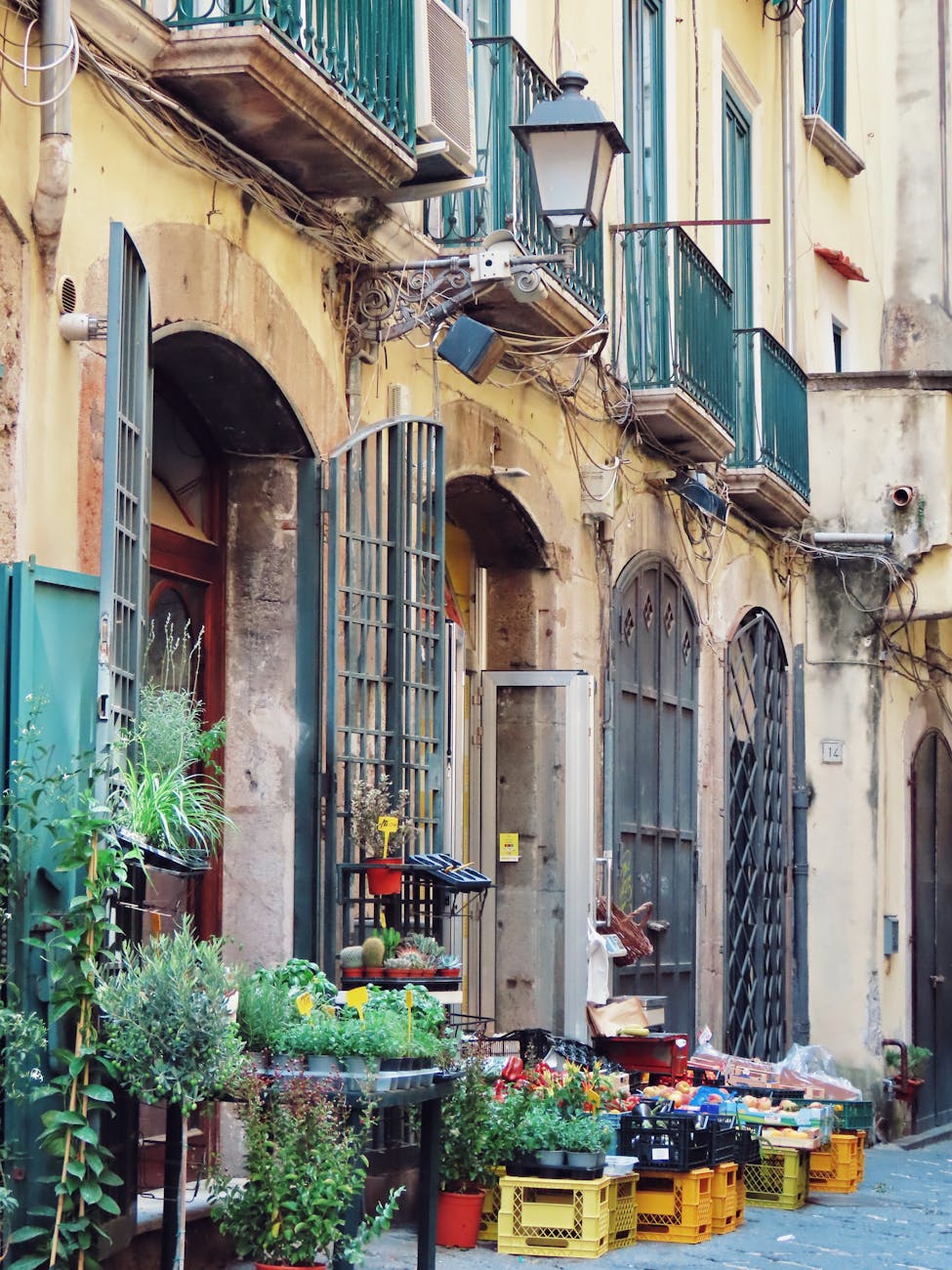
Wander the early-morning market near Via Portacatena for fresh produce and fish. Taste simple seafood dishes in a family trattoria—ask locals for their favorite. Visit a ceramics workshop in Vietri sul Mare if you like artisan crafts. Catch sunset from Castello di Arechi or the lungomare benches with a gelato. If timing allows, attend a local festa or outdoor concert in summer; these give a real feel for community life.
Where to Stay
Historic center: Best for atmosphere and walking to sights and restaurants; expect narrow streets and boutique hotels or B&Bs.
Lungomare/Port area: Ideal for sea views, ferries and an easy evening promenade.
Near Salerno Centrale: Practical for train connections and budget stays; short tram or bus ride to the centre.
Vietri sul Mare: A quieter coastal village option with charming hotels and ceramics shops if you prefer a beachside stay linked by short train or bus.
Food and Drink
Try fresh seafood specialties, spaghetti alle vongole and local fried fish. Sample Campanian staples: mozzarella di bufala, bruschetta with local olive oil, and pastries from pasticcerias. For drinks, sip limoncello made from nearby Amalfi lemons and try regional wines like Fiano di Avellino. Recommended streets: Via Mercanti for casual lunch spots, the port area for seafood dinners, and small cafés around Piazza della Concordia for coffee and cakes.
Getting Around
The city center is compact and best explored on foot. Buses and local minibuses link hillside neighborhoods and Castello di Arechi. Salerno Centrale is the regional rail hub—high-speed Frecciarossa and Intercity trains stop here. Ferries from the port connect to Amalfi, Positano and Capri in high season. For day trips inland or to less-served coastal towns, use SITA buses. Rent a scooter if you are comfortable on narrow roads; driving and parking can be tight in the old town.
Best Time to Visit
Late spring (May–June) and early autumn (September–October) offer warm weather, fewer crowds and open ferry services. July and August are busiest—expect heat and higher prices. Winter months are quieter; some seasonal ferries and businesses reduce hours, but you’ll have the city and museum spaces largely to yourself. For flowering gardens and pleasant walking, May is particularly lovely.
Budget and Practical Tips
Expect moderate prices compared with Amalfi towns—meals in local trattorie are affordable, while seafront restaurants cost more. A mid-range dinner for two often runs €40–€70; coffee is €1–€2. Accommodation varies: budget B&Bs near the station, mid-range hotels in the historic center, and boutique choices by the sea. Tourist tax (tassa di soggiorno) may apply per night—check your hotel. Keep a small umbrella and a light scarf for evening breezes. Purchases: ceramics from Vietri make memorable souvenirs; haggle gently at markets.
FAQ
Is three days enough to see Salerno and nearby attractions?
Yes. Three days covers the main city highlights at a relaxed pace plus one full day for Pompeii or a ferry to the Amalfi Coast.
How do I get from Naples airport to Salerno?
Take the Alibus or taxi to Napoli Centrale and then a regional or high-speed train to Salerno Centrale (about 30–60 minutes). Direct airport transfers are also available seasonally.
Are ferries to Amalfi and Capri reliable year-round?
Ferries run mainly from April to October; winter schedules are reduced, so check timetables and book in summer.
Is it easy to walk Salerno's historic center with luggage?
Streets are often narrow with steps; consider staying near the station or lungomare if you have heavy luggage.
What local dishes should I try?
Fresh seafood, scialatielli or pasta alle vongole, buffalo mozzarella, and local pastries. Finish with a limoncello.
Conclusion
Salerno is a smart, pleasant alternative to the more crowded Amalfi towns: storied streets, great sea views and solid transport links make it an efficient and enjoyable three-day base. Spend days absorbing medieval history and botanical heritage, walk the lungomare, and reserve one day for Pompeii or a coastal ferry. Travel lightly, follow local tips for dining and transit, and you’ll leave with both relaxed memories and practical access to southern Italy’s best sites.
How this guide was prepared
This guide was prepared through a structured research that combines destination research, geographic context, itinerary planning logic, and content review.