
3 Days in Verona: A Practical Itinerary
3 days in Verona: a compact, romantic itinerary to see the Arena, Juliet's Balcony, San Zeno and Giardino Giusti, plus a Lake Garda day trip and practical tips.
A focused 3-day plan to explore Verona’s Roman arena, medieval squares, Renaissance gardens and nearby Lake Garda — with neighborhoods, food picks and transit tips.
Verona is a compact, romantic city where Roman ruins, medieval lanes and Renaissance palaces cluster along the Adige River. It suits couples, culture lovers, and first-time visitors who want history, good food, and easy day trips. Three days gives you enough time to see the Arena and Juliet's balcony, explore museums and gardens, sample Veneto wines, and take one short excursion to nearby Lake Garda or Mantova without rushing.
This guide balances must-see sights with relaxed meals and neighborhood wandering. Expect cobbled streets, layers of history visible on every corner, and an easy public-transport network centered on Verona Porta Nuova station. Follow the itinerary to frontload the highlights, leave space for a terrace dinner, and take one half-day or full-day trip outside the city.
Why Visit
The city delivers a concentrated dose of Italy: a well-preserved Roman arena still hosting summer opera, intimate medieval squares, and elegant Renaissance homes. It’s less crowded than Venice but richer in Roman and medieval layers. Food is regional — polenta, risotto all'Amarone, and hearty pastas — and local wines from Valpolicella are nearby.
Three days is enough for the highlights plus a restorative evening at a trattoria and one nearby excursion, making it ideal for a long weekend or cultural stop on a northern Italy route.
Quick Planning Tips
Book Arena opera and museum tickets in advance for summer. Stay central to minimize transit time; many sites sit within a compact walking area. Purchase a Verona card only if you plan to visit multiple paid museums — otherwise single tickets are fine. Pack comfortable shoes for cobbles and narrow streets.
Train travel is efficient: Verona Porta Nuova connects to Milan, Venice, Padova and Brescia. Flights arrive at Verona Villafranca (VRN), about 15–20 minutes by taxi from the center.
Day 1
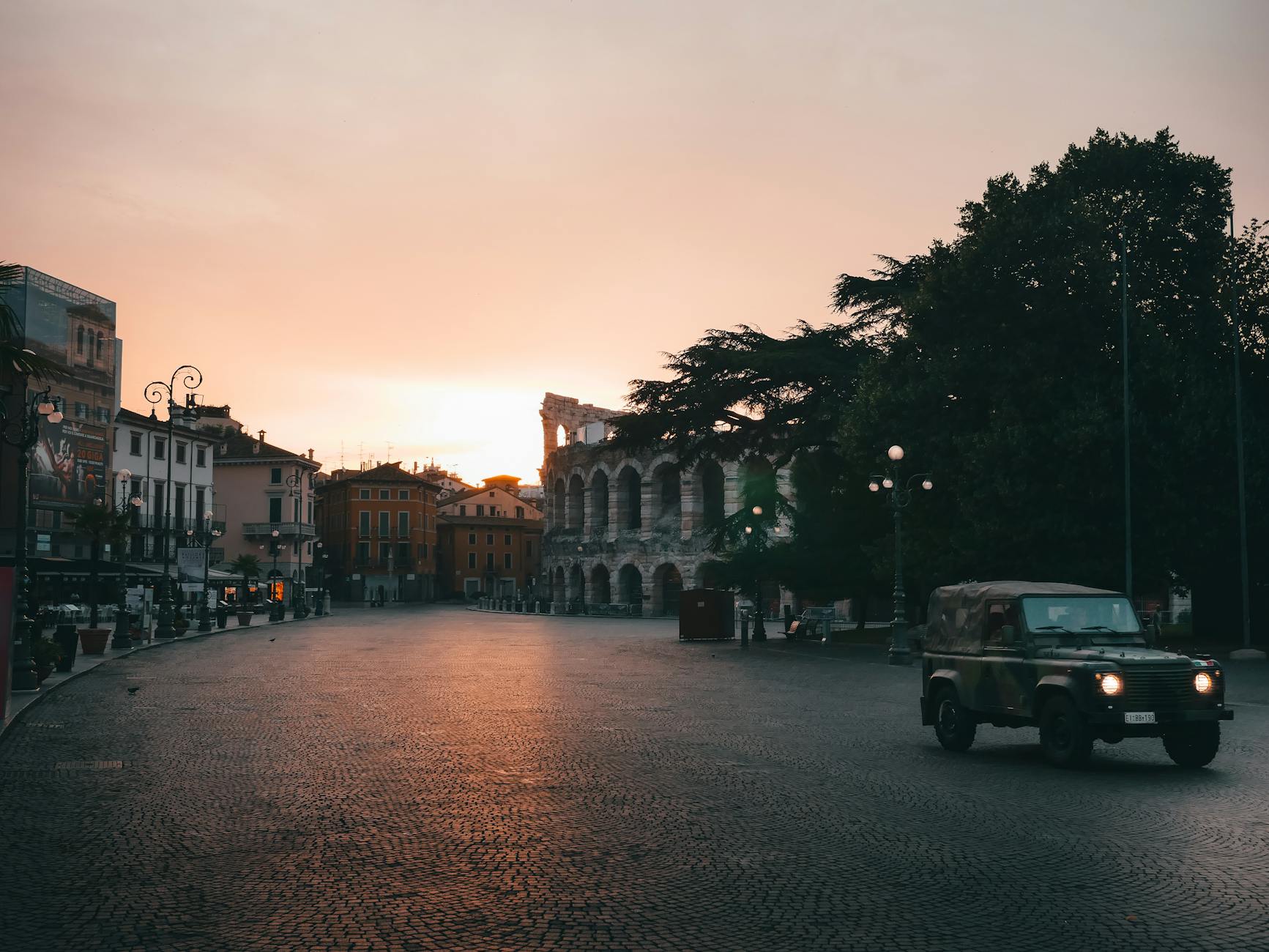
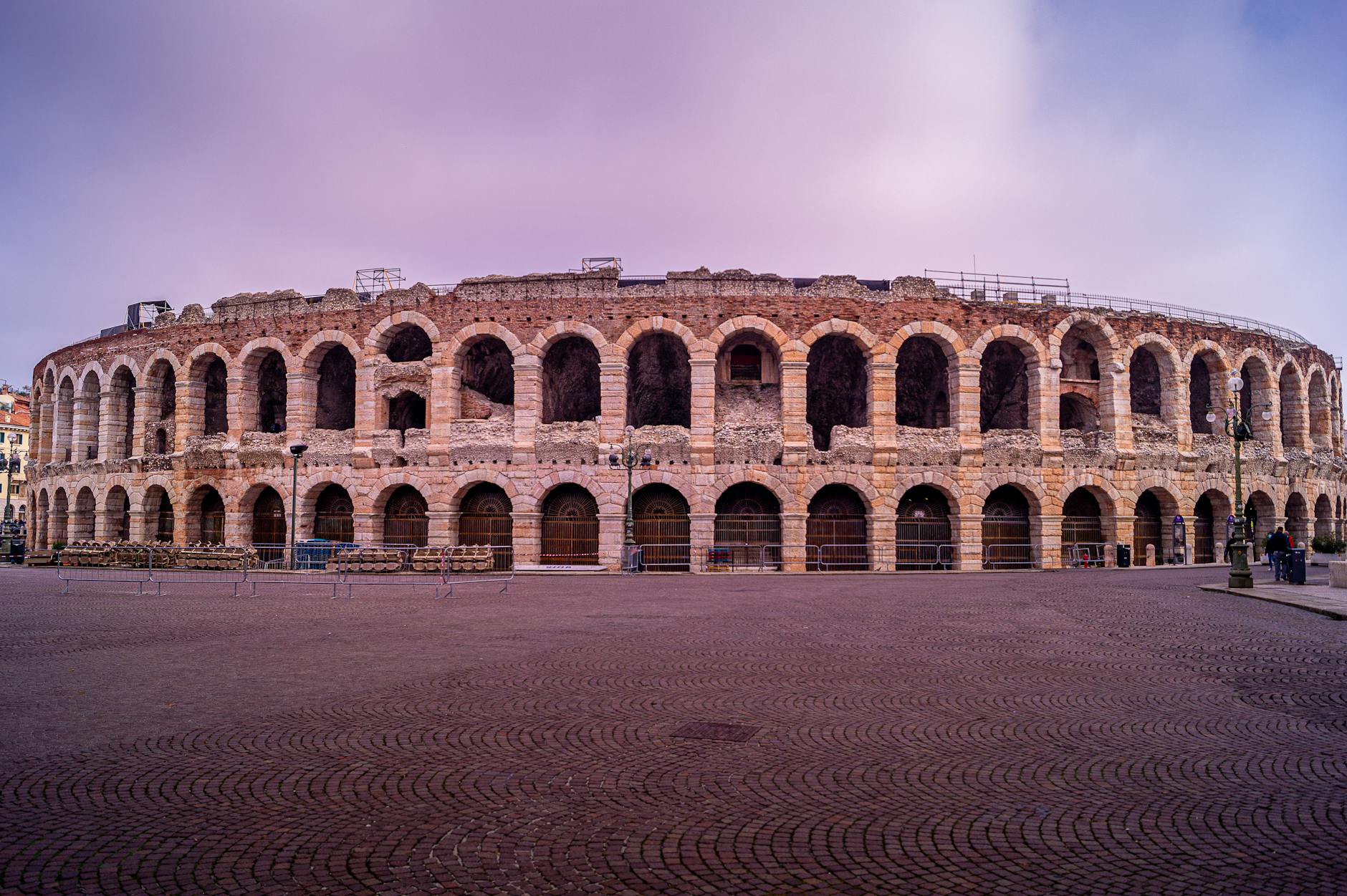
Morning: Start at Piazza Bra to admire the Arena di Verona. Walk around and, if you like, climb Torre dei Lamberti for a city panorama.
Lunch: Eat near Piazza delle Erbe — try a cicchetti bar or a risotto on a sunny terrace.
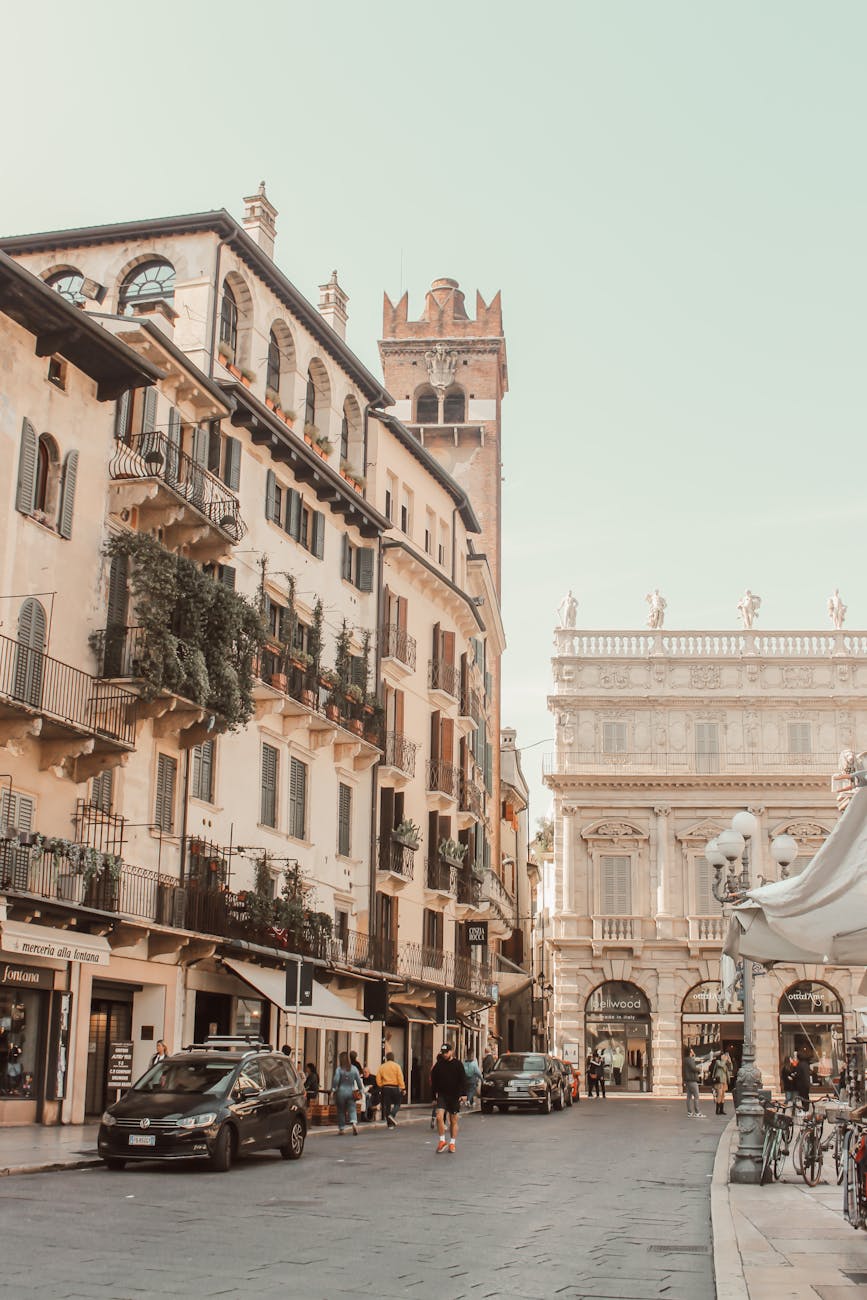
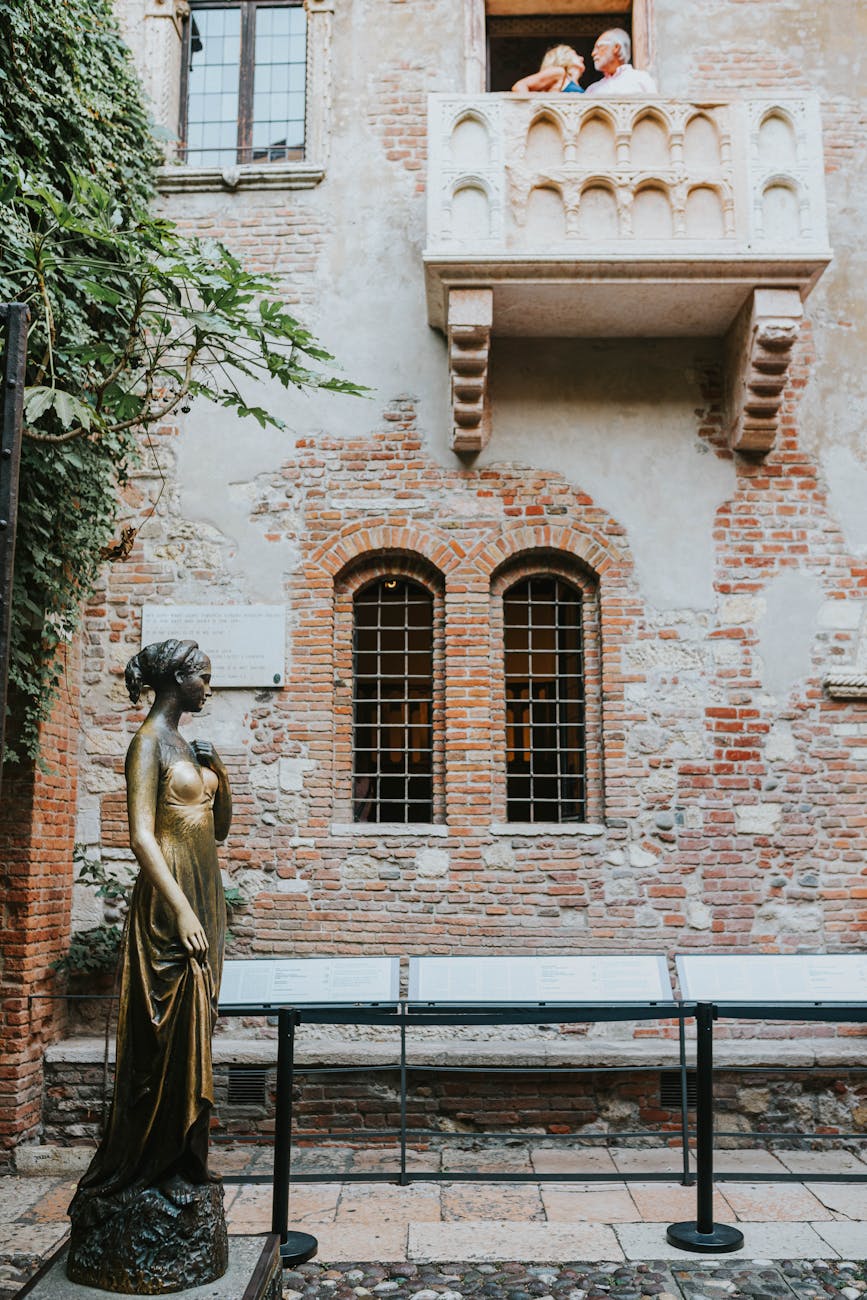
Afternoon: Explore Piazza delle Erbe, stroll to Casa di Giulietta and then cross Ponte Pietra toward Teatro Romano and the archaeological museum on the riverbank.
Evening: Dinner in the historic center; sample Amarone with a grilled meat or pasta dish.
Day 2
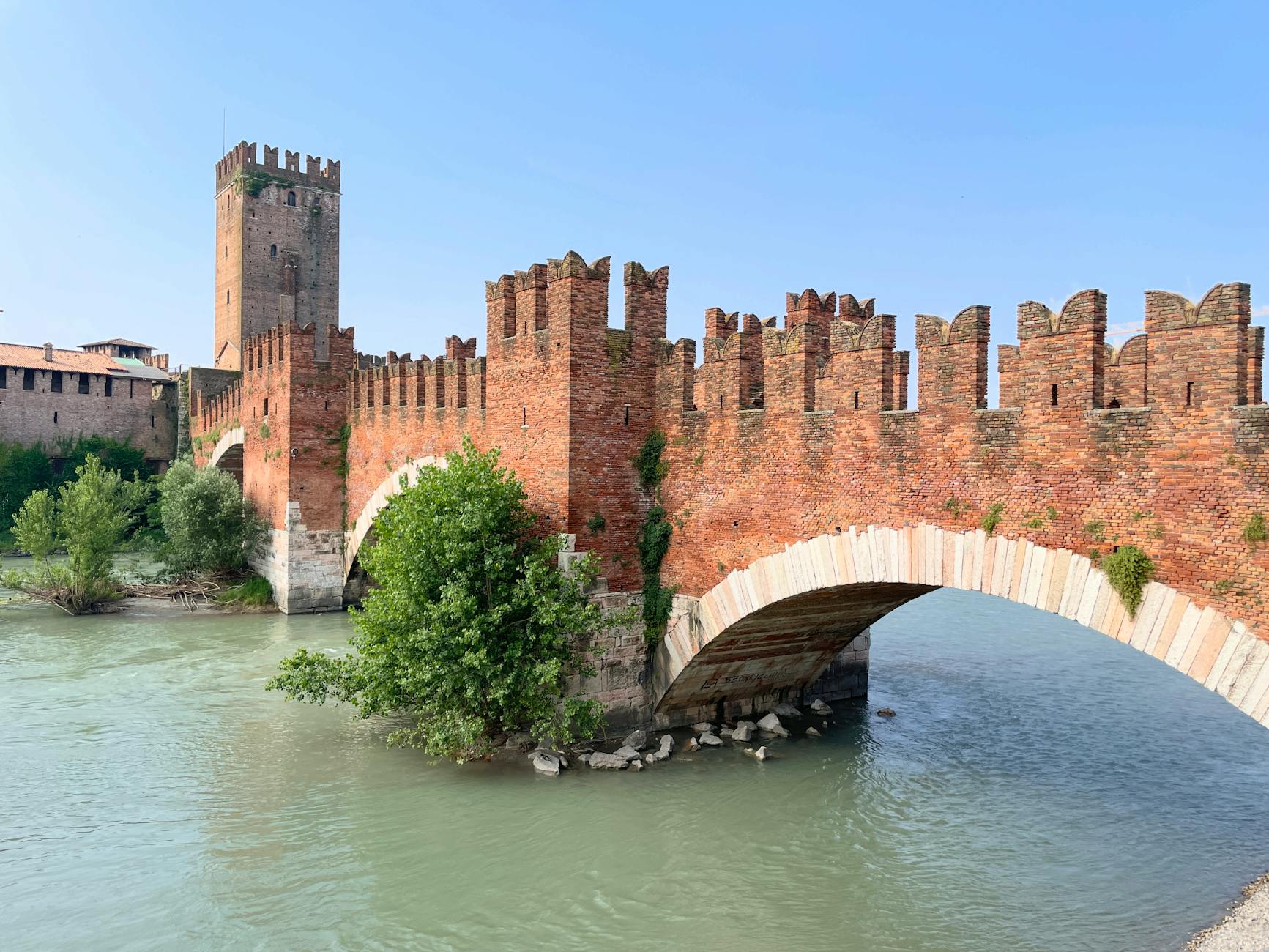
Morning: Visit Castelvecchio Museum for medieval and Renaissance art and its riverfront setting. Walk along the fortified bridge.
Lunch: Try a trattoria in the Veronetta neighborhood on the south bank for a quieter atmosphere.
Afternoon: Head to Basilica di San Zeno to see Romanesque architecture and precious frescoes. Then visit Giardino Giusti for formal Renaissance gardens and a panoramic terrace.
Evening: Enjoy the Liston near Piazza Bra for aperitivo followed by a long dinner in a local osteria.
Day 3
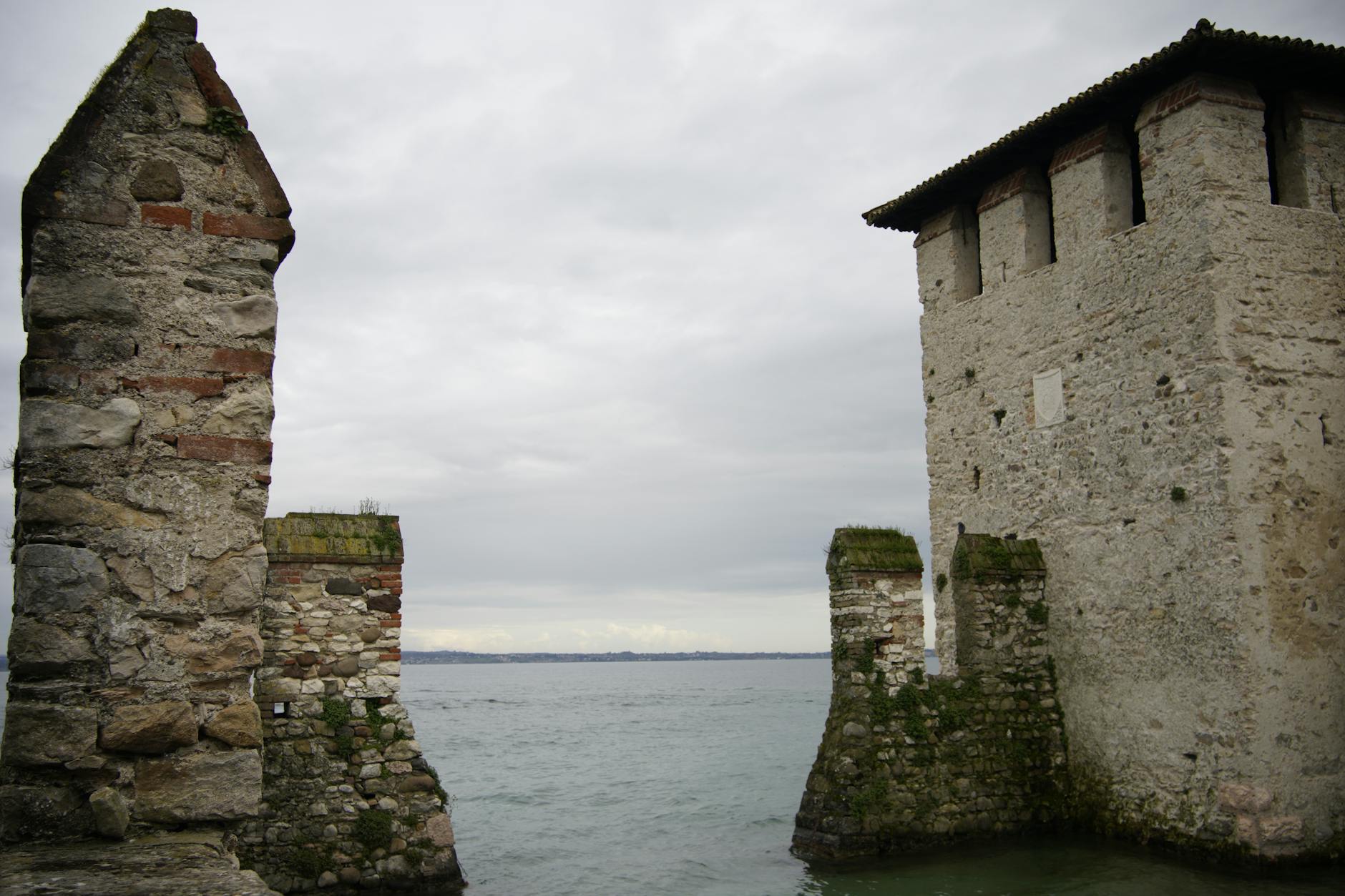
Option A — Lake Garda day trip: Take a morning train or bus to Desenzano del Garda or a ferry from nearby towns to Sirmione. Explore lakefront castles, thermal springs, and scenic promenades.
Option B — Mantova or Padova: Catch an early regional train for a day exploring Renaissance Mantova or Padova’s Scrovegni Chapel.
Back in the evening: Return to Verona for a final passeggiata across the bridges and a relaxed farewell meal.
Best Local Experiences
Attend an opera or concert in the Arena if visiting in summer. Wander the Liston at dusk for people-watching and an aperitivo. Explore Veronetta for offbeat galleries and riverside cafés. Visit a local enoteca to taste Valpolicella and Amarone wines with a sommelier. Join a guided food walk to sample local cheeses, salumi and risotto specialties.
Don’t miss sunrise views from Castel San Pietro or the quieter hours at San Zeno before midday crowds arrive.
Where to Stay
Centro Storico: Best for first-timers — you can walk to most sights and many hotels occupy historic palazzos. Near Piazza Bra offers proximity to the Arena.
Veronetta: South of the river, lively and cheaper with cafés and local feel. Great for younger travelers.
Near Porta Nuova: Practical for train arrivals and departures; short tram or taxi ride to the center.
Look for hotels or B&Bs advertising air conditioning in summer and verified pick-up options for late arrivals from VRN airport.
Food and Drink
Must-try dishes: risotto all'Amarone, bigoli pasta, pastissada de caval (traditional beef stew), and polenta with local cheeses. Try small plates (cicchetti) and regional breads.
Where to eat: Trattorie around Piazza delle Erbe for classic dishes, osterie in Veronetta for local flavor, and enoteche near the Arena for wine pairing. For sweets, sample pandoro or local gelato on the Liston.
Practical tip: Many restaurants close between 2–7pm; book dinner for 8pm in high season.
Getting Around
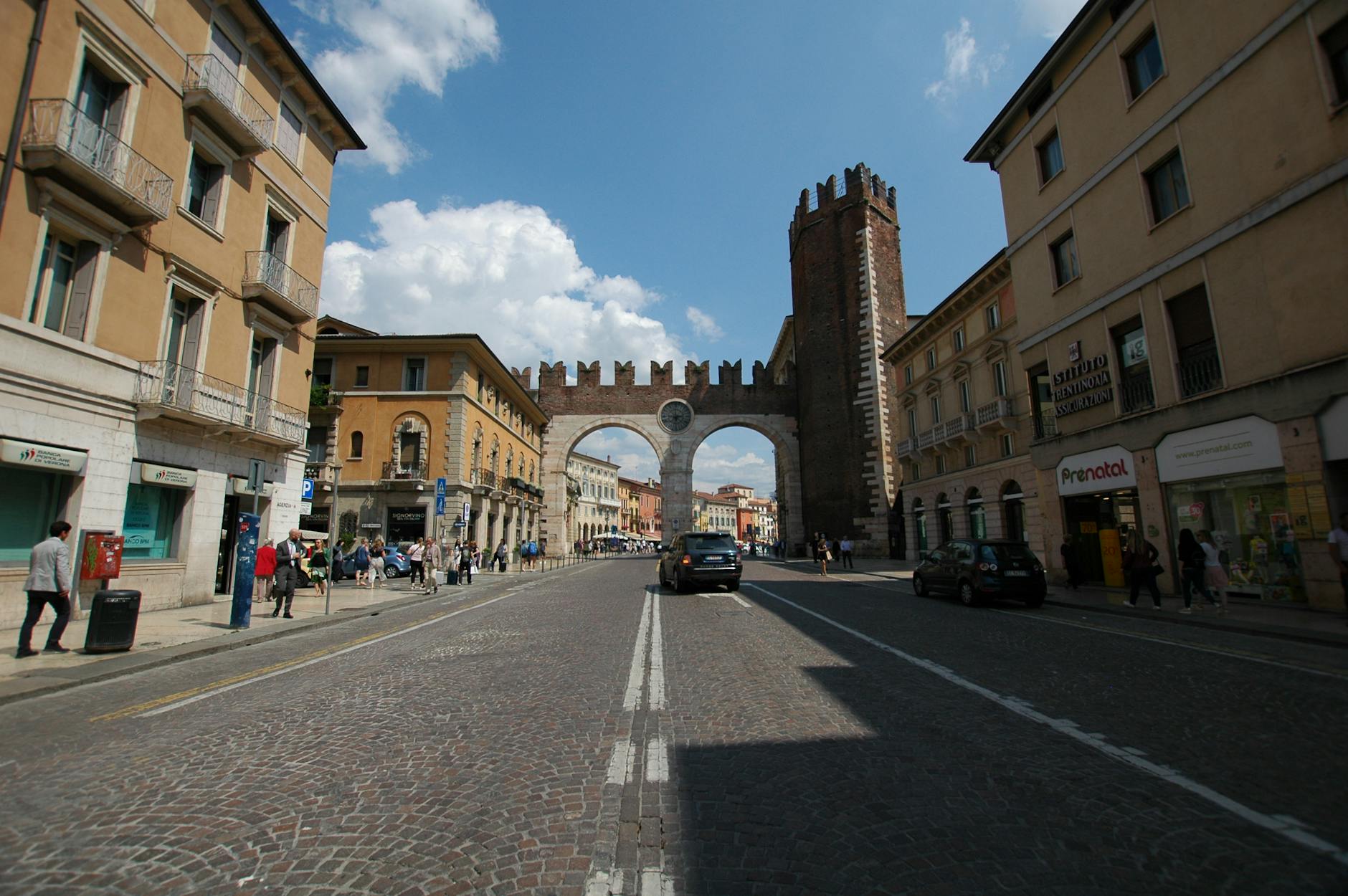
The historic center is very walkable; most major sights lie within a 20–30 minute stroll. Verona’s bus network (ATV) covers longer hops — buy tickets at tabacchi, kiosks or via apps and validate on board.
Trains: Verona Porta Nuova connects intercity and regional lines to Milan, Venice, Padova, Brescia, Mantova and Desenzano del Garda. Verona Villafranca (VRN) handles regional flights; the Aerobus or taxi links to the city.
Taxis are available but can be costly; bikes and scooters are common for short rides. Watch for cobblestones and narrow lanes when cycling.
Best Time to Visit
Late spring (May–June) and early autumn (September) offer mild weather, fewer crowds and open terraces. Summer (June–August) is lively, with the Arena opera season and outdoor dining, but expect heat and higher prices. Winter is quiet, with Christmas markets and lower rates; some museums have reduced hours.
For opera fans, book early for Arena performances between late June and early September.
Budget and Practical Tips
Currency is the euro. Carry small bills for markets and tips; cards are widely accepted in shops and restaurants. Tipping is appreciated but not mandatory — round up or leave 5–10% in restaurants.
Keep an eye on pickpockets in crowded squares and on trains. Many churches request modest dress. Museum opening hours vary; check online and reserve timed-entry where available. Consider buying regional train tickets in advance for day trips during peak travel days.
FAQ
Is three days enough to see Verona?
Yes. Three days covers the Arena, main churches and squares, Giardino Giusti, and allows one day trip to Lake Garda or Mantova.
How do I get to Lake Garda from the city?
Regional trains run to Desenzano and Peschiera; buses and seasonal ferries connect to Sirmione and other lakeside towns.
Can I walk to the main sights?
Absolutely. The historic center is compact and most attractions are within a 20–30 minute walk of each other.
When is the Arena opera season?
Typically late June through early September. Tickets sell quickly, so book early.
Are museums open daily?
Many museums vary their hours, with some closed on Mondays. Check official sites and reserve tickets in advance during high season.
Is Verona safe for solo travelers?
Yes. It’s generally safe, but use normal precautions against pickpockets in crowded tourist areas and on public transport.
Conclusion
Three days in this elegant city give you a satisfying mix of Roman monuments, medieval charm, excellent food and wine, and the option to explore nearby lakes or Renaissance towns. Move at a comfortable pace: start with the core sights, reserve one day for a leisurely excursion, and save time for evenings on the terraces. With compact neighborhoods and solid rail connections, Verona makes an ideal cultural weekend or a memorable stop on a northern Italy itinerary.
How this guide was prepared
This guide was prepared through a structured research that combines destination research, geographic context, itinerary planning logic, and content review.