
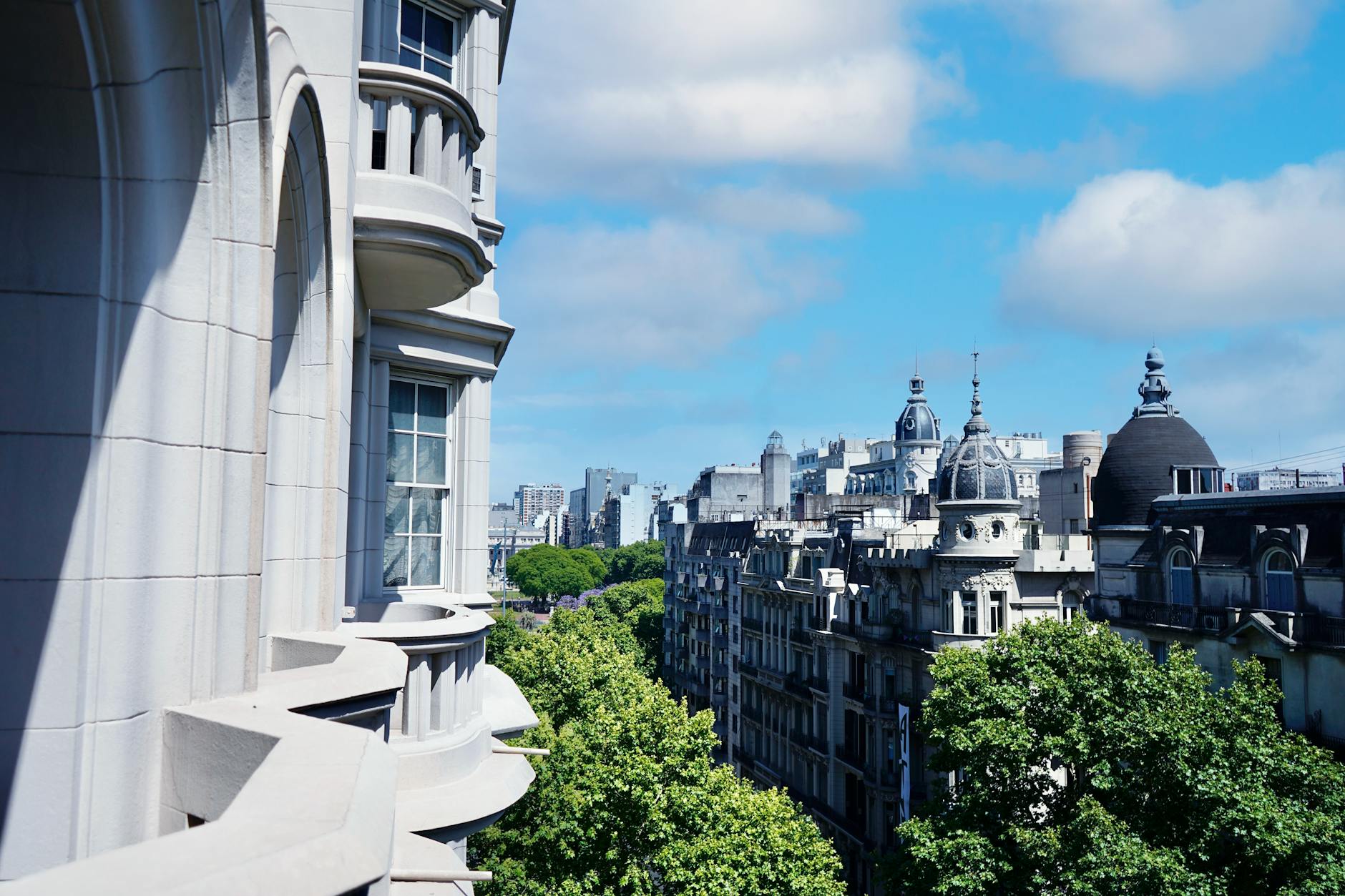
Responsible Travel in Buenos Aires — Practical, Local-First Advice to Support a 3-Day Itinerary
Practical, sustainable guidance for visiting Buenos Aires alongside a 3-day itinerary. Neighborhood choices, seasonal tips, transport realities, local etiquette, day-trip options (Rosario, Mar del Plata, Córdoba, Mendoza, Salta) and how to spend locally and responsibly.
A concise, scan-friendly support page for travelers following a 3-day Buenos Aires plan who want low-impact choices, local spending, and realistic transport and booking advice. Includes neighborhood picks, sustainable dining, and nearby extension ideas.
Quick Answer
A concise, scan-friendly support page for travelers following a 3-day Buenos Aires plan who want low-impact choices, local spending, and realistic transport and booking advice. Includes neighborhood picks, sustainable dining, and nearby extension ideas.
Who This Page Is For
This page is for travelers planning a stay in Buenos Aires who want clearer decisions about responsible travel, local logistics, timing, budgeting, and practical trip planning.
How This Page Was Prepared
This page was prepared through a structured editorial workflow that combines destination research, geographic context, and practical travel-planning review.
Plan the Rest of Your Trip
Use this page together with the full itinerary and the related planning pages below to make better booking, timing, transport, and budget decisions.
Best short answer for planning: visit in shoulder seasons (March–May, September–November) for milder weather and fewer crowds; base yourself in Palermo, San Telmo, or Recoleta for walkability and good public transport links; buy a SUBE card and favor subte, buses and Ecobici for short trips; prioritize small, local restaurants and market stalls for meals; reserve long-distance buses or domestic flights in advance for day trips to Rosario, Mar del Plata, Córdoba, Mendoza or Salta. For a direct how-to, follow the 3-day itinerary and use this page to choose sustainably and avoid common mistakes.
This page is a compact, practical companion to the main "3 days in Buenos Aires" itinerary. It focuses on decisions where a local-first, low-impact approach matters: where to stay, how to move, what to book in advance, and which day trips extend your visit sustainably. Use these notes to adapt the 3-day plan to your values and the season.
What This Page Helps You Decide
Use this page to decide:
– Where to stay: compare Palermo (vibrant, parks), Recoleta (calmer, cultural) and San Telmo (historic, markets).
– How to travel: SUBE card, Ecobici for short rides, subte vs bus vs taxi for evenings.
– Where to eat responsibly: market stalls, family-run parrillas, and socially minded restaurants.
– Which extensions to pick: Rosario and Mar del Plata by bus; Córdoba, Mendoza or Salta by overnight bus or short flight depending on time and emissions trade-offs.
– What to book ahead: milongas with lessons, theatre tickets, guided neighborhood walks, and long-distance bus or flight seats.

Top Recommendations
Practical, high-impact choices to support the 3-day itinerary:
– Choose neighborhoods that reduce daily travel: Palermo Soho for dining and parks; San Telmo for markets and tango history; Recoleta for museums and quieter evenings.
– Buy one SUBE card and top up for subte, colectivo and commuter trains; validate every ride.
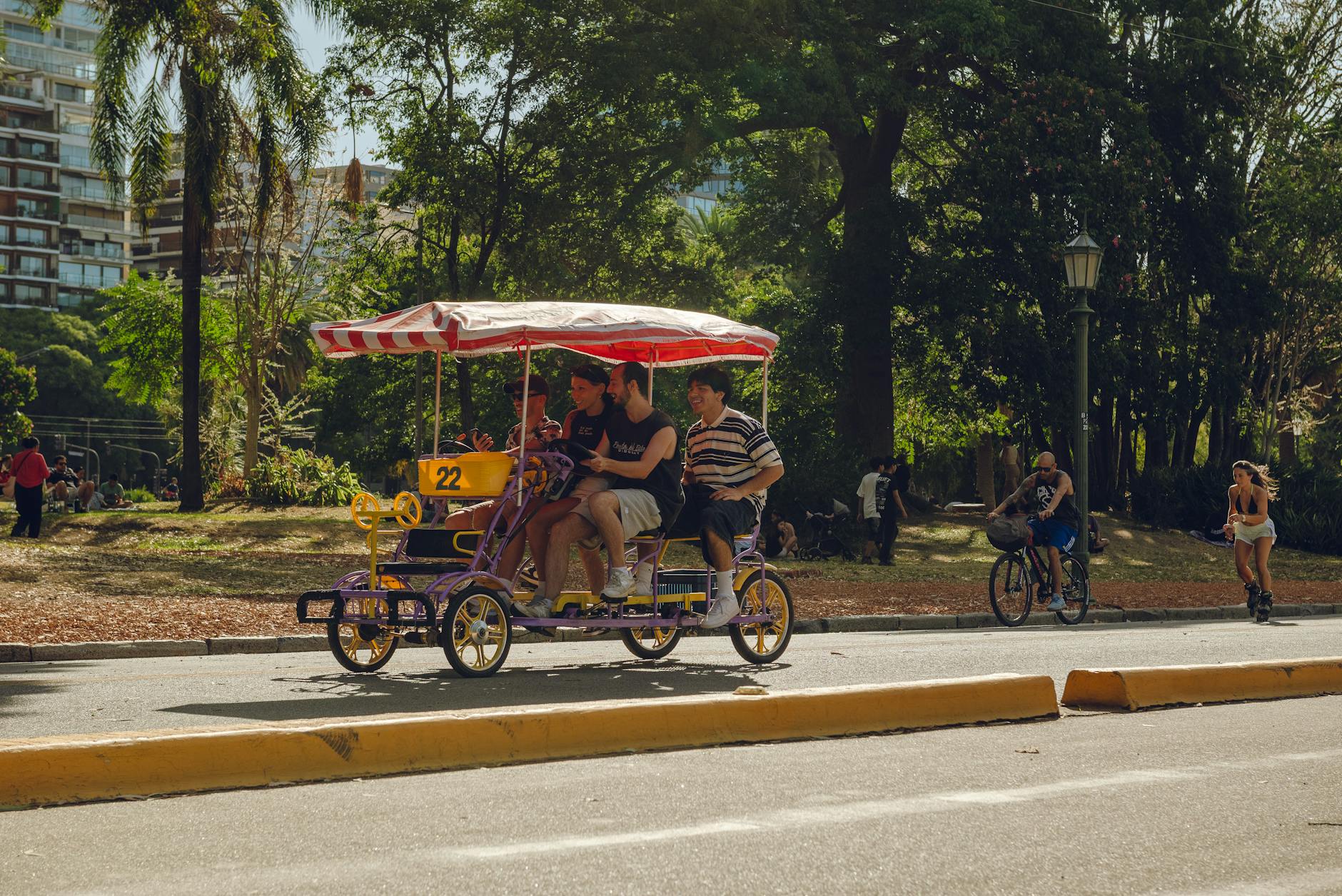
– Prefer walking, Ecobici or subte for inner-city travel; use registered taxis or apps after midnight.
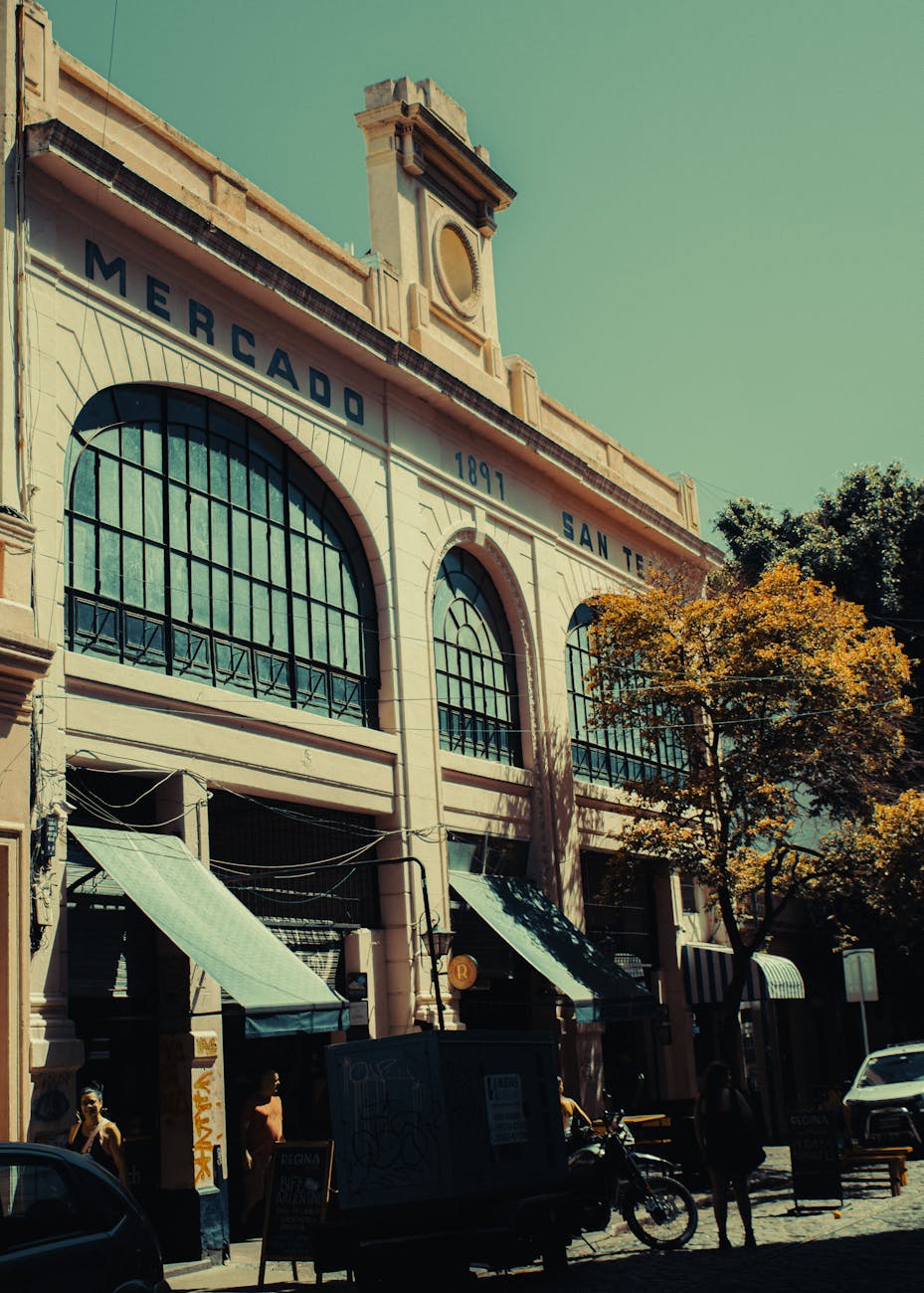
– Eat seasonal produce and favor small parrillas or market stands over tourist chains; visit Mercado de San Telmo or Feria de Mataderos for local vendors.
– Book milonga entrances and guided walking tours in advance for popular nights; check etiquette before attending.
– For day trips: take an overnight or daytime bus to Rosario or Mar del Plata; fly to Mendoza or Salta when time is tight but consider the higher emissions and book responsibly.
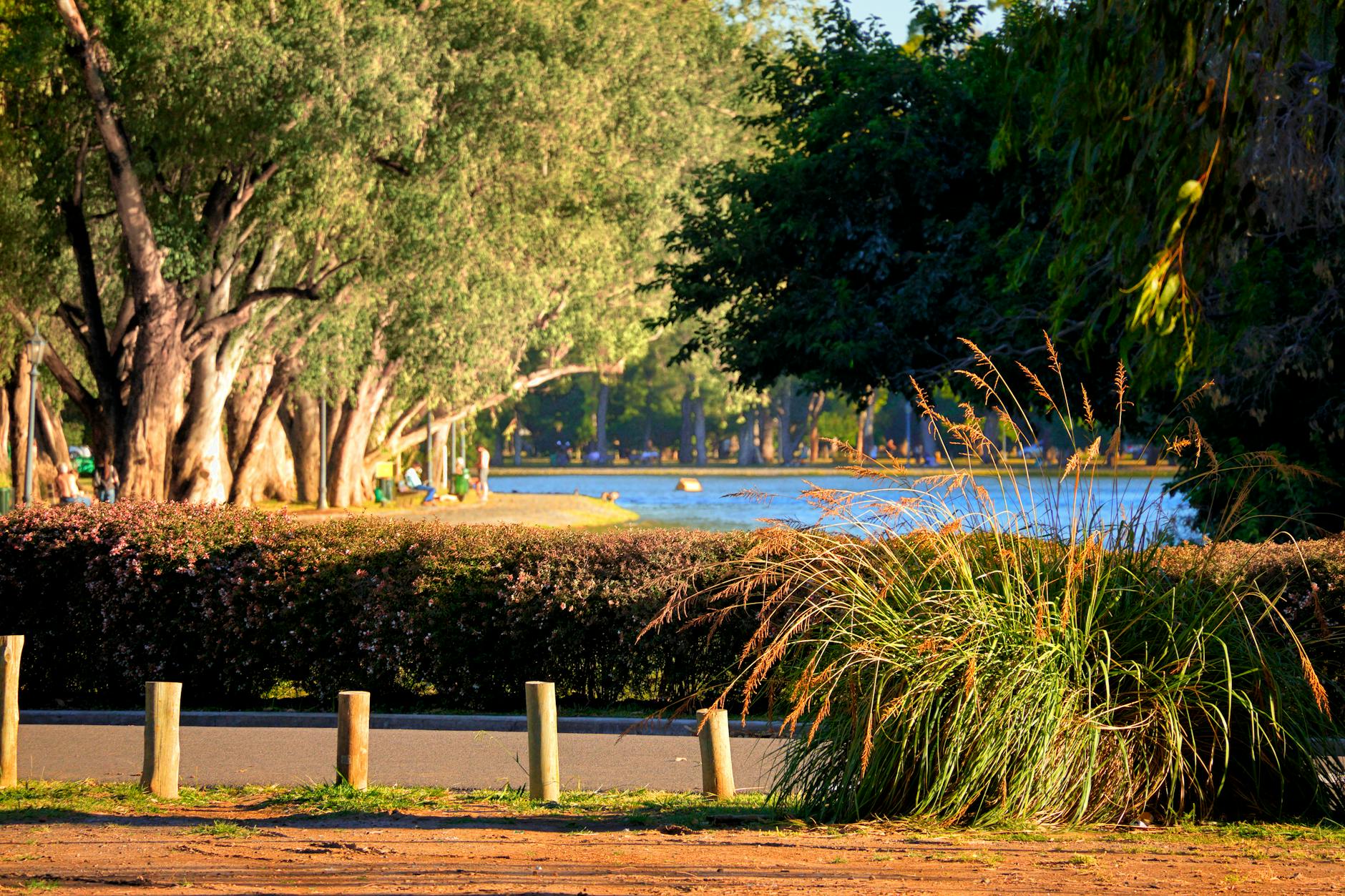
– Plan one low-impact outdoor stop: Reserva Ecológica in Puerto Madero or a bike loop in Palermo Woods.
Local Context
Neighborhoods and rhythms:
– Palermo: cafes, parks (Bosques de Palermo), nightlife in Palermo Hollywood; good for younger travelers.
– San Telmo: Sunday market, antique shops, cobblestones—great for strolling and tango history.
– Recoleta: museums, cemeteries and quieter streets; near high-end boutiques and cultural sites.
– La Boca: colorful Caminito is iconic but touristy; pair a daytime visit with a guided cultural walk.
Transport and money:
– SUBE card is essential; buy at kiosks and top-up machines.
– Subte (metro) is fast; many lines don’t run 24/7. Buses (colectivos) cover gaps but need the SUBE.
– Taxis are plentiful; use radio taxi or app after midnight. Remises are prebooked private cars.
– ATMs and credit cards are widely available, but carry some cash for market stalls and small vendors.
Social norms and safety:
– A single 'beso' (cheek kiss) is common when meeting locals in social settings.
– Tipping: 10% in restaurants is customary if service is not included; a small tip for taxi drivers is appreciated.
– Political demonstrations can close streets near Plaza de Mayo — check local news on travel days.
How to Choose Well
Quick decision checklist tailored to your values:
– Staying: prioritize small hotels, family-run guesthouses or locally owned rentals inside Palermo, Recoleta, or San Telmo to keep money local.
– Mobility: if your trip focuses on the city, rely on subte + walking; for evening events, plan a taxi app or radio taxi return.
– Food: look for restaurants that source locally and post sustainability or provenance notes; ask staff about local suppliers.
– Tours: favor independent local guides or community-led experiences over large operators.
– Day trips: prefer buses for moderate-distance travel to reduce carbon per traveler; choose flights only when time constraints make them necessary.
Checklist before booking:
– Confirm SUBE availability and nearest kiosks to your lodging.
– Check show and milonga schedules and book evening transport.
– Reserve long-distance bus or flight seats during high season.
Responsible and Local-First Tips
Simple acts that support local economies and reduce impact:
– Spend at local cafes, bodegas and market stalls rather than international chains.
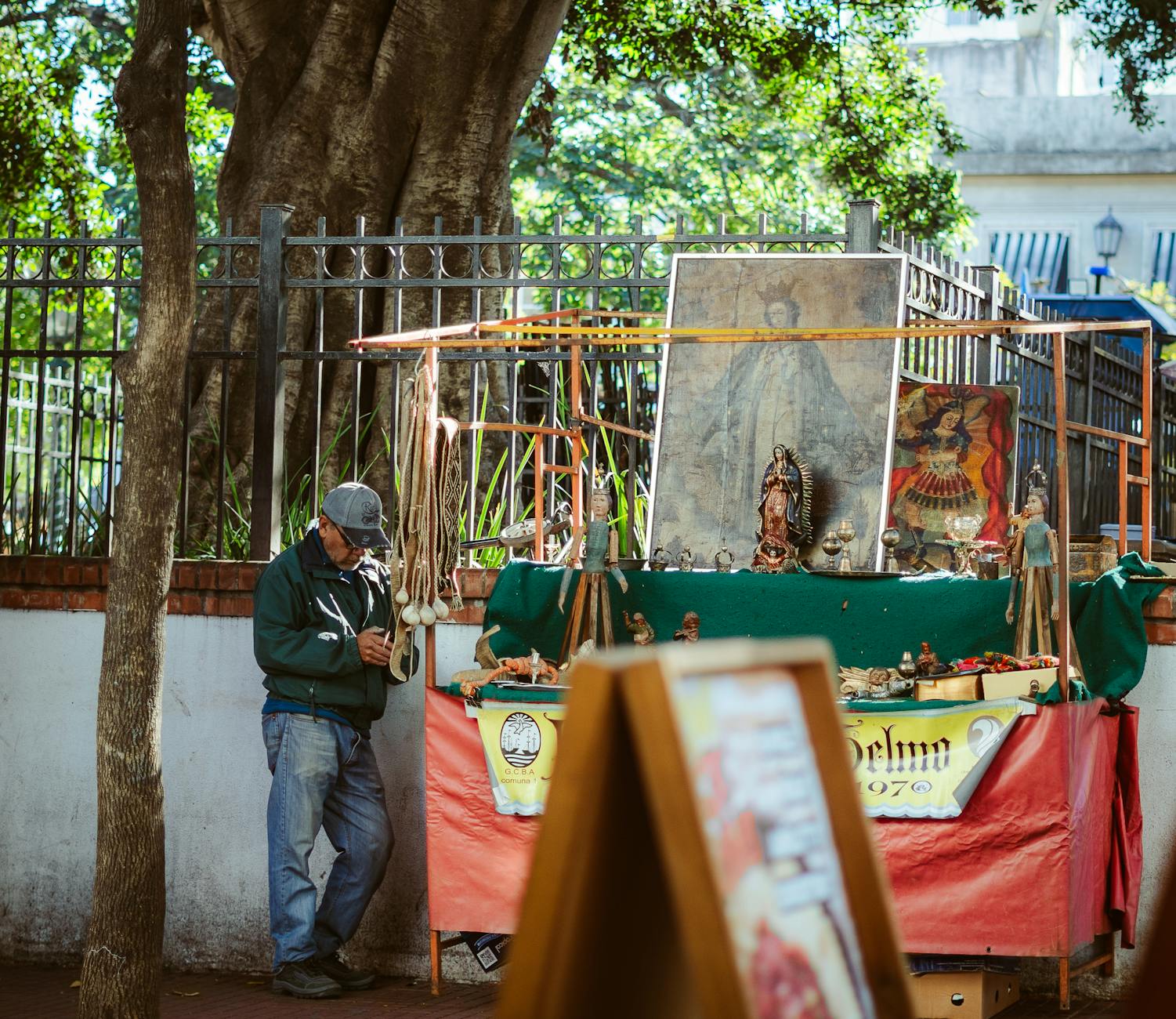
– Buy artisan goods directly from maker stalls at Feria de Mataderos or San Telmo and ask about materials and provenance.
– Limit packaged water by carrying a refillable bottle; many restaurants will refill if asked.
– Support social enterprises: seek out community-run tours, cooking classes that fund local families, and responsible wildlife or nature operators.
– Reduce meat-heavy consumption occasionally—Buenos Aires is famous for beef, but choosing plant-forward dishes or sustainably sourced parrillas lowers impact.
– Offset thoughtfully if you must fly between provinces; prefer longer bus journeys when time allows.
Sustainable booking advice:
– Book local guides and smaller operators directly when possible; they often keep a larger share of the revenue in the community.
Common Mistakes to Avoid
Frequent, avoidable missteps:
– Staying only in the most touristy pockets and missing local neighborhoods — split nights between Palermo and San Telmo or Recoleta if your schedule allows.
– Not getting a SUBE card — paying cash on buses is becoming uncommon and more expensive.
– Buying long-distance bus or flight tickets at the last minute during high season.
– Treating milongas like shows; learn basic etiquette in advance or join a beginner-friendly milonga with a lesson.
– Eating only at high-profile parrillas; some smaller, family-run spots offer better value and more sustainable practices.
– Ignoring protests or public-holiday closures — they can affect museums, subte service, and street access near downtown.
FAQ
When is the best time to visit Buenos Aires for fewer crowds and mild weather?
Shoulder seasons — March to May and September to November — balance milder temperatures, lower hotel rates, and fewer international tourists. Late spring and early autumn are especially pleasant for walking neighborhoods and outdoor markets.
Is Buenos Aires safe for solo travelers and women traveling alone?
Buenos Aires is generally safe in central neighborhoods, but common-sense precautions apply: avoid poorly lit side streets at night, keep valuables out of sight, use radio taxis or apps late at night, and watch for pickpockets in crowded markets and on buses. Choose accommodations with good reviews and local host recommendations.
How do I get from Ezeiza (EZE) or Aeroparque (AEP) to the city sustainably?
Aeroparque (AEP) is closest to the city and reachable by taxi, app-based rides or bus. From Ezeiza (EZE), shared shuttle services and the Tienda León bus to Retiro are cost-effective alternatives to private cars. If minimizing emissions, consider the scheduled bus to Retiro or the Airport Shuttle combined with public transport.
Should I book day trips to Mendoza or Salta from Buenos Aires?
Flights are the practical choice for Mendoza and Salta if you have limited time; book in advance and compare emissions/trip time trade-offs. For Rosario or Mar del Plata, reputable long-distance buses are comfortable and lower-emission per passenger; Córdoba is reachable by bus or short flight depending on your schedule.
How much should I tip and what local etiquette should I follow?
Restaurant tips of around 10% are customary if service is not included. Round up taxi fares or leave a small peso tip. Greet locals with a single cheek kiss in social situations and be polite when declining food or invitations.
Are there useful day trips that align with responsible travel values?
Choose day trips that support small businesses — local wineries near Mendoza that practice sustainable agriculture, guided cultural walks in Rosario led by local historians, and community-run tours in Salta. For a short extension, a bus trip to Rosario supports regional economies and emits less per traveler than flying.
Conclusion
Use this page as a quick decision tool while you follow the 3-day Buenos Aires itinerary: pick neighborhoods that reduce transit, book key tickets early, and prioritize local businesses and low-impact transport. If you have more time, extend your trip to Rosario, Mar del Plata, Córdoba, Mendoza or Salta with the booking and sustainability trade-offs above in mind. Small choices — where you eat, who you hire as a guide, and how you move around — make a big difference to local people and to the quality of your visit.
How this guide was prepared
This guide was prepared through a structured research that combines destination research, geographic context, itinerary planning logic, and content review.