
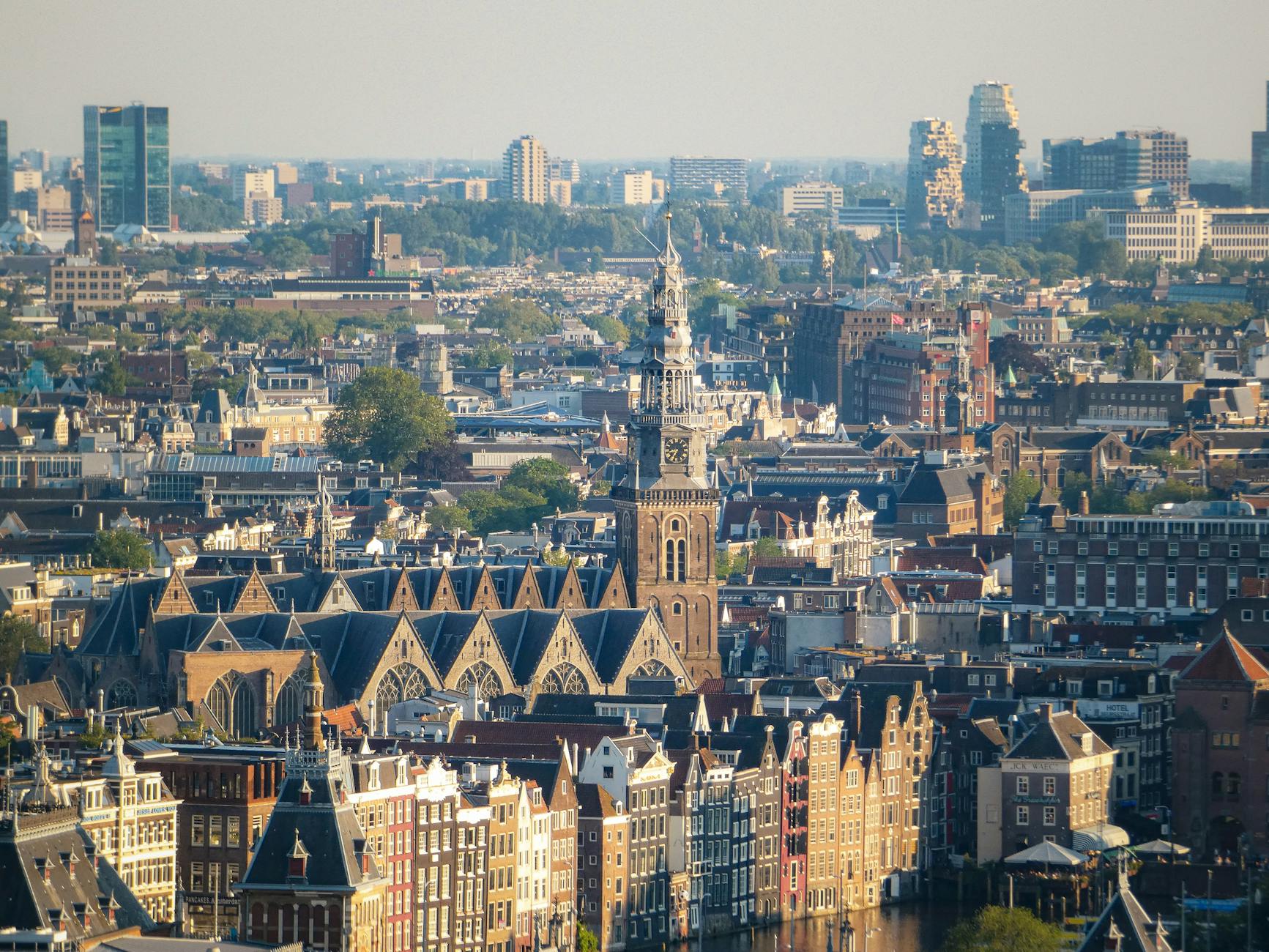
Getting Around Amsterdam: Practical, Sustainable Ways to Move Like a Local
How to navigate Amsterdam efficiently and responsibly: public transport, cycling, ferries, P+R, day trips to Haarlem, Utrecht, The Hague and more. Practical tips on tickets, seasons, local etiquette and booking.
Smart, low-impact ways to get around Amsterdam — from bike etiquette and tram routes to quick train trips to Haarlem, Utrecht, The Hague, Hoofddorp and Amersfoort. Ideal as a companion to our 3 days in Amsterdam itinerary.
Quick Answer
Smart, low-impact ways to get around Amsterdam — from bike etiquette and tram routes to quick train trips to Haarlem, Utrecht, The Hague, Hoofddorp and Amersfoort. Ideal as a companion to our 3 days in Amsterdam itinerary.
Who This Page Is For
This page is for travelers planning a stay in Amsterdam who want clearer decisions about getting around, local logistics, timing, budgeting, and practical trip planning.
How This Page Was Prepared
This page was prepared through a structured editorial workflow that combines destination research, geographic context, and practical travel-planning review.
Plan the Rest of Your Trip
Use this page together with the full itinerary and the related planning pages below to make better booking, timing, transport, and budget decisions.
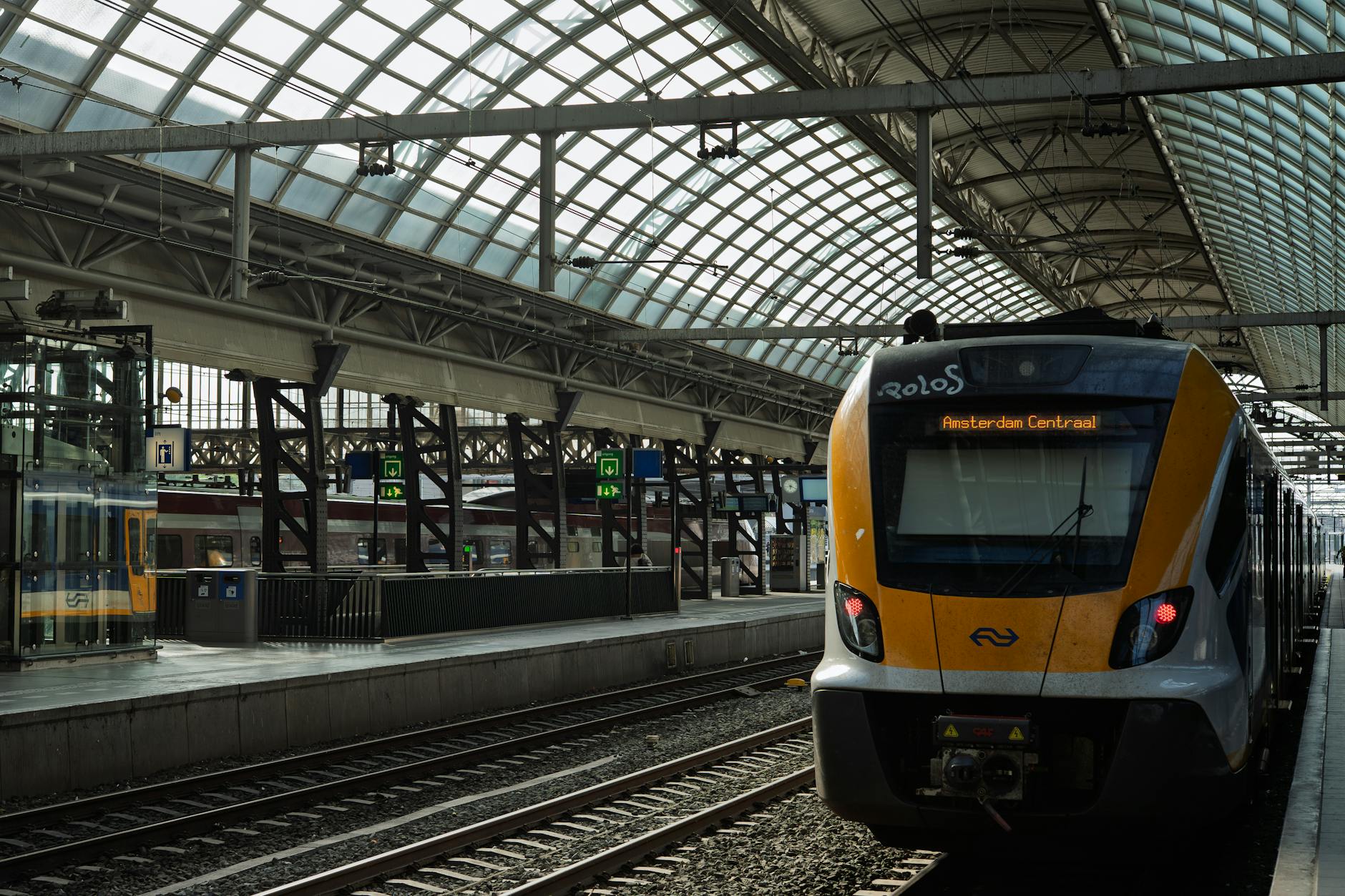
Use a combination of walking, tram/metro/bus (GVB), and cycling for most inner-city travel. Buy a 24/48/72-hour GVB pass if you plan many short trips, or use contactless payment/OV-chipkaart for ad-hoc rides. For day trips, take NS trains — Haarlem ~20 min, Utrecht ~30–40 min, The Hague ~45 min, Hoofddorp ~15–20 min, Amersfoort ~30–40 min. Avoid driving in the centre; use P+R sites on the edge if you must bring a car.
This page gives clear, low-impact options for getting around Amsterdam during a short stay or while using the 3 days in Amsterdam itinerary. It covers local transit (trams, metro, buses, ferries), bike use and rentals, practical ticketing, P+R parking, and quick, sustainable day trips by train to nearby Dutch cities. Advice focuses on real neighborhoods, seasonality, and behaviors that respect locals and public space.
What This Page Helps You Decide
Which ticket type or pass is right for your stay. Whether to rent a bike or rely on public transit. How to plan quick, sustainable day trips from the city. Which P+R sites to use and how to save on parking. How weather and seasons affect cycling and canals.
If you're following the 3 days in Amsterdam itinerary, this page helps you choose transport between listed neighborhoods (Centrum, Jordaan, Museumplein, De Pijp) and plan extra mornings or afternoons in nearby cities like Haarlem or Utrecht.
Top Recommendations
Public transport
– Buy a GVB 24/48/72-hour pass for multi-day inner-city use (saves time at ticket machines) or use contactless bank card/OV-chipkaart for single trips.
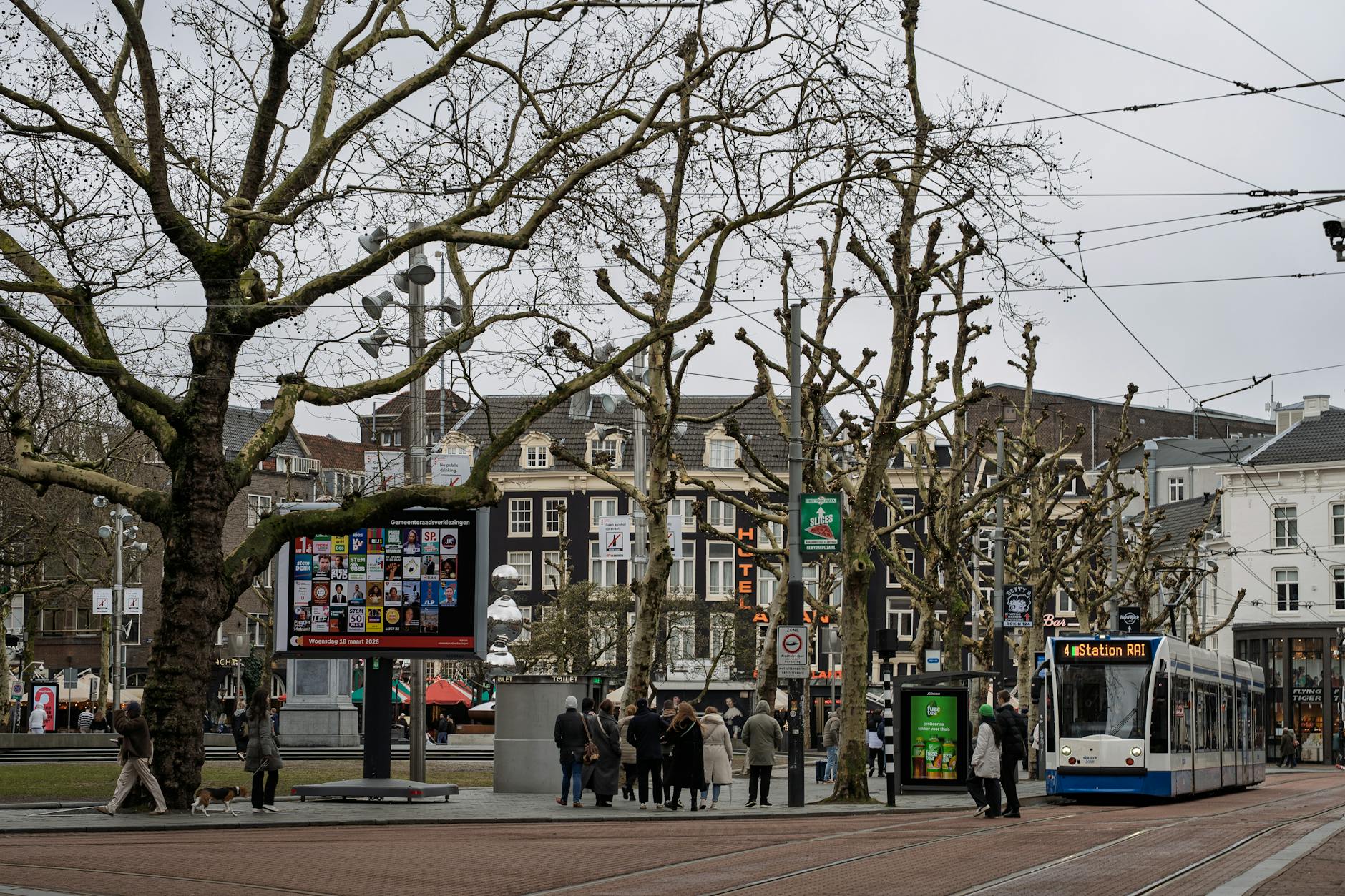
– Trams are the best way to move between central sights (watch for tram lanes and step carefully onto platforms).
Cycling
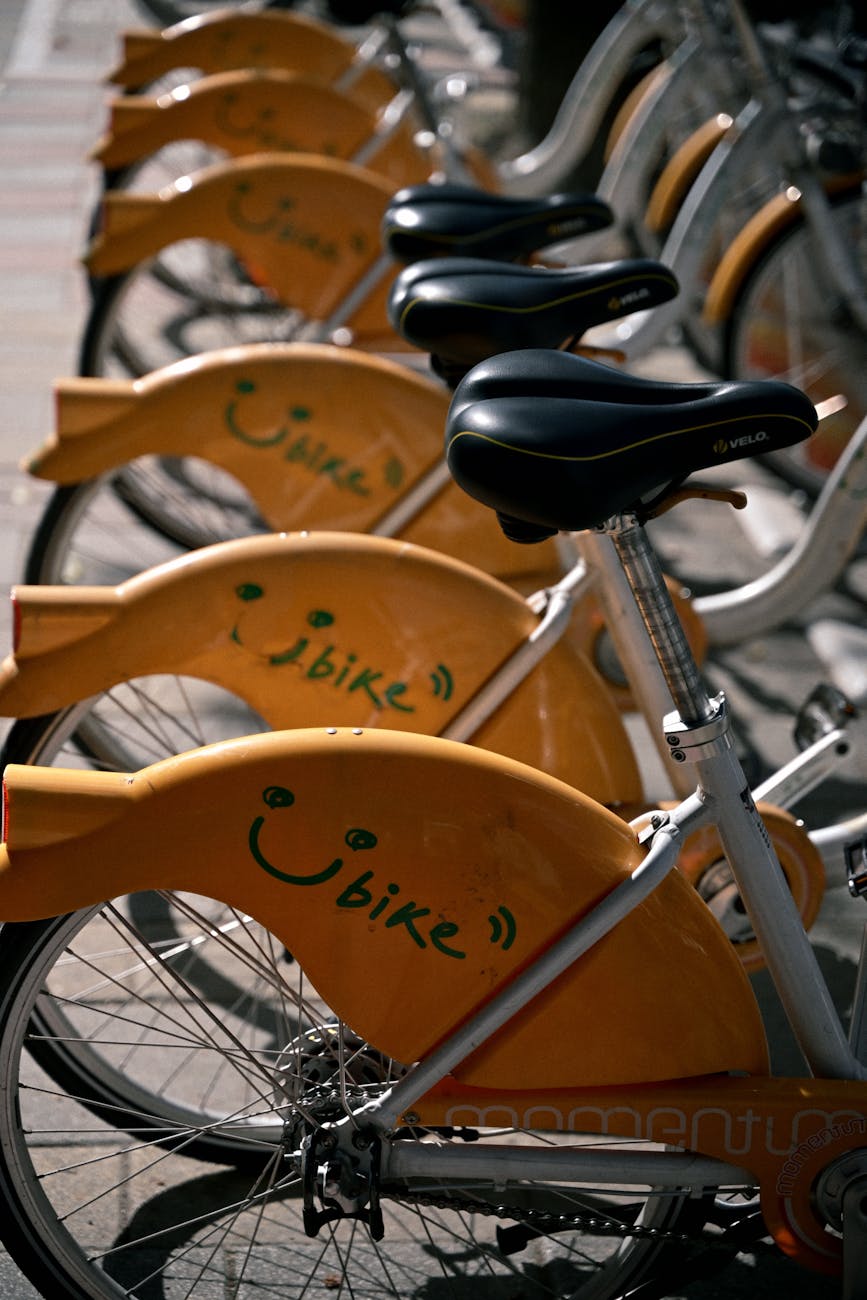
– Rent a well-maintained city bike from a local shop in Jordaan or near Central Station and lock it with two locks.
– Stick to cycle lanes, signal early, and avoid tram tracks. Choose quieter streets (Oud-West, De Pijp, Jordaan) for relaxed rides.
Ferries & walking
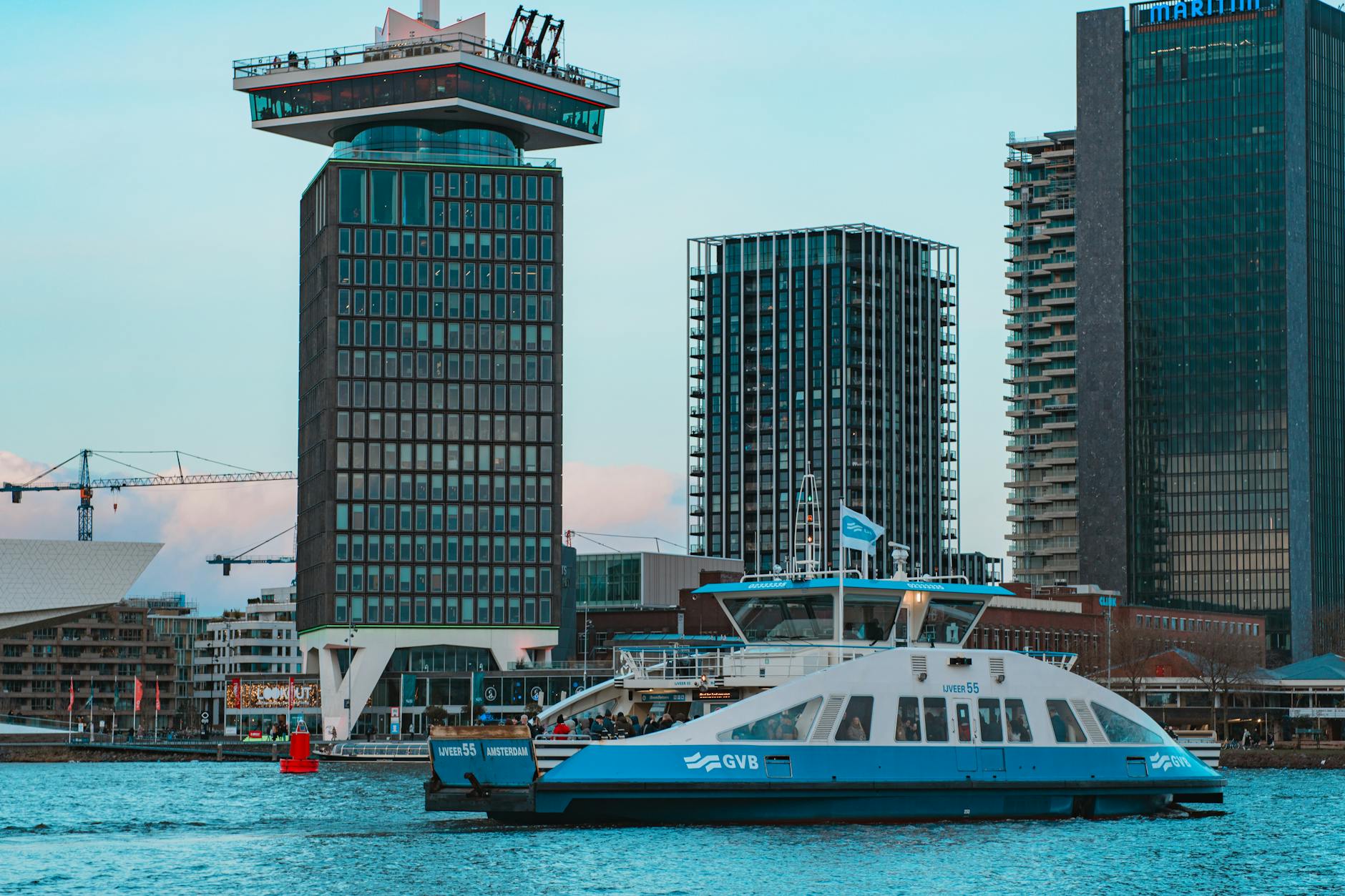
– Ferries from Centraal to Amsterdam Noord (Buiksloterweg) are free and frequent — great for NDSM and waterfront cafés.
– Many central sights are within easy walking distances if you have limited time.
Day trips by train
– Haarlem: 15–20 minutes — excellent for markets and coastal dunes.
– Utrecht: 30–40 minutes — cathedral tower and canals with wharves.
– The Hague: ~45 minutes — government quarter, museums, and Scheveningen beach.
– Hoofddorp and Amersfoort: reliable regional connections for quieter suburban or historic town visits.
Car & P+R
– Avoid driving in the centre. Use P+R sites (Sloterdijk, Zeeburg, Lelylaan) for cheaper parking + public transport into the city.
Local Context
Neighborhoods and movement
– Centrum (Dam, Red Light, canals): dense, lots of pedestrians and trams — walking and short tram rides work best.
– Jordaan and Negen Straatjes: narrow streets where bikes are common but pedestrian priority matters — walk when streets are crowded.
– Museumplein and De Pijp: easy to cycle between museums, cafés and parks but expect tourist foot traffic in high season.
– Noord: reached via free ferries from Centraal; NDSM is an emerging creative district less suitable for casual bicycling if you're unfamiliar with ferry timing.
Seasonal patterns
– Shoulder seasons (April–May, September–October) offer milder weather and fewer crowds — ideal for cycling and daily train trips to nearby cities.
– Winter can be wet, windy and occasionally icy; reduce cycling in icy conditions and rely more on trams and metros.
– Peak summer has long daylight and busy canals; book bike rentals and canal tours in advance.
Transport realities
– Trams and local buses are frequent; metros cover longer cross-town legs (Bijlmer, Amstelveen connections exist via buses).
– Many visitors underestimate the time lost by searching for bikes or locks — reserve rentals when possible.
– Expect occasional strikes or engineering works on weekends; check NS and GVB apps before travel.
How to Choose Well
Match transport to trip type:
– Short inner-city hops: tram or walk. Buy a 24/48/72-hour GVB pass if you'll take several rides each day.
– Flexible, local-style exploration: rent a city bike from a reputable local shop; schedule rentals ahead during high season.
– Day trips: use NS intercity trains (no reservation). Compare Intercity and Sprinter times; Intercity is faster for Haarlem, The Hague and Utrecht.
– Airport transfers: take the train from Schiphol to Centraal (15–20 min) or a direct bus if your accommodation is outside the centre.
Booking and payment tips:
– Use the official NS app or ticket machines for train tickets; contactless bank cards or OV-chipkaart work across the system.
– Buy P+R deals at the site entrance and validate on public transport for the discounted rate.
– Book canal or electric boat tours with small, local operators if you want lower-impact experiences and local guides.
Responsible and Local-First Tips
Prioritize local businesses and low-impact options:
– Rent from neighborhood bike shops (Jordaan, De Pijp) that maintain bikes and offer locks; avoid leaving bikes overnight in tourist spots.
– Choose electric or small-crew boat tours run by local operators rather than large tourist fleets.
– Use train day trips to support regional economies in Haarlem, Utrecht, The Hague, Hoofddorp and Amersfoort rather than private car hire.
– Tip and spend locally: grab coffees, sandwiches and souvenirs from independent cafés and market stalls (Albert Cuyp Market, Noord markets).
– Respect residential areas: keep noise low late at night, avoid cycling on sidewalks, and follow bin/garbage rules if staying in an apartment.
Low-impact seasonal choices:
– Visit parks like Vondelpark or Oosterpark in the shoulder seasons to spread tourist pressure from the canal belt.
– If cycling in colder months, pick shorter routes and public transit alternatives to reduce risk and stress.
Common Mistakes to Avoid
1) Treating the city like a car suburb
– Driving into Central Amsterdam wastes time and money. Use P+R on the edge if you need a car.
2) Underestimating bike rules
– Riding on sidewalks, ignoring cycle lanes or stopping suddenly in cycle lanes causes accidents. Learn simple signals and keep right where cycling lanes split.
3) Not checking service changes
– Weekend engineering works or occasional strikes can alter tram and train schedules — check the NS and GVB apps the night before.
4) Skimping on locks or rental quality
– Cheap locks and poorly maintained bikes are a theft and safety risk. Choose a shop that insures bikes and offers sturdy locks.
5) Overbooking tight itineraries
– Allow transfer time between museum visits and tram/trains. If you used the 3 days in Amsterdam plan, add buffer time for transit and queues.
FAQ
How do I pay for trams and buses in Amsterdam?
You can pay with a contactless bank card, smartphone payment (Apple/Google Pay) or an OV-chipkaart. For convenience on short trips, contactless is easiest; for several days of travel consider a GVB 24/48/72-hour pass.
Should I rent a bike or use public transport?
Both are good depending on priorities. Rent a bike for local, flexible exploration of neighborhoods like Jordaan, De Pijp and Oud-West. Choose GVB trams and metro for rainy days, for longer cross-city trips or if you prefer not to manage locks and theft risk.
Are ferries free and useful?
Most short ferries across the IJ (e.g., Centraal to Buiksloterweg/NDSM) are free and run frequently. Use them to reach Amsterdam Noord for a less touristy scene and waterside cafés.
How do I take day trips to Haarlem, Utrecht, The Hague, Hoofddorp or Amersfoort?
Buy an NS single or return ticket via the NS app or machines. Intercity trains are frequent and fast. No seat reservations are needed; check schedules in advance and plan return times if you're on a tight itinerary like the 3 days in Amsterdam route.
Is it safe to cycle at night?
Night cycling is common, but take extra precautions: use lights, wear reflective clothing, avoid busy tourist streets where pedestrians spill into cycle lanes, and lock bikes securely when you stop. If in doubt, take late-night trams or night buses.
Conclusion
Choose walking, trams and bikes as your default in Amsterdam; use trains for quick, low-impact day trips to Haarlem, Utrecht, The Hague, Hoofddorp and Amersfoort. Plan around seasonal weather, buy the right ticket for your stay, and prefer local bike shops, small boat operators and regional trains to support the local economy. For an integrated plan, pair these transport choices with the 3 days in Amsterdam itinerary to maximize time at neighborhoods and nearby towns without unnecessary stress.
How this guide was prepared
This guide was prepared through a structured research that combines destination research, geographic context, itinerary planning logic, and content review.