

Responsible Travel in Seoul — Practical, Local-First Advice
Practical guide to low-impact, locally focused travel in Seoul. Neighborhood choices, transport realities, seasonal tips, sustainable eating, and day-trip options linked to the 3 days in Seoul itinerary and nearby cities like Goyang and Incheon.
A concise, scan-friendly support page for travelers using the 3 days in Seoul itinerary. Learn how to travel lightly, support local businesses, pick the best neighborhoods, and add thoughtful day trips to nearby cities.
Quick Answer
A concise, scan-friendly support page for travelers using the 3 days in Seoul itinerary. Learn how to travel lightly, support local businesses, pick the best neighborhoods, and add thoughtful day trips to nearby cities.
Who This Page Is For
This page is for travelers planning a stay in Seoul who want clearer decisions about responsible travel, local logistics, timing, budgeting, and practical trip planning.
How This Page Was Prepared
This page was prepared through a structured editorial workflow that combines destination research, geographic context, and practical travel-planning review.
Plan the Rest of Your Trip
Use this page together with the full itinerary and the related planning pages below to make better booking, timing, transport, and budget decisions.
If you have only three days, follow the 3 days in Seoul plan but: prioritize early entries to Gyeongbokgung, choose a hanok or guesthouse in Jongno/Seochon for walkability, use the subway with a T-money card, and schedule one low-impact afternoon—Hangang bike ride or a Seongsu café crawl. For day trips, pick Goyang or Incheon for short transit rides; Busan and Jeju are best reserved for longer trips via KTX or a short flight.
This page supports the 3 days in Seoul itinerary by focusing on low-impact, local-first choices that save time and benefit communities. It highlights neighborhood trade-offs, transport realities, seasonal patterns, and simple etiquette so your short stay feels authentic and easy to manage. Use these tips to refine the main itinerary, add grateful day trips to nearby cities, or swap a popular stop for a quieter local alternative.
What This Page Helps You Decide
This page helps you choose:
– Where to stay: neighborhood trade-offs between convenience (Myeongdong, Hongdae) and local character (Jongno, Seochon, Seongsu).
– When to visit: avoid peak crowds and choose shoulder months for lower impact and better prices.
– How to move: when to rely on subway, taxi, or intercity rail (KTX) and how to use a T-money card.
– Which experiences to prioritize if you value local economies: markets, independent cafés, hanok stays, community-led tours.
It also points to practical day trips from Seoul to Goyang and Incheon and longer options to Busan or Jeju if you extend the itinerary.

Top Recommendations
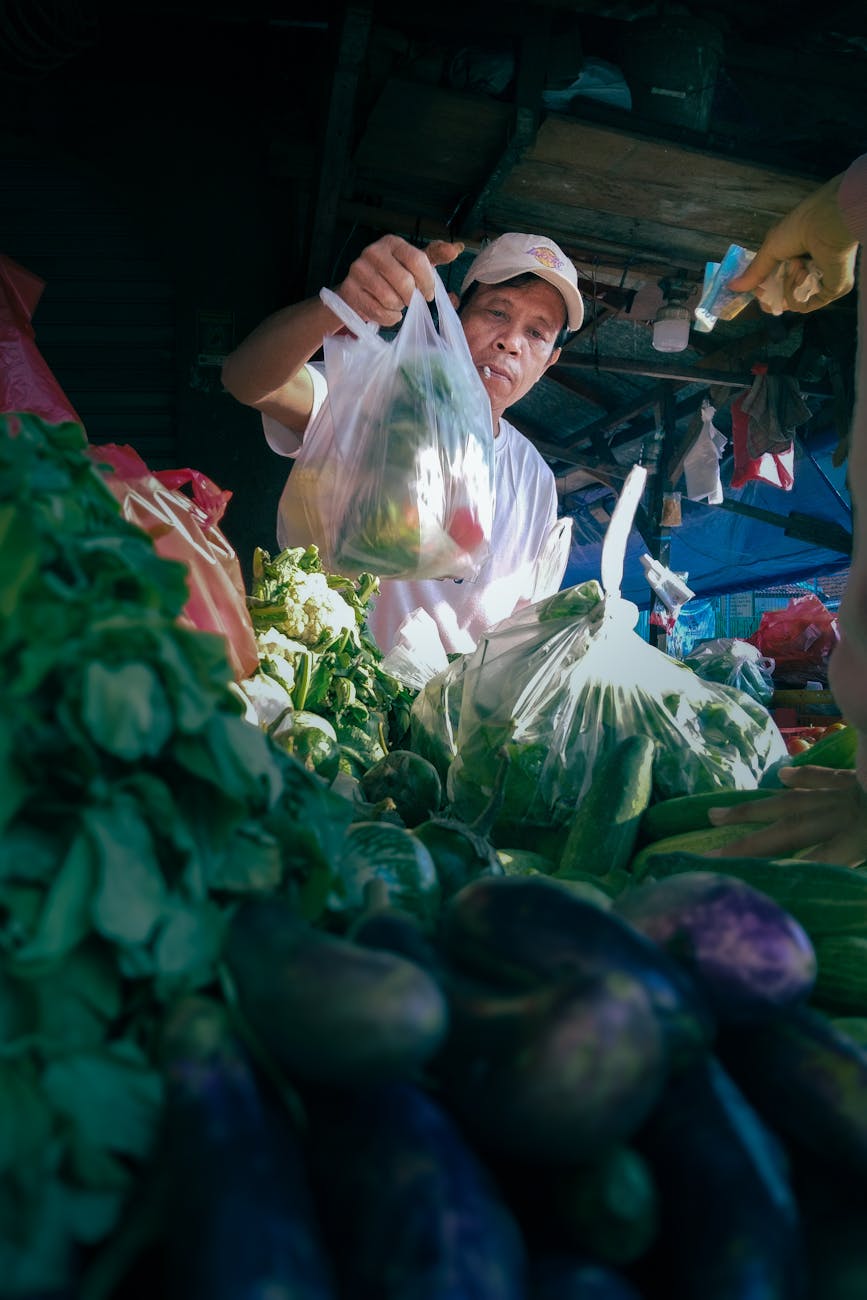
Start your mornings early at a market to spread visitor load and support small sellers:
– Gwangjang or Mangwon Market for fresh food, bindaetteok, and makers.
Choose a low-impact stay:
– Hanok guesthouses in Bukchon or Seochon for cultural benefit to local hosts, or small guesthouses in Hongdae/Yeonnam for community-run options.
Low-effort local experiences to add to the 3-day plan:
– Bike along the Hangang at sunset (rentals at Yeouinaru/Yeouido).
– Walk Ikseon-dong and Samcheong-dong alleys for artisans and tea houses.
– Afternoon hike on Bukhansan for wide views and fewer crowds if you go early and stick to marked trails.
Day-trip suggestions that keep transit low-impact:
– Goyang (Ilsan Lake Park, flower market) reachable by subway/bus.
– Incheon (Chinatown, eco-friendly Wolmido coastal walk) accessible by subway; combine with airport transit if relevant.
For detailed day-by-day sequences consult the main 3 days in Seoul itinerary and swap in these choices where they fit.

Local Context
Neighborhood character:
– Jongno/Seochon: historical, walkable, good for hanok stays and palace visits.
– Hongdae/Yeonnam: youthful nightlife, indie cafés, small galleries.
– Myeongdong: convenient shopping, can be crowded and tourist-focused.
– Seongsu: makers, boutiques, coffee culture in converted factories.
Seasonal patterns:
– Spring (late March–April) and fall (October–November) are busiest for blossoms and foliage—expect crowds at parks and palaces.
– Summer is hot and humid; shoulder-season travel in late spring or early autumn reduces impact and can lower accommodation costs.
Transport realities:
– Seoul subway is extensive and efficient; buy a T-money card for multi-modal use (subway, bus, some taxis, Hangang bike rentals).
– Rush hours (07:30–09:30 and 17:30–19:30) are very crowded; plan museum/palace visits outside those windows.
– For longer hops, KTX connects to Busan quickly; flights are easiest for Jeju.
Local etiquette highlights:
– No tipping normally; a simple bow or thank you is appreciated.
– Keep phone conversations quiet on public transit and remove shoes when entering some traditional guesthouses or temples.

How to Choose Well
Accommodation selection:
– Prioritize small guesthouses, family-run hanok stays, or eco-certified hotels near Jongno or Seochon for authenticity and walkability.
– Look for walk score and proximity to a subway station to minimize taxi use.
Experience selection:
– Swap one crowded attraction for a neighborhood immersion: skip a second palace and choose a food market walk instead.
– For guides and tours, pick licensed local guides or community-run experiences—ask about group size, refund policies, and local payment methods.
Booking advice:
– Reserve hanok stays and popular small restaurants early, especially in shoulder seasons.
– For palace visits, arrive at opening time to avoid crowds; consider a combined cultural-pass where available.
– If you plan a Bukhansan hike, check trail conditions and bus schedules for the return—trails fill quickly on pleasant weekends.

Responsible and Local-First Tips
Small actions that help:
– Eat at local markets and family-run restaurants rather than international chains.
– Buy locally made souvenirs (crafts in Insadong, ceramics in Samcheong-dong) and avoid mass-produced trinkets.
– Use refillable water bottle and a reusable bag for markets—many vendors appreciate it.
– Prefer public transit, walking, or cycling; if you must taxi, share rides or use pooled options where available.
Respectful behavior:
– Ask permission before photographing people, especially in markets and religious sites.
– Follow temple etiquette: dress modestly, speak quietly, and avoid flash photography near altars.
Community support:
– Hire local guides, join community walks, and consider making a small donation to neighborhood conservation projects if offered.
Low-impact day trips:
– Choose short journeys by subway or regional rail to Goyang or Incheon to keep your carbon footprint lower than flying south to Busan or Jeju unless you stay longer.
Common Mistakes to Avoid
Overpacked itineraries: trying to see too many neighborhoods in one day reduces appreciation. Slow down and choose quality over quantity.
Relying only on taxis: traffic can be heavy and fares add up; the subway is faster for most attractions.
Assuming credit cards work everywhere: many markets and small cafés prefer or only accept cash—carry some Korean won.
Ignoring opening hours and reservation needs: hanok stays, popular restaurants, and some museums require advance booking during shoulder and peak seasons.
Buying mass-produced souvenirs: prefer artisan goods to keep money in local hands and reduce waste.
FAQ
When is the best time to visit Seoul to avoid crowds but still have good weather?
Shoulder months—late April to early June and September to early November—offer pleasant weather and fewer international crowds than peak cherry blossom or autumn-peak weeks.
How do I get around cheaply and sustainably?
Use a T-money card for subway and buses. The subway covers most tourist areas quickly; walking and shared bike rentals along the Hangang reduce emissions and are enjoyable. Avoid taxis during rush hour.
Are hanok stays worth it for short visits?
Yes, if you value cultural exchange and supporting local hosts. Book early, check whether the property has quiet hours and shared facilities, and be prepared to remove shoes and use shared bathrooms in some stays.
Can I visit Busan or Jeju as a day trip from Seoul?
No—Busan and Jeju require more time. Use KTX for efficient travel to Busan (usually an overnight or multi-day trip) and a flight for Jeju; include them if you can extend beyond the 3-day plan.
Is it customary to tip in Seoul?
Tipping is not customary in Korea. Exceptional service is appreciated with a polite thank-you; if you do tip, discreetly hand cash to the person.
What should I know about local etiquette?
Speak quietly on public transport, remove shoes where requested, and ask before photographing people. Dress respectfully at temples and avoid loud behavior in residential alleys.
Conclusion
Use this page alongside the 3 days in Seoul itinerary to make choices that reduce impact and support local livelihoods. Favor public transit, early starts at popular sites, neighborhood exploration over checklist tourism, and short rail day trips to places like Goyang or Incheon when you want a change of pace. Thoughtful planning—small bookings, local guides, hanok nights—keeps your visit rewarding and beneficial to the communities you meet.
How this guide was prepared
This guide was prepared through a structured research that combines destination research, geographic context, itinerary planning logic, and content review.