
Responsible Travel in Miami Beach: Practical, Low-Impact Planning
A concise, practical guide to visiting Miami Beach responsibly: seasonal advice, neighborhood tips, low-impact transport, local-first dining and booking recommendations to complement our '3 days in Miami Beach' itinerary.
Practical tips for a low-impact, locally focused stay in Miami Beach—from when to visit and how to get around, to neighborhood suggestions, sustainable choices, and booking pointers that pair with the 3 days in Miami Beach itinerary.
Quick Answer
Practical tips for a low-impact, locally focused stay in Miami Beach—from when to visit and how to get around, to neighborhood suggestions, sustainable choices, and booking pointers that pair with the 3 days in Miami Beach itinerary.
Who This Page Is For
This page is for travelers planning a stay in Miami Beach who want clearer decisions about responsible travel, local logistics, timing, budgeting, and practical trip planning.
How This Page Was Prepared
This page was prepared through a structured editorial workflow that combines destination research, geographic context, and practical travel-planning review.
Plan the Rest of Your Trip
Use this page together with the full itinerary and the related planning pages below to make better booking, timing, transport, and budget decisions.
If you have three days: follow the 3 days in Miami Beach itinerary and add one low-impact choice each day—use the free Miami Beach Trolley, eat at family-run restaurants on Española Way, and choose walking or a bike for short trips.
If you have less time or want a quieter visit: travel in shoulder months (late April–May or October–early November), stay in Mid-Beach or North Beach to avoid the busiest corridors, and plan your beach hours for early morning or late afternoon.
This page is a hands-on companion to our itinerary, 3 days in Miami Beach. It focuses on choices that reduce environmental impact, keep money circulating in local neighborhoods, and help you enjoy Miami Beach beyond the biggest tourist traps.
You’ll find neighborhood-level advice, seasonal guidance, transport realities, and concrete booking tips so the time you spend here benefits local communities and the coastal environment.
What This Page Helps You Decide
Use this page to decide:
- Where to base yourself in Miami Beach if you want fewer crowds and more local commerce.
- How to time your visit to avoid peak-season crowds and heat while minimizing risk from hurricane season.
- Which transport options reduce carbon and avoid parking headaches.
- Which bookings to prioritize (tours, museum slots, restaurants) and when to book for better local impact.
This is built to support the main 3 days in Miami Beach itinerary and to suggest sensible day-trips to nearby cities like Miami, Fort Lauderdale, Hollywood, and West Palm Beach when you want to explore further.
Top Recommendations
Neighborhood choices
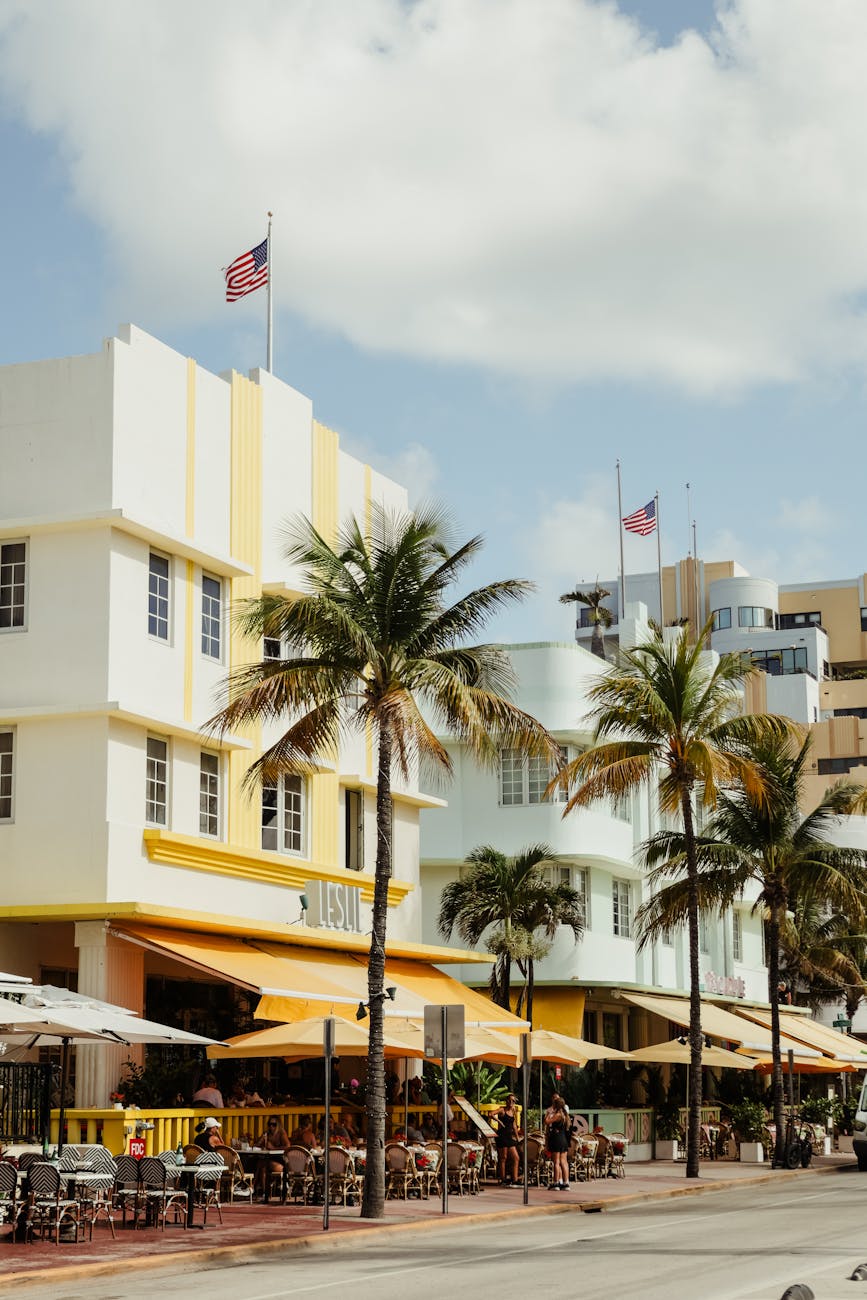
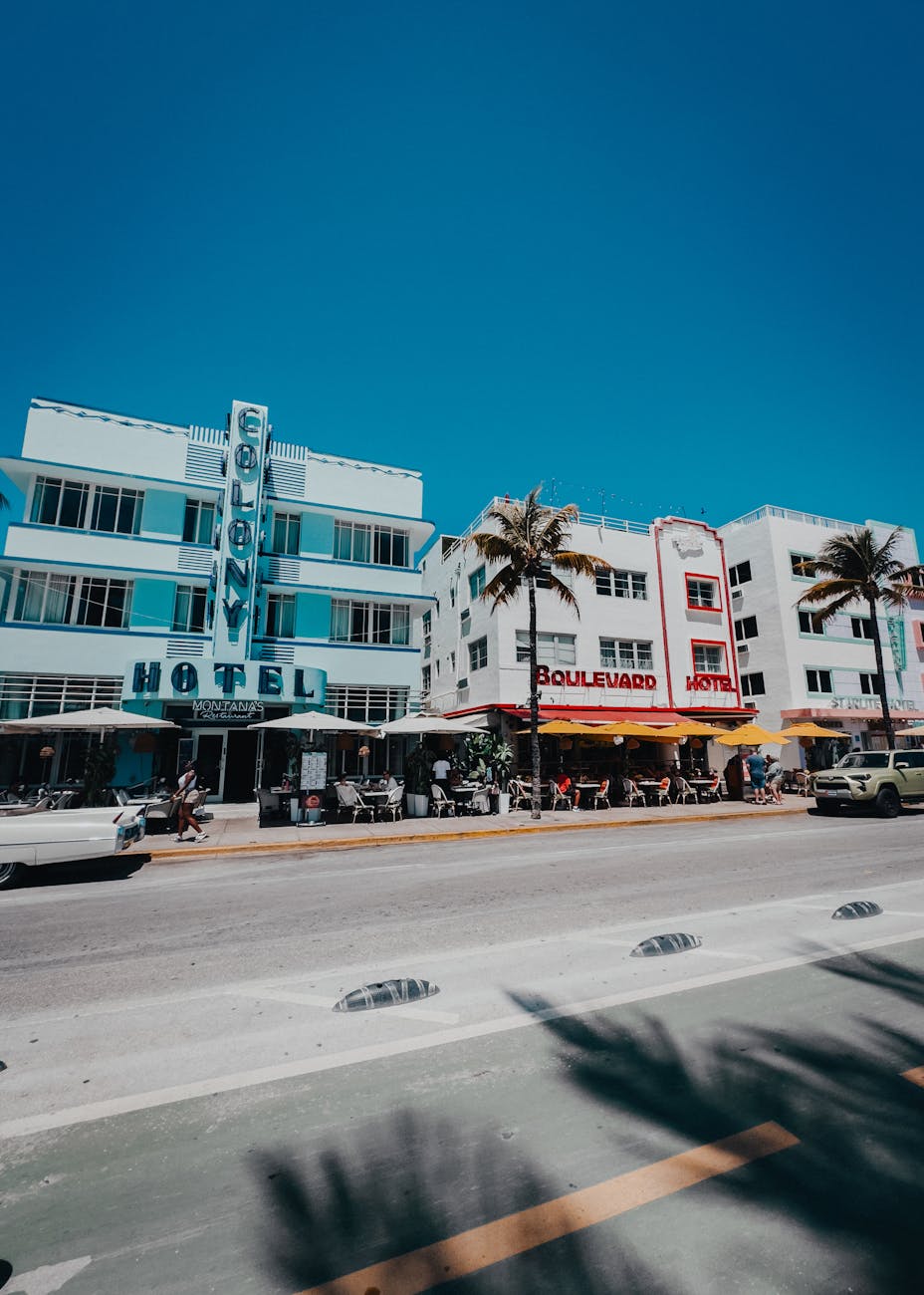
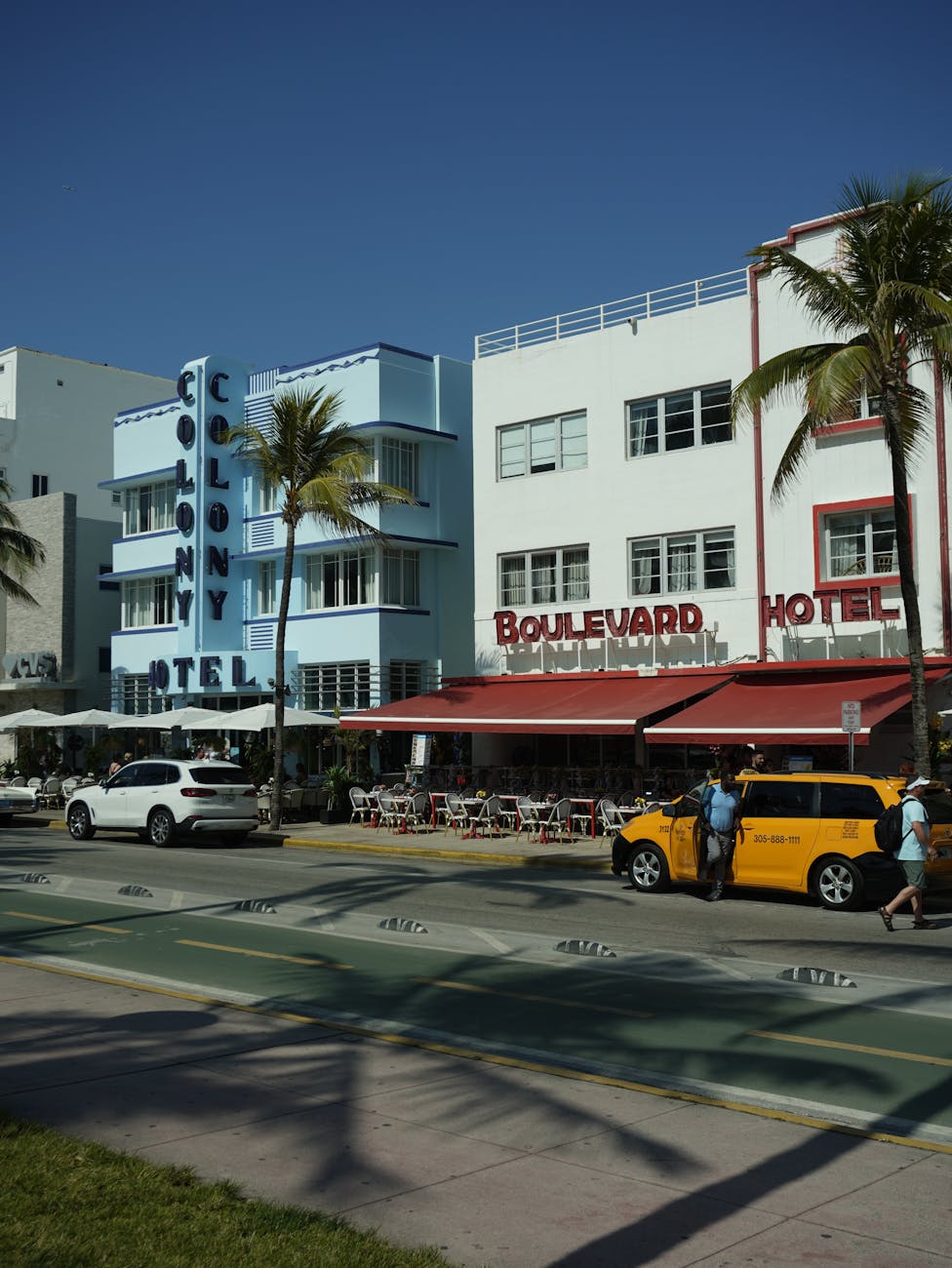
- South Beach: iconic Art Deco and nightlife—best for first-timers but expect crowds and higher prices. Favor early mornings on the sand.
- Mid-Beach: calmer, good independent cafes and Catalan/Art Deco touches near Collins Avenue.
- North Beach: local feel, quieter beaches, better value and more low-rise architecture.
Transport and access
- Use the free Miami Beach Trolley for short hops across neighborhoods.
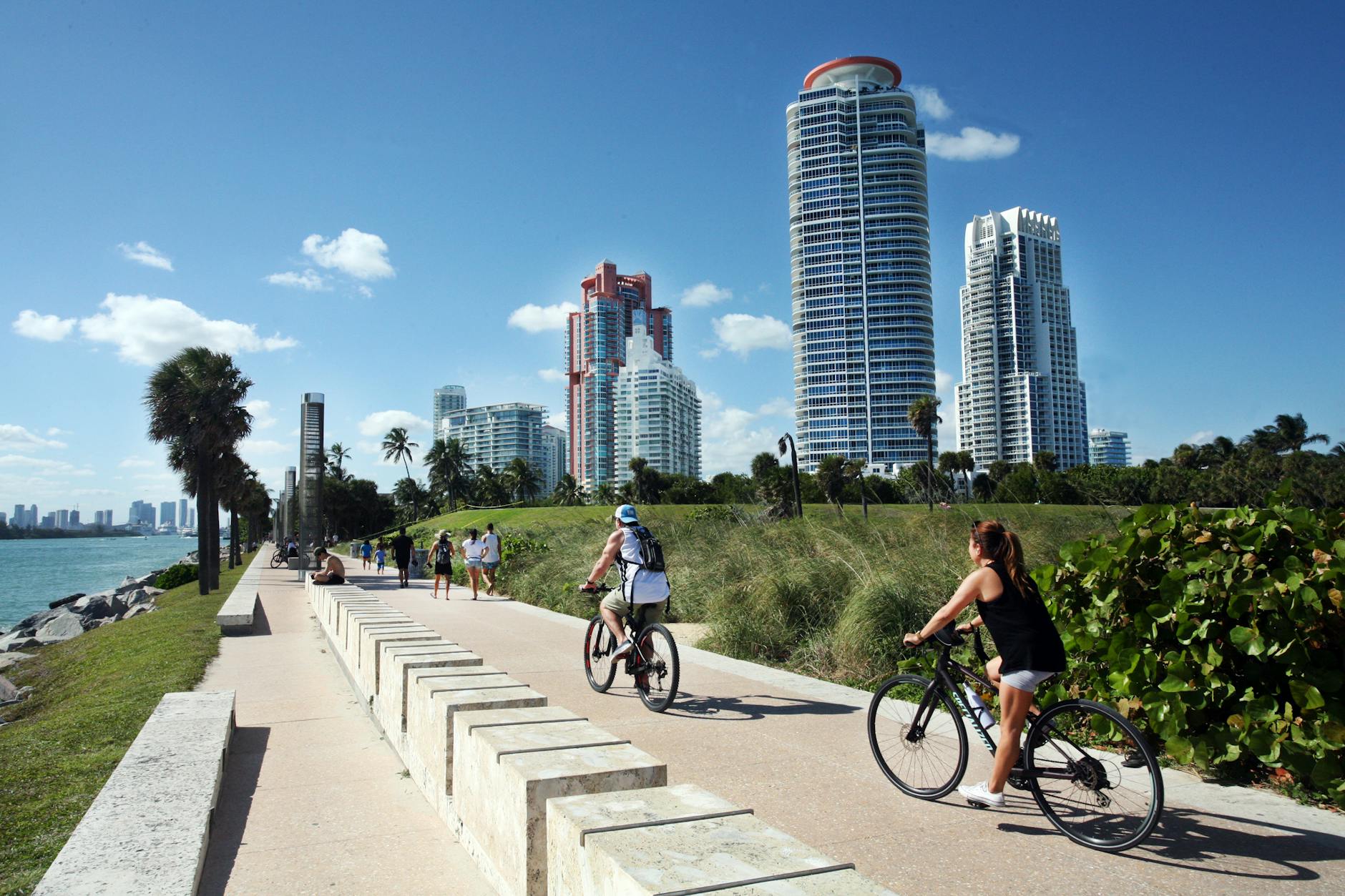
- Rent a bike from Citi Bike docks for short trips along the boardwalk; use bike lanes and avoid Ocean Drive at peak times.
- Skip driving if possible—street parking is limited and expensive; rideshares surge on event nights.
Experiences to prioritize
- A guided Art Deco walking tour with a small local operator (book in advance).
- Meals at small restaurants on Española Way, Sunset Harbour, or neighborhood diners in North Beach.
- A morning at South Pointe Park for skyline views without the heavy crowds on adjacent beaches.
Pair these with the 3 days in Miami Beach plan to replace one tourist-heavy stop with a local business each day.
Local Context
Seasonality
- High season: mid-December through April—pleasant weather but higher prices and crowds. Book hotels and tours well in advance.
- Shoulder months: late April–May and October—best compromise for fewer crowds and lower prices, but watch tropical storm forecasts in the fall.
- Hurricane season: June–November—travel insurance and flexible booking are essential.
Local etiquette and culture
- Dress is casual, but restaurants and some clubs enforce a neat-casual dress code.
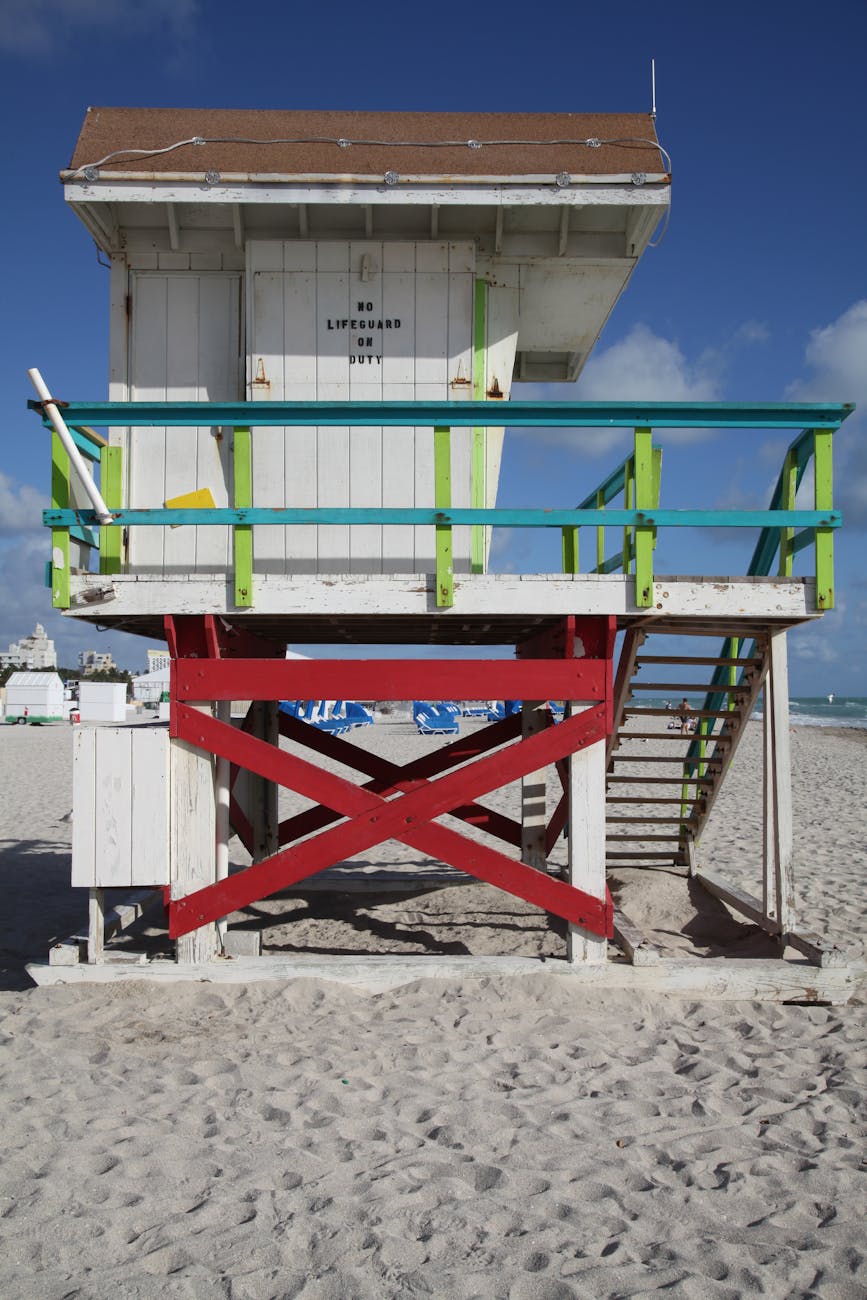
- Respect public beach rules: no glass bottles, pack out what you bring, and follow posted wildlife and nesting area signs (especially in spring).
- Tipping: standard U.S. practice—15–20% in restaurants and $1–2 for bag handlers.
Economy and community
- Miami Beach depends heavily on tourism; choosing smaller, locally owned hotels, guides, and restaurants helps keep more revenue in the neighborhood.
- Farmers markets and community-run events are good ways to support local producers—check Lincoln Road on Sundays for small vendors and seasonal pop-ups.
How to Choose Well
Where to stay
- Choose small hotels, guesthouses, or locally owned B&Bs over large corporate chains when possible.
- For quieter, more local neighborhoods, prefer Mid-Beach or North Beach; South Beach is ideal if proximity to nightlife and iconic sites matters.
How to book
- Book experiences directly with local operators or via trusted platforms that emphasize small business listings.
- Reserve popular restaurants and Art Deco tours at least 2–3 weeks in high season, and 3–7 days in shoulder season.
- Use refundable rates during hurricane season and consider travel insurance that covers severe-weather interruptions.
Daily choices that add up
- Walk or bike short distances and use the trolley for longer hops.
- Eat one locally owned meal each day and buy coffee from a neighborhood cafe rather than chain shops.
- Bring a reusable water bottle and a reef-safe sunscreen to protect marine areas.
Responsible and Local-First Tips
Practical low-impact travel choices
- Use reef-safe sunscreen and avoid disturbing dunes or nesting areas. Respect signage around protected stretches of coastline.
- Support local guides for nature or cultural tours; they often follow stricter environmental practices and put earnings back into the community.
- Choose plant-forward meals at local restaurants and favor sustainably caught seafood when available.
Smart spending
- Prioritize neighborhood vendors, family-run cafes, and small galleries on Española Way, Sunset Harbour, and North Beach.
- Tip well for service and consider small add-ons like purchasing a local artisan’s postcard or a guided neighborhood map.
Waste and transport
- Carry a refillable bottle—tap water in Miami Beach is treated and potable in most places.
- Use public transit, bike shares, walking, or organized shuttle services to reduce car use and congestion.
Events and wildlife
- If attending festivals or large events, buy tickets directly from organizers or trusted local vendors to ensure proceeds support the community.
- Avoid interactions that stress wildlife; don’t feed birds or marine animals and keep a respectful distance.

Common Mistakes to Avoid
- Booking last-minute during high season and then paying inflated rates—book hotels and key experiences early if traveling Dec–Apr.
- Driving everywhere: parking is expensive and limited. Use the trolley, bike-share, or rideshare for point-to-point trips.
- Eating only in the busiest tourist corridors—venture to Sunset Harbour, Mid-Beach, or North Beach for more authentic and affordable options.
- Ignoring weather seasonality—don’t assume shoulder months are risk-free; have flexible plans during hurricane season.
- Overbooking your days—Miami Beach is best enjoyed with some unplanned time to explore local streets, galleries, and cafes.
FAQ
When is the best time to visit for fewer crowds but avoid storms?
Visit in late April–May or early October. These shoulder months balance lower crowds and rates with generally good weather; still monitor tropical forecasts in fall.
Is it realistic to avoid driving in Miami Beach?
Yes. The free Miami Beach Trolley, extensive walkable neighborhoods like South Beach and Lincoln Road, and Citi Bike make it easy to get around without a car for most visitors.
How can I support local businesses during a short stay?
Eat at independently owned cafes and restaurants, book small-group tours, buy from local artisans, and choose boutique accommodations when possible.
Are there family-friendly low-impact activities?
Yes. Visit South Pointe Park, the Miami Beach Botanical Garden, and scheduled shore-cleanup or community beach events. Early mornings on the boardwalk are great for families.
Any safety or etiquette tips for the beach and nightlife?
On the beach, follow posted rules, don’t leave valuables unattended, and avoid glass containers. At night, dress codes vary—check venues ahead and use well-lit routes or rideshares after late evenings.
Conclusion
Miami Beach rewards thoughtful planning. Combine the practical advice here with the 3 days in Miami Beach itinerary: prioritize local operators, choose low-impact transport, and travel in shoulder windows when possible.
Small choices—where you eat, who you book, how you move around—help keep money in neighborhood businesses and protect the beaches you came to enjoy. If you plan a day-trip, consider nearby cities like Miami, Fort Lauderdale, Hollywood, or West Palm Beach by train or Brightline for lower-impact transit options.
How this guide was prepared
This guide was prepared through a structured research that combines destination research, geographic context, itinerary planning logic, and content review.