

Best Things to Do in Rimini — Culture, Beaches, and Local Life
Practical guide to the best things to do in Rimini, Italy — historic center, Borgo San Giuliano, Rimini Beach, day trips to Riccione and Ravenna, transport realities, and sustainable local-first tips tied to a 3-day Rimini itinerary.
A compact, practical list of Rimini activities that work with a 3-day itinerary. Includes neighborhood picks, seasonal tips, transport realities, and ways to spend locally and lightly.
Quick Answer
A compact, practical list of Rimini activities that work with a 3-day itinerary. Includes neighborhood picks, seasonal tips, transport realities, and ways to spend locally and lightly.
Who This Page Is For
This page is for travelers planning a stay in Rimini who want clearer decisions about things to do, local logistics, timing, budgeting, and practical trip planning.
How This Page Was Prepared
This page was prepared through a structured editorial workflow that combines destination research, geographic context, and practical travel-planning review.
Plan the Rest of Your Trip
Use this page together with the full itinerary and the related planning pages below to make better booking, timing, transport, and budget decisions.
Top things to do in Rimini at a glance:
– Walk the historic center: Arch of Augustus, Tiberius Bridge, Tempio Malatestiano (Centro Storico).
– Explore Borgo San Giuliano: murals, narrow alleys, fishermen’s houses and evening osterias.
– Spend slow hours on Rimini Beach and use a local stabilimento or the free shoreline depending on season.
– Visit the Fellini Museum and follow film-themed points around town.
– Cycle or stroll the seafront promenade between Marina Centro and the harbour.
– Take day trips by train or bus to Riccione, Cattolica, Cesenatico, Cervia, or Ravenna.
Choose shoulder seasons (May–June, September–October) to avoid crowds and support year-round local businesses.
Rimini blends a long Adriatic beach tradition with a compact historic center shaped by Roman and Malatesta eras and the legacy of filmmaker Federico Fellini. This page lists reliable, low-impact ways to spend time here and helps you slot activities into a main 3-day Rimini itinerary. Use the neighborhood names (Centro Storico, Borgo San Giuliano, Marina Centro) when you book—local hosts and small businesses will understand them immediately.
What This Page Helps You Decide
This page helps you pick which Rimini experiences fit into a short itinerary and how to sequence them with low impact. Use it to:
– Match half-day and full-day activities to a 3-day plan.
– Decide when to reserve a beach umbrella or book a local walking tour.
– Choose between a lazy beach day and a culture-heavy day in Centro Storico.
– Plan low-carbon day trips to nearby towns by train or regional bus.
If you’re following our main 3 days in Rimini guide, use these entries to swap, extend, or shorten days based on weather and energy levels.
Top Recommendations
1) Historic center loop (2–3 hours). Start at Piazza Cavour, cross the Tiberius Bridge, then visit Tempio Malatestiano and Castel Sismondo. Centro Storico is compact—reserve museum tickets in high season.
2) Borgo San Giuliano evening (1.5–2 hours). Stroll murals, eat at a small osteria or pescheria-turned-trattoria. Book tables for dinner on Saturdays and summer weekends.
3) Rimini Beach & promenade (half to full day). Choose a family-run stabilimento if you want service and shade; bring reusable water bottle for free water taps. In August reserve sunbeds; in shoulder months you can often find quiet public stretches.
4) Fellini trail and museum (1–2 hours). Reserve tickets online for temporary exhibitions. Combine with a coffee in a nearby bar to support local owners.
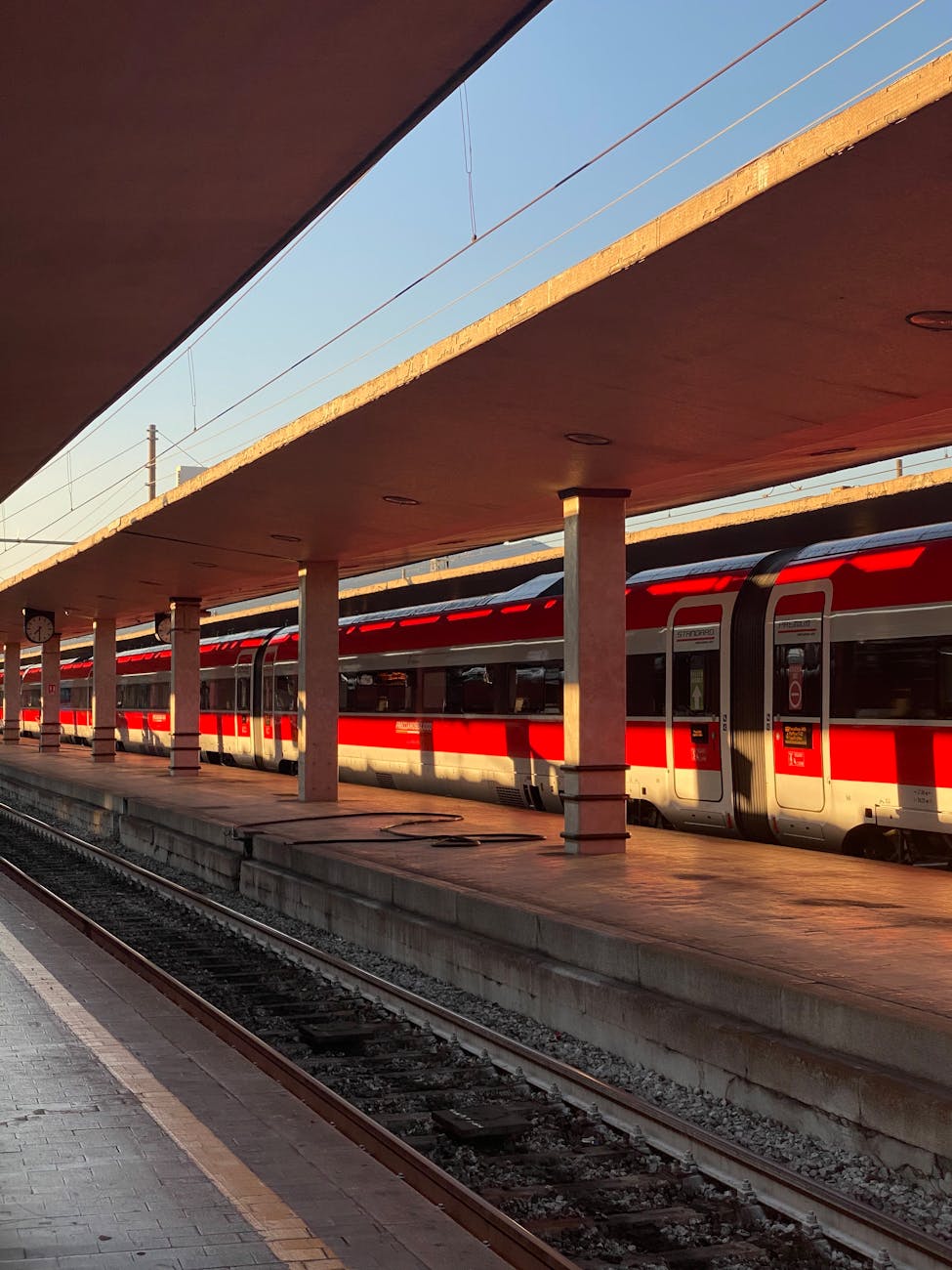
5) Day trips by rail (half to full day). Ravenna for mosaics (30–45 minutes by train), Cesenatico for its canal and market (regional train), Riccione or Cattolica for different beach vibes. Use Trenitalia and regional lines and check timetables on the day.
Transport and booking notes:
– Rimini station is walkable to Centro Storico (about 15–20 minutes) or a short bus/taxi ride.
– Buses require validated tickets (buy before boarding at kiosks or apps).
– Reserve busy activities and beach services in July–August well in advance.

Local Context
Neighborhoods and vibes:
– Centro Storico: Roman remains, medieval streets, museums. Best for culture and coffee stops.
– Borgo San Giuliano: colorful, intimate, local dining scene—less touristy at night if you avoid the waterfront rush.
– Marina Centro and Viale Regina Elena: classic long beach, family stabilimenti, seaside cycling.
Seasonal patterns:
– High season (mid-June to late August) brings crowds, higher prices, and daily events on the seafront.
– Shoulder seasons (May–June, September–October) offer milder weather, open shops, and a more local rhythm.
– Winter is quiet; many beach businesses close but you’ll find residents’ cafes and cheaper accommodation.
Transport realities:
– Regional trains link Rimini north to Bologna and south to Ancona; Ravenna requires a change at certain times.
– Local buses are frequent in town but validate tickets; taxis are available but can be scarce on festival nights.
Local etiquette and payments:
– Greet with buongiorno/buonasera and be patient in small establishments.
– Dress modestly in churches; beachwear is for the sand only.
– Small businesses prefer card or cash; always check if a cover charge (coperto) applies.
How to Choose Well
Match activities to energy and weather:
– Hot midday in summer = museum or indoor lunch in Centro Storico, then late afternoon beach.
– Cloudy or windy days = Ravenna mosaics or Cesenatico’s historical canal and seafood market.
– Families with small children = choose stabilimenti with play areas and lifeguards in Marina Centro.
Practical booking advice:
– Reserve museum and guided tours for weekends and July–August.
– Book beach services a week or more in advance in high season; smaller family-run stabilimenti can be booked by phone.
– Use regional train apps for day-trip schedules and to buy advance fares when possible.
Budgeting and pacing:
– Combine free or low-cost sights (architectural walks, market visits) with one paid attraction per day to support local operators without overspending.
Responsible and Local-First Tips
Support local businesses and lower your footprint:
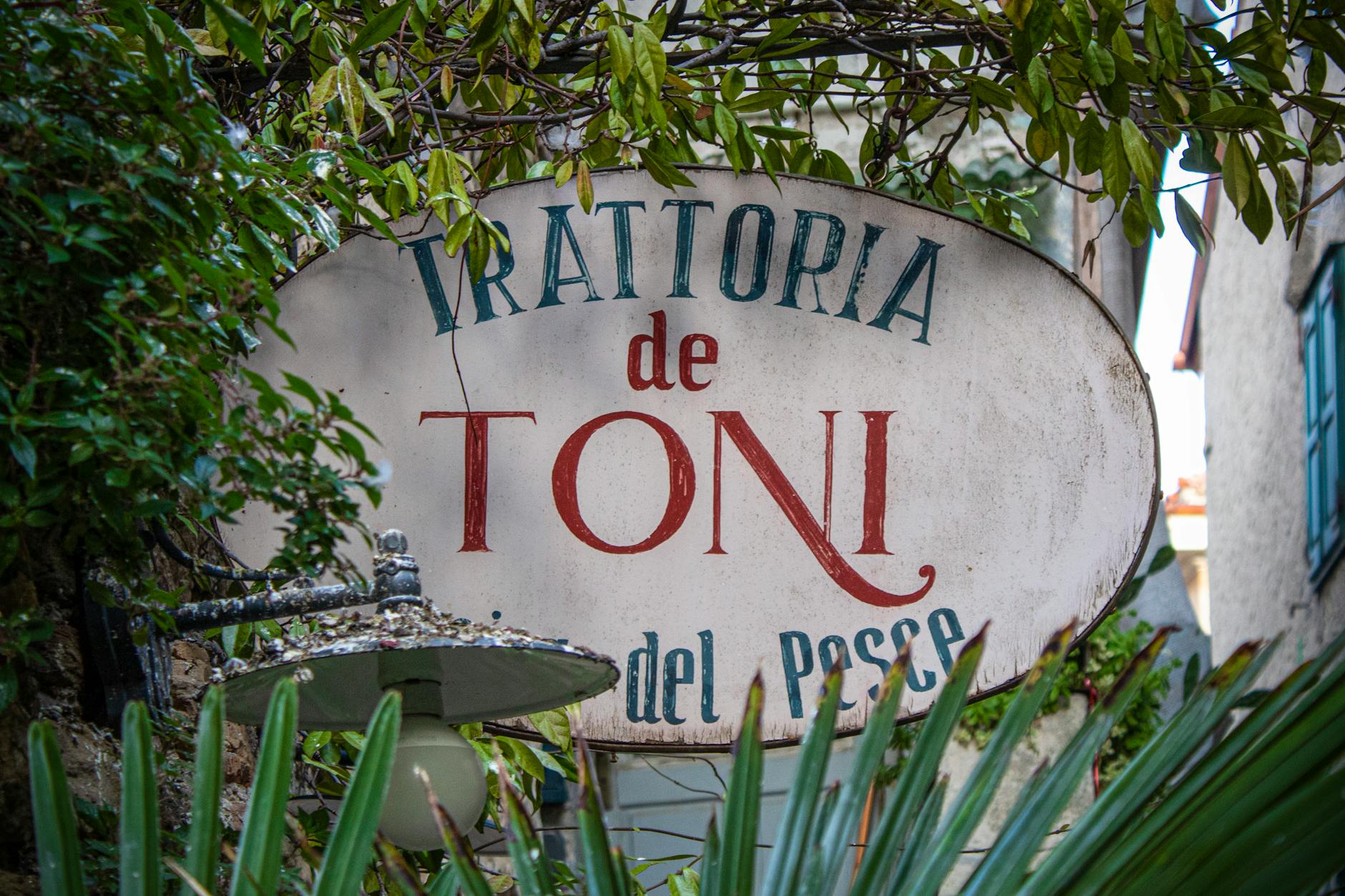
– Eat at family-run trattorie, choose seafood sourced nearby, and buy sweets or coffee from neighborhood bakeries.
– Prefer local guides and small-group walking tours—many are run by longtime residents and tip income stays in the community.
– Use public transport, walk or cycle the seafront; rent bikes from local shops rather than global chains when possible.
– Avoid single-use plastics: bring a reusable bottle and carry a tote for markets.
– If using stabilimenti, favor those that employ local lifeguards and run sustainable beach practices.
– Respect private property and quiet hours in residential neighborhoods, especially in Borgo San Giuliano.
Common Mistakes to Avoid
- Assuming the entire town is 'only a beach': Rimini has compact cultural highlights within walking distance.
- Waiting to book beach gear in August: many stabilimenti sell out or double-book peak slots.
- Not validating bus tickets: inspectors fine on-the-spot if you board without a stamped ticket.
- Wearing beachwear into churches or many restaurants: change into casual street clothes before leaving the sand.
- Trying to drive and park in Centro Storico on a weekend evening: use the train or park at designated lots and walk.
- Ignoring local opening hours: small shops and some museums close for a long lunch or on Monday mornings.
FAQ
When is the best time to visit Rimini to see both the beach and the historic sites?
Shoulder seasons—late May to early July and September—are the best balance: warm sea, fewer crowds, and most cultural sites and restaurants open.
How do I get from Rimini to Ravenna or Cesenatico for a day trip?
Regional trains and buses run between Rimini and Ravenna (often with a change depending on schedule); Cesenatico is a short regional train ride. Check Trenitalia or regional timetables and allow extra time for connections.
Do I need to reserve a stabilimento in advance?
In July–August it’s wise to reserve, especially for popular spots in Marina Centro. In shoulder months many stabilimenti accept walk-ins.
Is Rimini safe to walk at night in local neighborhoods?
Centro Storico and Borgo San Giuliano are generally safe and lively at night, but use usual precautions: stay in well-lit streets, mind your belongings, and avoid empty beach stretches after midnight.
How should I behave in restaurants and markets?
Greet staff, ask for recommendations, and expect table service. Markets are cash-friendly; small vendors often prefer cash. Tipping is modest—round up or leave a few euros for exceptional service.
Can I use public restrooms at the beach?
Stabilimenti provide restrooms to patrons. Public toilets are limited along the seafront; plan accordingly and bring small change for paid facilities in peak season.
Conclusion
Rimini rewards a mixed approach: pair a relaxed beach morning with a cultural afternoon in Centro Storico, and use day trips to nearby towns to diversify your experience. For itinerary-ready planning, use the suggestions here to adapt our main 3 days in Rimini guide—swap a beach day for a museum day, or add a short rail trip to Ravenna or Cesenatico. Travel thoughtfully: favor local businesses, travel by train or bike where possible, and visit in the shoulder season to spread benefits across the year.
How this guide was prepared
This guide was prepared through a structured research that combines destination research, geographic context, itinerary planning logic, and content review.