
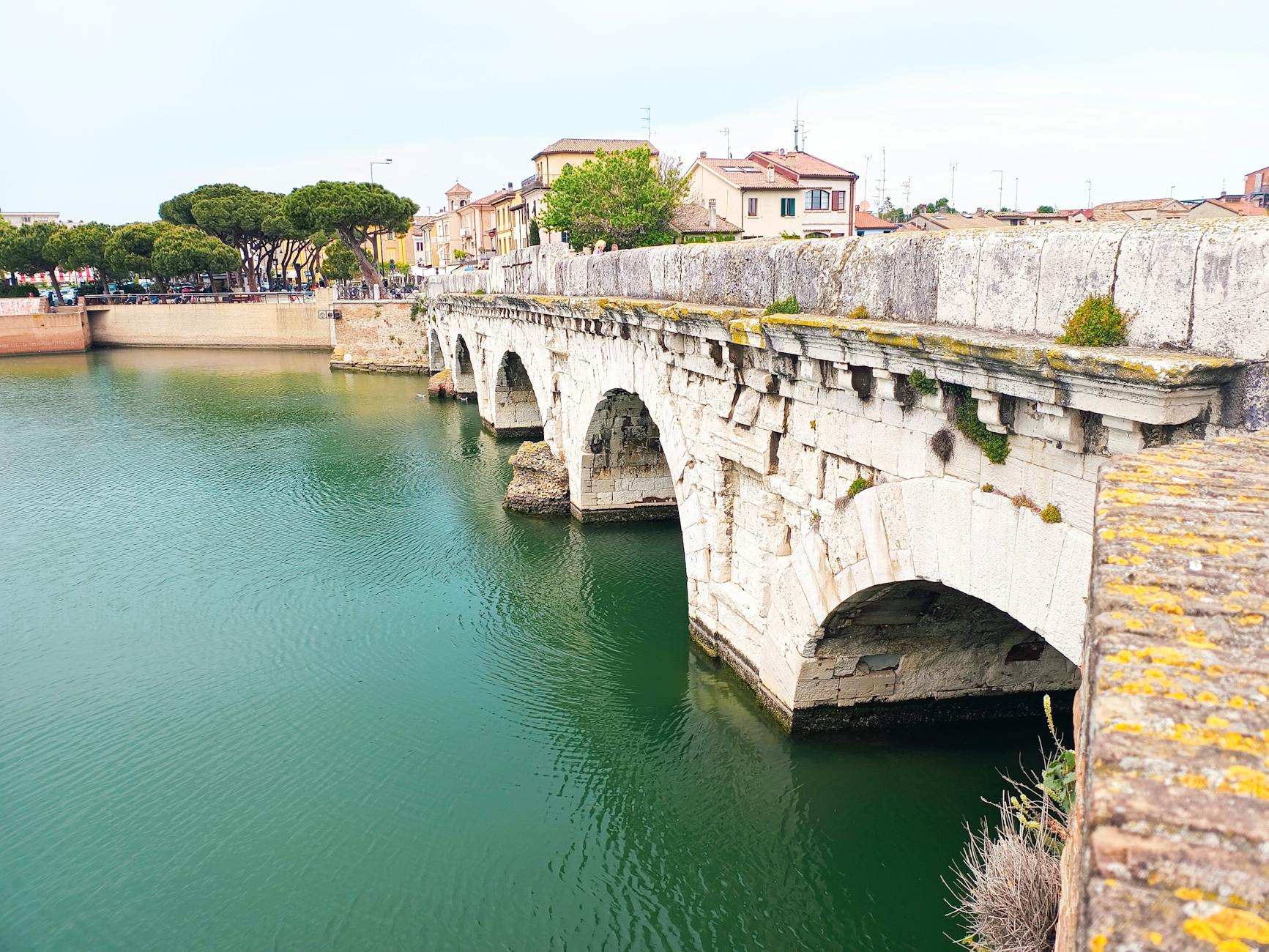
Rimini Travel Budget: Practical Costs, Savings, and Local Tips
Clear, realistic budgeting for Rimini: daily cost ranges, where to save, best neighborhoods, transport realities, and sustainable local-first tips to support a 3-day Rimini itinerary and nearby day trips.
A compact, practical budget guide for Rimini that helps you pick neighborhoods, set daily costs, and make low-impact choices. Ideal as a support page for the 3 days in Rimini itinerary and for short trips to nearby Riccione, Cattolica, Cesenatico, Cervia, and Ravenna.
Quick Answer
A compact, practical budget guide for Rimini that helps you pick neighborhoods, set daily costs, and make low-impact choices. Ideal as a support page for the 3 days in Rimini itinerary and for short trips to nearby Riccione, Cattolica, Cesenatico, Cervia, and Ravenna.
Who This Page Is For
This page is for travelers planning a stay in Rimini who want clearer decisions about travel budget, local logistics, timing, budgeting, and practical trip planning.
How This Page Was Prepared
This page was prepared through a structured editorial workflow that combines destination research, geographic context, and practical travel-planning review.
Plan the Rest of Your Trip
Use this page together with the full itinerary and the related planning pages below to make better booking, timing, transport, and budget decisions.
Typical daily budget ranges (per person, excluding major shopping or flights):
- Shoestring: €35–60 — hostel dorms or basic B&B, self-catered breakfasts, public beach, city walking.
- Comfortable: €90–160 — small hotel or private apartment, one restaurant meal, local transit, a paid lido visit.
- Relaxed/Convenient: €180+ — mid-range hotel near the waterfront, taxis or car hire, guided tours.
Key saving levers: travel shoulder season (May–June, September–October), stay a few blocks from Viale Vespucci, use trains for regional day trips, and eat at family-run trattorie instead of the waterfront tourist strip.
This page gives clear, practical numbers and choices to plan your Rimini budget. It’s written to support the main 3 days in Rimini itinerary and to help you decide where to spend and where to conserve—without losing the local character. Readers who value local economies and low-impact travel will find neighborhood-based accommodation tips, public-transport options, and seasonal booking guidance.
What This Page Helps You Decide
Use this page to choose quickly and confidently:
- Where to stay relative to price, convenience, and atmosphere (old town vs beachfront).
- Whether to book a lido (private beach) or use free beach stretches.
- How much cash vs card you’ll need and typical transport costs.
- If a day trip to Riccione, Cattolica, Cesenatico, Cervia, or Ravenna fits your budget.
If you’re following the 3 days in Rimini guide, use the budget ranges here to pick the right accommodation and activities for each day.
Top Recommendations
Practical, money-smart choices that preserve atmosphere and support local businesses:
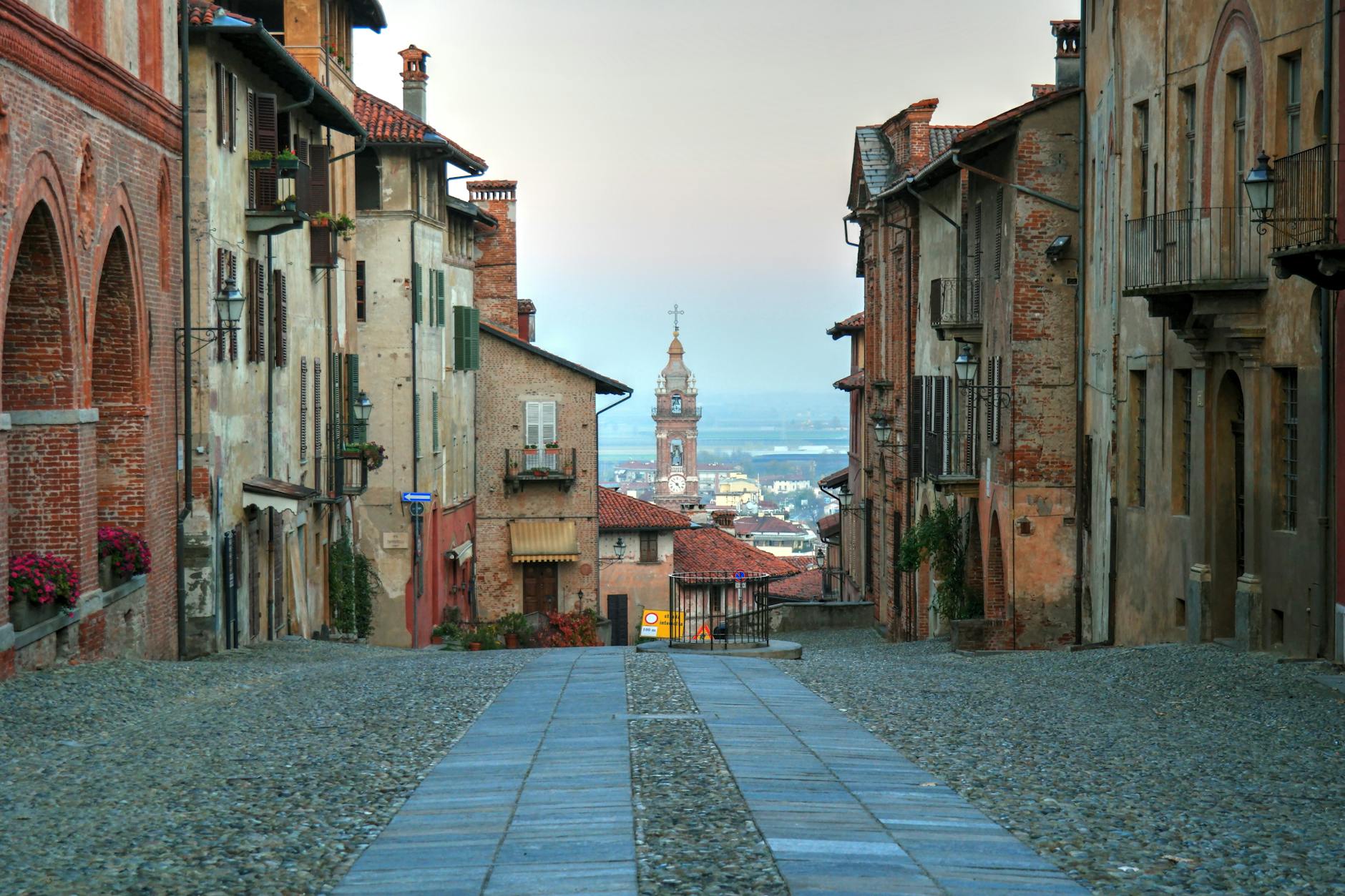
- Choose accommodation: For value, book a B&B or small guesthouse in Borgo San Giuliano or near Rimini Centrale. For a beach focus, look a little inland from Viale Vespucci to save 15–30%.
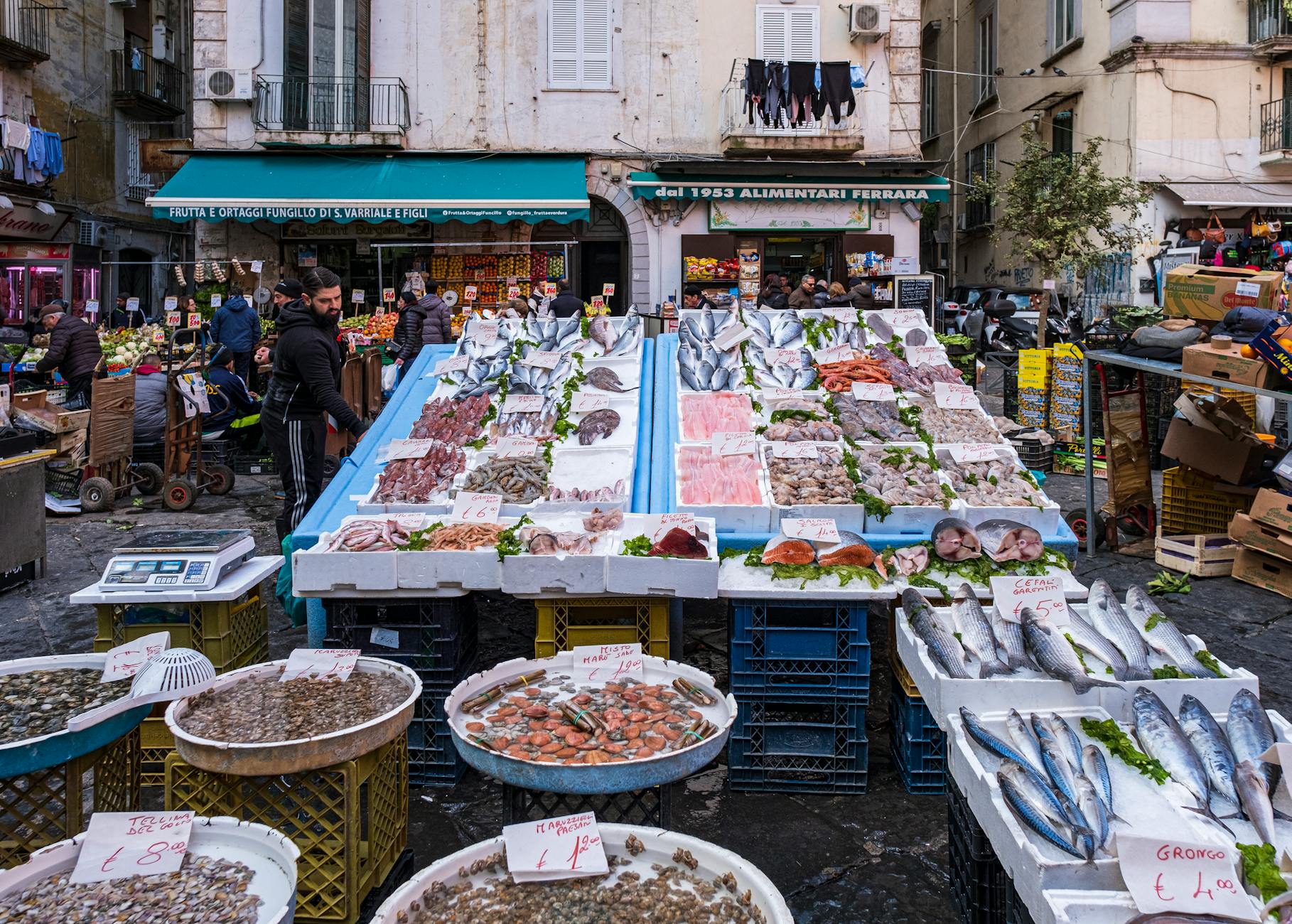
- Meals: Eat lunch at market stalls or osterie; reserve one waterfront dinner. Try pesce fresco at small family-run restaurants rather than the big tourist terraces.
- Beaches: In high season, lidos charge per-day fees and include sunbeds; pick a lido with clear waste policies or use free public beach stretches to save money.
- Transport: Use regional trains for day trips—Ravenna and Cesenatico are short, affordable rides. Buy tickets before boarding or use validated regional apps. Walk and rent bikes for short hops.
- Bookings: Reserve accommodation early for July–August. For shoulder season you can safely book 2–3 weeks ahead and still find deals.
These choices keep spending local and lower your environmental footprint.
Local Context
Neighborhoods and seasonal realities:
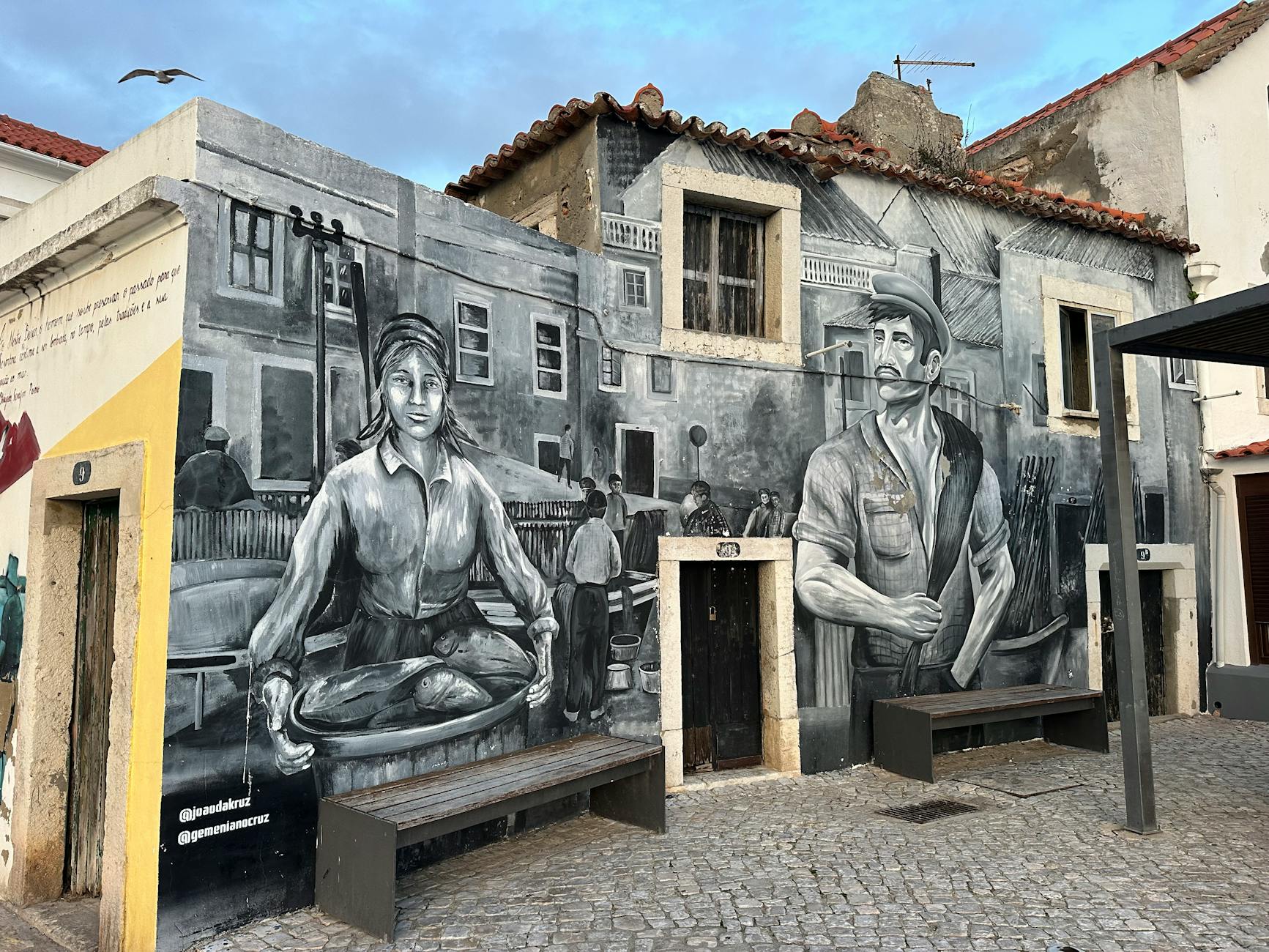
- Borgo San Giuliano: Charming, colorful murals, restaurants run by families—good for evenings and value stays.
- Old town (around Piazza Cavour): Close to museums, Tempio Malatestiano, and the main cafés—easy walking to sites.
- Viale Vespucci and the promenade: Beachfront hotels and lidos (more expensive in July–August).
- Rimini Centrale area: Convenient for trains and budget hotels; less scenic but practical for travel.
Seasonality and transport realities:
- Peak season: Mid-July to late August is busiest and most expensive; lido and hotel prices spike.
- Shoulder seasons: May–June and September–October give milder weather, lower prices, and fewer crowds.
- Winter: Many beachfront businesses close; town life focuses on local restaurants and museums.
- Getting there: Rimini–Federico Fellini Airport (RMI) has seasonal flights; Bologna and Ancona airports are practical alternatives. Trains on the Bologna–Ancona line are frequent and reliable.
Local etiquette: Dress modestly in churches, queue politely for beach facilities, and speak a few words of Italian—locals appreciate it.

How to Choose Well
Match your budget and priorities with these choices:
- If you prioritize beach time and convenience: Stay within a short walk of Viale Vespucci. Expect higher prices in summer; book early.
- If you prioritize local atmosphere and savings: Stay in Borgo San Giuliano or the old town—short walks to cafés and a lower nightly rate than beachfront.
- If you want cheap nights and mobility: Stay near Rimini Centrale for train access and many budget hotels.
- For families: Look for family-run hotels with kids’ services; consider Riccione or Cattolica for larger family-oriented promenades and often better family deals.
Factor in: daily lido fees, whether breakfast is included, and the cost of day trips (train vs guided tour).
Responsible and Local-First Tips
Spend in ways that support small businesses and reduce impact:
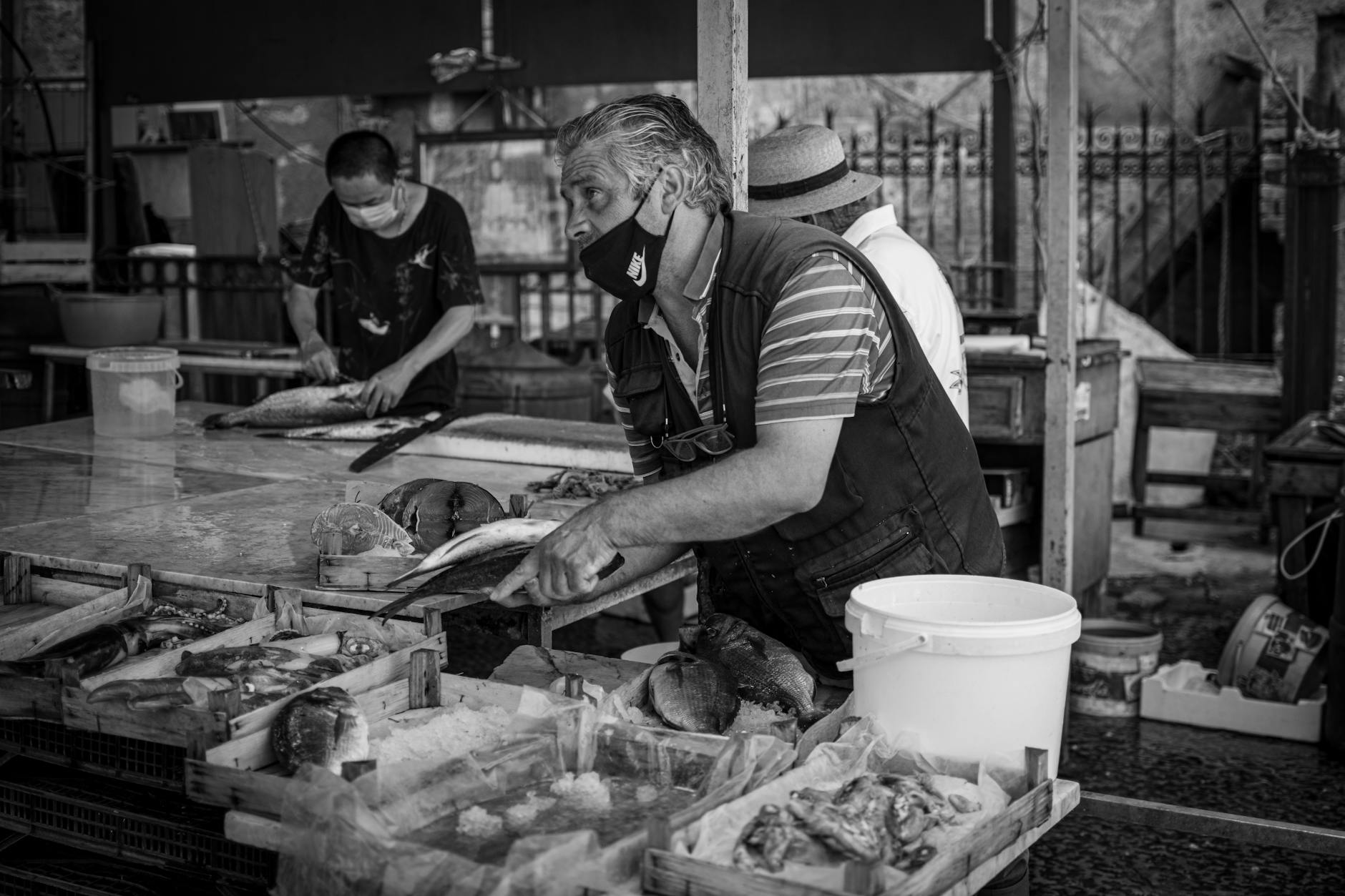
- Eat local: Favor family-run trattorie, daily fish markets, and bakeries—these keep money in the community.
- Travel low-impact: Use trains to Ravenna, Cesenatico, Cervia or Riccione instead of renting a car; rent a city bike from local shops.
- Beach behavior: Use refillable water bottles, follow beach recycling rules, and avoid single-use plastics.
- Choose eco-aware services: Look for guesthouses or hostels that practice energy efficiency and water saving; prefer lidos that disclose environmental practices.
- Off-season stays: Visiting in shoulder months spreads visitor impact across the year and benefits small businesses that rely on extended seasons.
Small choices—like booking a neighborhood restaurant over a beachfront chain—have outsized benefits for local economies.
Common Mistakes to Avoid
Practical pitfalls travelers often make:
- Booking last minute in August: Expect large price increases and limited lido availability.
- Assuming all beaches are free: Many stretches are private lidos with fees; check the map before you plan the day.
- Staying only on the beachfront: You’ll miss the old town’s restaurants and lower-cost lodging.
- Paying taxi fares without checking apps or fixed rates: For short trips use buses or walk; for trains check schedules in advance.
- Overlooking market days and museum closures: Museums may have seasonal hours; check the 3 days in Rimini itinerary for timed visits.
Avoid these and you’ll keep costs predictable and experiences authentic.
FAQ
How much should I budget per day in Rimini?
Expect €35–60 for a shoestring day, €90–160 for a comfortable day, and €180+ for a relaxed experience. Lido fees, guided tours, and dinners on the waterfront add extra cost.
Are beaches free or paid?
Both. Many stretches are private lidos that charge for sunbeds and umbrellas; there are also public (free) beach sections. Check the stretch near Viale Vespucci and the municipal map when planning.
How do I save on accommodation?
Book outside the July–August peak, choose small B&Bs or guesthouses in Borgo San Giuliano or near Rimini Centrale, and consider short-term apartments with kitchen facilities.
Can I day-trip to Ravenna or Cesenatico cheaply?
Yes. Regional trains connect Rimini to Ravenna, Cesenatico, Cervia, and Riccione quickly and affordably—ideal for low-cost day trips.
What about tipping and payment methods?
Credit cards are widely accepted for hotels and restaurants, but small cafés and market stalls may prefer cash. Tipping is appreciated but modest—round up or leave 5–10% at table service.
How should I book lidos and tours?
In high season, reserve lidos and popular boat or food tours in advance. For shoulder season, you can often reserve a day or two ahead. Prioritize operators with small-group limits and clear environmental practices.
Conclusion
Practical next steps: pick a neighborhood based on whether you want beach convenience (Viale Vespucci) or local atmosphere and value (Borgo San Giuliano/old town); set a daily budget from the ranges above; book accommodation early for July–August or later for shoulder-season flexibility. Use the 3 days in Rimini guide to allocate your budget across attractions and day trips to Riccione, Cattolica, Cesenatico, Cervia, and Ravenna. Small, local-first choices—eating at family-run restaurants, taking trains, and avoiding single-use plastics—stretch your budget and deliver a more authentic Rimini.
How this guide was prepared
This guide was prepared through a structured research that combines destination research, geographic context, itinerary planning logic, and content review.