

A compact, practical 3-day itinerary that mixes iconic sights, neighborhood discoveries, hawker-centre feasts and easy transport tips for first-time and return visitors to Singapore.
Introduction
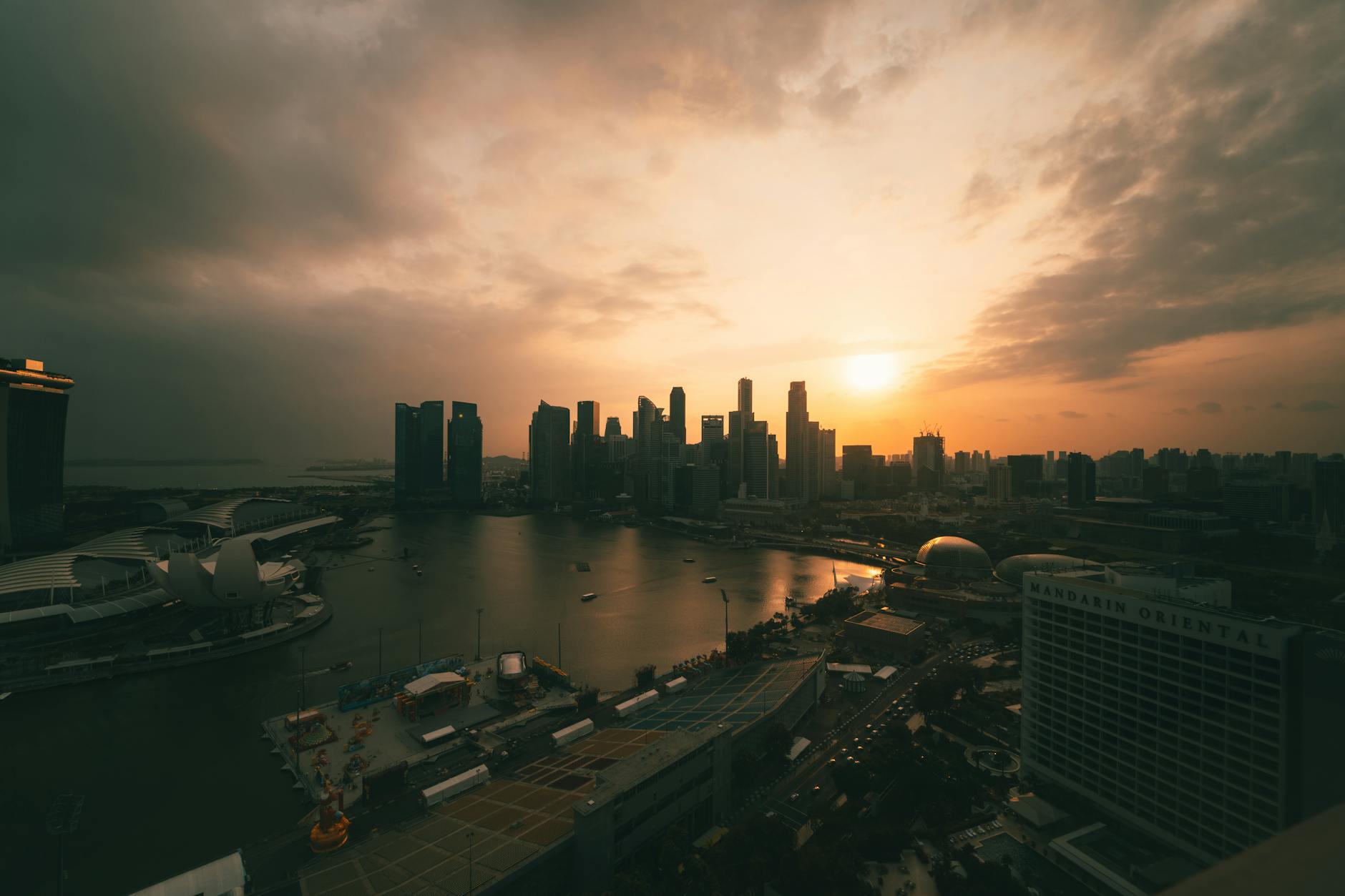
Singapore is a compact, impeccably clean city-state where futuristic skyscrapers sit beside colonial streets, hawker stalls hum with flavour, and tropical greenery is deliberately woven into the skyline. In three days you can cover the marquee sights — Marina Bay, Gardens by the Bay and Sentosa — and still have time to explore neighborhoods such as Chinatown, Little India and Tiong Bahru for a taste of local life.
This guide gives a practical, walkable plan for 72 hours, plus neighbourhood tips, food picks, transport advice and realistic budgeting. It’s written for first-time visitors who want to see the icons without skipping the everyday pleasures — kopi, hawker stalls and a riverside evening.
Why Visit
Singapore rewards short stays: most highlights are close together, English is widely spoken, public transport is efficient and the food scene is world-class. It’s ideal for travelers who want variety without long transfers.
- Iconic architecture and waterfront promenades — Marina Bay Sands, Esplanade and the Singapore Flyer.
- Culinary variety — hawker stalls, Peranakan kitchens, Michelin-recognized street food and modern Asian restaurants.
- Easy, safe, and walkable neighborhoods — Chinatown, Kampong Glam, Tiong Bahru and Orchard Road.
- Green spaces and family attractions — Botanic Gardens, Sentosa beaches, Singapore Zoo and Night Safari.
Quick Planning Tips
A few practical notes to save time and avoid common pitfalls:
- Currency and cards: Singapore dollar (SGD). Card widely accepted; carry small bills or a stored-value card (EZ-Link/NETS FlashPay) for hawkers and MRT gates.
- Transport card: Buy an EZ-Link or use a contactless credit/debit card on buses and MRT. The Singapore Tourist Pass is sometimes available for unlimited rides but check current availability.
- Language and safety: English is an official language and the city is very safe. Keep a copy of your passport for check-ins; carry the physical passport when crossing into Malaysia (e.g., Johor Bahru).
- Plug and voltage: Type G sockets, 230V/50Hz.
- Book big attractions in advance: Gardens by the Bay OCBC Skyway, Marina Bay Sands SkyPark, Night Safari and Sentosa attractions often have timed entries.

Day 1 — Marina Bay and the Civic District
Start with the city’s most famous skyline and work your way through waterfront highlights.
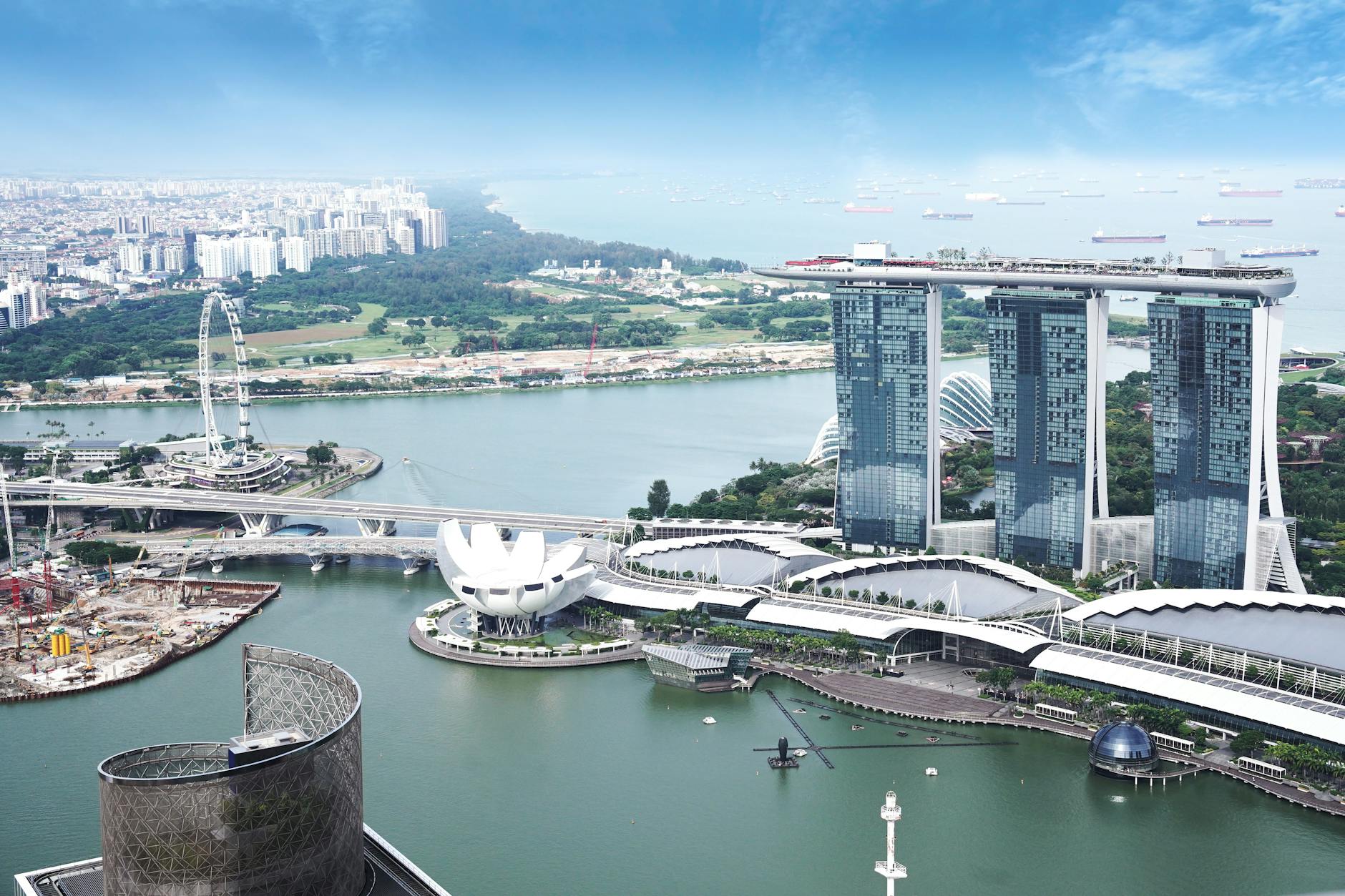
- Morning: Begin at Marina Bay Sands. Take in the view from the Marina Bay Sands SkyPark observation deck (book a slot early to avoid queues). Walk across the Helix Bridge for photo views back toward the hotel.
- Late morning: Visit Gardens by the Bay — prioritize the Flower Dome and Cloud Forest, then stroll the Supertree Grove. If time allows, book the OCBC Skyway for an elevated view of the Gardens and Marina Bay.
- Lunch: Walk to Satay by the Bay or head to the nearby Makansutra stalls for a breezy waterfront meal. Alternatively, taxi to Lau Pa Sat for the famous satay street at evening.
- Afternoon: Explore the Civic District — National Gallery Singapore (long galleries of Southeast Asian art) and the Asian Civilisations Museum. Pause at the Esplanade waterfront for a riverside coffee or snack.
- Evening: Return to Gardens by the Bay for the Garden Rhapsody light show at the Supertrees (usually twice nightly). End with dinner at a hawker centre (Maxwell or Lau Pa Sat) or a riverside restaurant at Fullerton Bay.
Timing tips: Marina Bay Sands SkyPark opens early; the Gardens get crowded midday. Reserve museum tickets online for faster entry.
Day 2 — Chinatown, Clarke Quay and Tiong Bahru
Mix heritage, museums and lively river evenings on day two.
- Morning: Start in Chinatown. Visit the Buddha Tooth Relic Temple, explore the Chinatown Heritage Centre and stroll the shophouses on Pagoda Street. For breakfast try Tian Tian Hainanese Chicken Rice at Maxwell Food Centre or local dim sum options.
- Late morning: Head to the National Gallery Singapore (if you didn’t on Day 1) or take a short walk to Fort Canning Park for history trails and shaded paths.
- Lunch: Try Chinese-Malay-Peranakan dishes in the area — hawker stalls and small cafés abound.
- Afternoon: Make your way to Tiong Bahru for a calmer, residential vibe: browse independent bookstores, Tiong Bahru Bakery and the art-deco apartments. Pop into Tiong Bahru Market for a classic kopi and local snacks.
- Evening: Take a Singapore River cruise from Clarke Quay for a sunset perspective of the city. After the cruise, enjoy riverside dining in Clarke Quay or boat quay — great options for groups and families.
Insider tip: Chinatown has excellent street-level shopping but also some quiet laneways and galleries worth exploring; arrive early to avoid the tour groups.

Day 3 — Little India, Kampong Glam and Sentosa
Finish with vibrant neighborhoods in the morning and island fun in the afternoon.
- Morning: Start in Little India. Walk Serangoon Road, visit Sri Veeramakaliamman Temple and browse Tekka Centre — perfect for a spicy breakfast of dosa or roti prata.
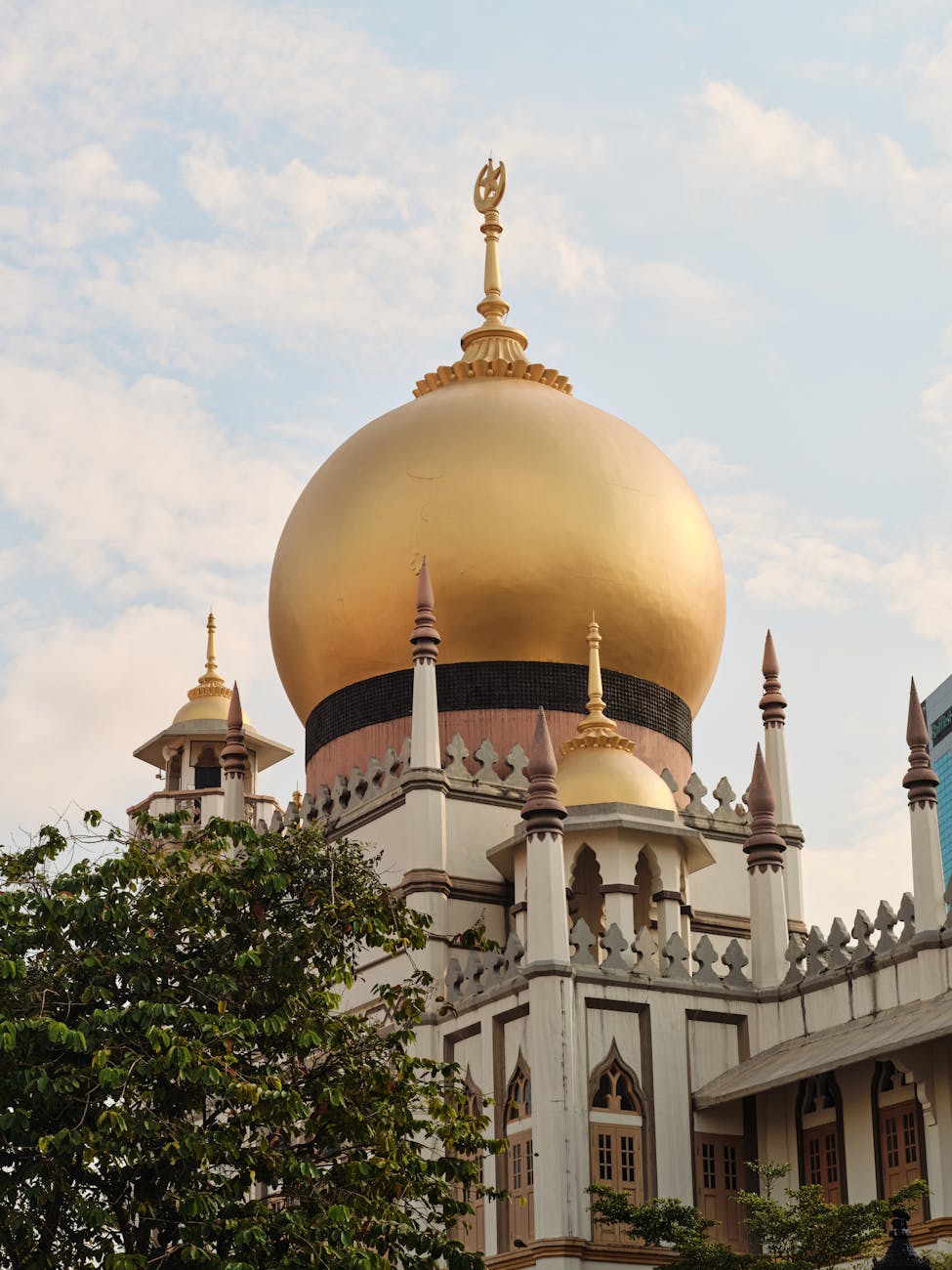
- Late morning: Short MRT ride to Kampong Glam (Haji Lane). Visit Sultan Mosque, explore Arab Street’s textiles and try local Middle Eastern and Malay cafes. Haji Lane is great for street art photos and boutique shopping.
- Lunch: Sample local Malay dishes or try a modern café in the area.
- Afternoon to evening: Head to Sentosa for beach time or attractions. Choose from Universal Studios Singapore, S.E.A. Aquarium, Adventure Cove Waterpark or simply relax on Siloso or Palawan Beach. Get to Sentosa by cable car from HarbourFront (a scenic option), Sentosa Express from VivoCity, or taxi.
- Evening: Catch the Wings of Time show on Sentosa (nightly outdoor spectacle) or return to the city for dinner — consider a chilli crab feast at Jumbo Seafood by the river.
Booking note: Sentosa attractions sell timed tickets; plan at least half a day if you pick one major attraction.
Best Local Experiences
Beyond the sights, these experiences make a Singapore trip memorable.
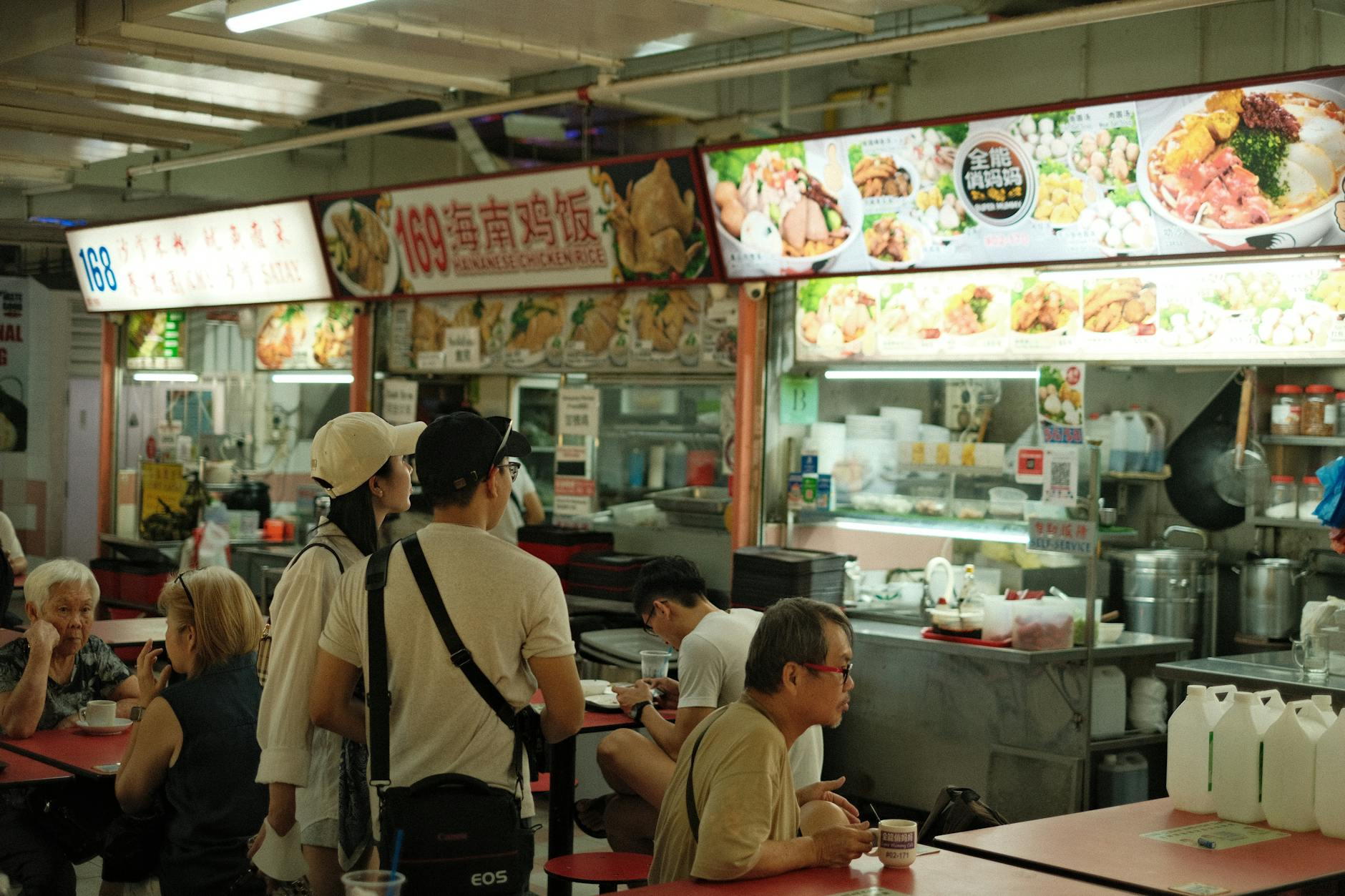
- Hawker centre crawl: Maxwell Food Centre (chicken rice), Lau Pa Sat (satay street at night), Tiong Bahru Market (local breakfast) and Newton Food Centre (seafood and late-night bites).
- Evening wildlife: Night Safari at Singapore Zoo — a uniquely designed nocturnal zoo experience; book the tram plus walking trail slot.
- Island escape: Cycle Pulau Ubin for a rustic contrast to the city — rent a bike at Changi Jetty and explore Chek Jawa wetlands.
- Rooftop views: Skyline drinks at 1-Altitude, Lantern at The Fullerton Bay Hotel or CÉ LA VI (Marina Bay Sands) — check dress codes and reservation policies.
- Peranakan culture: Visit the Peranakan Museum and try nonya kueh (sweet cakes) and laksa.
Local etiquette: Remove shoes before entering temples, request permission before photographing people in traditional dress, and be mindful of quiet zones in residential neighbourhoods.
Where to Stay
Pick a neighbourhood that matches your priorities. Singapore’s compactness makes most areas easy to reach by MRT or taxi.
- Marina Bay / Downtown Core — Best for first-timers and luxury stays. Immediate access to Marina Bay Sands, Gardens by the Bay and the Esplanade. Higher prices but unbeatable skyline walks.
- Orchard Road — Ideal for shoppers; plenty of mid-to-upscale hotels and direct MRT access.
- Clarke Quay / Robertson Quay — Great for nightlife and river dining; central and lively in the evenings.
- Chinatown / Tiong Bahru — Charming neighbourhoods for mid-range budgets and boutique hotels with easy access to cultural attractions.
- Little India / Bugis — Budget to midrange options, vibrant street life, good food and easy central access.
- Sentosa — Choose if you want a resort-style stay and beach time; best for families or a splurge night at a resort.
Booking advice: Look for hotels near an MRT station to save transit time. If arriving late, choose a property on the East-West line for a direct link from Changi Airport.
Food and Drink
Eating well in Singapore is easy and affordable if you mix hawkers with a few sit-down meals.
- Must-try dishes: Hainanese chicken rice (Tian Tian at Maxwell is famous), chilli crab (Jumbo Seafood, No Signboard), laksa (328 Katong Laksa), char kway teow, satay, and kaya toast with kopi for breakfast.
- Hawker centres to know: Maxwell Food Centre, Lau Pa Sat, Tiong Bahru Market, Newton Food Centre and Old Airport Road Food Centre for local specialties.
- Vegetarian and halal options: Abundant across the city; look for vegetarian stalls in hawker centres and halal-certified restaurants in Kampong Glam.
- Cafés and desserts: Try pandan and gula melaka desserts, pandan chiffon cake, and the local bakery scene in Tiong Bahru.
- Drinks: Kopi (local coffee), teh (tea), Singapore Sling at Raffles (classic cocktail) and an expanding craft beer scene in Dempsey Hill and Jalan Besar.
Practical tip: Many hawker stalls are cash-only; some now accept NETS or QR payments. Bring small notes for quick purchases.
Getting Around
Singapore’s transport is fast, clean and reliable — ideal for a short stay.
- MRT: The backbone of getting around. Key lines: North-South (red), East-West (green), Circle (orange), Downtown (blue) and North-East (purple). Trains run frequently and stations connect most tourist zones.
- Buses: Cover areas not on the MRT and are comfortable air-conditioned vehicles with clear route signage.
- Taxis and rideshares: Readily available; Grab is widely used. Taxis are metered and a good option late at night or for group travel.
- Cards and fares: Buy an EZ-Link or NETS FlashPay card at Changi Airport or MRT stations. Contactless bank cards can also be used on buses and trains in many cases.
- Walking and cycling: Downtown is highly walkable. Use pedestrian bridges and sheltered walkways during hot or rainy weather. Public bike-share is available in certain districts; follow local cycling rules.
- Airport links: Changi Airport is 30–40 minutes by MRT to the city center; taxis are 20–30 minutes depending on traffic.
Best Time to Visit
Singapore’s equatorial climate is hot and humid year-round, with frequent showers. Choose timing based on your tolerance for heat and crowds.
- Peak season: December–February around holidays and Chinese New Year — expect higher hotel rates and larger crowds.
- Shoulder months: March–May often offer a good balance of fewer tourists and manageable weather; April can still be humid but less rainy than monsoon months.
- Rainy periods: November–January (northeast monsoon) and occasional heavy showers year-round. Short, intense storms are common; carry a light rain jacket or umbrella.
- Special events: National Day (9 August) has fireworks and parades; plan ahead if you want to attend.
Tip: Early mornings and late afternoons are more comfortable for outdoor walks; late-evening activities and rooftop bars are cooler and atmospheric.
Budget and Practical Tips
Smart planning keeps costs predictable in Singapore.
- Daily budgets (approx): Budget traveler $50–90/day (hostel or budget hotel, hawker meals, MRT), Midrange $150–300/day (3–4 star hotel, mix of restaurants and hawkers, taxis), Luxury $400+/day (5-star hotels, fine dining, private transfers).
- No tipping culture: Service charges are often included; tipping is optional and not expected.
- Water and health: Tap water is safe to drink. Carry a refill bottle to avoid buying bottled water.
- Fines and regulations: Singapore enforces strict public rules — fines for littering, jaywalking and smoking in prohibited areas are common. Respect local laws.
- Connectivity: Buy a prepaid SIM at Changi or use airport eSIM options for short stays; free Wi‑Fi is common in malls and many hotels.
- Cross-border trips: Johor Bahru (Malaysia) is a popular day trip; check passport, visa and immigration times as queues can be long during peak hours.
FAQ
Common questions travelers ask before a three-day stay in Singapore.
- Is three days enough? Yes — three days covers the major sights and a neighborhood or two. Prioritize what matters to you (food, beaches or museums) and book timed entries for big attractions.
- How do I get from Changi Airport to downtown? The MRT (East-West Line) is the cheapest and takes ~30–35 minutes; taxis are ~20–30 minutes depending on traffic and cost more.
- Is Singapore expensive? Singapore can be pricey for dining and hotels, but hawker centres make good-value meals widely available.
- Are hawker centres halal or vegetarian-friendly? Many hawker centres have halal-certified stalls and good vegetarian options; check signage or ask vendors.
- Do I need to tip? No — tipping is not customary. Service charges are often included in restaurants.
- Can I drink tap water? Yes, tap water is safe across Singapore.
- Are day trips to Malaysia practical? Yes — Johor Bahru is the closest and reachable by bus or private car, but allow time for immigration queues.
Conclusion
Singapore is a perfectly balanced city for a three-day visit: compact enough to see the essentials without rushing, yet rich enough that each neighbourhood offers a different flavour. Use this plan to cover the icons, then leave space to wander local markets, linger over hawker dishes and enjoy a sunset from a rooftop or the waterfront. With efficient transport and clear signage, you’ll spend more time exploring and less time navigating.
Final tips: book major attractions in advance, keep an EZ‑Link card handy, and save room for a few spontaneous food discoveries — they’re often the trip highlights.
More City Guides Near Singapore
If you are planning a longer regional trip, these nearby destinations also work well for a short city break.