

Athens Travel Budget — Practical Costs, Neighborhoods, and Saving Tips
Realistic daily budgets, booking advice, neighborhood choices, and sustainable tips to plan costs for Athens — a support page for the 3 days in Athens itinerary.
Clear cost ranges, where to spend and where to save, transport realities, and local-first recommendations to make your 3-day Athens itinerary affordable and responsible.
Quick Answer
Clear cost ranges, where to spend and where to save, transport realities, and local-first recommendations to make your 3-day Athens itinerary affordable and responsible.
Who This Page Is For
This page is for travelers planning a stay in Athens who want clearer decisions about travel budget, local logistics, timing, budgeting, and practical trip planning.
How This Page Was Prepared
This page was prepared through a structured editorial workflow that combines destination research, geographic context, and practical travel-planning review.
Plan the Rest of Your Trip
Use this page together with the full itinerary and the related planning pages below to make better booking, timing, transport, and budget decisions.
Daily cost ranges (per person, Euros):
– Budget/backpacker: 35–60 EUR — hostel dorm or budget guesthouse, street food, public transit, self-guided walking.
– Mid-range: 80–150 EUR — private mid-range hotel or apartment, sit-down tavernas, one paid guided tour or museum entry.
– Comfortable: 180+ EUR — boutique hotel, frequent taxis, guided experiences, nicer restaurants.
3-day budget examples:
– Tight 3-day Athens: ~120–180 EUR total.
– Typical 3-day trip: ~240–450 EUR total.
Top quick savings: prefer a 24–72 hour public transport pass, time a museum visit off-peak, eat at local tavernas away from Plaka, and book ferries from Piraeus early for day trips.
This page helps you convert a 3-day Athens plan into a realistic budget and an actionable set of choices. It’s designed as a support page for the main 3 days in Athens itinerary, with practical cost ranges, neighborhood tradeoffs, transport realities and quick booking tips.
Read this before you pick a hotel, buy museum tickets, or decide whether to add a day trip to Piraeus or nearby islands like Aegina. The advice favors local spending, low-impact choices, and shoulder-season value when relevant.
What This Page Helps You Decide
Use this page to answer practical choices that affect cost and experience:
– Where to stay: balance price, walkability, and evening life (Koukaki, Psirri, Monastiraki, Exarchia, Syntagma).
– Which costs to prioritize: Acropolis timed ticket, National Archaeological Museum, a guided walking tour, or a ferry day trip from Piraeus.
– Transport options: when a one-way taxi makes sense versus a transport pass.
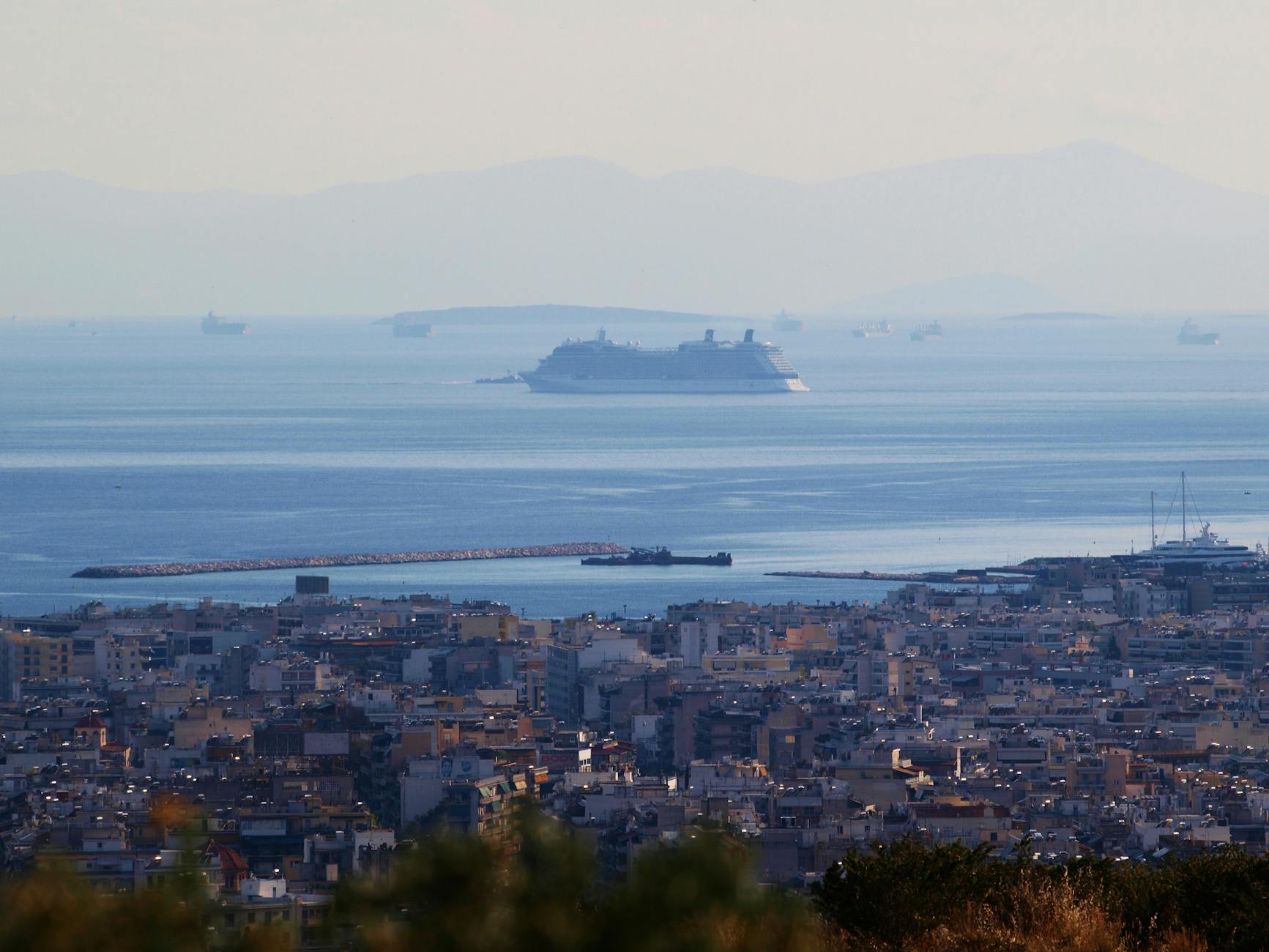
– Timing and season: shoulder-season savings (April–May, September–October) and how cruise days affect waterfront prices.
If you want a step-by-step day plan, see the main 3 days in Athens itinerary for how these budget choices play out on specific days.

Top Recommendations
Practical, high-impact moves to save money and get value:
– Transport: buy a 24- or 72-hour public transport pass (metro, trams and buses). The metro links to the airport and Piraeus reliably.
– Tickets: buy timed-entry Acropolis tickets online for peak season; consider the 30 EUR multi-site ticket if you’ll visit the Ancient Agora and Kerameikos.
– Neighborhoods: stay in Koukaki or Psirri for compact walking access to the Acropolis and better-value tavernas; Plaka is convenient but pricier.
– Eating: visit Varvakios Central Market or local bakeries for cheap breakfasts and snacks; choose family-run tavernas in side streets, not the main squares.
– Day trips: for islands and Crete, buy ferries from Piraeus in advance for best prices; consider slower ferries in shoulder season to save money.
– Timing: visit the Acropolis early morning or late afternoon to avoid cruise-ship crowds and pay less for guides who offer off-peak rates.

Local Context
Neighborhood realities:
– Plaka and Monastiraki: tourist-focused, easy for first-time visitors, more expensive restaurants and souvenir shops.
– Koukaki and Makriyanni: quieter, very walkable to the Acropolis, good mid-range tavernas and guesthouses.
– Psirri and Gazi: lively nightlife and affordable late-night food; choose quieter streets for lodging.
– Exarchia: cheaper and artsy, but check street vibe and prefer central streets for safety at night.
Transport and seasonal patterns:
– Metro, buses, and tram are efficient; the metro ride to and from the airport is about 40 minutes. Piraeus is connected by metro and suburban rail.
– Peak season (July–August) brings heat, high prices, and cruise crowds. Shoulder seasons (Apr–May, Sep–Oct) are cooler and cheaper.
– Some national strikes can affect buses and museums; always check local news ahead of visits.
Payments and etiquette:
– Cards are widely accepted, but carry small cash for bakeries, markets, and small tavernas.
– Dress modestly at churches and be respectful at archaeological sites. Tipping 5–10% is appreciated but not mandatory.
How to Choose Well
Accommodation:
– Prioritise location over star rating for a 3-day stay: being within walking distance of key sites saves time and taxi costs.
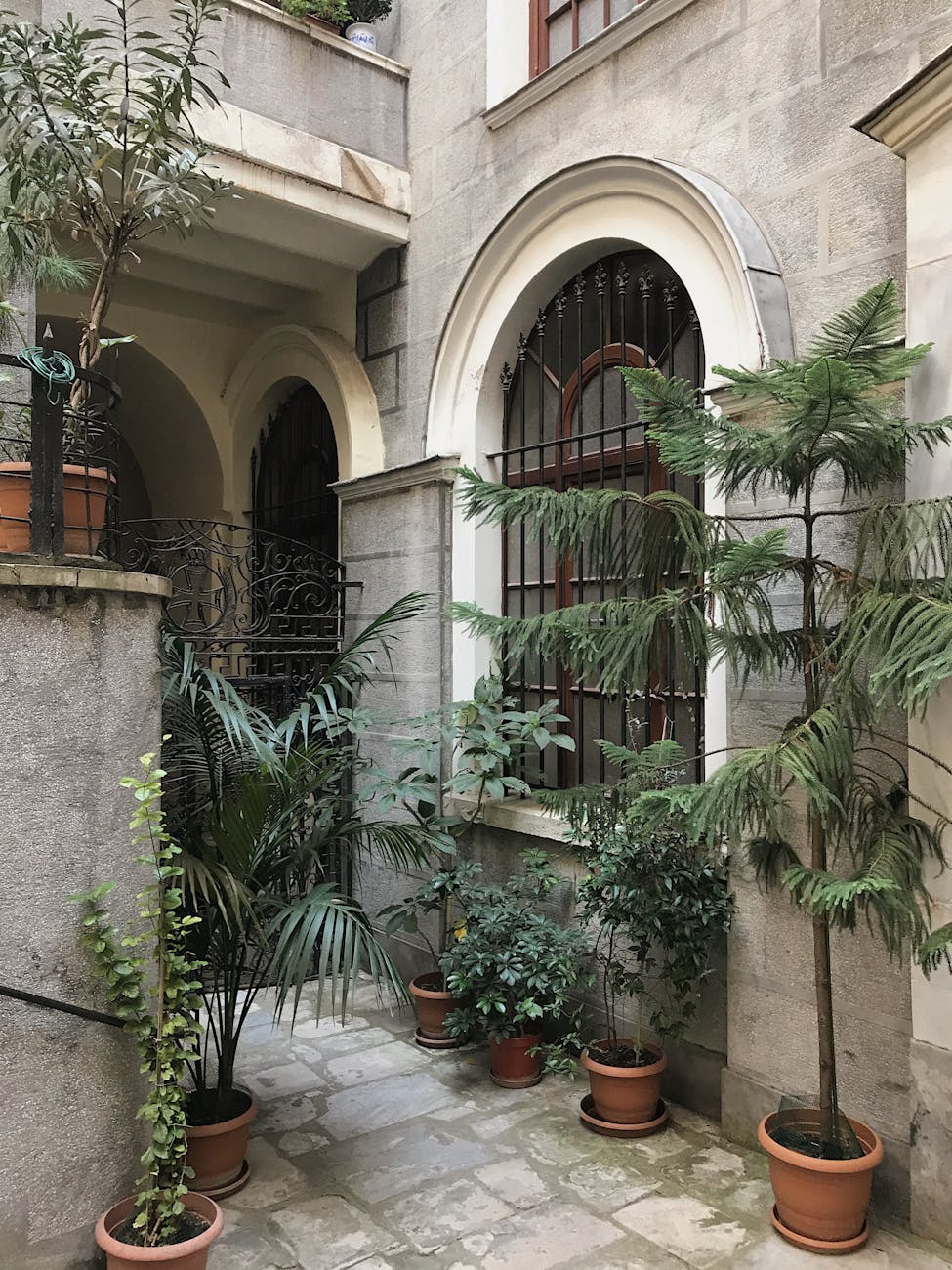
– Book family-run guesthouses or small apartments for better local contact and lower fees than large hotels.
Transport and tours:
– Buy public transport passes for multi-day stays; single tickets can add up.
– For museum-heavy days, prebook tickets to avoid queues; combine self-guided time with one guided tour to deepen context.
Day trips and ferries:
– For island or Crete extensions (Chania, Rethymno, Kos), compare fast ferries vs budget slower ferries. Book early in summer to lock in lower fares.
– To reach Piraeus, use the Suburban Railway or metro if you have luggage—trams are slower but cheaper for short distances.
Booking timing:
– Reserve accommodation and key tickets (Acropolis, major museums, ferry to islands) 4–8 weeks ahead in high season; 1–3 weeks is usually enough in shoulder season.
Responsible and Local-First Tips
Practical ways to keep spending local and low-impact:
– Eat where locals eat: neighborhood kafeneia and family-run tavernas support local cooks and keep prices honest.
– Buy from Varvakios market or neighborhood bakeries instead of tourist souvenir shops.
– Use refillable water bottles—the municipal tap water is safe in Athens and many cafes will refill for free.
– Walk and use public transport to reduce emissions and discover everyday life in neighborhoods like Koukaki, Thissio and Pangrati.
– Choose small-group walking tours led by licensed local guides rather than large coach tours; tipping guides directly keeps income local.
– Avoid buying items made from protected shells or corals; prefer locally made textiles, ceramics, and olive-oil products.

Common Mistakes to Avoid
- Over-scheduling: trying to pack too many museums and day trips into a 3-day window reduces enjoyment and increases cost.
- Eating in tourist traps in Plaka and around the Acropolis: menus there are pricier and portions smaller for the price.
- Relying on taxis for short central trips: metro and walking are usually faster and cheaper.
- Waiting to buy key tickets on the day: Acropolis and popular museums can sell out or require long queues in high season.
- Ignoring cruise ship days: waterfront areas and ferries can be busier and more expensive on those days.
- Not checking opening hours and strike reports: museums and transport sometimes close unexpectedly; confirm before you go.
FAQ
How much should I budget per day in Athens?
Expect 35–60 EUR for a strict budget day, 80–150 EUR for a comfortable mid-range day, and 180+ EUR for a more pampered day. Adjust for seasons and paid activities like guided tours or day trips.
Is it cheaper to buy individual museum tickets or a combined pass?
If you plan to visit the Acropolis plus at least two major archaeological sites (Ancient Agora, Roman Agora, Kerameikos) the 30 EUR multi-site ticket is usually better value. For only one site, buy single tickets timed to avoid crowds.
What's the best way to get to Piraeus or the islands on a budget?
Use the metro or suburban rail to Piraeus; book ferries online in advance for lower fares. For near islands like Aegina, same-day tickets can be fine in shoulder season but buy ahead in summer.
When is the cheapest time to visit Athens?
Shoulder seasons (April–May, September–October) offer lower accommodation rates, fewer crowds, and comfortable weather. Winter has low prices but some attractions may have reduced hours.
Should I tip and how much?
Tipping is appreciated but not compulsory. Rounding up, leaving 5–10% in restaurants, and a small tip for helpful guides or porters is customary.
Any safety or practical concerns for budget travelers?
Athens is generally safe for tourists; watch for pickpockets in crowded transport and tourist areas. Keep a copy of bookings and be aware of strike days that affect buses and museums.
Conclusion
With a few smart choices—pick a well-located neighborhood, use public transport passes, prebook Acropolis/museum tickets, and prioritize local tavernas—you can make the 3 days in Athens itinerary both affordable and rewarding.
For easy extensions, consider adding travel from Piraeus to nearby islands or longer connections to Chania, Rethymno, Thessaloniki, or Kos depending on your route and budget. Small choices like shopping at the central market and choosing family-run guesthouses keep more of your money local and reduce impact.
How this guide was prepared
This guide was prepared through a structured research that combines destination research, geographic context, itinerary planning logic, and content review.