

Anchorage in 3 Days: Practical Itinerary and Tips
A frank 3-day Anchorage itinerary with transit tips, realistic costs, neighbourhood picks, seasonal advice, and clear trade-offs for a tight weekend visit.
A straight-talking 3-day plan for Anchorage that balances downtown museums, coastal trails, and at least one day outside the city for glaciers or mountains. Includes transit, prices, and realistic timing.
Expect a city that functions as a regional hub and a gateway to wild landscapes. The downtown grid is practical and easy to read, with a clear separation between commercial streets, the waterfront, and residential stretches. Most visitors arriving for the first time notice how easy it is to reach scenic access points — beachside trails, a major bike path, and mountain parking areas are often closer than anticipated.
Many guides either treat Anchorage like only a staging post for daytrips or try to sell it as an intense cultural destination; the balanced reality is in between. This works best for travelers comfortable switching between short urban walks and drives that cross dramatic landscapes. Those who want all-day, backcountry hiking every day should plan extra time beyond three days.
Is 3 days in Anchorage enough?
Yes — three days is enough to get a solid feel for Anchorage's main museums, the coastal trail, and one half-day excursion to nearby nature. The honest caveat: fitting both a full Seward or Denali daytrip and time in town requires more time or skipping one major outside destination.
Who This Guide Is For
Best for travelers who want one or two outdoor excursions plus a compact urban culture run; less suitable for visitors who only want long backcountry hikes or who plan multiple long daytrips without renting a car.
Local Tips for Anchorage
Practical details that most travel sites skip — specific to Anchorage.
- People Mover buses use a cash fare of about $2.00 for a single ride and a day pass for roughly $5.00; buy passes from the driver or select retail outlets downtown.
- Anchorage Museum general admission for adults is roughly $18; buy tickets online in summer to skip lines and reserve timed-entry for special exhibitions.
- The Anchorage Market & Festival runs May–September at 4th Avenue and I Street; Saturdays 10:00–17:00 are the busiest for food stalls and local crafts.
- Ted Stevens Anchorage International Airport (ANC) lies about 10–15 miles from downtown; shared shuttle or taxi fares to downtown are typically $30–$45, while rental cars are available on-site.
- Alaska Railroad service runs from Anchorage Depot on West 1st Avenue — ticket prices to Seward vary widely but expect roughly $50–$120 one-way depending on season and seating.
How This Guide Was Prepared
Anchorage is a northern city where outdoor access and urban services sit side-by-side; many guides over-focus on long daytrips or only on wildlife. This guide treats Anchorage as both a working city and a launchpad for nearby nature, showing how to pack a safe, realistic short visit without assuming a car or infinite daylight. This guide was prepared through a structured research that combines destination research, geographic context, itinerary planning logic, and content review.
Plan Your Stay in Anchorage
Use this itinerary as your starting point, then compare areas to stay, transport options, seasonal timing, and realistic daily costs before booking.
Why Visit
Access to varied Alaskan environments in a short time is the top reason: from sea-level coastal trails at the Tony Knowles Coastal Trail to the ridge hikes around Flattop Mountain, a single base makes multiple landscapes reachable within an hour. The Anchorage Museum and the Alaska Native Heritage Center offer concrete cultural context for local Indigenous art and modern Alaskan life, which helps interpret the nearby natural sights. Road trips along the Seward Highway deliver dramatic coastal views and wildlife-spotting opportunities at Beluga Point and Potter Marsh without needing to travel far, and the Alaska Railroad depot provides a scenic alternative to driving for people who prefer trains. Finally, seasonal events such as the Anchorage Market & Festival and the ceremonial Iditarod start give short-trip visitors ways to experience local rhythms rather than only scenery.

Quick Planning Tips
Fly into Ted Stevens Anchorage International Airport (ANC); downtown takes roughly 15–25 minutes by taxi or shuttle depending on traffic. Renting a car is highly recommended for a day outside the city, but for a strictly urban stay People Mover buses and ride-hail cover most routes.
Carry US dollars; credit cards are widely accepted, but some remote tours and market stalls prefer cash. Book popular bookings — Alaska Railroad seats to Seward and timed tickets for the Alaska Native Heritage Center — at least a few weeks in summer. Avoid scheduling a long road trip or train trip on the same day as a flight arrival or departure; Alaska weather and roadworks can delay travel more than anticipated.
Day 1
Morning: Start downtown on 4th Avenue and walk to the Anchorage Museum at Rasmuson Center (5–10 minutes from the heart of downtown). Allow 1.5–2 hours for the permanent galleries and an extra 30–60 minutes for any special exhibit. From the museum, walk 8–12 minutes to the Tony Knowles Coastal Trail trailhead at the west end of downtown.
Midday: Rent a bike from one of the downtown shops or walk the first 3–5 miles of the Coastal Trail toward Westchester Lagoon and the Bluff; expect 15–30 minutes of gentle biking to get a proper look at the inlet and possible birdlife. Return toward Ship Creek for lunch at Snow City Café on 4th Avenue, where brunch plates run about $12–$18 and service is steady midday.
Afternoon: Walk or take a short People Mover ride to Ship Creek for salmon-watching platforms and the fishing activity along the water (10 minutes by foot from Snow City). Then head to Earthquake Park (a 10–15 minute drive or 20–30 minutes by bus) for the coastal viewpoint and seismic markers. Time permitting, stop at the downtown visitor information center for local maps and timetables.
Dinner and evening: For seafood with a view, book a table at Simon & Seafort's for sunset over the inlet (reservations advised; mains $25–$45). After dinner, choose a brewery like Humpy's Great Alaskan Alehouse or an evening stroll along the coastal trail for a quiet end to the day.

Day 2
Make this a neighborhood and nature mix beyond central streets. Morning: Drive or take a tour south on the Seward Highway toward Potter Marsh (20–30 minutes depending on traffic). Walk the boardwalk (30–45 minutes) for good birdwatching and marsh viewpoints; bring binoculars in spring and late summer for migratory species. From Potter Marsh, continue along the Seward Highway with a stop at Beluga Point for possible marine mammal sightings — the roadside pullout is a 5–10 minute stop but worth the view.
Midday: Continue to Girdwood and Alyeska Resort; driving time is 40–60 minutes from downtown depending on conditions. Ride the Alyeska tram if weather allows for panoramic mountain and glacier views (tram tickets typically $10–$25). Have lunch at the hotel or a local café — expect $15–$30 for a main course.
Afternoon: Option A — Visit the Alaska Wildlife Conservation Center near Portage (30 minutes north of Girdwood) to see rescued bears, moose, and muskox; allow 1–2 hours and an admission fee in the $15–$30 range. Option B — Return toward town with a stop at the Alaska Native Heritage Center for cultural displays and short demonstrations (expect $28–$32 admission). Both choices give a different tone from downtown history and are realistic half-day options.
Evening: Back in town, try dinner at Moose’s Tooth for pizza and local beer, or pick a quieter restaurant in Midtown if staying there. If visiting between late August and April, check aurora forecasts for a possible northern lights outing away from street lights.

Day 3
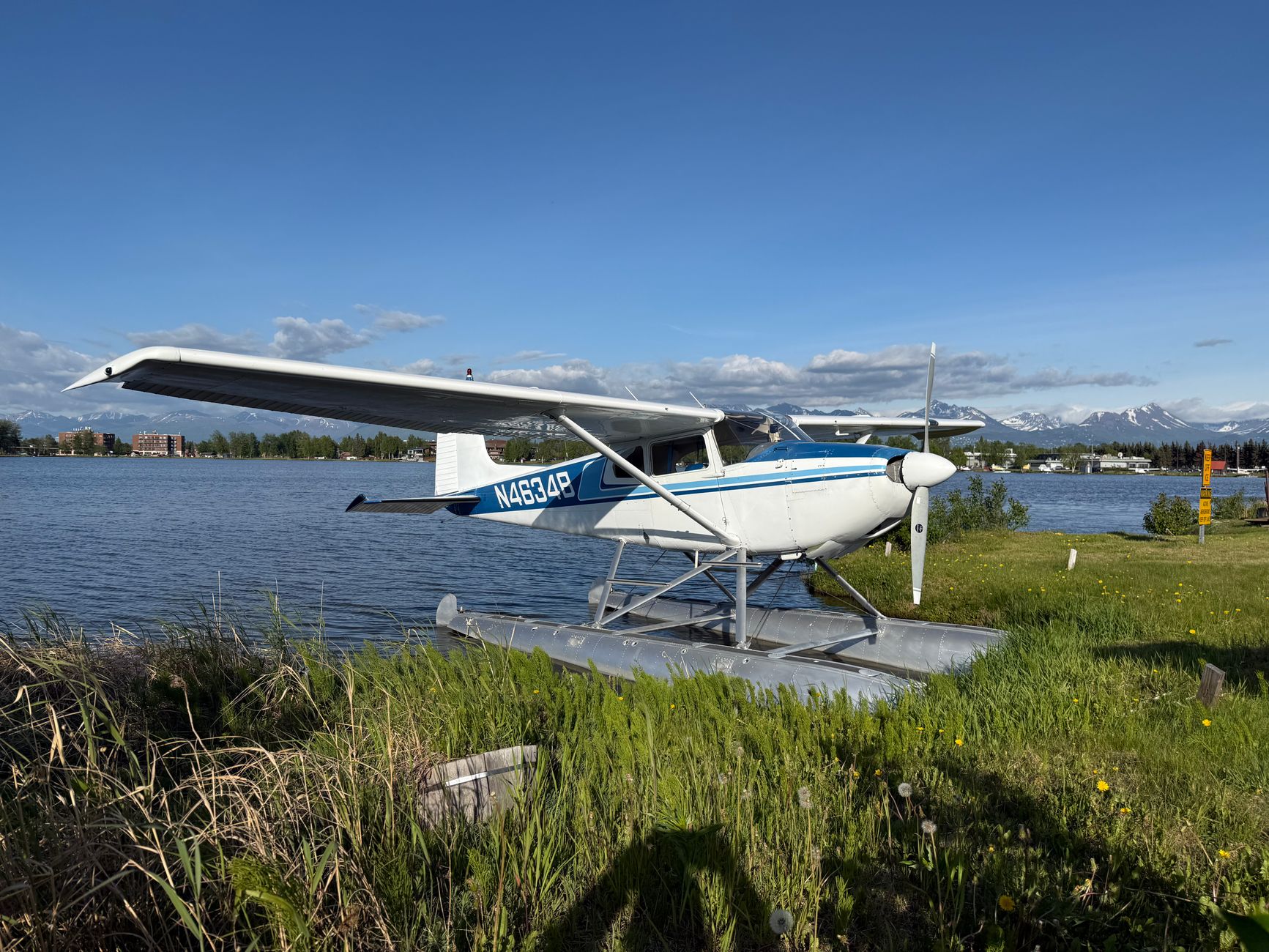
Reserve the final day for a shorter activity and practical departure logistics. Morning option: If in season, spend a couple of hours at the Anchorage Market & Festival on 4th Avenue for local food stalls and artisan goods (May–September). Allow 1–2 hours for browsing and a market lunch; busiest between 10:00 and 14:00. Another morning choice is a visit to the Alaska Aviation Museum and the Lake Hood Seaplane Base for 1–1.5 hours of aircraft viewing and short indoor exhibits.
Midday: Check out of accommodation and stow luggage if possible; arrange transportation to Ted Stevens Anchorage International Airport (ANC) allowing 60–90 minutes before domestic flights to factor in rental-car return or winter road conditions. If the flight is in the afternoon, use remaining time for Kincaid Park trails or a short drive to the Coastal Trail for a final look at Cook Inlet and a last wildlife watch.
Afternoon departures: For an afternoon flight, allow at least 45–60 minutes extra on top of typical driving time in winter, less in clear summer traffic. If time is tight, prioritize a short coastal walk or a final museum visit rather than trying another long daytrip; getting stranded by a late return will cost both money and time.
Best Local Experiences
Anchorage Market & Festival (4th Avenue and I Street, May–September) — a concentrated spot for northern seafood, Native crafts, and ready-to-eat plates. Tony Knowles Coastal Trail — a multi-use path that gives quick ocean access from downtown and is suitable for biking or rolling; best early morning for wildlife sightings. Potter Marsh boardwalk — reliable birdwatching year-round, especially good at migration times.
Ceremonial Iditarod start on 4th Avenue each March — a short, high-energy event if visiting late winter. Lake Hood Seaplane Base visits and floatplane spotting — the world’s busiest seaplane base by operations with a close-in viewing experience. Alyeska Resort tram in Girdwood — offers alpine views without a long backcountry hike. Kincaid Park for moose sightings and rolling trails within city limits.
Where to Stay
Downtown (4th Avenue/near the convention center) — suits first-time visitors who want museums, restaurants, and the coastal trail within easy walking distance. Many hotels here cost roughly $150–$300 per night ($140–$280 EUR) in summer; expect lower rates in shoulder months.
Midtown (Northern Lights Boulevard / Lake Otis area) — a practical choice for budget-conscious travelers and business visitors; closer to grocery stores and chain restaurants. Typical nightly rates are $100–$150 ($95–$140 EUR). Midtown has quicker highway access for daytrips south.
Spenard and Turnagain — residential-feel neighbourhoods with coffee shops and smaller inns, good for people who want a local vibe and easier access to the Seward Highway. Expect $120–$200 per night ($110–$185 EUR). Consider Girdwood/Alyeska for overnight stays if prioritizing mountain access; rates there vary widely, commonly $150–$350 depending on season.
Food and Drink
Salmon (grilled or smoked) — the most reliable local seafood; find good preparations at Simon & Seafort's or upscale hotel restaurants, mains $20–$35. Halibut and chips — a common local fish-and-chip style available at stands and sit-down spots; expect $12–$20 for a serving. King crab legs — expensive but available in season at seafood restaurants; plan on $35–$70 depending on portion.
Reindeer sausage — often sold at vendor carts downtown and at the market; a sandwich or link typically $6–$10 and is a hearty street-food option. Sourdough pancakes or benedict at Snow City Café for breakfast; breakfasts run $10–$18. Pizza at Moose’s Tooth — a local favorite for late meals and hearty pies, mains $12–$20. Local beers such as Alaskan Amber and single-hop releases are widely available in pubs; pints typically $6–$8.
Coffee culture is strong — Kaladi Brothers and local roasters offer reliable espresso and baked goods (about $3–$5). For a more formal dinner, Seven Glaciers at Alyeska provides alpine dining with mains $30–$60, worth it if the tram and views are priorities.
Getting Around
Public transit: People Mover buses cover downtown, Midtown, and many neighbourhoods; expect a single-ride fare of about $2.00 and a day pass near $5.00. Buses run less frequently in evenings and on Sundays; check schedules in advance. Major stops concentrate around 4th Avenue and the downtown transit center, and drivers will help with route questions.
Car and taxi: Renting a car is recommended for trips on the Seward Highway, to Girdwood, or Portage; airport taxis and shuttles to downtown usually cost $30–$45. Taxis and ride-hail are available but can surge during events and weather disruptions. Apps: use the Transit app or Google Maps for People Mover timetables and the Alaska Railroad app for train bookings. Cycling and e-bike rentals are common in summer for the Coastal Trail; store staff can advise on gear and trail conditions.
Best Time to Visit
Summer (late May–September) offers the longest daylight, warmer temperatures, and the full slate of tours and trail access; expect highs near 55–70°F (13–21°C) and crowds at main trailheads in July. Shoulder months (May and September) give fewer visitors, lower prices, and decent daylight, but some services may reduce hours.
Winter (November–March) is the season for northern lights viewing and winter festivals, with cold temperatures often between -5 and 25°F (-20 to -4°C). Daylight can be severely limited from late November to January, so plan daytime activities with short distances. Late February and March combine improved daylight, the ceremonial Iditarod start, and still-good aurora chances.
Budget and Practical Tips
A realistic daily budget for one traveler: accommodation $120–250 USD ($110–230 EUR), food $40–80 USD ($37–75 EUR), local transport $10–40 USD ($9–37 EUR), and attraction fees $10–40 USD ($9–37 EUR) depending on choices. Expect higher rates in July for hotels and tours.
Tipping: standard US norms apply — 15–20% in restaurants, $1–2 per bag for porters, and rounding up taxi fares. Practical packing: bring layers, a windproof shell, and closed shoes for trails; even summer mornings can be cool. Book major excursions, the Alaska Railroad, and any guided glacier or wildlife tours in advance for summer weekends.
FAQ
Is Anchorage safe at night?
Anchorage is a safe place for typical urban travel but has areas with higher petty crime; use common-sense precautions, avoid poorly lit parks late at night, and keep valuables out of sight.
Is there a city pass for discounted attractions?
No widely used all-in-one city pass exists; calculate savings only if visiting multiple paid sites like the Anchorage Museum and the Alaska Native Heritage Center — otherwise single tickets are common.
How dependable is public transit for getting to trailheads?
People Mover works well for central neighbourhoods, but service to trailheads and Girdwood is limited; a car or booked tour is better for most nature access points.
Can the Alaska Railroad be used for a day trip to Seward?
Yes — the Alaska Railroad runs seasonal day trains to Seward from Anchorage Depot; tickets vary by season and often sell out in summer, so reserve early.
How likely is it to see wildlife near the city?
Moose sightings in Kincaid Park or along city greenbelts are common, especially at dawn and dusk; viewing bears or major marine mammals is possible near the Seward Highway and Potter Marsh but not guaranteed.
Are credit cards accepted everywhere?
Most businesses accept cards, but bring cash for market stalls, some tours, and tips where cards may be unavailable.
How far is the airport from downtown and how to get there?
Ted Stevens Anchorage International Airport (ANC) is roughly 10–15 miles; taxis and shuttles take 15–25 minutes under normal conditions and typically cost $30–$45.
Is it worth renting a car for three days?
Yes if planning at least one full day outside downtown (Girdwood, Portage, Seward Highway); for a purely downtown-focused stay, car rental is optional.
Conclusion
Three days gives a compact, honest view of what makes this place different from other North American cities: immediate access to coastal trails, quick drives to alpine terrain, and a small but informative museum scene that explains local cultures and environment. Travelers will likely remember the contrast between a short urban walk and a sudden mountain vista within an hour’s drive. If time runs short, prioritize a stretch of the Tony Knowles Coastal Trail plus one paid cultural stop (Anchorage Museum or Alaska Native Heritage Center) and a single half-day outside the city; that combination delivers both context and scenery without overreaching.
How this guide was prepared
This guide was prepared through a structured research that combines destination research, geographic context, itinerary planning logic, and content review.