
Beijing Travel Budget — Practical Costs, Smart Savings, and Low‑Impact Choices
Real-world cost breakdown for Beijing: daily budgets, transport and attraction fees, where to save, sustainable choices, and quick booking tips to support a 3-day itinerary and nearby trips to Tianjin, Jinan, Taiyuan, Dalian, and Qingdao.
A compact, practical budget guide for travelers using the 3 days in Beijing itinerary. Includes realistic daily cost ranges, transport realities, timing and booking tips, neighborhood-based savings, and local-first suggestions that keep money circulating in Beijing.
Quick Answer
A compact, practical budget guide for travelers using the 3 days in Beijing itinerary. Includes realistic daily cost ranges, transport realities, timing and booking tips, neighborhood-based savings, and local-first suggestions that keep money circulating in Beijing.
Who This Page Is For
This page is for travelers planning a stay in Beijing who want clearer decisions about travel budget, local logistics, timing, budgeting, and practical trip planning.
How This Page Was Prepared
This page was prepared through a structured editorial workflow that combines destination research, geographic context, and practical travel-planning review.
Plan the Rest of Your Trip
Use this page together with the full itinerary and the related planning pages below to make better booking, timing, transport, and budget decisions.
Typical per-person daily budget (excluding international flights):
- Backpacker/low-budget: 150–350 CNY/day (≈ US$20–50). Dorm beds, street food, full use of the subway.
- Midrange: 400–900 CNY/day (≈ US$60–130). Private budget hotel, a few paid attractions, taxis when convenient.
- Comfortable: 1,000–2,500+ CNY/day (≈ US$140–350+). Higher-end hotels, guided tours, restaurants, and private transfers.
Big cost drivers: accommodation choice, whether you pay for guided Great Wall transport/lifts, and how many paid attractions (e.g., Forbidden City timed ticket) you visit. Shoulder seasons (late spring and early autumn) lower hotel prices and improve air quality compared with peak October National Day or winter heating months.
This page gives you the practical numbers and choices you need to support a 3-day Beijing itinerary without wasting time or money. It focuses on realistic daily budgets, how transport and attraction bookings affect costs, neighborhood-specific tips for saving, and low-impact options that keep more money in local hands. Use this alongside the main '3 days in Beijing' guide for timing and route details, and to plan practical day-by-day spending if you continue on to nearby cities such as Tianjin, Jinan, Taiyuan, Dalian or Qingdao.
What This Page Helps You Decide
Use this page to choose the right budget tier for your 3-day plan, decide where to splurge or save, and pick transport and booking options that match your values.
It helps with:
- Daily cash and card needs for metro, buses, and taxis.
- When to prebook timed tickets (Forbidden City) and Great Wall options.
- Picking neighborhoods that make transit cheaper (Dongcheng, Xicheng, Chaoyang near subway lines).
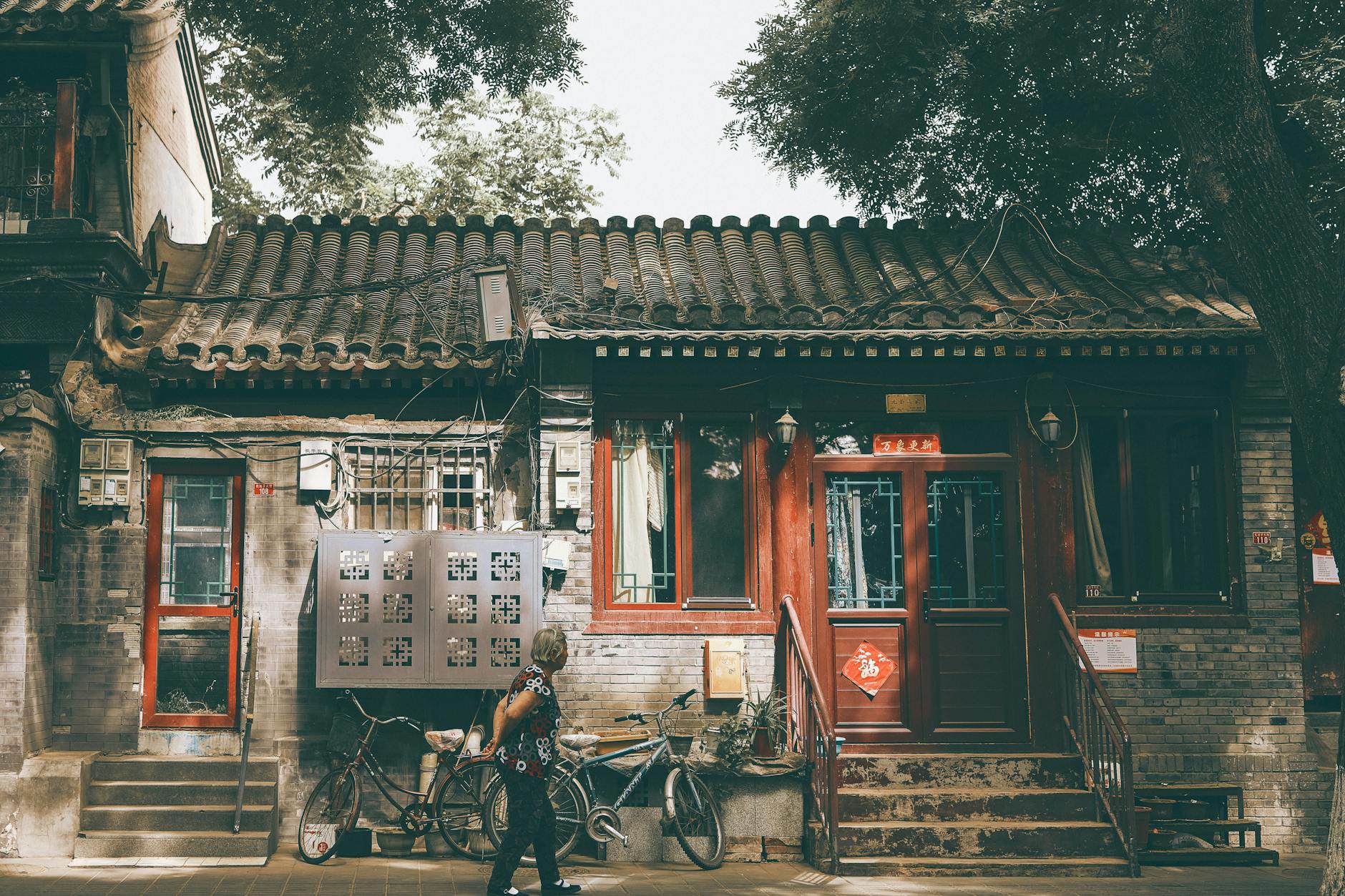
- Sustainable choices like using shared bikes, public transit, and locally run hutong guesthouses.
If you're following the 3-day guide, use the budgets here to set expectations for each day (museums + palace vs. Great Wall day).
Top Recommendations
Practical ways to keep costs down while supporting local economies:
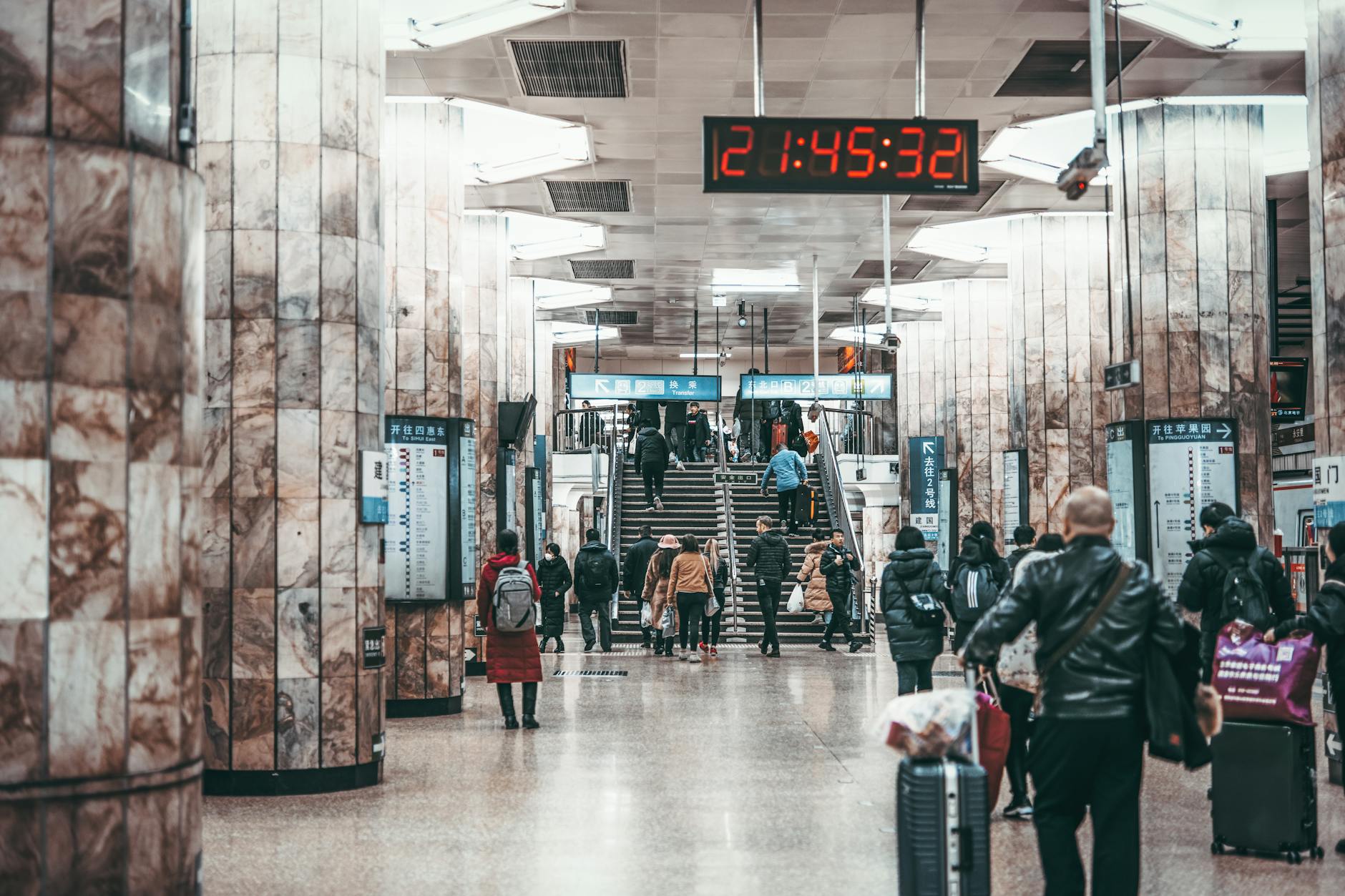
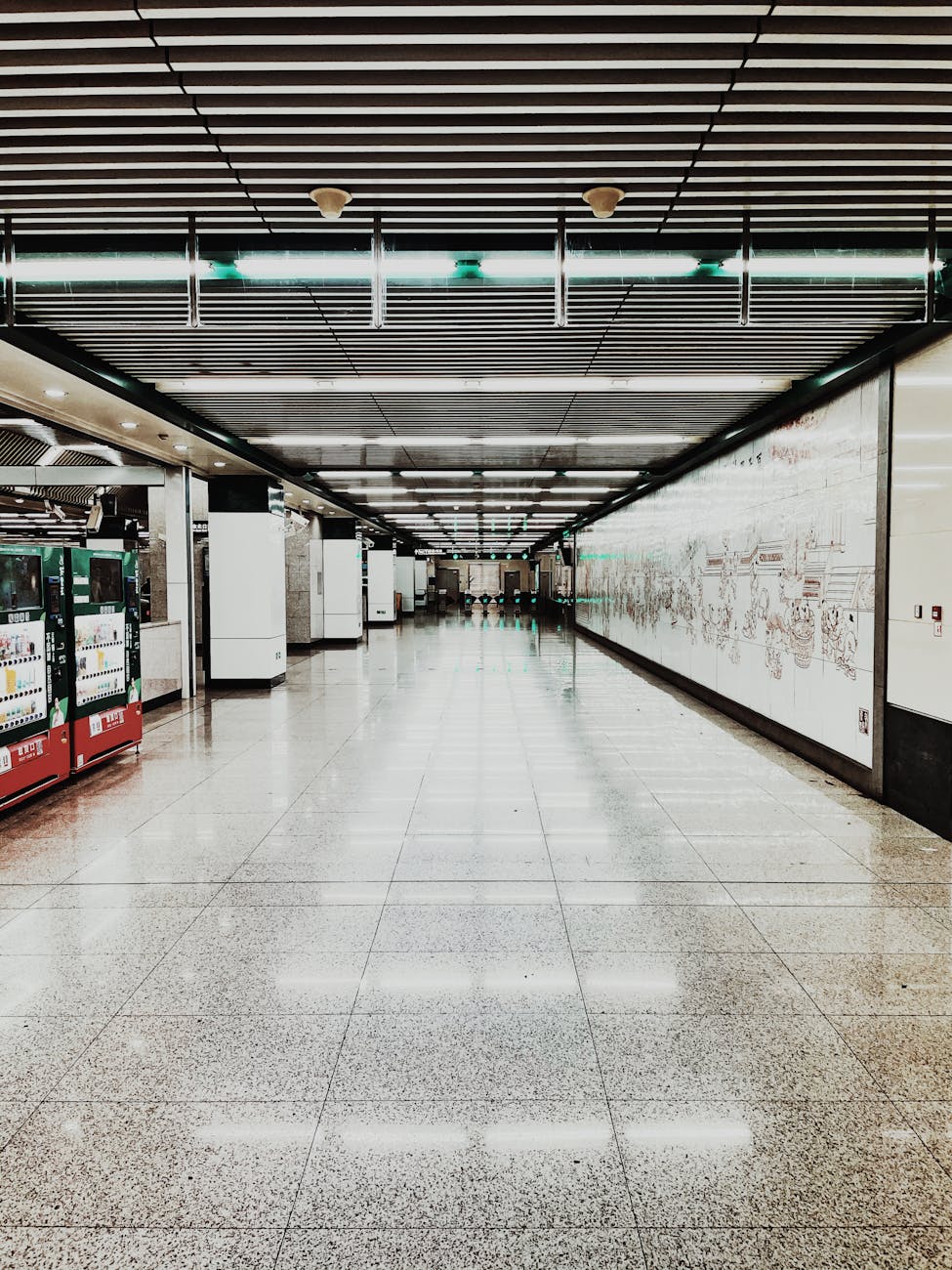
- Use the Beijing Subway (extensive, fast, cheap). Buy a Yikatong transit card or use contactless cards where accepted.
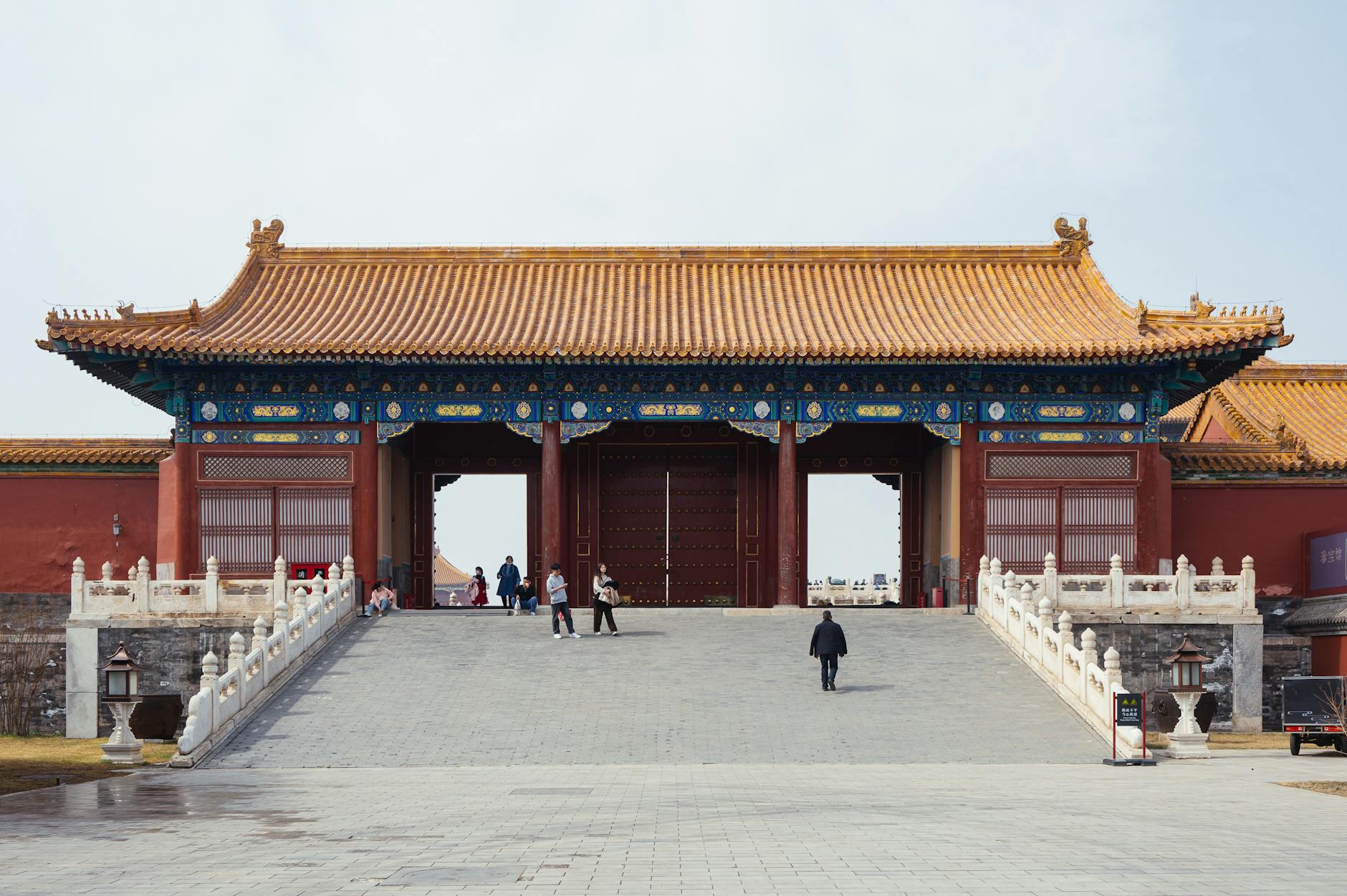
- Book Forbidden City timed tickets in advance with your passport. This avoids queues and last-minute price variability.
- For the Great Wall, choose Mutianyu for fewer tourists or Jinshanling for hiking—take public bus + shuttle when possible rather than private vans.
- Eat locally: morning congee stalls, lunch at small family restaurants in hutongs, and evening street-software-style snacks. A Peking duck meal is a worthwhile local splurge; simpler roast duck shops are cheaper than tourist restaurants.
- Stay in a locally run guesthouse in Dongcheng or near Houhai to keep walking times short and support neighborhood owners.
Money-saving specifics:
- Most subway rides: 3–6 CNY. Day passes are not common; calculate per-trip costs. Apps show fares.
- Short shared-bike rides: 1–5 CNY for last-mile trips—carry a portable charger and a passport for bike app verification.
- Taxis start ~13 CNY; DiDi often more convenient for non-Chinese speakers. Expect surge or traffic delays during rush hours.
Local Context
Neighborhoods and seasonal realities that affect price and experience:
- Dongcheng and Xicheng: Central, walkable to many attractions (Forbidden City, Temple of Heaven), higher hotel prices but less time in transit.
- Chaoyang: Good for business hotels, expat dining, and 798 Art District. Can be pricier but offers more evening options.
- Haidian: Near universities and cheaper meals; useful if you’re combining tech or academic visits.
Seasonal patterns:
- Peak: Early October (Golden Week) — expect double prices and crowded attractions.
- Best shoulder seasons: Late April–June and September–early October — better air and hotel deals.
- Winter: Cheap rates but very cold and occasional low-visibility days from heating; book refundable rooms if traveling then.
Practical realities:
- Payment culture: QR payments (Alipay/WeChat) dominate. Many small vendors do not accept foreign cards. Bring cash or set up international QR payment options; tourist-friendly options and banks can help you link cards.
- Passport required for many online bookings and SIM purchase. Keep a digital photo and your original with you for ticket collection.
How to Choose Well
Match choices to your priorities:
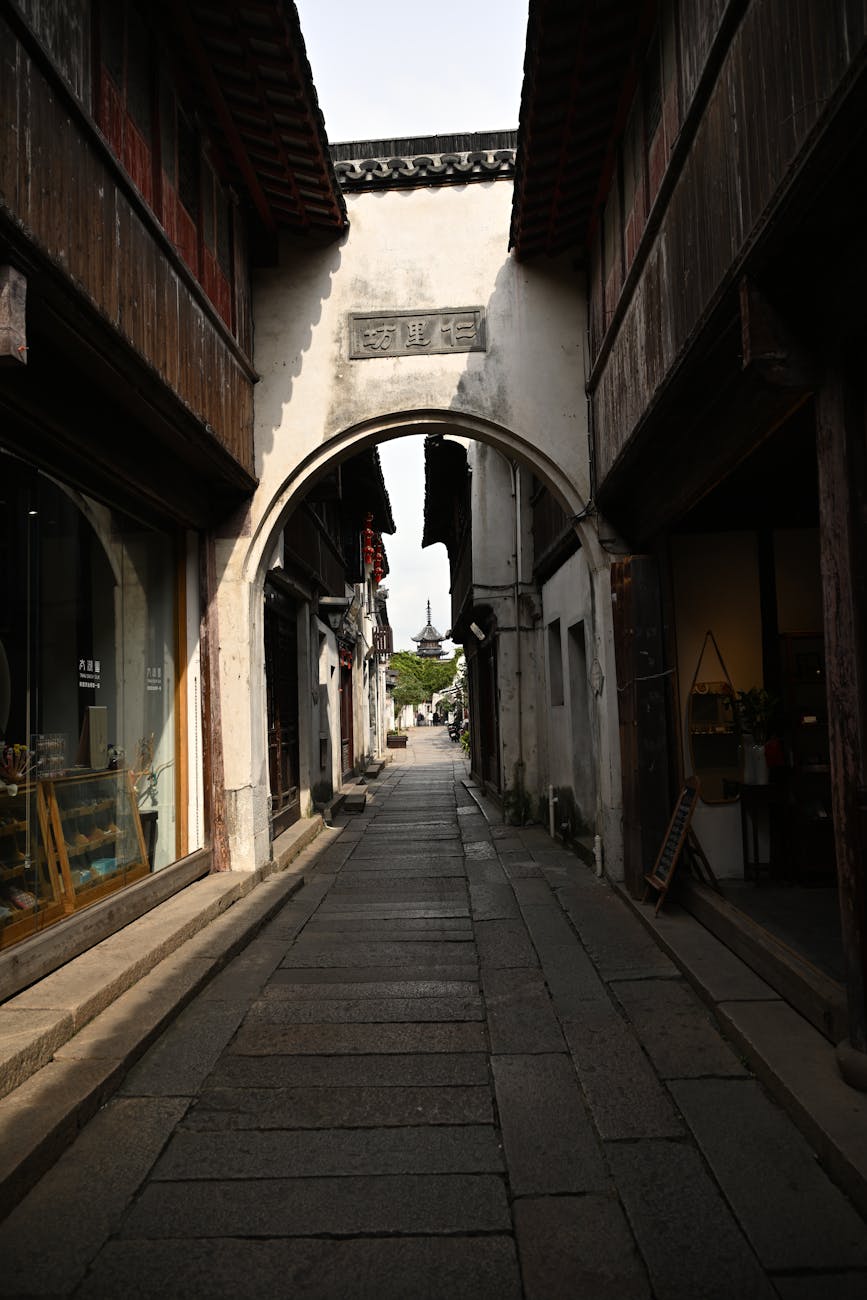
- If you want low cost and local life: stay in a hutong guesthouse, eat at market stalls and small family restaurants, and use the subway and bikes.
- If you want convenience for a short stay (3 days): pay a bit more for a hotel near a major subway interchange (e.g., Jianguomen, Dongdan) to minimize travel time between sights.
- For the Great Wall: public-bus + cable or chairlift saves money; guided small-group tours reduce planning friction but add cost. If hiking, choose a less-restored section to reduce crowds and impact.
Booking advice:
- Timed attraction tickets: book the Forbidden City and any popular museums in advance with passport details.
- Accommodation: check cancellation policies and prefer locally owned hotels or family-run guesthouses when prices are similar.
- Transport passes: get a reloadable transit card on arrival to save single-ticket queuing time.
Responsible and Local-First Tips
Spend in ways that benefit local people and reduce environmental impact:
- Choose locally run restaurants, small markets, and independent guesthouses over big chains.
- Use public transit, shared bikes, or walking for short distances to lower emissions and see neighborhoods up close.
- Avoid single-use plastics—carry a refillable bottle and a small bag for purchases.
- When visiting the Great Wall and hutongs, stick to marked paths, avoid graffiti, and follow guides who work with local communities.
- If hiring a guide, prefer licensed local guides; ask about fair wages and avoid unauthorized vendors who pressure visitors into shops.
Donations and souvenirs:
- Support artisan cooperatives and buy directly from makers when possible. Skip trinket stalls that rely on mass-produced goods.
Common Mistakes to Avoid
Frequent errors that cost time or money:
- Leaving Forbidden City and major museum tickets until the last minute — timed tickets sell out in high season.
- Relying on taxis during morning/evening rush — you’ll spend more time and money than the subway.
- Visiting during Golden Week (first week of October) without prebooked accommodation and transport.
- Expecting to use foreign contactless cards everywhere — some small vendors accept only QR-pay.
- Overpacking an itinerary: try to limit to 2–3 major sites per day to avoid stress and extra transport costs.
Simple fixes:
- Reserve key attraction tickets and book hotels with flexible cancellation.
- Learn basic phrases and carry a map screenshot for app-free navigation.
FAQ
How much should I budget for a 3-day trip to Beijing using the 3-day itinerary?
For three days, plan roughly: – Budget traveler: 450–1,050 CNY total (≈ US$65–150). – Midrange: 1,200–2,700 CNY total (≈ US$170–380). – Comfortable: 3,000+ CNY total (≈ US$420+). These ranges include local transport, food, attraction fees, and modest accommodation. Great Wall day trips or private transfers increase totals.
Do I need cash or will cards work?
Smaller vendors and many markets prefer QR payments (Alipay/WeChat) or cash. Larger hotels, museums, and restaurants usually accept cards. Bring some cash and consider setting up a tourist QR-pay option or a reloadable transit card.
Is the Great Wall expensive to visit?
Costs vary by section and choices: public bus + entry is very cheap; adding chairlifts, cable cars, or guided transport increases costs. Expect a range rather than a fixed fee—compare public-bus routes for the cheapest option.
How can I support local communities on a tight budget?
Eat at family-run eateries, buy snacks and souvenirs from neighborhood markets, stay in locally owned guesthouses, and book walking tours run by licensed local guides.
Should I book tickets in advance?
Yes for the Forbidden City and popular museums, and strongly consider booking Great Wall transport or guided tours if you visit on a weekend or during holidays.
Conclusion
Beijing can be done on a modest budget without missing the essentials. Prioritize subway-friendly neighborhoods, prebook time-sensitive tickets, and choose a mix of low-cost local meals and one or two conscious splurges (for example, a family-run Peking duck restaurant or a licensed guide for the Great Wall). Combine this budgeting approach with the '3 days in Beijing' itinerary to keep each day efficient, low-impact, and locally beneficial—then extend by rail or high-speed train to nearby cities like Tianjin or Qingdao if your schedule allows.
How this guide was prepared
This guide was prepared through a structured research that combines destination research, geographic context, itinerary planning logic, and content review.