
Los Angeles travel budget: realistic daily costs and money-saving tactics
Daily budget guide for Los Angeles with realistic costs for hotels, food, Metro/TAP fares, attractions, tipping norms, money-saving tactics and neighbourhood notes.
Clear daily budgets for Los Angeles—budget, mid-range, and comfortable—plus Metro/TAP tips, free attractions like Getty and Griffith, tipping norms, and five concrete savings tactics.
Los Angeles travel budget?
Expect to budget roughly USD 72–175 per day for a budget traveler, USD 220–425 for mid-range, and USD 495–1,225 for a comfortable stay. Buy a TAP card ($2) and use Metro day passes ($7) to cut transit costs and favor specific free attractions like the Getty Center and Griffith Observatory.
Who This Page Is For
This page is aimed at independent travellers planning daily budgets for Los Angeles who want concrete prices and transit tips. It is less useful for long-term residents or those booking corporate travel with negotiated rates.
Key Takeaways for Los Angeles
- Daily budget ranges: Budget USD 72–175 (≈€66–161), Mid-range USD 220–425 (≈€202–391), Comfortable USD 495–1,225 (≈€455–1,127).
- Transit: Single Metro ride USD 1.75, Metro day pass USD 7, TAP card fee USD 2 (load value via Metro.net or TAP app).
- Free or low-cost attractions: Getty Center (free admission, parking USD 20), Griffith Observatory (free), The Broad (free reservation required).
- Typical tipping: restaurants 15–20% pre-tax, bartenders USD 1–2 per drink, rideshare 10–20%, housekeeping USD 3–5/night.
How This Page Was Prepared
This page was prepared through a structured editorial workflow that combines destination research, geographic context, and practical travel-planning review.
Plan the Rest of Your Trip
Use this page together with the full itinerary and the related planning pages below to make better booking, timing, transport, and budget decisions.
A practical rule: plan on USD 72–175 per day for a budget stay, USD 220–425 for mid-range, and USD 495–1,225 for a comfortable trip. These ranges include accommodation, food, local transport, attractions, and small incidentals.
Buy a TAP card (one-time USD 2) and load value or a day pass (Metro day pass USD 7) for the cheapest intra-city travel. If staying in Santa Monica or West Hollywood, add expected parking or rideshare costs—parking commonly runs USD 20–40 per day. Use free admissions at the Getty Center and Griffith Observatory and reserve The Broad ahead to avoid lost time.
These numbers assume using a mix of Metro, occasional rideshare, and paying for a mid-range hotel or Airbnb for mid-range budgets. For comparison, a basic motel in Koreatown or near LAX can hit the low end of the budget range.
This page answers a single practical question: how much money should an independent traveller plan to spend per day in Los Angeles, and where can costs be reliably reduced? Many visitors either assume Los Angeles is overwhelmingly expensive and budget for a car and high parking fees, or they underestimate costs by ignoring parking, tips, and long cross-city transit times. Prices vary sharply by neighbourhood: downtown hotel rates differ from Santa Monica or Hollywood, and dining costs in Koreatown or Boyle Heights can be much lower than on the Sunset Strip.
Clear daily figures help pick accommodation, decide whether to rent a car, and prioritise attractions. The recommendations that follow use real fares—Metro single ride USD 1.75, Metro day pass USD 7, TAP card USD 2—and name specific money-saving options like the Go City pass, Grand Central Market stalls, and free-entry venues such as the Getty Center and Griffith Observatory.
Read this before booking hotels or a rental car so the 3-day Los Angeles itinerary on the companion page matches realistic costs.
What This Page Helps You Decide
Decide whether to rent a car or rely on transit by comparing parking prices (USD 20–50/day) with TAP/Metro fares and rideshare costs. Choose a realistic daily budget for accommodation and meals based on neighbourhood: Downtown LA, Koreatown, Hollywood, Santa Monica, West Hollywood, and Venice have different price profiles.
Select the right passes and reservations: whether to buy a Metro day pass, a Go City Los Angeles pass for multiple paid attractions, or only pay-as-you-go for single museum entries. Prioritise free attractions that require time reservations (The Broad) versus paid tours like Warner Bros. Studio Tour Hollywood (USD ~69+).
Plan meal budgets by location: Grand Central Market or Philippe The Original for cheap meals, versus restaurants on Melrose or Santa Monica where mains commonly run USD 18–35. Use these choices to map a sensible daily total and to sync with the 3-day Los Angeles itinerary.
Top Recommendations
Daily budget breakdowns (USD then approximate EUR at 1 USD = €0.92):
– Budget traveller (hostel/motel/cheap Airbnb): Accommodation USD 35–80 (≈€32–74); Food USD 20–40 (≈€18–37); Local transport USD 7–15 (≈€6–14); Attractions USD 0–20 (≈€0–18); Incidentals USD 10–20 (≈€9–18). Total USD 72–175 (≈€66–161).
– Mid-range traveller (3-star hotel or private Airbnb): Accommodation USD 130–220 (≈€120–202); Food USD 40–80 (≈€37–74); Local transport USD 10–25 (≈€9–23); Attractions USD 20–60 (≈€18–55); Incidentals USD 20–40 (≈€18–37). Total USD 220–425 (≈€202–391).
– Comfortable traveller (4–5 star hotel, rental car or frequent rideshares): Accommodation USD 300–700 (≈€276–644); Food USD 80–200 (≈€74–184); Local transport USD 25–75 (≈€23–69); Attractions USD 50–150 (≈€46–138); Incidentals USD 40–100 (≈€37–92). Total USD 495–1,225 (≈€455–1,127).
Concrete money-saving tactics tied to Los Angeles:
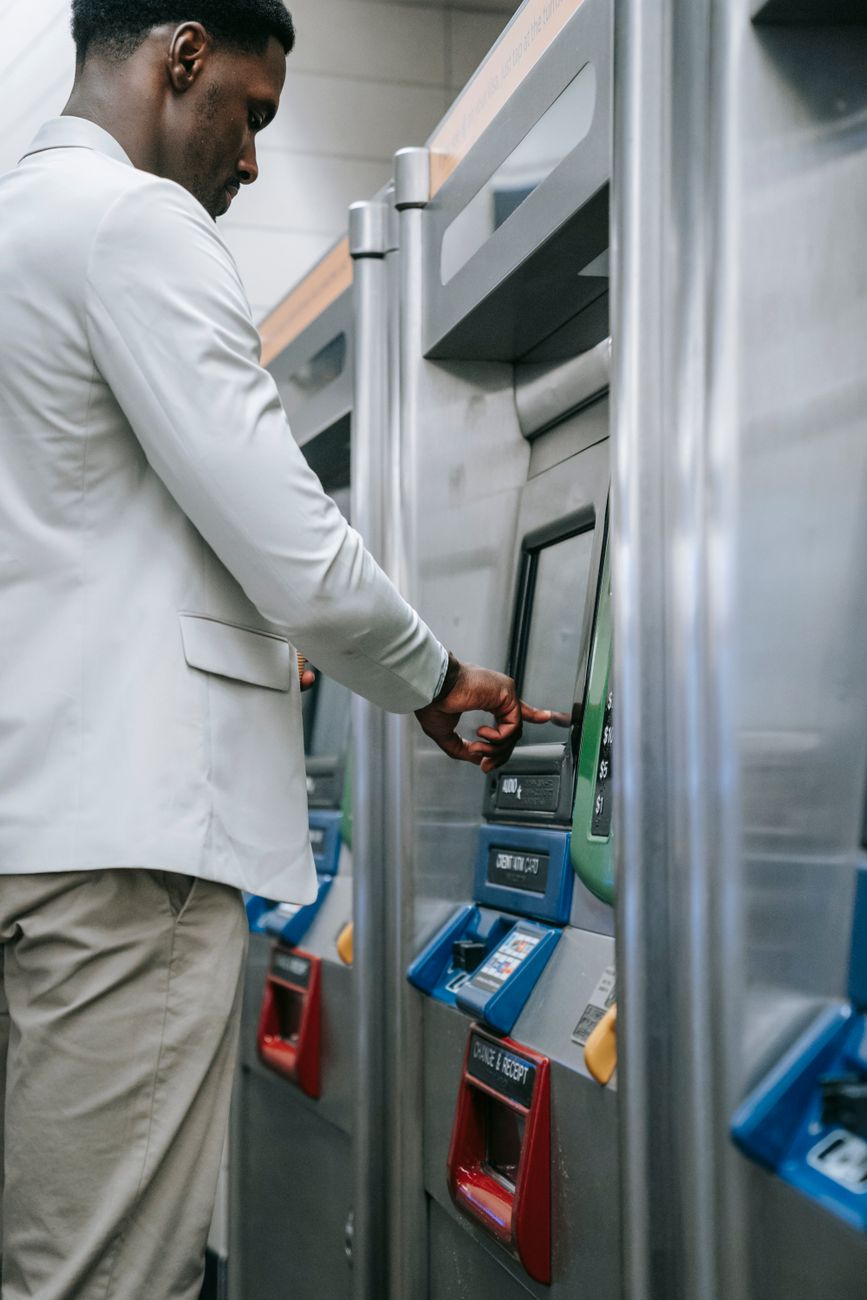
– TAP card + Metro day pass: buy a TAP card for USD 2 and use a Metro day pass for USD 7 when planning multiple trips in a day (Metro.net or TAP app).
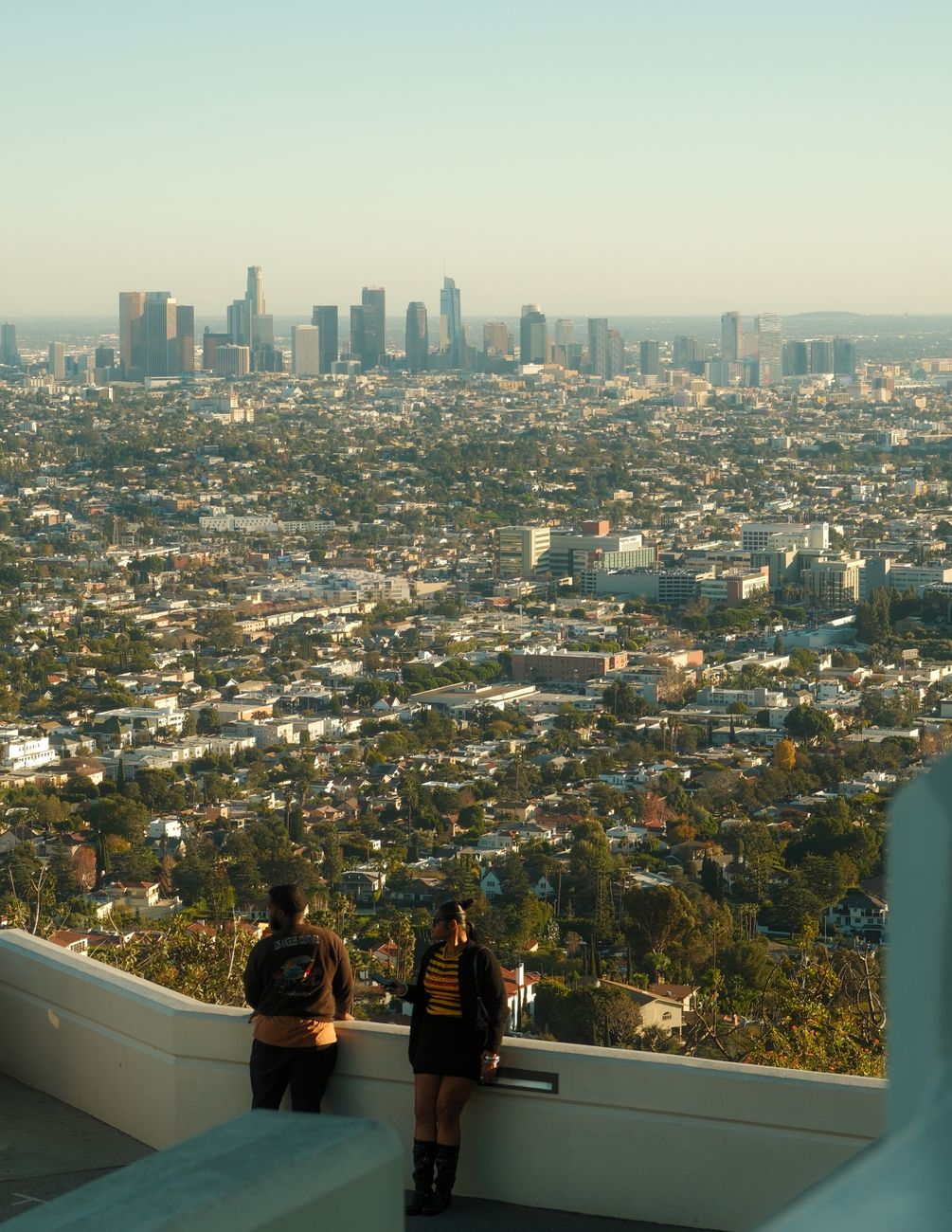
– Use free admissions: Getty Center and Griffith Observatory offer free entry (Getty parking USD 20, Griffith Observatory limited parking; use DASH Observatory bus from Vermont/Sunset to save time).
– Reserve The Broad free tickets online and go early to avoid paid alternatives.
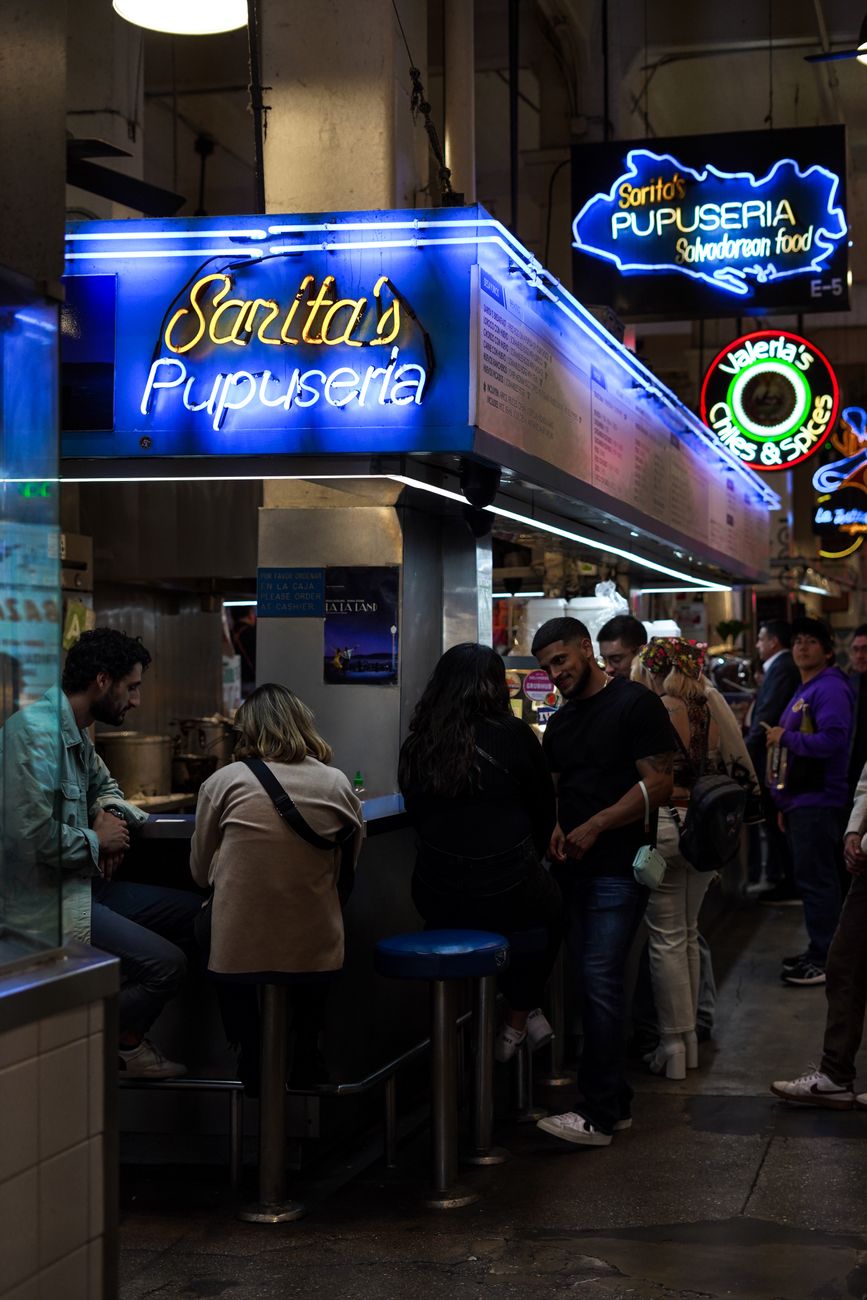
– Eat at Grand Central Market, Philippe The Original, or EL Huarache Azteca for meals under USD 10–12.
– Buy a Go City Los Angeles pass only if visiting 2–3 paid sights like Warner Bros. Studio Tour (USD ~69), Universal Studios (one-day ticket higher), or the California Science Center with timed entry.
Additional cost notes and tipping:
– Parking in Santa Monica, Hollywood, and downtown garages commonly USD 20–50/day; expect street parking fines if rules ignored.
– Rideshare typical short fare in central areas USD 8–25; airport LAX to downtown USD 35–60 depending on surge.
– Tipping norms: restaurants 15–20% pre-tax; bartenders USD 1–2 per drink or 15–20%; rideshare 10–20% or at least USD 2; hotel housekeeping USD 3–5 per night; bellhop USD 2–5 per bag; valet USD 5–10 when retrieving a car.
These numbers help align a chosen budget tier with specific neighborhoods and the 3-day Los Angeles itinerary referenced on the companion page.
Local Context
Neighborhoods matter for prices and travel time. Santa Monica and Venice have higher accommodation and parking costs but shorter walking distances to the beach and Third Street Promenade. Downtown LA (DTLA) offers more hotel deals and better access to L.A. Metro lines B, D and E, but expect longer rides to coastal spots.
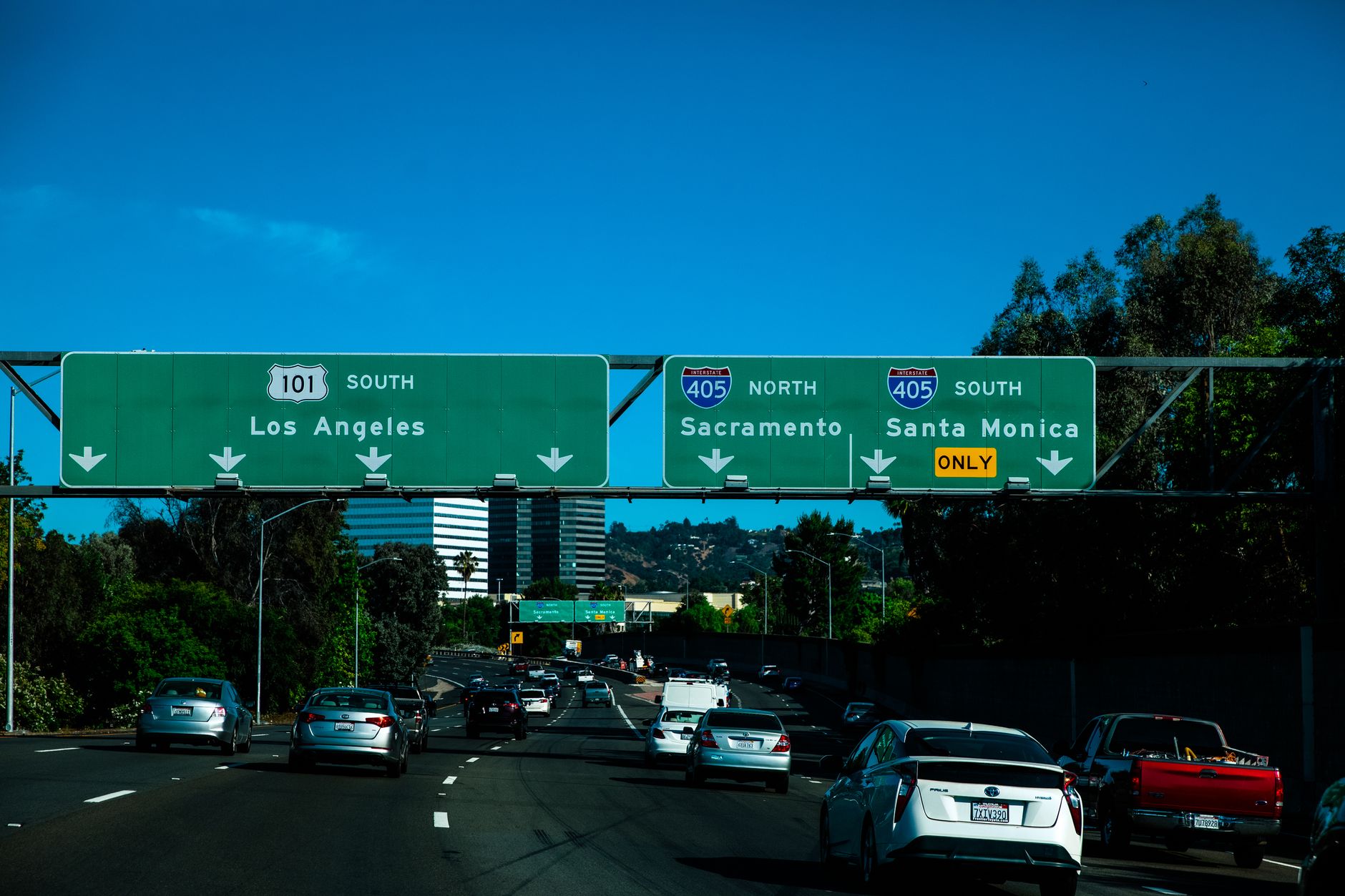
Traffic is a real cost. Driving between Westside and the Valley or from downtown to Santa Monica can take 30–90 minutes depending on time of day. Peak rush hours on the 405 and 10 freeways add fuel and time costs that translate into higher rideshare fares and more stress.
Public transit coverage improved with Metro expansions, but last-mile connections still matter: buses, DASH shuttles, and city bike programs fill gaps. For example, use Metro E Line to reach Santa Monica from downtown, or the Metro A Line to Long Beach; transfers work with TAP but add time.
Weather affects spending. Summers (June–September) bring high visitor numbers and higher room rates; late autumn and winter typically offer lower hotel prices, though LA rarely has major weather disruptions. Festival dates—Coachella travel spillover or major awards season—can push prices sharply in March and April.
How to Choose Well
Match neighbourhood to priorities: choose Santa Monica or Venice for beach time (expect USD 25–50/day parking); pick Downtown LA or Koreatown for lower hotel rates and better Metro access. For nightlife and restaurants, West Hollywood is central but pricier.
Decide on a car by calculating parking plus rental versus rideshare and public transit. If staying mostly in coastal and central neighbourhoods, public transit plus occasional rideshare is usually cheaper than a rental, given garage fees. If planning frequent day trips to Joshua Tree or San Diego, a rental becomes more cost-effective.
Balance attraction costs: buy a Warner Bros. Studio or Universal Studios ticket only if that experience is a priority. Use the Getty, Griffith Observatory, and The Broad for high-quality free culture; allocate paid-attraction budget to one studio tour or a paid museum like LACMA (general admission USD 25 for adults as of last published rates).
Use time-of-day trade-offs: early arrivals reduce paid parking and allow use of free attractions before crowds. For food, rely on markets like Grand Central Market or Korean BBQ in Koreatown for lower per-meal spend while reserving one or two pricier dinners.
Responsible and Local-First Tips
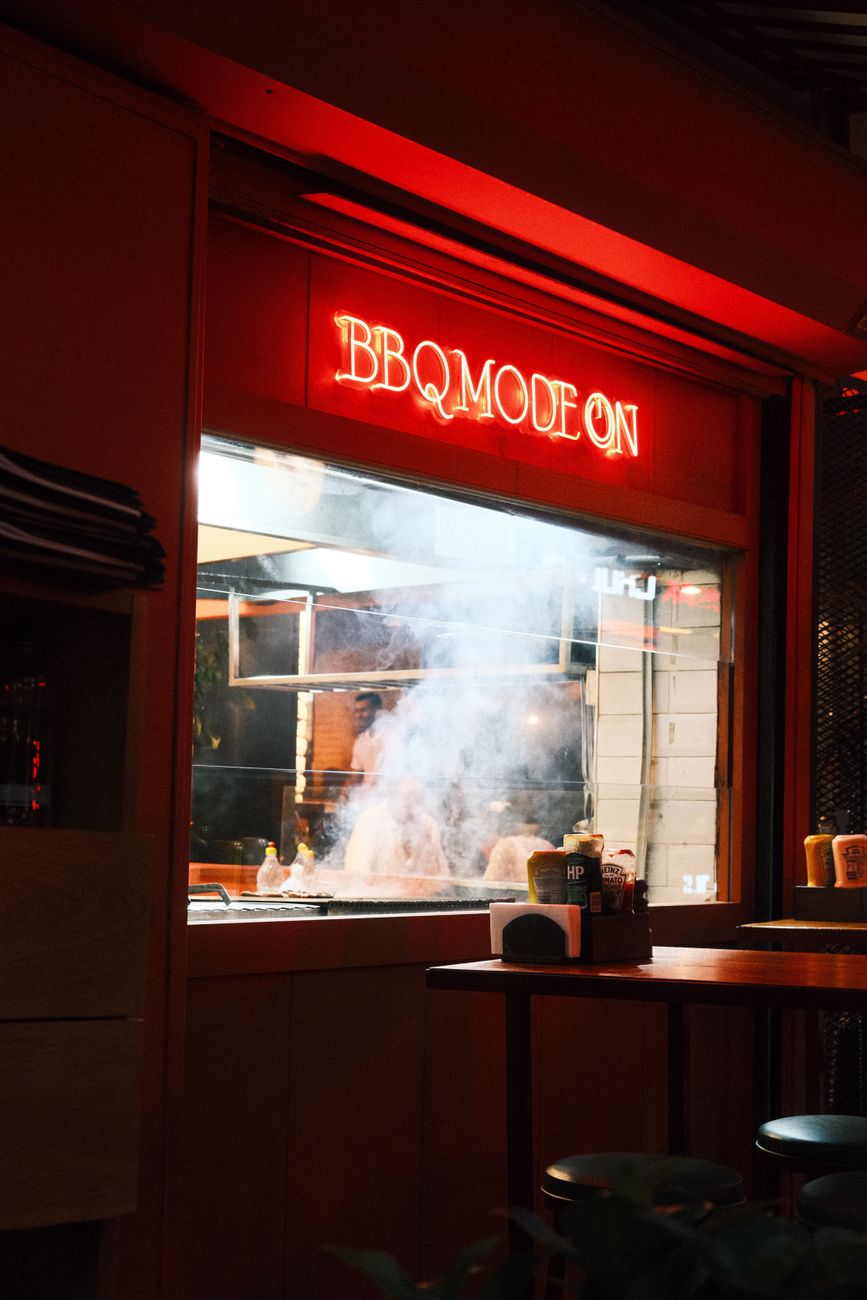
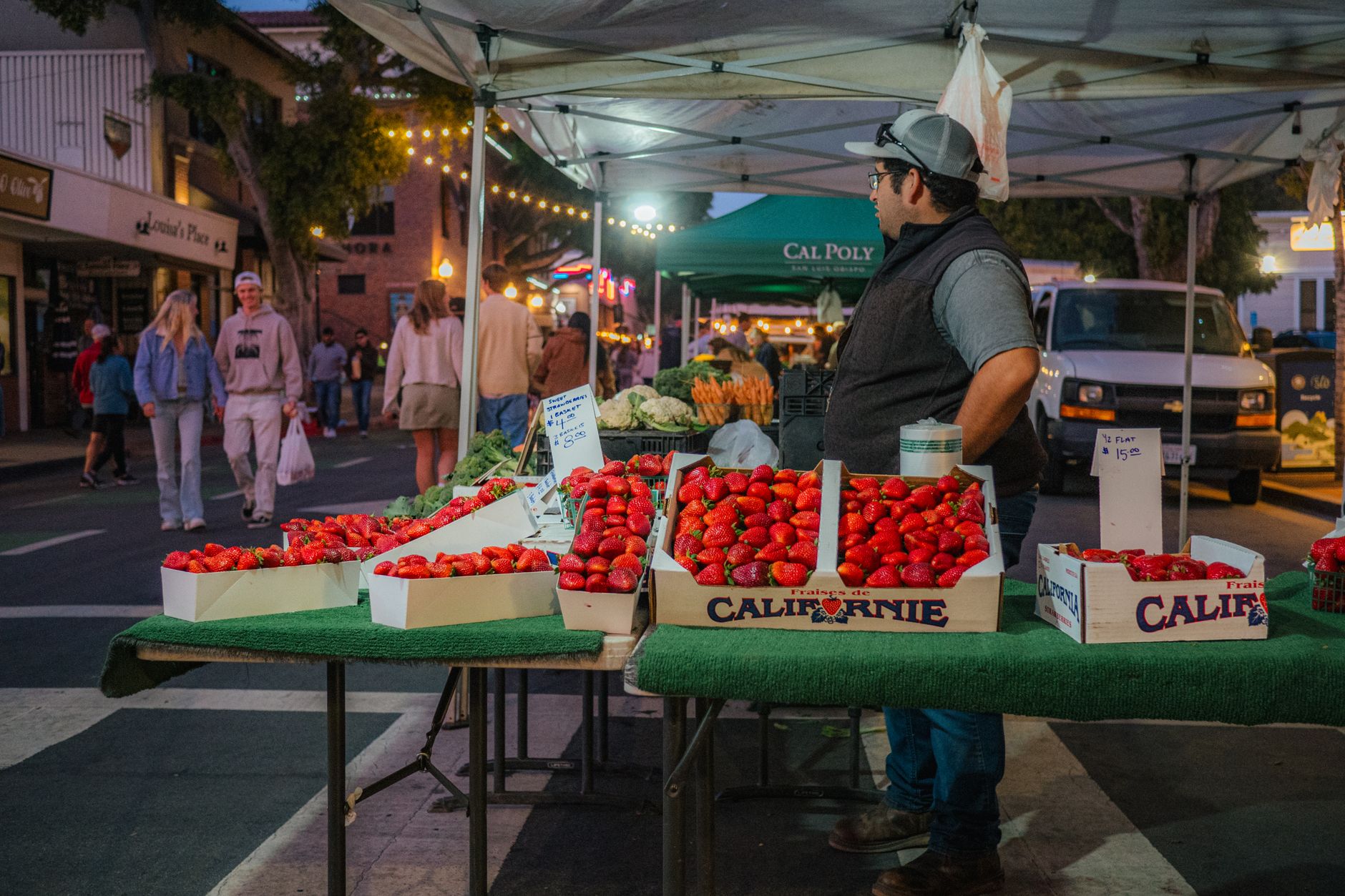
Support local businesses by choosing independent restaurants and markets such as Grand Central Market vendors, Guerrilla Tacos, or local bakeries in Echo Park rather than national chains. Buy produce or snacks at local markets like Santa Monica Farmers Market on Wednesday or Sunday to feed day trips cheaply.
Minimise carbon impact by using Metro and TAP instead of short rides across town; choose an e-scooter or Metro Bike Share for short trips near downtown or Santa Monica. If renting a car, prefer fuel-efficient or hybrid models and avoid idling in congested areas.
Tip local staff fairly: servers rely on tips, so follow the local standard of 15–20%. Consider buying souvenirs from craftspeople at local markets in Olvera Street or Abbot Kinney rather than mass-produced items. If visiting sensitive public spaces like Griffith Park, stick to marked trails and follow park signage to reduce erosion and impact on native plants.
Common Mistakes to Avoid
Underbudgeting for parking: assuming free street parking near popular spots leads to surprise costs. Parking lots in Santa Monica or near Hollywood attractions commonly charge USD 20–50 daily. Factor this into accommodation or car decisions.
Skipping reservations for free but timed-entry sites: The Broad and some special exhibits at Getty require reservations for timed entry. Arriving without a booking can mean waiting two hours or missing entry on busy days.
Relying solely on a rental car for central itineraries: many central and coastal neighbourhoods are better reached by Metro E Line or rideshare. Renting increases total cost once rental, fuel, tolls, and parking are added; calculate daily total before choosing.
These mistakes add both time and money to a trip and are commonly overlooked by first-time visitors.
FAQ
How much does a day in Los Angeles cost on average?
For a practical average, expect USD 72–175/day for budget travel, USD 220–425/day mid-range, and USD 495–1,225/day comfortable, depending mainly on accommodation and transport choices.
Is public transit in Los Angeles affordable and reliable?
Yes for affordability: single Metro/bus fare USD 1.75, Metro day pass USD 7; reliability varies by line and time—expect slower, less frequent service late at night and during peak freeway congestion for bus routes.
Should visitors buy a Go City Los Angeles pass?
Buy Go City only if visiting multiple paid attractions like Warner Bros. Studio Tour and Universal Studios; compare single-ticket prices because studio and theme park tickets can exceed the pass value quickly.
When are the cheapest months to visit for lower hotel rates?
Late January through February and parts of November (excluding holiday weeks) often have lower hotel rates; avoid awards season and major conventions which raise prices.
How much should one tip in restaurants and for services?
Standard restaurant tipping is 15–20% pre-tax. Bartenders USD 1–2 per drink. Rideshare 10–20% or rounding up. Housekeeping USD 3–5 per night.
Is it necessary to rent a car in Los Angeles?
Not necessary if staying central (Downtown, Santa Monica, West Hollywood) and using Metro plus occasional rideshare; necessary if planning many day trips outside the metro area or if travelling with heavy gear.
Are there reliable free attractions?
Yes: Getty Center (free admission, parking USD 20), Griffith Observatory (free entry), The Broad (free but reserve tickets online).
Conclusion
The single most important thing to remember: neighbourhood choice drives cost. Select where to stay—Downtown LA for transit and lower hotel prices, Santa Monica for beach access with higher parking costs, or West Hollywood for nightlife—and align that with whether to rent a car.
Use the TAP card and Metro day pass for the cheapest local transport and reserve free attractions in advance. Apply the daily budget ranges here when picking hotels or booking the 3-day Los Angeles itinerary so the plan matches real costs. That alignment prevents surprise expenses and keeps the trip manageable.
How this guide was prepared
This guide was prepared through a structured research that combines destination research, geographic context, itinerary planning logic, and content review.