
Stockholm Travel Budget — Costs, Practical Tips and Low‑Impact Choices
Realistic budget ranges, transport costs, neighborhood tips and sustainable choices for planning a 3-day Stockholm trip or longer stays. Practical, low‑impact advice.
How much does Stockholm cost and where to save without missing the city? This page gives per‑day budgets, transport realities, seasonable booking tips, and local‑first suggestions that pair with the main 3 days in Stockholm itinerary.
Quick Answer
How much does Stockholm cost and where to save without missing the city? This page gives per‑day budgets, transport realities, seasonable booking tips, and local‑first suggestions that pair with the main 3 days in Stockholm itinerary.
Who This Page Is For
This page is for travelers planning a stay in Stockholm who want clearer decisions about travel budget, local logistics, timing, budgeting, and practical trip planning.
How This Page Was Prepared
This page was prepared through a structured editorial workflow that combines destination research, geographic context, and practical travel-planning review.
Plan the Rest of Your Trip
Use this page together with the full itinerary and the related planning pages below to make better booking, timing, transport, and budget decisions.
Typical daily budgets (per person):
– Shoestring/backpacker: 450–650 SEK (~40–60 EUR) — dorm bed or low‑cost private, groceries, cheap eats, lots of walking.
– Midrange: 1,000–1,700 SEK (~95–160 EUR) — budget hotel or private Airbnb, a couple of museum entries, public transport day card, modest restaurants.
– Comfortable: 2,000–3,500 SEK (~190–330 EUR) — centrally located hotel, several paid attractions, meals in midrange restaurants.
Key savings levers: use SL public transport cards, prioritize free or low‑cost museums (many have discounted days), pick shoulder season travel (May/early June, September–early October), and eat like a local with markets and food halls.
This support page helps you translate the 3 days in Stockholm itinerary into a realistic budget and low‑impact choices. Stockholm is Northern Europe’s pricier capitals, but you can control costs by choosing the right neighborhoods, using public transport efficiently, and favoring local businesses over tourist traps. Read on for quick cost ranges, neighborhood notes, booking guidance, and sustainable recommendations that work for short trips or for linking onward to nearby cities such as Gothenburg (Göteborg), Malmö, or the Finnish ports of Turku, Espoo and Tampere.
What This Page Helps You Decide
Use this page to make specific budgeting choices tied to your 3‑day plan:
– Where to stay: neighborhoods and approximate nightly cost ranges to match your itinerary.
– Transport strategy: when to buy single tickets, 24/72‑hour SL cards, or choose airport buses over Arlanda Express.
– Eating and attraction choices: where to save and where to splurge to get a true Stockholm experience.
– Sustainable tradeoffs: selecting local businesses, low‑season visits, and low‑impact day trips.
If you want the daily walkable plan and timed tickets, consult the main 3 days in Stockholm itinerary and use the numbers here to adjust spending.
Top Recommendations
Neighborhoods and choices that balance cost and authenticity:
– Södermalm (SoFo) — Good for cafés, thrift shopping, budget restaurants; lively but not touristy.
– Vasastan and Norrmalm — Midrange hotels, easy access to museums and central stations.
– Östermalm — Higher prices, but Östermalm Market is great for local food on a budget if you pick market stalls.
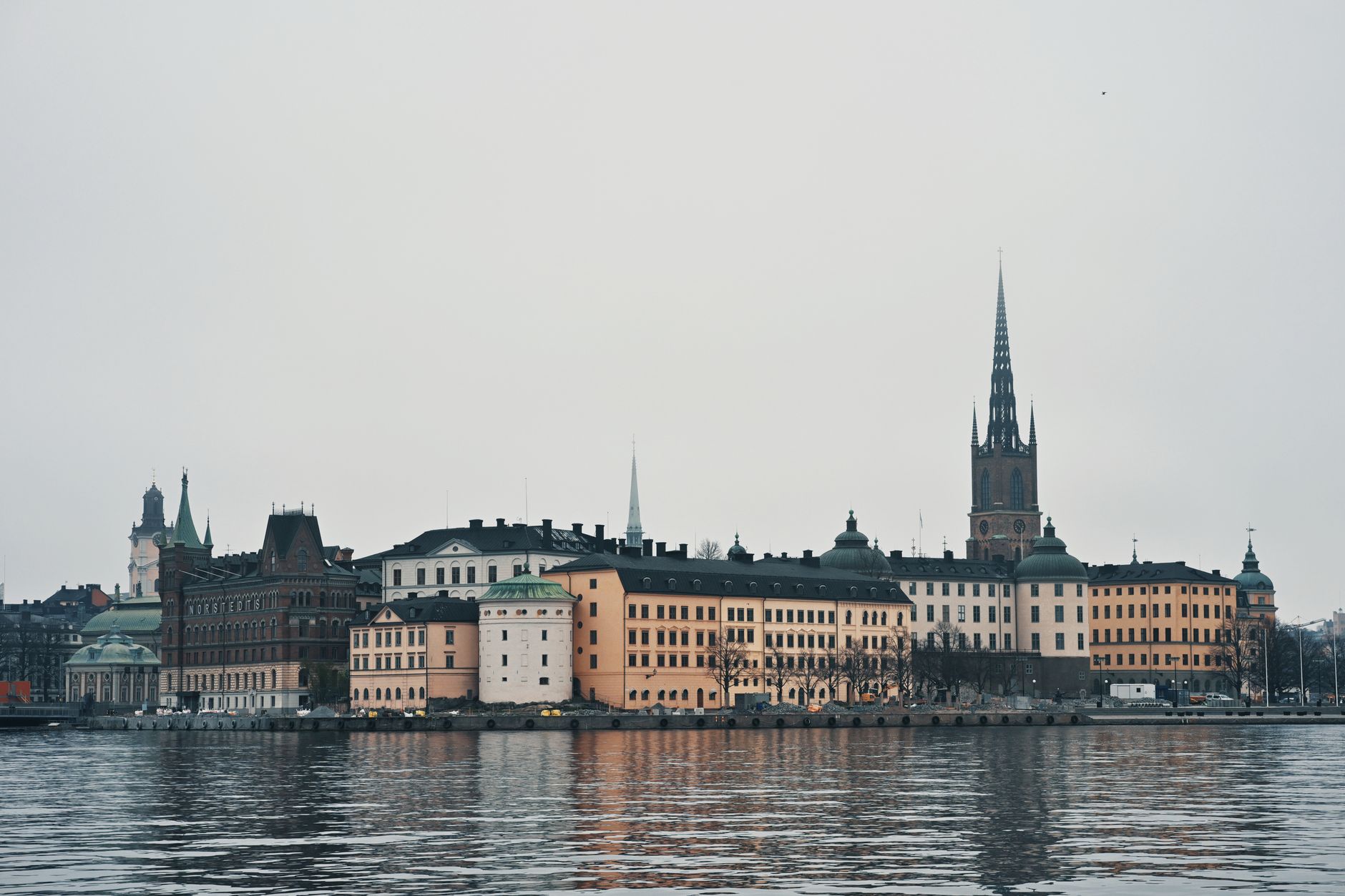
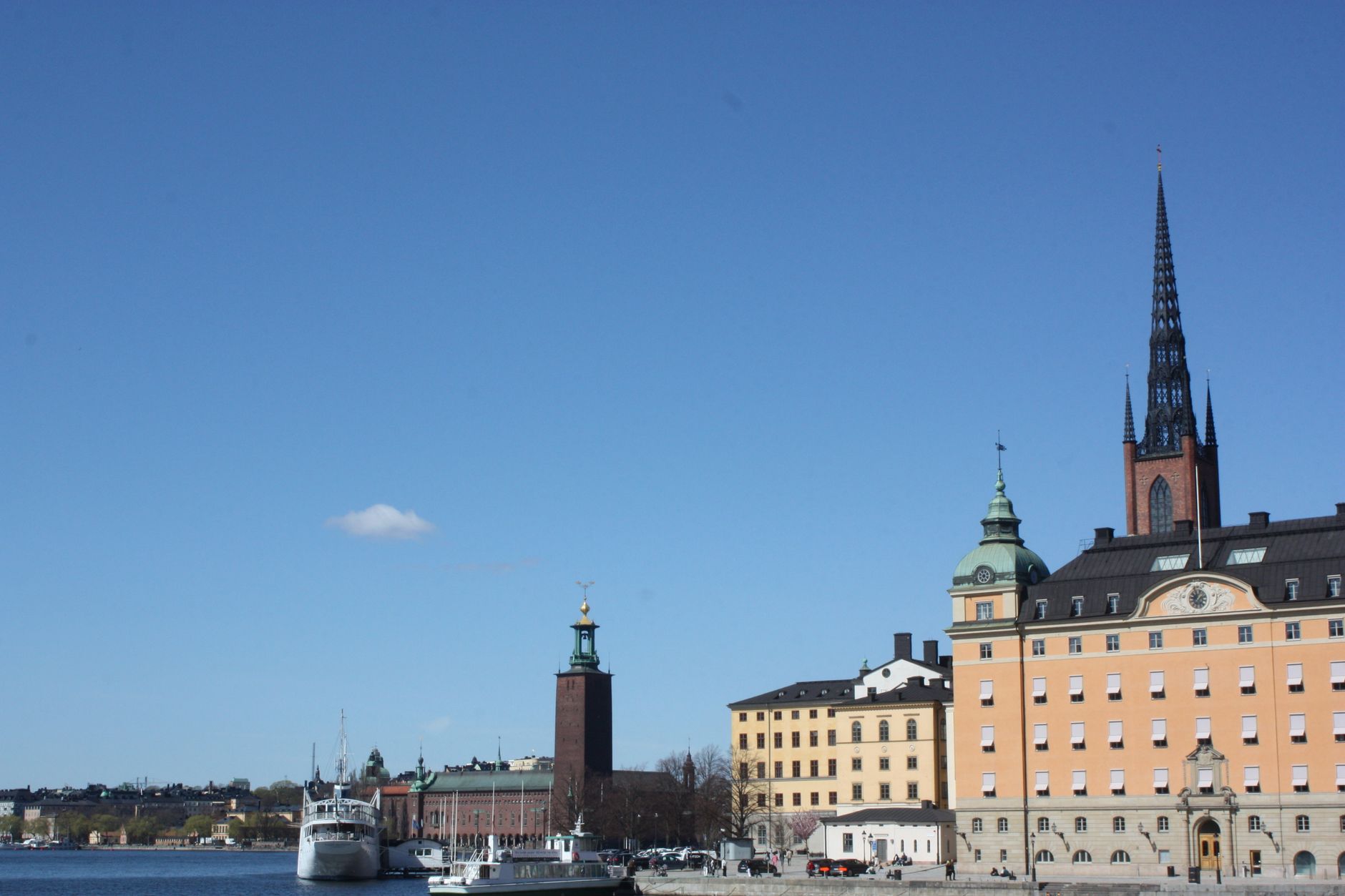
– Gamla Stan — Beautiful but touristy; stay here only if you want atmosphere and can accept higher prices.
Transport and attraction tips:
– Buy a 24h/72h SL access pass if you plan multiple inner‑city trips; single journeys add up fast.
– For airport transfer: Flygbussarna airport coaches are cheaper than Arlanda Express and take about 45 minutes from Arlanda.
– Book popular attractions (Vasa, Skansen) online in advance in high season to avoid queues.
Sustainable pick: favor a seasonal lunch at Östermalm Market or a neighborhood bistro over chain restaurants; buy souvenirs from local designers on Södermalm.
Local Context
Seasonality: peak tourist season is mid‑June to August. Shoulder months (May, late September) often have similar daylight and lower prices. Winter is cold but lower cost and fewer crowds — check opening hours.
Transport realities:
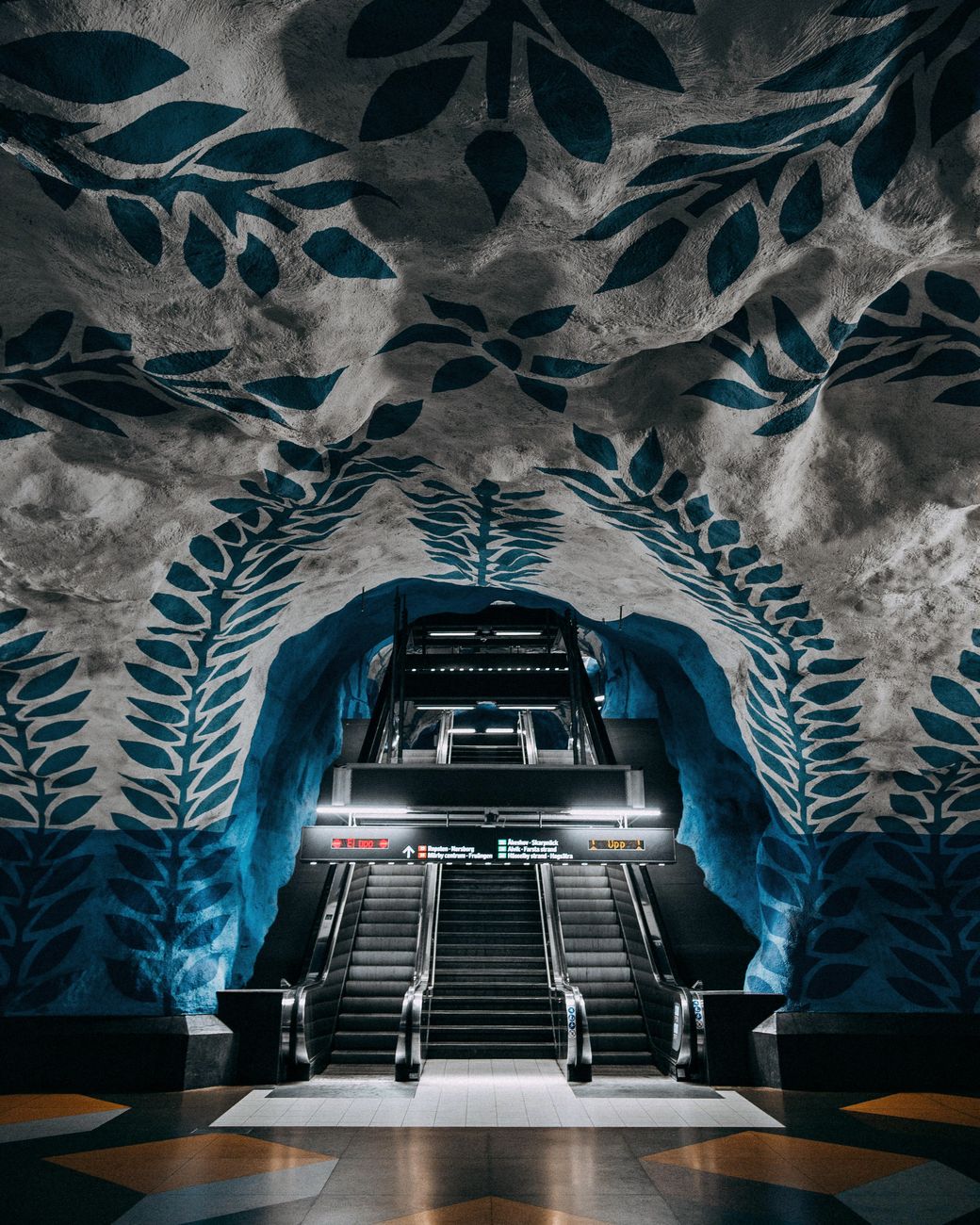
– The SL network (metro, buses, commuter trains, trams) is reliable. Tap with a contactless card or buy SL Access cards; mobile and card payments are common.
– Expect quiet, low‑volume conversation on trains and buses — keep voices down.
Money and payment:
– Card payments are ubiquitous; many places are card‑only. Carry an ID and a contactless card that works internationally.
Cultural notes:
– Tipping is not obligatory; round up or leave 5–10% for table service if you want to reward service.
– Respect residential quiet hours (often after 22:00) when staying in apartment rentals.
How to Choose Well
Decide using these practical filters:
– If your 3‑day plan centers on museums and Djurgården, stay near Norrmalm or Östermalm to save commuting time.
– If you prefer cafés, second‑hand shops and evening bars, book in Södermalm and factor in a short bus or metro ride to museums.
– For lowest transport cost: plan walking routes and buy a 24‑hour SL pass per travel day rather than single tickets.
Booking rules of thumb:
– Book accommodation 2–3 months ahead for summer, 2–4 weeks in shoulder months. Airbnb and smaller guesthouses often enforce longer minimum stays in July.
– Check museum opening patterns: some national museums close one weekday or have late openings; align your tickets with the 3 days in Stockholm plan to avoid backtracking.
Linking to nearby cities:
– Trains to Gothenburg and Malmö are best booked via SJ in advance for discounts. Ferries to Turku run overnight and are a different travel style — compare time vs cost before swapping a day in Stockholm for a night ferry.
Responsible and Local-First Tips
Practical low‑impact choices that also save money:
– Use refillable water bottles — Stockholm’s tap water is excellent and free; water fountains are common.
– Favor small cafés, municipal museums, and market stalls where money supports local vendors.
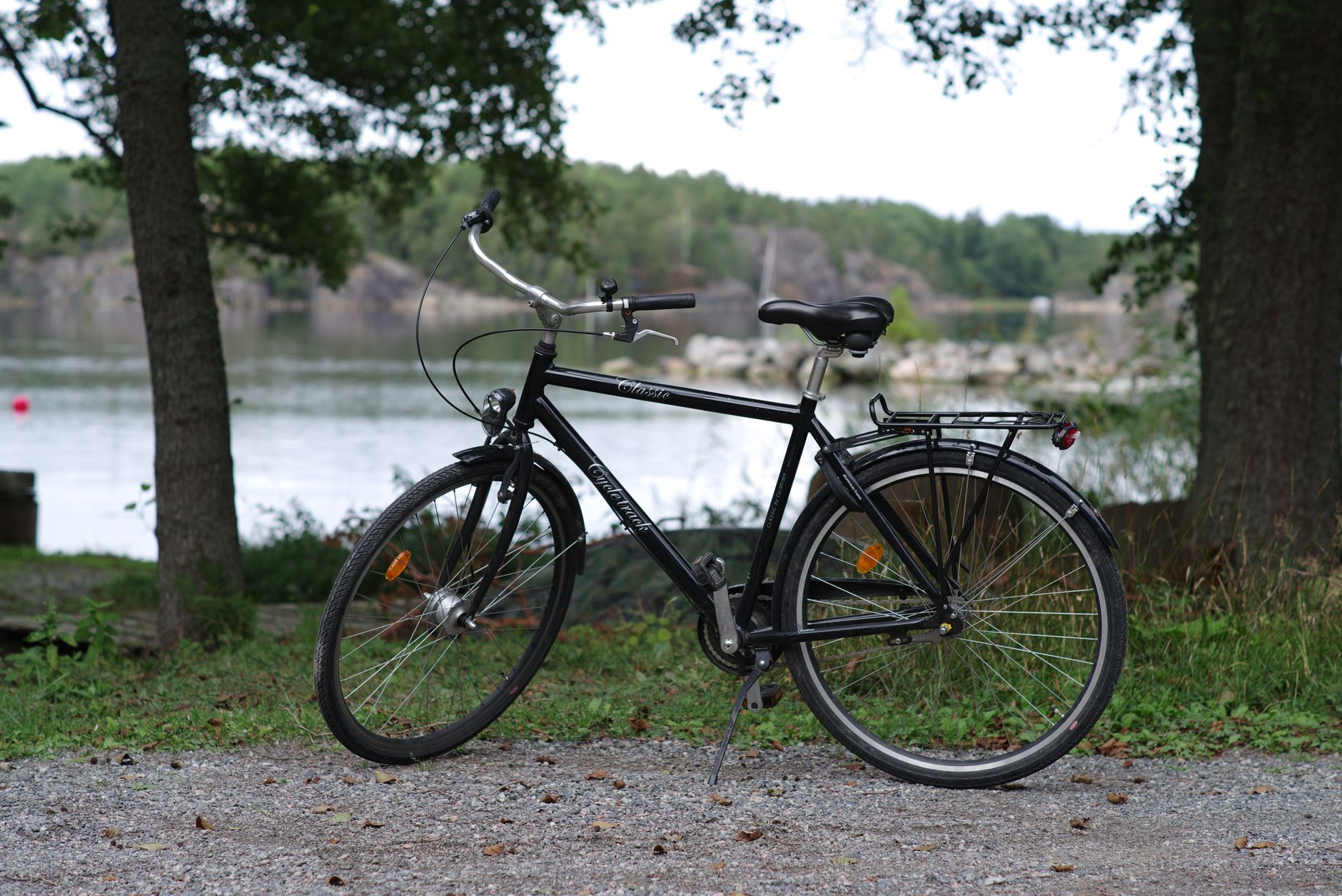
– Choose public transport or bike rental over taxis; bikes and e‑scooters help short trips but obey local rules.
– Time visits to busy museums early or late in the day to reduce crowding and improve your experience.
– When taking island or archipelago trips, pick operators that follow environmental rules and small-boat operators from local harbors.
– Buy peak‑season train/ferry tickets early for best fares and consider flexible tickets if your plans might change.
Common Mistakes to Avoid
Quick list of frequent budgeting errors:
– Buying multiple single SL tickets instead of a day pass — more expensive and inefficient.
– Choosing Arlanda Express by default — it's fastest but often two to three times the cost of Flygbussarna coaches.
– Staying in Gamla Stan expecting quiet and low prices — atmosphere comes at a premium.
– Scheduling multiple paid attractions in a single day without checking opening hours or timed entry requirements.
– Assuming all restaurants accept cash — many are card‑only and some require chip‑and‑PIN or contactless.
– Forgetting that some museums are closed or have limited hours Monday or Tuesday during low season.
FAQ
How much should I budget for food per day in Stockholm?
For a reasonable balance: 150–300 SEK (~14–28 EUR) for three meals if you mix supermarkets, market hall lunches, and one midrange dinner. Expect 300–600 SEK if you dine at midrange restaurants every meal.
Is public transport cheaper than taxis?
Yes. A 24‑hour SL card (covering metro, buses and local commuter trains) is almost always cheaper than multiple taxi rides. Use airport coaches for transfers to save versus taxis.
Are there free attractions I can use to keep costs down?
Yes. Stroll Gamla Stan, walk the waterfront, visit the open parts of Djurgården, and explore Södermalm markets. Several national museums have free entry or free days—check each museum’s site and align with your 3 days in Stockholm plan.
How do I handle luggage if I arrive early but can’t check in?
Many hotels and larger hostels will hold luggage for a small fee or for free. Central Station has lockers and staffed left‑luggage services; Arlanda and other main transport hubs also offer storage.
Should I buy attraction tickets in advance?
For Vasa Museum, Skansen, and summer-entry boat tours, buy online for summer dates. In shoulder season you can often buy on arrival, but checking times avoids disappointment.
Can I day trip to Turku or Helsinki from Stockholm economically?
Overnight ferries to Turku and Helsinki are common and can be cost‑competitive if you compare cabin rates and dinner‑included packages. For quick day trips, flights are faster but usually pricier; plan at least one overnight if you take a ferry.
Conclusion
Stockholm can fit many budgets if you plan where to spend and where to save. Use SL passes, pick neighborhoods that match your priorities (Södermalm for local life, Norrmalm for convenience), and lean into markets and cafés for authentic, local spending. This page is designed to support the main 3 days in Stockholm itinerary: use the suggested transport and timing tips to calibrate the daily budget, and consider regional trains or ferries if you want to extend your trip to Gothenburg, Malmö, Turku, Espoo or Tampere.
How this guide was prepared
This guide was prepared through a structured research that combines destination research, geographic context, itinerary planning logic, and content review.