
Getting Around Budapest
Practical, sustainable advice for moving around Budapest by foot, tram, metro, bike, river and train. Tips on tickets, neighborhoods, airport transfers and day trips to nearby Hungarian and Central European cities.
Best overall: combine walking in the compact central neighborhoods with trams and metro for longer hops.
Airport: take the 100E direct airport bus to Deák Ferenc tér when you want simplicity; for cheaper options use the regular 200E bus to the metro network.
Day trips: trains from Keleti, Nyugati and Déli stations reach Szeged, Pécs, Debrecen and Bratislava; Vienna is fastest by Railjet.
Tickets: use the BudapestGO app or buy single tickets and 24/72-hour travelcards from machines and kiosks. Validate single tickets; inspectors fine unvalidated fares.
This page explains the practical transport choices you’ll use while following the 3 days in Budapest itinerary. It focuses on low-impact ways to move between neighborhoods, the smartest ticket and pass options, how to reach the airport, and realistic suggestions for rail or bus day trips to nearby cities. If you’re prioritizing local businesses and authentic experiences, these options will help you spend more time exploring and less time worrying about logistics.
What This Page Helps You Decide
Use this page to choose:
- Where to base yourself for the 3-day plan (Pest city center for evening options, Castle District for quieter historic atmosphere).
- Whether a 24/72-hour public-transport pass, single tickets, or a Budapest Card is worth it for your schedule and museum visits.
- The best way to reach and leave the airport depending on budget, luggage and time of day.
- Which day trips to take by train vs bus and where to catch those services.
Top Recommendations
Priorities for a low-stress, low-impact visit:
- Walk first: central Pest and Castle Hill are compact. Walking reveals local shops, pastry cafés and market stalls not visible from transit.
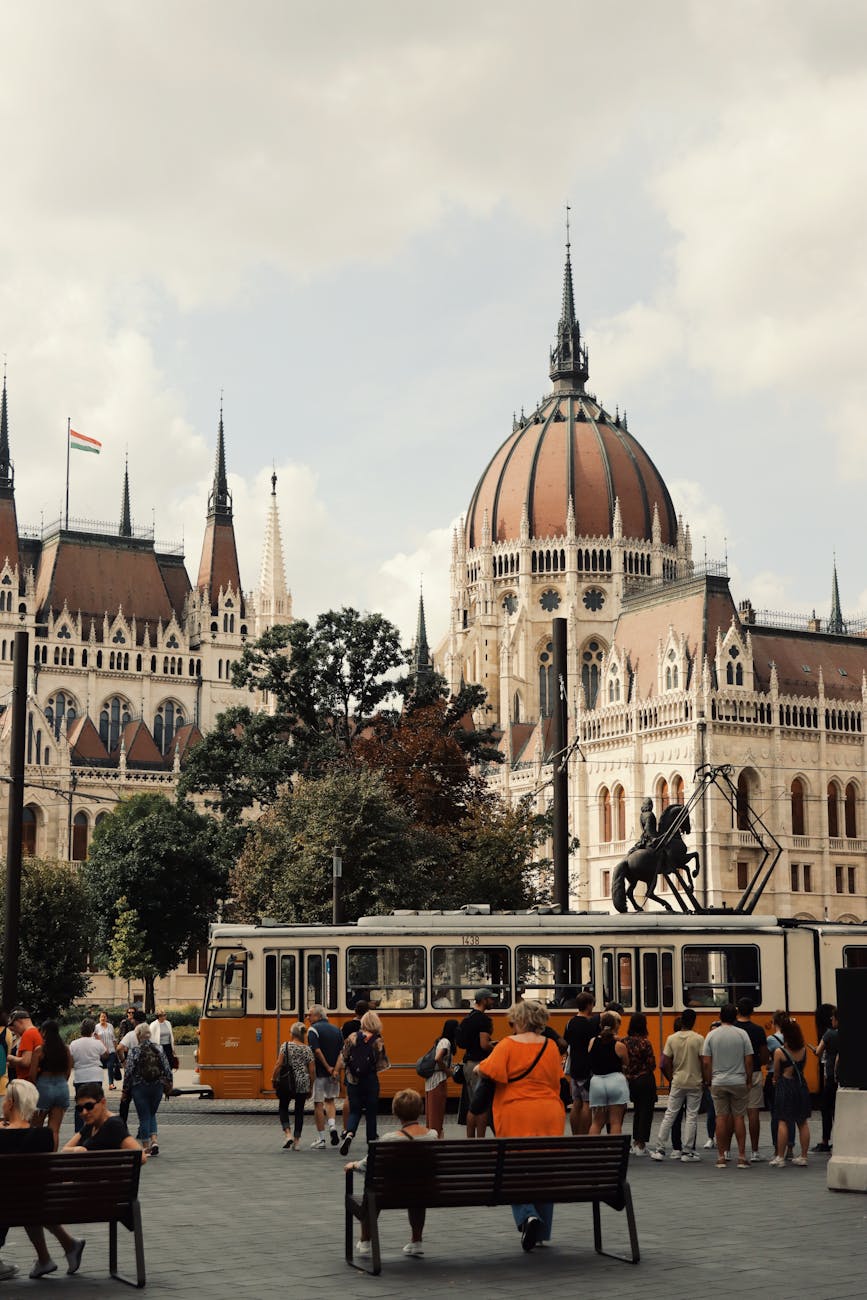
- Use trams for riverside views: Tram 2 (riverbank route) is both practical and scenic for stretches near the Parliament and Chain Bridge.
- Buy tickets in advance: the BudapestGO app reduces queueing. Keep one validated ticket per ride if not using a pass.
- Choose public transport for off-peak day trips: regional trains are comfortable and support local economies.
- Reserve taxis only for early-morning flights, heavy luggage or late-night returns; prefer licensed apps like Bolt or Főtaxi to avoid surprises.
Local Context
Neighborhoods and transport realities to keep in mind:
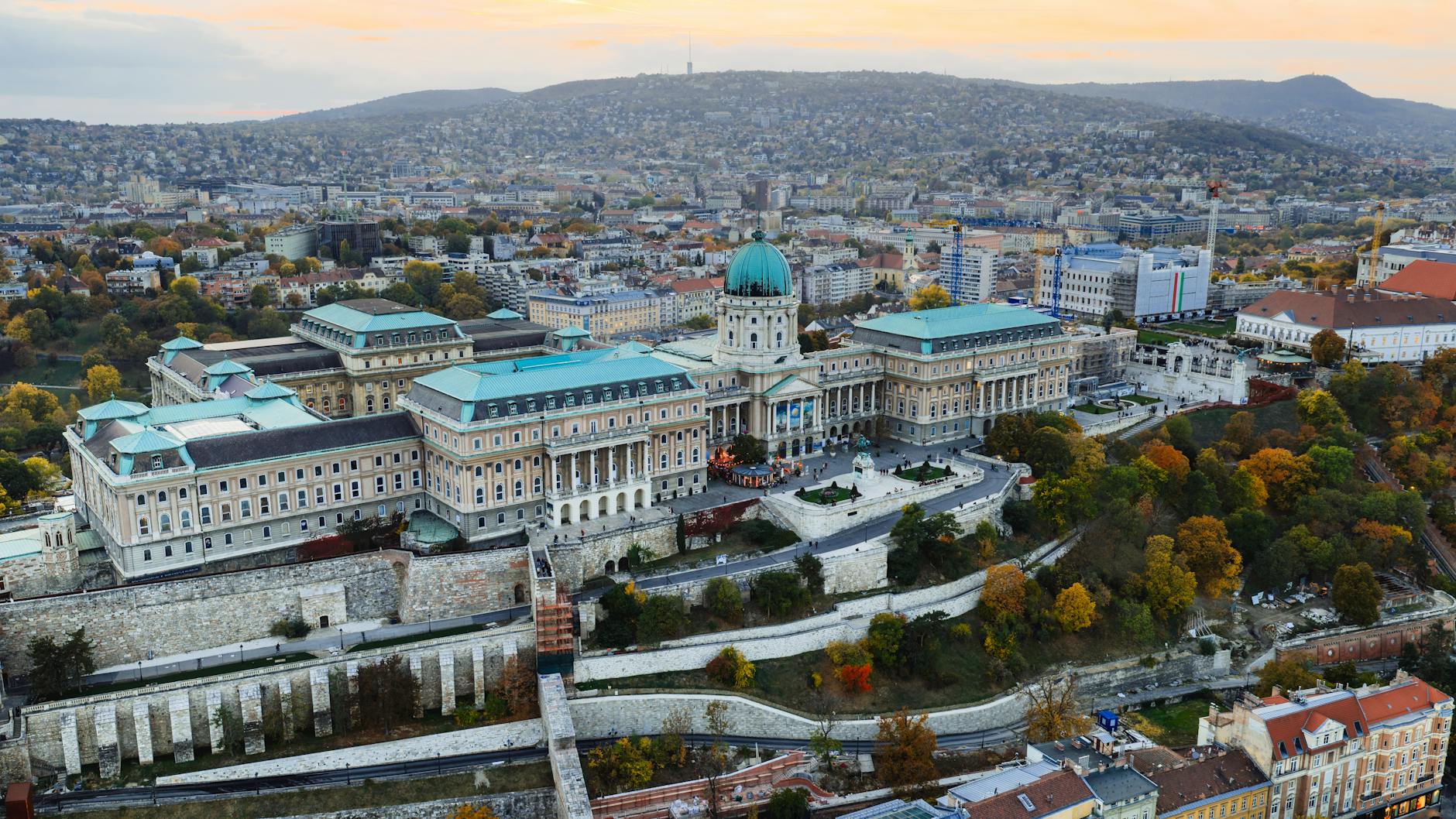
- District V (Belváros–Lipótváros) is the practical base for the 3-day route: central, well connected, and close to major museums and restaurants.
- District I (Castle District) and Gellért Hill are scenic but hillier and slower on foot—expect stairs and cobbles.
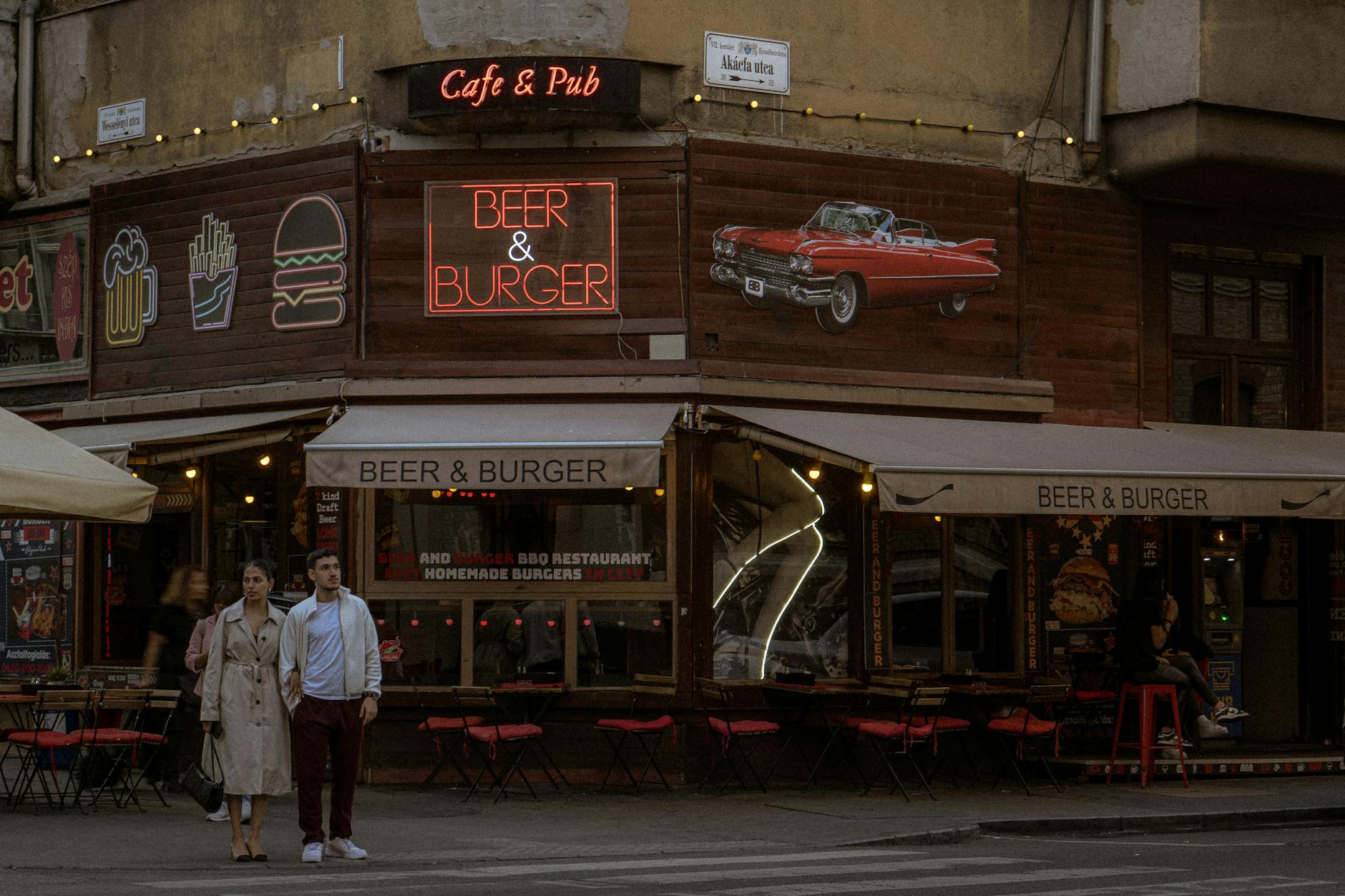
- District VII (Erzsébetváros / Jewish Quarter) has lively evenings; it’s great for food but can be noisy at night.
- Metro: four lines (M1 is historic and walkable between central sights; M2/M3/M4 cover longer distances). Trams and buses fill the gaps.
- Rush hours are roughly 7–9am and 4–6pm; expect crowded trams and metros then.
- River services and sightseeing boats run seasonally and reduce frequency in winter; commuter ferry options are limited compared with trams.
How to Choose Well
Match choices to your priorities:
- If you value time: stay near Deák Ferenc tér or Vörösmarty Square to shorten walks between attractions in the 3-day plan.
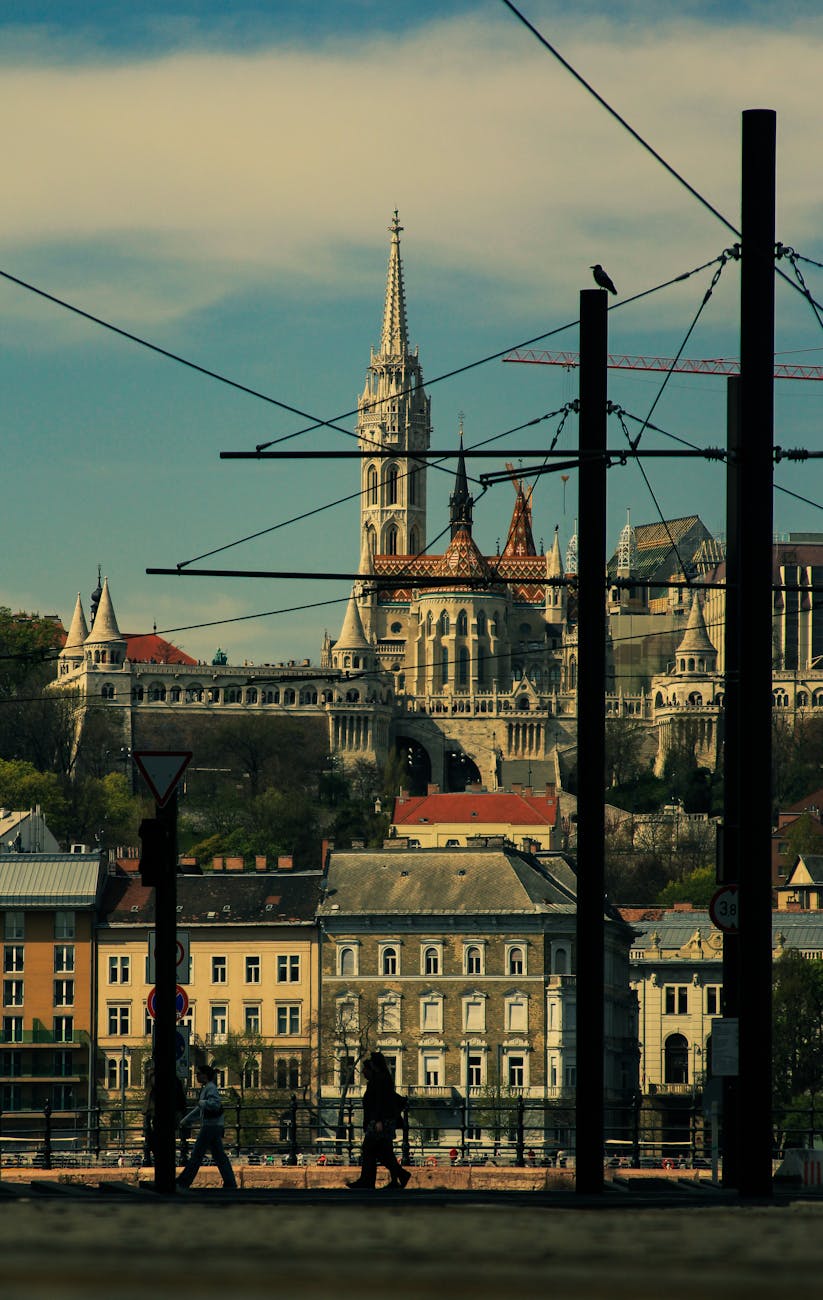
- If you value quiet and views: opt for the Castle District or Buda riverside—expect uphill walking and fewer late-night options.
- If you want local flavor: pick a neighborhood apartment in Újlipótváros or a small pension in Terézváros and use trams and metro to reach central sights.
- For day trips: choose trains if you want reliability and scenery (Keleti for east and south, Nyugati for northwest), buses for lower cost but check schedules in advance.
Responsible and Local-First Tips
Practical ways to keep travel sustainable and support locals:
- Use public transport and shared bikes (MOL Bubi) for short hops instead of taxis. Short-term passes are ideal for multi-day visitors.
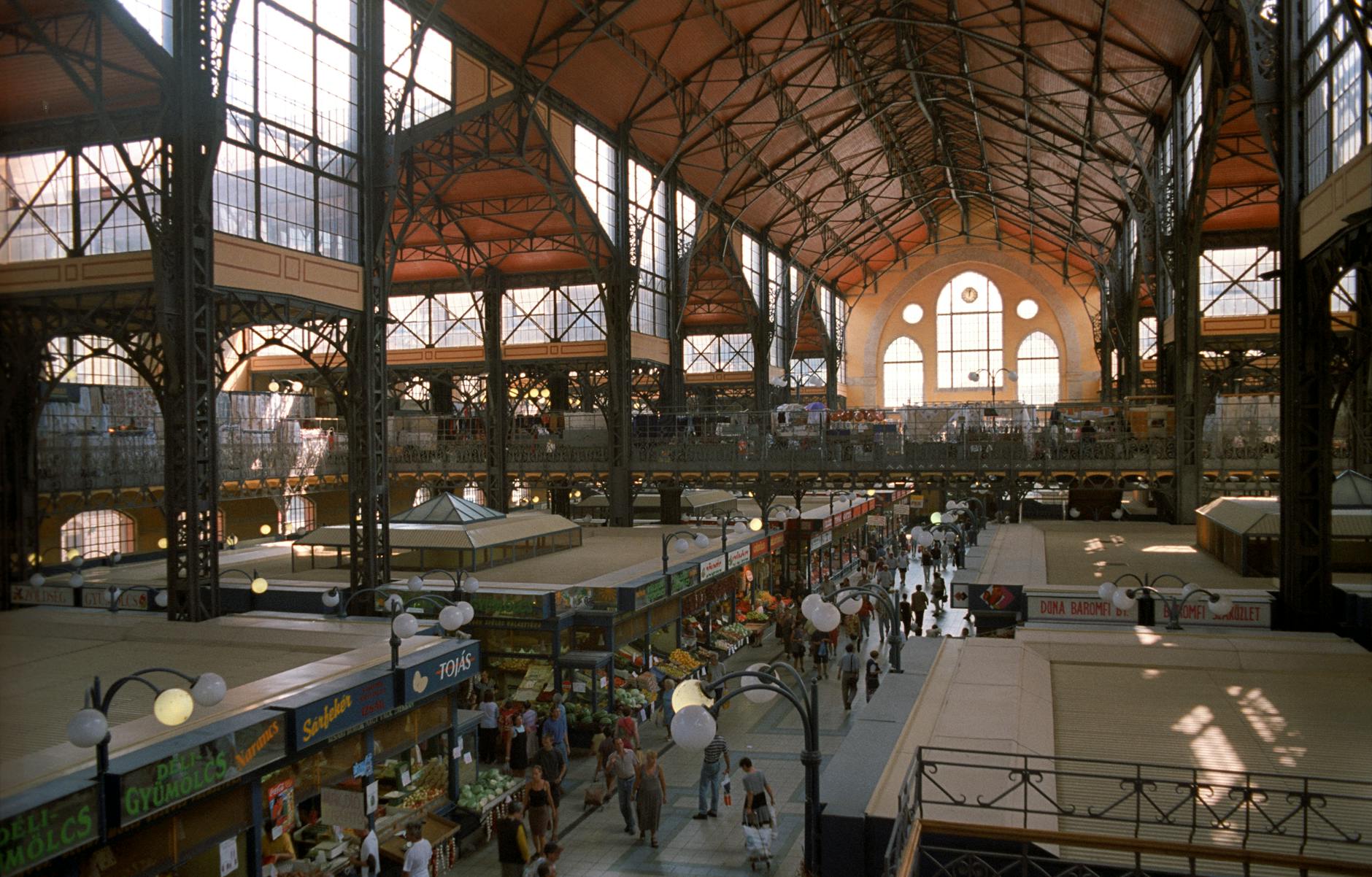
- Buy food at the Great Market Hall and neighborhood produce stalls to support local producers.
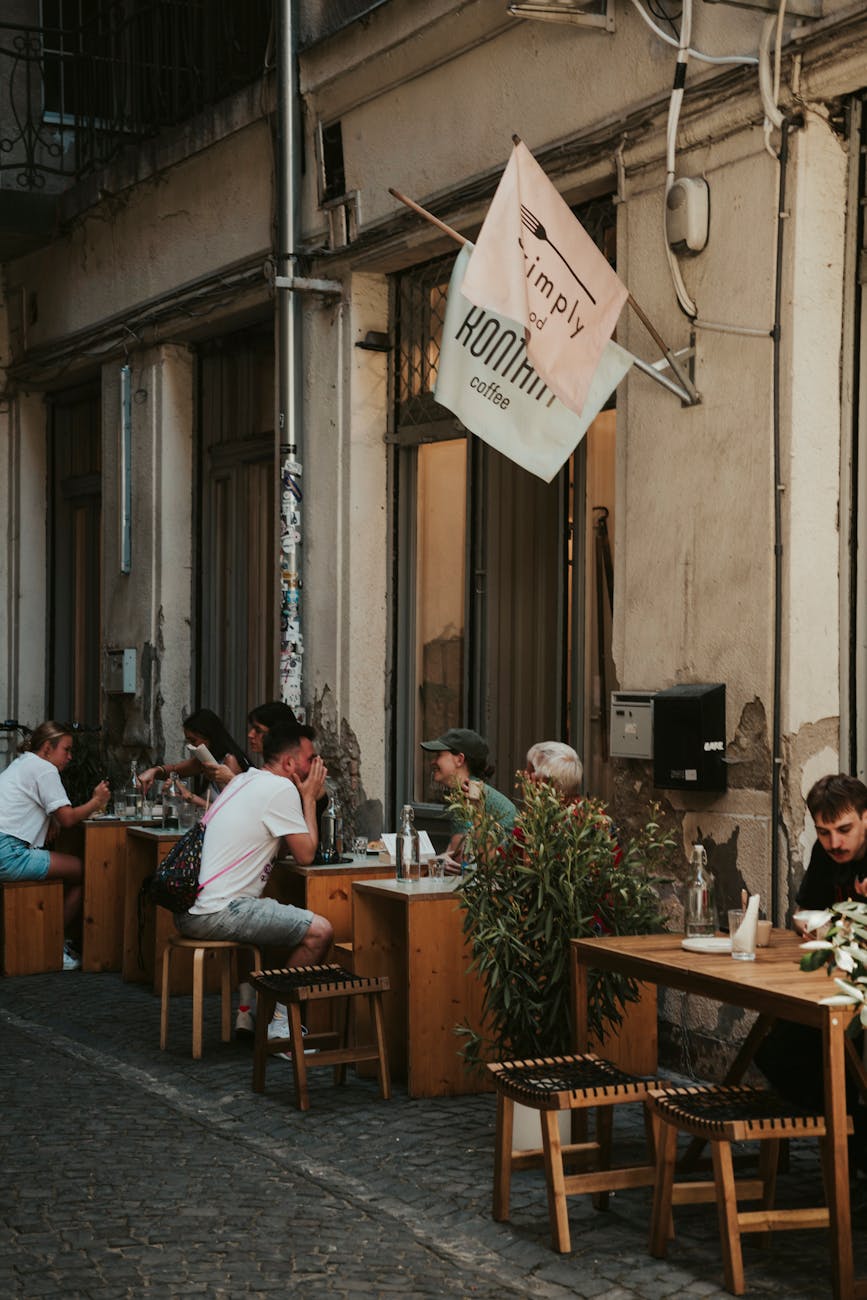
- Choose small, family-run guesthouses and local guides for walking tours that give money to the community.
- Avoid large river cruise buffets for meals; choose riverside cafés or small boat operators that advertise local partnerships.
- Travel off-peak in shoulder seasons (late spring, early autumn) to reduce strain on infrastructure and enjoy milder weather and fewer crowds.
Common Mistakes to Avoid
- Not validating single tickets: inspectors fine on-the-spot, so validate at the machine or onboard where required.
- Staying far from central connections without planning: saved money on lodging can cost many taxi fares.
- Underestimating hills: reaching Castle Hill or Gellért Hill takes more time and energy than the map suggests.
- Relying on taxis for every transfer: apps cut risk but public transport is faster and cheaper for most routes.
- Thinking river boats run like city ferries year-round: many services are seasonal or aimed at sightseeing, not commuting.
FAQ
What is the cheapest convenient way to get from the airport to the city center?
Take the 200E bus to the nearest metro station (Kőbánya-Kispest) and continue by metro, or the 100E direct airport bus to Deák Ferenc tér if you prefer one-seat simplicity. The BudapestGO app shows fares and schedules.
Do I need a Budapest Card for 3 days?
It depends. If you plan multiple paid museum entries and unlimited public transport, the card can be worth it. If you’ll mostly sightsee outdoors and use a 72-hour travelcard, buy single-day passes instead. Compare the math against your planned museum admissions from the 3 days in Budapest itinerary.
Are trams and metro safe at night?
Yes, public transport is generally safe. Night buses run on popular routes; for late returns from nightlife areas consider a licensed taxi app or a short walk with company from main squares.
Can I cycle everywhere?
Cycling is great on flat Pest streets, along the Danube and on Margaret Island. Steeper Buda hills are less suitable. Use MOL Bubi for short trips; check station availability in advance.
Which station do I use for trains to Vienna, Bratislava and Hungarian cities?
International and long-distance trains depart from Keleti, Nyugati and Déli stations depending on the destination. Railjet trains to Vienna typically use Keleti or Nyugati—check departure details when booking. For day trips to Szeged, Pécs and Debrecen, confirm times with MÁV online.
Any tips for avoiding crowds on popular tram routes?
Travel outside morning and evening rush hours. Walk a short distance to the next stop rather than cram into the first tram, and try the parallel riverside paths between bridges on foot when weather permits.
Conclusion
Budapest rewards slow, local-first exploration: combine walking with trams and the metro, save taxis for special cases, and choose trains for day trips to nearby Hungarian cities or Vienna. Use this page alongside the 3 days in Budapest itinerary to match daily plans with sensible transport choices, and prefer shoulder-season travel and neighborhood businesses to keep your visit low-impact and locally beneficial.
Plan the Rest of Your Trip
This page works best alongside the main itinerary and the other planning pages for Budapest.