
Getting Around Dubai — Practical Transport Guide for 3 Days in Dubai
Practical, sustainable tips for getting around Dubai: metros, trams, abra boats, taxis, intercity connections to Sharjah and Abu Dhabi, seasonal advice, Nol card tips, and low-impact choices tuned to a 3-day itinerary.
Fast, affordable public transport for core sights; taxis for late nights or luggage; abra and ferries for Creek and Marina; rent a car only for Oman or remote desert travel. Plan travel times around heat and prayer hours.
Quick Answer
Fast, affordable public transport for core sights; taxis for late nights or luggage; abra and ferries for Creek and Marina; rent a car only for Oman or remote desert travel. Plan travel times around heat and prayer hours.
Who This Page Is For
This page is for travelers planning a stay in Dubai who want clearer decisions about getting around, local logistics, timing, budgeting, and practical trip planning.
How This Page Was Prepared
This page was prepared through a structured editorial workflow that combines destination research, geographic context, and practical travel-planning review.
Plan the Rest of Your Trip
Use this page together with the full itinerary and the related planning pages below to make better booking, timing, transport, and budget decisions.
For most visitors on a 3-day trip: use the Metro (Red/Green) + Tram for core sights, buy a reusable Nol Silver or use contactless bank card where accepted, and take taxis for late nights, short door-to-door rides, or heavy luggage. Use abra and ferries for an authentic, low-impact Creek and Marina experience.
Rent a car only if you plan intercity trips (Abu Dhabi, Oman) or remote desert adventures — parking, Salik tolls and summer heat add complexity.
Dubai’s public transport is modern, fast, and expanding — but the city is also car-centric, hot much of the year, and spread across several neighbourhood clusters. For a compact stay (see your 3 days in Dubai itinerary), the metro+tram combo plus short taxi hops will cover most highlights. Choose low-impact options when you can: metro, tram, ferries and abra boats support local operators and reduce congestion.
This page gives you quick, practical decisions: how to pay, when to choose taxis, how to plan day trips to nearby cities like Sharjah and Abu Dhabi, and what to avoid in high heat or during Ramadan.
What This Page Helps You Decide
Use this page to decide:
– Metro vs taxi for each day on your 3-day Dubai plan
– Whether to buy a Nol Silver card, a red ticket, or rely on contactless payments
– If renting a car makes sense for added day trips to Abu Dhabi, Muscat or northern Oman
– Best sustainable, local-first ways to reach markets (souks), beaches, and historic Al Fahidi
It also helps you time departures around heat, prayer times and weekend patterns, and choose transport for luggage and groups.
Top Recommendations
Practical picks for a short Dubai stay:
- Metro (Red/Green): The fastest, cheapest backbone connecting Dubai International Airport terminals, Burj Khalifa / Dubai Mall area, Marina, and many transit hubs. Use it for daytime sightseeing and to avoid traffic.
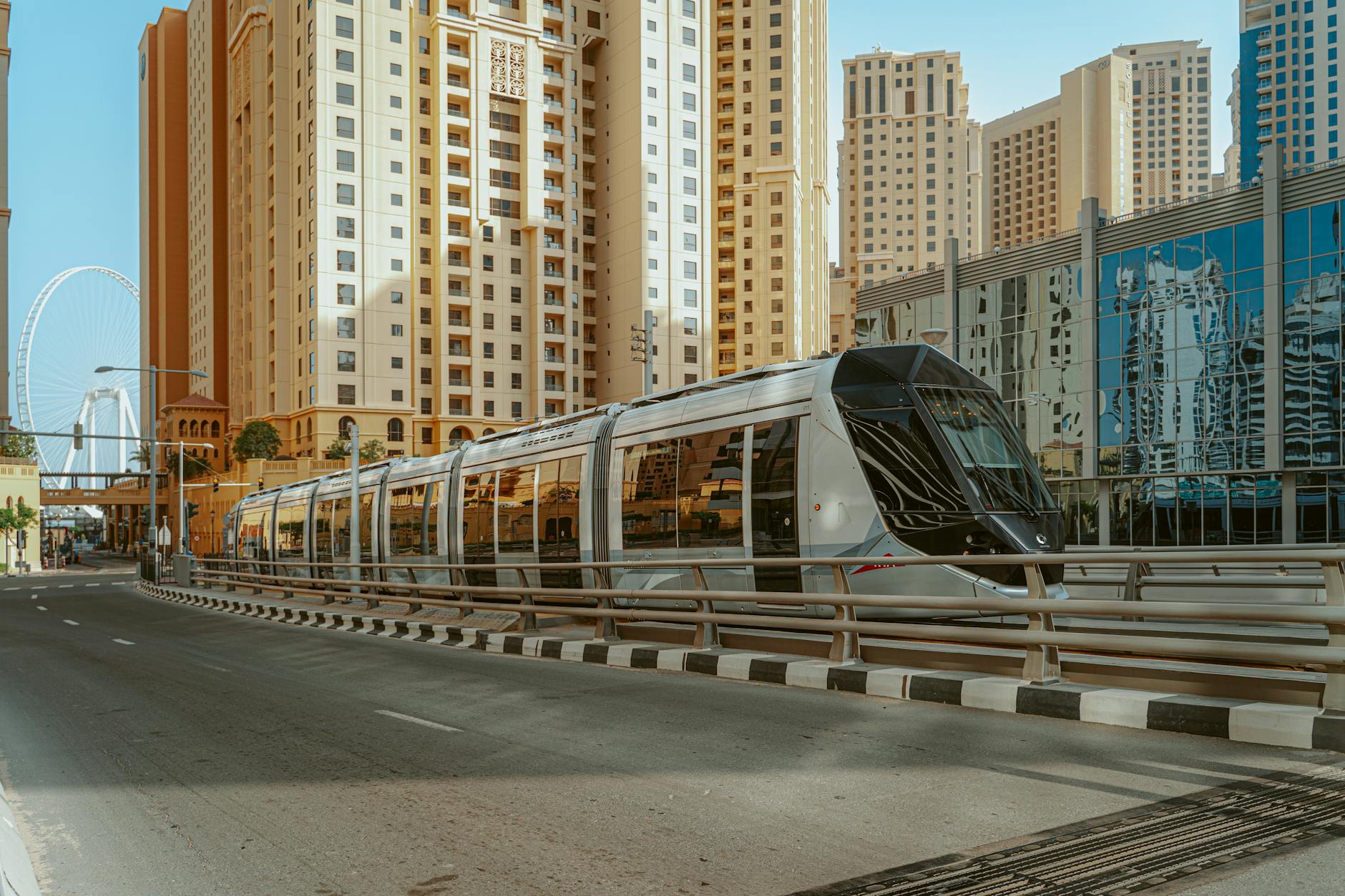
- Tram and Monorail: Tram links Dubai Marina, JBR and connects to the metro at Al Sufouh; Palm Monorail is useful only if you plan to visit the Atlantis hotel or the Palm boardwalk.
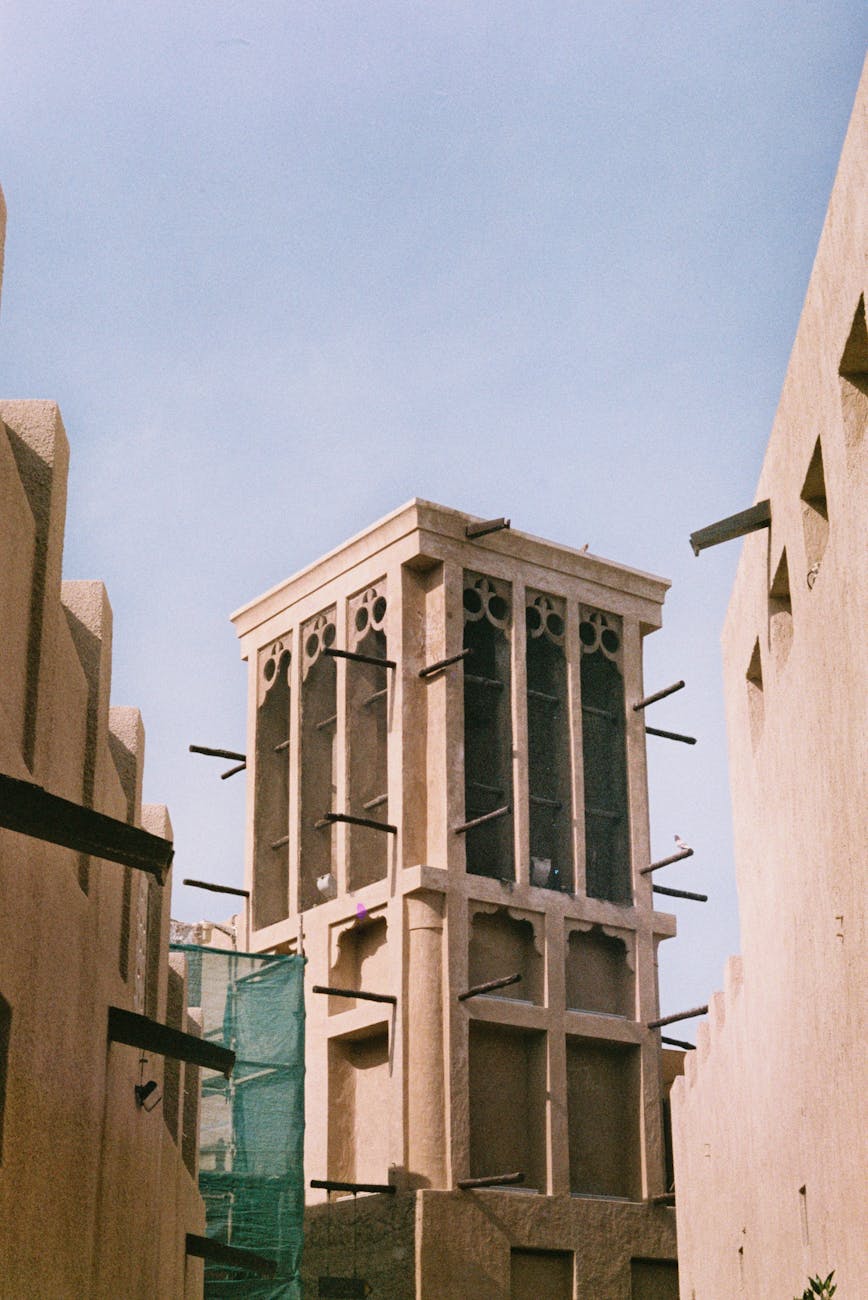
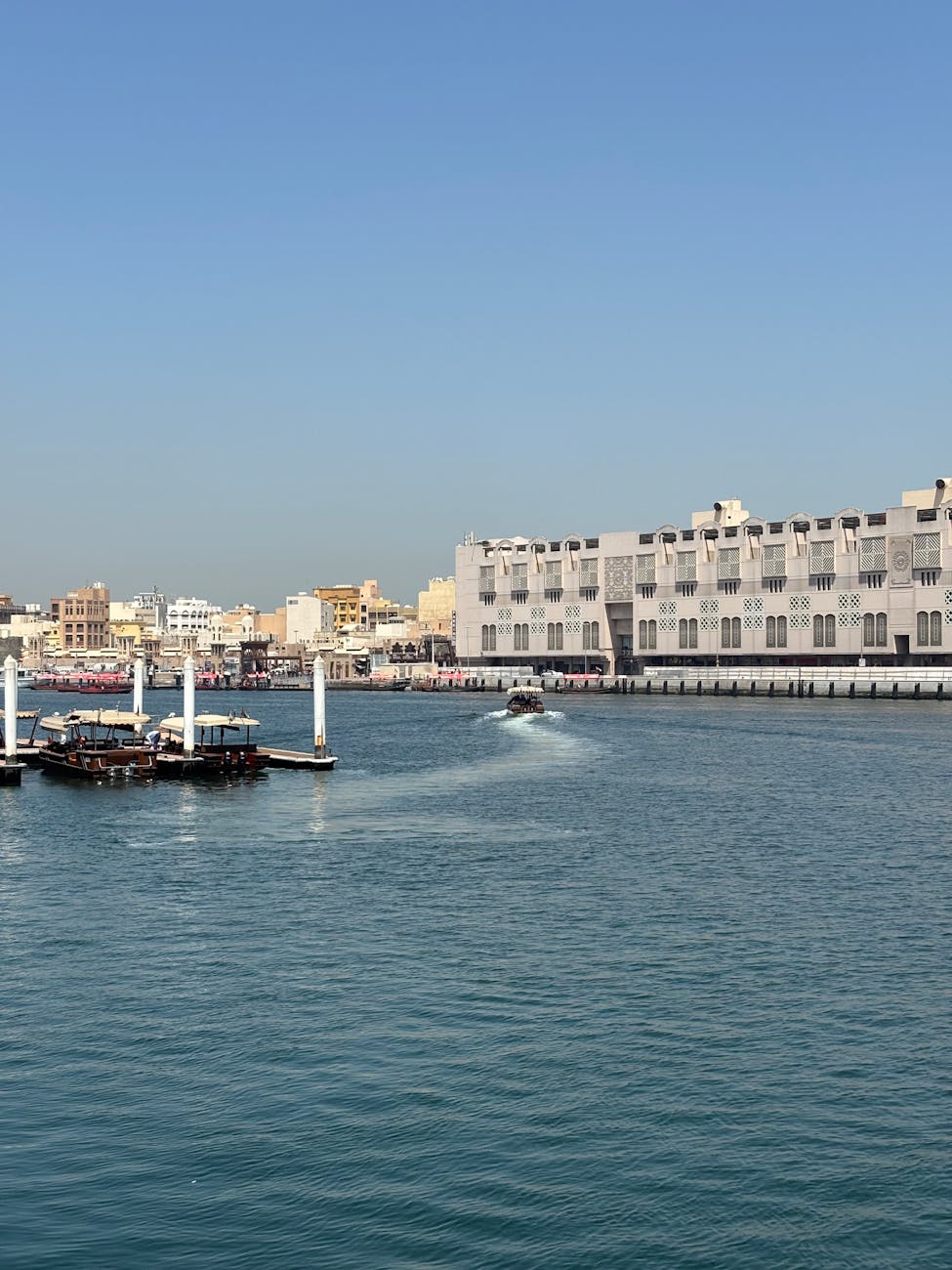
- Abras and ferries: Take an abra across Dubai Creek in Deira/Al Seef for an atmospheric short ride. Ferries along the Marina and Dubai Water Canal are scenic and low-impact.
- Taxis & ride-hailing: Readily available and relatively affordable. Use taxis for late evenings, travel with heavy luggage, or when public transit doesn’t serve your route. Prefer app-based bookings for transparency.
- Walking and cycling: Walkable stretches include Downtown Dubai, Al Seef and Marina Promenade. Use bike paths in Jumeirah and Al Qudra (cooler months) — avoid midday heat.
Combine these to match your 3-day itinerary: metro to Downtown for Burj Khalifa, tram to Marina/JBR, abra for Old Dubai, and a taxi at night or for airport transfers.
Local Context
Neighborhoods and seasons:
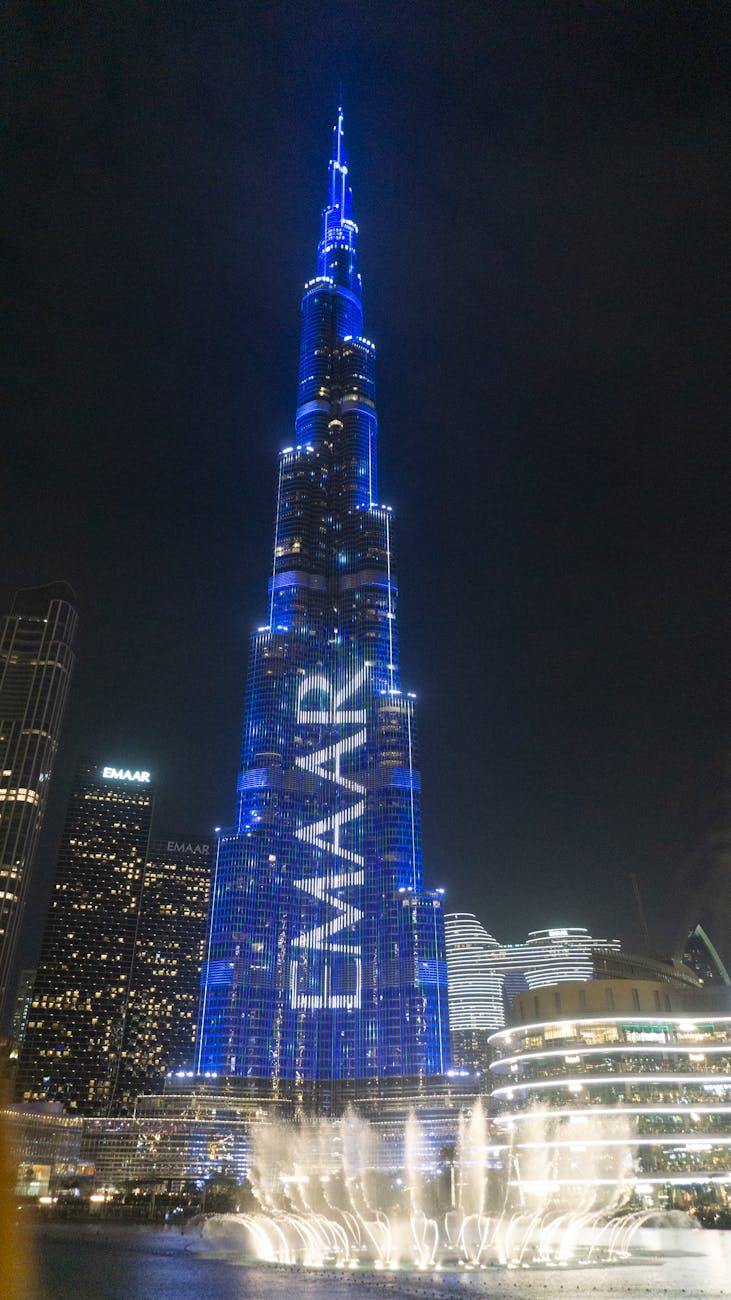
– Downtown Dubai and Business Bay: best for first-time visitors and easy metro access to Burj Khalifa and Dubai Mall.
– Dubai Marina, JBR and Palm Jumeirah: use tram, walking and ferries for waterfront time; expect heavier traffic at peak dining hours.
– Deira and Al Seef: historic Creek area with abra crossings and souks — mostly pedestrian-friendly.
– Al Quoz and DIFC: arts and dining clusters that are easier reached by taxi than by metro.
Seasonal patterns and etiquette:
– Peak tourist season is winter (December–February). Shoulder seasons (November, March–April) give milder weather and fewer crowds.
– Summer (May–September) is extremely hot; travel outside midday and prefer air-conditioned transport. Many outdoor services scale back.
– During Ramadan expect different opening hours, reduced restaurant service in the daytime, and delays around prayer times. Be respectful in dress and behaviour in public.
Practical transport rules:
– Buy a Nol card (or use contactless bank card where accepted) for metro, tram, buses and many ferries. Red ticket suits occasional trips; Silver is better for reuse and discounts.
– Gold class is available on metro/tram for a higher fare; it has reserved compartments.
– Taxis use meters; Salik (electronic road tolls) may be added on some routes. Driving requires awareness of local speed limits and parking rules.
How to Choose Well
Match transport to your plan and values:
- Staying near metro: If your 3 days center on Downtown, Dubai Mall and Marina, book a hotel within walking distance of a metro or tram stop to save time and emissions.
- Travelling light: Metro and tram are best; avoid taxis only if you can comfortably carry bags on stairs and platforms during peak hours.
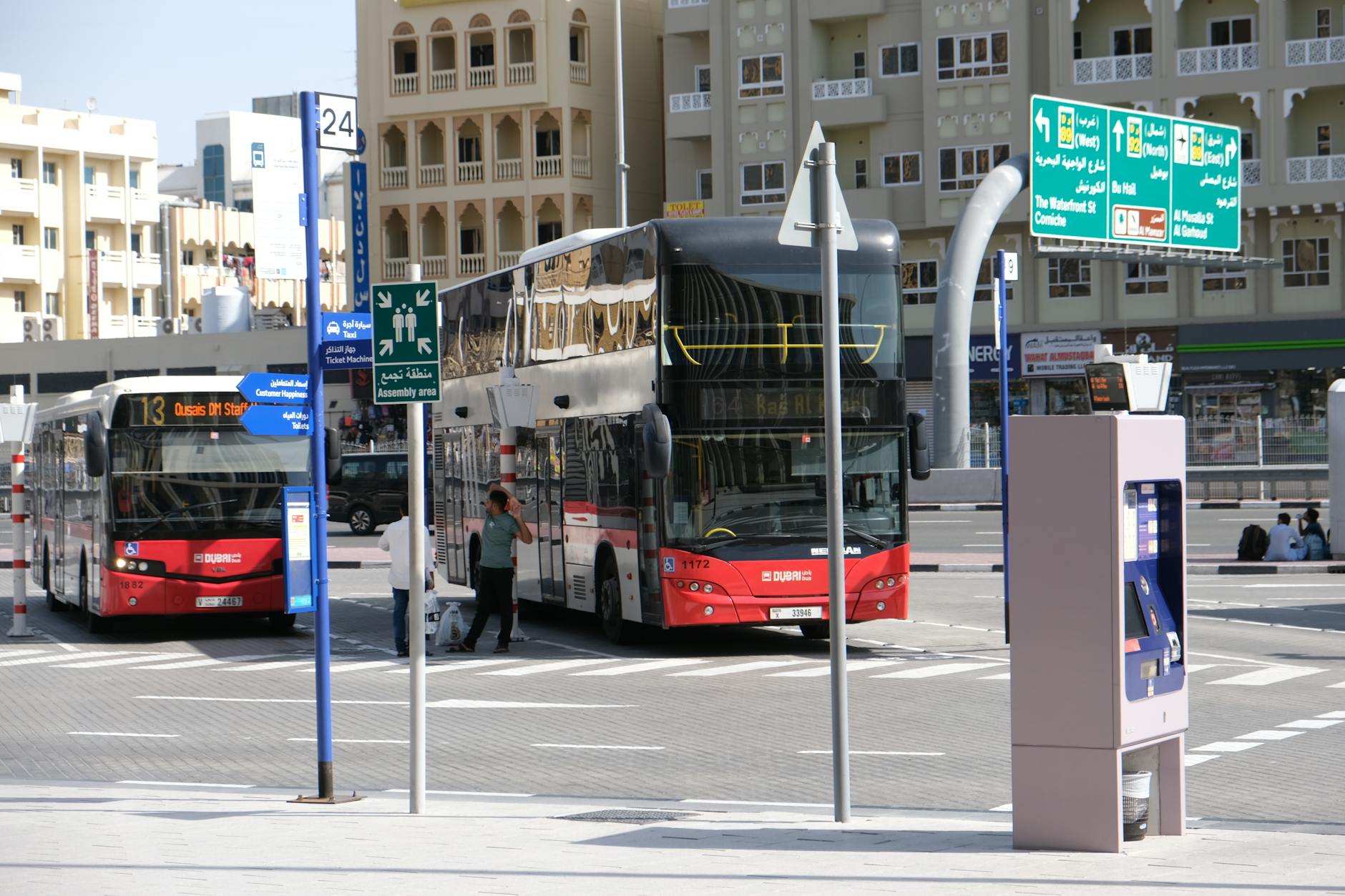
- Day trips: For Abu Dhabi use the intercity buses (Ibn Battuta or Al Ghubaiba terminals) or a private transfer if you need speed and flexibility. Sharjah is a short taxi or shared bus ride — public buses run but can be slower. For Muscat or other Oman destinations, prefer scheduled flights or an organised overland transfer with passport checks and border time accounted for.
- Families or mobility needs: Prioritise taxis or hotel transfers for door-to-door convenience; Dubai’s metro and tram have elevators but stations can be busy.
Booking tips:
– Buy or top up a Nol card at metro stations, retail outlets, or use contactless payment where available. Red Tickets are simple for tourists who take fewer than 10 rides.
– For airport transfers, prebook a taxi or use the metro from Terminal 1/3 for cheaper options; allow extra time for customs and luggage handling.
Responsible and Local-First Tips
Ways to make your travel lower-impact and support local businesses:
- Use the metro, tram, ferries and abra for core routes — these reduce emissions and directly help local operators (especially abra pilots and ferry crews).
- Buy a reusable Nol card and keep it for future visits; it reduces single-use plastic and is cheaper than repeated red tickets.
- Choose locally owned cafés and souk vendors for meals and souvenirs. Small food stalls in Deira and Al Fahidi often offer authentic, budget-friendly options.
- Walk or cycle short distances in cooler months. Stick to shaded paths and carry water; use hotel or café restrooms rather than single-use disposables.
- Hire local guides for heritage walks in Al Fahidi and the Creek — they channel earnings into the neighbourhood and deepen your understanding.
- Book desert experiences with operators that follow low-impact guidelines (limited vehicles per group, no off-track driving over sensitive areas).
Small actions like these keep tourism benefits local and help preserve Dubai’s neighbourhood character.
Common Mistakes to Avoid
- Assuming taxis are always faster than the metro: rush-hour road traffic can make taxis slower and more expensive.
- Not carrying a Nol card or checking contactless compatibility: some services still require a Nol card, and machines can be busy during peak times.
- Ignoring heat: trying to walk long stretches midday in summer risks heat illness; plan outdoor time for mornings or evenings.
- Underestimating travel time between neighbourhoods: Dubai’s spread means 20 km can be 45+ minutes by road during peak hours.
- Expecting all beaches to be public and free: some hotels control access to parts of the Palm and private resort beaches.
- Traveling cross-border without checking visas and timing: trips to Oman (Muscat) or other Gulf states need passport checks and sometimes visas — factor border crossing time into plans.
FAQ
What is the Nol card and which one should I buy?
The Nol system pays for metro, tram, buses, some ferries and parking. For short visits, a Red Ticket is fine (limited journeys). If you plan multiple trips or return visits, buy a reusable Silver Nol card for lower fares and easier top-ups.
Can I use contactless bank cards instead of Nol?
Contactless Visa/Mastercard and mobile wallets are accepted at many stations, but not universally on every service. Carry a Nol card as backup, especially for buses and some ferries.
Are taxis safe and metered?
Yes. Official taxis are metered and regulated; app-based services like Careem and Uber operate here. Keep an eye on meter start fees and Salik tolls on receipts.
How do I get from Dubai to Sharjah or Abu Dhabi cheaply?
Sharjah is short by taxi or public bus; buses from Al Ghubaiba or Union Square serve Sharjah. Abu Dhabi has frequent intercity buses from Ibn Battuta and Al Ghubaiba; they’re affordable but allow 1.5–2 hours travel time.
Is it easy to take an abra or ferry with luggage?
Abras are small and best for light day packs; ferries have more space for luggage. For large suitcases use a taxi or tram/metro route.
How should I plan transport during Ramadan?
Expect altered hours for some services and eateries. Avoid eating, drinking or smoking in public during daylight out of respect. Book taxis or private transfers for early-morning suhoor or late-night if public schedules are limited.
Should I rent a car in Dubai?
Only if you need flexibility for off-grid desert trips, extended Abu Dhabi/Oman excursions, or family travel with lots of luggage. Otherwise public transit plus taxis is more convenient and lower-impact.
Any tips for traveling with children or mobility needs?
Use taxi transfers or hotel shuttles for door-to-door convenience. Metro and tram stations have elevators and priority seating, but staff levels and elevator access vary by station — allow extra time.
Conclusion
Plan around heat and neighbourhood logistics: use metro and tram as your backbone, add ferries and abra for local color, and call a taxi for late nights, luggage or mobility needs. For a smooth 3-day trip, choose accommodation near a metro or tram stop, carry a Nol card or confirm contactless payment, and prioritize morning/evening outdoor time. For nearby excursions to Sharjah, Abu Dhabi or Muscat, check schedules and visas in advance — and consider sustainable transfers where available.
How this guide was prepared
This guide was prepared through a structured research that combines destination research, geographic context, itinerary planning logic, and content review.