

Getting Around Lloret de Mar
Practical, local guide to transport in Lloret de Mar: buses, trains, taxis, cycling, fares and common mistakes for efficient travel in and out of town.
How to move around Lloret de Mar efficiently: intercity buses from Barcelona and Girona, Renfe R1 to Blanes plus a short bus or taxi, local buses, walking and bike rental, taxi fares, and apps to use.
Getting around Lloret de Mar?
Most visitors reach Lloret de Mar by intercity bus from Barcelona Estació del Nord: expect about €14 one-way (~$15). For rail users, take Renfe Cercanías R1 to Blanes and transfer by local bus or a 10–15 minute taxi (local taxi ~€10–€15).
Who This Page Is For
This page is for independent travellers and small groups planning arrivals, short trips and daily mobility in Lloret; people booking full-package stays with private transfers may not need these details.
Key Takeaways for Lloret de Mar
- Intercity buses (Moventis/Sarfa) from Barcelona Nord typically cost around €14 one-way (~$15) and take ~1h30.
- Renfe Cercanías R1 to Blanes costs about €4.50 (~$5) then a local bus or taxi to Lloret (bus €2.15, taxi €10–€15).
- Local single urban bus ticket in Lloret is roughly €2.15 (~$2.30); look for 10-ride cards sold at kiosks for about €15.
- Taxis from Barcelona–El Prat to Lloret range €120–€150 (~$130–$165); Girona–Costa Brava Airport taxis run about €50–€70 (~$55–$75).
How This Page Was Prepared
This page was prepared through a structured editorial workflow that combines destination research, geographic context, and practical travel-planning review.
Plan the Rest of Your Trip
Use this page together with the full itinerary and the related planning pages below to make better booking, timing, transport, and budget decisions.
Use the Moventis intercity buses from Barcelona Estació del Nord for the simplest direct route: expect about €14 one-way (~$15) and around 1h20–1h40 depending on traffic. If travelling by train, take Renfe Cercanías R1 from Barcelona to Blanes (about €4.50/~$5) and change to a local bus or a short taxi to reach Lloret.
Within Lloret, the municipal urban bus (single ticket ~€2.15/~$2.30) covers main beaches and neighbourhoods such as the town centre, Fenals and Cala Boadella. Taxis are useful late at night or for luggage; basic fares inside town are small but airport transfers are expensive—budget €120–€150 from Barcelona–El Prat and €50–€70 from Girona–Costa Brava Airport for a standard taxi.
This page answers a single practical question: how to get to, from and around Lloret de Mar without wasting time or money. Many travellers underestimate the town's lack of a train station and assume rail tickets get them all the way to the centre. That mistake leads to surprise transfers at Blanes or extra taxi fares.
Another common underestimation is seasonal congestion. July and August bring heavy traffic on the GI-682 coastal road and crowded buses; schedules stretch and taxis charge surge fares late at night. Walkability in the town centre is good for short trips, but beaches, the old town and Fenals are separated by steep streets and short gaps where a local bus or taxi saves time.
This guide gives concrete numbers (fares, apps, transfer options), names the operators to book with, and explains trade-offs between bus, train+transfer, taxi and private transfer so readers can plan arrivals, day trips and moving around while in Lloret.
What This Page Helps You Decide
Decide whether to book a direct bus from Barcelona Estació del Nord or travel by train to Blanes and transfer. The direct bus saves transfers but can be slower in peak traffic. The train+transfer option is more predictable on travel time but requires an extra connection.
Choose between booking taxis or a private transfer from airports based on luggage, arrival time and budget. This page gives approximate taxi fares and private transfer ranges to decide whether the additional cost is worth avoiding public-transport transfers.
Pick the best daily mobility while in Lloret: walk for short trips on Passeig Mar and the old town; use local buses for Fenals and Santa Clotilde; rent a bike for quiet mornings on the promenade or the GI-682 stretches outside peak season. This guide provides the costs and apps to make those bookings practical.
Top Recommendations
Intercity travel
– Moventis (formerly Sarfa) runs the main direct buses from Barcelona Estació del Nord to Lloret de Mar. Typical one-way fare about €14 (~$15). Book via the Moventis website or Moventis app to secure seats in summer.
– From Girona town or Girona–Costa Brava Airport, Moventis also operates services; typical one-way fares range €3.50–€7 depending on route and whether the bus is regional or direct.
Train + transfer
– Take Renfe Cercanías (Rodalies) R1 from Barcelona to Blanes. Expect about €4.50 (~$5) one-way. From Blanes station use the local bus or a 10–15 minute taxi (local taxi roughly €10–€15).
Local buses and fares
– Lloret has municipal urban buses that link Platja de Lloret, the town centre, Fenals, Cala Boadella and the cemetery area. Single ticket approximately €2.15 (~$2.30).
– Look for 10-ride cards sold at tobacconists and beach kiosks (commonly around €15) to reduce per-trip cost.
– Use the Moventis app to check intercity timetables and local operator timetables; Renfe/Rodalies app for train schedules to Blanes.
Taxis and private transfers
– Taxi estimate: Barcelona–El Prat airport to Lloret de Mar €120–€150 (~$130–$165) depending on time and luggage. Girona–Costa Brava Airport to Lloret roughly €50–€70 (~$55–$75).
– Cabify and local private-transfer companies operate fixed-price transfers; expect private transfer quotes from Barcelona around €90–€120 for a sedan.
Walking and cycling
– Main beaches and the old town are very walkable; expect steep streets in parts between the seafront and higher streets.
– Bike rental shops such as local rental stands on Passeig Jacint Verdaguer and near Fenals offer hourly and daily rates (hourly roughly €6–€12, daily around €15–€25). Use a helmet and avoid the GI-682 in high season due to traffic.
Common mistake to avoid
– Do not assume train tickets get to Lloret. There is no Renfe station in town; arriving by train means an extra change at Blanes. This is the single most common planning error.

Local Context
Lloret de Mar sits on the central Costa Brava coastline with several named neighbourhoods: the town centre around Passeig Jacint Verdaguer and Església de Sant Romà, Fenals to the northwest, Santa Clotilde gardens on the headland, and small coves like Cala Boadella. Each area serves different visitor needs: the town centre concentrates shops, nightlife and the main beach; Fenals is quieter with hotels and family-focused beaches.
Seasonality matters. July and August bring high tourist numbers, heavy road traffic on the GI-682 and packed buses. May, June and September still offer warm weather with far lighter crowds and easier local transport. Winter months see reduced bus frequency and some rental shops closed.
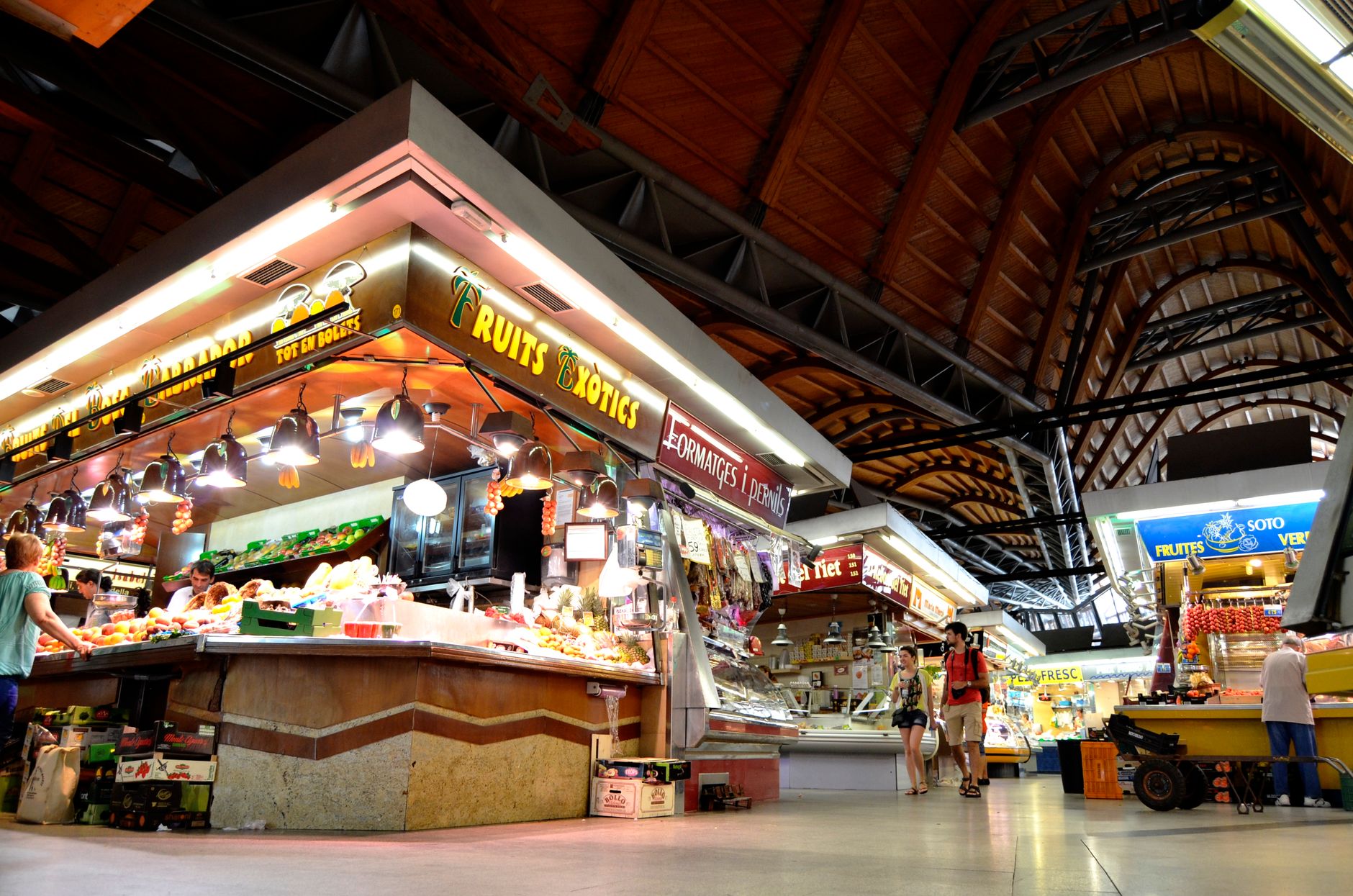
Useful local points: Oficina de Turisme de Lloret provides timetables and a small map; Mercat Municipal de Lloret sells seafood and is a helpful place to find local produce and catch schedules for nearby buses. Expect Spanish/Catalan signage; staff at kiosks usually speak some English in high season.
How to Choose Well
If arriving from Barcelona and travelling light, book a Moventis direct bus from Estació del Nord for simplicity; the trade-off is possible traffic delays in July–August. If reliability of schedule is more important than a single-seat ride, take Renfe R1 to Blanes and transfer by the predictable short bus or taxi.
Choose taxis or private transfers for arrivals after 22:00, heavy luggage or when travelling with small children. The higher cost is offset by door-to-door service and lower stress. For day trips to Tossa de Mar or Blanes, consider the local bus network; buses are cheap (€2–€4) but can be slower than taxis if on a tight schedule.
For in-town mobility, walking covers the main beach and old town. Choose a bike rental for early-morning coastal rides; avoid cycling the GI-682 midday in high season because of traffic and narrow shoulders. For multi-day stays, buy a 10-ride local card if available—cost-effective and avoids fumbling for coins.

Responsible and Local-First Tips
Prefer public buses for short journeys to keep taxi pressure down in summer; this helps local drivers focus on routes that need taxis most. Buy food from Mercat Municipal de Lloret for lunches and beach snacks to support local fishermen and vendors.
Use licensed taxis (look for the official yellow-black plates and meter) rather than unmarked cars. When renting a bike, choose a local rental shop instead of an international chain; many shops in Fenals and near Passeig Jacint Verdaguer operate seasonally and depend on tourist business.
Avoid blocking narrow residential streets with large suitcases. If staying in small guesthouses in neighbourhoods like Fenals or the town centre, consider walking with a trolley bag to reduce noise and wear on staircases. Dispose of waste in the bins provided and follow local beach rules to protect coastal vegetation around Santa Clotilde and Cala Boadella.
Common Mistakes to Avoid
Assuming the train reaches the town. The nearest Renfe station is Blanes; travellers who book only a train ticket then expect to arrive in Lloret are left with a transfer and sometimes a long wait for the connecting bus.
Expecting Barcelona metropolitan passes to work. Barcelona T-Casual or T-dia products rarely cover intercity buses to Lloret. That creates surprise extra costs at the bus station; buy intercity tickets separately through Moventis or at the counter.
Underestimating summer traffic for taxis and buses. During July–August journeys by road can take 20–60 minutes longer than off-season estimates. That affects airport transfer costs and the time available for day trips to Tossa de Mar or Barcelona, so plan extra buffer time for arrivals and departures.
FAQ
How do I get from Barcelona airport to Lloret de Mar?
From Barcelona–El Prat take a direct Moventis bus (check timetable seasonally) or travel to Barcelona Estació del Nord and board a direct bus to Lloret; expect about €14 one-way from Estació del Nord. A taxi from El Prat to Lloret costs roughly €120–€150.
Is there a train station in Lloret de Mar?
No. Take Renfe Cercanías R1 to Blanes (about €4.50) and then a local bus (approx €2.15) or taxi (€10–€15) to reach Lloret.
How much are local bus tickets and are there day passes?
Single urban bus tickets in Lloret are roughly €2.15 (~$2.30). There is no widely advertised town-wide day pass; kiosks and tobacconists often sell 10-journey cards for about €15.
Are taxis or rideshares available late at night?
Licensed taxis operate 24/7; rideshare services like Cabify may run but coverage is limited in low season. Expect higher fares after 22:00.
Is cycling a good way to get around?
Cycling is pleasant early and late in the day, especially along the promenade and quieter streets. Avoid the GI-682 during midday in July–August because of heavy traffic and narrow shoulders.
How long is the bus from Barcelona to Lloret?
Direct intercity buses typically take 1h20–1h40 depending on traffic; allow extra time in peak season.
Conclusion
The single most important fact: there is no train station in Lloret de Mar, so plan either a direct intercity bus from Barcelona (Moventis, ~€14) or a train to Blanes plus a short bus or taxi transfer. Choose the direct bus for simplest door-to-door travel when luggage is light, or choose train+transfer when timetables and reliability matter more.
For getting around once in town, budget for local bus trips (~€2.15 each) and use taxis for late arrivals or when carrying luggage. For a practical next step, consult the linked 3 days in Lloret de Mar itinerary to align arrival and departure choices with your daily plans.
How this guide was prepared
This guide was prepared through a structured research that combines destination research, geographic context, itinerary planning logic, and content review.