
Responsible travel in Lloret de Mar
Practical, local-first advice for low-impact travel in Lloret de Mar: transport, markets, quieter beaches, real prices and neighbourhood choices for responsible visitors.
How to reduce impact in Lloret de Mar: choose public transport, shop at Mercat Municipal, avoid the main beachfront in July–August and favor Fenals or Cala Boadella.
Responsible travel in Lloret de Mar?
Most low-impact visitors reach Lloret de Mar by train to Blanes (Rodalies R1, about €4.70) then a short local bus or taxi; avoid Platja de Lloret in July–August when sunbeds cost around €18/day and crowds are heaviest. Pick accommodation in Fenals or the Rieral area to cut nightly noise and stray foot traffic into local streets.
Who This Page Is For
This page is for travellers who want to lower their environmental and community impact in Lloret de Mar while still using local services. Party-focused visitors seeking only nightlife will not find party guides here.
Key Takeaways for Lloret de Mar
- Take Rodalies R1 train to Blanes (~€4.70) then a local bus or taxi to Lloret to reduce carbon and parking strain.
- Avoid Platja de Lloret in July–August; use Fenals Beach or Cala Boadella as lower-impact alternatives.
- Buy food at Mercat Municipal de Lloret and choose restaurants serving suquet de peix or local seafood (€12–€22 mains).
- Use Sagalés buses from Barcelona Nord to Lloret (~€9 one-way) only when direct buses fit the schedule; otherwise prefer train+bus.
How This Page Was Prepared
This page was prepared through a structured editorial workflow that combines destination research, geographic context, and practical travel-planning review.
Plan the Rest of Your Trip
Use this page together with the full itinerary and the related planning pages below to make better booking, timing, transport, and budget decisions.
Best single fact: ride Rodalies R1 to Blanes (one-way about €4.70), then take the local bus or a short taxi (≈€6–€10) to Lloret to minimize car usage and parking pressure. Direct buses from Barcelona Nord by Sagalés cost around €9 one-way and are useful when their timetable matches arrival, but train+bus is usually lower-carbon and more reliable in peak season.
Book accommodation outside the main promenade — Fenals, Can Sabata, or Rieral — to reduce noise and distribute tourist spending into neighbourhood shops. Plan visits for May–June or September to avoid the busiest weeks in July–August when services are stretched and beach infrastructure is most intrusive.
This page answers one focused question: how to visit Lloret de Mar while lowering environmental and social impact and supporting local businesses. Many visitors assume Lloret equals a single crowded beach and late-night party scene, then book beachfront hotels and drive in, which concentrates noise, parking demand and tourist-only spending. That approach also puts stress on local services during July and August when daily sunbed rentals can reach around €18 and the promenade is full from 10:00 to 19:00.
Practical choices change the experience: choosing Fenals or the Rieral neighbourhood, using train to Blanes and local buses, buying produce at Mercat Municipal de Lloret and eating at family-run restaurants spreads income to year-round residents. Local transport, market schedules and beach differences matter — this guide covers real names, approximate prices and exact trade-offs so plans are verifiable and useful.
The aim is concrete actions: which bus or train to take, where to buy local seafood or groceries, which beaches are less crowded, and how seasonal timing (May–June or September) reduces impact while keeping warm weather.
What This Page Helps You Decide
This page helps choose transportation, neighbourhood, and daily behaviours that reduce impact in Lloret de Mar. Decisions covered include whether to take a direct Sagalés bus from Barcelona to Lloret or train to Blanes plus local bus; whether to book accommodation on Platja de Lloret or in Fenals/Rieral; and when to visit to avoid peak crowding and inflated prices.
Also covered are choices about where to eat and shop: select Mercat Municipal de Lloret for groceries, pick family-run restaurants serving suquet de peix or local seafood, and avoid chains on the promenade where money often flows out of town. Practical timing and cost trade-offs are listed so travellers can weigh convenience against impact and local benefit.

Top Recommendations
Transport: Prefer train+local bus. Take Rodalies R1 from Barcelona to Blanes (estimated €4.70); at Blanes station use the local bus or the interurban Sagalés/Moventis shuttle to Lloret (short ride, about €2–€3). Direct Sagalés buses from Barcelona Nord to Lloret are around €9 one-way and save transfers when timetables match. For short hops in town, use the local urban buses (check the Ajuntament de Lloret timetable) or cycle; bring a compact folding bike if planning daily beach changes.
Markets and shops: Buy fruit, vegetables and fresh fish at Mercat Municipal de Lloret (central market near the main square). Choosing a mid-morning market run supports local vendors and cuts supermarket imports. For bread and pastries use a local forn (look for “forn” signs) rather than the promenade bakeries.
Restaurants and local businesses: Eat at family-run places away from the main promenade to keep spending local. Seek restaurants advertising suquet de peix or pescado del dia with Catalan names; mains typically range €12–€22. Avoid national chains on Carrer de la Vila and the busiest stretch of Passeig Marítim where profits often flow to outside companies.
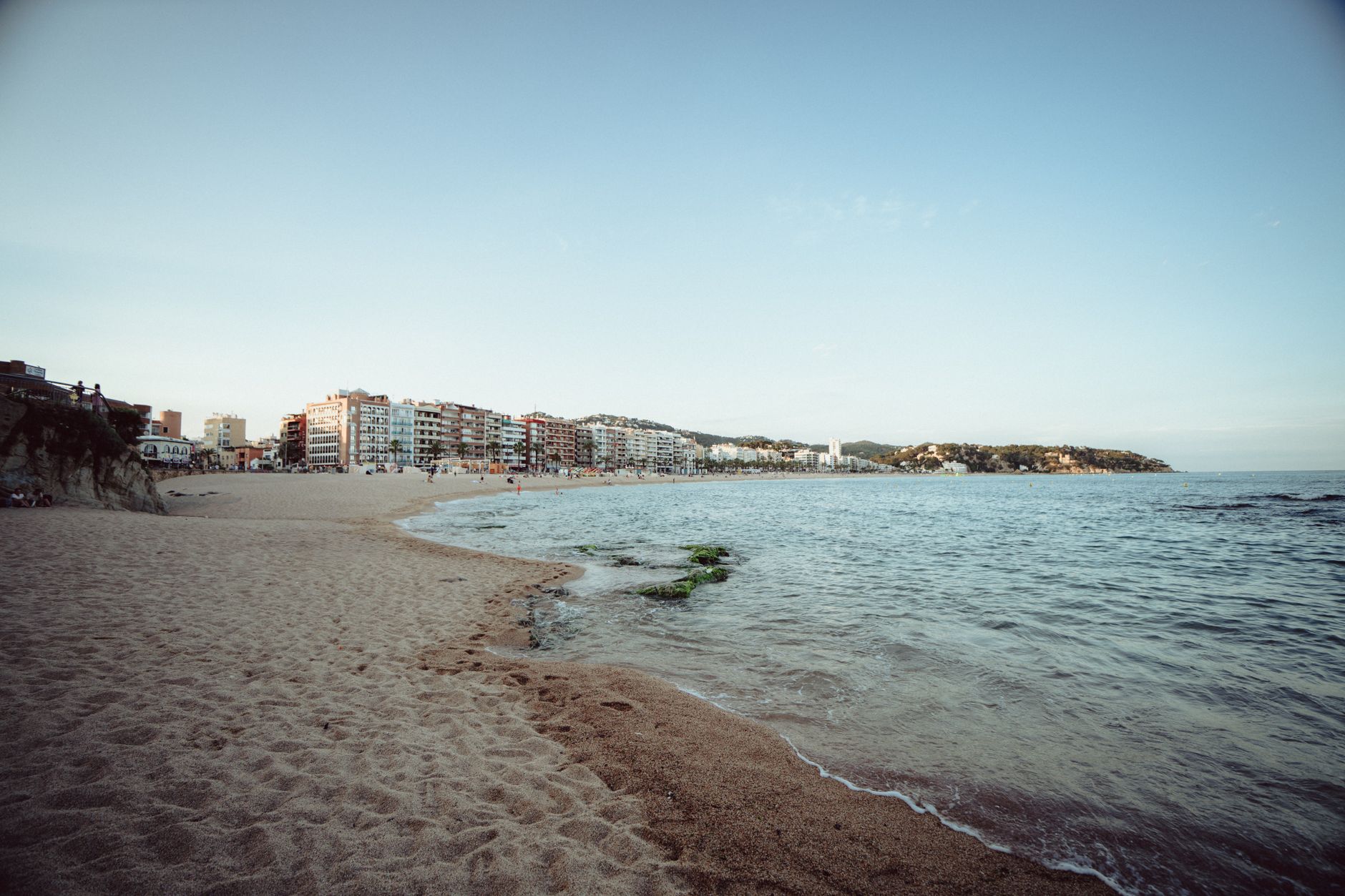
Beaches and lower-impact alternatives: Platja de Lloret is heavily used in July–August and has sunbed rentals around €18/day. Use Fenals Beach to the west for fewer commercial services and a more residential feel, or Cala Boadella for a quieter rocky cove. Sa Caleta and Cala dels Frares are smaller options reachable on foot or a short bike ride.
Seasonal and behavioural choices: Visit in May–June or September for warm water and lower visitor density. When on the beach, decline motorised water sports near swimming zones and use public lifeguarded entries. Carry a reusable water bottle and refill at cafés or the Mercat Municipal to reduce single-use plastic.

Local Context
Lloret de Mar is largest on this stretch of the Costa Brava for organized tourism and has a compact town centre with several distinct neighbourhoods. Platja de Lloret is the central promenade and sees the most day-trippers in July–August. Fenals, a 10–15 minute walk west, is more residential and family-oriented. Cala Boadella and Sa Caleta are small coves with less infrastructure.
Summer temperatures commonly reach 25–30°C and the bathing season peaks in July and August; water quality is usually good but lifeguard coverage and sunbed density are highest in those months. Public transport connections are oriented toward Barcelona and Girona; many visitors arrive by Sagalés buses or via Rodalies R1 to Blanes then a local bus. Parking is limited and paid in the centre during high season, which places pressure on local streets and residents.
Local supply chains rely on small grocers, market sellers and family-run restaurants outside the promenade. Shifting spending to Mercat Municipal and neighbourhood businesses helps sustain off-season employment and reduces the turnover of tourist-focused venues on Passeig Marítim.

How to Choose Well
Decide transit by trade-off: choose direct Sagalés bus (~€9) for single-step travel from Barcelona Nord when schedules align, or choose Rodalies R1 to Blanes (~€4.70) plus the local bus (€2–€3) to lower emissions and reduce road congestion. Travellers with heavy luggage may prefer direct bus for convenience despite slightly higher per-person emissions.
Decide where to stay by priorities: pick Fenals for quieter nights and easier access to the promenade on foot; pick Rieral or the residential streets north of the centre to support local commerce and avoid nighttime noise. Choose Platja de Lloret only when proximity to the main beach and nightlife is the priority — expect higher sunbed and restaurant prices and more transient visitors.
Decide what to eat by impact: buy staples at Mercat Municipal de Lloret and eat at small family-run restaurants off Carrer de la Vila. For a balanced approach, plan two seaside meals and one market-cooked picnic per day to spread spending and reduce single-use items. For day trips, prefer rail to Malgrat de Mar or Calella (Rodalies R1) rather than joining long coach tours that use centralized operators.

Responsible and Local-First Tips
Buy produce and fish at Mercat Municipal de Lloret to keep money with local vendors; check market opening times on the town website and go mid-morning when selection is freshest. Prefer family-run restaurants off the main promenade — look for Catalan menu items like suquet de peix and pa amb tomàquet to support local suppliers.
Use public transport: Rodalies R1 to Blanes plus the local bus is both cheaper and lower-impact than driving. Bring a refillable water bottle and ask bars to refill; many cafés will fill bottles for free or a small tip. Choose Fenals or Cala Boadella for beach time rather than central Platja de Lloret during peak months to spread visitor pressure and reduce concentrated sunbed rentals.
Avoid organized boat trips that offer mass seafood lunches from outside operators; instead join small, local boat operators (check local notices at the harbour) or take coastal hikes and visit Santa Clotilde Gardens for paid entry that supports local maintenance.

Common Mistakes to Avoid
Booking beachfront hotels for the cheapest convenience: this concentrates noise and drives up short-term lets in residential zones, making life harder for year-round residents. Instead compare prices in Fenals and Rieral where rates can be similar but local shops gain business.
Driving in without planning parking: free parking near the centre is rare in summer and paid lots or towing are common. Use public transport or park-and-ride options; if driving, budget for parking fees and a longer walk to your accommodation.
Eating and shopping only on Passeig Marítim: menu prices here are often 20–40% higher than neighbourhood options and many businesses are part of national chains. Move two streets inland to find family-run restaurants and the Mercat Municipal where money is more likely to support local workers and suppliers.
FAQ
How much does public transport from Barcelona cost?
A one-way Sagalés direct bus from Barcelona Nord to Lloret is typically around €9; alternatively Rodalies R1 to Blanes costs about €4.70 and the Blanes–Lloret local bus is approximately €2–€3.
When is the best time to visit to avoid crowds?
May–June and September offer warm water and significantly fewer day-trippers than July–August; late September reduces hotel prices and keeps most services running.
Are there beach fees or sunbed costs?
Public beaches are free to access but sunbeds and umbrellas on Platja de Lloret commonly rent for about €15–€20 per day in high season; Fenals usually has fewer rentals and more free space.
Where to buy local food and supplies?
Mercat Municipal de Lloret near the town centre is best for fish, fruit and vegetables; look for vendors with Catalan signage and labelled local produce.
Is it easy to day-trip to nearby towns by public transport?
Yes. Rodalies R1 connects Blanes, Malgrat de Mar, Calella and Barcelona; from Blanes there are regular buses to Lloret. Train timetables are frequent during daytime but check Rodalies schedules for first/last trains.
How to support the local economy directly?
Choose family-run restaurants off the promenade, buy at the market, book local boat operators or guided walks offered by small businesses, and avoid national chains on Passeig Marítim.
Are taxis expensive within town?
Short taxi rides within Lloret are typically €6–€12 depending on distance and time of day; night rates and holiday surcharges may apply.
Conclusion
The single most important action is to shift arrival and daily movement away from private cars and the busiest beachfront: use Rodalies R1 to Blanes or the Sagalés bus when appropriate, and base accommodation in Fenals or Rieral to spread visitor impact. Spending at Mercat Municipal and family-run restaurants keeps money in the local economy and reduces pressure on the promenade's tourist businesses.
For practical next steps, consult the linked 3 days in Lloret de Mar itinerary to see how transit, markets and quieter beaches fit into a responsible short stay. Prioritise timing (May–June or September), public transport, and shopping at named local vendors to make a tangible, positive difference during a brief visit.
How this guide was prepared
This guide was prepared through a structured research that combines destination research, geographic context, itinerary planning logic, and content review.