
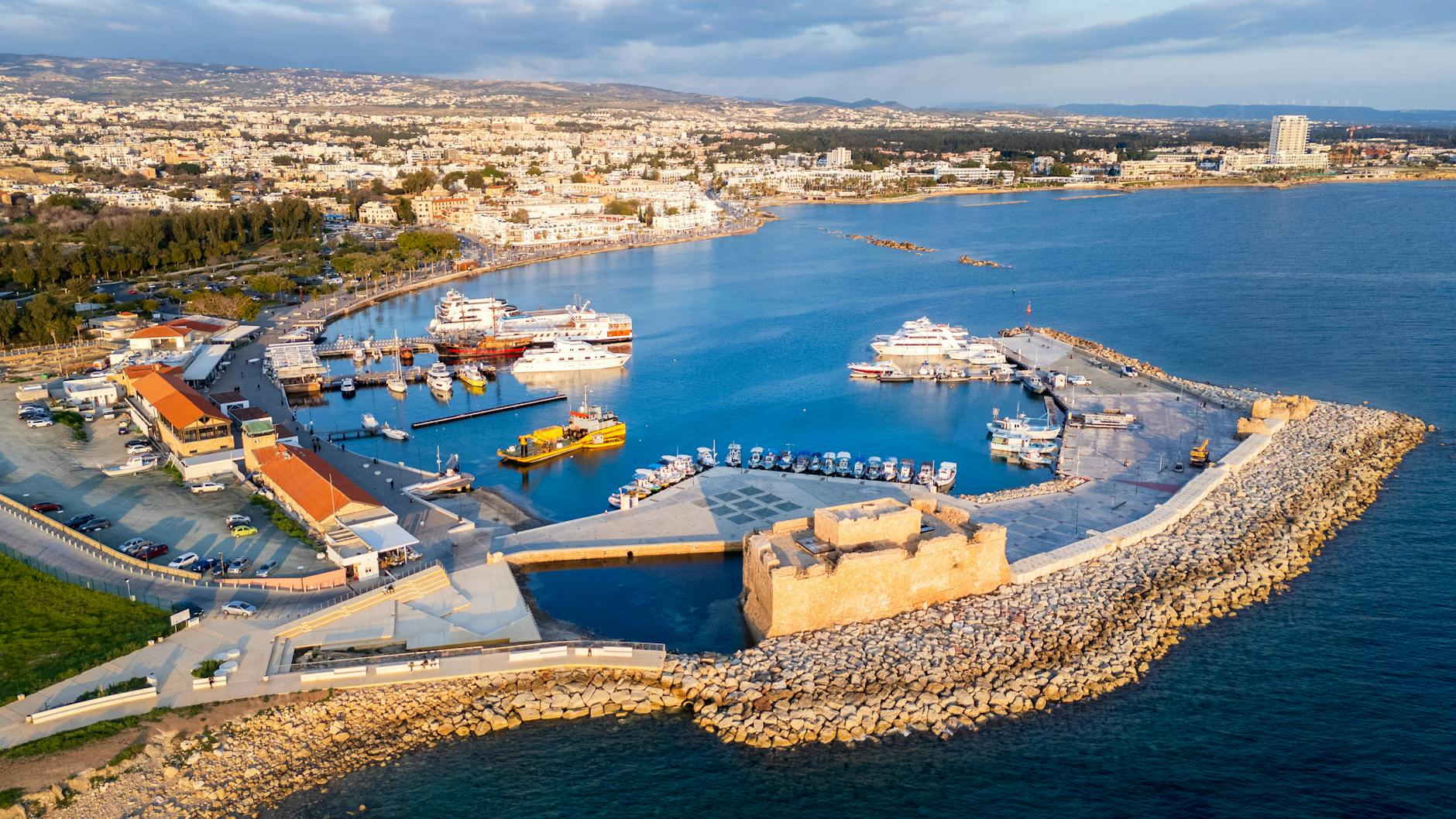
Getting Around Paphos — Practical Transport Guide for 3 Days in Paphos
How to get around Paphos: local buses, taxis, car hire, walking and low‑impact options for your 3-day itinerary. Seasonal realities, neighborhood tips, and sustainable choices.
Concrete, local-first advice for moving between Kato Paphos, Pano Paphos, Tombs of the Kings, Coral Bay and the Akamas. Practical tips on buses, taxis, car hire, cycling, and day trips to Limassol, Nicosia, Larnaca, Protaras and nearby Alanya.
Quick Answer
Concrete, local-first advice for moving between Kato Paphos, Pano Paphos, Tombs of the Kings, Coral Bay and the Akamas. Practical tips on buses, taxis, car hire, cycling, and day trips to Limassol, Nicosia, Larnaca, Protaras and nearby Alanya.
Who This Page Is For
This page is for travelers planning a stay in Paphos who want clearer decisions about getting around, local logistics, timing, budgeting, and practical trip planning.
How This Page Was Prepared
This page was prepared through a structured editorial workflow that combines destination research, geographic context, and practical travel-planning review.
Plan the Rest of Your Trip
Use this page together with the full itinerary and the related planning pages below to make better booking, timing, transport, and budget decisions.
Most short trips inside Paphos are easiest by local bus or taxi; rent a car only if you plan to explore the Akamas or rural villages. Walk Kato Paphos and Pano Paphos where possible. Buses link Paphos with Limassol, Larnaca and Nicosia but frequencies fall in winter and on Sundays. For the 3 days in Paphos itinerary, combine walking in the harbour and archaeological park with one rented vehicle or a guided day trip for Akamas/Coral Bay.
Short, practical orientation for travelers using the main 3-day guide in Paphos. This page focuses on getting between neighborhoods, reaching key sites (Tombs of the Kings, Archaeological Park, Coral Bay, Akamas), and reliable options for day trips to nearby cities listed on your itinerary. Advice favors local businesses, lower-impact choices, and realistic timing so you spend more time exploring and less time waiting for transport.
What This Page Helps You Decide
Use this page to choose between: – Public bus vs taxi vs car hire for each day of the 3-day itinerary – Whether to book a guided trip for Akamas or attempt the Blue Lagoon by private boat – How to get between Paphos and nearby cities (Limassol, Nicosia, Larnaca, Protaras, Alanya) – When to walk, cycle, or use public transport to support local businesses You will also find seasonal tips, estimated journey times, and practical booking pointers so the transport choices match your priorities: time, budget, and sustainability.

Top Recommendations
Short stays (3 days): – Day 1 (Kato Paphos & Archaeological Park): Walk and use short taxi rides if needed. Parking near the harbour is possible but limited. – Day 2 (Tombs of the Kings, Coral Bay): Public buses run to Tombs of the Kings and Coral Bay; expect 20–40 minute journeys. For Coral Bay’s beaches, consider a shared shuttle or taxi if you want more beach time. – Day 3 (Akamas or villages): Hire a fuel-efficient car or join a small, local-guided tour for Akamas; avoid attempting unmarked dirt tracks alone. Practical bookings: – Book car hire early for July–August; choose a small, fuel-efficient model. – Reserve airport transfer or ask your hotel for a trusted taxi driver to avoid inflated fares at the airport. Internal links: – Combine this with the 3 days in Paphos itinerary for timed suggestions and walking routes. – For onward travel, see day-trip notes below for Limassol, Nicosia, Larnaca and Protaras.

Local Context
Neighborhoods: – Kato Paphos (harbour, Archaeological Park): flat, walkable, busiest for tourism and evening dining. – Pano Paphos (old town residential streets, bakeries): quieter, better value tavernas, steeper streets. – Geroskipou and Chlorakas: local villages with historic churches and pastry shops. Seasonal patterns: – High season (June–Aug): more frequent private transfers and taxi demand; buses run more services but roads and parking are busy. – Shoulder season (Apr–May, Sep–Oct): best combination of weather and public-transport reliability. Transport realities: – Local buses are cheap but run less frequently in the early morning, late evening and on Sundays. – Taxis do not always use apps; use official ranks, prebooked airport transfers, or hotel recommendations. Etiquette and expectations: – Greet taxi drivers with a polite hello; confirm the meter or fare before starting. – Support local shops and family-run tavernas near Pano Paphos for authentic meals.

How to Choose Well
Decide by activity and distance: – Walk: Kato Paphos harbour, Archaeological Park, and nearby restaurants. – Bus: Short inter-neighborhood trips and direct routes to Coral Bay and some village stops. Good for budget and lower impact. – Taxi: Use for late-night returns, tight schedules, or when public buses don’t match your timetable. – Car hire: Best for Akamas, remote beaches, and flexible countryside exploration. Match the vehicle size to narrow streets and pick a small diesel or hybrid for better fuel economy. Booking tips: – Compare insurers and check for excess; take photos of any existing damage at pickup. – If you prefer not to drive, book a small-group eco tour of Akamas rather than an off-road DIY visit. Time-saving tip: – For short stays, plan one scheduled day with a car or guided trip and use buses/walking the other days. This minimizes mileage and supports local drivers and guides.
Responsible and Local-First Tips
Choose options that keep spending local and reduce impact: – Use public buses for short hops and support local drivers. – Hire from local car-rental companies when they offer the same protections as large brands—profits stay in the community. – Book small, licensed boat or walking tours for Akamas or Blue Lagoon rather than large party boats. – Eat and shop in Pano Paphos and village bakeries; avoid international chains near the harbour. Low-impact practices: – Pack a reusable water bottle; many cafes will refill it. – Stick to marked trails in Akamas to protect flora and nesting sites. – Avoid leaving valuables in cars; if you must park in remote spots, use hotel parking or secure lots. Seasonal advice: – In summer, travel early or late to avoid heat and reduce strain on local roads and services.
Common Mistakes to Avoid
Practical pitfalls travelers make: – Underestimating distances: map walking times; some coastal sites are farther than they look. – Relying on buses at night or Sundays: services drop off—have a taxi fallback. – Driving the Akamas without 4×4 experience: rental insurance may not cover off-road damage. – Waiting to book car hire or popular guided tours in high season. – Confusing neighborhoods: Kato Paphos is the harbour and archaeology cluster; Pano Paphos is the quieter old town uphill. Quick fixes: – Carry cash for small village purchases and to tip drivers when no card machine is available. – Ask your accommodation for recommended drivers or local guides to avoid tourist-markup operators.
FAQ
What’s the best way to get from Paphos Airport to Kato Paphos?
A prebooked airport transfer or taxi is the simplest—journey time is about 15–25 minutes depending on traffic. A public bus is cheaper but slower and may have limited luggage space. Ask your hotel to recommend a reliable driver.
Is Paphos walkable for a 3-day stay?
Yes for Kato Paphos and the Archaeological Park; Pano Paphos is a short uphill walk. For Coral Bay or Akamas you’ll need bus, taxi or car.
Do I need a car to visit Akamas or Coral Bay?
Coral Bay is reachable by public bus; Akamas is best reached by car or a small-group guided boat/jeep tour—many trails are unpaved and protected, so guided visits reduce environmental impact.
Can I day-trip to Limassol, Nicosia, Larnaca or Protaras from Paphos?
Yes. Buses connect Paphos to Limassol and Larnaca regularly; Nicosia takes longer (allow 1.5–2 hours) and may involve a coach change. Protaras requires more planning and is better by car or intercity bus with limited departures. Ferries to Alanya are not regular—check seasonal charter schedules or fly via Larnaca/other airports.
Are taxis metered and safe?
Official taxis use meters, but always confirm either the meter or an agreed fare before travel. Use taxi ranks, prebooked transfers, or hotel recommendations to avoid confusion. Most drivers accept card payments, but carry some cash for short village trips.
How can I support local businesses while getting around?
Use local bus services, hire cars or guides from local companies, dine at family-run tavernas in Pano Paphos and Geroskipou, and book small-group tours operated by residents. This keeps revenue in the community and often provides more authentic experiences.
Conclusion
For a practical, low‑impact 3-day plan: walk Kato and Pano Paphos, use buses for short hops, and reserve one day for a car hire or guided trip to reach Coral Bay or Akamas. Book island‑scale transfers in advance in peak months, favor local providers, and time outdoor travel for shoulder-season mornings or late afternoons. Combine this advice with the 3 days in Paphos itinerary to match transport choices to each day’s activities and make the most of your stay while supporting the local economy.
How this guide was prepared
This guide was prepared through a structured research that combines destination research, geographic context, itinerary planning logic, and content review.