
Getting Around Rimini: Practical, Sustainable Ways to Navigate the City and Nearby Coast
Clear, local-first advice for walking, biking, buses, regional trains and day trips from Rimini. Tips on neighborhoods, seasonal realities, booking smart, and linking to the 3 days in Rimini itinerary.
A compact guide to moving around Rimini sustainably: where to stay for access, how to use buses and regional trains, bike and walk options, and practical tips for day trips to Riccione, Cattolica, Cesenatico, Cervia and Ravenna.
Quick Answer
A compact guide to moving around Rimini sustainably: where to stay for access, how to use buses and regional trains, bike and walk options, and practical tips for day trips to Riccione, Cattolica, Cesenatico, Cervia and Ravenna.
Who This Page Is For
This page is for travelers planning a stay in Rimini who want clearer decisions about getting around, local logistics, timing, budgeting, and practical trip planning.
How This Page Was Prepared
This page was prepared through a structured editorial workflow that combines destination research, geographic context, and practical travel-planning review.
Plan the Rest of Your Trip
Use this page together with the full itinerary and the related planning pages below to make better booking, timing, transport, and budget decisions.
Walk or cycle for the beach and historic center. Use local buses (START Romagna) for outer neighborhoods and east–west trips. Regional trains are the best, fastest, low-impact option for Riccione, Cattolica, Cesenatico, Cervia and Ravenna. Taxis are useful late at night or with heavy luggage but are pricier. Book car rentals only if you plan inland or rural day trips where public transport is sparse.
This page gives the essentials for getting around Rimini with minimal fuss and lower impact. It complements the practical itinerary in our 3 days in Rimini guide by focusing on movement: which neighborhood to pick, how to travel day-to-day, and easy sustainable choices for short stays and day trips along the Romagna coast.
What This Page Helps You Decide
Use this page to choose:
- Where to base yourself: Marina Centro if you want beach-first convenience; Centro Storico for evening atmosphere and compact sightseeing; Viserba/Viserbella for quieter, budget stays.
- How to reach nearby destinations like Riccione or Ravenna using trains versus buses.
- Whether to rely on walking and bikes or to reserve a car for rural excursions.
- Practical booking choices for peak season: beach cabins, bike hire, and advance train tickets if traveling on busy holiday dates.
For itinerary-specific movement and timing, see the companion 3 days in Rimini guide for step-by-step routing between landmarks.
Top Recommendations
Neighborhoods and transport choices that work for most travelers:
- Stay suggestions:
- Marina Centro: best if your priority is the beach and short rides to seafront restaurants.
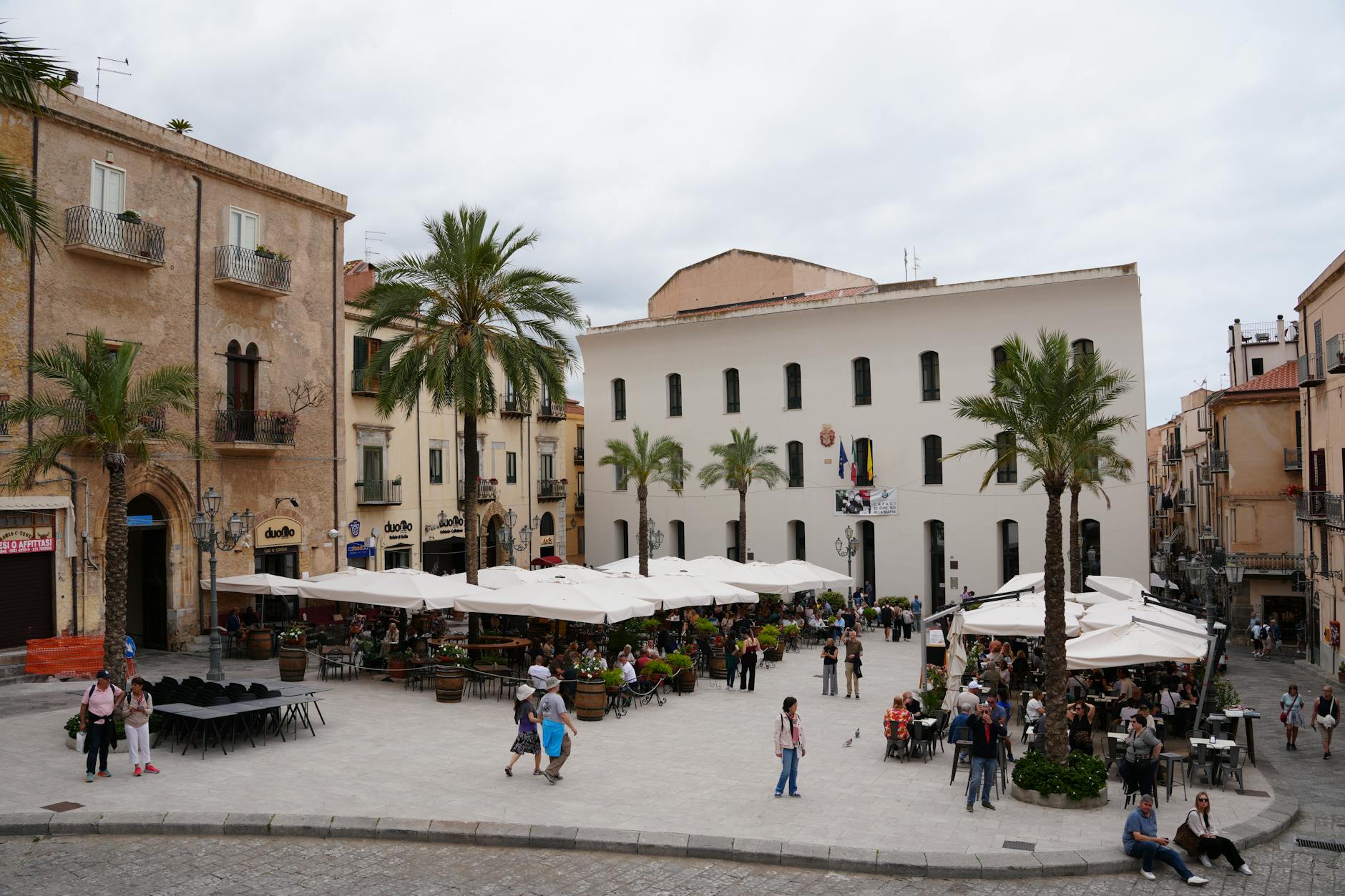
- Centro Storico: best for evening walks, museums, and central access to Piazza Cavour and Malatestiano.
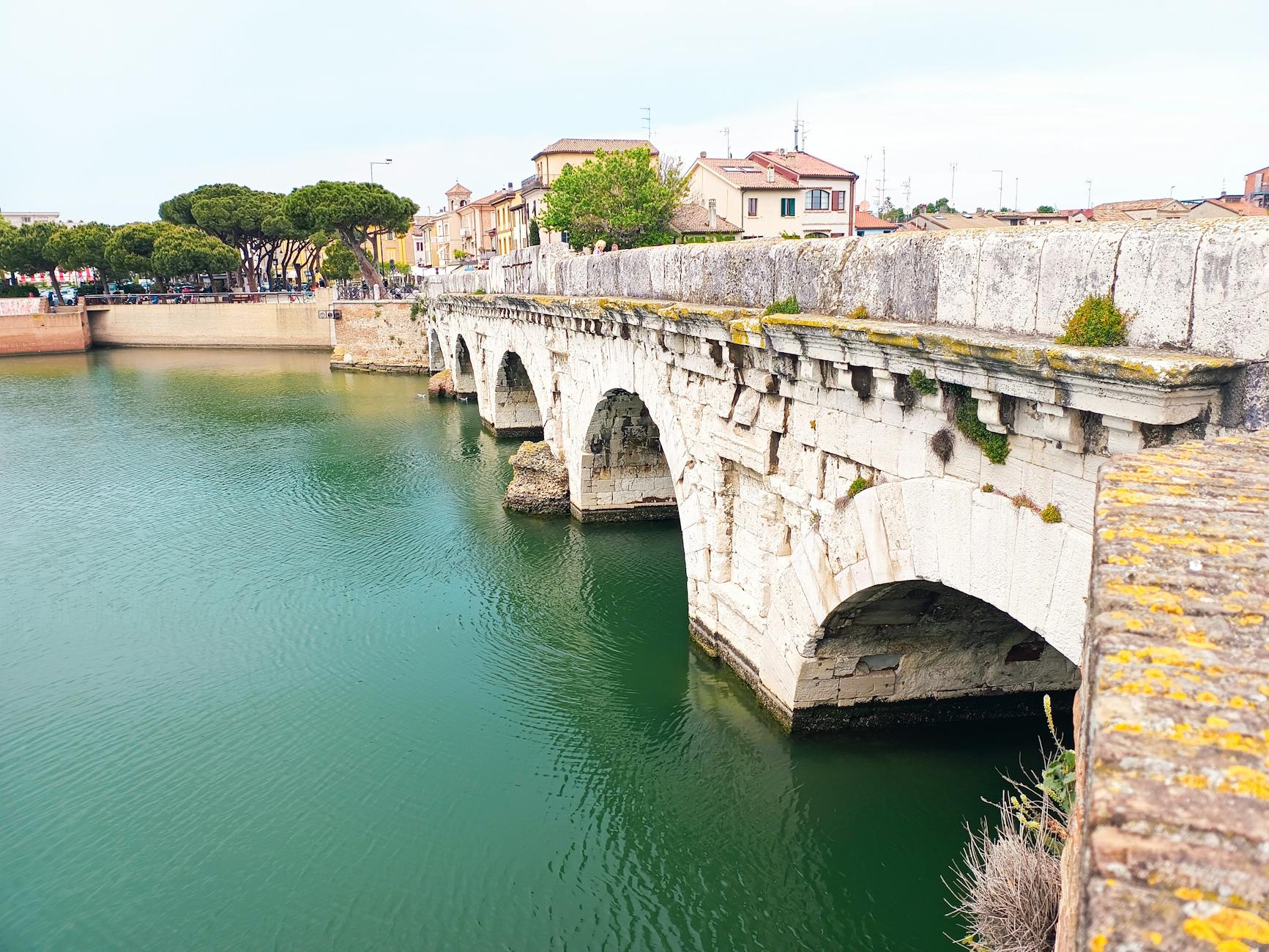
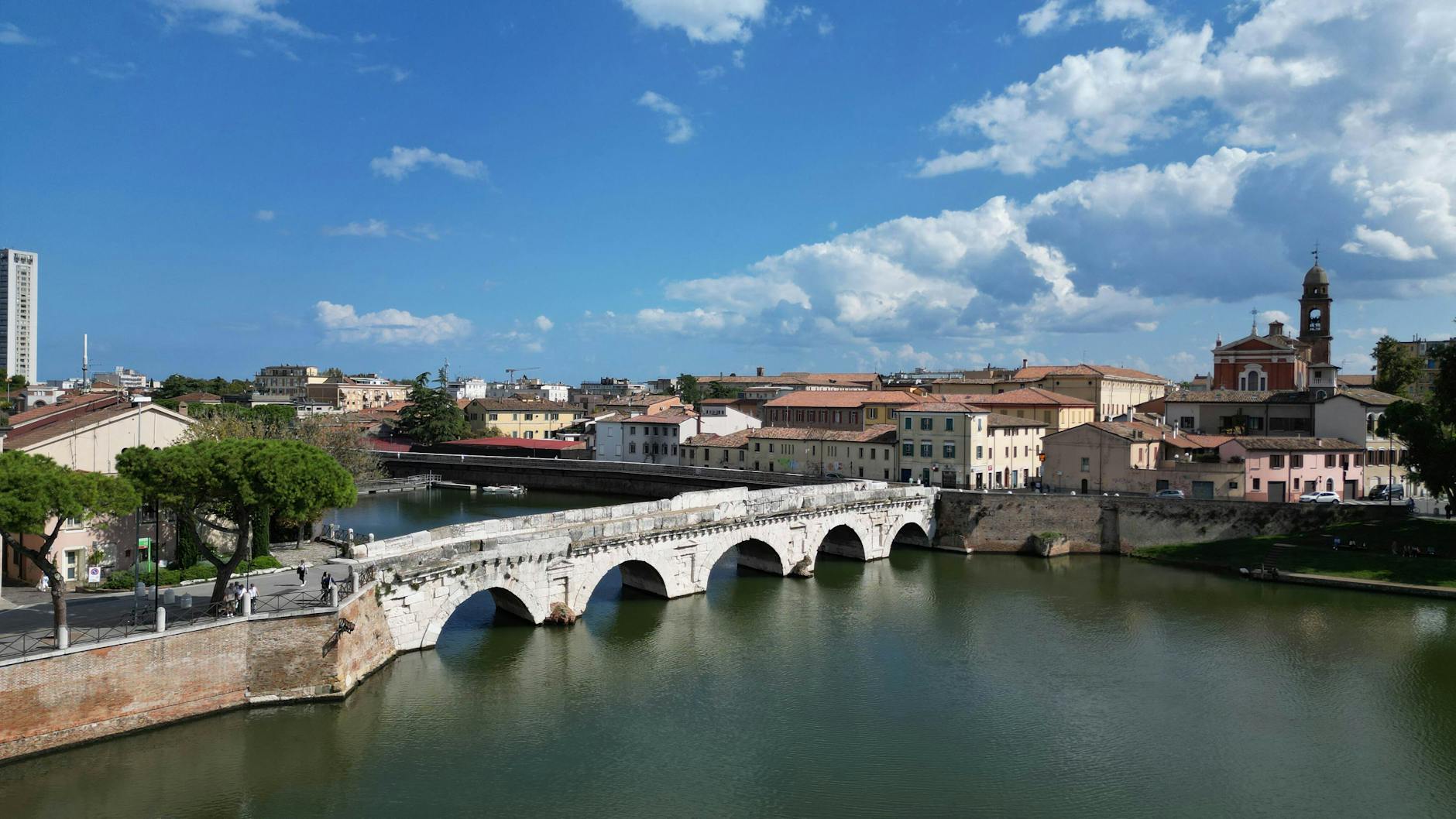
- Borgo San Giuliano: picturesque option close to the Tiberius Bridge and local dining.
- Getting around day-to-day:
- Walk: historic center and short stretches of the seafront are very walkable.
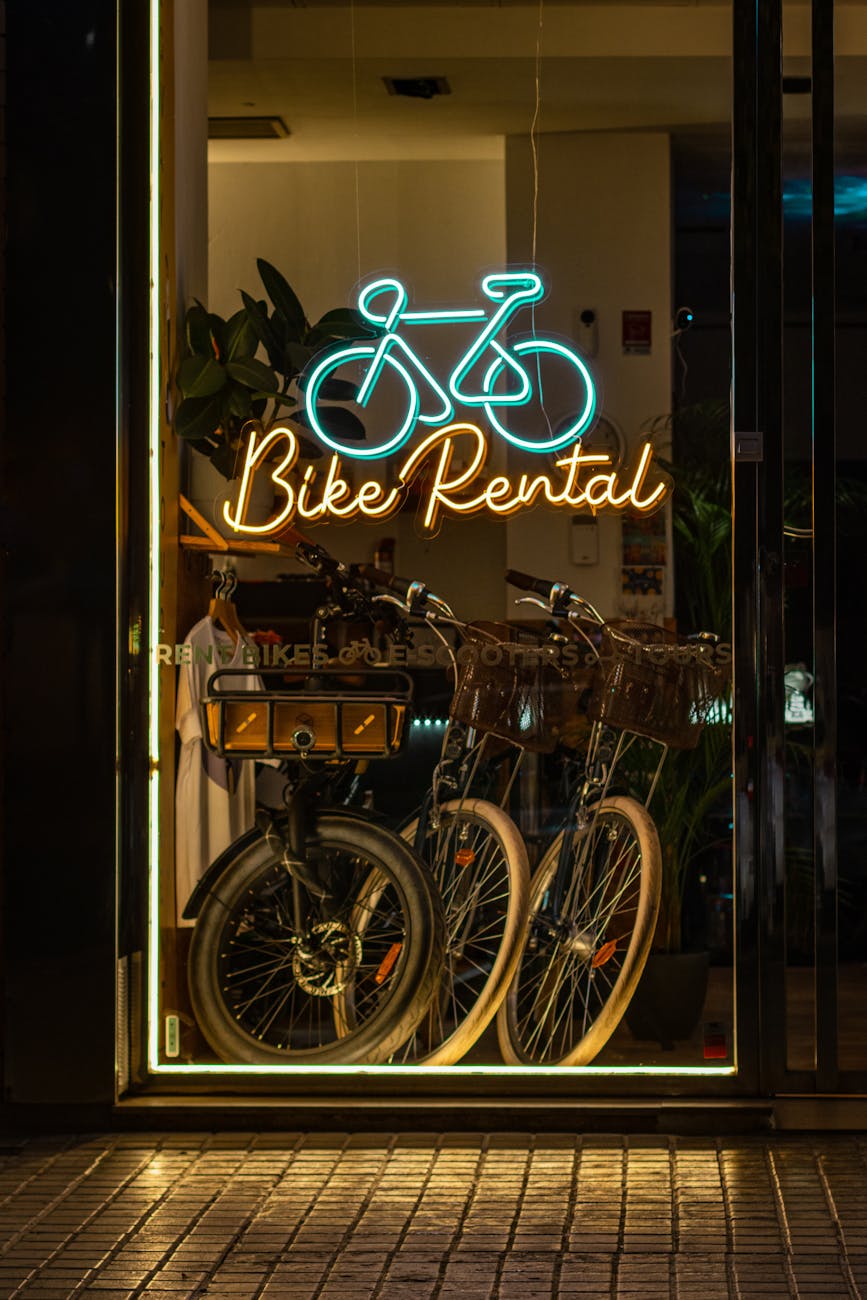
- Bike / e-bike: rent for short hops along the promenade and to nearby beaches. Choose local rental shops and return bikes promptly to avoid cluttering sidewalks.
- Bus: START Romagna runs local routes; buy tickets before boarding at tabaccherie, machines or via the regional app and validate on the bus.
- Train: regional services run frequently along the coast—ideal for day trips to Riccione, Cattolica, Cesenatico, Cervia and Ravenna; check Trenitalia regional schedules.
- Taxis and airport transfer: use a licensed taxi for airport runs or late-night travel; Federico Fellini Airport also offers bus links into the city.
- Booking tips:
- Summer: reserve beach stations (stabilimenti) and bikes early. Book car hire well ahead if needed.
- Shoulder season: spring and September–October are ideal—fewer crowds and better local-service availability.
Local Context
Quick neighborhood notes and seasonal realities:
- Marina Centro: lively seafront with stabilimenti, hotels, and a long promenade. Peak crowds in July–August; quieter in spring and September.
- Centro Storico: compact, filled with monuments around Piazza Cavour, Arco d'Augusto and the Malatestian sites. Evenings are pleasant for walking—many restaurants close earlier in winter.
- Borgo San Giuliano: former fishing quarter near Tiberius Bridge with painted houses and local trattorie.
- Viserba / Viserbella: north of the city center, more residential and quieter beaches.
Transport realities:
- High season increases waiting times for buses and trains; allow buffer time for day trips.
- Night services are limited outside summer; plan ahead if you expect late returns.
- Validate bus tickets on board; inspectors fine unvalidated tickets.
Local etiquette and practicalities:
- Respect quiet hours in residential neighborhoods after 11pm.
- At cafes: many places expect payment at the till before sitting in high-traffic spots; tipping is appreciated but not obligatory.
- On the beach: use provided bins and follow rules at private stabilimenti.
How to Choose Well
Match transport and stay choices to your priorities:
- Short stay (1–3 days): pick Centro Storico or Marina Centro to minimize transit time and walk to most attractions in the 3 days in Rimini itinerary.
- Day-tripper to nearby towns: rely on regional trains for Riccione, Cattolica and Cesenatico; check last-return times toward the end of your day.
- Traveling with luggage or mobility needs: stay near Rimini Train Station or request hotels with direct transfer services; taxis are more practical than buses with heavy suitcases.
- Families and slower-paced travel: reserve beach cabins and bikes with child seats in advance.
Booking practicalities:
- Use local apps and tabacchi for bus tickets; download Trenitalia or regional apps for train times.
- For peak dates and long-distance travel, buy tickets earlier to avoid sold-out services.
Responsible and Local-First Tips
Small choices that benefit local people and reduce impact:
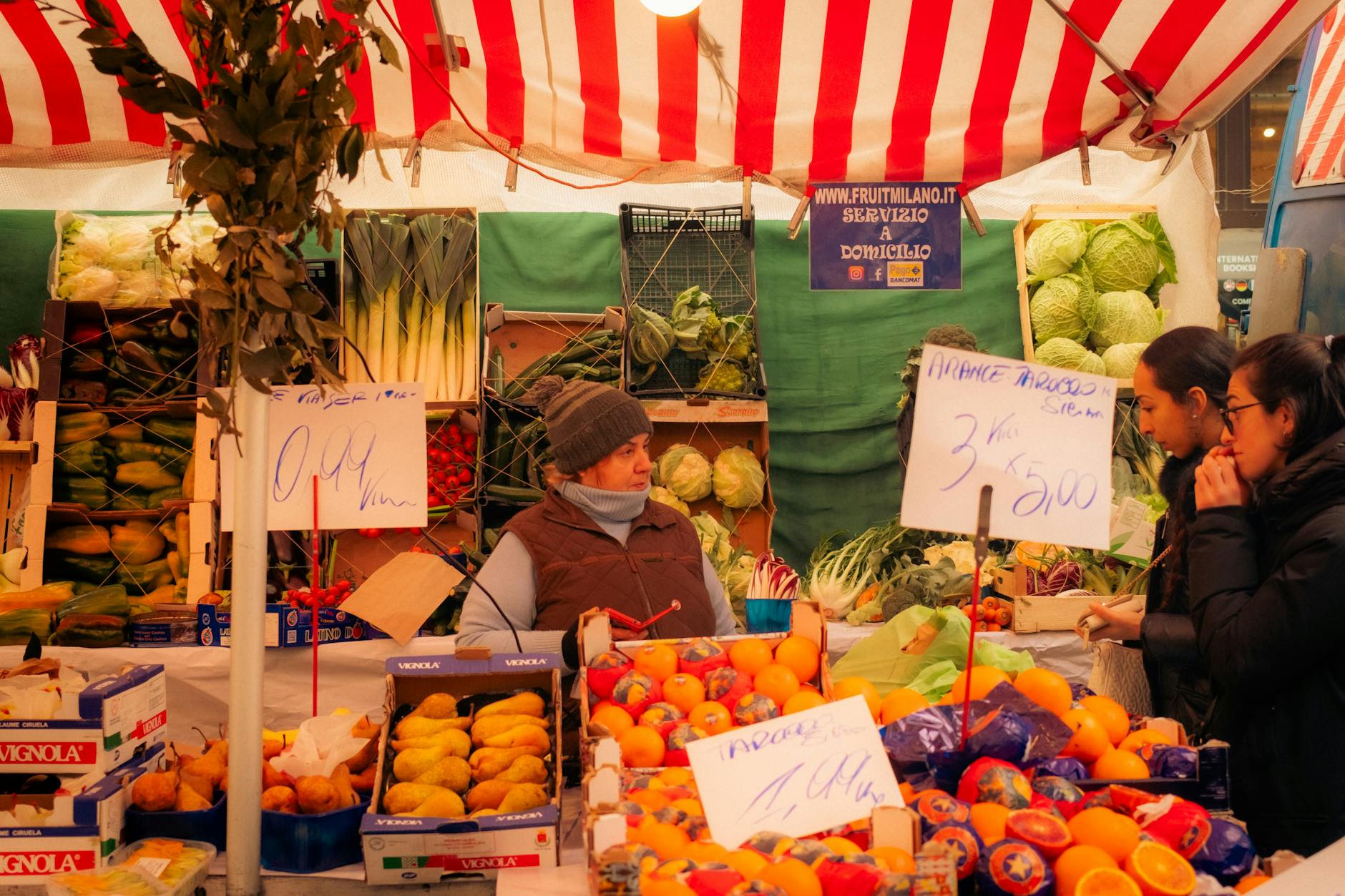
- Spend locally: eat at family-run trattorie, buy snacks from the market, and rent bikes from neighbourhood shops rather than international chains.
- Prefer public transport and cycling for short trips along the coast; choose regional trains for day trips rather than driving when possible.
- Choose stabilimenti and beach vendors that practice waste reduction and hire locally.
- Avoid obstructing sidewalks with scooters; park shared vehicles only in designated areas.
- Carry a reusable water bottle—tap water in Rimini is generally safe and water stations are common.
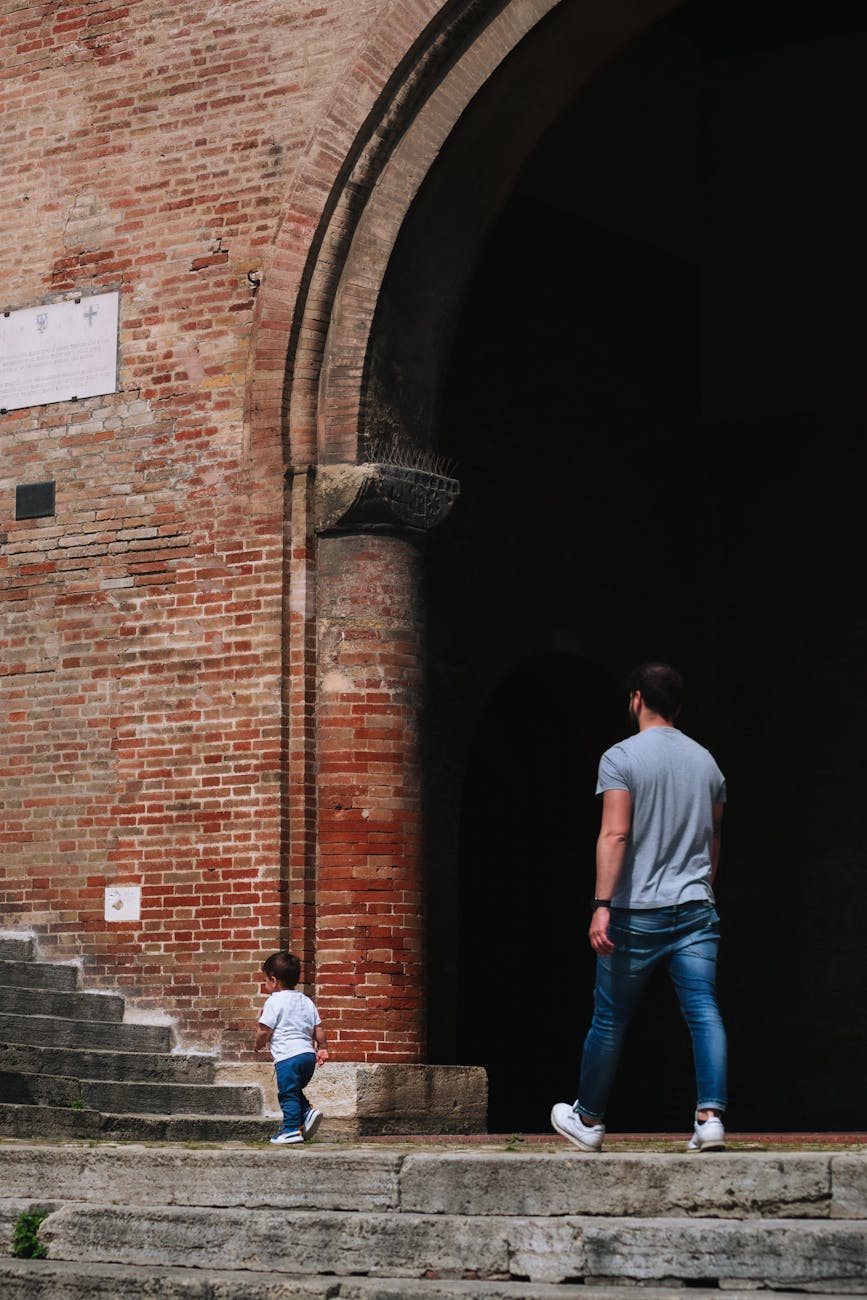
Respect cultural norms: keep voices moderate in historic neighborhoods, ask before photographing people, and follow rules posted at archaeological sites.
Common Mistakes to Avoid
Frequently seen errors and how to avoid them:
- Staying only on the seafront and missing Centro Storico: plan at least one evening in the old town for atmosphere and local restaurants.
- Relying solely on taxis: they are convenient but more expensive; plan public transport for most days.
- Forgetting to validate bus tickets: keep your ticket and validate immediately after boarding.
- Underestimating summer demand: book beach stations, bikes and car hire well before July–August.
- Leaving valuables unattended on the beach: use hotel safes or keep bags in sight.
Avoid last-minute assumptions about schedules—check apps or station boards the day before intercity travel.
FAQ
Is Rimini easy to walk?
Yes — the historic center and much of the seafront are compact and best explored on foot. Plan for longer walks to reach outlying neighborhoods or the fairgrounds.
How do I get to Riccione, Cattolica, Cesenatico, Cervia or Ravenna?
Frequent regional trains run along the coast connecting Rimini with Riccione, Cattolica and other coastal towns. Ravenna and Cervia are also well served by regional rail or buses; check Trenitalia and local bus timetables for exact schedules.
Which airport should I use for Rimini?
Rimini has Federico Fellini Airport with short bus and taxi links to the city. Alternatives are Bologna or Ancona airports, both of which offer reliable train or bus connections to Rimini—choose based on your flight options and schedule.
Where can I rent bikes and are e-bikes available?
Several local shops in Marina Centro and near the station rent classic bikes and e-bikes by the hour or day. Prefer local operators and reserve during high season.
Are bus tickets easy to buy and validate?
Yes—buy at tabacchi, vending machines, or the regional app and validate on boarding. Inspectors check tickets and fines apply for unvalidated fares.
Can I travel between Rimini and Ravenna in a day?
Yes—it's a common day trip. Trains and regional buses connect the cities; allow time to return and check last service times, especially outside summer.
Conclusion
Rimini is compact and well-connected: walk and cycle for short hops, use START Romagna buses for neighborhoods, and choose regional trains for low-impact day trips to Riccione, Cattolica, Cesenatico, Cervia and Ravenna. For itinerary timing and suggested routes, consult the 3 days in Rimini guide. Favor local businesses, book high-season services in advance, and travel slowly where possible to get the most authentic, low-impact experience.
How this guide was prepared
This guide was prepared through a structured research that combines destination research, geographic context, itinerary planning logic, and content review.