
Graz in 3 Days: Practical Itinerary, Costs & Local Tips
A pragmatic 3-day Graz guide with transit tips, neighbourhood picks, realistic budgets, entry costs, and step-by-step days for efficient sightseeing and eating.
A clear, day-by-day plan for three full days in Graz focusing on how to move between sights, where to eat, realistic costs, and neighbourhood choices.
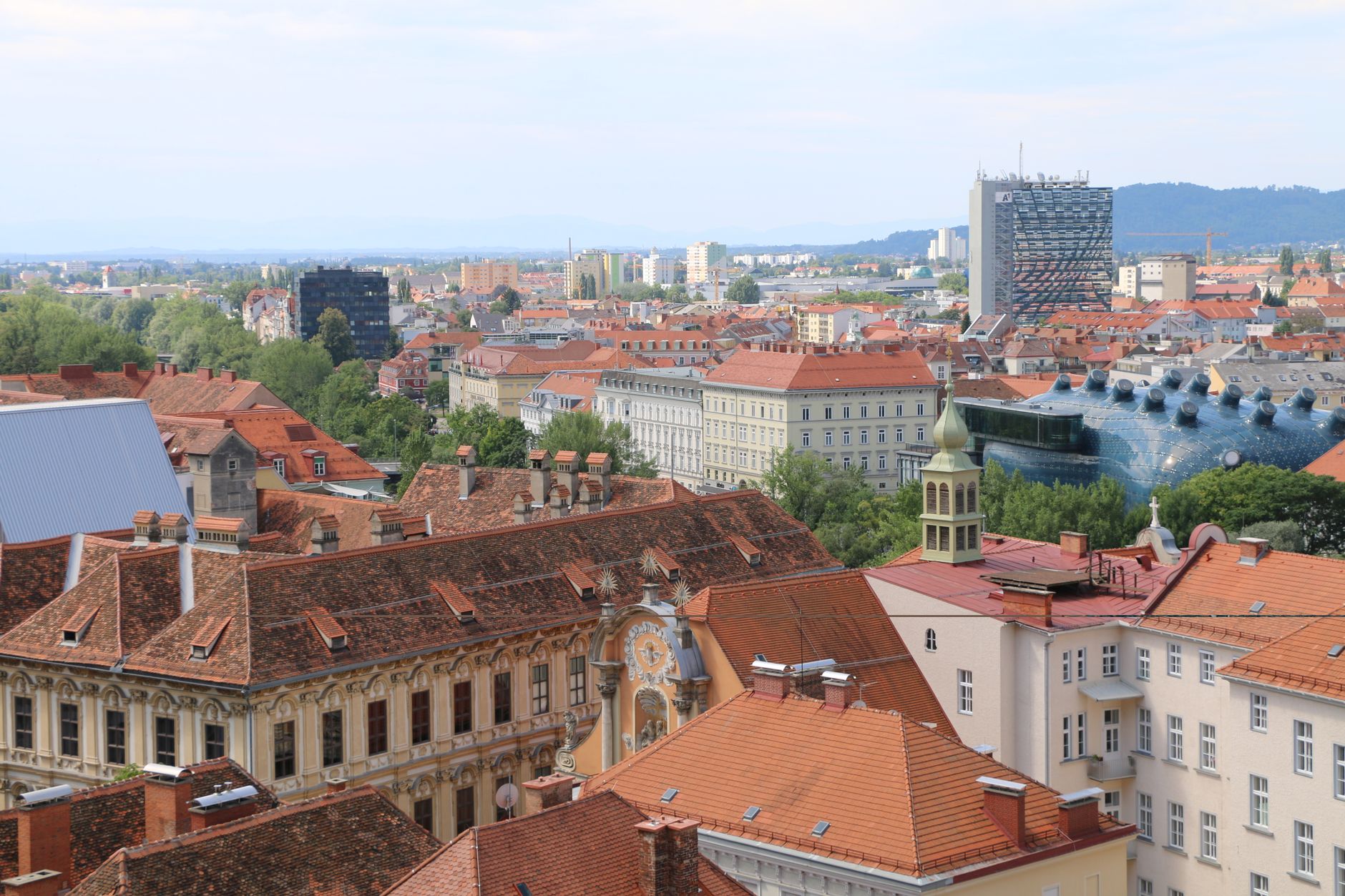
Arrival gives an immediate sense of contrasts: compact medieval streets around Hauptplatz meet radically modern architecture along the Mur. Streets like Herrengasse and Sporgasse feel pedestrian and touristed; cross the Mur and Lendviertel and the pace shifts to cafes, street art and markets. Noise levels are moderate — trams and buses run through main axes but residential streets remain quiet.
First impressions often misread Graz as a smaller Vienna; instead expect a city where a 10–20 minute tram ride reveals completely different neighbourhood moods. Good for leisurely sightseers who value short distances and neighbourhood variety rather than large-scale museum crawls.
Practical realities: some attractions have guided-only sections (Landeszeughaus) and several smaller museums close on Mondays. Weekends bring local families into the central squares and the Lend market gets crowded early, so schedule market visits for mornings.
Is 3 days in Graz enough?
Three days is enough to see the main monuments — Hauptplatz, Schlossberg/Uhrturm, Kunsthaus, Murinsel, Landeszeughaus and Schloss Eggenberg — and to explore one neighbourhood deeply. Caveat: full museum immersion (every Joanneum collection or a slow visit to Eggenberg) will require more time or skipping some entries.
Who This Guide Is For
Best for travellers who want a compact mix of architecture, markets and regional food without long day trips; not ideal for those seeking a full museum-deep dive or a strict nightlife-focused trip on a tight budget.
Local Tips for Graz
Practical details that most travel sites skip — specific to Graz.
- Holding Graz Linien operates trams and buses; Jakominiplatz is the network hub where lines and regional buses meet — plan connections there for transfers.
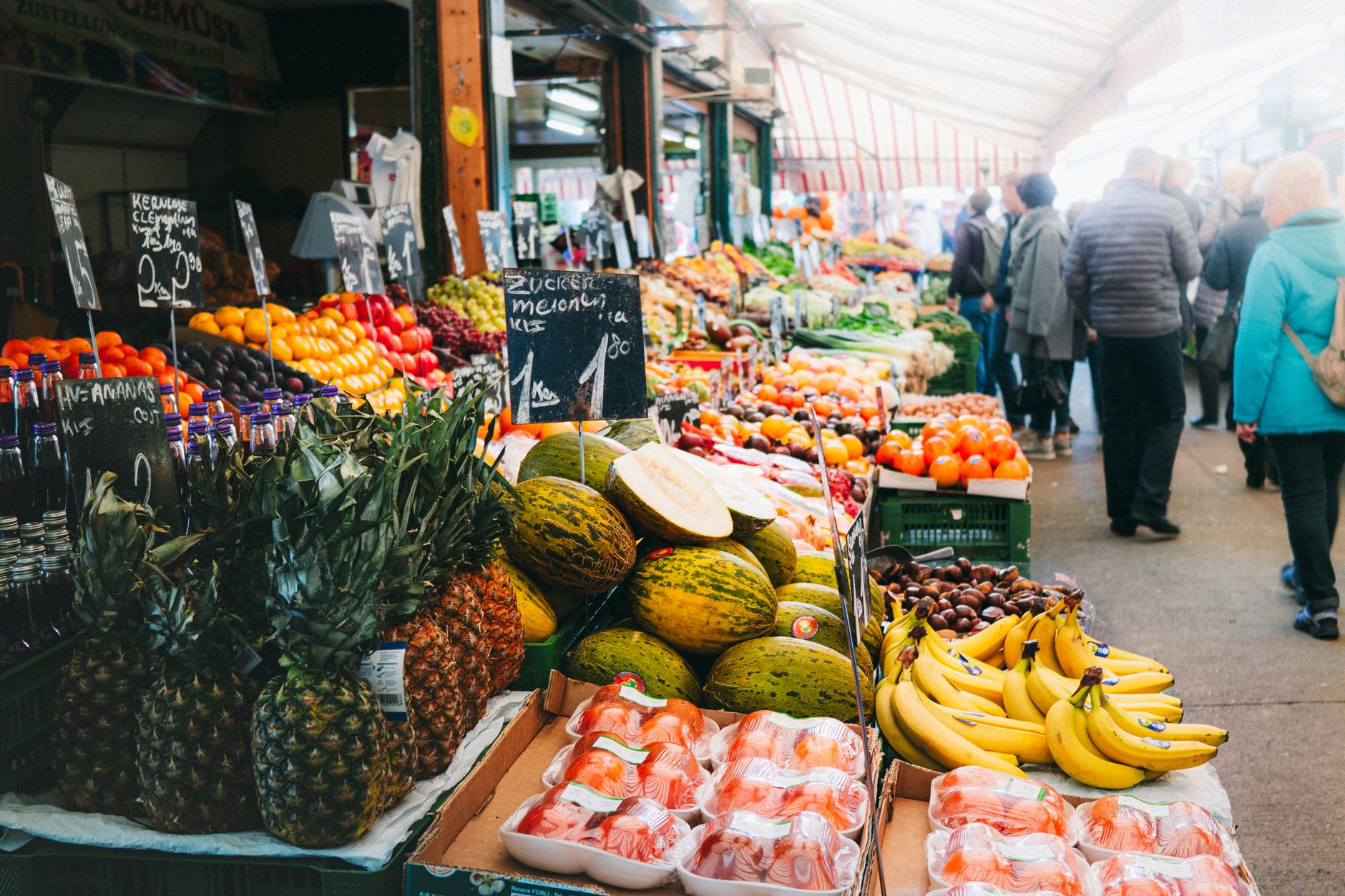
- Kaiser-Josef-Markt (near Stempfergasse) runs daily for produce and local snacks; Saturday mornings are busiest with extra street-food stalls.
- Buy single tickets from yellow machines or the GrazMobil app; validate once on board for short rides — inspectors fine passengers who ride without validation.
- The Schlossberglift (Bürgergasse entrance) saves 200 steps and runs into the hill under the Uhrturm; expect a small fare and shorter queues than the Schlossbergbahn funicular on busy afternoons.
- Lendplatz market on Saturdays turns the Lendviertel into a food and design market; arrive before 11:00 to avoid the lunchtime crowds and to buy fresh bread and Kernöl (pumpkin seed oil).
How This Guide Was Prepared
This guide treats Graz as a compact, layered city rather than a mini-Vienna; attention goes to how neighbourhood character shifts across the Mur and how short walks or single tram rides change the experience. Many guides squeeze every museum into one day or treat the Schlossberg only as a lookout — this guide plans time for both the major sites and the low-key markets and cafés that reveal local life. This guide was prepared through a structured research that combines destination research, geographic context, itinerary planning logic, and content review.
Plan Your Stay in Graz
Use this itinerary as your starting point, then compare areas to stay, transport options, seasonal timing, and realistic daily costs before booking.
Why Visit
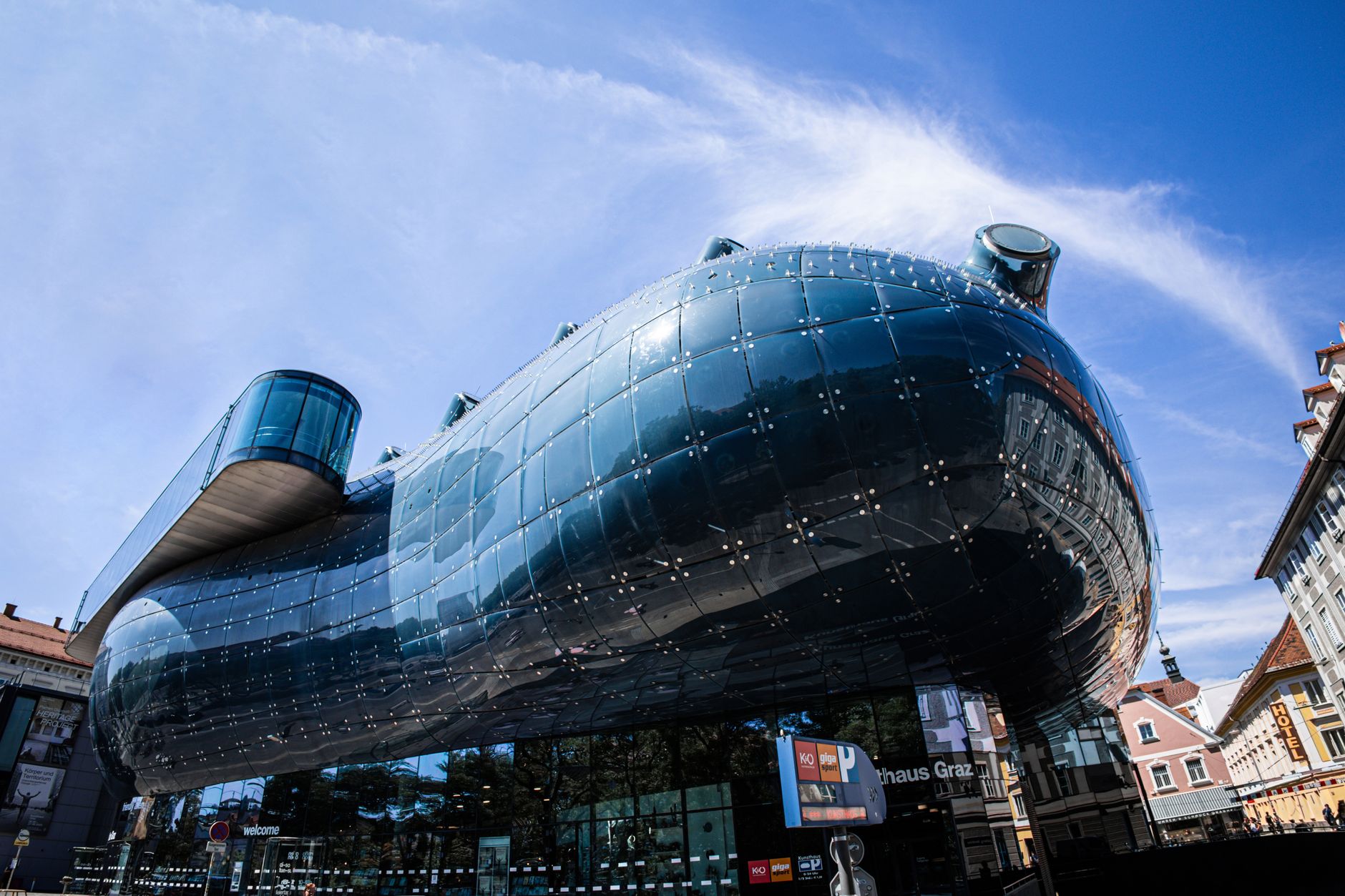
One: the urban contrast between old town stone streets and experimental architecture along the Mur — Kunsthaus Graz and the Murinsel are literally across the river from each other and can be seen in one short walk. Two: local food culture centers on Styria specialities such as pumpkin seed oil (Kernöl) and Styrian wines; markets like Kaiser-Josef-Markt and Lendplatz let visitors taste local produce affordably. Three: compact scale allows relaxed three-day trips that include a hill-top viewpoint (Uhrturm), a major historic collection (Landeszeughaus) and a palace visit (Schloss Eggenberg) without long transit times. Four: accessible regional connections — Graz Hauptbahnhof links to Vienna, Innsbruck and Munich, so the city is practical as a base or a single-stop on a longer Austria itinerary.
Quick Planning Tips
Most long-distance trains arrive at Graz Hauptbahnhof; local trams and buses link the station to Jakominiplatz, Hauptplatz and the old town within 10–15 minutes. Graz Airport (Flughafen Graz) has a shuttle bus to Jakominiplatz and taxis that take roughly 20–25 minutes to the inner city depending on traffic.
Bring a contactless card or small euro notes for market purchases — many stalls accept cards but smaller vendors prefer cash. Avoid planning several major museum visits on a Monday; the Joanneum sections and some private museums reduce hours or close that day.
Purchase single tickets at yellow machines, via the GrazMobil app, or on trams/buses where permitted; validation is required. If staying two days or more, compare the cost of a 24–48 hour GrazCard or public transport day passes against individual entry fees to decide which saves money.

Day 1
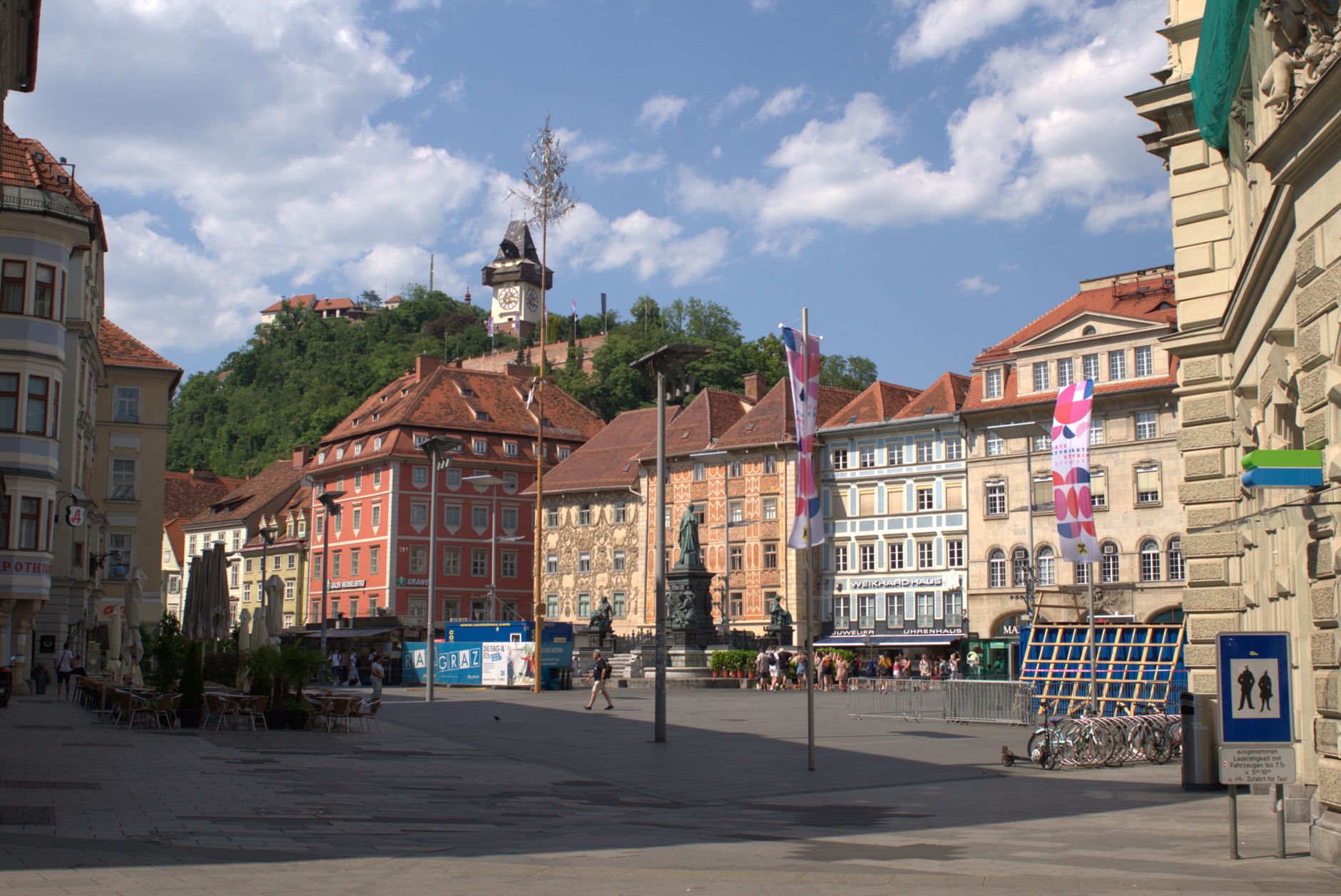
Morning: Start at Hauptplatz to get oriented — see the Rathaus facade and nearby Franciscan Church (Franziskanerkirche). Spend 30–45 minutes here. Walk 5 minutes to Herrengasse for shops and cafés, then another 5 minutes to the Landhaus with its Renaissance arcades and the Landhausplatz courtyard — allow 45–60 minutes to tour the courtyard and the nearby Styrian provincial government building. From Landhaus, walk up the Schlossberg steps (or use the Schlossberglift) — the climb takes 10–15 minutes by foot, lift is quicker; plan 1–1.5 hours on the hill for the Uhrturm, the bell, and the fortress paths.
Lunch: Eat at Glöckl Bräu (near Hauptplatz) for traditional Styrian dishes and local beer; expect a main course around €12–18. Afternoon: Cross the Mur to visit Kunsthaus Graz and the Murinsel; both are within a 10–15 minute walk from the Schlossberg base. Kunsthaus visit 1–1.5 hours (entry around €10–14). From the Murinsel, stroll riverside toward Jakominiplatz (15 minutes) and return to the old town.
Evening: Dinner in the old town — Zum alten Platz on Schmiedgasse serves classic Austrian mains; follow with an evening coffee at a central café or a quiet walk on Herrengasse.
Day 2
Morning: Head to the Landeszeughaus (Styrian Armoury) for a focused visit — budget 60–90 minutes to see the extensive armour and weapons collections. It’s a 10–12 minute walk from Hauptplatz or a short tram ride to Glockenspielplatz. After the armoury, walk to Joanneumsviertel and the Neue Galerie (part of Universalmuseum Joanneum) for modern and contemporary pieces (another 1–1.5 hours).
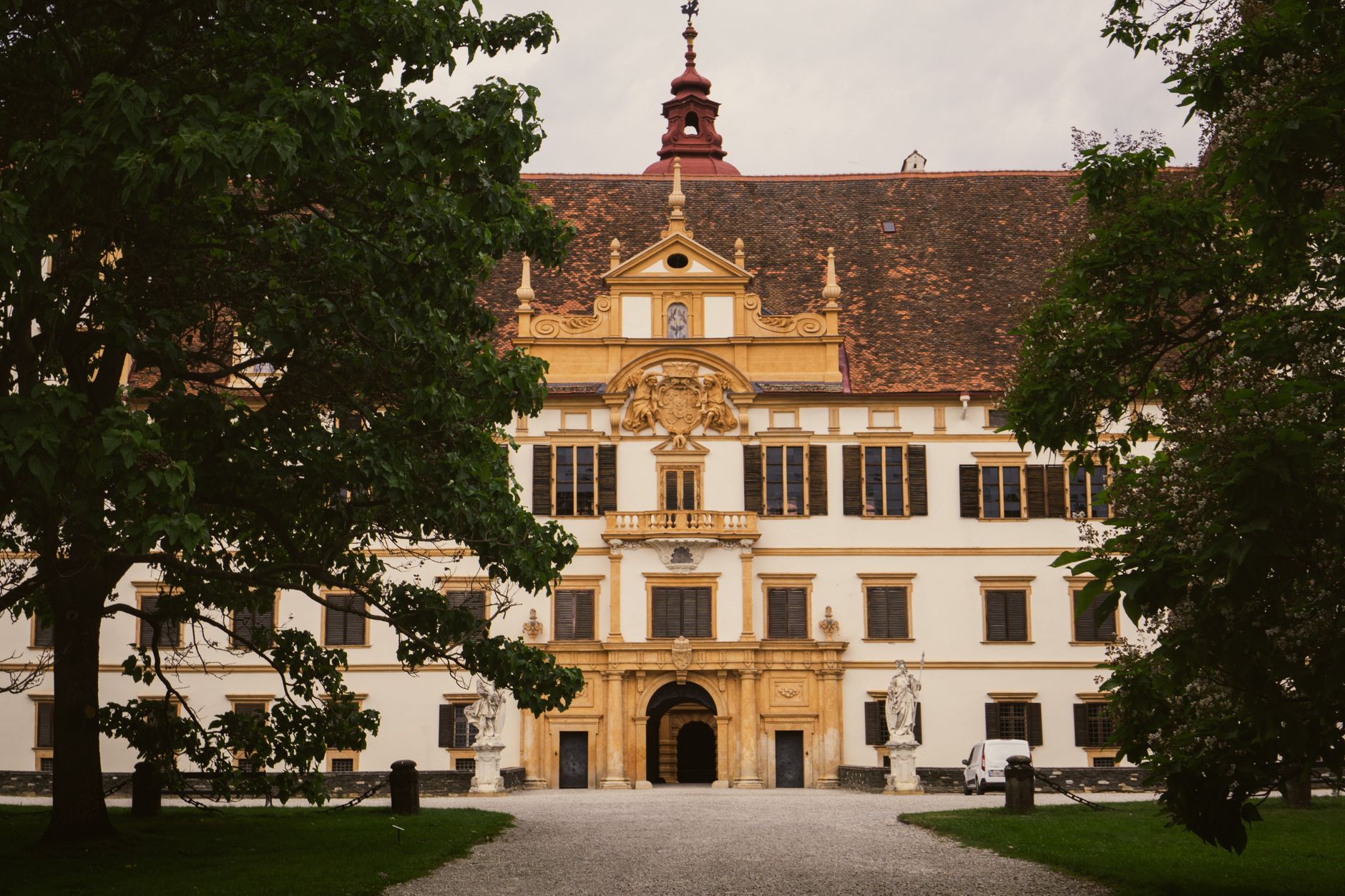
Lunch: Try the Kaiser-Josef-Markt area for sandwich stalls, Käferbohnen salads and regional cheeses — quick, local and cheap. Afternoon: Take tram or walk to Schloss Eggenberg (tram plus a 12–15 minute walk, or a 20–25 minute bus; allow 30–40 minutes transit). Reserve 1.5–2 hours for the palace, its rooms and gardens; entry is roughly €10–12. The palace and park provide a different scale from the medieval centre and showcase Baroque interiors and painted rooms.
Evening: Return toward Lendviertel for dinner — this neighbourhood has more casual eateries and craft beer bars. Finish with an after-dinner stroll across the Mur to see Kunsthaus lit up at night.
Day 3
Morning: Explore Lendviertel and Lendplatz market — Saturday offers the busiest market, but weekdays still have cafés and independent shops. Spend 1–2 hours sampling bread, Kernöl and local pastries. From Lend, walk across the Lendbrücke to the Gries district to see street art and small galleries (10–15 minutes).
Late morning: Head back toward the main shopping streets for any last-minute museum or church visits (Graz Cathedral and Mausoleum near Domplatz) — both are compact and can be visited in 30–45 minutes together. Check opening times before leaving a downtown hotel.
Lunch: For a relaxed final meal, choose a riverside café on the Mur with light Styrian plates. Afternoon/Departure note: If catching an afternoon flight or train, plan transit time: allow 30–40 minutes to Hauptbahnhof from Herrengasse by tram and 25–35 minutes from the inner city to Graz Airport by taxi or shuttle. Store luggage at the station if needed and schedule at least 1 hour before departure to collect it.
Evening: If time allows, end with a short walk on the Schlossberg terraces for a last view of the city.
Best Local Experiences
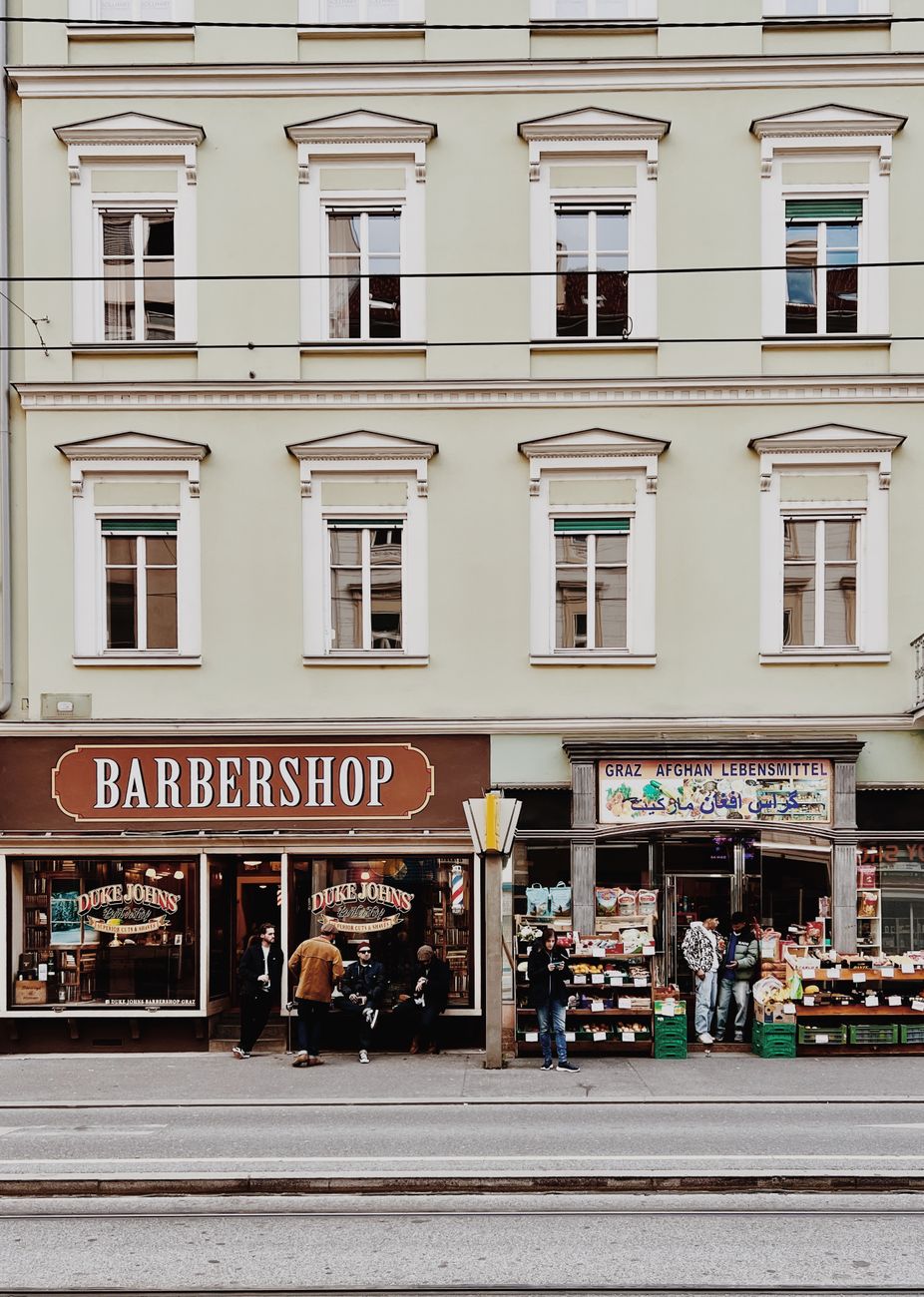
Kaiser-Josef-Markt — a daily market near the old town selling seasonal produce, sausages and cheeses; visit for a quick, local lunch or to buy Kernöl. Lendplatz market — Saturday food and design market in the Lendviertel with local bakers and street-food stalls. Schlossberg ascent by foot and descent by lift (or vice versa) — combines exercise and the easiest view of the Uhrturm. Landeszeughaus (Styrian Armoury) — unique as one of the largest historical armour collections still displayed in its original location. Schloss Eggenberg and its baroque rooms and park — a quieter palace visit that feels different from inner-city museums. Mur boat walks and riverside cafés — short walks along the Mur reveal modern bridges, the Murinsel and cafés that are popular with locals. A Saturday evening beer or schnapps tasting in Lend or Gries provides insight into regional brewing and spirits culture.
Where to Stay
Innere Stadt (Old Town): Suits first-time visitors who want immediate access to Hauptplatz, Herrengasse and many museums. Walking distances are short; expect mid-range hotel prices around €100–160 per night (about $110–$175). Lendviertel: Suits travellers who prefer cafés, markets and evening bars; close to the Mur and Kunsthaus with a younger scene. Expect €70–120 per night (€75–€130 USD). Gries: Suits budget-conscious and longer-stay visitors who want local life and markets near the river; quieter at night and good tram connections. Expect €60–110 per night (€65–€120 USD).
Booking tip: compare units with kitchenettes in Lend and Gries for savings on food. Prices vary heavily by season—summer festival weeks push rates up in all three neighbourhoods.
Food and Drink
Kürbiskernöl (pumpkin seed oil): A dark, nutty oil used as a finishing condiment on salads such as Käferbohnen; buy in the Kaiser-Josef-Markt stalls or at specialty shops for €5–12 per small bottle. Backhendl: Breaded and fried free-range chicken, a regional classic found at traditional inns like Glöckl Bräu or Zum alten Platz for €12–18. Käferbohnen mit Kernöl: Cold broad beans with pumpkin seed oil and onion, often served as a side or salad at market stalls for €4–7. Brettljause: A wooden board of cured meats, cheese and pickles — look for versions at Gaststätten in the old town for €8–14. Styrian wine and Sturm (autumn young wine): Local white and rosé varieties (Weingut stalls and wine bars in Lend) — a 0.1L glass usually €2–4; Sturm is seasonal in September–October. Breakfast option: a simple Kaffeehaus breakfast with a roll (Kipferl) and coffee at a bakery café near Hauptplatz for €4–8. Street food: market sausages and Käsekrainer from stalls at Lendplatz or Kaiser-Josef-Markt for €3–6. Dinner recommendation: order regional tasting plates at a mid-range restaurant in Lend for better value than tourist-centre sit-downs; expect mains €12–20.
Getting Around
Public transit is run by Holding Graz Linien: trams and buses connect Hauptbahnhof, Jakominiplatz, Hauptplatz and neighbourhoods such as Lend and Gries. Important tram lines include those serving Jakominiplatz and the Hauptplatz axes; buses cover routes to Schloss Eggenberg and suburbs. Single tickets are bought from yellow machines, via the GrazMobil app, or on board where allowed; validate if required. Typical single local fare is around €2.60 and a 24-hour pass roughly €6.90 — compare these with a 48-hour tourist pass if planning multiple museum visits. Regional trains to Vienna/Salzburg use ÖBB; use the ÖBB app (Scotty/ÖBB app) for schedules and tickets.
Taxis from Graz Airport to the city center usually cost €25–35 and take roughly 20–30 minutes depending on traffic; an airport shuttle bus runs to Jakominiplatz for a lower fixed fare. Useful apps: GrazMobil for local tickets and timetables, ÖBB for regional trains and connections. Bicycle rental and e-scooter options exist near the Mur for short hops between neighbourhoods.
Best Time to Visit
Spring (April–June): Temperatures 8–20°C; good value before peak summer crowds. Outdoor cafés open and markets are active. Summer (July–August): Temperatures 18–30°C; most crowded with festivals and higher accommodation costs, but long daylight is useful for late museum visits. Autumn (September–October): Temperatures 8–18°C; harvest season brings Sturm and pumpkin seed oil specialties to markets and the Lendplatz market is lively. Winter (November–March): Temperatures −2–7°C; quieter tourist-wise and lower hotel rates, but some smaller museums and attractions reduce hours and outdoor dining is limited.
Best value months: April–June and September for milder weather, fewer crowds and reasonable prices. Months to avoid if seeking quiet streets: peak festival weeks in July or major conference dates, when hotels jump in price.
Budget and Practical Tips
Typical daily budget (mid-range traveller): Accommodation €80–130 per night (€86–140 USD), food €30–60 (€32–65 USD) including one sit-down dinner, transport €5–10 (€5.50–11 USD) for local tickets, and entries €10–25 (€11–27 USD) depending on one or two museum visits. Example lower-budget day: hostel or budget room €40–60, market meals €10–20, single tickets €5, one museum €10 — total roughly €65–95. Example higher mid-range day: €140–200 including a nicer hotel and two museum entries.
Tipping: service is usually included in the bill in restaurants but rounding up or adding 5–10% for good service is normal; small change is fine for cafés. ATMs are widespread, and most shops and restaurants accept cards, but small market stalls and some family-run inns prefer cash. Carry a small amount of euros for market stalls and bakeries.
FAQ
Is Graz safe for solo travellers?
Yes, daytime and central neighbourhoods are generally safe; normal precautions against pickpocketing in crowded markets and trams apply.
Are trams and buses easy for tourists to use?
Yes. Buy single tickets at machines or via the GrazMobil app, validate where required, and use Jakominiplatz as the main interchange.
Is a GrazCard or city pass worth it?
It can be worth the cost if planning multiple paid museum entries and using public transport frequently; compare the 24/48-hour pass price against individual entries and transport costs for planned sights.
Can a day trip to Vienna or Salzburg be done from here?
Both are possible by train but travel times vary; Vienna is about 2.5–3 hours by fast train, Salzburg around 3–3.5 hours — better as separate day trips if willing to spend long travel days.
Are many museums closed on Mondays?
Several smaller museums and some Joanneum branches reduce hours or close on Monday; verify opening times in advance to avoid wasted trips.
Where is the best market for local food products?
Kaiser-Josef-Markt for daily produce and Lendplatz on Saturdays for a wider selection of street food and design stalls.
How to get from the airport to the city cheaply?
The airport shuttle bus to Jakominiplatz is the cheapest option; taxis are faster but cost noticeably more.
Is English widely spoken?
Yes, especially in hotels, restaurants and major museums, but basic German phrases help at markets and with small vendors.
Conclusion
A three-day visit will most commonly be remembered for the Schlossberg view, the contrast between old town arcades and the Mur-side modern buildings, and the market tastes like Kernöl and Käferbohnen. If time becomes tight, prioritise a morning on the Schlossberg for the Uhrturm and one market visit (Kaiser-Josef or Lendplatz) — these provide a quick, practical sense of the city’s character. Plan museum choices around opening days and use Jakominiplatz and the GrazMobil app to make short transit hops efficient.
How this guide was prepared
This guide was prepared through a structured research that combines destination research, geographic context, itinerary planning logic, and content review.