

Three days to savour Rimini’s sunlit beaches, well-preserved Roman and Renaissance sites, lively waterfront life and authentic Romagna cuisine, plus quick trips to nearby coastal towns.
Introduction
Rimini is a lively Adriatic city where long sandy beaches meet layered history — from Roman arches and medieval fortresses to the cinematic imprint of Federico Fellini. It’s as much sun-and-sea resort as it is a compact old town filled with churches, piazze and narrow lanes dotted with cafés.
Three days is enough to sample the best: historic monuments clustered around the centro storico, lazy hours on the Marina Centro beaches, and short side trips to Ravenna’s mosaics or the fishing ports of Cesenatico and Cervia.

Why Visit
Rimini mixes accessible cultural highlights with classic Italian beach life. The city preserves true Roman remains — the Arch of Augustus and the Tiberius Bridge — alongside Renaissance architecture like the Tempio Malatestiano. Food is a highlight: fresh Adriatic seafood and the local piadina flatbread are essential.
Its compact size makes Rimini ideal for a short trip: you can walk between monuments, hop on regional trains to Riccione or Cesenatico, and still have time to relax on the sand.
Quick Planning Tips
Getting there: Federico Fellini International Airport (RMI) at Miramare is closest, with regional flights; Bologna Guglielmo Marconi (BLQ) is the main international gateway and a 1–1.5 hour train ride away.
Where to buy tickets: Trenitalia and regional Start Romagna buses serve the area. Purchase train tickets online or at station machines; validate paper regional tickets when required.
Packing and money: Bring swimwear and a light layer for evenings. Euros are used; many places accept cards but small beach kiosks and market stalls may prefer cash.
Reservations: Summer (July–August) is high season; reserve beach umbrellas (lidi) and restaurants in advance. Shoulder seasons (May–June, September) offer warm weather with fewer crowds.

Day 1
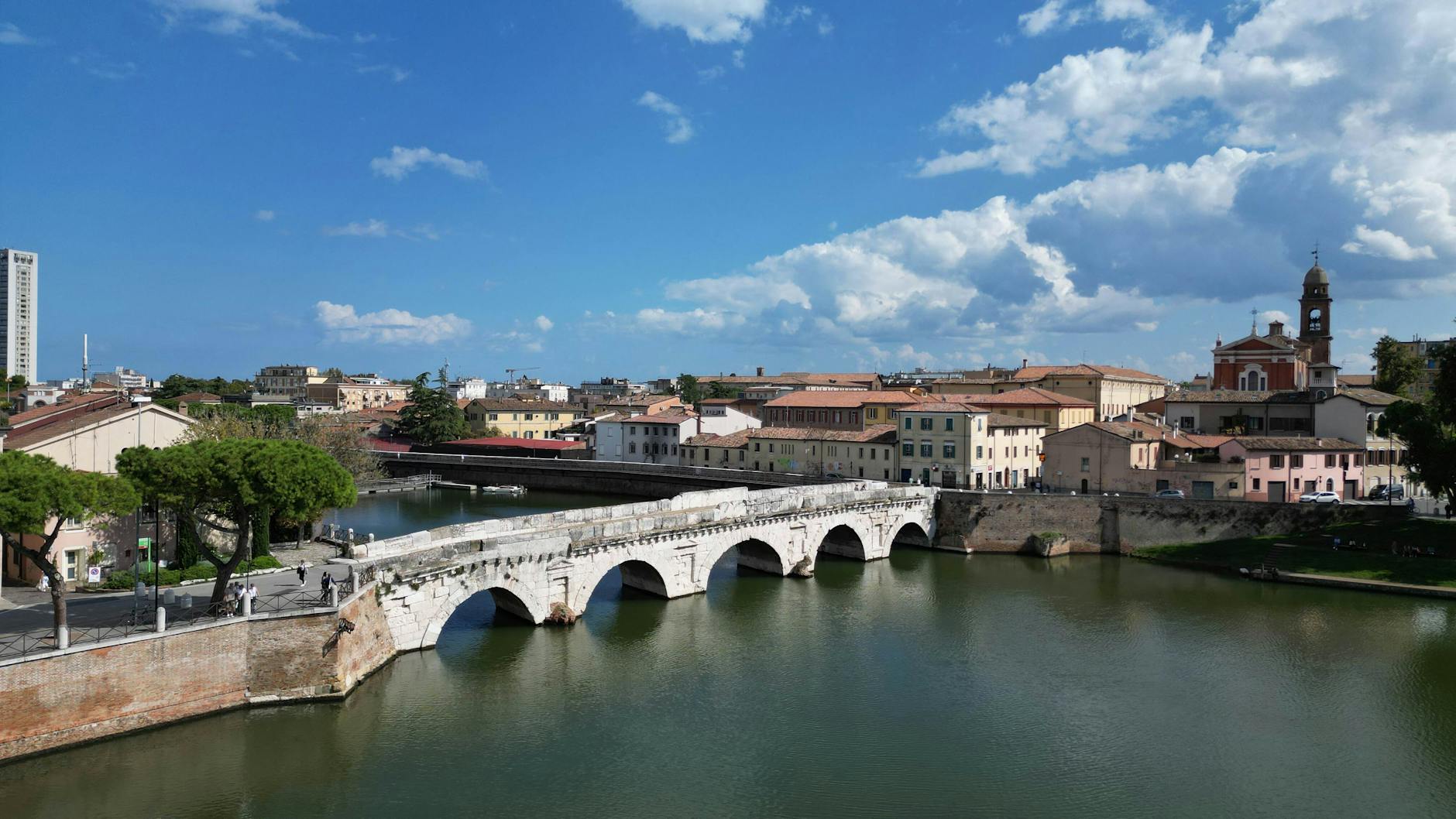
Morning: Start in the centro storico. Walk under the Arco d'Augusto, then follow Corso d'Augusto to the Tiberius Bridge for photos of the stone arches spanning the Marecchia river.
Midday: Explore the Tempio Malatestiano and the adjacent Museo della Città to understand Rimini’s civic art and the Malatesta dynasty. Lunch at a nearby osteria — try brodetto alla riminese (local fish stew) or a freshly filled piadina.
Afternoon and evening: Visit Castel Sismondo and Piazza Cavour. Stroll toward Borgo San Giuliano, the fishermen’s quarter known for painted houses and Fellini murals, then have an aperitivo and dinner in the old town.
Day 2
Morning: Devote the morning to Marina Centro and the long sandy beach. Rent a sunbed or join a beach club (stabilimento balneare) for service and umbrellas. Water-sports options include stand-up paddle and pedal boats.
Afternoon: Take a short train or bus ride to Riccione or Cattolica for a change of scene — Riccione’s designer boutiques and Cattolica’s aquarium are both easy half-day outings. Alternatively, visit the Rimini fish market and sample street-side seafood.
Evening: Return to the waterfront for a pizza or seafood dinner. The seafront promenade comes alive after sunset with gelato stands and nightlife along Viale Vespucci.

Day 3
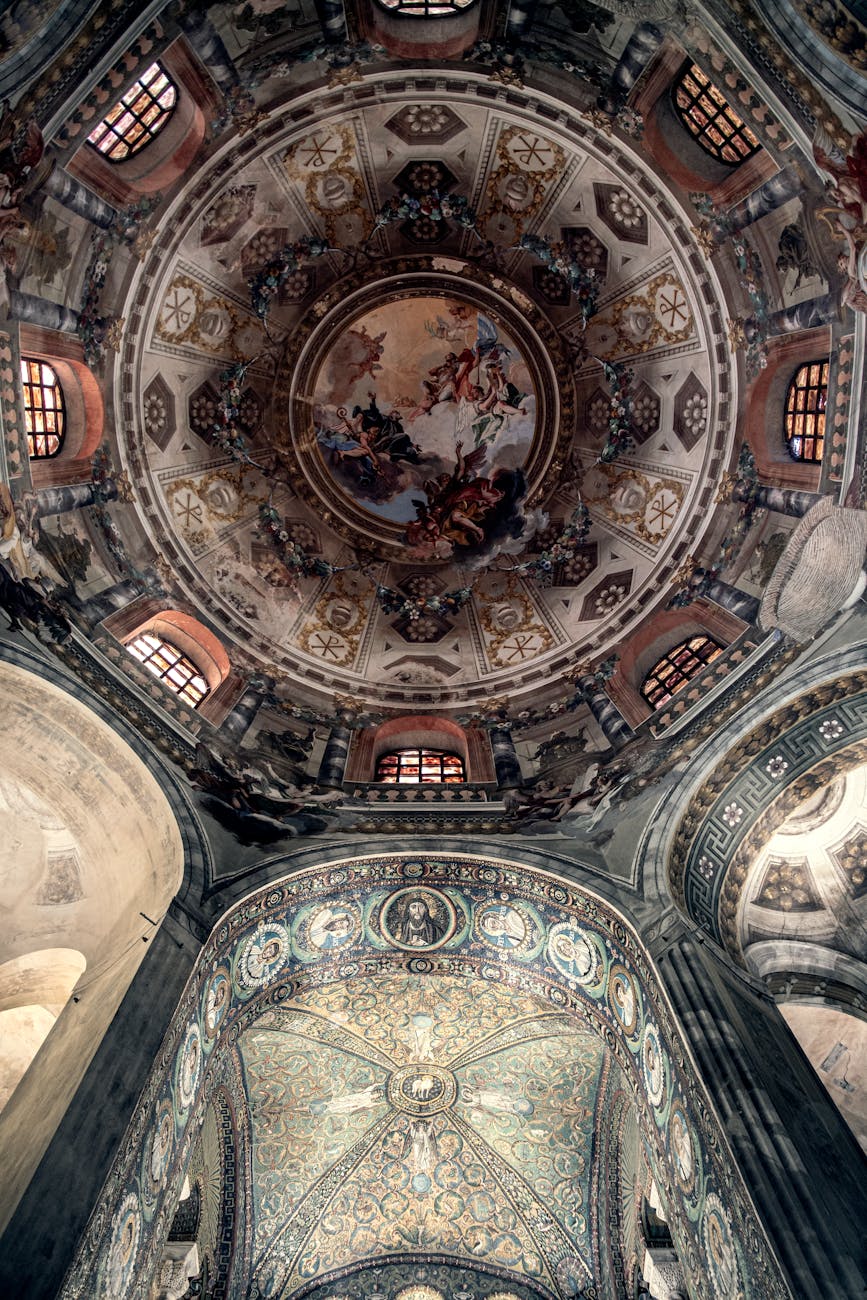
Morning: Choose a cultural side trip. Take a 30–40 minute train to Ravenna to see UNESCO mosaics (Basilica di San Vitale, Mausoleum of Galla Placidia), or head north to Cesenatico to stroll the canal port designed by Leonardo and see historic fishing boats.
Afternoon: Back in Rimini, visit the small but focused Museo Fellini to understand the director’s ties to the city, then shop along Corso d'Augusto and Piazza Tre Martiri for local specialties.
Late afternoon: Climb or find a waterfront viewpoint for a final Adriatic sunset, then enjoy a farewell dinner of grilled fish and a glass of Sangiovese or local Albana wine.
Best Local Experiences
Taste a piadina romagnola from a street vendor — filled with prosciutto, squacquerone cheese and rocket is classic.
Relax at a family-run stabilimento balneare: reserve a sunbed for a day and enjoy beach service, an essential Adriatic ritual.
Explore Borgo San Giuliano at dusk for photogenic painted facades and narrow lanes where Fellini filmed scenes.
Day-trip to Ravenna for Byzantine mosaics or to the Cervia salt pans for birdwatching and soft pink salt landscapes.
Join a seafood tasting or visit the local fish market early in the morning to see the daily catch.

Where to Stay
Marina Centro: Best for first-time visitors who want beach access, nighttime promenade life and easy walking distance to the old town.
Borgo San Giuliano: Choose this neighborhood for a quieter, characterful stay amid painted houses; it’s ideal for couples and travelers who prefer charm over high-rise hotels.
Centro Storico: Stay near Piazza Cavour or Corso d'Augusto to be close to museums and monuments; boutique guesthouses and B&Bs suit culture-focused itineraries.
Practical note: If you want easy rail connections for day trips, pick accommodation within a 10–15 minute walk of Rimini train station.
Food and Drink
Must-tries: piadina romagnola (thin stuffed flatbread), brodetto alla riminese (fish stew), grilled Adriatic seafood and fritto misto di mare (mixed fried seafood).
Where to eat: Old-town osterie and trattorie serve traditional fare; seafood restaurants line the waterfront. Look for family-run places and the morning fish market stalls for the freshest options.
Drinks: Aperitivo culture is lively — a Campari spritz or a glass of Sangiovese pairs well with local dishes. Try Romagna wines such as Sangiovese and Albana di Romagna for dessert wines.
Markets and specialties: Visit the covered market or fish market early to buy regional olive oil, cheeses and cured meats, and pick up artisanal biscuits or panettone in season.
Getting Around
Walking: The centro storico and waterfront are compact and best explored on foot.
Trains and buses: Rimini Centrale connects to Bologna, Ravenna, Riccione, Cesenatico and other regional destinations. Trenitalia regional trains are frequent; local buses are operated by Start Romagna.
Airport: Federico Fellini Airport (RMI) is close; bus links run between the airport, station and the city center.
Bikes and scooters: Bike rental is convenient for the promenade; scooters are common but use them only if comfortable with Italian traffic.
Driving and parking: If you rent a car for day trips, be aware of ZTL (limited-traffic) zones in the old town and limited public parking near the beach in high season.
Best Time to Visit
Late spring (May–June) and early autumn (September) offer warm beach weather, fewer crowds and lower prices compared with July–August.
July and August are peak season — expect busy beaches, fully booked lidos and a lively nightlife scene. If you prefer cultural visits without the beach focus, winter months are quiet and museums are easier to access.
Budget and Practical Tips
Typical daily budget: Budget travelers can manage on €60–€100/day (shared beach, markets, public transport); mid-range travelers €120–€200/day including a comfortable hotel and dining out.
Beach costs: Many lidos charge per sunbed and umbrella; public stretches of sand are free but less equipped.
Opening hours and etiquette: Shops often close for a long lunch in smaller towns; restaurants open late for dinner. Tipping is modest — rounding up or leaving small change is appreciated.
Safety and health: Rimini is generally safe; watch belongings on crowded promenades. Pharmacies (farmacia) are widely available.
Connectivity: Free Wi‑Fi is available in many hotels and cafés; mobile data from Italian SIMs is reliable for navigation and train bookings.
FAQ
How do I get from Rimini airport to the city center?
A shuttle bus and taxis link Federico Fellini Airport (Miramare) to Rimini’s center; the ride is about 10–20 minutes depending on traffic.
Are the beaches public or private?
Both. There are many private lidos with sunbeds and amenities (paid) and stretches of public sand that are free but less serviced.
Can I visit Ravenna as a day trip from Rimini?
Yes. Trains run frequently and the trip is about 30–40 minutes; Ravenna’s mosaics make an excellent half- or full-day excursion.
Is Rimini family-friendly?
Very much so. The shallow Adriatic waters, lifeguarded beaches and many family-run hotels make Rimini a popular choice for families.
What local specialty should I not miss?
Piadina romagnola — a thin flatbread usually filled with cheese and cured meats — and brodetto (local fish stew) are must-tries.
Conclusion
In three days you can balance sand and culture: wake up to sunlit beaches, wander through Roman arches and Renaissance façades, and linger over seafood and piadina. Use Rimini as a base for exploring nearby coastal towns and Ravenna, and plan your trip in the shoulder seasons for the best mix of warmth and calm.
With compact streets and welcoming beach life, Rimini offers an accessible and authentic slice of the Emilia‑Romagna coast.
More City Guides Near Rimini
If you are planning a longer regional trip, these nearby destinations also work well for a short city break.