
Getting Around Stockholm: Practical, Local-First Transport Guide
Practical guide to moving around Stockholm sustainably: SL tickets and passes, walking and cycling tips, airport and ferry options, seasonal notes, and low-impact day-trip connections to Gothenburg, Malmö and Finland.
How to navigate Stockholm efficiently and responsibly — choosing between metro, buses, ferries, bikes and trains, with seasonal tips, ticketing advice, and links to the 3 days in Stockholm itinerary and nearby cities.
Quick Answer
How to navigate Stockholm efficiently and responsibly — choosing between metro, buses, ferries, bikes and trains, with seasonal tips, ticketing advice, and links to the 3 days in Stockholm itinerary and nearby cities.
Who This Page Is For
This page is for travelers planning a stay in Stockholm who want clearer decisions about getting around, local logistics, timing, budgeting, and practical trip planning.
How This Page Was Prepared
This page was prepared through a structured editorial workflow that combines destination research, geographic context, and practical travel-planning review.
Plan the Rest of Your Trip
Use this page together with the full itinerary and the related planning pages below to make better booking, timing, transport, and budget decisions.
Use SL for most travel (metro, buses, trams, commuter trains and local ferries). Buy a 24/72-hour travelcard for the 3-day itinerary, but compare to single tickets if you plan long Arlanda transfers or regional trains. Favor walking and short-bike rentals in central islands (Gamla Stan, Norrmalm, Södermalm) and take regional trains or overnight ferries for longer, lower-carbon trips to Gothenburg, Malmö, or Turku.
This page is a practical companion for getting around Stockholm while keeping costs, time, and local impact in mind. It supports the main 3 days in Stockholm itinerary by explaining the city’s public transport network (SL), walking and cycling options, airport transfers, and sustainable choices for day trips to Gothenburg, Malmö and across to Finland. Use this when planning each day of your itinerary, booking intercity travel, or deciding whether to walk, cycle, or take a tram.
What This Page Helps You Decide
Quick decisions this page helps you make:
- Which ticket or pass to buy for 1–3 days in the city versus longer regional travel.
- Whether to take Arlanda Express, Flygbussarna, or a slower train+bus to the airport.
- When to walk, rent a city bike, or use public transport between neighborhoods on your 3-day plan.
- Which low-impact day trips (train or ferry) make sense for Gothenburg, Malmö, Turku, Espoo, or Tampere.
It focuses on cost-versus-time tradeoffs and sustainable, local-first options so your choices support neighborhood businesses and minimize footprint.
Top Recommendations
Essential, practical tips:
- Tickets and passes: Use SL (stockholm public transport). For 3 days, a 72-hour SL travelcard often wins for convenience; buy via the SL app, SL Access card or at underground stations. Contactless cards and mobile tickets are accepted on many services.
- Airport transfer:
- Arlanda: Arlanda Express is fastest (~20 min) but costly; Flygbussarna coaches are cheaper and drop at Cityterminalen; book in advance for savings. If you prefer lower carbon and lower cost, take regional trains or the commuter-bus options recommended in the SL app.
- Bromma: tram and bus connections link to the metro; plan extra time.
- Central mobility:
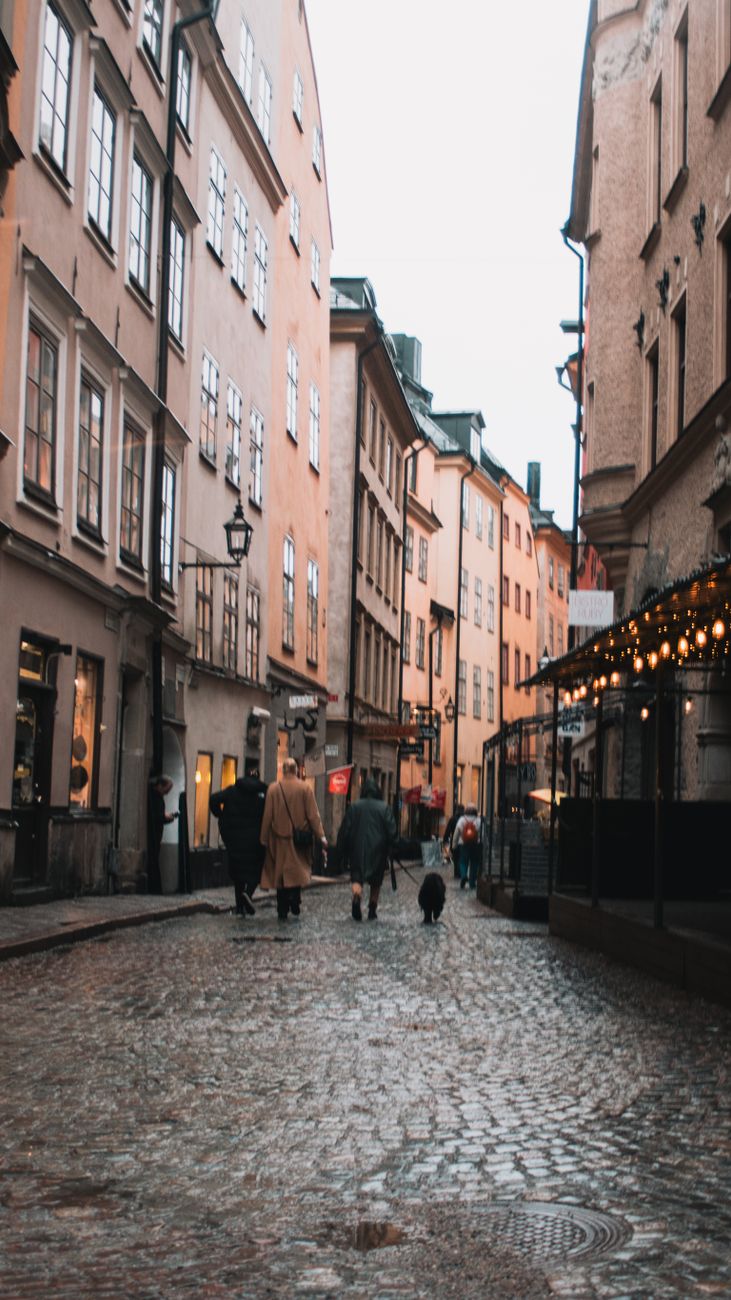
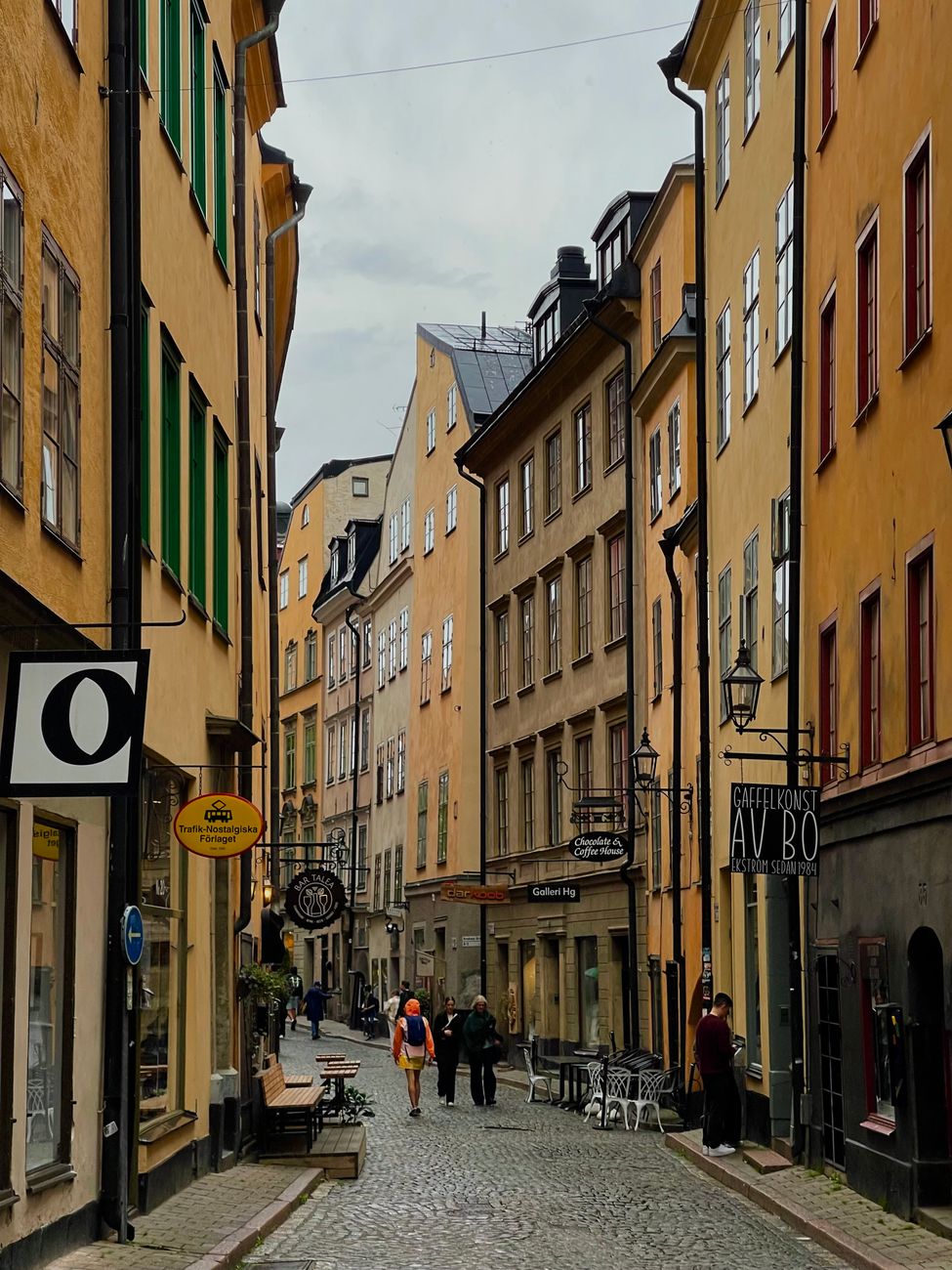
- Walk the central islands—Gamla Stan, Norrmalm and Östermalm are compact. Expect 10–30 minute walks between many sites on the 3-day route.
- Rent a city bike for short trips in summer; use bike lanes on Södermalm and Östermalm. Styr & Ställ station-to-station rentals are practical.
- Ferries: use SL ferries (e.g., to Djurgården) for scenic, low-impact crossings.
- Day trips: Prefer trains to Gothenburg and Malmö (SJ high-speed trains) and overnight ferries to Turku/Helsinki (Viking Line, Tallink) to reach Espoo and Tampere by rail — book early for discounts.
- Practical packing: bring layered clothing for sudden weather changes, slip-resistant shoes in winter, a refillable water bottle, and a small daypack for market purchases.

Local Context
Stockholm is spread across 14 islands and a mix of dense neighborhoods. Expect the following:
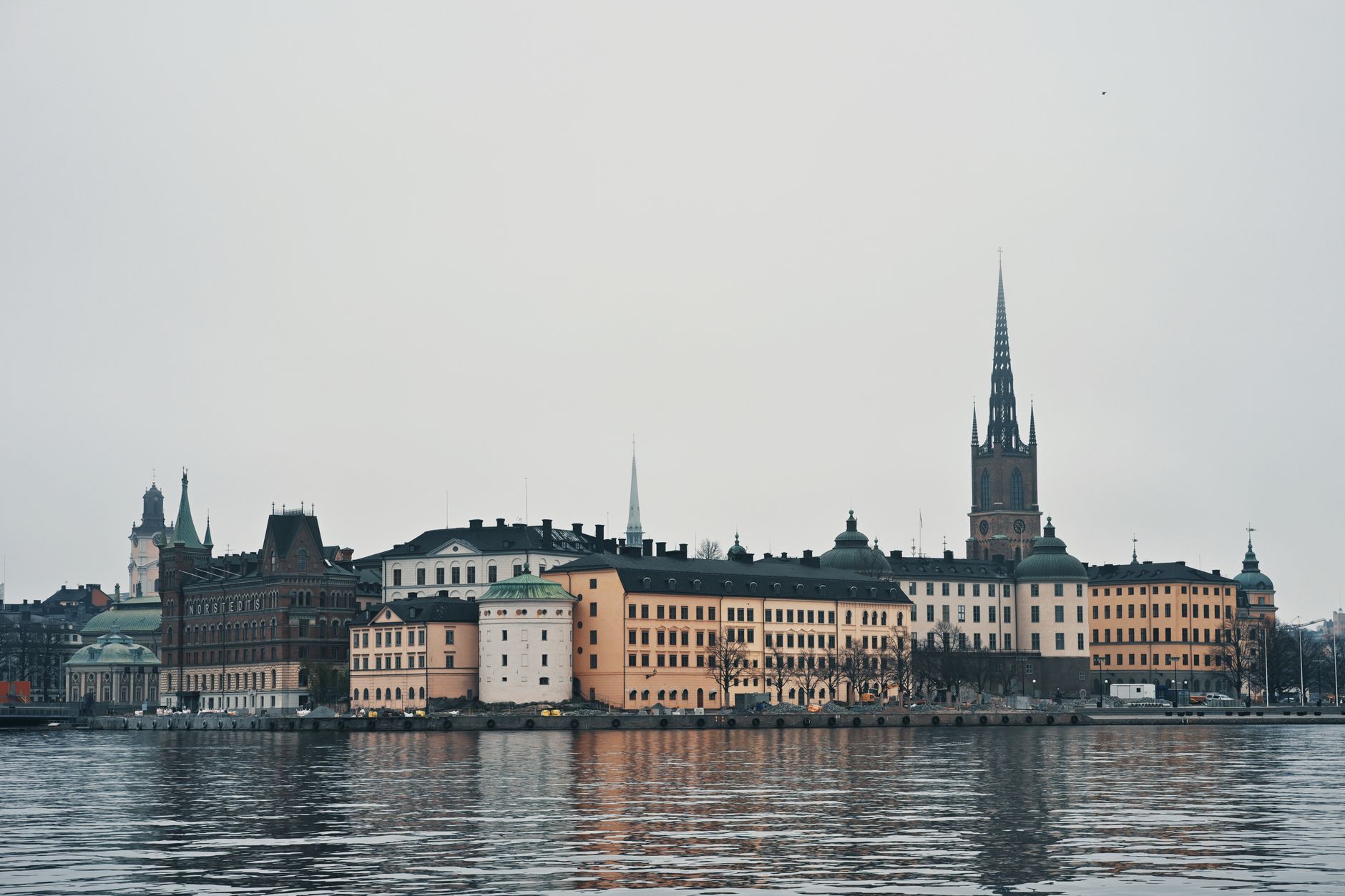
- Neighborhoods and flow: Gamla Stan (old town) is compact and highly walkable; Norrmalm is the commercial hub around T‑Centralen; Södermalm is residential and good for walking, cafés and independent shops; Östermalm hosts the food hall (Östermalms Saluhall) and museums on Narvavägen; Djurgården is a low-traffic park island with museums accessible by ferry or tram.
- Seasonal patterns:
- Summer (Jun–Aug): long daylight, crowded central sites, higher bike availability; book ferries and popular museum entries in advance.
- Shoulder seasons (May, Sep–Oct): milder crowds and better prices — ideal for low-impact travel.
- Winter (Nov–Mar): few daylight hours, icy sidewalks; allow more time for transfers and use studded shoes.
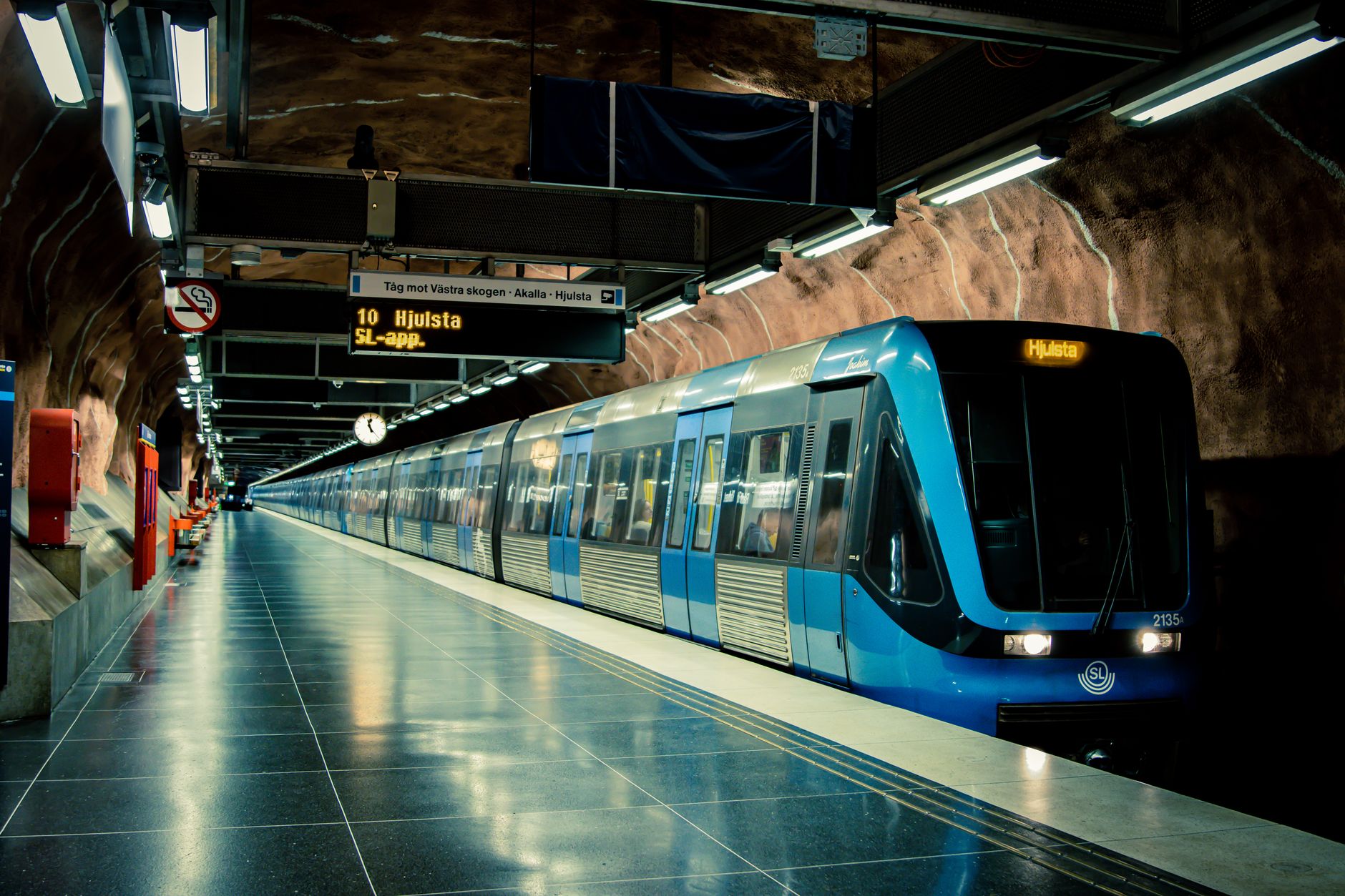
- Transport realities: The Tunnelbana (metro) is fast for cross-island trips; commuter trains (Pendeltåg) serve suburbs and regional connections. SL ticket inspectors do random checks; fines are steep — always validate or carry a mobile ticket.
- Local etiquette: keep phone conversations quiet on public transport, stand to the right on escalators, yield priority seats, and tip service staff only for exceptional service (service charges are not customary).
How to Choose Well
Step-by-step decision guide for your 3-day trip:
1. Map your days from the 3 days in Stockholm itinerary. List how many metro/ bus/ferry rides each day requires.
2. Compare costs: add single fares vs 24/72-hour travelcards in the SL app. For heavy central sightseeing, travelcards save time and often money.
3. For airport legs, weigh time vs price:
– If you have tight connections, take Arlanda Express.
– If you prefer budget and lower carbon, take Flygbussarna or regional train+bus options.
4. Choose low-impact last-mile options: walk or rent a city bike for short hops, reserve taxis only when public transport is impractical (late-night or heavy luggage).
5. For day trips: pick trains or overnight ferries rather than flights. For Gothenburg or Malmö, book SJ early. For Finland, overnight ferries to Turku/Helsinki fit well with slow-travel plans.
Booking tips:
– Buy SL tickets via the official app or SL Access for best interoperability.
– Reserve long-distance trains and cabins in advance, especially in summer and around Swedish holidays.
– Keep digital and printed confirmations accessible on your phone.
Responsible and Local-First Tips
Support neighborhoods and reduce impact:
- Use public transport and ferries, which are well-integrated and low-emission per passenger.
- Eat at local cafés and food markets (Östermalms Saluhall, Södermalm markets) rather than chain outlets; buy pastries or fika from small bakeries.
- Choose small, family-run boat operators for archipelago trips when possible; they spread tourist income across islands.
- Travel in shoulder seasons to avoid overtourism pressure in historic areas like Gamla Stan and Djurgården.
- Carry reusable items (bottle, bag, cutlery) and use refill stations and tap water (potable across Stockholm).
- If renting a bike or scooter, park respectfully and follow bike lanes; lock bikes in designated racks to benefit local residents.

Common Mistakes to Avoid
Practical pitfalls many travelers make:
- Not validating tickets: inspectors operate frequently and fines are high.
- Over-relying on taxis in the city center — they are expensive and often unnecessary given SL coverage.
- Underestimating walking times between islands and attractions — 10–30 minute walks are common between popular sites.
- Booking last-minute long-distance connections: trains and ferries fill up in summer and around holidays.
- Ignoring seasonal needs: winter footwear and daylight planning are essential for comfort and safety.
- Treating hop-on hop-off buses as a single solution — public transport plus walking usually gives better local experiences and supports nearby businesses.
FAQ
What ticket should I buy for a 3-day visit?
For most 3-day itineraries, a 72-hour SL travelcard provides convenience and cost predictability. If your days include long intercity legs (Arlanda or Gothenburg), calculate those fares separately — sometimes individual tickets plus a 24-hour card are cheaper.
Is Arlanda Express worth it?
Arlanda Express is the fastest option to Arlanda (~20 minutes) and good if time is tight. For lower cost and lower carbon footprint, Flygbussarna coaches or regional trains plus bus are better. Book any transfer in advance during peak travel periods.
Can I use contactless payment on Stockholm public transport?
Yes — SL accepts mobile tickets via the SL app and many services accept contactless cards. Buying via the SL app or the official SL Access card avoids lines and works across metro, bus, tram and local ferries.
How do I get to the Åland islands or Turku?
Overnight ferries depart from Stadsgården and Värtahamnen (check Viking Line, Tallink). Ferries to Turku are practical for low-impact travel to Finland; book cabins in advance in summer.
Are bikes and scooters safe to use?
Summer bike lanes are extensive, especially on Södermalm and Östermalm. Use reputable rental schemes, wear a helmet if you feel safer, observe local bike etiquette, and avoid scooters on pedestrian-heavy cobbles in Gamla Stan.
Can I rely on English on public transport and signage?
Most signs and staff in central Stockholm speak English, but carrying maps and the SL app helps in outer suburbs and regional stations.
Conclusion
Plan around SL for city mobility, favor walking and local businesses, and pick trains or ferries for longer trips to Gothenburg, Malmö or Finland to reduce emissions and support regional economies. Use the 3 days in Stockholm itinerary to map each day’s transport needs, buy the right ticket in advance, and choose low-impact day trips that fit your schedule. If you want specific route suggestions for a day in Södermalm or a ferry-based half-day to Djurgården, consult the 3 days in Stockholm companion page or ask for tailored routing.
How this guide was prepared
This guide was prepared through a structured research that combines destination research, geographic context, itinerary planning logic, and content review.