
3 Days in Ubud: A Practical Itinerary
Experience culture, rice terraces and wellness in Ubud over 3 days. Practical itinerary, top sights, food tips and transport advice for a perfect weekend…
Ubud is a compact hill town framed by rice terraces, rivers and a thriving arts scene. It suits travelers who want a mix of culture, slow-paced nature, wellness and good food: couples, solo travelers who love yoga or art, and photographers. Three days is ideal because you can explore the central temples and markets, walk the Campuhan ridge, visit Tegallalang and a waterfall, and still fit a spa or sunrise trek without rushing. The itinerary below balances iconic sights with local experiences and leaves time to linger in cafés and galleries.
Why Visit
A creative and spiritual hub with accessible rural scenery. Expect galleries, traditional dance, healing spas and street-food warungs alongside verdant paddies. The town manages to feel both tourist-friendly and authentically Balinese in rituals and crafts. Highlights are close together, so you can switch between temple visits and lazy afternoons in coffee shops.
Quick Planning Tips
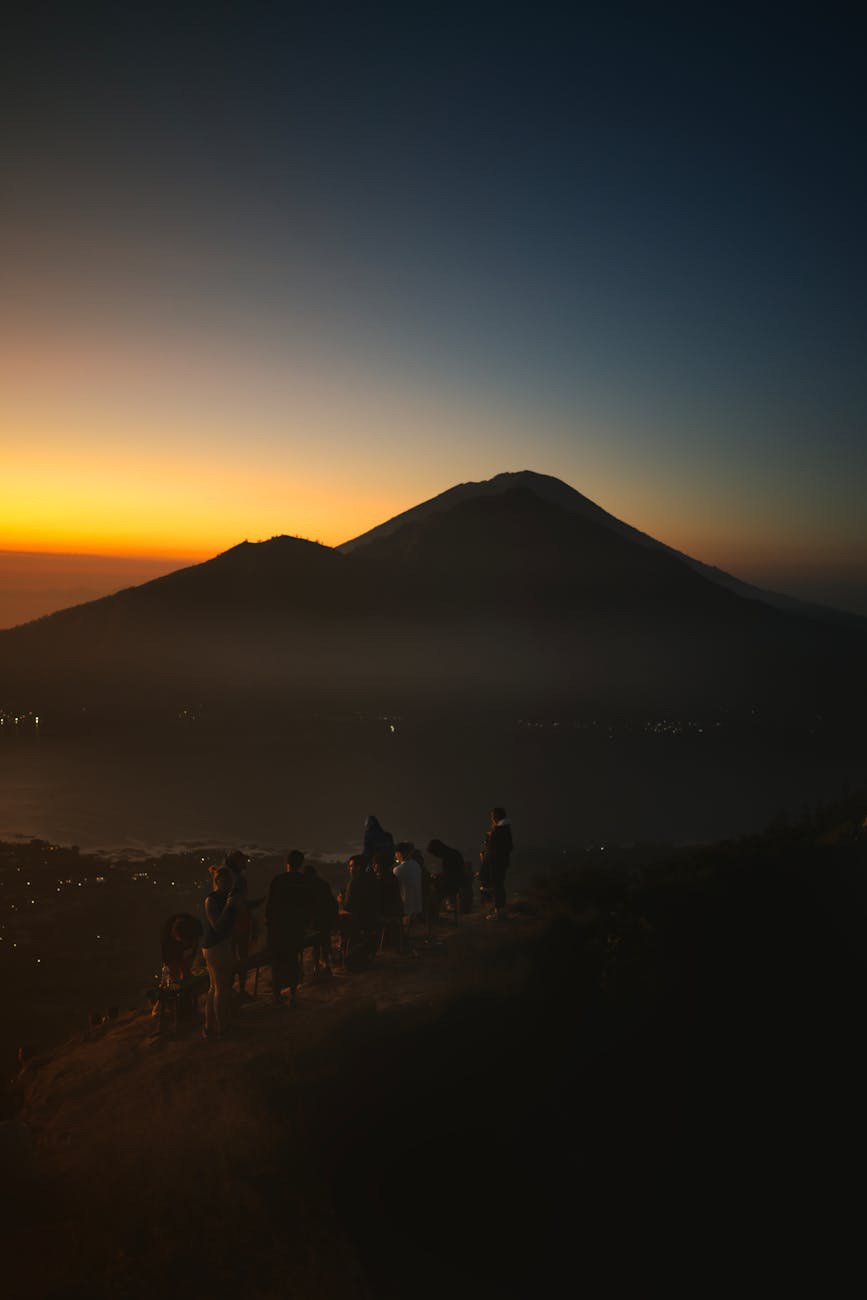
Base yourself in central neighborhoods like Ubud Centre, Penestanan or nearby Sayan for short transfers. Allow one early-morning for Mount Batur if you want a sunrise trek; otherwise use that time for yoga and a spa day. Book a driver for any full-day loop outside town—prices are commonly negotiated per day. Carry cash for markets, bring reef-safe sunscreen and modest clothing for temples. Download Gojek/Grab and get a local SIM (Telkomsel has best coverage).
Day 1
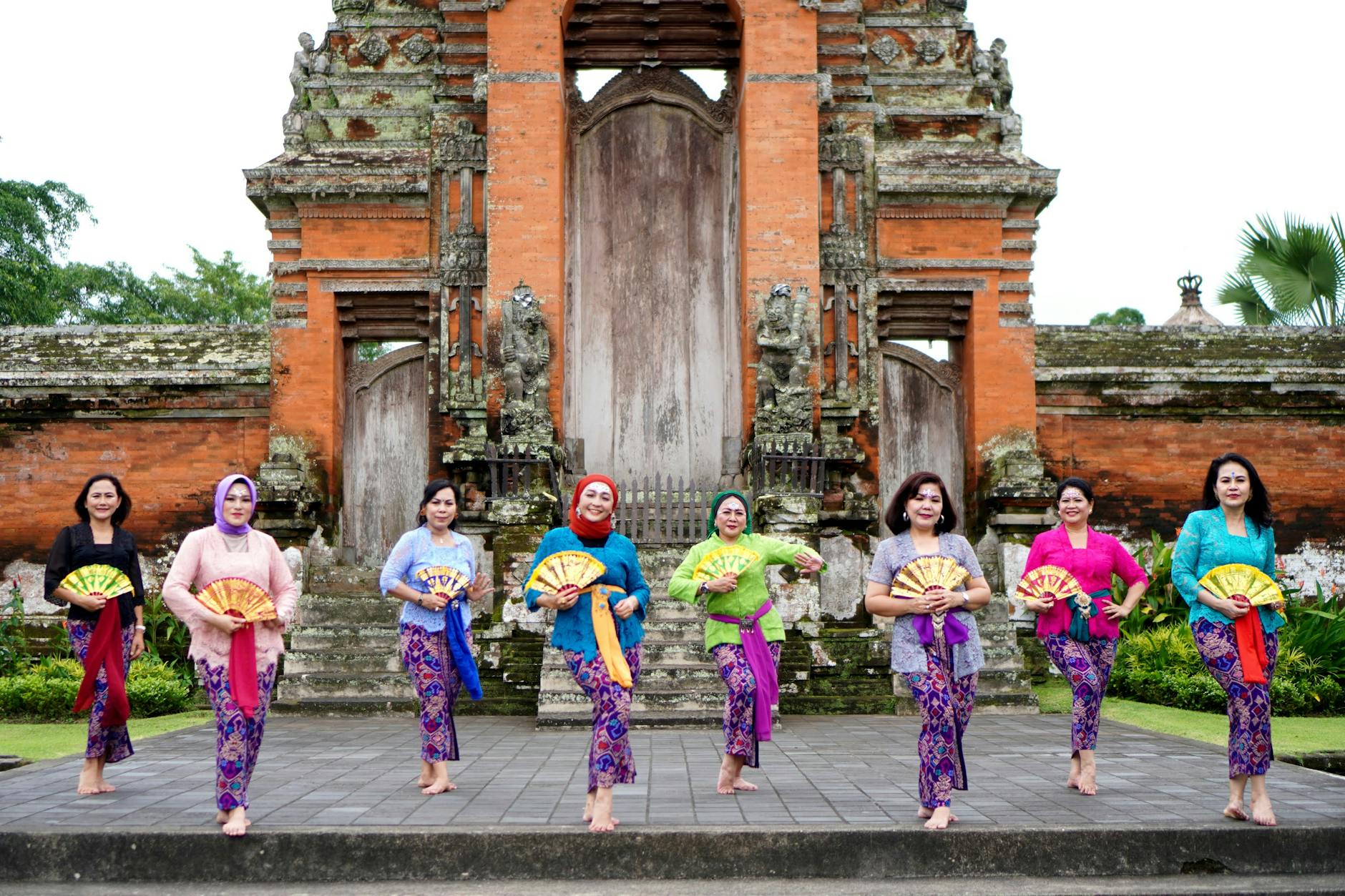
Morning: Start in the town center—visit Ubud Palace, wander the adjacent Ubud Market and grab coffee on Jalan Monkey Forest. Midday: Walk to the Sacred Monkey Forest for a quick visit, then lunch at a nearby warung serving nasi campur or babi guling. Afternoon: Explore Puri Lukisan or Blanco Museum for Balinese art, then stroll to Saraswati Temple and its lotus pond. Evening: Watch a traditional dance performance at the palace and dine on Jalan Raya Ubud’s varied restaurants.

Day 2
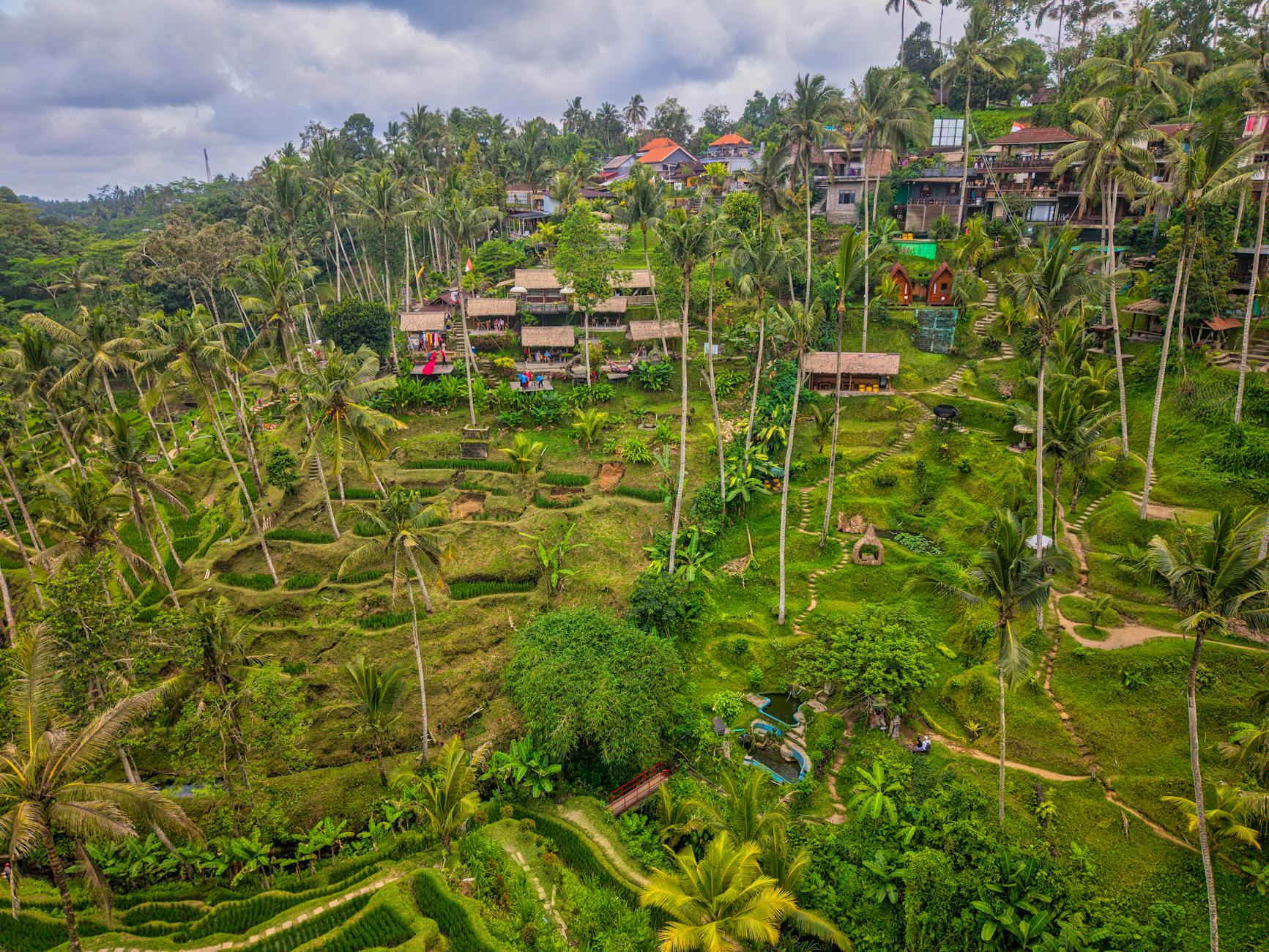
Morning: Head north to Tegallalang Rice Terraces early to avoid crowds; walk the terraces and try a swing photo if you want. Midday: Stop at a roadside café overlooking the paddies for lunch. Afternoon: Visit Goa Gajah and then Tegenungan Waterfall for a swim or viewpoints. Evening: Return to town for a relaxed dinner and consider a Balinese massage to recover from walking.
Day 3
Option A (active): Pre-dawn transfer for a Mount Batur sunrise trek, followed by hot springs or a coffee stop on the way back. Option B (relaxed): Take a Balinese cooking class, visit local coffee plantations and spend the afternoon in a yoga studio. Either way, finish your day with a sunset walk on Campuhan Ridge and a final dinner at a farm-to-table restaurant in Penestanan.
Best Local Experiences
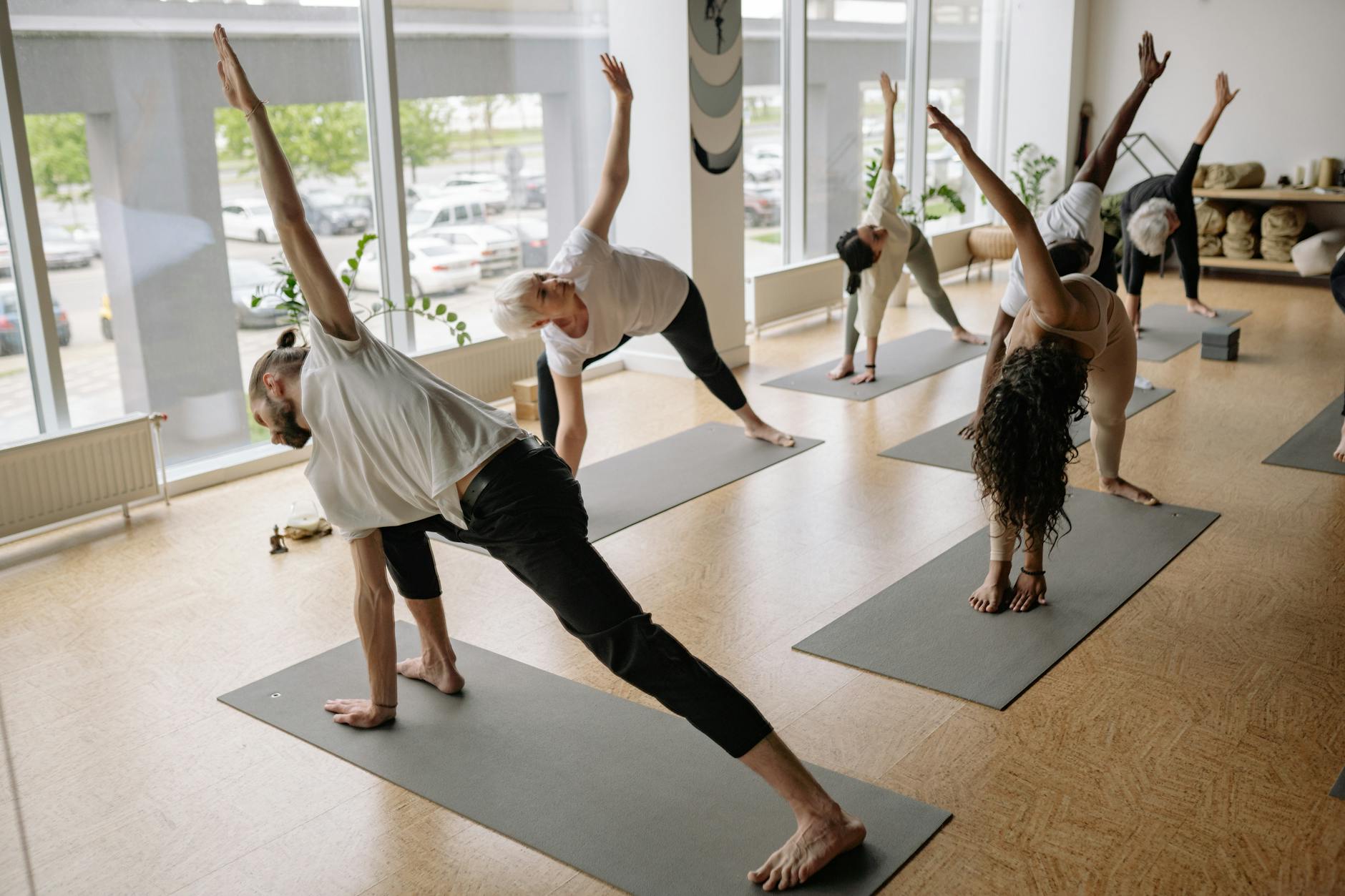
Attend a traditional dance performance at the palace. Try a morning yoga flow—many studios offer drop-ins and open-air classes. Take a Balinese cooking class that includes a market visit. Book a local guide for rice-terrace walks and cultural explanations. Visit a coffee or cacao farm to taste local luwak coffee and learn production methods. Schedule a spa treatment with Balinese massage and natural oils to unwind.
Where to Stay
Ubud Centre: best for easy access to shops, restaurants and evening performances. Penestanan: quieter, artsy lane-side cafes and rice-field views. Sayan: boutique resorts and river valley views if you want luxury and tranquility. Aim to book within 10–20 minutes by scooter from the center to minimize transfers. If you plan an early Mount Batur start, confirm pickup times with your accommodation.
Food and Drink
Must-try dishes: nasi campur, babi guling (in pork-friendly places), sate lilit, and lawar. Cafés serve strong Balinese kopi and modern brunch dishes. For markets and street food, explore Jalan Raya Ubud and the market lanes near the palace. For fine dining, book ahead at farm-to-table restaurants in Penestanan or Sayan. Don’t miss local snacks like jaja and fresh coconut water sold by roadside stalls.
Getting Around
The town center is very walkable; wear comfortable shoes for uneven paths. Rent a scooter if you’re confident—always use a helmet and be cautious on narrow roads. For day trips, hire a private driver or use organized tours; drivers are affordable and save time. Ride-hailing apps (Gojek/Grab) operate here for short hops. Expect some traffic on main roads; plan extra time for afternoon returns.
Best Time to Visit
Dry season (April to October) is best for trekking, terraces and outdoor activities. July–August are busiest; visit April–June or September for fewer crowds and good weather. Be aware of local holidays like Galungan and Nyepi which affect opening hours; Nyepi is a full day of silence when many services close but it’s a unique cultural experience.
Budget and Practical Tips
Currency is Indonesian rupiah; ATMs are available in town but carry cash for markets. Bargain gently at stalls; fixed prices are common in cafés. Temple visits require a sarong and modest dress—many temples loan or rent sarongs at the entrance. Tipping is appreciated but not mandatory. Bring insect repellent, a reusable water bottle with a filter or buy sealed bottles, and adaptors for 230V plugs (types C/F).
FAQ
Is 3 days enough to see the highlights?
Yes. Three days covers central temples, the market, Campuhan Ridge, Tegallalang and a nearby waterfall or a Mount Batur sunrise if you plan efficiently.
How do I get to the town from Denpasar or the airport?
Book a private transfer, a taxi, or an app-based ride. Transfers typically take 1–1.5 hours depending on traffic.
Can I rent a scooter and is it safe?
Yes, scooters are commonly rented. It’s safe if you have experience—wear a helmet, carry an international license where required, and drive cautiously.
Are there vegetarian and vegan options?
Plenty. Ubud is well known for health cafés, vegan restaurants and organic markets.
Do I need to book attractions in advance?
Most sites allow walk-ins but book special activities like Mount Batur treks, cooking classes and popular restaurants ahead on busy dates.
Is it family-friendly?
Yes. Many hotels and activities are family-friendly; choose calmer areas and check trekking difficulty for kids.
What about health and safety?
Use mosquito repellent, avoid drinking tap water, and check travel insurance for adventure activities.
Conclusion
Three days here gives a perfect mix of art, ritual, nature and relaxation. Move at a local pace: see a few key sights, take a day trip, and leave time for yoga, cafés and a spa. With compact distances and friendly local guides, you’ll leave refreshed and with a clear sense of island culture.