
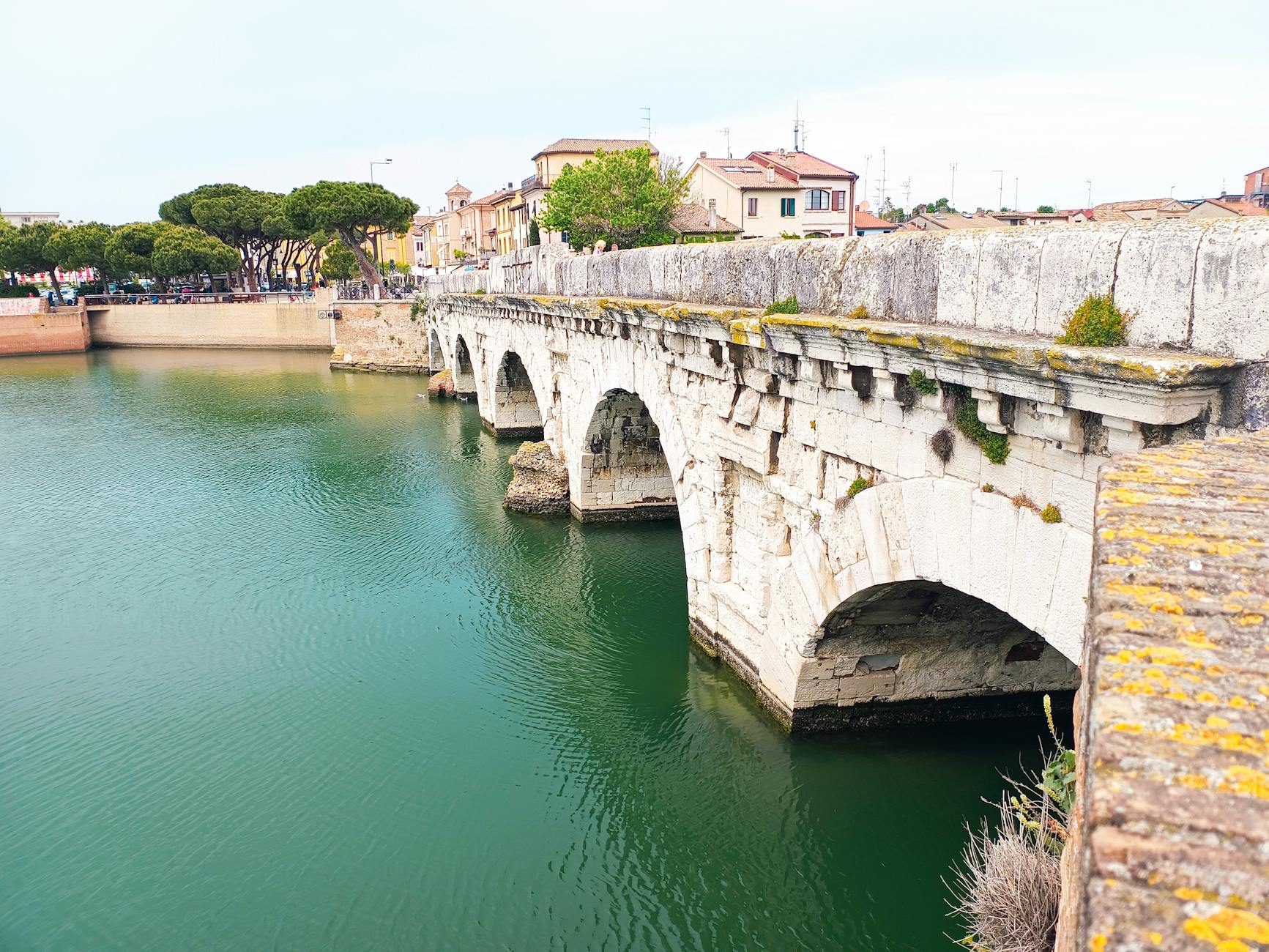
3 Days in Rimini: Seaside Strolls, Malatesta Art, and Piadina Perfected
3-day Rimini itinerary: seaside days, historic centre, piadina and seafood, plus easy day trips to Ravenna and Riccione. Practical tips, neighborhoods, and…
This compact Adriatic city is a classic mix of wide sandy beaches, a small medieval core, and a lively waterfront — sun, history, and food in easy reach. It suits travelers who want a balanced weekend of beach time and cultural sightseeing: couples, families, and solo explorers who like walking and short day trips. Three days works well because the main monuments and museums sit close together, the seafront is walkable, and you can reserve one day for a nearby town. With two full days to split between historic centre and coast, plus one day for a museum, market and a short excursion, you’ll see the highlights without rushing.
Why Visit
Expect a seaside city with Roman and Renaissance layers, lively beach culture, and a strong food identity. The historic centre offers narrow streets, Malatesta art and a compact museum scene; the waterfront provides wide promenades, seafood restaurants and classic Italian bathing clubs. It's a less crowded alternative to the bigger tourist hubs while still offering direct train connections and an airport. Come for the piadina and fresh Adriatic fish, stay for easy day trips to nearby towns and mosaics.
Quick Planning Tips
Book seafront accommodation early in summer; July–August fills up fast. Pack swimwear and comfortable walking shoes for cobblestones. A small city map or phone app helps navigate between Marina Centro and the historic core. Check museum opening hours in advance—some close one afternoon a week—and bring cash for smaller beach kiosks. Trains and local buses link the station, airport and neighbouring towns; most key sights are walkable from the station.
Day 1
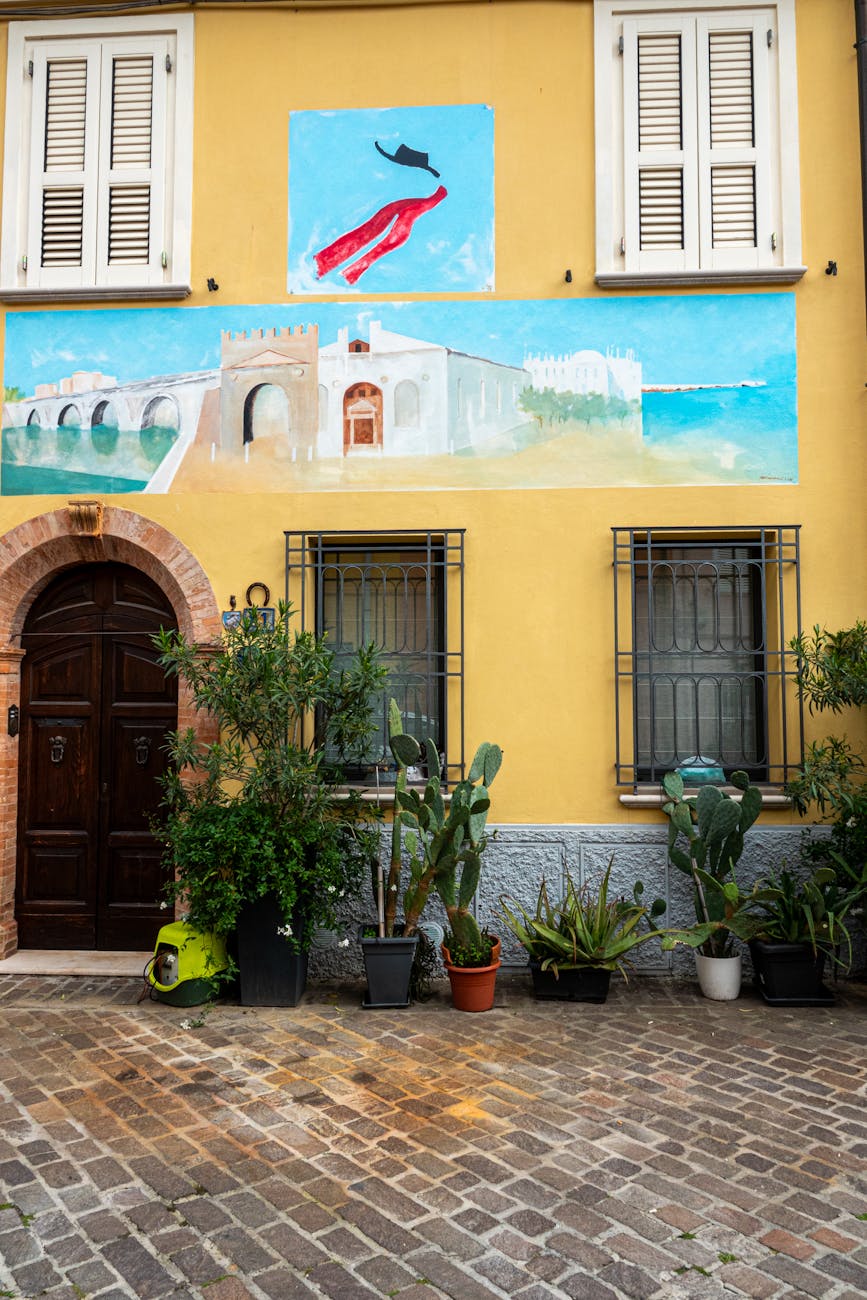
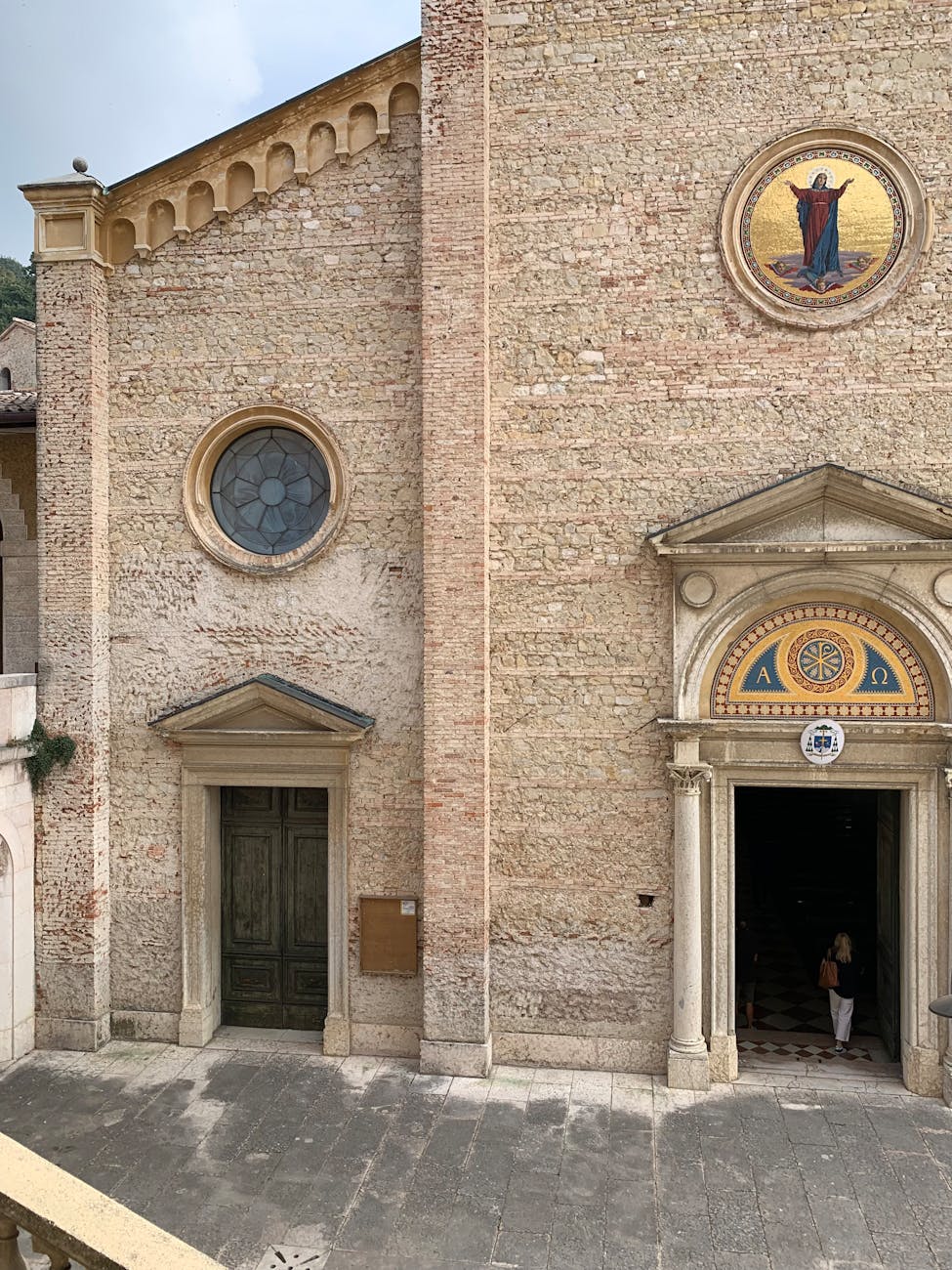
Morning: Start at the train station and walk to the Arch of Augustus, then follow the pedestrian lanes to Piazza Cavour. Coffee at a café overlooking the square. Midday: Explore the Tempio Malatestiano and Castel Sismondo — allow time for photos and the archaeological sections. Lunch: Try a piadina from a well-reviewed shop in the historic centre. Afternoon: Stroll to Borgo San Giuliano to see painted façades and Fellini-related spots; end the afternoon along the Lungomare at Marina Centro. Evening: Seafront dinner — seafood or grilled fish — and a sunset walk on the promenade.
Day 2
Morning: Reserve a museum visit (Museo della Città and Domus del Chirurgo) to see Roman finds and local history. Late morning: Market browsing — pick up local cheese, olive oil and piadina fillings. Lunch: Eat at a trattoria in the Centro Storico. Afternoon: Beach time at a stabilimento (private bathing club) for sunbeds and service, or choose a free stretch if you prefer. Optional: Rent a bike and cycle parts of the seafront. Evening: Aperitivo along the canal or seafood restaurants in Marina Centro; try the local spritz and cicchetti.
Day 3
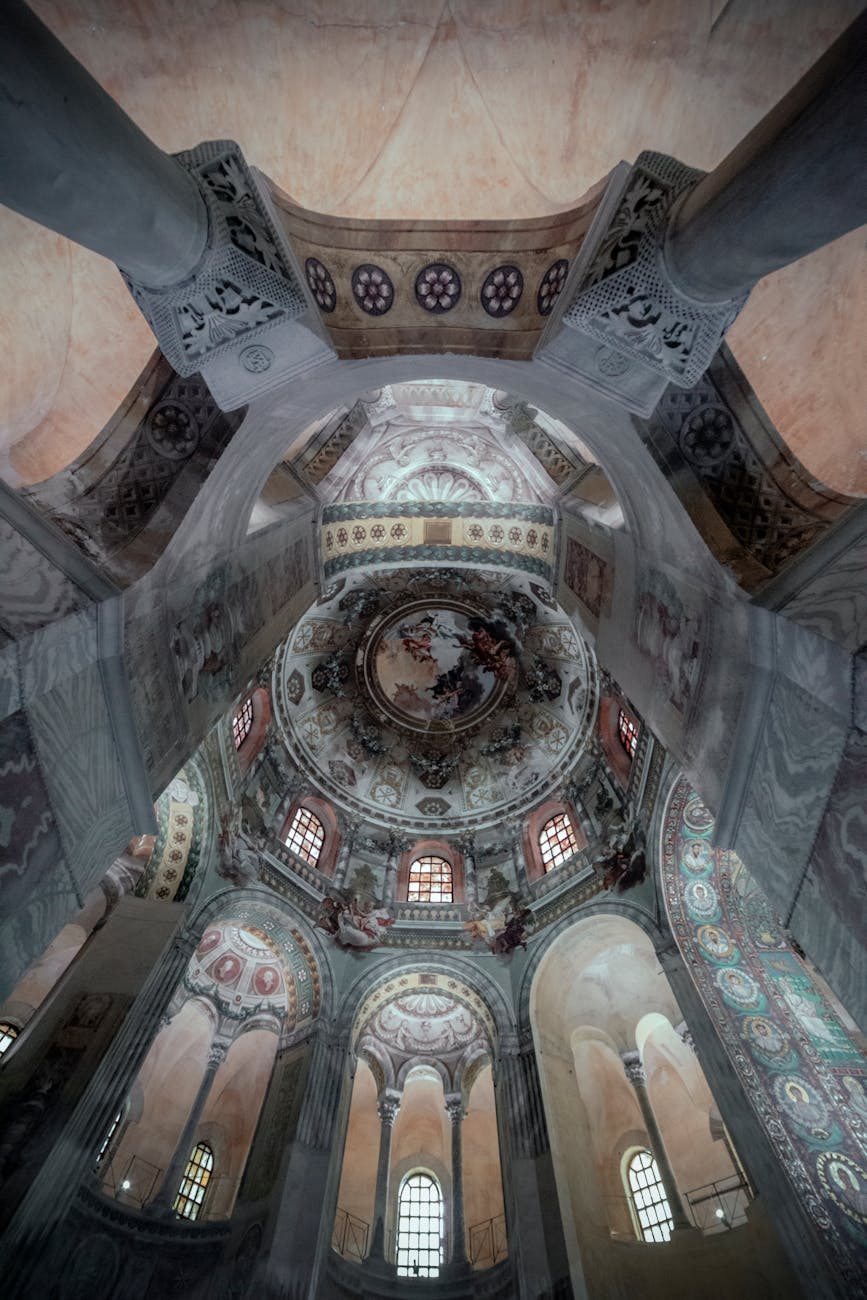
Plan a day trip: Ravenna is a 30–40 minute train ride for world-class mosaics and early-Christian monuments. Alternatively, hop to Riccione or Cattolica for another beach vibe, or Cesenatico for its historic canal and fishing museum. Morning: early train to Ravenna to beat crowds, visit Basilica di San Vitale and Mausoleum of Galla Placidia. Lunch: sample seafood near the marina in your chosen day-trip town. Afternoon: return for a relaxed final stroll, pick up any souvenirs in the old town or last gelato before departure.
Best Local Experiences
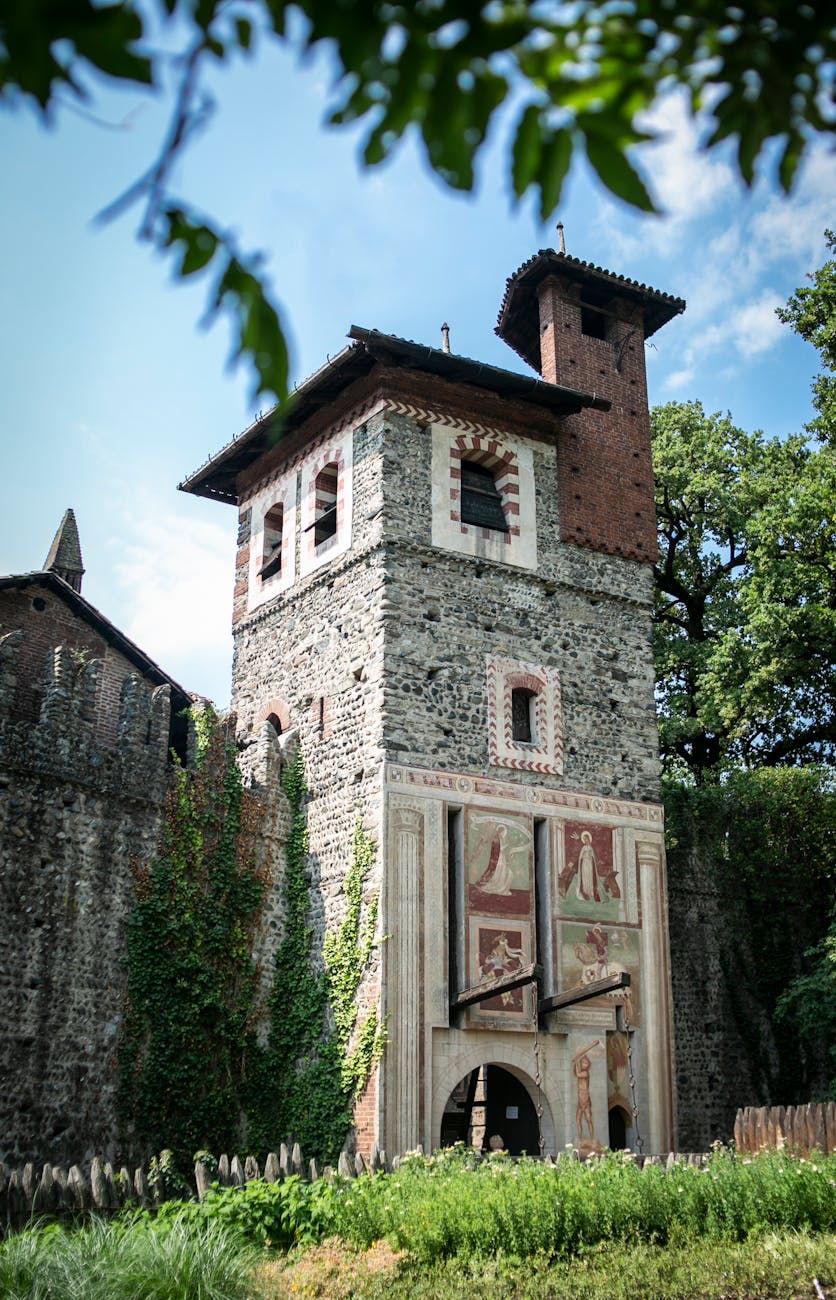
Walk Borgo San Giuliano's painted alleys and see Fellini references. Spend an evening on the Lungomare for people-watching and classic beach club culture. Eat piadina Romagnola stuffed with local cured meats, squacquerone cheese and rocket. Visit the archaeological displays and the Domus del Chirurgo for a glimpse into Roman life. Time a visit for Notte Rosa (Pink Night) in early July if you enjoy lively festivals and fireworks. Try the seafood at a family-run osteria away from the seafront for authentic flavours.
Where to Stay
Marina Centro: best for beach access and seafront promenades; several iconic hotels and evening life. Centro Storico: choose this for walks to monuments, cafés, and museums — quieter at night. Borgo San Giuliano: boutique guesthouses and a charming, local atmosphere near the river. Book a hotel near the train station if you plan early trains to Ravenna or day trips. In high season, check cancellation policies and whether the rate includes beach service if you want a stabilimento spot.
Food and Drink
Piadina is the must-eat flatbread — try traditional fillings from street stalls or dedicated shops. Fresh Adriatic seafood dominates menus: brodetto (fish stew) and grilled catches are local favorites. For breakfast, sample a brioche and espresso at a bar in Piazza Cavour. Evenings call for aperitivo on the Lungomare or canal-side spritzes. Look for family-run osterie off the main drag for better prices and regional dishes. Finish with gelato from a respected gelateria; many use local fruit and cream.
Getting Around
The town is compact and highly walkable between the historic centre and the beach. Federico Fellini Airport (RMI) is close by; taxis and local shuttles connect it to the station. Trains link to Bologna, Ancona and Ravenna — use regional services for short trips. Local buses cover the wider coast; buy and validate tickets before boarding. Bike rentals are plentiful along the Lungomare for comfortable cycling. Taxis are available but keep a note of your destination in Italian or use a rideshare app where accepted.
Best Time to Visit
Late spring (May–June) and early autumn (September) offer warm beach days, thinner crowds and open restaurants. Peak summer (July–August) delivers full beach life, festivals and long evenings but higher prices and busy streets. For museums and city walking, April–June and September are ideal. If you want festival atmosphere, plan around Notte Rosa in early July; expect lively waterfront events and extended opening hours that weekend.
Budget and Practical Tips
Carry some euros for small kiosks and beach services — cards are widely accepted but not universal on the sand. If you plan to use a stabilimento, expect a daily fee for sunbeds and umbrellas; free beach stretches are also available. Buy train tickets in advance for day trips in high season. Museums often offer combined tickets; check online for reduced fares. Be mindful of pickpockets in crowded areas and keep travel documents secure. Learn a few Italian phrases — staff appreciate it and responses are friendlier.
FAQ
Is three days enough to see the highlights?
Yes. Three days covers the historic core, a beach morning or afternoon, and one easy day trip to Ravenna or a nearby coastal town.
How do I get to the town from the airport?
Federico Fellini Airport is a short taxi or shuttle ride; there are also local buses linking the airport with the train station and seafront.
Are the beaches free?
Both options exist: private stabilimenti charge for sunbeds and services, while public stretches are free but offer fewer facilities.
Can I visit Ravenna in a day?
Absolutely; regional trains take about 30–40 minutes and allow time to see the main mosaics and basilicas.
What should I eat?
Try piadina Romagnola, fresh Adriatic seafood dishes like brodetto, and local desserts with seasonal fruit.
Is it family-friendly?
Yes. Shallow beaches, family hotels, and easy transport make it a good choice for parents with children.
Conclusion
Three days in this Adriatic town balance beach relaxation and cultural discovery without frantic travel. Take your time over piadina, walk the historic lanes, enjoy a sunset on the Lungomare and slot in a nearby day trip. With compact distances, reliable transport and a mix of lively and quiet areas, it’s an excellent choice for a short Italian escape that feels both relaxed and rewarding.