
3-Day Practical Guide to Dalian, China: Itinerary & Costs
A no-nonsense 3-day plan for Dalian covering transit, neighbourhood-based days, seafood tips, realistic budgets, and what to skip.
Three days gives a clear, neighbourhood-focused view: central squares and seafood on day one, coastal roads and parks on day two, and a market-plus-beach day three with a quick transit note for departures.
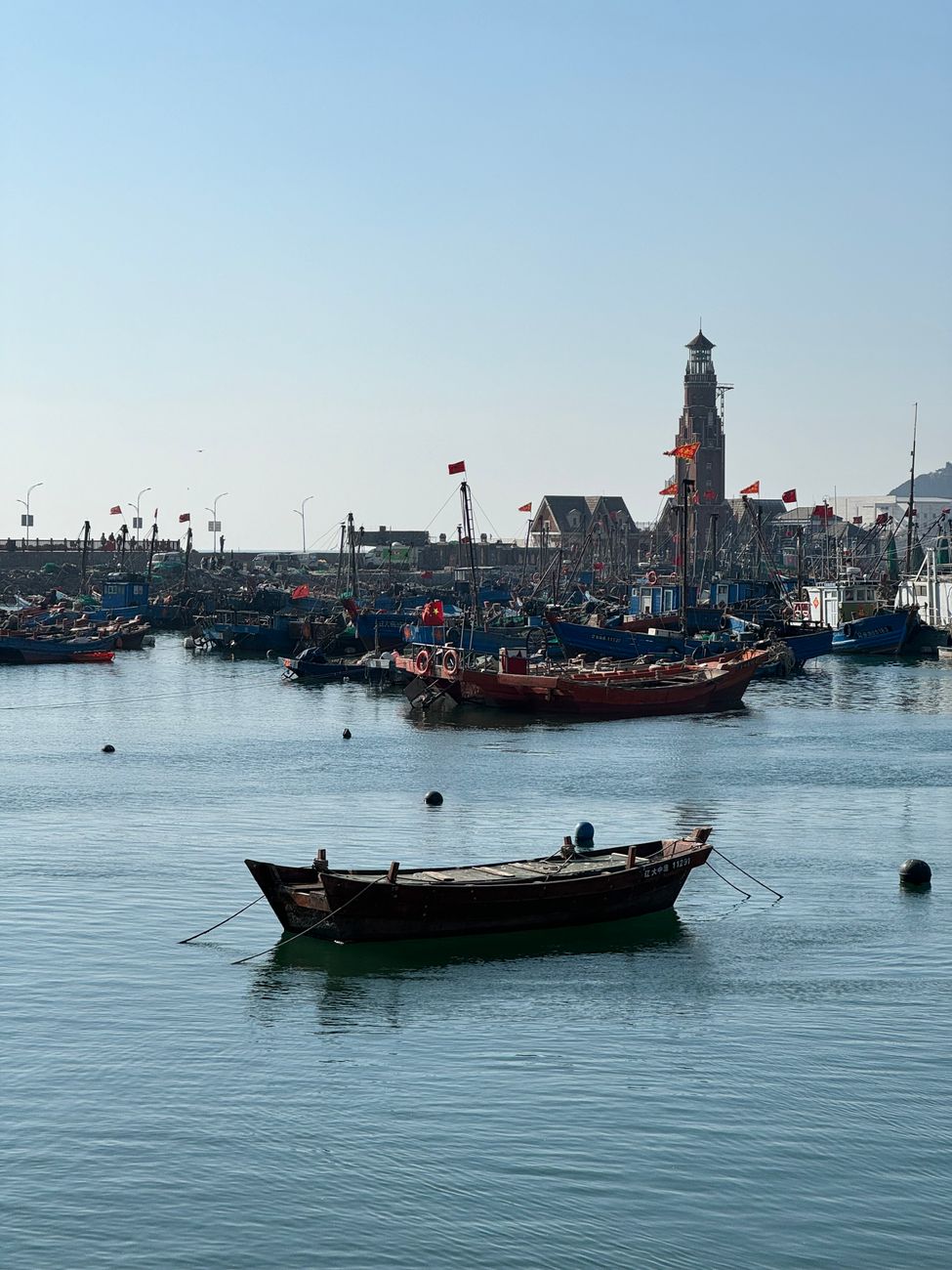
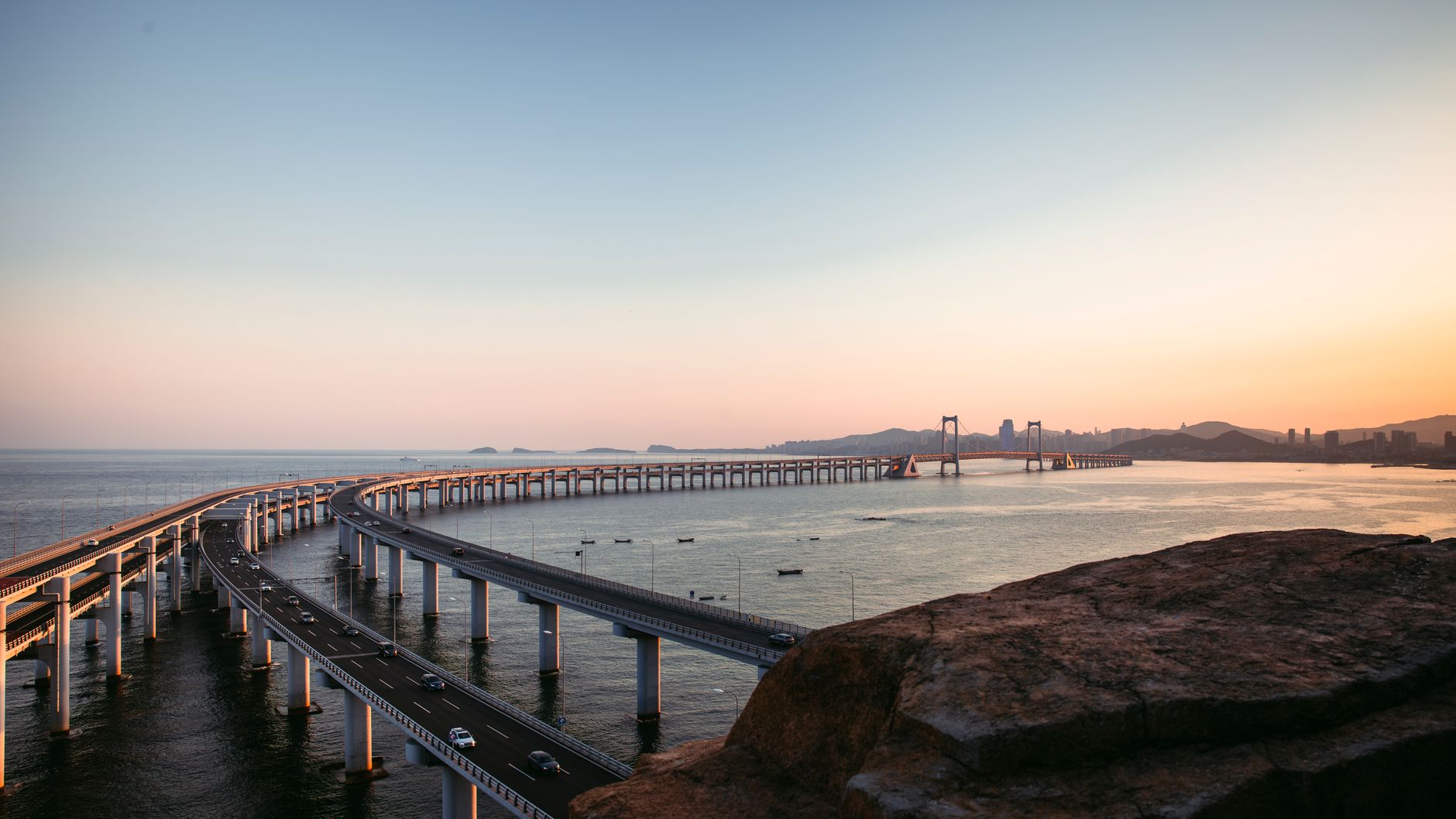
This city feels like a working coastal metropolis where seafood markets and a long seaside road shape daily life. The first impression is wind, wide skies over the bay, and a mix of Soviet-era architecture, modern high-rises, and leisure areas that open to the sea.
Expect more local routines than tourist theatre: people jog the seawall, older residents practice tai chi at dawn, and restaurants turn fresh catches into lunchtime crowds. Visitors often arrive having seen mostly photos of Xinghai Square or Tiger Beach and are surprised by how much of the experience depends on walking short stretches of coastline and moving between separated neighbourhoods rather than seeing everything on one dense street.
This guide suits travellers who prefer a measured pace—two neighbourhood days plus one flexible half-day for departure logistics or a beach visit. It is less well suited to museum-only travellers or to those who want to day-trip to multiple distant cities in the same 72 hours.
Is 3 days in Dalian enough?
Yes—three days is enough to see the city's main coastal highlights (Xinghai Square, Binhai Road, Laohutan) and visit one nearby beach or park like Jinshitan. Caveat: this schedule skips deeper exploration of Lüshunkou (Port Arthur) or multiple day trips to inland cities.
Who This Guide Is For
Best for travellers who like coastal walks, seafood, and compact urban itineraries; less suitable for people wanting museum-heavy schedules or long inland excursions on the same trip.
Local Tips for Dalian
Practical details that most travel sites skip — specific to Dalian.
- Buy and top up a 大连通 (Dalian Tong) IC card at metro station service counters; it works on metro lines and most city buses and avoids repeated cash fares.
- Light-rail Line 3 connects downtown to Jinshitan (Golden Pebble Beach); the trip takes roughly 45–60 minutes from central stations and rewards travellers with coastal views.
- Xinghai Square is publicly accessible at no charge; for the best sunset photos, stand on the northern seawall along Binhai Road rather than in the crowded central plaza.
- Laohutan (Tiger Beach) Ocean Park charges around ¥160–¥220 for the main aquarium gate depending on season; buy online two days ahead to skip ticket-office lines on weekends.
- If arriving at Dalian Zhoushuizi International Airport (DLC), the fastest taxi into central Xianglujiao or Zhongshan Square runs about ¥60–¥100 depending on traffic and time of day.
How This Guide Was Prepared
This guide treats Dalian as a coastal, working port city with a strong seafood culture and a coastal road that defines much of the visitor experience. Many guides over-focus on one square or the aquarium; this plan arranges time by neighbourhoods and transit realities so travelers can actually move between attractions without squeezing everything into a single, exhausting day. This guide was prepared through a structured research that combines destination research, geographic context, itinerary planning logic, and content review.
Plan Your Stay in Dalian
Use this itinerary as your starting point, then compare areas to stay, transport options, seasonal timing, and realistic daily costs before booking.
Why Visit
Coastal walks and views that change with the wind: a long stretch of seawall, Binhai Road, and multiple public plazas provide scenery without museum queues. A seafood culture that is both affordable and immediate: fish markets and shore-side grills serve day-caught shellfish and scallops at local prices.
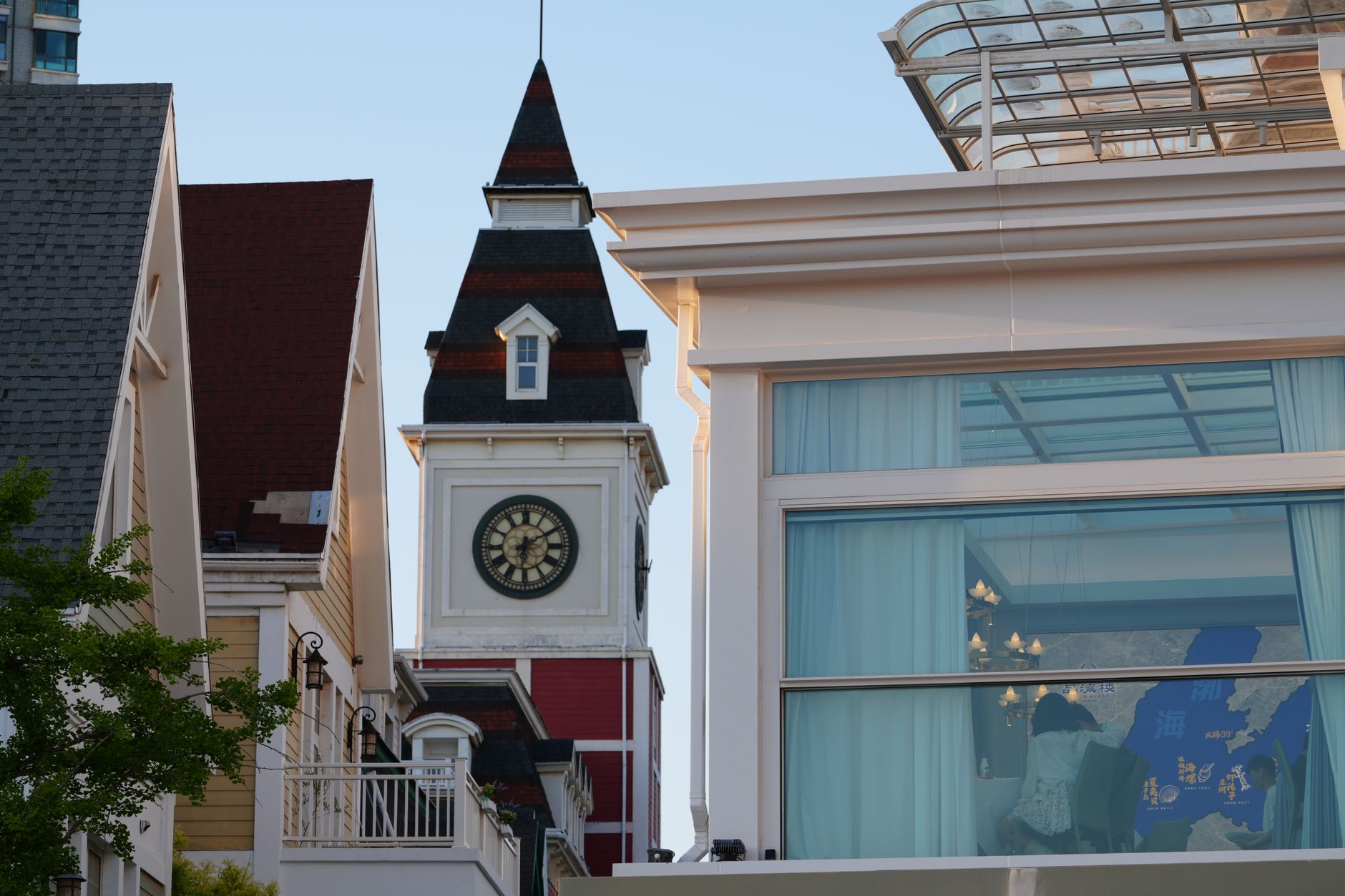
Distinctive Soviet-era and early-20th-century architecture around Zhongshan Square gives an urban feel different from inland cities; this is where street life and old banking buildings meet modern retail. Easy single-day outings: light-rail Line 3 to Jinshitan for geological coastline and sand sculptures, or a short drive to Bangchuidao for rocky headlands and quieter beaches.
Practical transit and compact neighbourhoods make a tight 72-hour plan realistic: a well-paced itinerary focuses on two or three areas rather than trying to tick every attraction. Many travellers enjoy the contrast between urban squares, aquarium parks and a genuinely coastal road that frames the trip.
Quick Planning Tips
Arrive via Dalian Zhoushuizi International Airport (DLC); the express airport bus lines and taxis serve central districts. Taxis from DLC to Zhongshan Square or central hotels typically cost about ¥60–¥100 depending on traffic; airport express buses are cheaper but slower.
Download a metro map and the official Dalian Metro app or a Chinese transit app that shows Line 3 timetables; mobile payment via WeChat Pay or Alipay is standard at markets and small restaurants. Carry a little cash (¥100–¥200) for market purchases and stalls that display only UnionPay cash stickers.
Avoid booking every activity on weekend afternoons during Chinese holidays; aquarium and coastal-park queues lengthen quickly. Book Laohutan aquarium tickets online two days ahead for weekends, and leave gaps in the schedule for walking along the seaside instead of forcing back-to-back museum visits.
Day 1
Morning: Start at Zhongshan Square to absorb older civic architecture and morning market stalls. Walk time from Zhongshan Square to Qingniwa Bridge shopping strip is about 10–15 minutes; this is a good stretch to pick up SIM cards or cash at a bank ATM on Qingniwa Street.
Late morning: Move to Xinghai Square, a 10–20 minute taxi or 25–35 minute metro ride depending on where the day began. Spend an hour walking the plaza and the northern seawall; vending carts sell grilled squid and corn along the path.
Lunch: Eat seafood at a recommended spot near Xinghai Park—look for restaurants on Xinghai Road offering steamed scallops with garlic (蒜蓉扇贝) for roughly ¥40–¥80 per portion. Expect a 5–10 minute walk from the square to the lunch area.
Afternoon: Walk or taxi down Binhai Road toward Laohutan (Tiger Beach); allow 20–30 minutes by road with multiple photo stops. Visit Laohutan Ocean Park aquariums and polar displays; allocate 2–3 hours. Typical adult entry runs about ¥160–¥220.
Evening: Dinner in the Laohutan area or return to Qingniwa Bridge for more restaurant choices and nightlife bars. For a quieter end to the day, walk the coastal promenade under lights and stop at a seaside tea shop or small bar for brews.

Day 2
Morning: Take Line 3 (light rail) toward Jinshitan (Golden Pebble Beach); expect a 45–60 minute ride from central stations. Golden Pebble Beach is known for unusual rock formations; allow at least two hours to walk the coastline and visit the beach sculptures area.
Lunch: Eat at a local seaside restaurant in the Jinshitan scenic area—look for plates of clams or braised sea cucumber; a shared seafood lunch for two typically costs ¥120–¥250 depending on selection. Some small stalls sell fresh grilled scallops for ¥20–¥40 each.
Afternoon: Return toward the city and stop at Bangchuidao (Bangchui Island) for a contrast: rocky headlands, short cliff walks and quieter beaches. Taxi or tourist shuttle from Jinshitan will take 40–60 minutes back toward Bangchuidao depending on route.
Late afternoon: Visit the Dalian Modern Museum or a local gallery near Qingniwa Bridge for 1–1.5 hours to break up coastal time with indoor displays. Evening: Dinner in Zhongshan District—try a seafood hotpot or a stir-fried razor clam stall. If energy remains, a short night walk along Binhai Road shows different lighting and fewer daytime crowds.

Day 3
Morning: Start at Qingniwa Bridge area for breakfast and last-minute shopping; small noodle shops and soy milk stalls open early near the station. Recommended breakfast is savory soybean milk and fried dough sticks (豆浆油条) paired with a simple xiaolongbao in the market area.
Midday: Head to a local seafood market or dockside vendor to see live catches and buy chilled seafood if carrying onward luggage permits. Suggested markets are near the port and on Rongcheng Road—plan 60–90 minutes to browse and sample raw or prepared items.
If catching an afternoon flight or train: leave the market by early afternoon to allow 60–90 minutes transit to Zhoushuizi Airport or 40–60 minutes to the main railway station, plus check-in time. For those with late flights, spend the afternoon at a nearby beach such as Xinghai Park or a final short walk on the Binhai Road cliffs.
Evening: For departures that are later, consider a final simple dinner near the hotel—seafood fried rice or local stir-fries are reliable and quick. Pack purchased chilled seafood into an insulated bag or consume it before transit to avoid spoilage.
Best Local Experiences
Walk Binhai Road at low tide for changing coastal scenery and local joggers; sections between Xinghai Square and Laohutan are most accessible. Buy a plate of grilled squid (烤鱿鱼) from a street stall near the seawall to eat while walking.
Visit Laohutan Ocean Park for the aquarium and polar animal exhibitions; skip peak holiday weekends or buy timed tickets. Take Line 3 to Jinshitan (Golden Pebble Beach) for unique rock formations and wind-sculpted beaches.
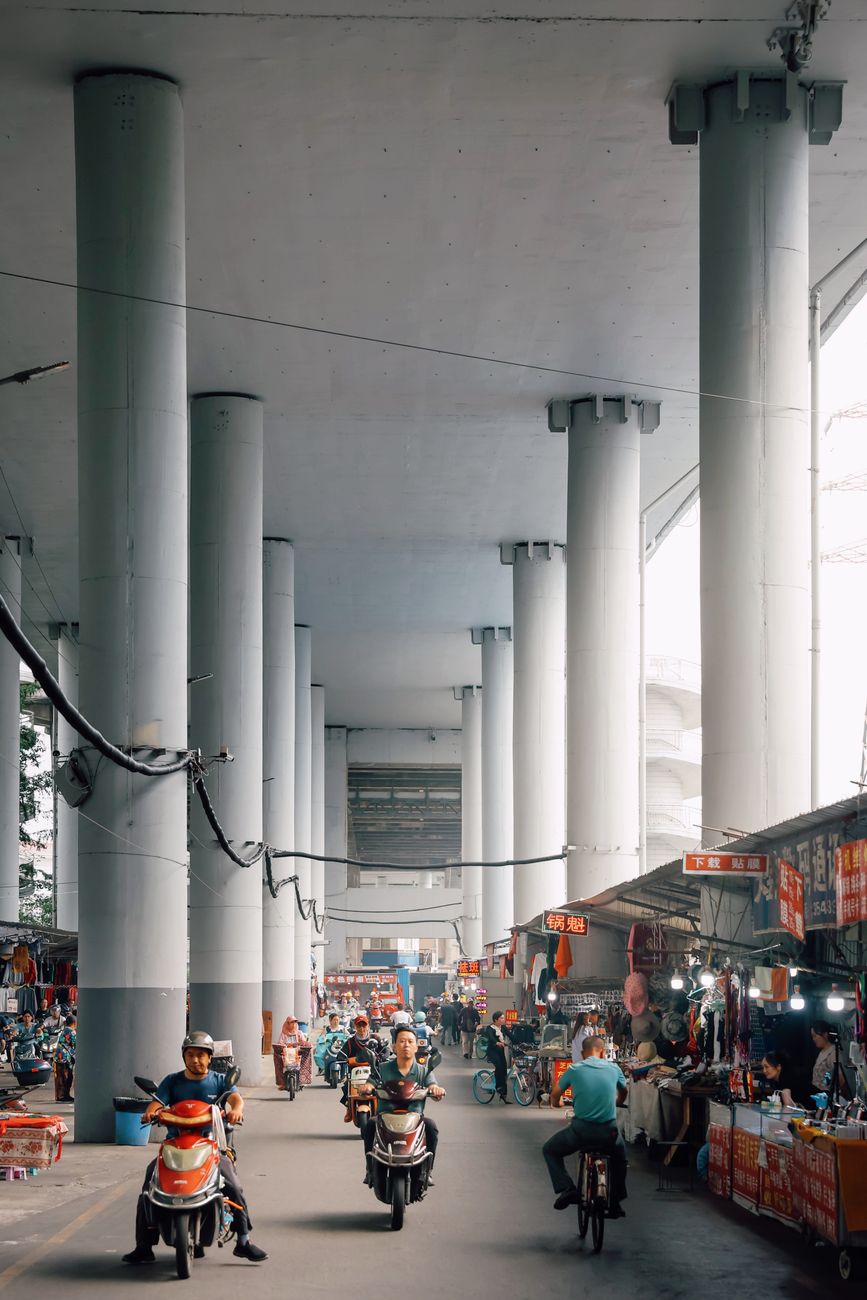
Explore Bangchuidao for quieter cliffs and seaside villages; this is best combined with a late-afternoon visit. Browse the Qingniwa Bridge area for shopping, SIM cards, and late-night noodle stalls frequented by locals.
Find Russian-style buildings and the so-called Russian Style Street near the port to see architectural remnants of earlier foreign influence. Visit a live seafood market early in the morning to watch auctions and sample shellfish at stall counters.
Where to Stay
Zhongshan District: Suits travellers wanting central hotels, easy access to Zhongshan Square and Qingniwa Bridge shopping. Typical nightly rates: budget guesthouses ¥150–¥300, mid-range hotels ¥350–¥700, upscale options ¥800+.
Xinghaiwan/Xinghai Park area: Suits visitors focused on coastal walking, Xinghai Square and Laohutan. Staying here means more time along the seawall and shorter trips to Binhai Road. Typical nightly rates: budget ¥200–¥350, mid-range ¥400–¥800.
Jinzhou District (near Line 3): Suits those planning a morning trip to Jinshitan or a quieter residential feel; expect longer transit to central shops. Typical nightly rates: budget ¥120–¥250, mid-range ¥300–¥600. Prices above are approximate in CNY; expect mid-range hotels to equal roughly €45–€95 / $50–$105 per night depending on season.
Food and Drink
Grilled squid (烤鱿鱼): Street-cart squid skewers sold near seaside promenades; expect ¥10–¥30 per skewer. Look for vendors along Binhai Road and near Laohutan.
Steamed scallops with garlic (蒜蓉扇贝): Scallops served in shells with garlic butter at seafood restaurants close to Xinghai Park; typical price ¥30–¥80 per portion.
Razor clams (蛏子): Often stir-fried with chillies or garlic in small restaurants around Jinshitan; expect ¥40–¥120 depending on portion size.
Seafood hotpot (海鲜火锅): A communal meal where diners order a mix of prawns, fish and shellfish cooked at the table; good value for groups at ¥120–¥300 total.
Breakfast option: Savory soy milk and fried dough sticks (豆浆油条) with small steamed buns in the Qingniwa Bridge area; expect ¥8–¥18 per person.
Dinner recommendation: A mid-range seafood restaurant near the port—order shared plates of clams, scallops and a vegetable dish; plan ¥120–¥250 for two. Street snacks and night-market items make excellent cheap meals; mobile payment is common but keep cash available.
Getting Around
Metro lines: use Line 1 and Line 2 within central urban areas and Line 3 light rail to reach Jinshitan and suburban coastal sections. Buses cover neighbourhood connections; major routes stop at Zhongshan Square, Qingniwa Bridge and Xinghai Square.
Dalian Tong (大连通) IC card works on metro and many buses; buy and top up at metro stations. Single metro rides start around ¥2 for short distances; most short bus rides are ¥1–¥2. Expect a taxi from Zhoushuizi Airport to central districts to cost ¥60–¥100.
Useful apps: official Dalian Metro app for maps and schedules, and mainstream Chinese apps (高德地图/AMAP or Baidu Maps) for route planning. Ride-hailing via Didi is widely available; cashless payment through WeChat Pay and Alipay is the norm across taxis and food stalls that display QR codes.
Best Time to Visit
Late spring (May–June) and early autumn (September–October) balance mild temperatures and lower wind than midsummer; daytime highs typically range 18–25°C. Crowds are moderate and accommodation prices are reasonable.
Summer (July–August) is warm and the local beach season is active; highs often reach 25–30°C and weekends are crowded, especially in August during school holidays. Winter (December–February) is cold and windy with temperatures often below freezing; attractions are quieter but many coastal walks are exposed and unpleasant on windy days.
For the best value with beach weather, aim for May or September; for the warmest sea swimming choose July and early August but accept higher crowds and prices.
Budget and Practical Tips
Reasonable daily budget (per person): Budget traveller: accommodation ¥150–¥300, food ¥70–¥120, transport ¥20–¥40, entry fees ¥50–¥100; total ~¥290–¥560 (≈$40–$80 / €36–€70). Mid-range traveller: accommodation ¥350–¥700, food ¥150–¥300, transport ¥40–¥80, entry fees ¥100–¥220; total ~¥640–¥1,300 (≈$90–$180 / €80–€160).
Tipping is not customary at restaurants; small tips for hotel porters are accepted but not expected. Bring a mix of payment methods: WeChat Pay or Alipay for most purchases, UnionPay cards for ATMs and some shops; foreign Visa/MasterCard acceptance is improving but not universal.
Pack windproof outer layers for coastal walking and an insulated bag if buying chilled seafood to transport. Book aquarium or park tickets online for holiday weekends and check metro Line 3 schedules if planning a day to Jinshitan.
FAQ
How safe is the city for solo travelers?
Generally safe with low violent crime; usual urban precautions apply—watch bags on crowded buses and keep valuables out of sight.
Is the metro easy to use for tourists?
Yes; line numbers are shown in English at major stations and the Dalian Metro app gives maps and transfer info—carry a Dalian Tong card to speed boarding.
Is a city pass worth buying?
There is no single pass that covers all coastal parks and attractions profitably; buy timed-entry tickets for Laohutan and consider combo tickets only if planning multiple paid attractions on the same day.
How to get from the airport to central areas cheaply?
Airport express buses serve central stops at lower cost than taxis; for speed or late arrivals, a taxi is the most practical choice though more expensive.
Are English menus common in restaurants?
Not broadly; seafood restaurants and market stalls often have limited English—use translation apps or point at display items.
Can day trips be made to nearby cities like Qingdao or Shenyang?
Day trips to Qingdao are impractical from a short stay; Shenyang is reachable by high-speed train but requires a full day. Save those for separate trips.
Are seafood prices tourist-inflated in coastal restaurants?
Prices vary—restaurants near tourist spots charge more; visit local markets or restaurants a few streets inland for better value.
Is Wi-Fi widely available?
Hotels and many cafes offer Wi-Fi. For on-the-move connectivity, buy a local SIM at Qingniwa Bridge or the airport.
Conclusion
Three days reveals the coastline, a seafood culture and the city’s mix of older squares and modern seaside promenades. Most travellers will remember the wind on Binhai Road, market stalls selling grilled squid and the Line 3 ride out to Jinshitan more than any single museum.
If time runs short, prioritise a late-afternoon walk along Xinghai Square into Binhai Road at sunset and a single seafood dinner—those two experiences capture the essential contrast between urban and coastal life.
How this guide was prepared
This guide was prepared through a structured research that combines destination research, geographic context, itinerary planning logic, and content review.