
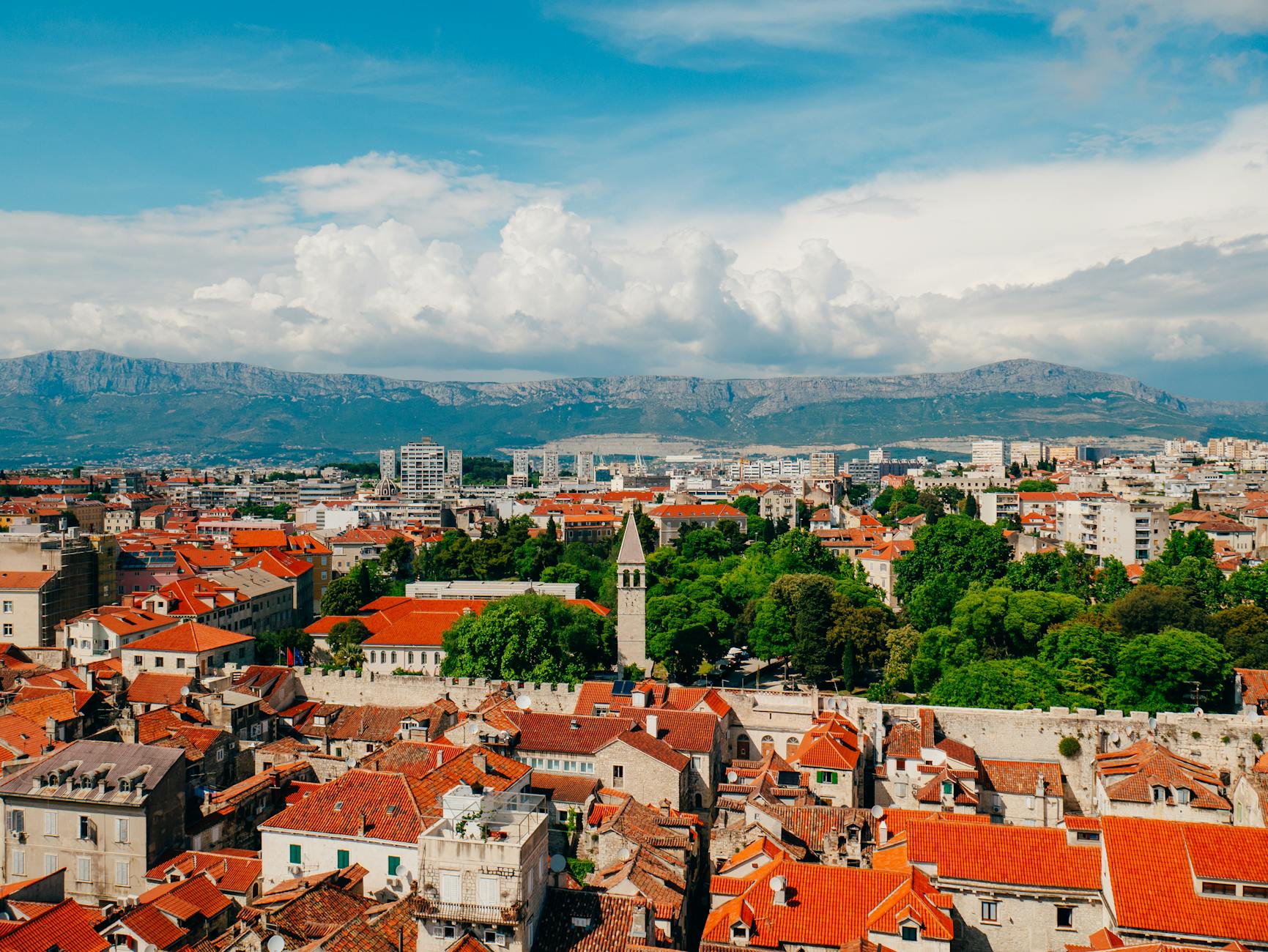
3 Days in Split: A Practical Adriatic Itinerary
Three days in Split: explore Diocletian’s Palace, seaside promenades, Marjan Hill and an island day trip. A practical itinerary for a compact Adriatic weekend.
A concise, search-friendly 3-day plan pairing ancient history, coastal walks, island excursions and Dalmatian food—ideal for a long weekend on the Adriatic.
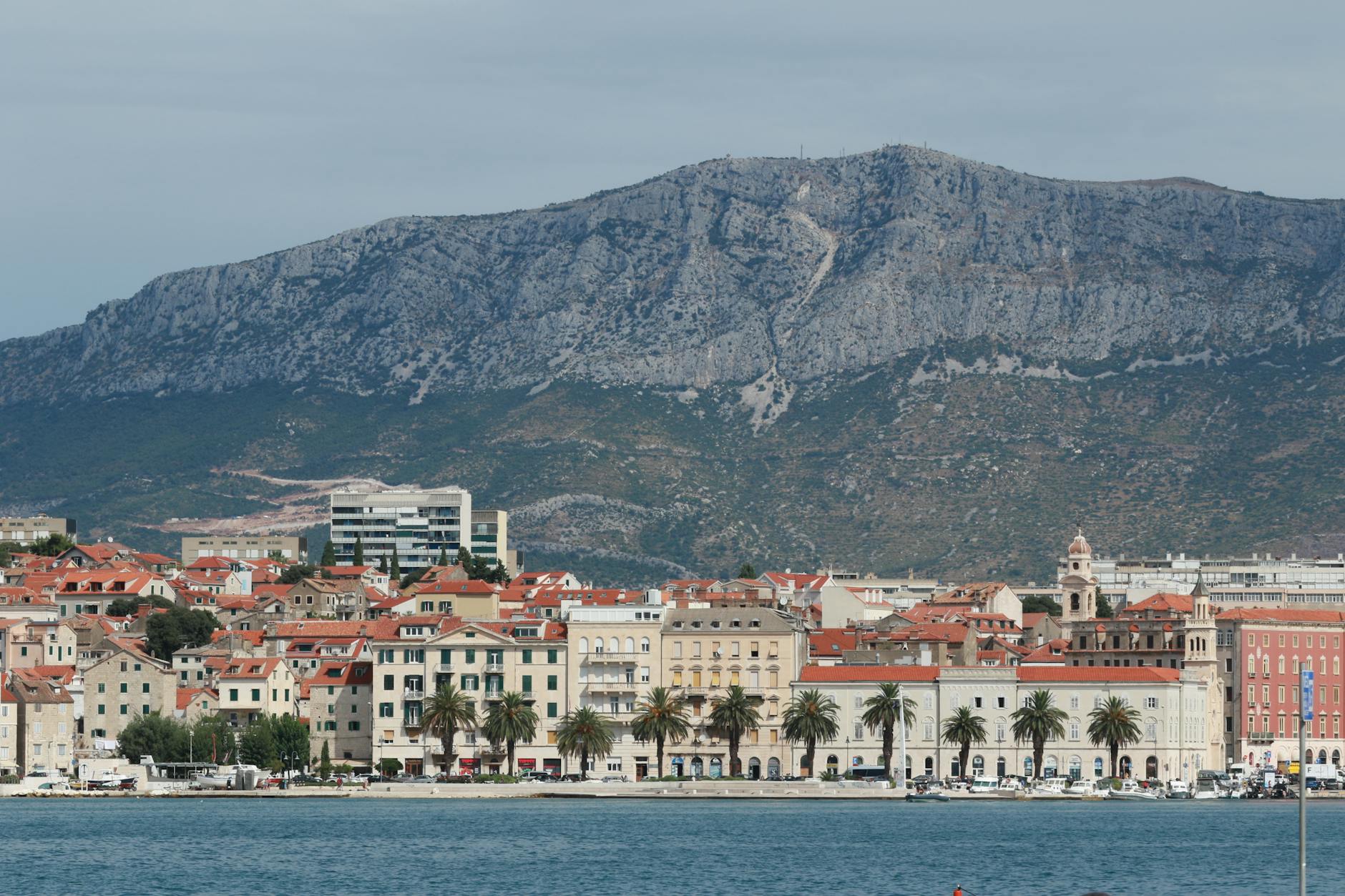
A compact Adriatic city built around a 1,700-year-old Roman emperor’s retirement palace, with palm-lined promenades, rocky beaches and a lively café culture. It suits history lovers who want ruins and museums, outdoor travelers who enjoy coastal hikes and swimmers who like quick boat access to islands. Three days gives a neat balance: a concentrated day in the palace and old town, a hike and museum day, and a day trip to a nearby island or coastal attraction. This length lets you see key neighborhoods, taste local seafood, and still leave time to relax at a beach or rooftop bar.
Why Visit
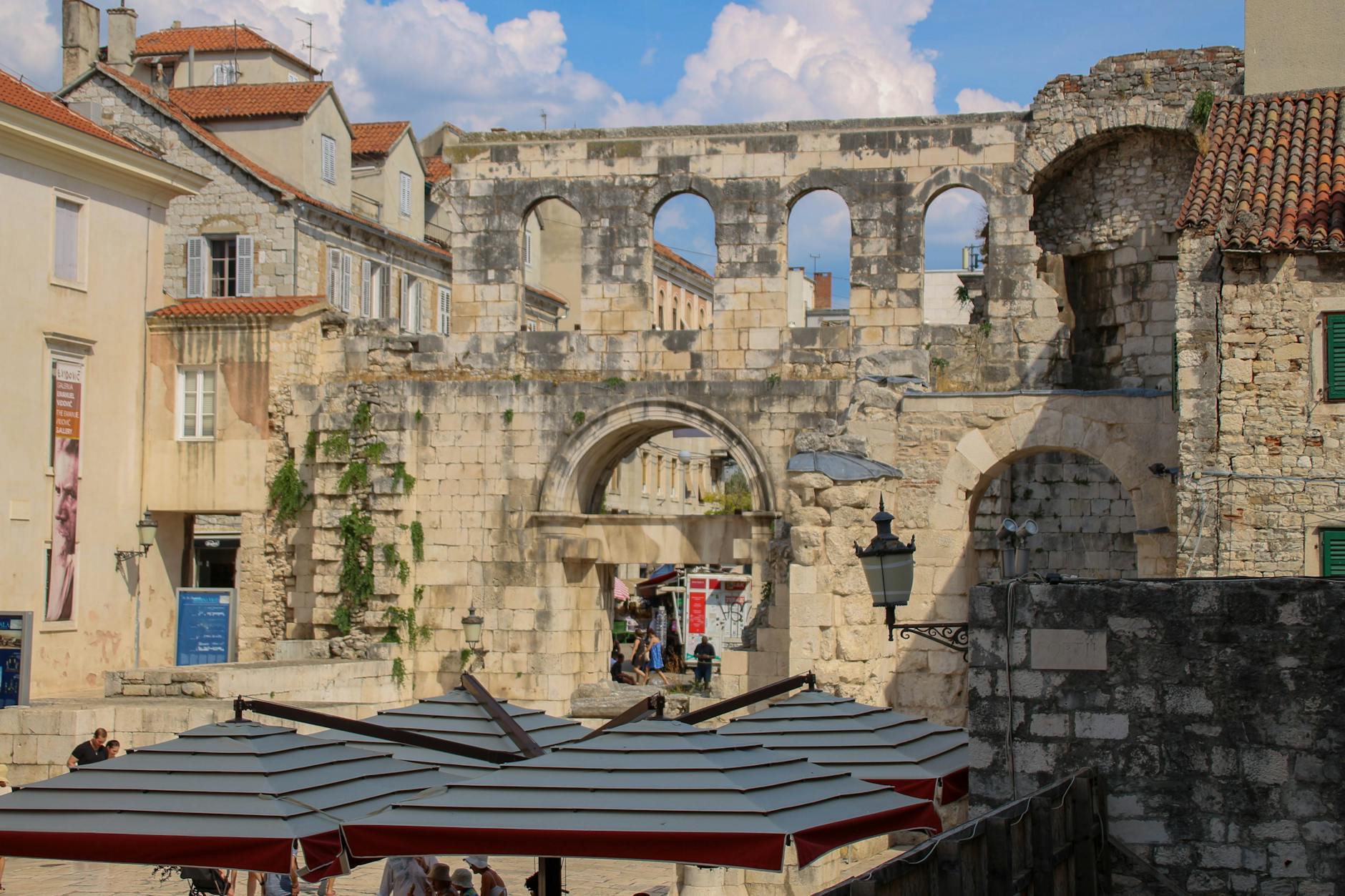
You’ll find exceptional Roman architecture integrated into everyday life: cafés, boutiques and apartments sit inside ancient walls. The compact historic core means major sights are walkable. The coastline and short ferry hops make island day trips effortless. Expect a mix of relaxed coastal living, lively markets, and an accessible base for exploring Dalmatia’s beaches and waterfalls.
Quick Planning Tips
Book ferries and island boat tours in advance for July–August. Carry a light daypack, sunscreen and comfortable walking shoes—the old town has lots of stone steps and uneven alleys. Tap water is drinkable; carry a refill bottle. Currency is euro. English is widely spoken but learn a few Croatian greetings. Expect museum opening hours mid-morning to late afternoon and a slower pace in winter.
Day 1
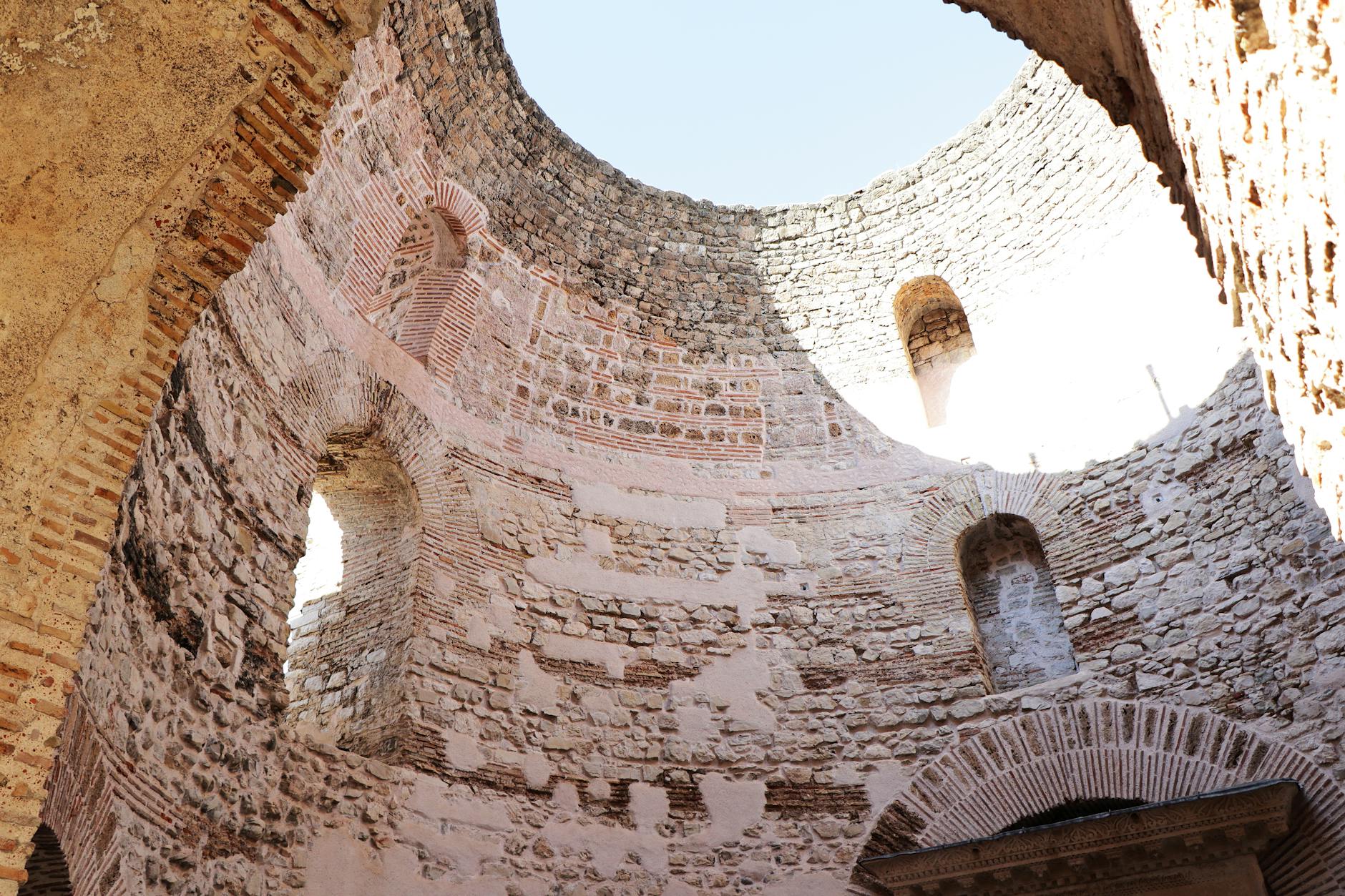
Start in the palace complex: enter at the Peristyle, climb the Cathedral of Saint Domnius tower for city views, then explore cellars and narrow lanes. Walk along Marmontova and the Riva for coffee and people-watching. Stop at the Pazar (fruit market) for snacks and fresh figs. Afternoon museum options include the Archaeological Museum or small galleries near the old town. Evening: seafood dinner at a konoba in the old town and a nightcap on the Riva promenade.
Day 2
Morning hike up Marjan Hill for pine-shaded trails and coastal panoramas; visit the small monasteries and viewpoints, then descend to Kašjuni or Bene beaches for a swim. Lunch in the Varos neighborhood—try black risotto or grilled fish. Afternoon options: Ivan Meštrović Gallery or a short ferry ride to Bacvice for a relaxed beach hour and locals playing picigin. Dinner in Varoš with a focus on dalmatian wine and cured ham.
Day 3
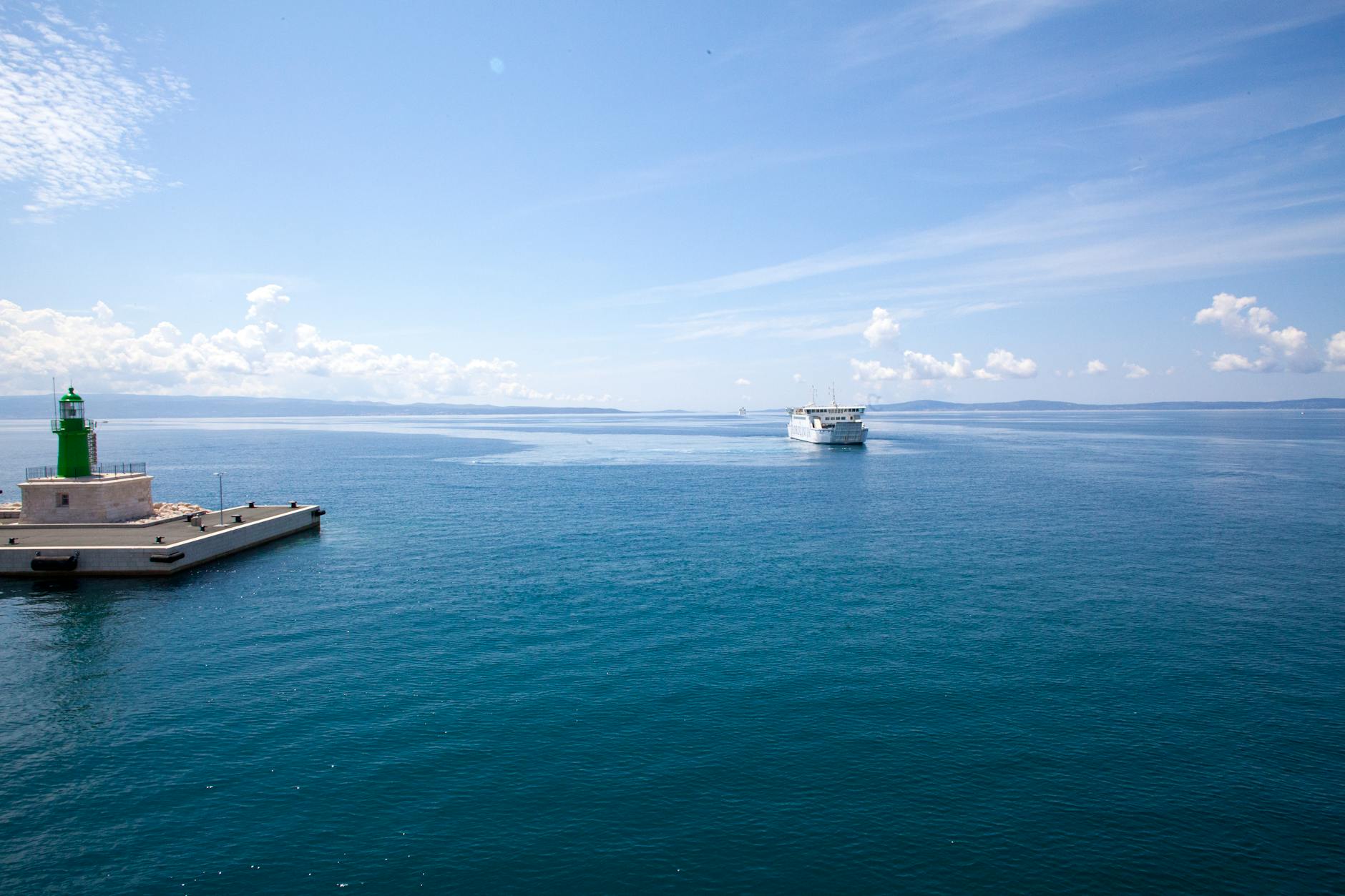
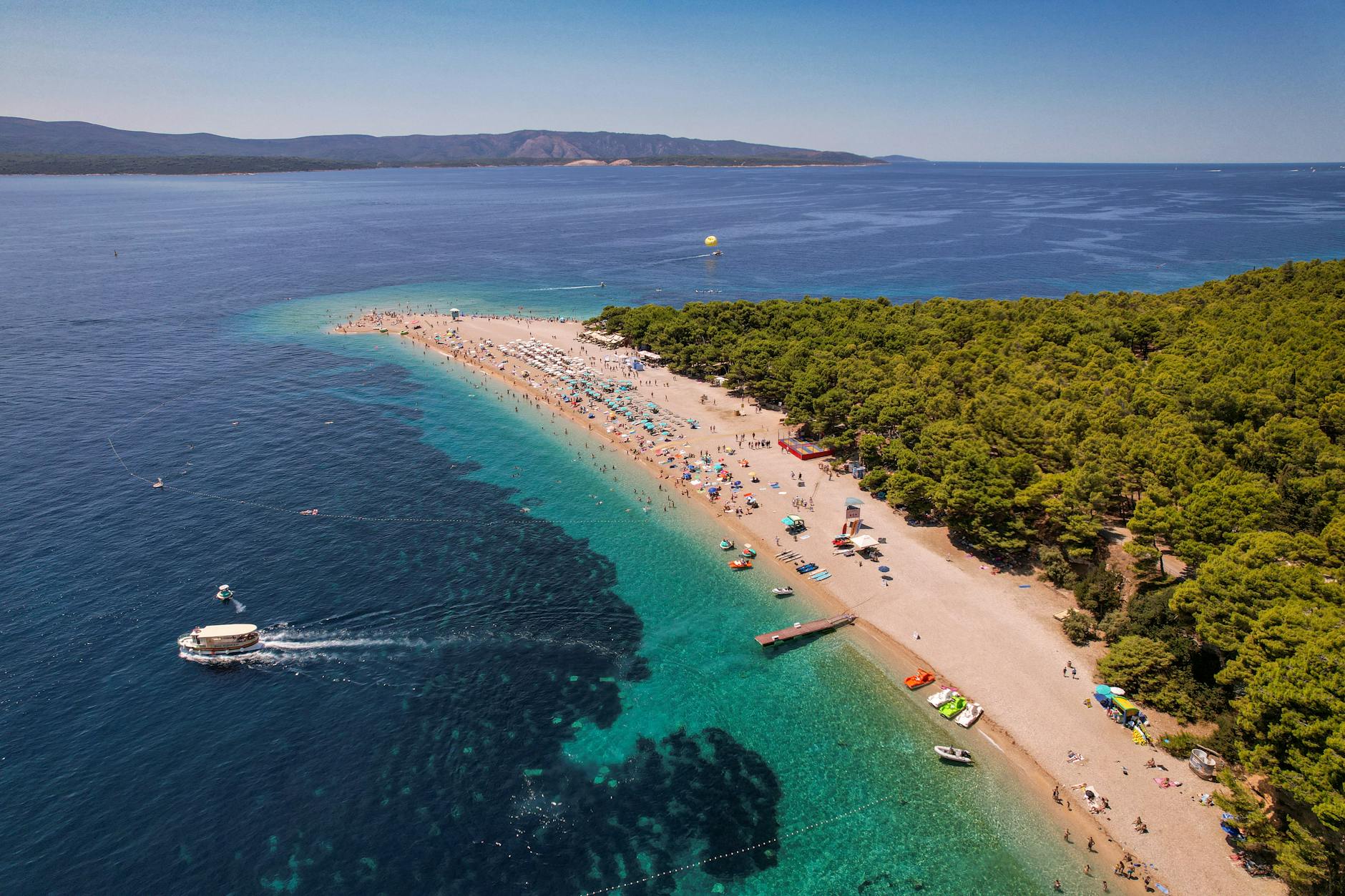
Take a full-day island trip: common choices are Brač (Bol and the Zlatni Rat beach) or Hvar for lavender fields and a historic harbor. If you prefer land, visit nearby Trogir for its UNESCO old town and compact cathedral. Return in the evening and savor a final stroll through the palace at golden hour, then try a traditional peka or rožata for dessert.
Best Local Experiences
Morning coffee on the Riva while watching ferries arrive. Climb Marjan at sunrise for quiet panoramas. Buy olives and cheese from the Pazar and assemble a picnic. Book a small-boat fishing tour and eat the catch ashore. Attend a summer concert in the palace Peristyle or watch a sunset from a rooftop bar. Sample dalmatian wines like Pošip or Plavac Mali at a wine bar.

Where to Stay
Old Town and within Diocletian’s Palace: perfect for walking access to key sights and evening atmosphere. Riva and Varos: slightly quieter but still central, good for cafés and sea views. Bacvice: best if you want beach proximity and nightlife. Meje and Marjan: residential, quieter, and close to hiking trails. Book early for summer; many historic buildings are converted to boutique hotels or apartments.
Food and Drink
Start with breakfast pastries and café culture on the Riva. Lunch from the Pazar market—fresh fruit, olives and cheese. Try local dishes: black risotto, buzara shellfish, grilled Adriatic fish, and pašticada with gnocchi. For dessert, taste rožata. Seek family-run konobas for authentic cooking and modest prices. Pair meals with Dalmatian wines and finish an evening with a digestif or local rakija.
Getting Around
The historic core is best explored on foot. Local buses connect beaches, Marjan and neighborhoods; single tickets are bought on board or via apps. Taxis and app-based rides are available but traffic can be slow in summer. Ferries and catamarans from the ferry port link to nearby islands and coastal cities; reserve seats during high season. Renting a car helps for Krka or inland trips but is unnecessary for a city-focused visit.
Best Time to Visit
Shoulder months May–June and September–October offer warm swimming weather, fewer crowds and reasonable prices. July–August are peak months with hot temperatures and busy ferries—book everything in advance. Winter is quiet, museums remain open but some island and tourist services scale back.
Budget and Practical Tips
Currency is euro; credit cards are widely accepted but carry some cash for markets and small konobas. Tipping around 10% is appreciated for good service. Many museums charge modest entry fees—buy combined tickets where available. Wear sturdy shoes for cobbles and stone stairs. Download ferry timetables and a local transit app. Book island trips and accommodations early in summer to avoid sold-out dates.
FAQ
Is three days enough to see the highlights?
Yes. Three days covers the palace and old town, Marjan and a nearby island or Trogir day trip while leaving time to relax.
How do I get from the airport to the city center?
A shuttle bus, taxi or private transfer connect the airport to the ferry port and Riva; the shuttle is economical and takes about 30 minutes.
Which island should I choose for a day trip?
Brač (Bol and Zlatni Rat) is iconic for beaches; Hvar is lively with historic streets; both are easy by catamaran or ferry.
Is it safe to swim near the city?
Yes. Bacvice has sandy shallow water and lifeguards in summer; rocky coves near Marjan are good for snorkeling.
Are English and cards widely accepted?
English is commonly spoken in tourist areas and most restaurants accept cards, though small vendors may prefer cash.
Can I visit nearby attractions like Krka or Trogir in a day?
Absolutely—Trogir is a short drive or bus ride; Krka National Park is doable as a day trip with a guided tour or rental car.
Conclusion
Three days delivers a rewarding mix of ancient history, seaside relaxation and island exploration. Plan mornings for key sights, use afternoons for beaches or museums, and reserve a day for an island or nearby town. Move at a relaxed pace, savor local food, and leave time for unplanned discoveries in the lanes of the old town.
How this guide was prepared
This guide was prepared through a structured research that combines destination research, geographic context, itinerary planning logic, and content review.