
3 Days in Trogir: A Perfect Adriatic Weekend Itinerary
Explore Trogir in 3 days: a compact UNESCO medieval harbor with cathedral climbs, fortress views, seafood eats, island beaches and easy day trips to Split.
A compact, UNESCO-listed coastal gem ideal for history lovers, foodies and island-hoppers. This 3-day guide balances old-town walks, beaches and nearby day trips.
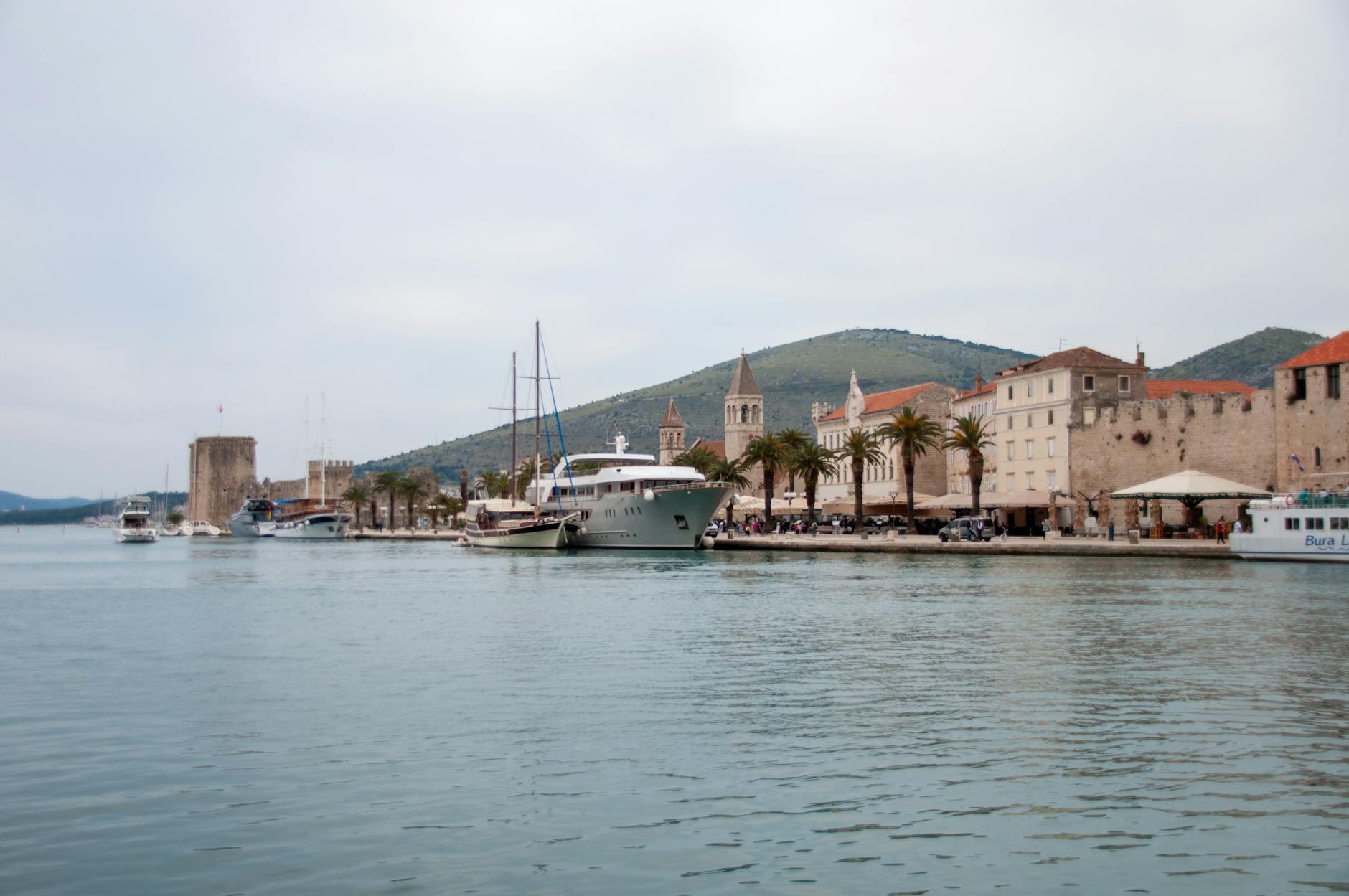
A compact UNESCO-listed medieval harbor town with honey-colored stone, narrow alleys and a lively seafront, Trogir feels like a postcard come to life. It suits travelers who love history, architecture, seafood, and relaxed island access—couples, small groups, photographers, and anyone wanting a short, culture-rich Adriatic escape. Three days is ideal: one day to explore the old town's cathedral, palaces and museums, one day for island beaches or a boat trip to nearby islands, and one day for a relaxed morning market, panoramic views from Kamerlengo Fortress and a short visit to Split or Čiovo.
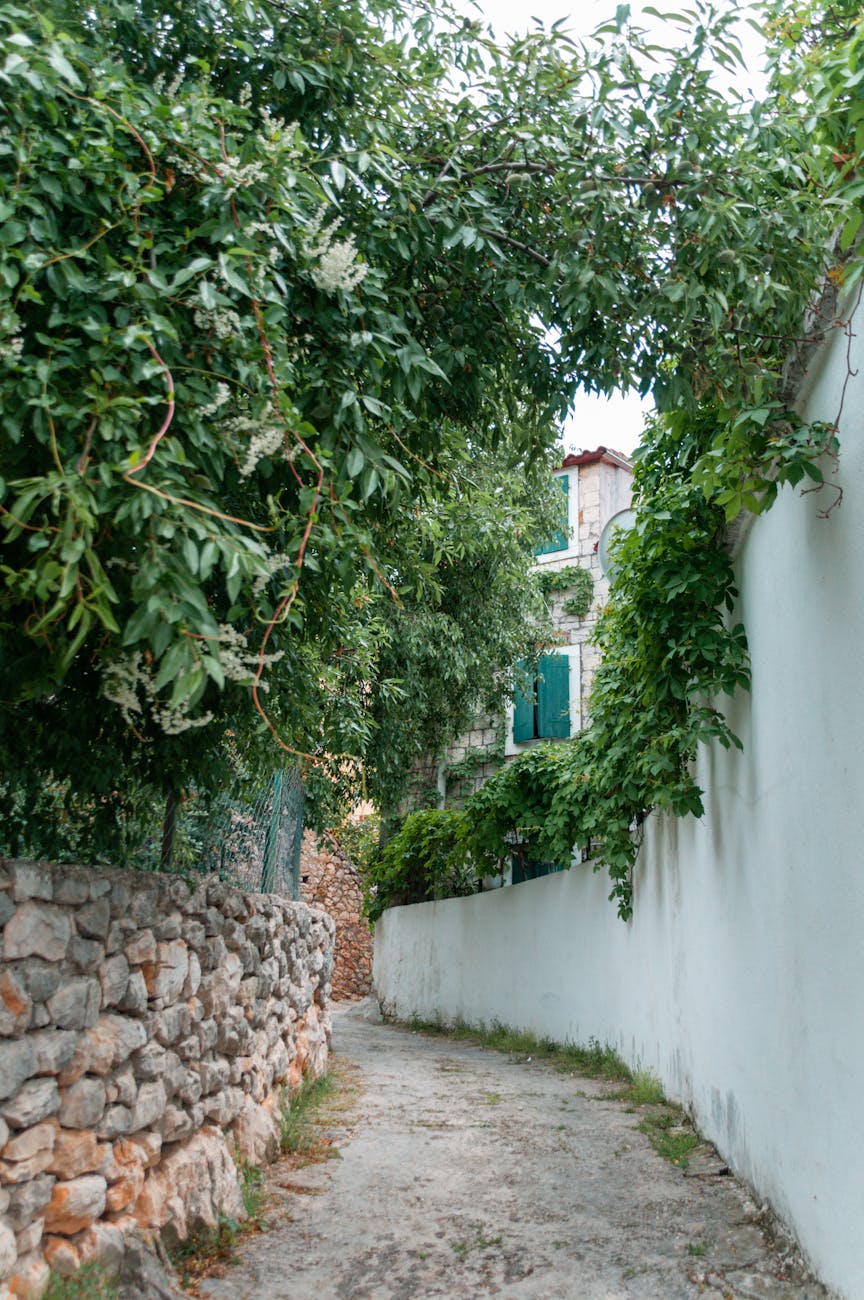
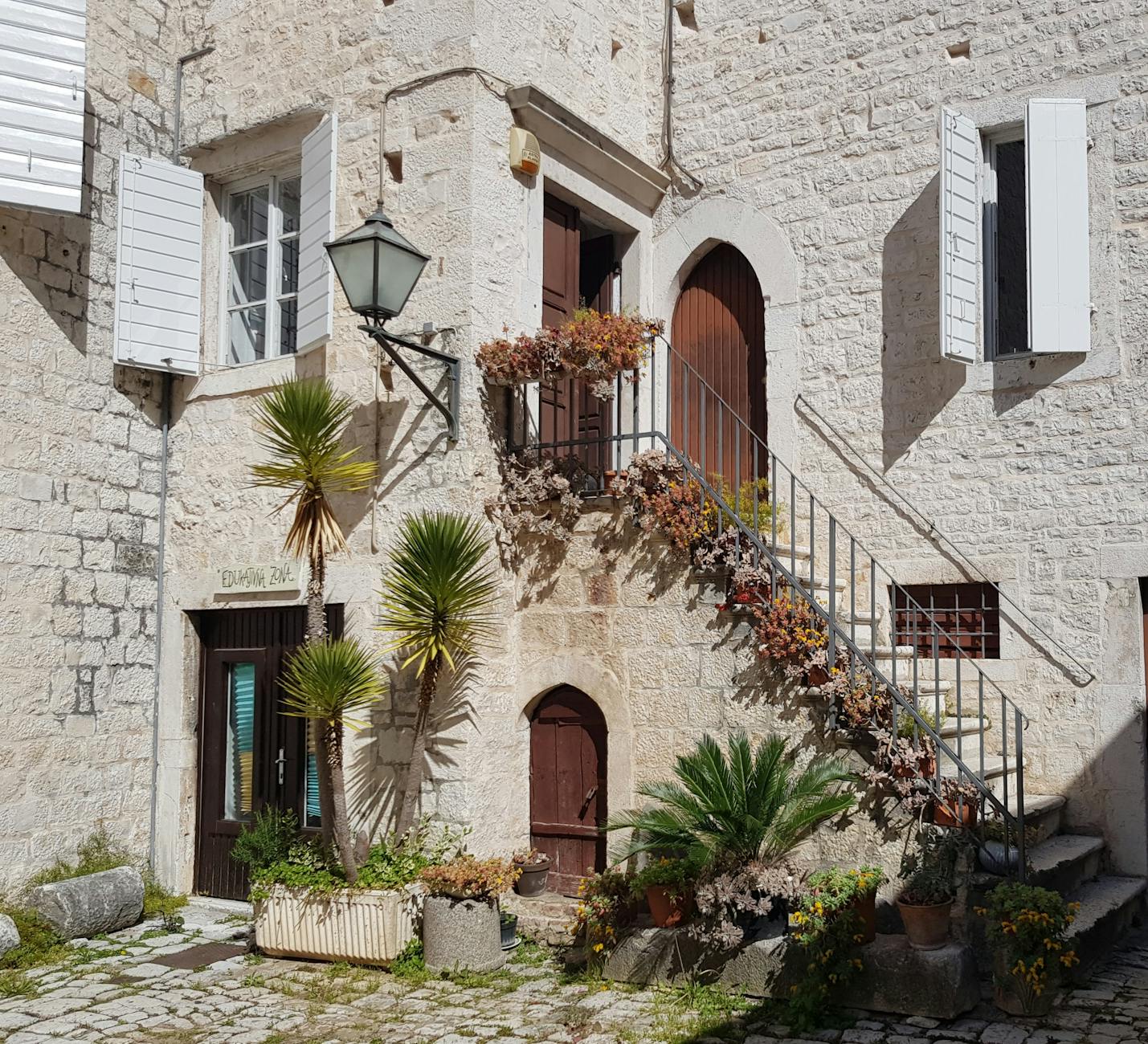
The old town sits on a small island between the mainland and Čiovo, so everything is walkable. Expect stone-paved lanes, rooftop views, lively waterfront terraces on the Riva and a compact layout that rewards slow wandering. This guide gives a neighborhood-led, practical route plus food and transit tips so you can make the most of a long weekend.
Why Visit
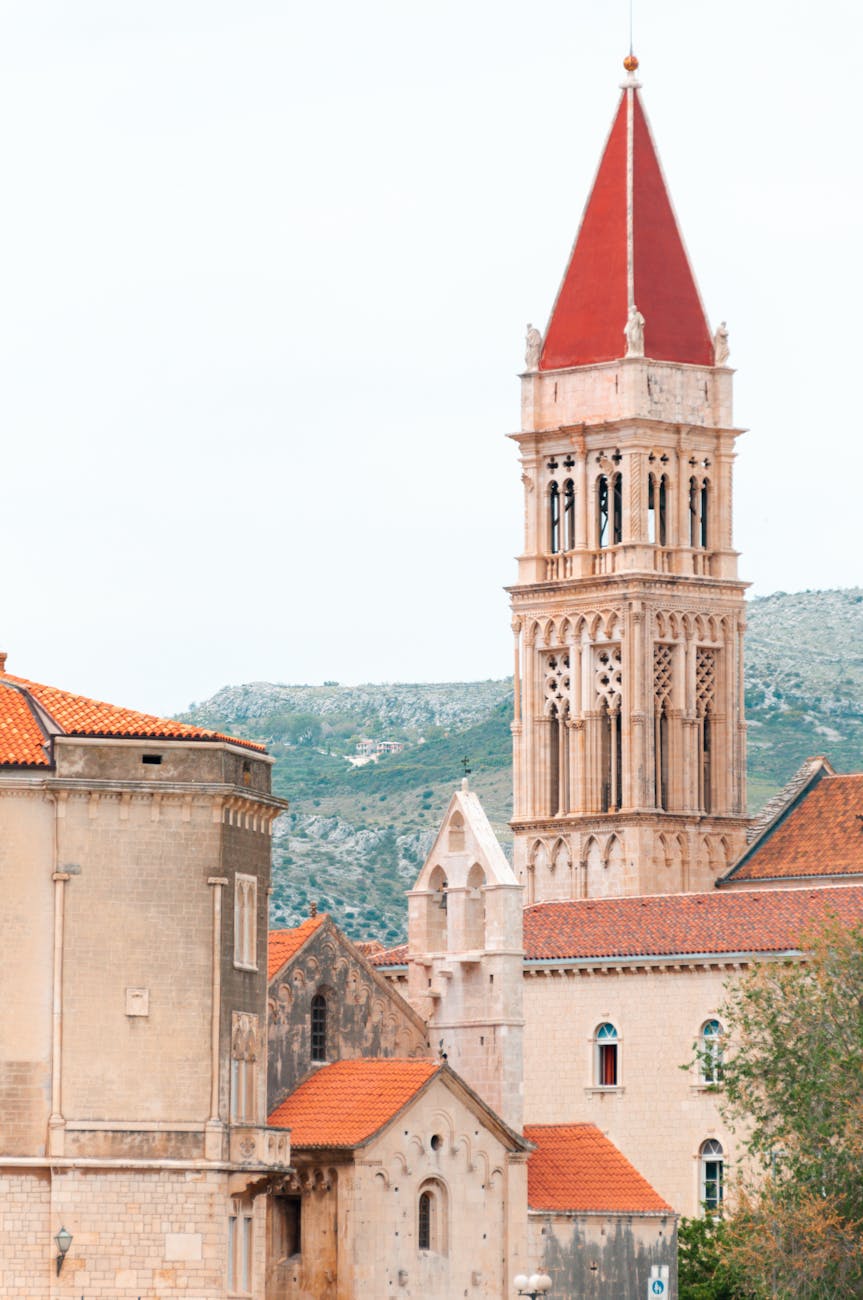
The town packs high-quality medieval architecture and a UNESCO designation into a very walkable area. You can climb the cathedral bell tower, explore Cipiko Palace and sit on the Riva for fresh seafood—all without long transfers.
It also serves as an excellent base for short boat trips to nearby islands and for a quick visit to Split, making it ideal for travelers who want history plus beach time. The relaxed pace, photogenic alleys and local markets create a feel-good Adriatic experience that’s smaller and quieter than bigger coastal cities.
Quick Planning Tips
Stay in or near the old town to maximize time; parking can be limited, so arriving by train/bus to nearby Split and then bus or ferry is common. Reserve summer ferries and popular restaurants during July–August.
Currency is the euro? No—Croatia uses the kuna or euro depending on the year; check current local currency rules before traveling. Pack comfortable shoes for cobbles and a light layer for evenings. Most attractions are clustered, so a single compact itinerary each day keeps strolling pleasant.
Day 1
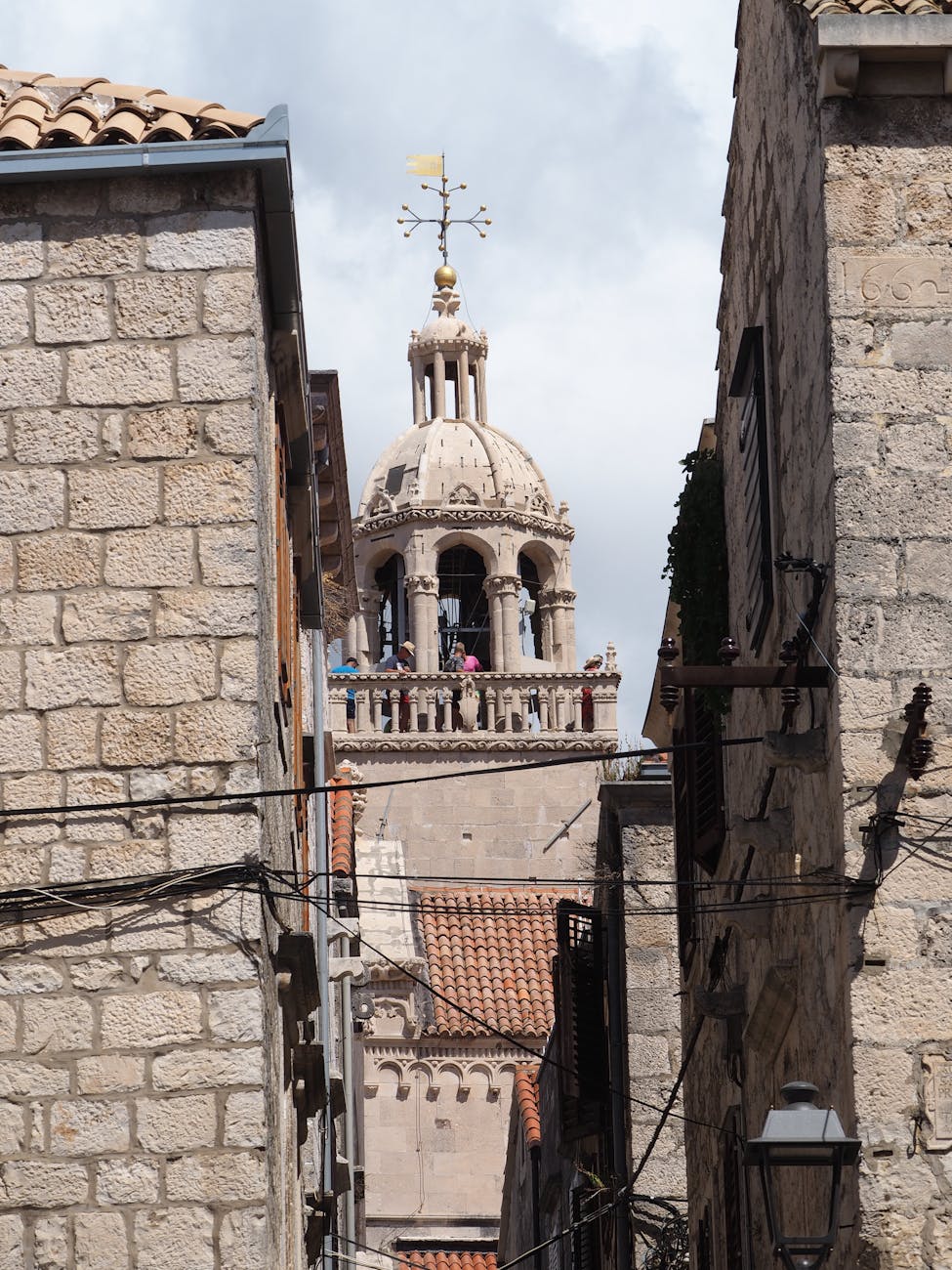
Morning: Start at the Land Gate and walk the main street to the Cathedral of St. Lawrence. Climb the bell tower for panoramic views over the harbor and Čiovo.
Lunch: Eat on the Riva—try grilled fish or black risotto at a seaside konoba (tavern). Afternoon: Visit Cipiko Palace, the Town Loggia and Trogir City Museum. Pause at small artisan shops and the morning market near the fish market.
Evening: Walk to Kamerlengo Fortress for sunset light and then choose a seafront terrace for dinner. The compact old town is lively but never overwhelming.
Day 2
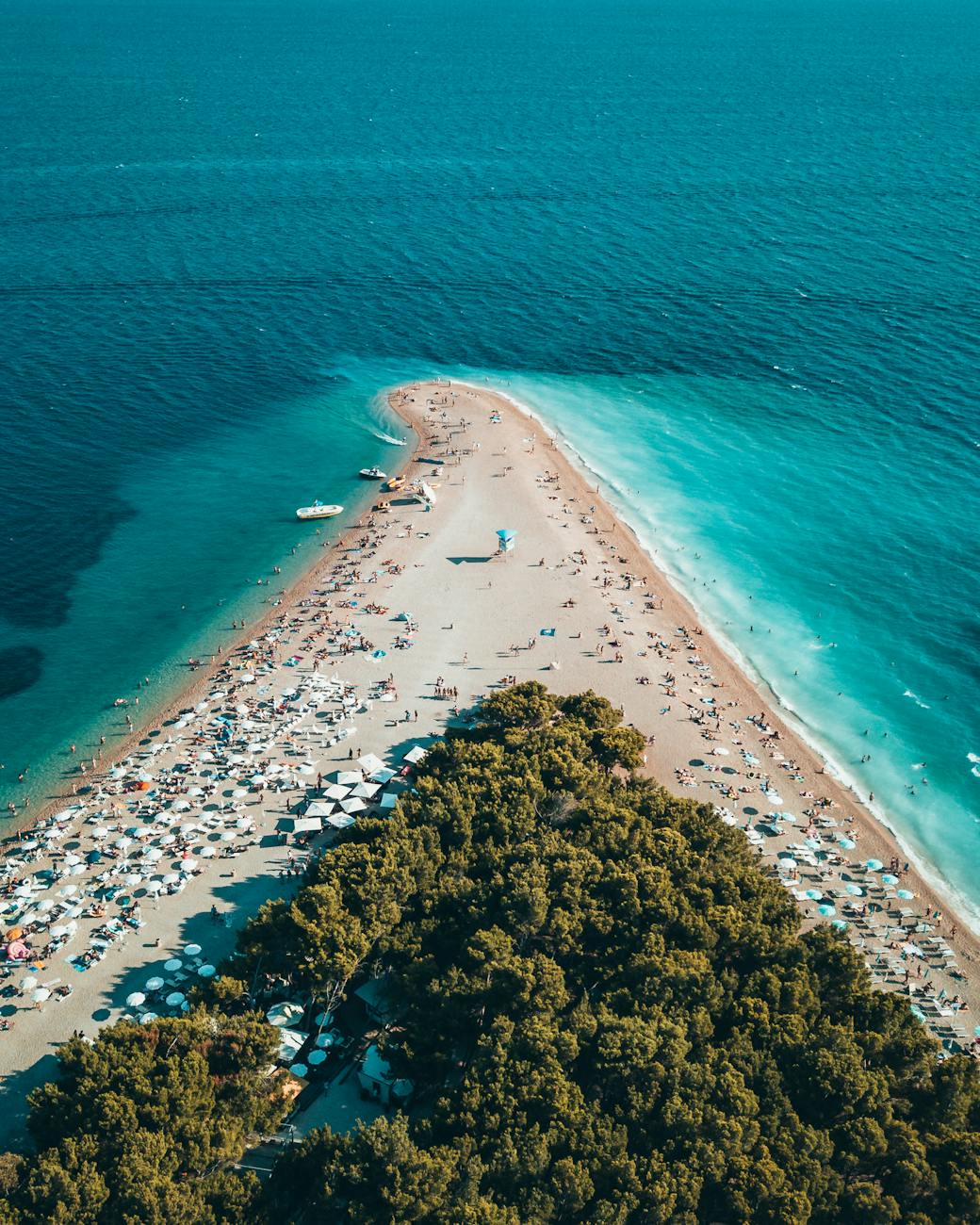
Morning: Take a short boat or bus to Čiovo for beaches like Okrug Gornji (Sandy Beach). Swim, rent a paddleboard or relax on pebbled coves.
Lunch: Beachside konoba or picnic from the market back in town. Afternoon: Book a half-day boat trip from the harbor to nearby islets—blue caves and secluded coves are common on private or group tours.
Evening: Return to town, enjoy gelato on the Riva and try a restaurant specialising in Dalmatian small plates (pašticada or grilled calamari).
Day 3
Morning: Slow breakfast, then visit Garagnin-Fanfogna Palace and St. Dominic Monastery. Wander side streets for quiet photo opportunities and local artisan shops.
Midday: Take a short trip to Split (30–40 minutes by bus or ferry) if you want Roman ruins, Diocletian’s Palace and a larger market. Alternatively use the day for snorkeling, a coastal hike or a longer island cruise.
Late afternoon: Return for a final stroll along the Riva, pick up olive oil or local wine as souvenirs, and enjoy a farewell Dalmatian dinner in a tucked-away courtyard.
Best Local Experiences
Climb the cathedral bell tower for unobstructed views of rooftops and the sea. Time a visit to Kamerlengo Fortress for sunset light and photos.
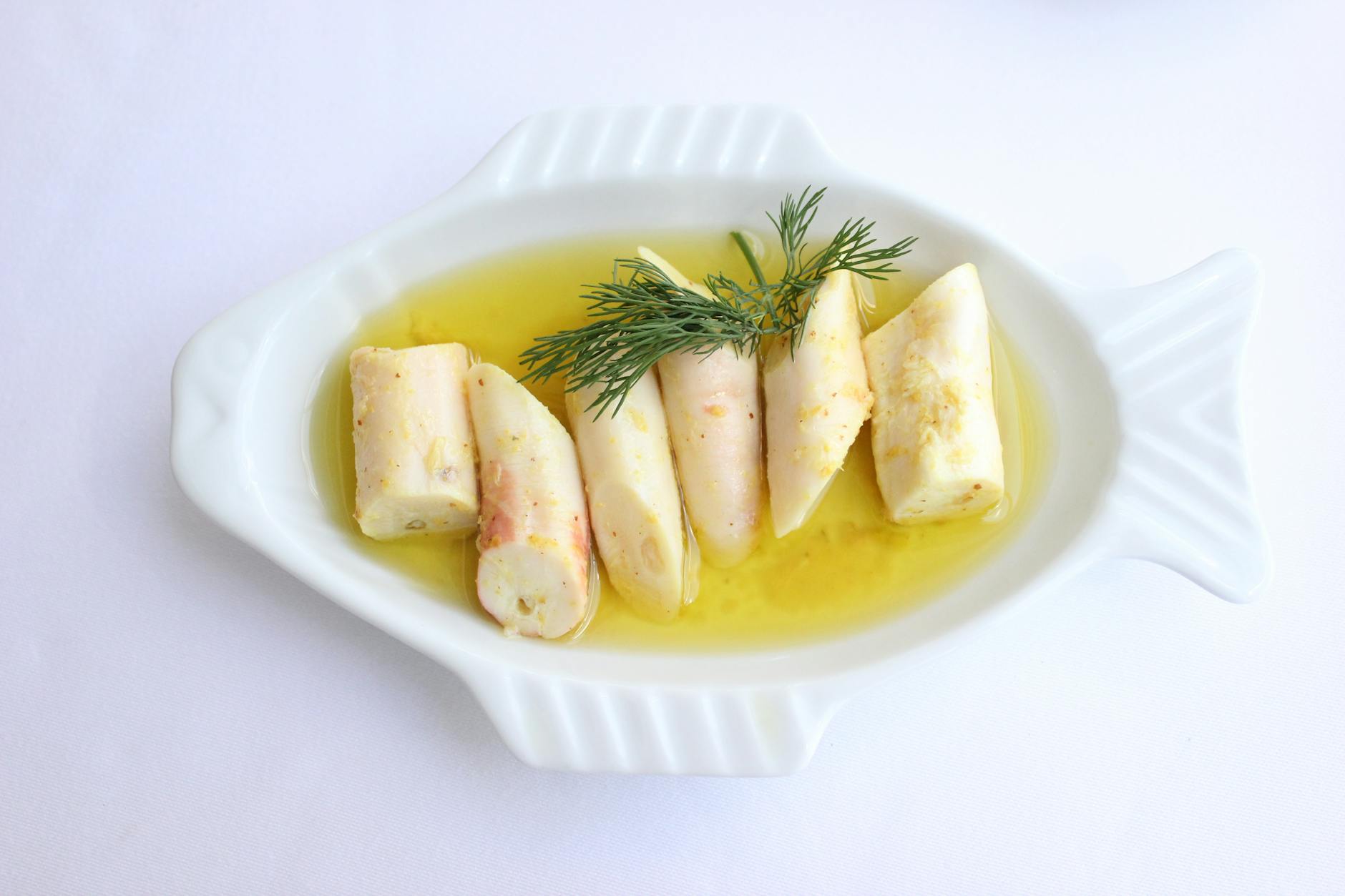
Eat at a family-run konoba for traditional Dalmatian cooking—try black risotto, octopus salad and locally produced wines. Shop the morning fish and produce market for picnic supplies. Take a private or group boat trip to lesser-known coves for swimming and snorkeling away from crowds.
Where to Stay
Old Town: For immediate access to sights, choose a guesthouse or boutique hotel inside the walled town—perfect for walking everywhere.
Riva/Harbour: Waterfront hotels and apartments offer sunrise views and quick access to ferries. Čiovo: Choose beachside properties for a relaxed stay with easy beach access.
Book early for summer; look for places that offer on-site parking if you’re driving, or easy access to the bus/ferry if using public transit.
Food and Drink
Focus on fresh seafood, local olive oil, artisanal cheeses and simple preparations that highlight ingredients. Popular dishes include grilled fish, black risotto and brodetto (fish stew).
For a casual meal try konobas along the Riva or narrow alleys. Sip local wines (Pošip or Plavac Mali) and try rakija for a digestif. For markets, head to the fish market near the bridge and the fruit and vegetable stalls in the old town.
Getting Around
The old town is best explored on foot; cobbled streets and bridges link the main sights. Buses and ferries connect to Split (about 30–40 minutes) and other Dalmatian towns.
Taxis and local boat charters are readily available at the harbor. If driving, use public parking outside the old town and walk in. During high season, ferries and buses fill up—reserve onward tickets in advance where possible.
Best Time to Visit
Late spring (May–June) and early autumn (September) offer warm swimming weather, fewer crowds and lower prices. July–August are lively and hot with peak tourism and fully booked services.
Winter is quiet: many restaurants close but you’ll experience the town’s architecture without crowds. Shoulder seasons combine comfortable weather with easier access to boat tours and restaurants.
Budget and Practical Tips
Expect mid-range prices for food and accommodation; konobas and market snacks keep costs down. Entry fees for major sights like the cathedral and museums are modest—carry some cash for small vendors.
Wear comfortable shoes for cobbles, bring sun protection for summer and verify ferry schedules ahead of day trips. If you want to visit Split or other coastal towns, buy bus or ferry tickets in advance during peak months.
FAQ
How do I get from Split to Trogir?
Regular buses and ferries run between Split and Trogir; buses take about 30–40 minutes and ferries vary by route—check seasonal schedules.
Is one day enough to see the old town?
You can see the main highlights in a day, but three days lets you enjoy beaches, boat trips and a relaxed pace.
Can I visit beaches from the town center?
Yes. Čiovo island beaches like Okrug Gornji are a short bus or taxi ride or a quick drive from the town center.
Are attractions walkable?
Most major sites are within a compact area and easily walkable; expect cobblestones and narrow streets.
Is Trogir family-friendly?
Yes—shallow beaches, calm sea spots and relaxed restaurants suit families, though stairs and cobbles can be challenging with strollers.
Do shops and restaurants accept cards?
Many do, especially in the old town and on the Riva, but carry some cash for markets and small vendors.
Conclusion
Three days reveals the best of this compact Adriatic gem: medieval architecture, seaside dining and easy island access. Walk the old town at dawn, climb the bell tower, spend a day on Čiovo or take a short trip to Split. With a relaxed pace and a focus on local food and boat time, a weekend here feels like a longer holiday.
Use this itinerary as a base: swap days for weather or your interests and leave room for slow seaside evenings.
How this guide was prepared
This guide was prepared through a structured research that combines destination research, geographic context, itinerary planning logic, and content review.