
Three-Day Milwaukee Itinerary — Practical Weekend Guide
A candid 3-day Milwaukee guide with realistic itineraries, transit tips, museum costs, food picks, and sensible budgets to plan an efficient weekend.
A clear, no-nonsense plan for three days in Milwaukee covering downtown museums, neighborhood food and breweries, lakefront walks, and practical transport advice.
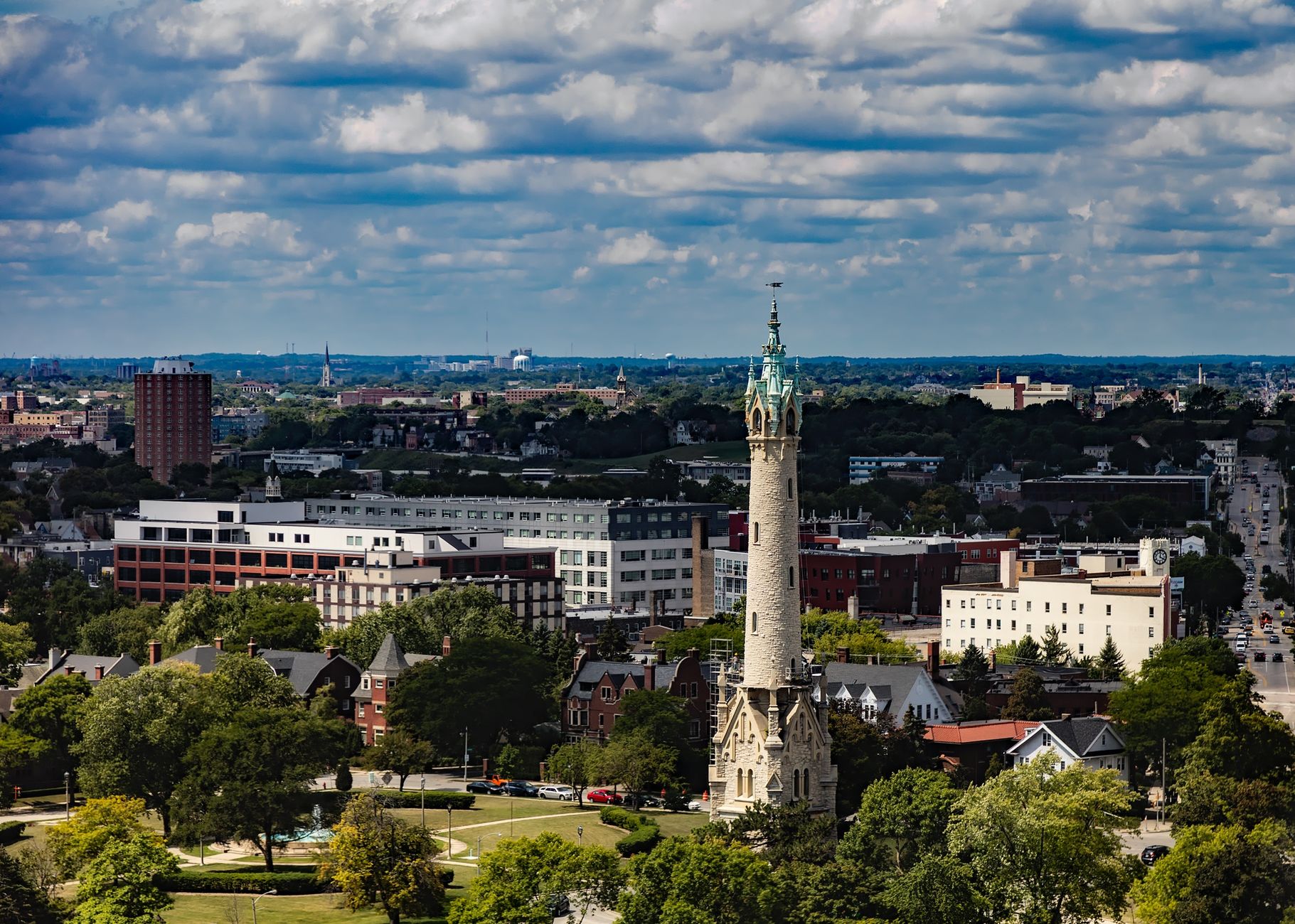
First impression: a working lakeside place where industrial scale meets approachable neighbourhoods. Streets near the river and lake feel open, with cargo bases and festival grounds alongside galleries, coffee shops, and breweries. Many visitors arrive expecting only beer tours and a big summer festival; the area is also home to significant architecture, a serious public-market scene, and quiet residential blocks worth walking. Short stays suit people who like concentrated cultural outings by day and straightforward food and drink options at night.
Is 3 days in Milwaukee enough?
Three days is enough to cover the core highlights: the Milwaukee Art Museum, a riverwalk stroll, a brewery tour, and one or two neighbourhoods like Third Ward and Bay View. Expect to skip deeper regional outings (Green Bay, Door County) and several niche museums if time is limited.
Who This Guide Is For
Best for food-and-drink visitors, museum-goers, and travelers who prefer walkable neighbourhoods and short transit rides; less suitable for those wanting long wilderness hikes or a fully relaxed beach vacation.
Local Tips for Milwaukee
Practical details that most travel sites skip — specific to Milwaukee.
- Buy MCTS tickets via the Token Transit app — single rides cost about $2.25 and 1-day passes run roughly $5; the app also shows real-time bus arrivals.
- The Hop streetcar links many downtown stops (Wisconsin Ave, East Michigan St, Cathedral Square); streetcar runs frequently during the day and is useful for short hop-on hops between the riverfront and Third Ward.
- Milwaukee Public Market vendors often close by 6pm and some are closed Sundays; arrive by late morning for full lunch options and the freshest seafood at St. Paul Fish Company.
- Downtown parking meters use ParkMobile or the Park Milwaukee app; enforcement commonly runs until 8pm on weekdays so check signs to avoid tickets.
- Buy timed-entry tickets in advance for the Harley‑Davidson Museum (about $20–$25 adult) and for special exhibitions at Milwaukee Art Museum (general admission about $19) to avoid lines at peak times.
How This Guide Was Prepared
Milwaukee mixes heavy-industry history, a working lakefront, and a serious food-and-beer scene in a compact footprint; most guides over-focus on Summerfest and breweries and under-explain how neighborhoods connect. This guide prioritizes realistic routing, transit times, and where to save or spend so a short visit feels complete rather than rushed. This guide was prepared through a structured research that combines destination research, geographic context, itinerary planning logic, and content review.
Plan Your Stay in Milwaukee
Use this itinerary as your starting point, then compare areas to stay, transport options, seasonal timing, and realistic daily costs before booking.
Why Visit
Access to the lakefront and readable urban fabric makes efficient sightseeing possible: walk from the Art Museum to the Historic Third Ward along the Milwaukee River in under 20 minutes. Food and drink options range from longstanding beer makers like Lakefront Brewery to small chef-run restaurants on Bay Street and Walker's Point. The city offers several compact, high-value museums — Harley‑Davidson Museum, Milwaukee Art Museum, and Discovery World — that can each be experienced in a few focused hours. Festivals and seasonal events, especially Summerfest and cultural festivals at Henry Maier Festival Park, add a clear reason to time a visit.

Quick Planning Tips
Fly into General Mitchell International (MKE); taxi or rideshare to downtown is typically $30–$40 depending on traffic and route, while Amtrak arrives at Milwaukee Intermodal Station near downtown for those arriving by rail. Use credit/debit cards widely; bring cash for small bars, weekend market vendors, and some parking meters. Pack a waterproof layer for lakefront wind and an extra sweater for evenings even in July. Avoid planning multiple distant day trips; this guide keeps each day within a single corridor to minimize transit time and make the most of a short stay.

Day 1
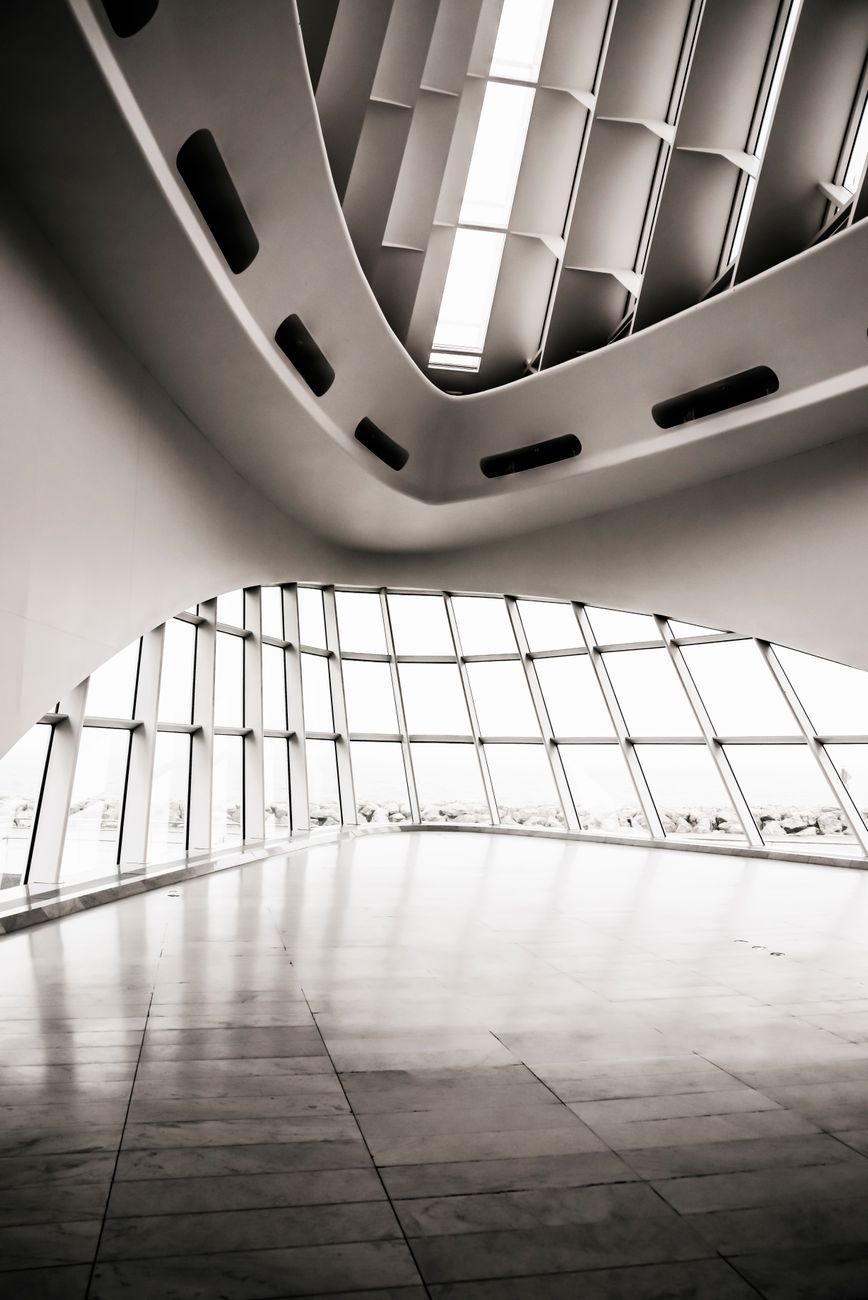
Start at the Milwaukee Art Museum on Lincoln Memorial Drive; allow 1.5–2 hours to see the Quadracci Pavilion and core collection (walking from the museum to Discovery World is about 10–12 minutes). Walk south along the lakefront to Discovery World and the Milwaukee RiverWalk, which provides photo stops and benches; the riverwalk route from Discovery World into the Historic Third Ward takes about 20–25 minutes at a relaxed pace. Arrive at the Milwaukee Public Market around lunch; eat at St. Paul Fish Company or grab sandwiches from a vendor and sit in the market — expect a 30–45 minute meal. After lunch, explore maker shops and galleries in the Historic Third Ward; the ward is compact and can be covered on foot in an hour or two. For late afternoon, book a brewery tour at Lakefront Brewery (tours fill on weekends) or stroll the south bank toward Fiserv Forum to check for events. Dinner at a Third Ward restaurant like Bacchus or a more casual pub meal at Sobelman’s provides local character. Evening recommendation: catch a show at Pabst Theater or a Riverwalk bar for low-key nightcaps; late-night transit via The Hop or rideshare is straightforward.
Day 2
Shift focus to neighbourhoods with distinct personalities: start on the East Side around Brady Street for morning coffee and independent shops; from the Third Ward a 10–15 minute ride on The Hop or a 20–25 minute walk gets you there. Visit Mitchell Park Horticultural Conservatory (The Domes) next; plan about 45–60 minutes to see the three domes and rotating displays (allow extra time for travel from Brady Street by city bus or a 15–20 minute rideshare). Head south to Walker’s Point and Bay View in the afternoon for brewery tasting rooms, small art galleries, and street-level restaurants; Third Space Brewing and Good City Brewing often have tasting rooms open. For dinner, choose an acclaimed restaurant in Walker’s Point or a popular Bay View spot like Pizza Man or Smoke Shack. Evening recommendation: a bar crawl in Bay View or a quieter night at a cocktail bar on Water Street depending on energy levels; use MCTS buses or short rideshares to hop between neighbourhoods rather than circling for parking.

Day 3
Reserve this day for either a focused museum or a relaxed lake outing. Option A: book the Harley‑Davidson Museum and allow 1.5–2 hours for exhibits and the motorcycle collection; from the museum it's a 15–20 minute walk or short rideshare to Walker’s Point for lunch. Option B: take a Milwaukee river or harbor cruise from Discovery World (seasonal) for 60–90 minutes to see the lakefront from the water and learn about shipping and local industry. If an afternoon flight or train is scheduled, plan activities close to your departure point: downtown museums near Milwaukee Intermodal Station or a quick stop at the North Point Lighthouse on Lake Drive are manageable. For departure logistics, store luggage at your hotel or use station lockers where available, and allow 45–60 minutes for rideshare or taxi to General Mitchell International in typical traffic. Evening recommendation for late departures: choose a meal near the Intermodal Station or in the Third Ward to avoid long transfers.

Best Local Experiences
Summerfest at Henry Maier Festival Park is the major music draw and occupies the lakefront with multiple stages (late June–early July); expect tight crowds and ticketing per day. Milwaukee Public Market is a weekday and weekend hub for local vendors, cheese shops, and prepared-food counters — arrive mid-morning for the best selection. The Beer City Ale Trail connects many local breweries; use it to plan tasting rooms in Walker’s Point, Bay View, and the Riverwest area. Mitchell Park Domes is a distinct horticultural attraction with rotating plant displays and seasonal shows. Neighborhoods worth scheduling: Historic Third Ward for galleries and shopping, Bay View for independent restaurants and bars, and Brady Street for counterculture shops and coffeehouses. Other seasonal events include Polish Fest, Irish Fest, and Festa Italiana, each held at Henry Maier Festival Park on the lakefront.

Where to Stay
Historic Third Ward / Downtown: suits first-time visitors who want museums, restaurants, and RiverWalk access within easy walking distance; expect nightly rates of about USD $140–$260 (≈€125–€235). East Side (near Brady Street and the UW campus): suits younger visitors and those who prefer cafés and nightlife; hotels and guesthouses run roughly USD $100–$180 per night (≈€90–€165). Bay View / Walker’s Point: suits food-and-drink-focused travelers who like small bars and brewery tasting rooms; expect USD $90–$170 per night (≈€80–€155). Booking early for festival dates like Summerfest will reduce rate spikes; short-term rentals are plentiful but check neighborhood noise policies.
Food and Drink
Bratwurst: a split-grilled sausage often served with grilled onions and mustard; classic stands (look for Klement sausages or a brat at Milwaukee Public Market) sell them for about USD $4–$7. Friday fish fry: a Wisconsin ritual — fried or baked fish served with sides; expect $12–$20 at neighborhood pubs like those on Water Street or in Bay View. Cheese curds: fresh, squeaky curds available at markets and bars; expect $5–$9 for a basket at casual spots. Frozen custard: a local dessert found at Kopp’s or Leon’s — single scoops run about $3–$5. Old-fashioned (brandy or whiskey): the local cocktail variation often emphasizes brandy; try it at classic bars downtown for about $8–$12. Breakfast option: Blue’s Egg on East Brady or the East Side for hearty American breakfast dishes, about $10–$16 per person. Street food/small bites: sandwiches and seafood plates at Milwaukee Public Market vendors are convenient and efficiently priced for lunch. Dinner recommendation: for a special evening, book a table at a Walker’s Point chef-driven restaurant (expect $30–$60 per person depending on menu and wine).
Getting Around
Public transit is mainly MCTS buses; buy fares on the Token Transit app (single-ride about $2.25, 1-day pass around $5). The Hop streetcar covers downtown corridors and is handy for short hops between the lakefront, Wisconsin Ave, and the Third Ward — check ridehop.org for stops and realtime service. Amtrak arrives at Milwaukee Intermodal Station on St. Paul Ave for rail connections to Chicago; shuttles and buses operate from the station. Water taxi service operates seasonally on the Milwaukee River and connects the riverfront districts; schedules vary by season. For point-to-point convenience, rideshare and taxis are plentiful; expect $30–$40 from General Mitchell International to downtown in normal traffic. Useful apps: Token Transit for bus passes, Transit or Google Maps for trip planning, ParkMobile for parking payments, and ridehop.org for streetcar info.
Best Time to Visit
Summer (June–August) brings warm weather (mid 70s–80s°F / 24–29°C) and the largest crowds because of Summerfest and many lakefront festivals; prices rise and booking is essential. Shoulder seasons (April–May and September–October) offer lower hotel rates, fewer crowds, and comfortable daytime temperatures (50s–60s°F / 10–20°C), though windy days near the lake are common. Winter (November–March) is cold with snow and highs often below freezing (20s–30s°F / -6–0°C); travel during winter is cheaper but outdoor sightseeing is limited. For best value with decent weather and most businesses open, aim for late spring or early fall.
Budget and Practical Tips
Daily budget examples: frugal traveler about USD $90–120 per day (budget lodging $60–$90, meals $20–$30, local transit $5–$10, a low-cost attraction). Mid-range traveler about USD $170–$260 per day (hotel $140–$220, meals $40–$70, transit $5–$15, one paid museum entry). Expect museum admissions: Milwaukee Art Museum about $19, Harley‑Davidson Museum about $20–$25, and Discovery World roughly $15–$20. Tipping: standard U.S. norms apply — leave 15–20% at sit-down restaurants, $1–$2 per drink at bars, and $1–$2 per bag for porters. Sales tax on purchases applies; use card over cash when possible but keep small bills for market vendors and tips.
FAQ
Is Milwaukee safe for tourists?
Most downtown and tourist areas are safe during daytime; standard precautions after dark apply—stick to well-lit streets, avoid isolated areas, and watch belongings on crowded transit and festivals.
Is 3 days enough to see the main sights?
Yes; three days covers the Art Museum, Harley‑Davidson Museum, a riverwalk and one or two neighbourhoods, but skip long day trips to Door County or Green Bay.
Is a city card or pass worth buying?
There is no single ubiquitous pass; check for combined tickets or timed-entry discounts at specific museums — a general city card seldom pays off unless bundled with several paid attractions.
What is the best way to get from MKE to downtown?
Rideshare or taxi is fastest (about 20–30 minutes), while local buses run from the airport but are slower; budget travelers can use MCTS when schedules align.
Can Uber/Lyft pick up and drop off near festival sites?
Yes, but expect surge pricing and longer waits during major events; use designated rideshare pickup zones when provided.
Are credit cards accepted everywhere?
Most restaurants and shops accept cards; small market stalls and some bars prefer cash—carry a small amount for these situations.
What are typical opening hours for museums?
Many museums open around 10:00–11:00 and close between 4:00–5:00 on weekdays; check museum websites for Monday closures and extended weekend hours.
Is the Hop streetcar free?
Fare policies can change; consult the Hop website or local transit resources before travel for current fare info.
Conclusion
A well-paced three-day visit will leave a clear sense of why local food, breweries, and lakefront activity define the place. Most visitors will remember the museum architecture, a riverwalk meal, and a brewery tour more than trying to see every attraction. If time runs short, prioritize one museum (Milwaukee Art Museum or Harley‑Davidson Museum) plus a market meal and a walk along the lake — that combination gives a compact and accurate slice of the city.
How this guide was prepared
This guide was prepared through a structured research that combines destination research, geographic context, itinerary planning logic, and content review.