
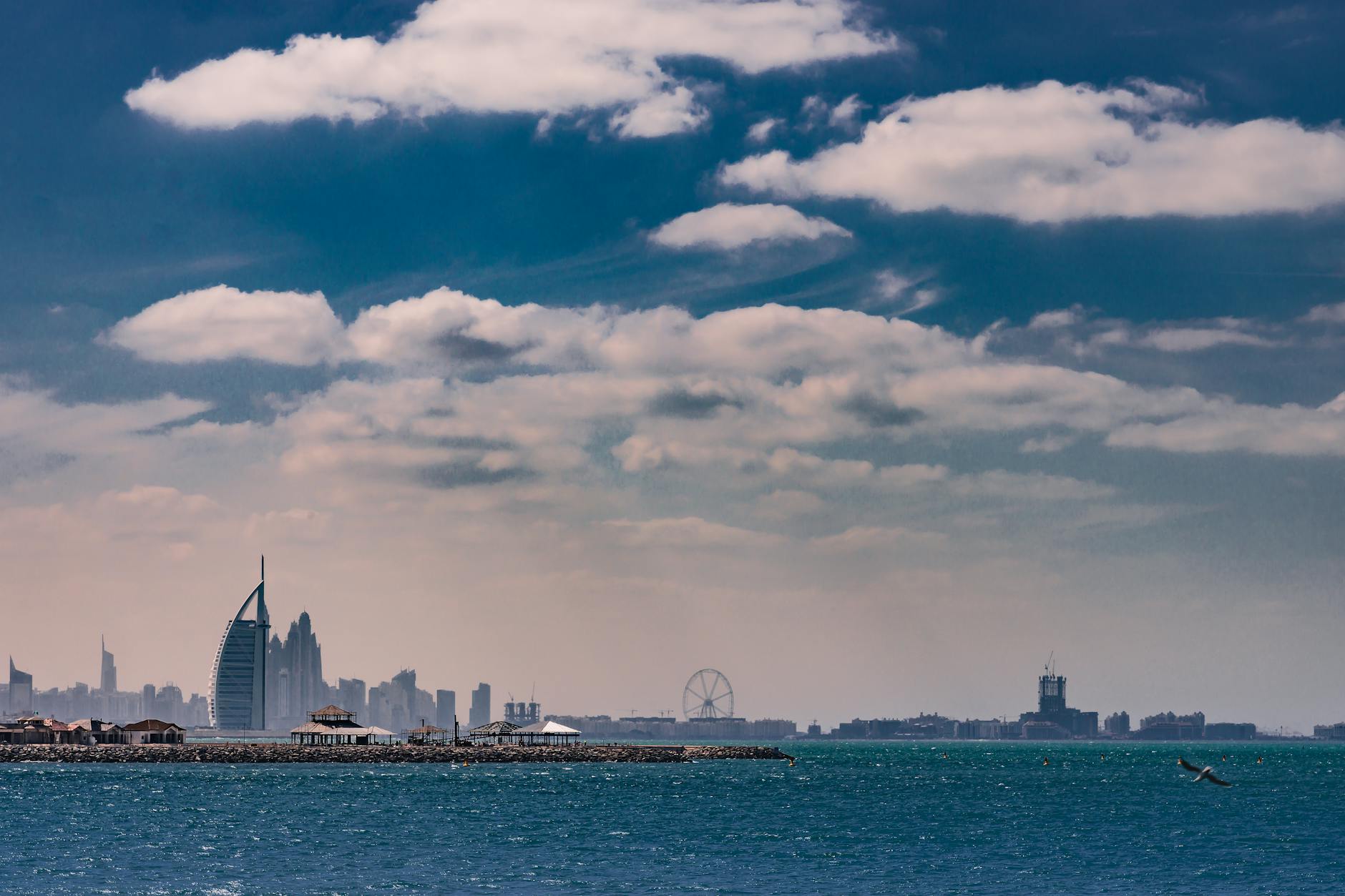
Responsible Travel in Dubai — Practical, Low‑Impact Choices
Practical, local-first guidance for a low-impact Dubai visit: neighborhoods, transport, seasonal timing, sustainable tours, etiquette, and how this supports your 3 days in Dubai itinerary.
A compact, actionable guide to visiting Dubai responsibly. Learn where to stay, how to get around, what to book and avoid, plus sustainable day-trips to nearby emirates.
Quick Answer
A compact, actionable guide to visiting Dubai responsibly. Learn where to stay, how to get around, what to book and avoid, plus sustainable day-trips to nearby emirates.
Who This Page Is For
This page is for travelers planning a stay in Dubai who want clearer decisions about responsible travel, local logistics, timing, budgeting, and practical trip planning.
How This Page Was Prepared
This page was prepared through a structured editorial workflow that combines destination research, geographic context, and practical travel-planning review.
Plan the Rest of Your Trip
Use this page together with the full itinerary and the related planning pages below to make better booking, timing, transport, and budget decisions.
Go in a shoulder season (Mar–Apr or Oct–Nov), base yourself in a walkable neighbourhood (Al Fahidi/Al Seef, Deira, Jumeirah or Dubai Marina depending on priorities), use the Metro, tram and abra for most sightseeing, and book desert experiences through accredited operators like Dubai Desert Conservation Reserve or licensed local companies that commit to minimal dune impact.
For itinerary swaps and timing, refer to the 3 days in Dubai guide for how to compress or extend activities and to plan responsible day trips to Sharjah or Abu Dhabi.
This support page helps visitors adapt the practical 3 days in Dubai itinerary into a responsible, low-impact trip. It focuses on neighborhood choices, sensible timing, transport that reduces carbon and cost, and bookings that keep money in local hands. Use it alongside your main 3-day plan to swap a mall-heavy afternoon for a street-market meal, a certified desert reserve visit instead of an unregulated quad-ride, or a tram-and-walk strategy instead of short taxi hops.
Keep the local economy in mind: small cafes, family-run souks, community art spaces and licensed eco-tours circulate tourism income where it matters most.
What This Page Helps You Decide
Use this page to make clear choices about:
– When to travel to reduce environmental and comfort costs (shoulder seasons, early mornings).
– Where to stay to support local businesses and reduce transfers.
– How to get around using public transport, walking, and low-impact taxis.
– Which tours and operators to book for cultural authenticity and conservation contribution.
– Which day trips are practical and sustainable (Sharjah by bus, Abu Dhabi by coach or train, flights only when necessary for Muscat/Doha).
Each recommendation is designed to slot into the 3 days in Dubai itinerary without adding logistic complexity.
Top Recommendations
Neighbourhoods to consider
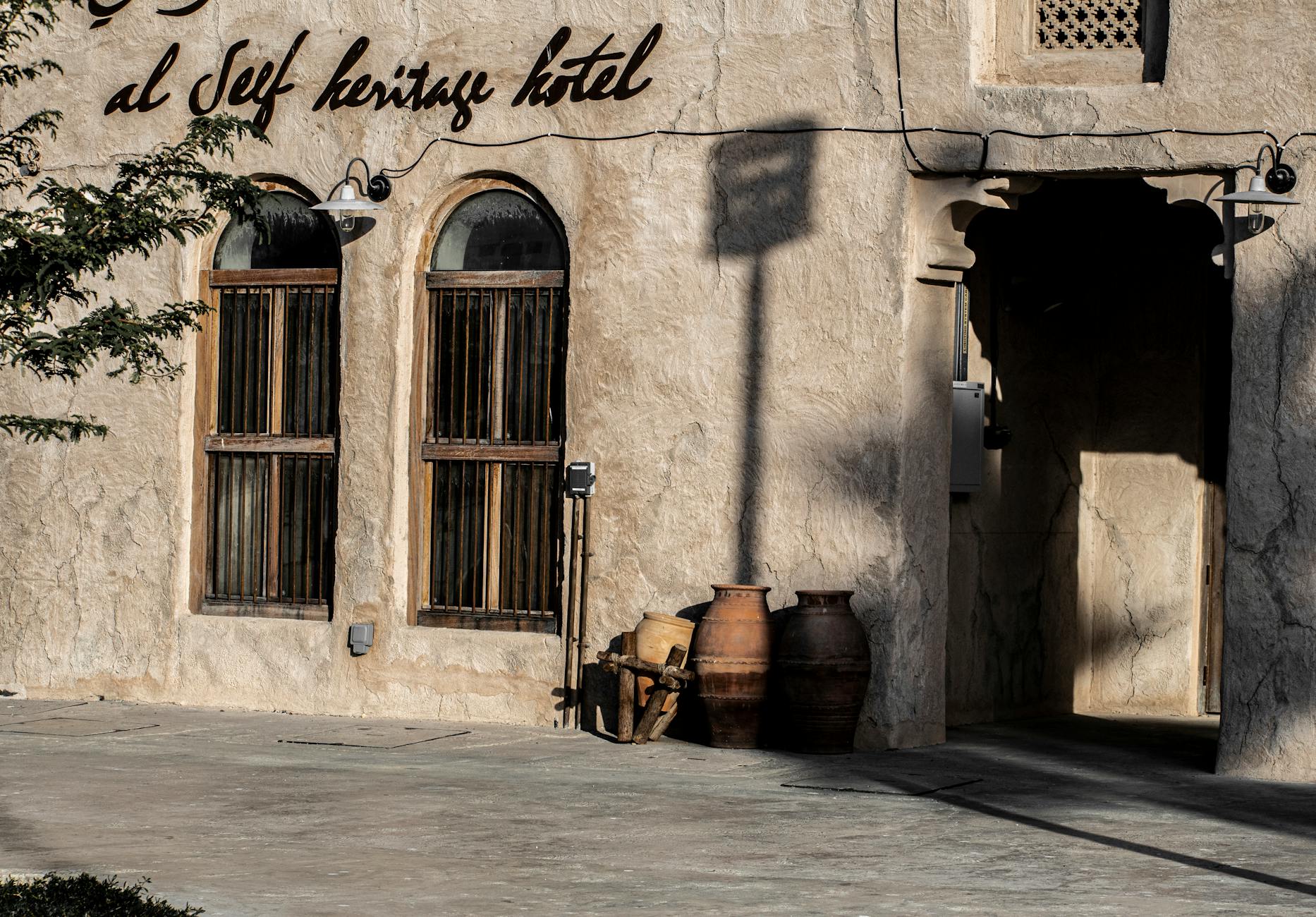
– Al Fahidi / Al Seef: compact history, courtyard cafes, close to Dubai Museum; walk-first days work well here.
– Deira: best for traditional souks and affordable local food; ideal for market-focused half-days.
– Jumeirah: beaches and mosque visits, quieter residential feel for families.
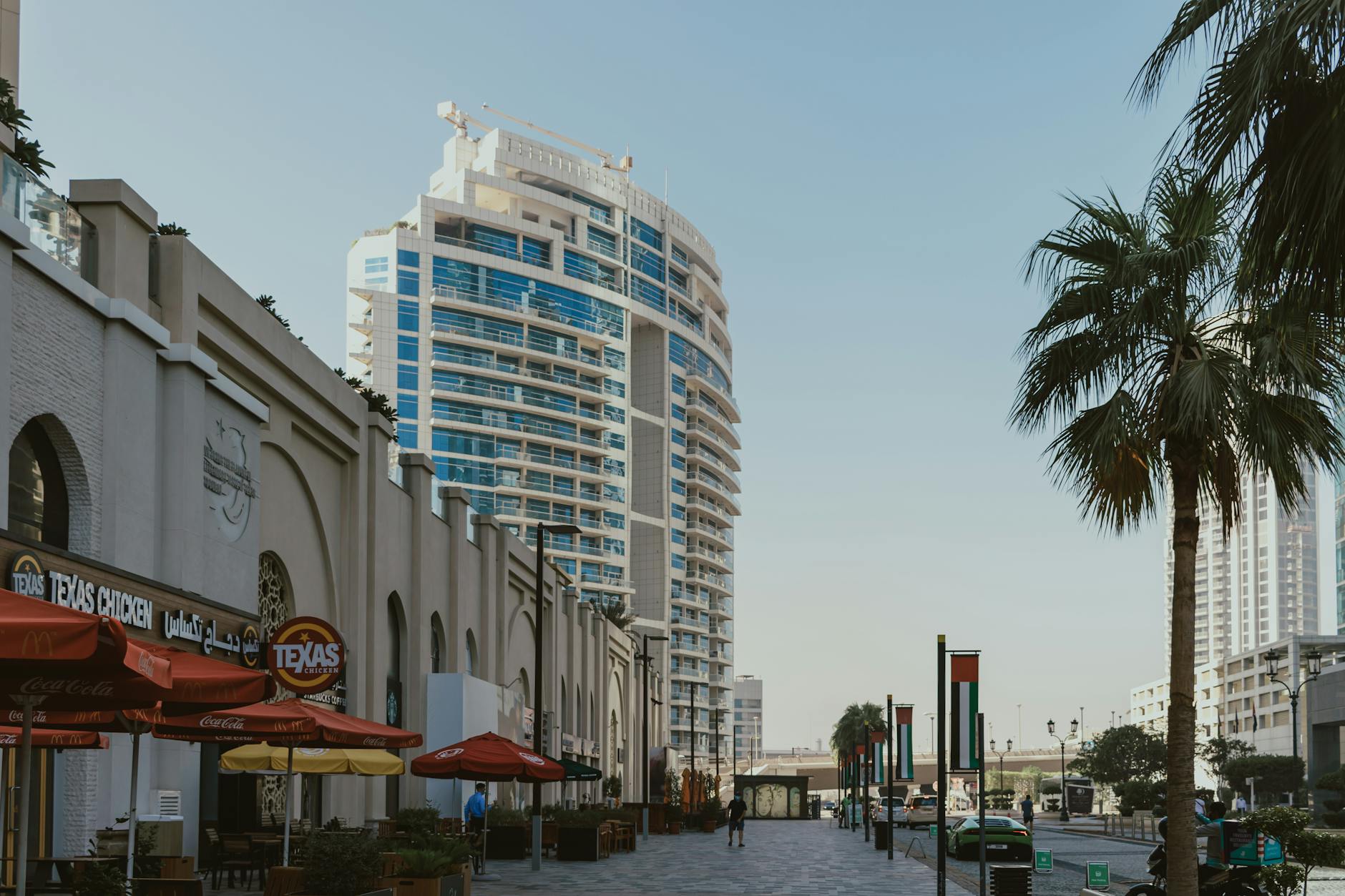
– Dubai Marina or JBR: seaside walks and good public transport links for evening activities.
Transport and low-impact moves
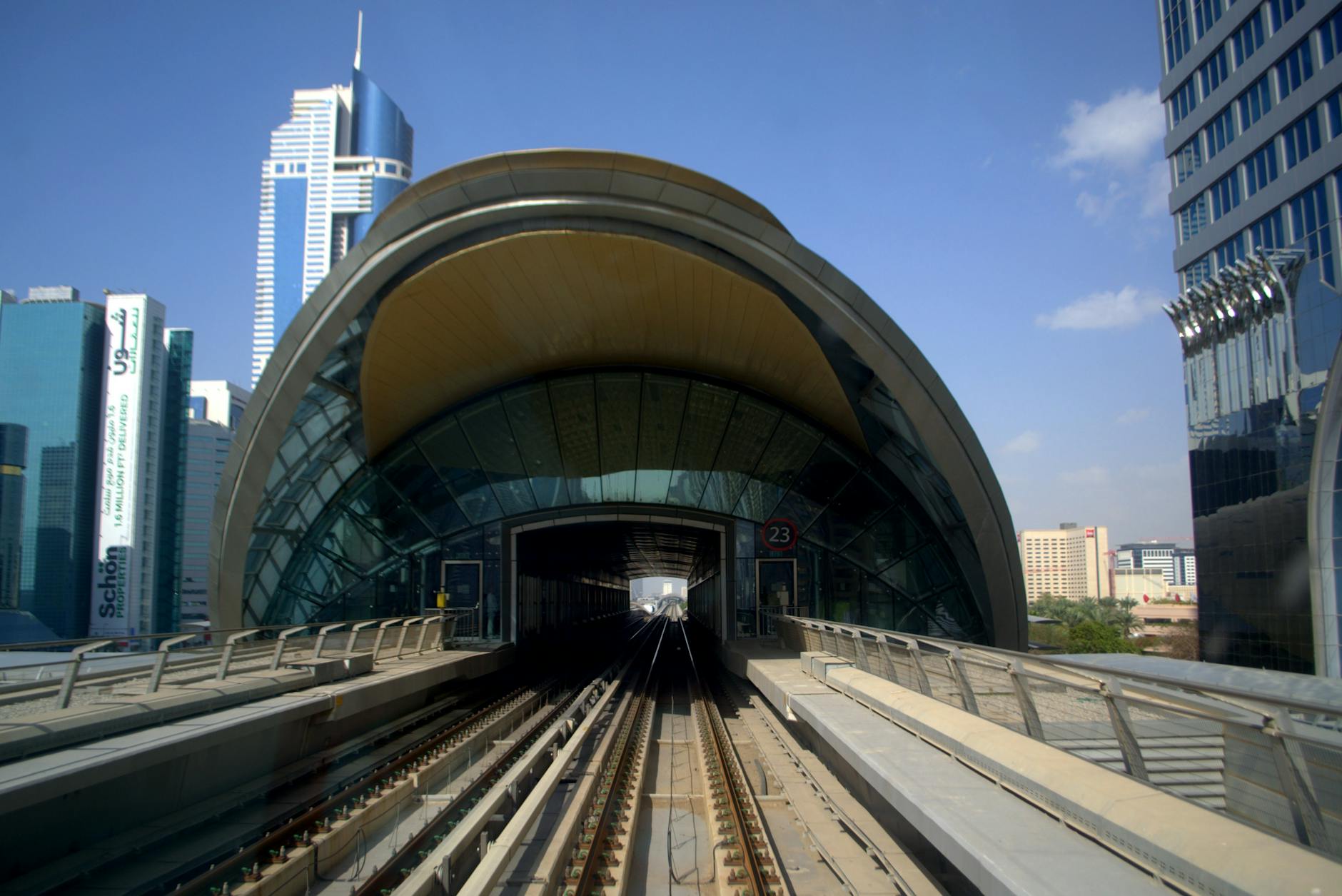
– Use the Metro Red Line and Green Line for most tourist corridors; the tram links Marina and JBR.
– Abra rides on Dubai Creek are cheap, scenic and low-carbon.
– Prefer taxis/Careem for late-night returns or small groups rather than rental cars.
Tours and operators
– Choose operators licensed by Dubai’s Department of Economy and Tourism or conservation bodies for desert trips.
– Prefer small-group cultural walks with guides from the neighbourhoods you visit.
– Book dhow cruises and harbour tours with companies that pay port fees and crew wages transparently.
Food and shopping
– Prioritise family-run restaurants and souk stalls over international chains.
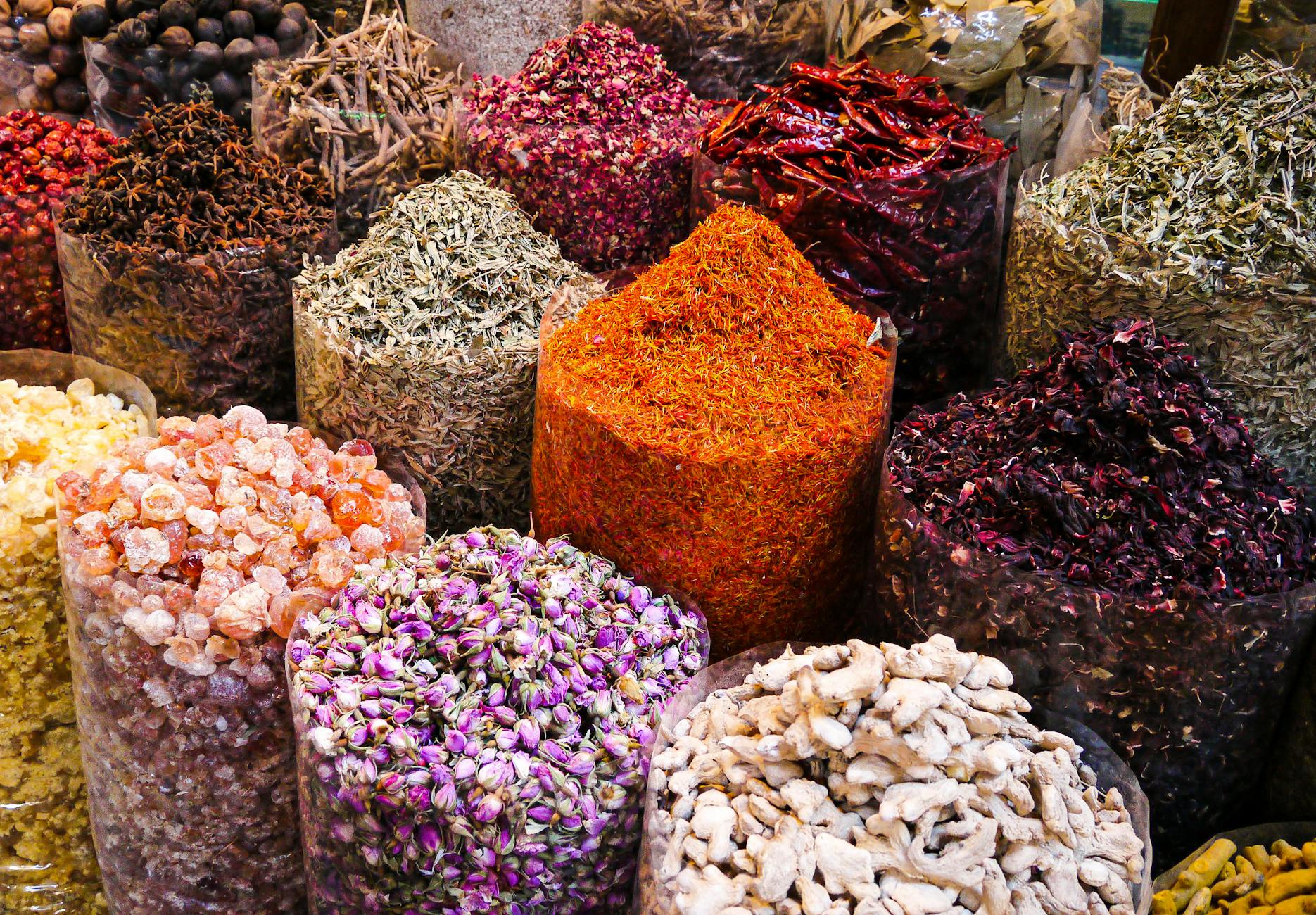
– Buy spices, textiles, and crafts from vendors who mark provenance; ask about handmade versus mass-produced items.
Practical booking tips
– Reserve popular experiences (Burj Khalifa time slots, Al Fahidi cultural walks, desert reserve tours) in advance to avoid last-minute high-impact options.
– Check cancellation policies and pick flexible fares where possible.
Local Context
Seasons and heat
– Summers (June–September) are extremely hot; avoid midday outdoor activities.
– Shoulder seasons (March–April, October–November) offer cooler mornings and lower hotel rates; these months are best for low-impact outdoor visits.
Cultural norms and etiquette
– Dress modestly in public places: shoulders and knees covered in more traditional areas and during mosque visits.
– During Ramadan, avoid eating, drinking or smoking in public during daylight hours out of respect.
– Public displays of affection are limited; act conservatively in markets and mosques.
Legal and practical realities
– Alcohol is allowed only in licensed venues; carrying alcohol in public is against the law.
– Photography: always ask before photographing people. Avoid photographing military, government buildings and nearby staff without permission.
Transport reality
– The Metro, tram and local buses are modern and reliable; taxis and ride-hailing apps fill gaps. Expect higher fares at peak times.
– Inter-emirate buses link Dubai to Sharjah and Abu Dhabi; for Muscat or Doha, flights are practical, though overnight buses and shared transfers exist for some routes. Consider coach options where feasible for lower carbon alternatives.
How to Choose Well
Accommodation
– Look for small locally owned hotels, guesthouses or international hotels with verified sustainability credentials (Green Key, Green Globe) and transparent water and energy policies.
Tours and operators
– Ask if a tour reinvests in local communities or conservation. Prefer operators who limit group sizes, avoid destructive activities, and share clear itineraries.
– For desert time, prioritise visits to Dubai Desert Conservation Reserve or ecotourism providers who use established tracks and limit vehicle numbers.
Transport decisions
– Use the RTA Nol card for Metro and buses; it’s cheaper and reduces single-use ticket waste.
– Walk short distances where safe and shaded; this benefits local cafés and shops.
Booking channels
– Book directly with local operators when possible or through reputable regional platforms that allow you to support small businesses and see operator credentials.
– If using the 3 days in Dubai itinerary as your base, swap one paid mall experience for a guided heritage walk in Al Fahidi or a market food tour in Deira to keep spending local.

Responsible and Local-First Tips
- Travel by Metro, tram and abra for most inner-city journeys.
- Eat at family-run restaurants and street cafés; order local dishes and ask about house specialties.
- Use refillable water bottles; many malls and hotels have water stations to reduce single-use plastic.
- Choose desert experiences that prioritise wildlife protection and cultural respect; avoid unregulated quad-biking and free-roaming vehicles in sensitive habitats.
- Buy crafts and textiles from identifiable local vendors and artisans; ask about how items were made.
- Offset only after you’ve reduced travel emissions (long-distance flights) and consider donations to regional conservation programs like those supporting the Arabian oryx and dune habitat protection.
- Time visits to markets and museums for early morning or late afternoon to spread visitor load and avoid peak crowds.
Where this supports your 3-day plan
– Replace one mall afternoon with a guided market walk or a community-led cooking class to keep your 3-day schedule lively and locally beneficial.
Common Mistakes to Avoid
- Visiting in high summer and expecting to spend long periods outdoors.
- Booking dune-bashing or quad-bike tours without asking about environmental rules—these cause erosion and disturb wildlife.
- Assuming all souvenirs are local or handmade; always ask about materials and origin.
- Over-relying on taxis for short trips that the Metro and abra can cover more sustainably and cheaply.
- Photographing people, especially women, without permission.
- Ignoring public holiday timings and prayer-time closures—museums and shops may alter hours.
- Skipping advance booking for Burj Khalifa, cultural walks, and desert reserve slots; this forces last-minute choices that may be less sustainable.
FAQ
When is the best time to visit Dubai to balance comfort and lower environmental impact?
Shoulder seasons (March–April and October–November) offer cooler mornings and evenings, fewer crowds than peak winter months, and lower hotel demand. This reduces air‑conditioning load per visitor and spreads tourist activity.
Is public transport in Dubai practical for tourists who want to avoid taxis?
Yes. The Metro, tram and ferries cover major tourist corridors. Use a Nol card, and combine public transport with short abra rides on Dubai Creek for authenticity and low impact.
How can I experience the desert responsibly?
Book with the Dubai Desert Conservation Reserve or licensed eco-operators who use established tracks, limit vehicle numbers, avoid free-roaming quad bikes in sensitive areas, and contribute to conservation fees.
Can I visit nearby cities like Sharjah and Abu Dhabi without flying?
Yes. Intercity buses and shared coaches run regularly to Sharjah and Abu Dhabi. For Muscat and Doha, flights are usually the practical option; consider overnight coach services where available to reduce short-haul flights.
Any etiquette tips I should be aware of?
Dress modestly in traditional areas and during mosque visits, ask before photographing people, observe Ramadan restrictions if visiting then, and only consume alcohol in licensed venues.
Conclusion
Responsible choices in Dubai are mainly about timing, transport and who you spend with. Use the 3 days in Dubai itinerary as a flexible backbone: swap a mall visit for a market and cooking class, choose Metro over taxis when practical, and book desert time with accredited conservation-minded operators. Small decisions—buying a handcrafted spice mix in Deira, taking an abra, or staying in a locally owned guesthouse—add up to meaningful support for the communities you visit. For responsible day-trip planning, consider close neighbours like Sharjah and Abu Dhabi first, and reserve longer inter-country journeys for when the trip justifies the footprint.
How this guide was prepared
This guide was prepared through a structured research that combines destination research, geographic context, itinerary planning logic, and content review.