

Getting Around Ubud — Practical, low-impact transport guide
How to move around Ubud: walking, cycling, scooters, drivers, airport transfers, and low-impact tips. Practical costs, neighborhoods, seasonal notes, and how this supports a 3-day Ubud itinerary.
Clear, practical advice for getting around Ubud on foot, by bike, scooter, shuttle, or private driver — with sustainable, local-first choices and fast answers for travelers using our 3 days in Ubud itinerary.
Quick Answer
Clear, practical advice for getting around Ubud on foot, by bike, scooter, shuttle, or private driver — with sustainable, local-first choices and fast answers for travelers using our 3 days in Ubud itinerary.
Who This Page Is For
This page is for travelers planning a stay in Ubud who want clearer decisions about getting around, local logistics, timing, budgeting, and practical trip planning.
How This Page Was Prepared
This page was prepared through a structured editorial workflow that combines destination research, geographic context, and practical travel-planning review.
Plan the Rest of Your Trip
Use this page together with the full itinerary and the related planning pages below to make better booking, timing, transport, and budget decisions.
Most visitors combine walking inside central Ubud, short-cycle or scooter rides for nearby villages, and a local private driver for full-day trips. Use app-based bikes (Gojek/Grab) for quick island-style on-demand trips, book a hotel transfer or shuttle from Ngurah Rai (Denpasar) airport, and avoid driving long distances yourself if you’re unfamiliar with rainy-season roads.
Ubud is compact in its core but spread across narrow, hilly roads that connect rice terraces, villages, and viewpoints. This page focuses on practical choices for moving between the center, surrounding villages (Tegallalang, Sayan, Penestanan), and transport hubs. If you're following our 3 days in Ubud itinerary, these tips will help you schedule mornings for walks, middays for hired drivers, and late afternoons for market runs while minimizing impact and supporting local businesses.
What This Page Helps You Decide
Use this page to choose the right mix of transport for your stay. It helps you decide:
– Whether to walk, rent a bike, or hire a scooter.
– When to hire a private driver versus using app rides or shuttles.
– How to budget time and money between sights and meals.
– Practical arrival and departure options to link to nearby destinations (Kuta, Seminyak, and flights to Surabaya, Yogyakarta, Malang).
Also see our 3 days in Ubud guide for daily pacing that maps directly to these transport choices.
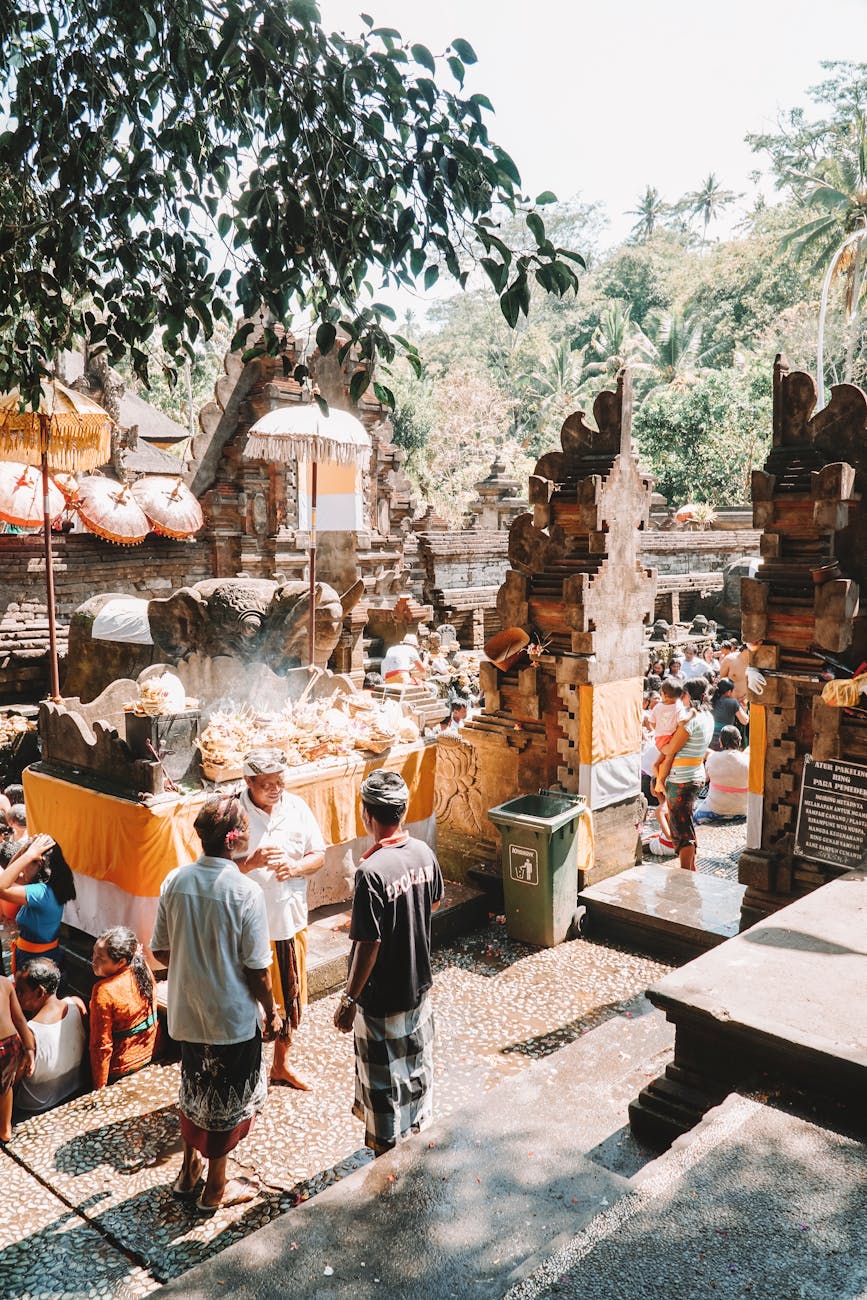
Top Recommendations
1) Walk the center and Campuhan early: Cool mornings are best for the Campuhan Ridge Walk and Ubud Market. Comfortable shoes, sunhat, and reusable water bottle.
2) Book a trusted local driver for day trips: For Tegallalang, Goa Gajah, and longer visits, a driver is safer and supports the local economy. Typical half-day: 300k–400k IDR; full day: 500k–700k IDR depending on itinerary.
3) Use Gojek/Grab for short hops: Motorbike taxis often cost 15k–50k IDR and are quick on narrow lanes. Use app photos to confirm the driver and vehicle.
4) Rent a bicycle for low-impact short trips: Best for flatter lanes around Penestanan and local rice fields when the weather is dry; rental ~50k–100k IDR/day.
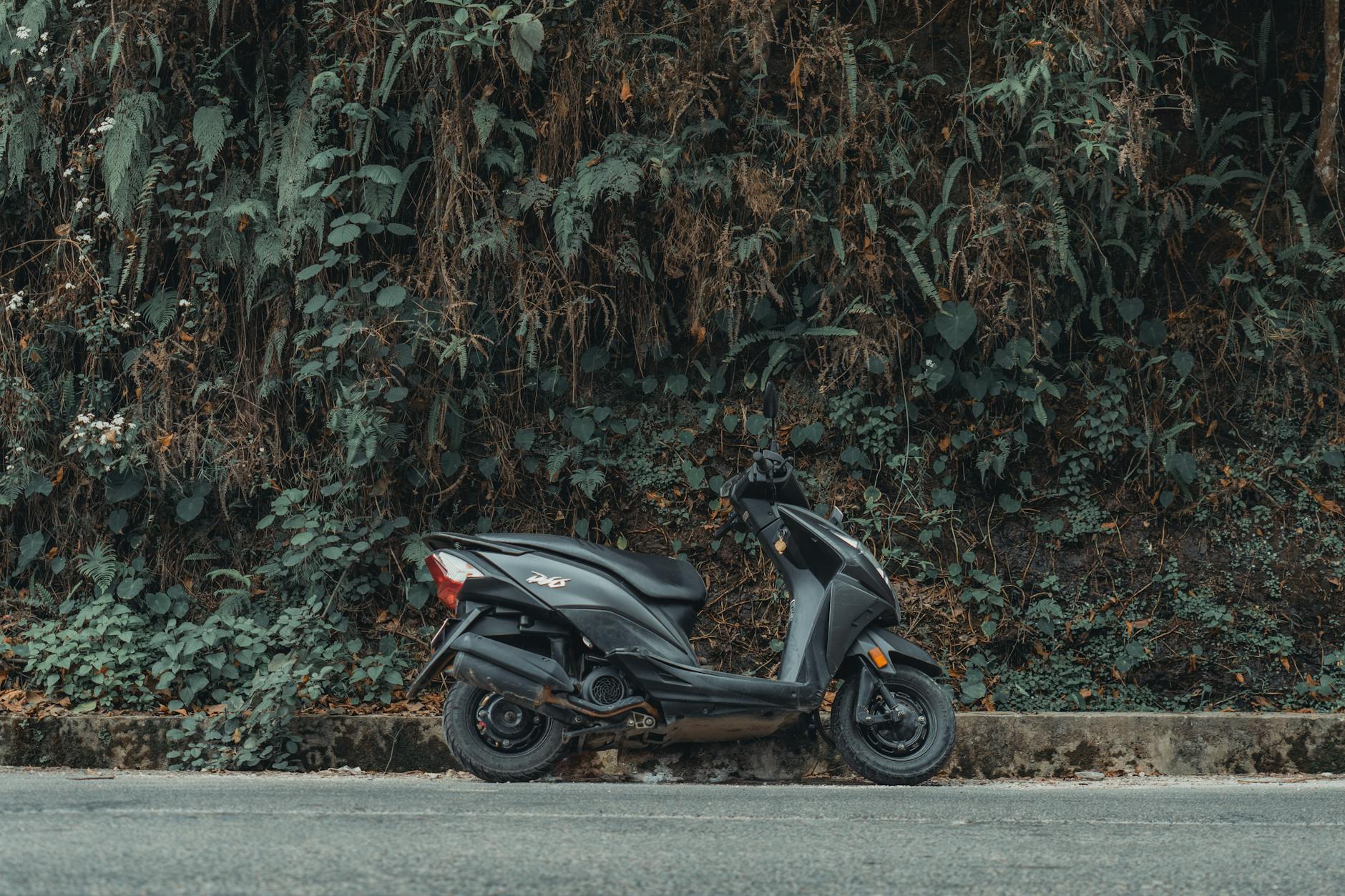
5) Avoid self-driving long distances if unfamiliar: Scooter rental is cheap (60k–120k IDR/day) but requires confidence, local license or IDP, and caution in the wet season.
6) Airport transfers: Prebook a fixed-rate taxi or hotel transfer from Ngurah Rai — expect 300k–450k IDR to reach central Ubud; shared shuttles (Kura-Kura) are cheaper but slower.

Local Context
Neighborhoods and traffic:
– Ubud Center (Ubud Palace, Market, Jalan Monkey Forest) is very walkable but crowded midday.
– Penestanan and Sayan are west of the center and popular for cafés and rice-field views; narrow lanes and stepped paths are common.
– Tegallalang is northwest and requires a vehicle or a long bicycle ride uphill.
– Lodtunduh and Peliatan are quieter villa areas with limited sidewalks.
Seasonal patterns:
– Dry season (April–October) is busiest; expect more traffic and higher prices.
– Wet season (November–March) brings slippery roads and shorter daylight — avoid late-night scooter rides.
Transport realities:
– No conventional public bus network serving Ubud like in cities; small shuttles and tourist buses run between major towns.
– App-based motorbike taxis (Gojek/Grab) are widely used; app car options are available but may have limited pickup spots.
– Parking in central Ubud can be tight; many guesthouses offer free parking if you arrange in advance.

How to Choose Well
Match transport to purpose:
– Short, single-destination trips (markets, cafés): walk or Gojek motorbike.
– Scenic or multi-stop days (rice terraces, temples, swing): hire a private driver for the day.
– Morning exercise and close views: Campuhan Ridge on foot; rent a bike for village loops.
– Long transfers (airport, other islands, Java cities): fly from Denpasar to Surabaya, Yogyakarta, or nearby hubs rather than attempting ferry + overland unless you’re on a longer, slower trip.
Booking and price tips:
– Agree on driver prices before departure and confirm fuel and tolls policy.
– For scooter rental, inspect brakes, lights, and tires; take photos of existing damage.
– Use contact details for hotel/host to request recommended drivers or shuttle services — they often have fair local rates.
Safety and legality:
– Foreigners should carry a valid driving permit (International Driving Permit recommended) if riding a scooter.
– Wear helmets (required), avoid night riding in heavy rain, and lock helmets and belongings when parked.
Responsible and Local-First Tips
- Choose drivers and guides who live locally and declare fair prices; this keeps tourist revenue in the community.
- Prefer guesthouse or small-operator transfers when possible over global chains.
- Walk or cycle for short trips to reduce emissions and experience neighborhood life.
- Avoid motorized access to narrow rice-terrace paths and follow posted routes to protect irrigation systems (subak).
- Support small warungs, market stalls, and cooperatives for meals, crafts, and coffee tasting.
- Use refill stations and avoid single-use plastics; bring a reusable bottle and a small rubbish bag for excursions.
- Respect temple dress codes: sarongs often required at certain temples — ask your driver or host if unsure.

Common Mistakes to Avoid
- Trying to cover too many distant sights in one day; split Tegallalang and eastern villages across separate half-days.
- Riding a scooter in heavy rain or at night if you’re not experienced — roads get slippery and visibility drops.
- Assuming app services are available at airport pickup points; arrange a hotel transfer if you arrive late.
- Bargaining aggressively with small stalls and drivers — instead, negotiate a fair, transparent rate.
- Feeding or approaching monkeys in the Monkey Forest; they are wild and can bite or grab belongings.
- Ignoring local road rules: helmets, lights at night, and correct driving side matter for insurance and safety.
FAQ
Is Ubud walkable?
Yes. Central Ubud (Ubud Palace, Market, Monkey Forest, Campuhan) is very walkable. Expect crowded streets mid-morning to late afternoon; do the Campuhan Ridge Walk early for quieter paths.
How do I get from Ngurah Rai (Denpasar) airport to Ubud?
Options: prebooked hotel transfer or private taxi (fixed rate 300k–450k IDR), shared airport shuttle (Kura-Kura, cheaper but slower), or arrange a private driver to meet you. App rides exist but check airport pickup rules on arrival.
Are scooters safe to rent in Ubud?
They are common and convenient but require experience. Check weather, test brakes and lights, use helmets, and carry an International Driving Permit if possible. If unsure, hire a driver instead.
How long does it take to reach Kuta, Semarang, or Yogyakarta from Ubud?
Kuta/Seminyak: typically 1–2 hours by car depending on traffic. Yogyakarta, Semarang, Malang, Surabaya are on Java — fly from Denpasar to the nearest airport (best option) or use ferry+train over multiple days. Flights are faster and often more practical for short itineraries.
Should I hire a guide or just a driver?
Hire a driver for logistics and a local guide for cultural sites where explanation deepens understanding (temples, rice terraces, art villages). Many trusted drivers can recommend accredited guides.
How do I respect local customs while moving around?
Wear respectful clothing at temples, ask permission before photographing people during ceremonies, follow subak paths on rice terraces, and tip drivers and guides fairly. Favor local stalls and services to keep benefits within the community.
Conclusion
Plan travel in Ubud around slow mornings on foot, low-impact bike or scooter trips for nearby villages, and local drivers for full-day outings. Book airport transfers in advance for smoother arrivals, favor local businesses, and schedule your busiest sightseeing for dry-season mornings or shoulder-season days to avoid crowds. For a ready-made plan that pairs with these transport suggestions, see our 3 days in Ubud guide — and if you’re continuing on to Kuta, Yogyakarta, Surabaya, or Malang, plan flights from Denpasar for the fastest connections.
How this guide was prepared
This guide was prepared through a structured research that combines destination research, geographic context, itinerary planning logic, and content review.